10 Small Restaurant Details Chefs Say Guests Seldom Notice
Every time you walk into a restaurant, your eyes naturally drift to the obvious things. The ambiance, the menu prices, how quickly the food arrives. Yet there’s an entire universe of carefully orchestrated details happening right under your nose that most diners completely miss. Restaurant servers are also likely sizing you up and figuring out what kind of dining guest you’ll be, while chefs notice guest behaviors that reveal far more than you might imagine.
The truth is, restaurants are complex ecosystems where every tiny detail has been thought through. From the moment you sit down to the final bite, there’s a symphony of subtle signals, strategic choices, and behind-the-scenes choreography that shapes your entire experience. Let’s dive into the small restaurant secrets that chefs wish more guests would notice.
The Temperature Test of Your Bread Plate
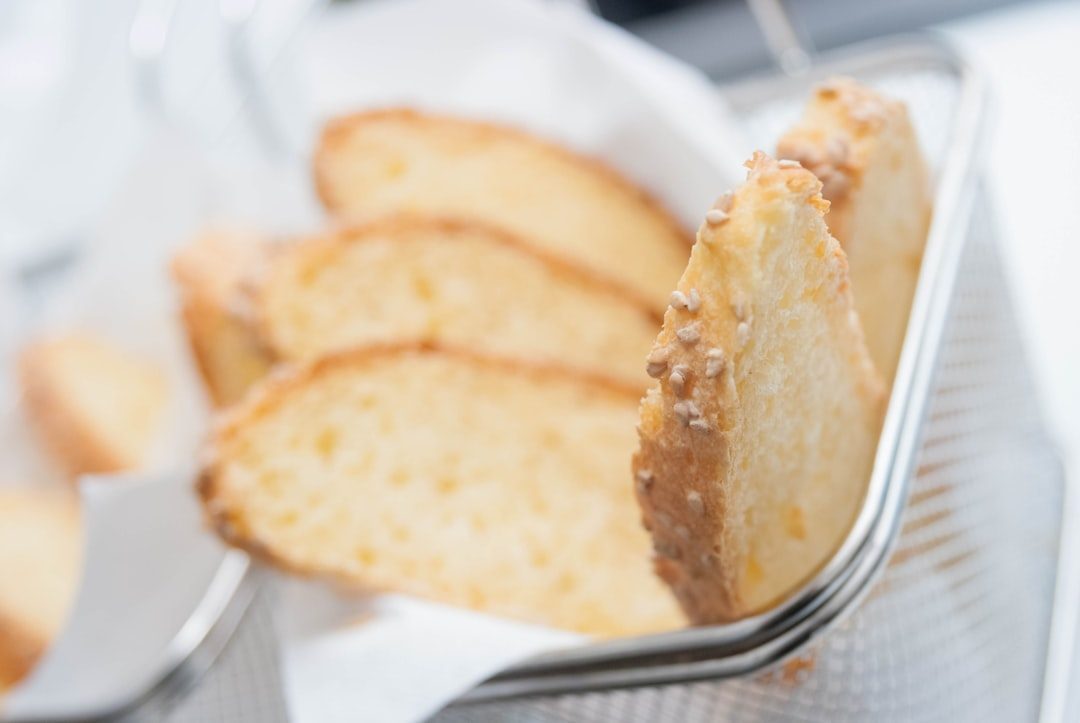
Here’s something that might surprise you: some restaurants reportedly serve only decaf coffee later in the evening to simplify cleanup. I’ll bring out a tray with 12 coffees on it and give some to the customers who ordered regular, others to the ones who ordered decaf. But they’re all decaf. Just like this coffee deception, bread plates reveal kitchen secrets.
Professional chefs can tell within seconds whether a restaurant truly cares about quality based on bread plate temperature. Cold plates mean the kitchen isn’t paying attention to fundamentals. Warm plates indicate they’re thinking about every element of your dining experience.
The bread itself tells a story too. Day-old bread reheated in a microwave feels different from fresh-baked loaves. It’s really all about how the food cooks. Getting good with a knife ensures all the ingredients will cook evenly and at the same rate. This attention to detail extends to bread service timing and temperature control.
Next time you’re dining out, touch your bread plate before the food arrives. That simple temperature check reveals whether the kitchen operates with precision or just gets by.
How Long Your Server Studies the Reservation Book

Servers don’t just check names randomly. We always check the reservation book, scan the names, and hope for someone recognizable. I’m happy if the notes say something like ‘Previous number of reservations: 92.’ If they say something like ‘First-time guest, celebrating Grandma’s 80th birthday, need two high chairs, split checks, gluten allergy,’ then I start rummaging through my pockets for a crisp bill for the hostess.
The reservation system holds detailed guest histories that servers study like homework. They’re looking for dining patterns, special requests, and previous complaints. This intelligence gathering happens in those first few moments after you’re seated.
You can tell when you walk up to a table if they’re in a bad mood, if they’re in a rush … It’s all about understanding body language and developing a rapport quickly. Combined with reservation notes, this creates a complete profile of your dining personality.
Regular diners get treated differently not just because of loyalty, but because their preferences are documented and studied. It’s much easier to be recognized as a regular on Mondays, Tuesdays, or Wednesdays. Once you’re recognized as a regular, good things start to happen. You’ll find your wineglass gets filled without being put on your bill, or the chef might bring you a sample.
The Kitchen’s Secret Communication System
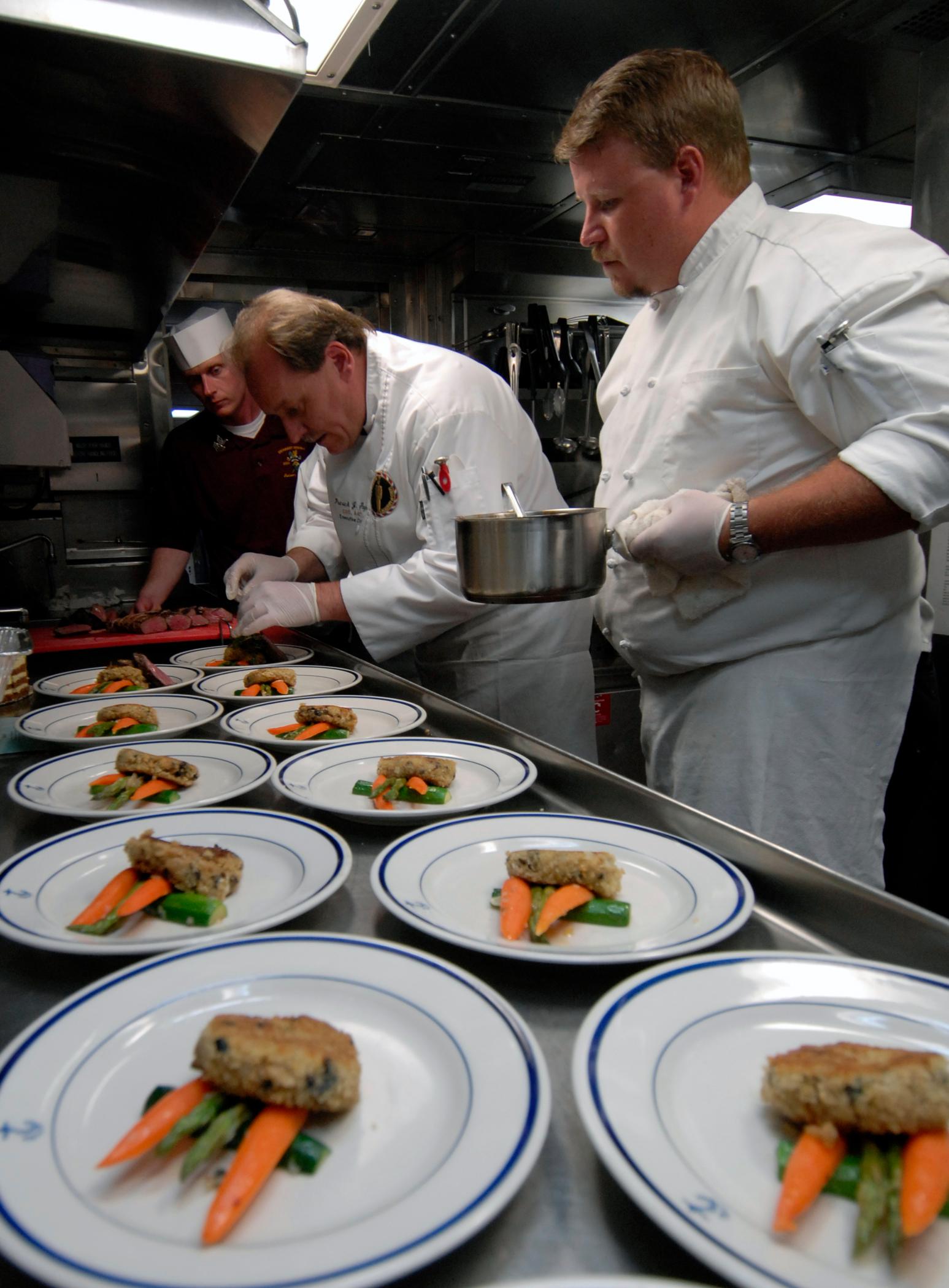
Sometimes, the kitchen will run out of an ingredient in a menu item (no more cinnamon sugar rims on the fall cocktail), a drink or an entire menu item. This means it’s 86ed. Usually, the manager or the kitchen staff will alert servers so they don’t offer it or can tell guests. This restaurant slang system operates like a secret language.
Professional kitchens use dozens of coded terms that guests never hear. “86” means out of stock, but there are signals for everything from VIP tables to problem customers. A term used to infer giving VIP treatment to a table exists specifically for managing guest experiences without obvious favoritism.
While strategically placed windows and primmed servers may give guests a glimpse into how a restaurant kitchen runs, there is a whole world behind those swinging doors. With this in mind, I thought it may be interesting to peel back the curtain and let you in on a few restaurant kitchen secrets.
Listen carefully during your next meal. Those quick conversations between servers and kitchen staff aren’t just order updates. They’re strategic communications about timing, special handling, and guest management that shape your entire experience.
Menu Price Psychology You Never Notice
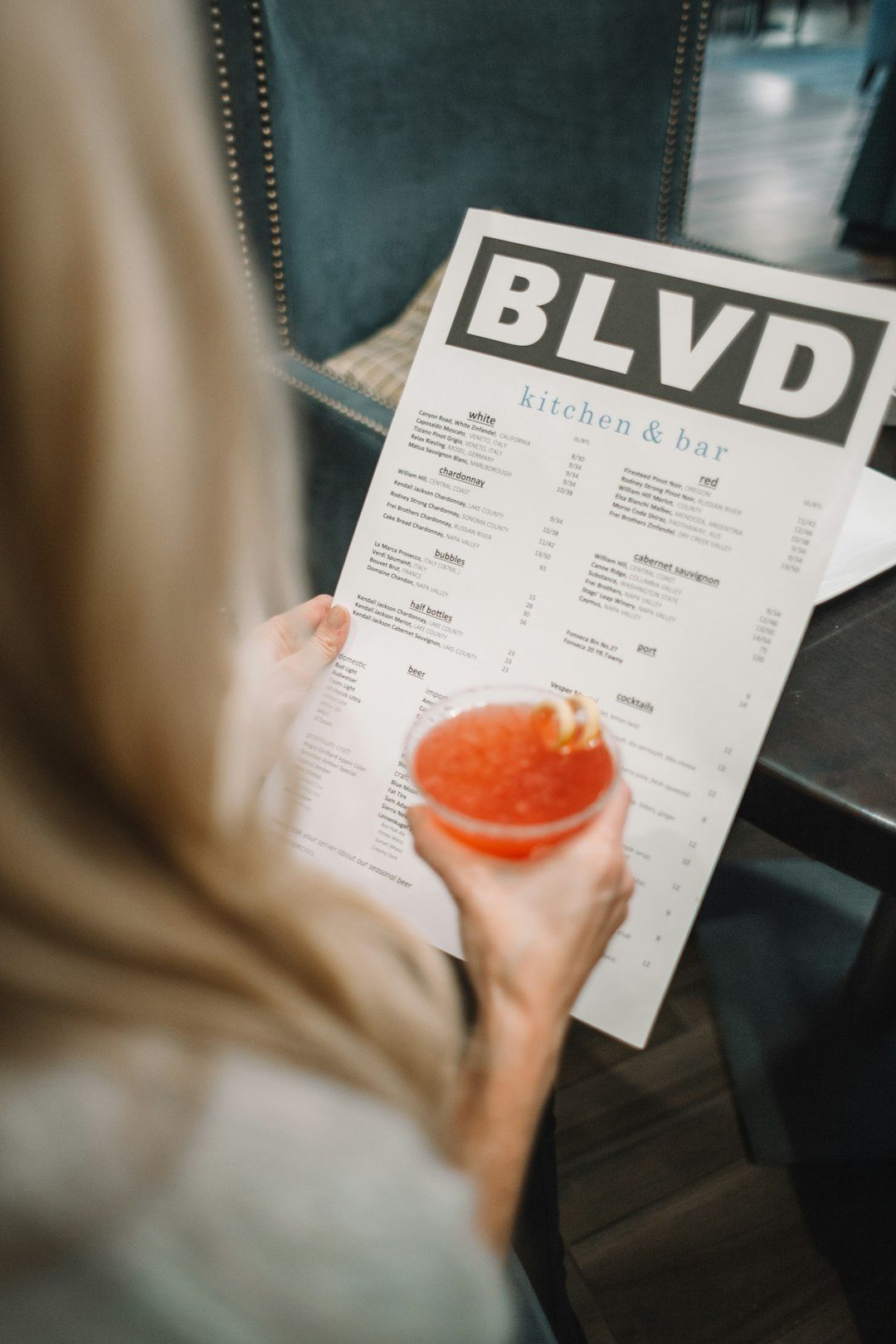
Every placement, every price point, every highlight matters. Use smart layout strategies to anchor high-margin menu food, downplay low-profit items, and highlight profitable bundles or add-ons. Restaurant menus are designed like psychological battlefields.
One of the first things I noticed was how people reacted when they opened the menu. Some guests scanned each line carefully, their eyes darting to the right side of the page where the numbers sat. Others hesitated before ordering, quietly checking with their partner about whether it was ‘okay’ to get the steak or the seafood tower. But the ones who had serious money? They barely glanced at prices. It wasn’t arrogance – it was ease.
Chefs strategically position expensive items next to moderately priced ones to make the moderate options seem reasonable. The strongest food menus today lead with bold fonts, tight sections, and zero fluff. Too many options slow decision-making and bury your best dishes. Clean layouts with clear categories move the eye fast and help guests get to what they want quicker.
Those seemingly random menu descriptions aren’t accidents either. Every adjective and cooking method mentioned is calculated to justify pricing and create appetite appeal.
How They Judge Your Table Manners Within Minutes
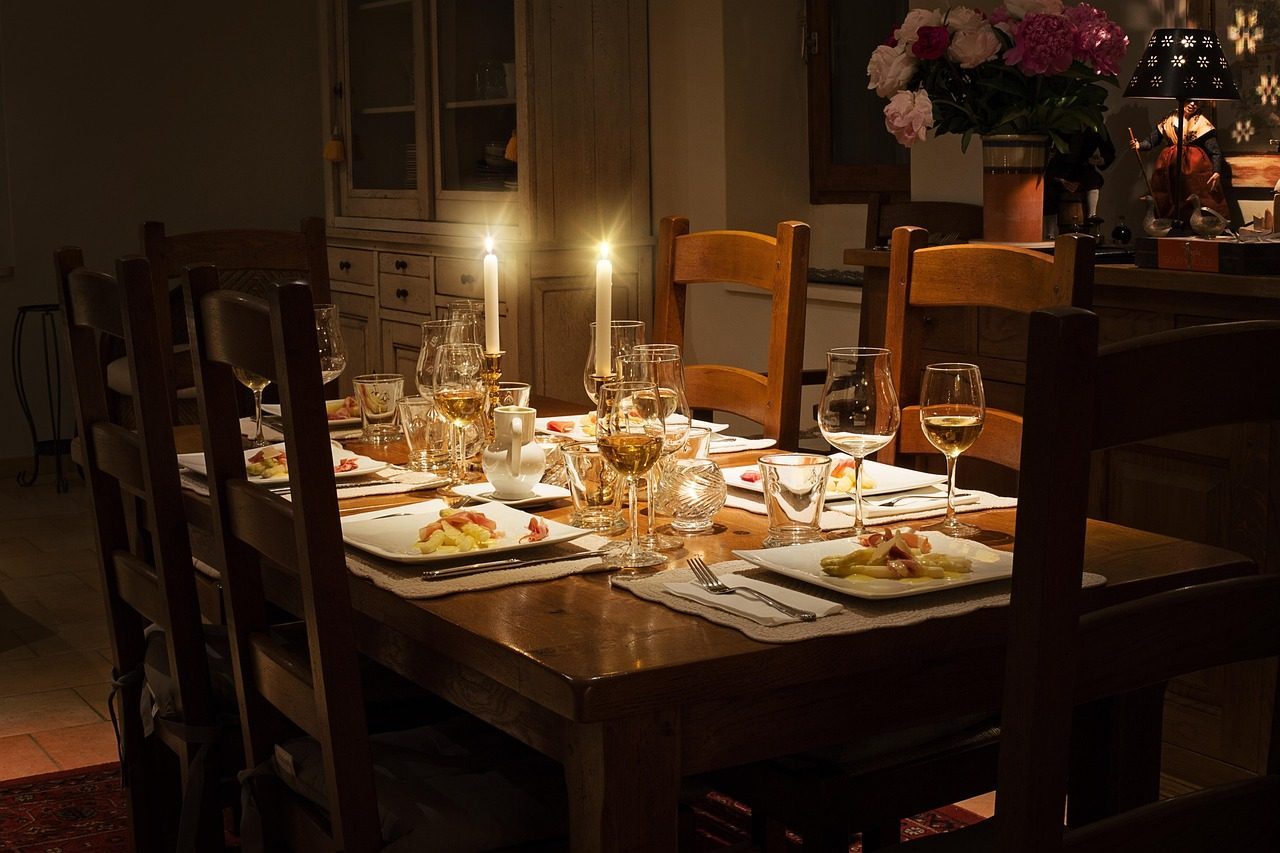
If there are kids at the table, Simon tries to determine how well-behaved they are: ‘You don’t know how lax the parents are in terms of keeping the kid in their seats or letting them run around the restaurant, or how dirty underneath the table is going to be’. Servers size up your entire party immediately.
Another very telling observation for servers: how you treat others at your table. ‘If someone is dismissive of their spouse, their date or their kids, then you don’t have much hope that they’re going to treat you better’. This behavioral assessment determines everything from service pace to attention level.
Your phone usage, how you sit, whether you make eye contact during introductions all get categorized instantly. That wasn’t how the genuinely wealthy guests moved through dinner. They lingered. They let courses breathe. They talked between bites instead of rushing through them. They treated the meal like an experience, not a task to check off. Time, I learned, was one of the biggest luxuries.
Servers adjust their approach based on these first impressions. Rushed diners get efficient service; leisurely tables get more detailed explanations and recommendations.
The Cleanliness Indicators You Walk Past
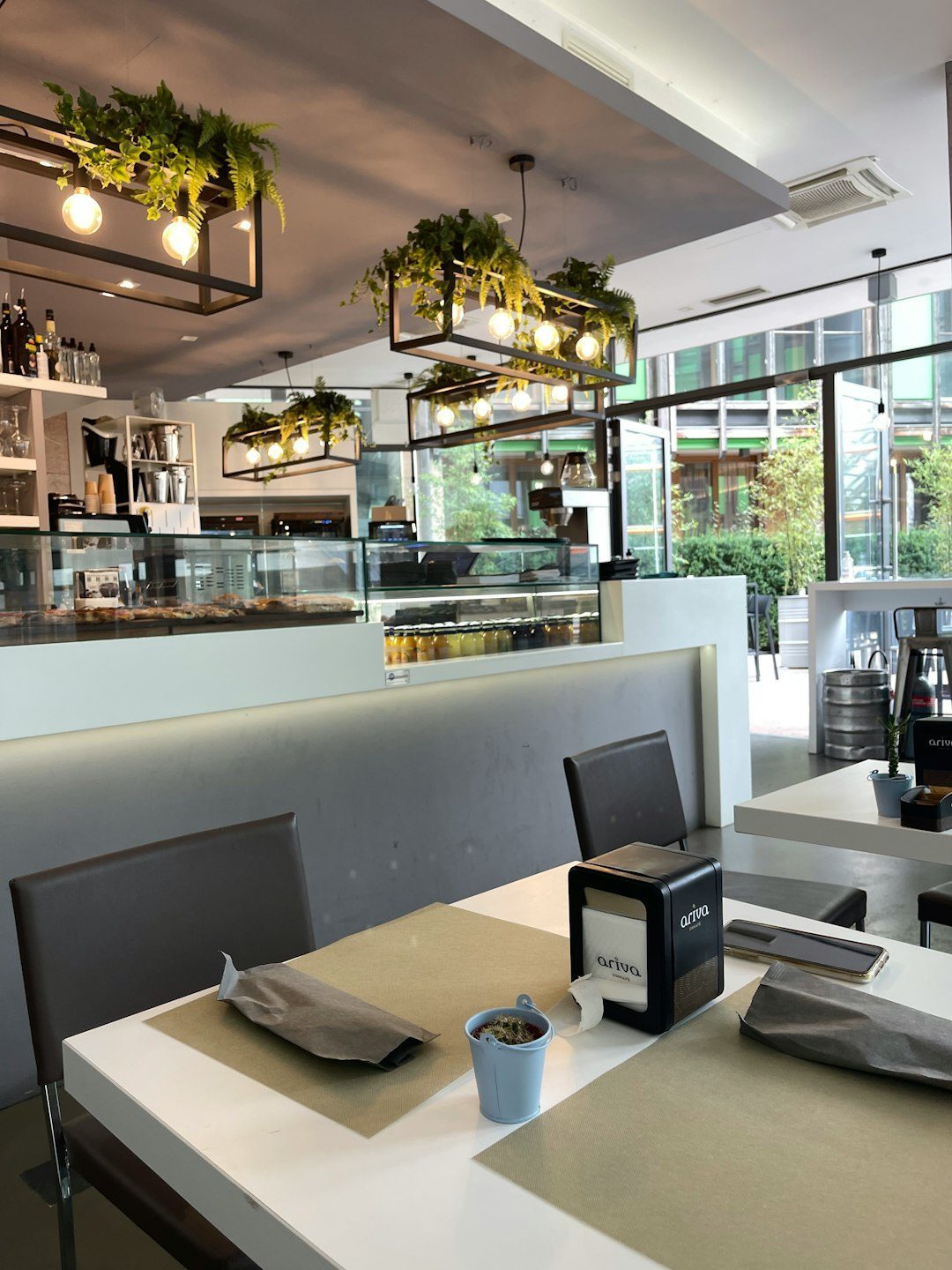
Menus with bread crumbs, food stains and spilled sauces signal they’re not cleaned regularly. If the staff isn’t paying attention to this detail, they may be missing even bigger things. It’s a sure sign that attention to detail is lacking. A manager who ignores the front of the house often has difficulty in the administration of both the front and back of the house.
Professional chefs notice bathroom cleanliness, floor corners, and even how salt shakers are positioned. These details reveal management priorities and kitchen standards. If you get out of your car and come face-to-face with open dumpsters, trash and cigarette butts on the ground, you may want to keep driving. Rice says dirty windows and doors are also a sign the restaurant isn’t focused on cleanliness, and that may carry over into the areas where your food is prepared.
Look at surfaces that don’t seem important: windowsills, chair legs, light fixtures. These areas separate restaurants that truly care from those just maintaining appearances.
The restroom paper towel dispenser placement, soap quality, and mirror cleanliness all reflect kitchen hygiene standards you’ll never see directly.
Subtle Staff Coordination You Never Realize
These are guests who linger at their table after they’ve finished their meals and paid the check. For a restaurant server, this isn’t great – they’d rather turn their table to a new set of guests. Campers can also be frustrating for guests waiting to be seated. ‘These campers at table 12 paid half an hour ago and our waitlist is growing by the minute!’
Watch how servers move through the dining room. There’s choreographed timing happening everywhere. Water refills, bread service, and check presentations are coordinated to maximize table turnover without rushing guests.
Perhaps the best thing you learn in culinary school is having your mise en place – everything in its place. It’s the best way to stay calm in a professional kitchen. Professional cooks spend hours chopping up meats, vegetables and herbs so they’re ready to add to the pan when they need them. If you’re not prepared, you’ll be overwhelmed and in the weeds.
This preparation philosophy extends to front-of-house operations. Servers know exactly when to approach tables, how to time course delivery, and when to offer dessert menus based on subtle guest cues.
The Real Reason Behind Special Menu Recommendations
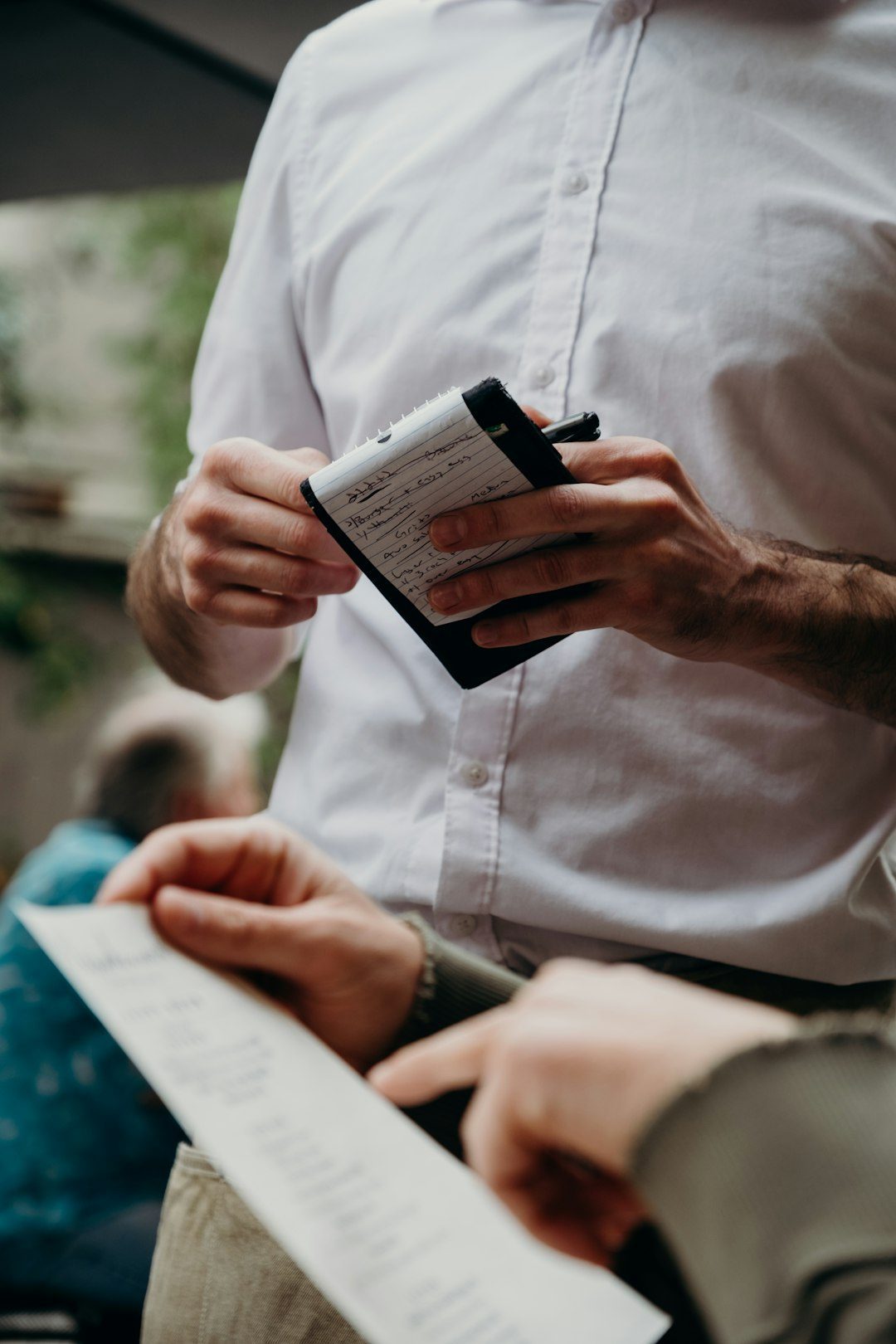
Upselling is a sales technique in which a server/bartender/manager suggests more expensive items to guests to increase check size. Done properly, upselling looks like great customer service, requiring top-tier product knowledge, intuition and subtlety. Those enthusiastic recommendations aren’t always about what tastes best.
Some restaurants may adjust recipes for children’s preferences, potentially adding sweeteners to appeal to younger palates. Behind every menu suggestion lies strategic thinking about profit margins, ingredient costs, and kitchen efficiency.
The inventory that needs to get used first so that it doesn’t go to waste often becomes the “chef’s special.” Servers learn which items need to move quickly and present them as exclusive recommendations.
When servers describe preparation methods in detail or mention limited availability, they’re using scarcity psychology to drive orders toward high-margin items or ingredients approaching expiration dates.
How Your Dining Time Gets Strategically Managed
Avoid Mother’s Day and Valentine’s Day like the black plague. It’s crazy busy, so they’re not going to be able to pay as much attention to quality. Plus, they bring out a special menu where everything is overpriced. Restaurant timing operates on hidden schedules you never see.
Too many options slow decision-making and bury your best dishes. Clean layouts with clear categories move the eye fast and help guests get to what they want quicker. This approach helps you turn tables faster too. Everything from menu design to server check-ins is calculated around turnover rates.
Course pacing isn’t just about kitchen timing. The report found that restaurants with stronger in-person connections reported better performance, suggesting that even in a digital world, hospitality remains deeply human. Servers balance relationship building with table efficiency.
Those perfectly timed water refills and bread replacements? They’re designed to keep you satisfied while maintaining optimal seating turnover for maximum revenue.
The Hidden Signals That Determine Your Service Quality
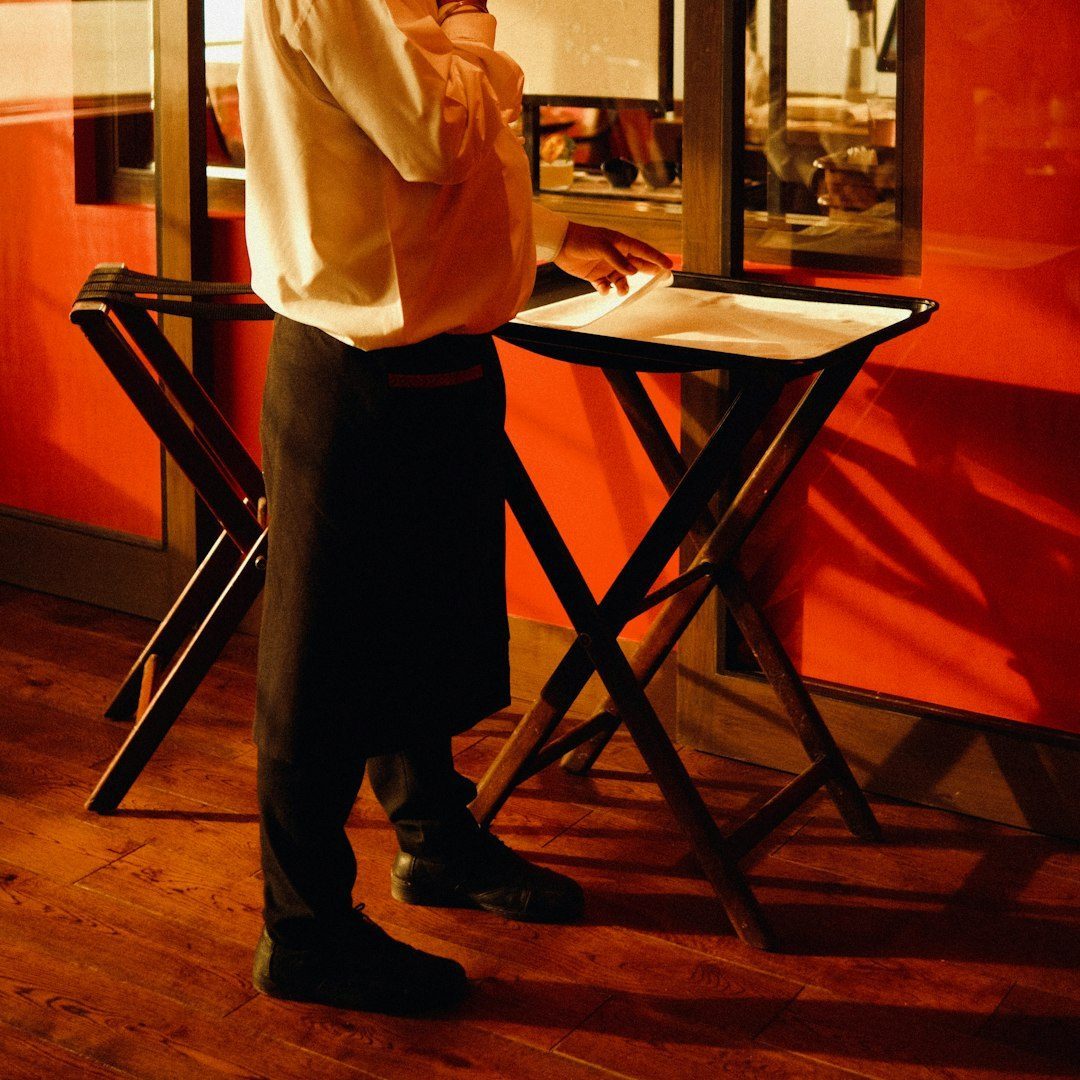
Your first interaction with the host determines everything that follows. They observe how you respond when they introduce themselves. This initial assessment gets communicated throughout the service team immediately.
Some guests made a point of telling me their job titles, their travel stories, their expensive hobbies. Sometimes it was genuine excitement, but often it felt like a performance – like they wanted me to know how impressive they were. The ones who really had money rarely volunteered that information. They didn’t need to. They spoke simply, asked about the specials, laughed with their friends.
How you treat the host, whether you arrive on time, and your general demeanor create a service file that follows you throughout your meal. As restaurant reservations became a hot commodity post-pandemic, a “black market” emerged for reservation resale – but this year, those practices faced real pushback. Reservation scalping hurts both restaurants and diners. It disrupts operations, undermines trust between restaurants and their guests, and often leads to no-shows and lost revenue for operators.
Servers have sophisticated customer categorization systems based on appearance, behavior, and conversation patterns. These invisible assessments determine attention level, recommendation quality, and overall service enthusiasm.
Restaurant dining involves far more strategy and observation than most guests realize. While strategically placed windows and primped servers may give guests a glimpse into how a restaurant kitchen runs, there is a whole world behind those swinging doors. With this in mind, I thought it may be interesting to peel back the curtain and let you in on a few restaurant kitchen secrets. Every detail from bread plate temperature to reservation book notes shapes your experience in ways you never imagined.
The next time you dine out, try noticing these subtle elements. You might discover that the real artistry happens in the margins, not just on your plate. What small restaurant details have you started noticing since reading this? Share your observations in the comments below.