5 Destinations Travelers Visit Once and Rarely Return To, Data Suggests
Think about your favorite vacation spot. Would you go back? For most people, the answer is yes. Research shows that popular destinations like France and Spain see roughly three quarters of their visitors as first-timers, meaning about a quarter return. However, some places tell a different story entirely. Certain destinations around the world consistently attract tourists who check them off their list and never come back.
Travel data from recent years reveals fascinating patterns about where people go once and where they keep returning. The reasons vary wildly, from overwhelming crowds to eye-watering costs, or simply because the experience feels complete after one visit. Let’s explore six destinations that travelers typically visit once and rarely return to.
Dubai, United Arab Emirates
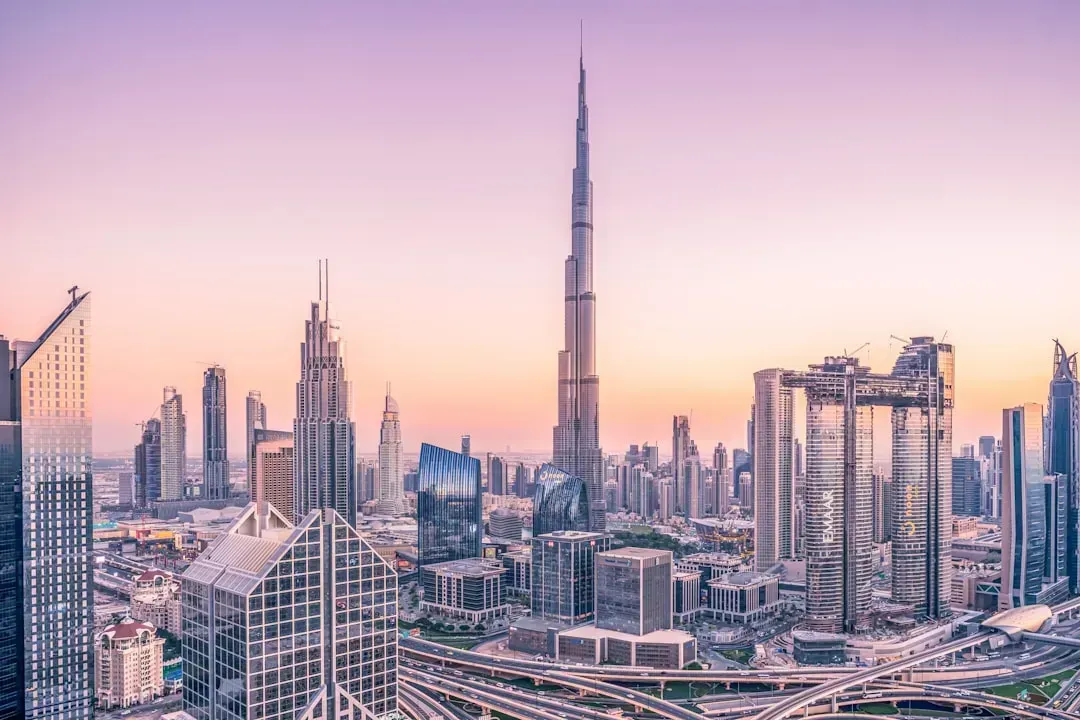
Dubai welcomed 18.72 million international visitors in 2024, marking a nine percent increase from 2023, yet discussions among travel communities suggest many visitors treat it as a one-time spectacle. The city’s glittering skyscrapers and luxury shopping attract curious first-time visitors, drawn by images of the Burj Khalifa and indoor ski slopes in the desert. In 2024, visitors spent an average of about 4 days per visit, slightly down from 2023.
The issue isn’t satisfaction but rather novelty. Dubai offers an impressive display of modern engineering and luxury, yet once you’ve seen the world’s tallest building and shopped in enormous malls, the appeal for a repeat visit diminishes. Many travelers report that while the experience is memorable, it doesn’t pull them back the way more culturally layered destinations do. The high costs of accommodation and activities also play a role in keeping it a once-in-a-lifetime destination rather than an annual retreat.
Venice, Italy
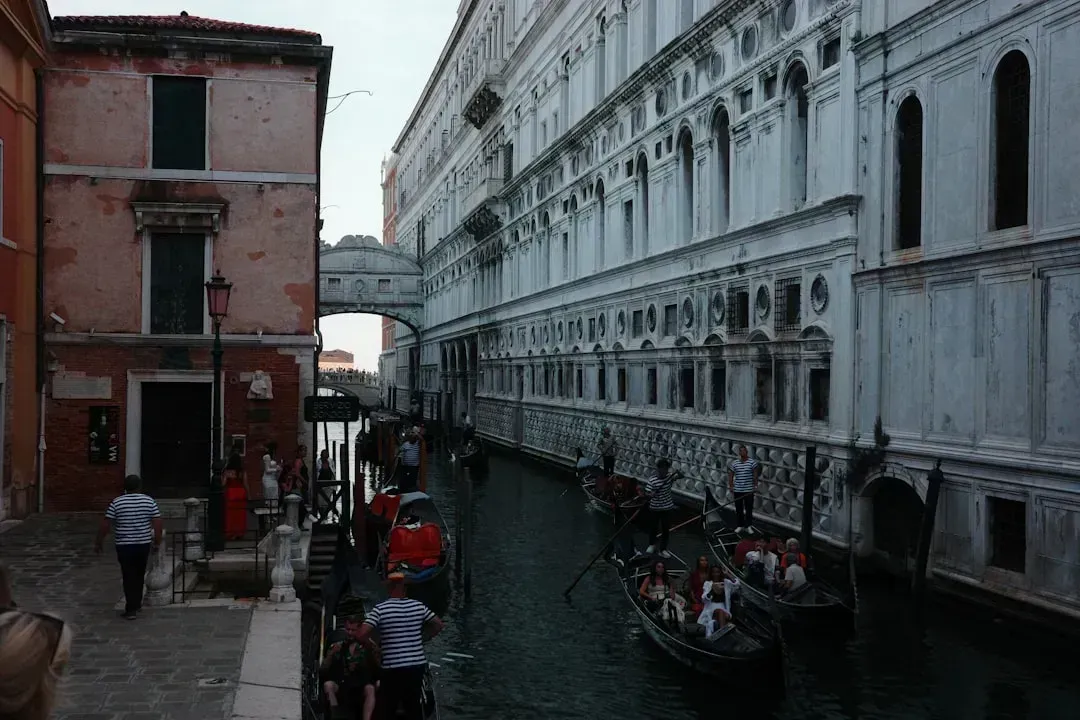
Venice suffers from a peculiar problem. It’s breathtakingly beautiful, yet that beauty comes wrapped in suffocating crowds and mounting local frustration. In 2024, Venice introduced a €5 fee for visitors accessing the city center between 8:30 am and 4 pm during peak season to reduce congestion, especially from day-trippers. The city has become so overrun that residents have staged protests, and the local character many tourists hoped to experience has largely vanished beneath waves of tour groups.
First-time visitors often describe Venice as magical but exhausting. Navigating the narrow walkways shoulder-to-shoulder with thousands of others, paying inflated prices for mediocre meals near tourist hotspots, and witnessing the strain on local infrastructure leaves many feeling they’ve seen enough. The city’s efforts to manage overtourism actually underscore why people don’t return – the authentic Venice experience has become nearly impossible to find.
Mount Fuji Photo Spots, Japan

In May 2024, a temporary barrier was erected to block the view of a popular Mount Fuji photo spot near a convenience store in Fujikawaguchiko to prevent tourists from taking selfies and inconveniencing locals. This extreme measure highlights how certain destinations have become victims of their Instagram fame. Visitors flock to specific locations for that perfect shot, then move on, rarely considering a return trip.
Over 50 percent of overnight stays in Japan are concentrated in its top prefectures including Tokyo, Osaka, Kyoto, Hokkaido, and Fukuoka, revealing how tourists follow predictable patterns. While Japan as a country attracts many repeat visitors, specific photo-op locations like the famous Fuji viewpoints see one-and-done tourism. Once travelers have their coveted social media content, the motivation to return evaporates completely.
Certain Caribbean Cruise Port Stops
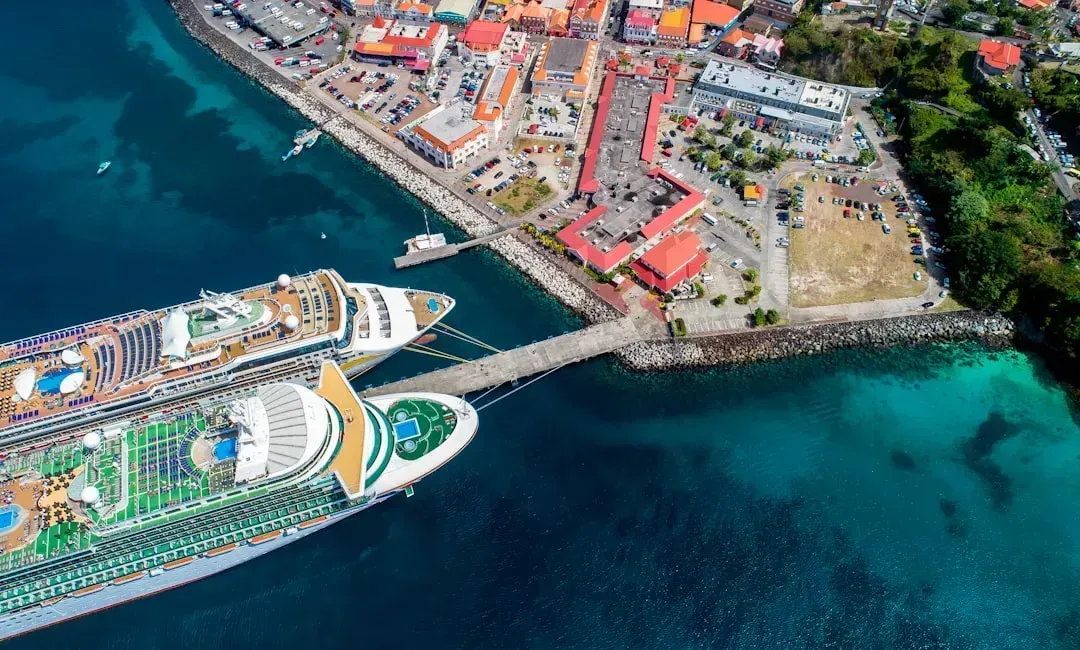
Popular Caribbean cruise destinations present an interesting case study in fleeting tourism. Passengers disembark for a few hours, rush through organized excursions or beach visits, then sail away. While overall Caribbean tourism shows healthy numbers, individual port cities often see visitors who never return as independent travelers. The experience feels transactional rather than transformative.
The cruise port version of a destination rarely reflects its true character. Travelers get a sanitized, commercialized glimpse that either satisfies their curiosity completely or leaves them feeling the place wasn’t worth a longer stay. Those few hours ashore don’t build the kind of connection that brings people back. Research on travel patterns shows that destinations relying heavily on cruise tourism struggle to convert those brief visitors into returning guests who stay multiple nights and explore beyond the port area.
Las Vegas, Nevada
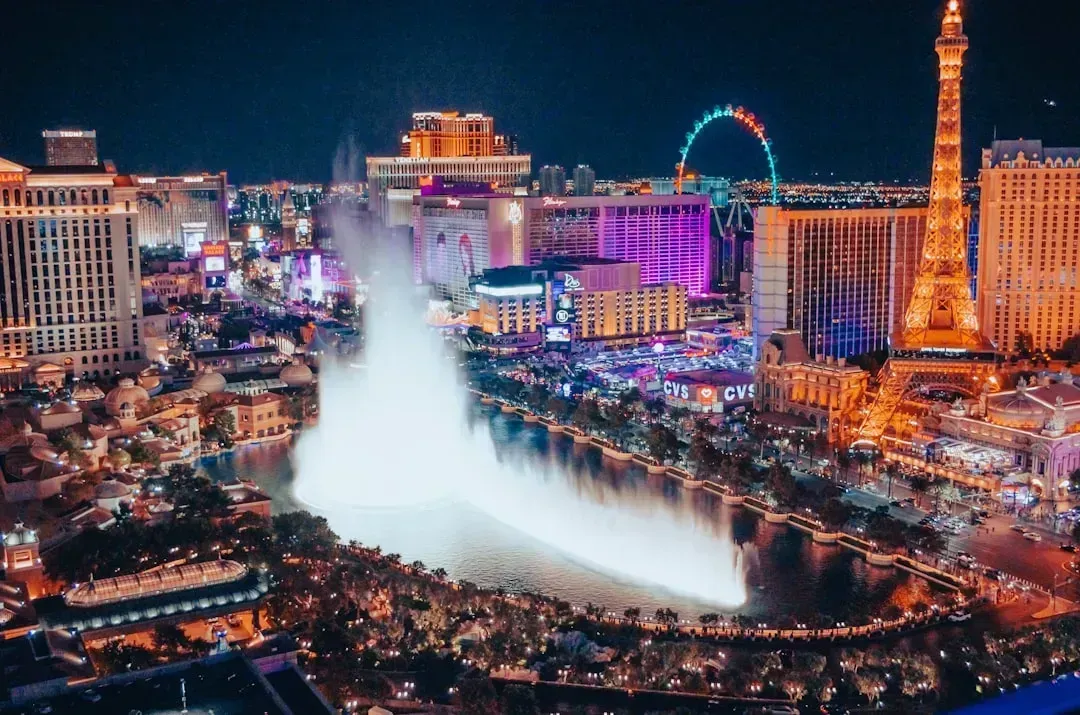
Wait, what? About 77 percent of visitors to Las Vegas in 2024 had been to the city before, up from about 75 percent in 2019 according to Las Vegas Visitor Profile studies. So Vegas bucks the trend, right? Actually, this data reveals something fascinating about who visits Sin City and why the other 14 percent rarely return.
About 23 percent of the 41.7 million total visitors made their first trip to Las Vegas in 2024, compared to about 25 percent in 2019. This shift tells us that while Vegas cultivates a loyal returning crowd who gamble, attend conventions, or visit regularly, a significant portion of first-timers find that once is enough. For those who don’t gamble or aren’t drawn to shows and nightlife, the city’s appeal fades quickly. The sensory overload, artificial atmosphere, and focus on excess either hooks you or sends you packing for good.