The Suburban Warning Sign: McMansions Are Quietly Becoming Ghost Neighborhoods, Data Finds
The Empty Castle Syndrome: When Size Doesn’t Equal Value
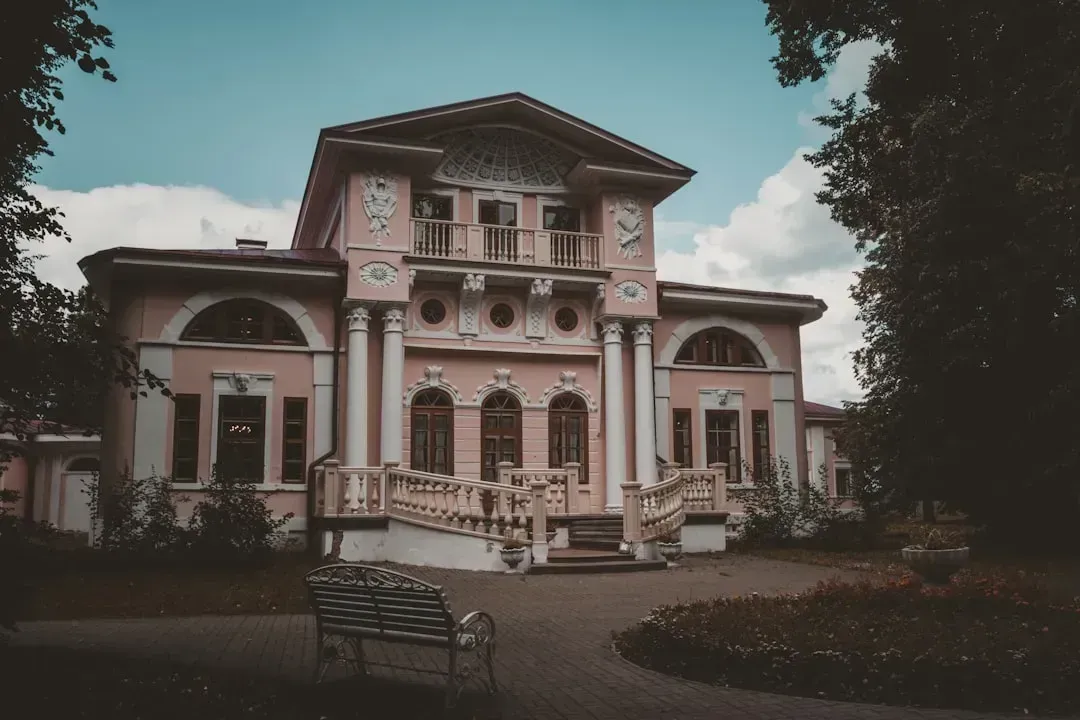
Plans for the ultra-exclusive community in Branson West, Missouri were announced in 2006 and the project was set to cost $1.6 billion to complete. Investors were told they’d get castle-like homes, shopping malls, luxury amenities. What they got instead was abandonment. The financial crisis hit, bank loans were defaulted on and construction work came to a swift halt, with only 13 homes started.
Let’s be real here: this isn’t just an isolated incident from the 2008 collapse. We’re seeing patterns emerge across suburban America that nobody wants to talk about publicly. The National Association of Home Builders reveals that the average size of new homes has been shrinking since 2015, hitting a low in 2024 not seen since 2010. When a market that once thrived on bigger-is-better suddenly reverses course, something fundamental has changed.
The Hard Numbers Nobody Expected
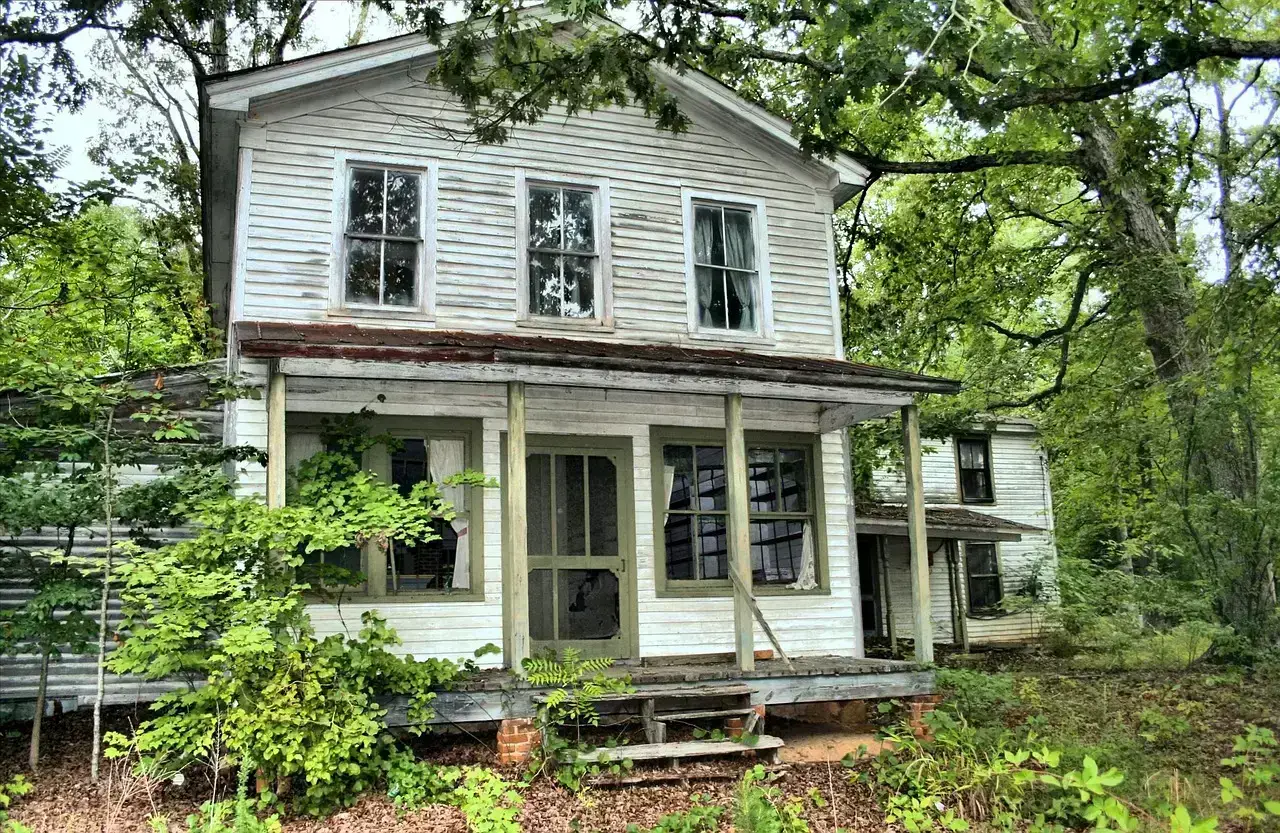
Recent surveys indicate that a majority of homebuyers under 40 prefer smaller, more manageable homes, with sales of homes over 4,000 square feet declining in the past year. Think about that for a second. These oversized homes were marketed as the ultimate American Dream just fifteen years ago.
Approximately 89.7 percent of the housing units in the United States in the third quarter 2025 were occupied and 10.3 percent were vacant. Sure, roughly one in ten vacant homes doesn’t sound alarming at first glance. Here’s the thing though: the rental vacancy rate sat at 6.6% in the first quarter of 2024, still below the historical average of 7.3%. Yet certain regions are experiencing dramatically higher rates, suggesting uneven distribution of housing distress.
Foreclosure Rates Tell a Darker Story
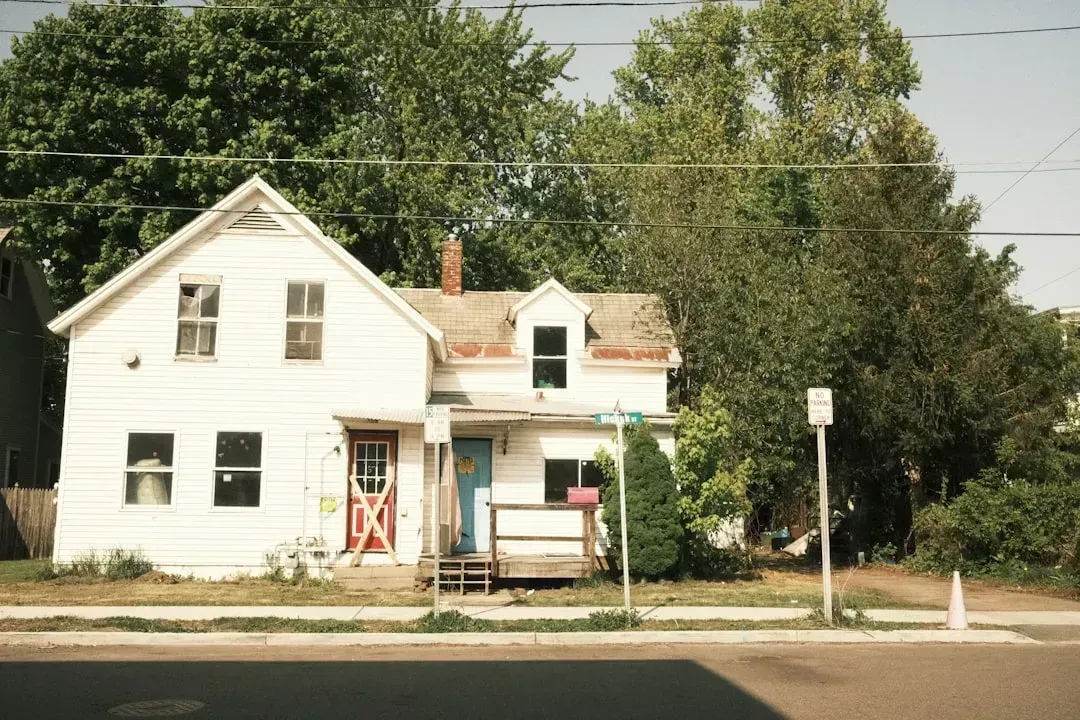
According to a September 2025 report from ATTOM, foreclosure filings in the U.S. have surged nearly 20% from this time last year. This isn’t just statistical noise. 72,317 properties went into foreclosure in the third quarter of 2025, a 16% year-over-year increase.
States like Nevada had some of the highest foreclosure rates in 2024. These are precisely the states where McMansion development boomed hardest during the pre-2008 era. Honestly, it’s hard to say for sure whether this is pure coincidence or a structural problem with oversized suburban housing stock.
The Price Premium Disappears
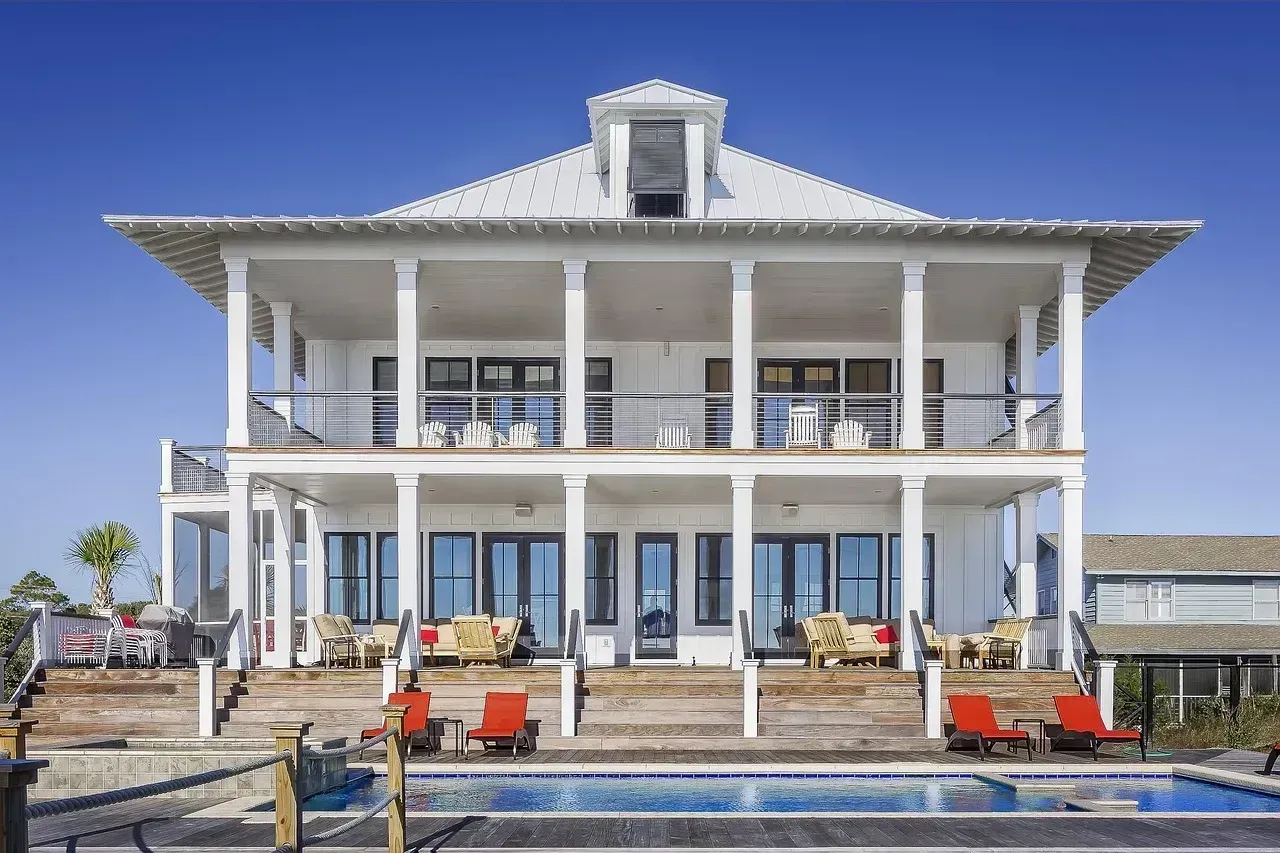
Trulia’s Ralph McLaughlin examined comparative price trajectories of 3,000 to 5,000 square foot homes built between 2001 and 2007, finding that since 2012, the premium that buyers paid for these big houses fell pretty sharply in most major metropolitan markets. The perceived value evaporated.
Bloomberg cited data from Trulia that showed that the premiums paid for McMansions have declined significantly in 85 of the country’s 100 biggest cities, with one feasible explanation being purely aesthetic: McMansions are just ugly. I know it sounds superficial, but market sentiment matters. When architectural fashion changes, these homes become harder to sell at any price point.
Geographic Concentration of Decline
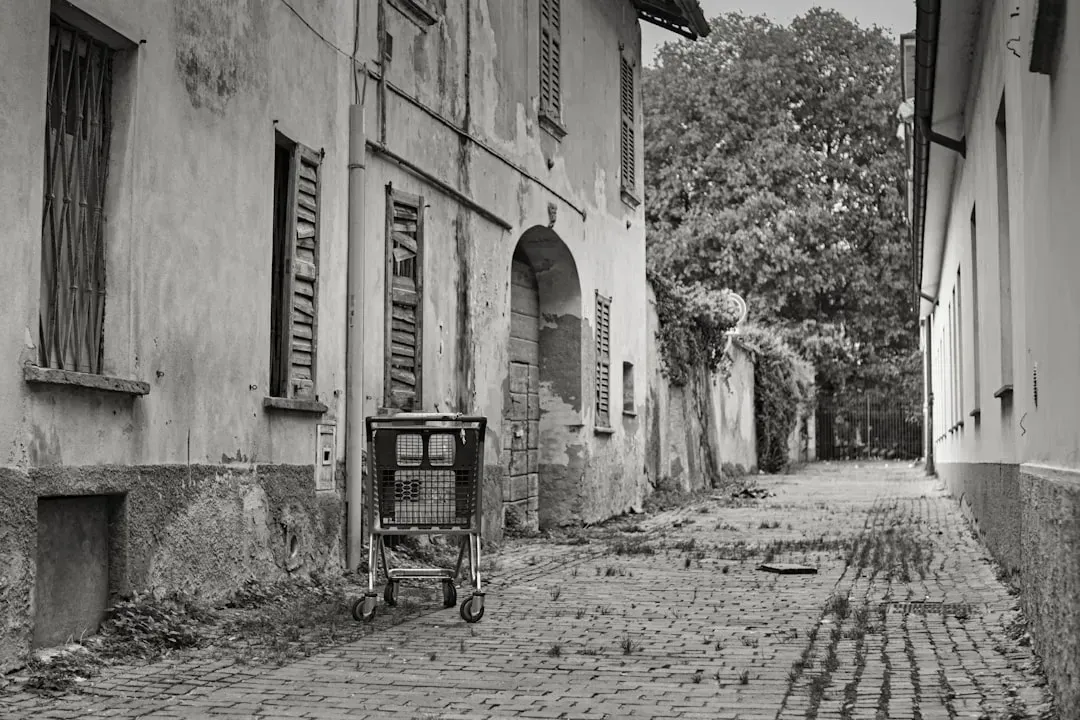
Approximately one-quarter of all suburbs were shrinking, with a typology of seven trajectories of suburban decline developed. These suburbs face many of the same challenges as shrinking cities, including depopulation, rising poverty, fiscal distress, and disinvestment, yet often have fewer resources to respond given the historic underdevelopment of governance institutions.
The Sarasota Herald-Tribune reported in 2013 about a zombie subdivision in North Port with only two dozen homes existing in what was to be a 1,999-home development, with homes separated by undeveloped tracts of high weeds attracting snakes and wild boars. These aren’t theoretical futures. They’re current realities in multiple states.
The McMansion Debt Trap

Research published in the journal ScienceDirect indicated that homeowners who built a McMansion were more likely to expand on their already enormous homes and incur additional debt. Homeowners exposed to new-built McMansions are more likely to expand their own homes and take on more debt.
This creates a feedback loop of financial strain. Families take on debt to keep up appearances in neighborhoods where larger homes become the baseline expectation. When property values stagnate or decline, they’re left underwater on oversized mortgages for homes that are expensive to maintain, heat, and cool.
Changing Buyer Preferences Signal Long-Term Trouble
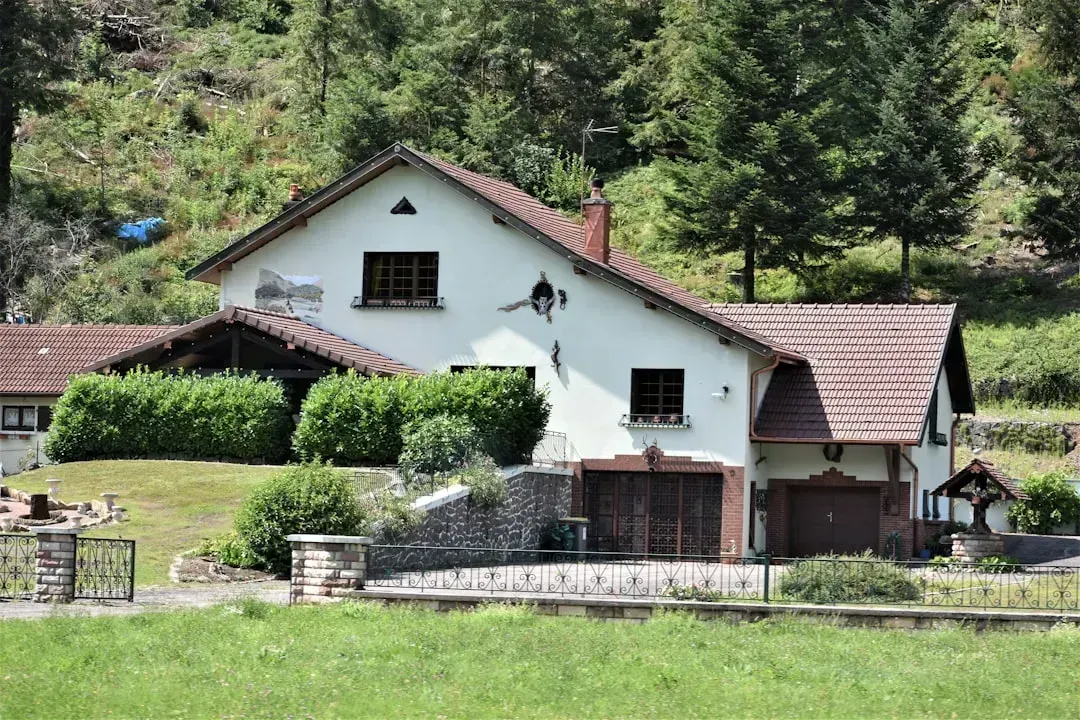
The U.S. Census Bureau reported in March 2025 that 54% of new single-family homes built in 2024 were under 2,200 square feet. Zillow’s 2024 consumer trends report found that 73% of remote workers want a dedicated office, but only 18% desire extra-large living spaces. Remote work changed what people value in homes: functionality over square footage.
Research shows that the median house size has increased by some 1,000 square feet over the past 50 years, while the average size of the household has fallen as people have fewer kids, leading to the conclusion that for houses that don’t fit the families, prices are going to have to fall.
Infrastructure and Maintenance Nightmares
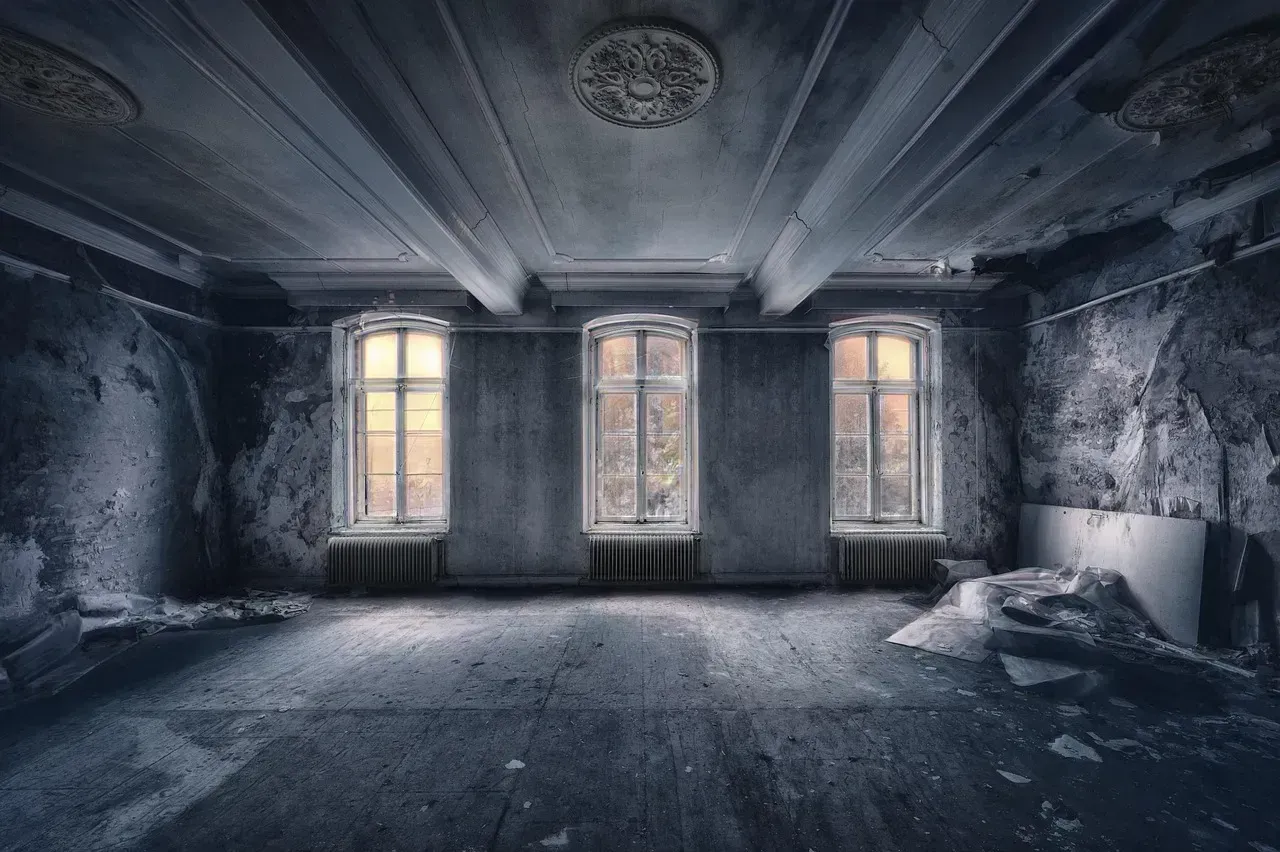
One hallmark of McMansions is their cheap, shitty construction, with the tendency to be crammed together in suburban developments, raising questions about whether these structures will stand up to time like period Tudor, Cape Cod, and Queen Anne structures. The McMansion was never designed to last forever, as evidenced by McMansions of the eighties, which have aged badly already.
The McMansion was built cheaply to get maximum items checked off for the lowest cost, causing rooflines to be massive and complex to accommodate cathedral ceilings, with these roofs now nearing their time of needing maintenance at extraordinary cost. Maintenance costs alone can force homeowners into difficult financial positions.
The Cycle of Suburban Decline Accelerates
The cycle of decline consists of a feedback loop in which population decline triggers private disinvestment, which triggers fiscal distress, which triggers public disinvestment in services and infrastructure, which triggers more population decline. Once this cycle begins, it’s extraordinarily difficult to reverse.
Once a few McMansions start to crumble and there’s no demand creating funding to rebuild, property values for the whole development will drop and become susceptible to becoming a ghost town, something not uncommon in subdivisions built around golf courses where vacant houses lead to clubs becoming financially unsustainable. The amenities that justified living in these remote locations disappear when the resident base shrinks.
Climate and Insurance Costs Compound the Crisis
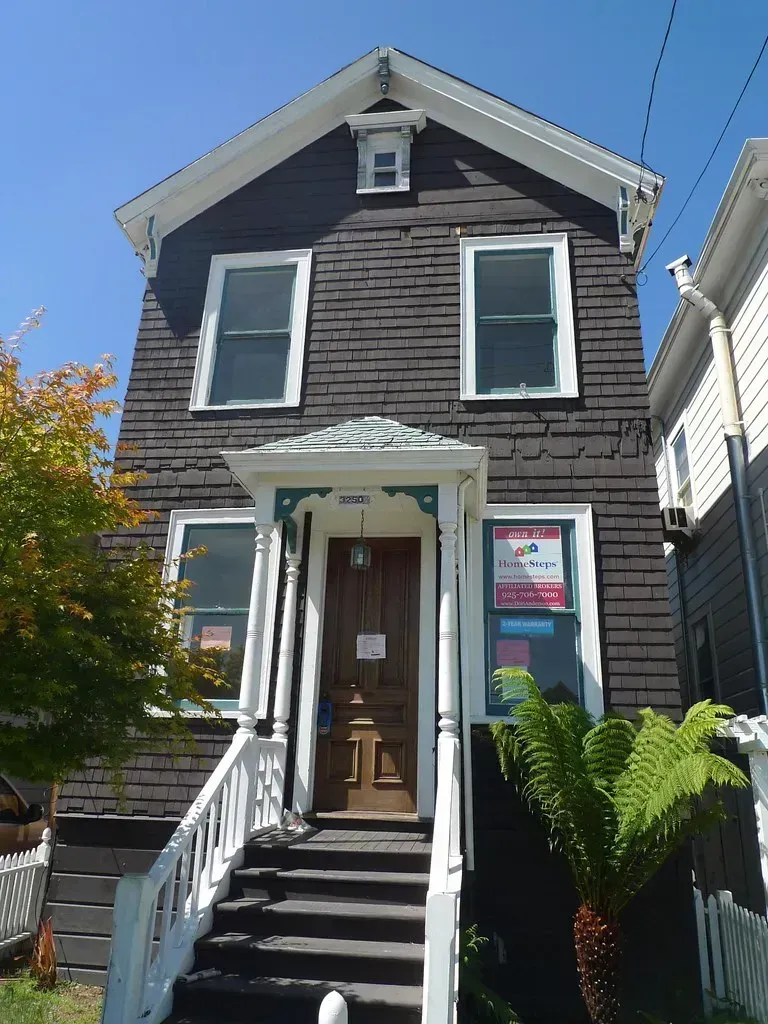
Inflation, elevated interest rates, and rising consumer costs are causing more homeowners to struggle with their mortgage payments, with insurance costs continuing to climb and natural disasters potentially increasing the number who can’t make payments. First Street has projected that rising insurance costs due to climate risks could drive significantly more foreclosures in the coming years.
Large homes in vulnerable areas face disproportionate insurance increases. Their size alone means higher replacement costs, which insurers factor into premiums. When insurance becomes unaffordable, homeowners either go without coverage or walk away from mortgages entirely.