Realtors Say Buyers Are Walking Away From These 8 Once-Popular Home Features
The housing market has undergone a dramatic transformation in recent years. What once commanded top dollar and attracted bidding wars has become a liability for sellers trying to move their properties. Realtors across the country are witnessing the same pattern emerge again and again: certain home features that were considered premium additions just a few years ago are now turning buyers away before they even make an offer.
The real estate game was always evolving, and in 2025, buyers became more selective than ever, driven by sustainability, convenience, and personal preferences. The shift reflects a fundamental change in how people want to live, work, and experience their homes. Here are the eight features that are making buyers hit the brakes.
Formal Dining Rooms
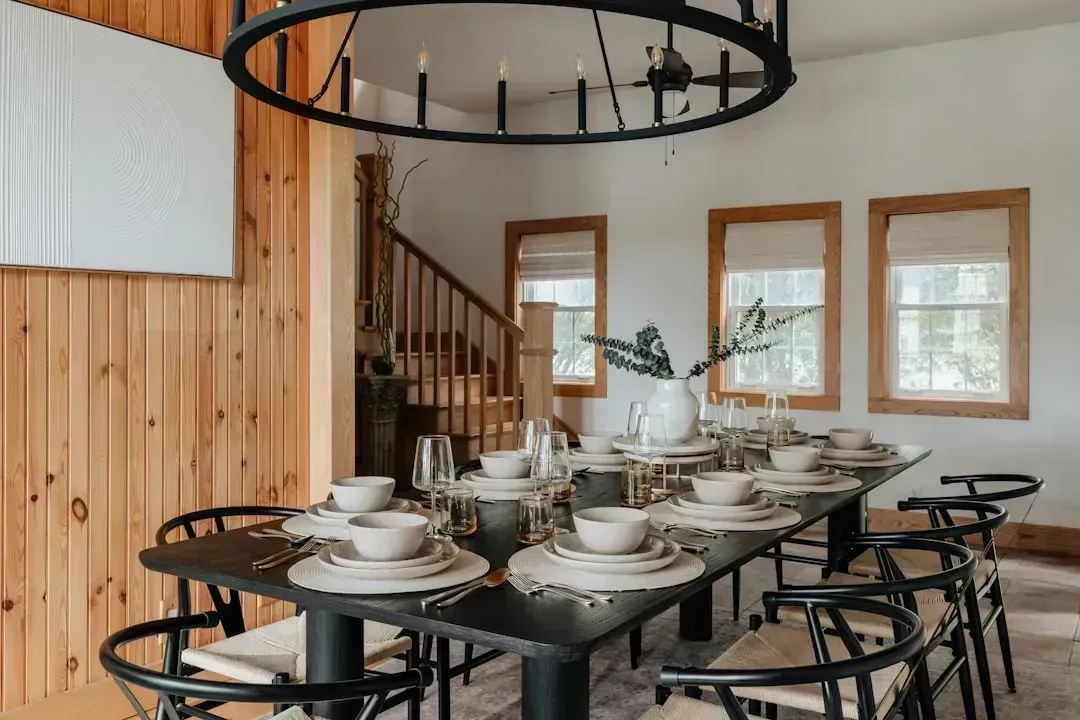
The once-coveted formal dining room is falling out of favor, with many buyers seeing it as wasted square footage, especially when open-concept kitchens with eat-in islands are more practical, and with more families eating on the go or gathering casually, a closed-off dining room feels outdated. Buyers now prefer multipurpose spaces that can serve as offices, playrooms, or flex rooms. The 2020 pandemic changed how we use our homes forever, and a room that sits empty except for Thanksgiving dinner no longer makes sense to most purchasers.
The trend has become so pronounced that some homeowners are actually converting their formal dining rooms before listing. Higher end homes, those priced at four hundred thousand dollars and higher, will tend to have a formal dining room, while smaller and lower priced homes will only have so much space that you want to make the most of it. The reality is that modern buyers value flexibility over formality in nearly every price bracket.
Wall-to-Wall Carpeting
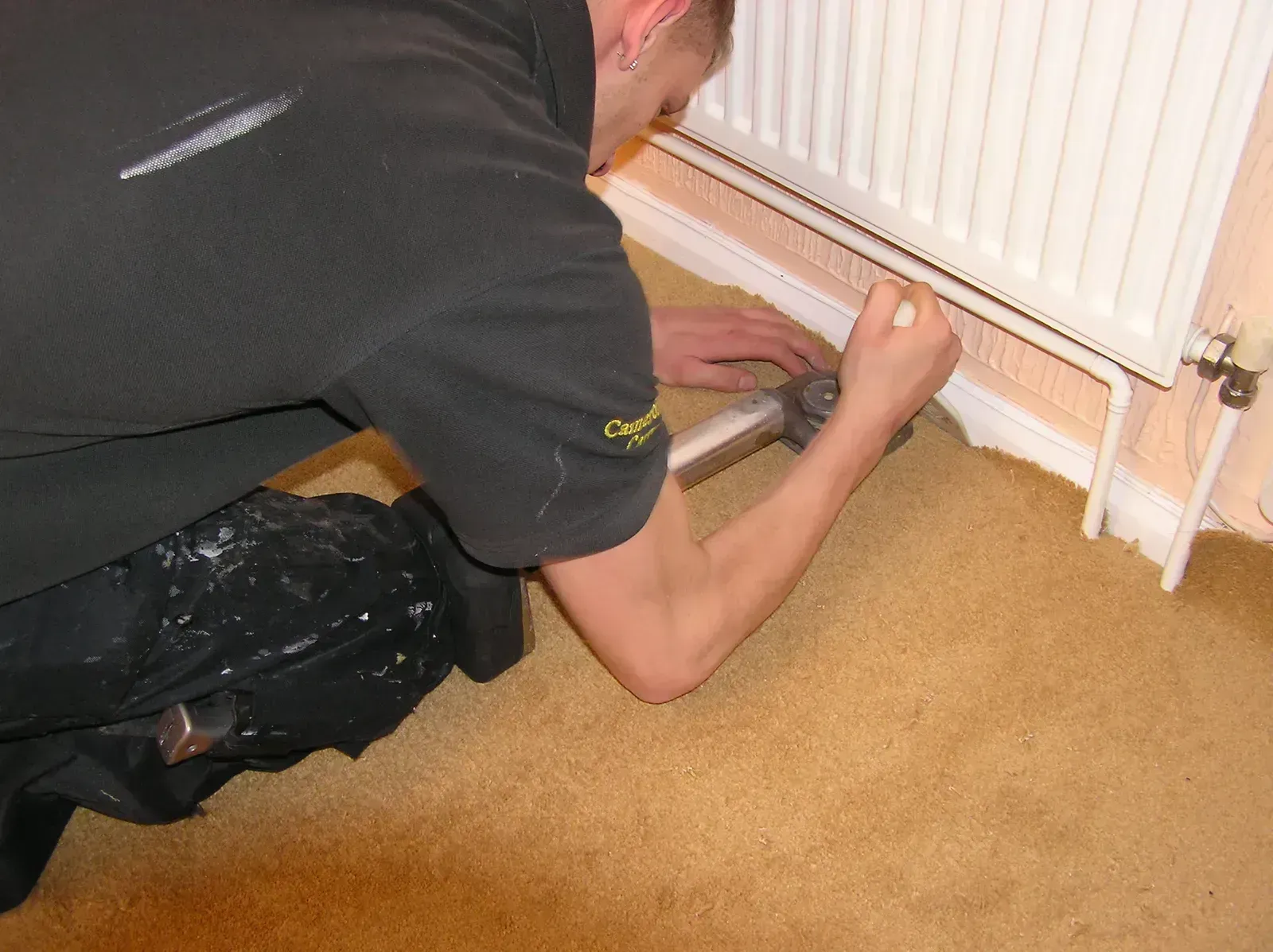
Wall-to-wall carpet is officially out, with today’s buyers overwhelmingly preferring hardwood, vinyl plank, or tile for easier cleaning and a more modern look, as carpeting is often associated with allergens, stains, and dated design. Even brand-new carpet can’t escape the stigma. Even if the carpet is new, many see it as something they’ll have to replace.
The numbers back this up dramatically. Recent surveys show hardwood as the top choice for recent flooring projects ahead of carpet, and this trend is particularly evident among millennials, who often favor hardwood floors when purchasing homes. Studies show that many home buyers are willing to pay more for a home with hardwood floors, and hardwood floors are a top flooring preference for home buyers and renters.
Jetted Bathtubs
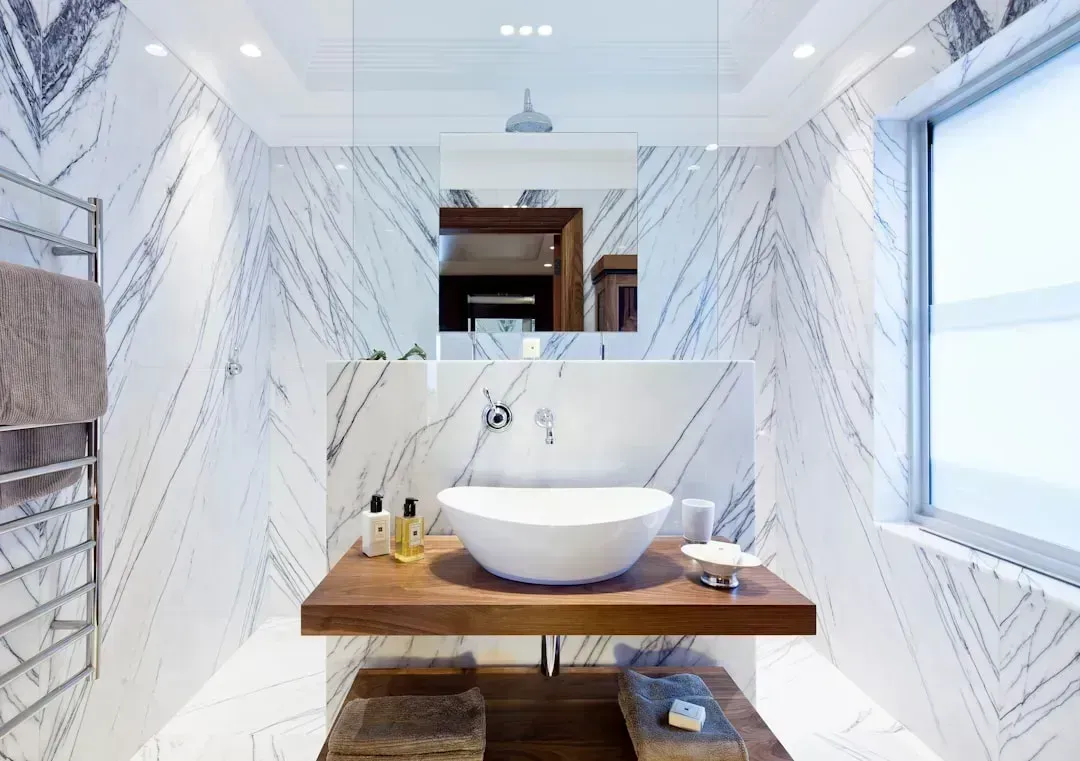
Remember when a jetted tub was the ultimate symbol of bathroom luxury? Those days are gone. Once seen as the pinnacle of relaxation, jetted tubs are losing their appeal as buyers are now wary of the maintenance, energy use, and space they require, with many saying they’d rather have a luxurious walk-in shower than a bulky tub they’ll rarely use.
Concerns about mold buildup and outdated aesthetics also play a role, as simplicity and functionality beat old-school spa vibes. Modern buyers are practical. They know they won’t use that jetted tub more than once or twice, if ever. A spacious walk-in shower with multiple shower heads and good water pressure has become the new status symbol in bathroom design.
Dark Granite Countertops
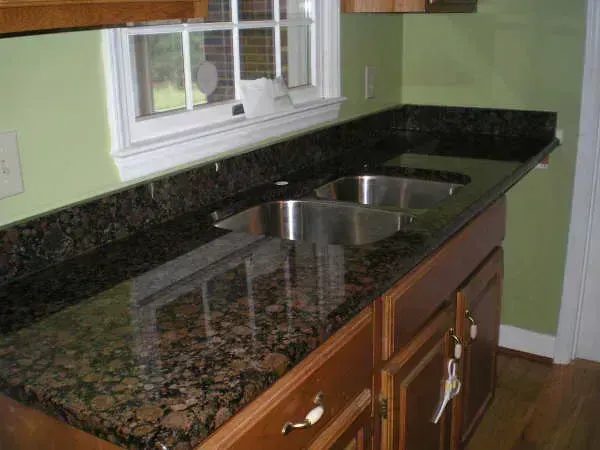
The sleek black granite that screamed luxury in the early two thousands now makes kitchens feel heavy and dated. Dark granite used to be a sign of an upscale kitchen, but trends have moved on, with today’s buyers wanting light, bright spaces, and that includes countertops, with white quartz, butcher block, or soft veining now the preferred look.
Dark granite can make a kitchen feel dated and heavy, even if the layout is modern, so if you’re planning an update, lighter tones will offer more resale appeal. The color shift reflects a broader trend toward homes that feel open, airy, and infused with natural light rather than the dramatic, often somber aesthetics that dominated previous decades.
Over-the-Range Microwaves
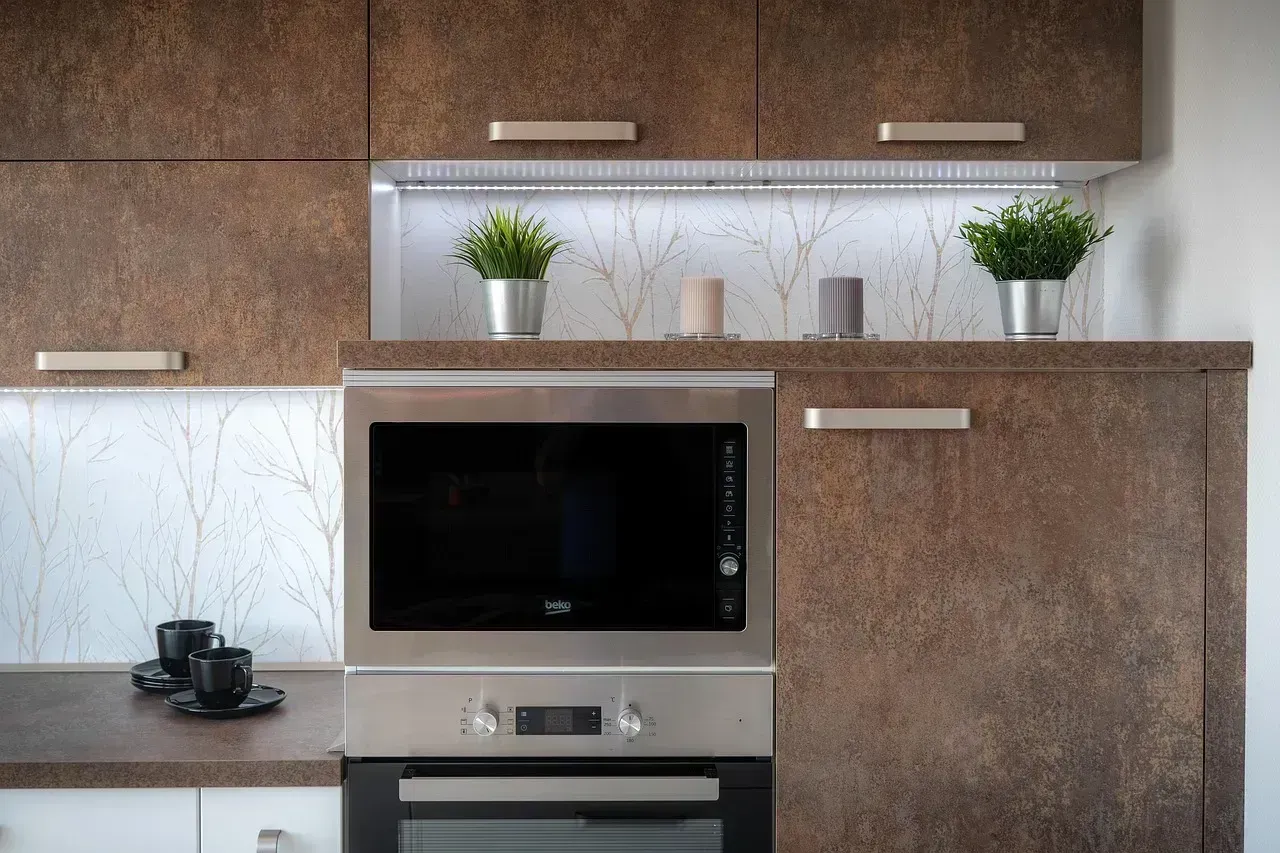
This space-saving kitchen solution has lost its appeal among discerning buyers. Mounting a microwave over the stove was once a space-saving trick, but not anymore, with buyers now preferring range hoods for better ventilation and a more high-end kitchen look, as over-the-range microwaves are seen as clunky and inconvenient, especially for shorter users or families with kids.
Separate microwave drawers or countertop units in islands are trending, and the change signals a move toward sleeker, more ergonomic kitchens. Proper ventilation has become a priority as home cooking has increased, and a quality range hood delivers both function and visual appeal in ways that a bulky microwave never could.
Brass Fixtures and Hardware

That shiny brass hardware your home came with in the nineties? It’s actively hurting your resale value now. Brass had its moment in the nineties, but now it’s a turnoff for many modern buyers, as shiny brass light fixtures, door handles, or faucets scream dated rather than vintage charm, with today’s buyers leaning toward matte black, brushed nickel, or champagne bronze finishes.
The rejection of old-school brass is nearly universal among younger buyers. There’s a difference between the trendy brushed gold fixtures making a comeback and the polished yellow brass of decades past. Gray dominated home design for the past decade, but buyers now prefer warmer, more natural tones. This includes hardware that complements those tones without looking dated or overly shiny.
Closed-Off Kitchens
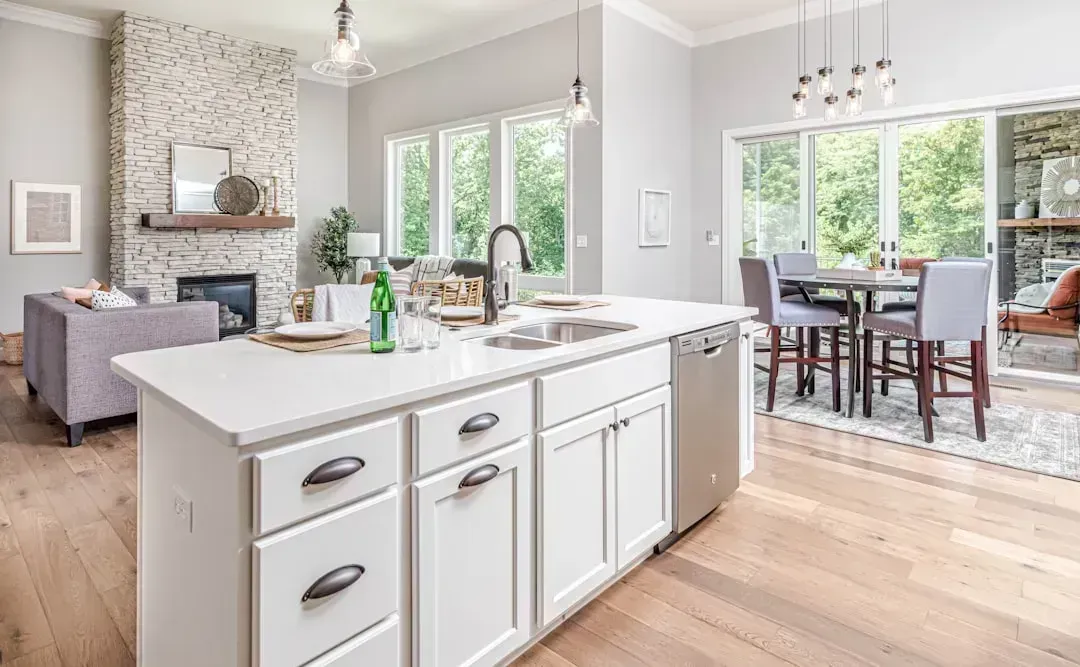
Homes with kitchens tucked away from living and dining areas are being passed over, as buyers want open layouts that allow them to cook and socialize at the same time, with closed-off kitchens feeling restrictive and outdated. The kitchen has evolved from a purely functional space where one person labored alone to the true heart of the home where families gather and guests congregate.
With the rise of entertaining from home, open-concept living is more in demand than ever, and if you’re remodeling, knocking down a wall may be a smart investment. The shift also reflects changing family dynamics and work patterns, where parents need to supervise homework while preparing dinner or host video calls while keeping an eye on simmering pots.
Built-In Entertainment Centers
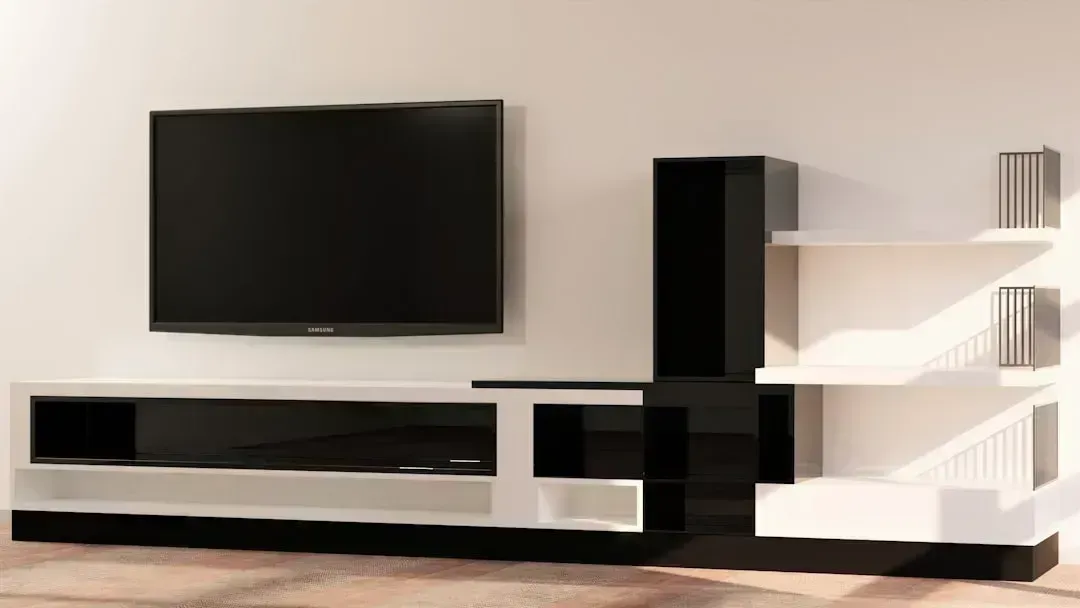
Those elaborate built-in shelving units designed around bulky televisions have become architectural relics. Remember when built-in shelves for TVs and DVDs were a must-have, but those days are gone, as with wall-mounted smart TVs and streaming services, bulky entertainment units feel unnecessary.
Buyers want clean lines, open walls, and space to customize, and in many cases, these built-ins are torn out during renovations, so sellers might want to reconsider leaving them in place. Technology has evolved so rapidly that what seemed like a brilliant custom solution fifteen years ago now just looks awkward and outdated. Pools have significant maintenance needs and may be a buyer dealbreaker, and they also represent safety issues. Similarly, permanent fixtures that can’t adapt to changing technology and lifestyles have become liabilities rather than assets in today’s housing market.
What do all these rejected features have in common? They represent a fundamental shift in buyer priorities toward flexibility, maintenance efficiency, and timeless design over trendy statements. The homes that are moving quickly in twenty twenty six are those that offer clean canvases buyers can personalize without major renovations. So what does your home feature that might be turning away potential buyers?
Popcorn Ceilings and Textured Walls
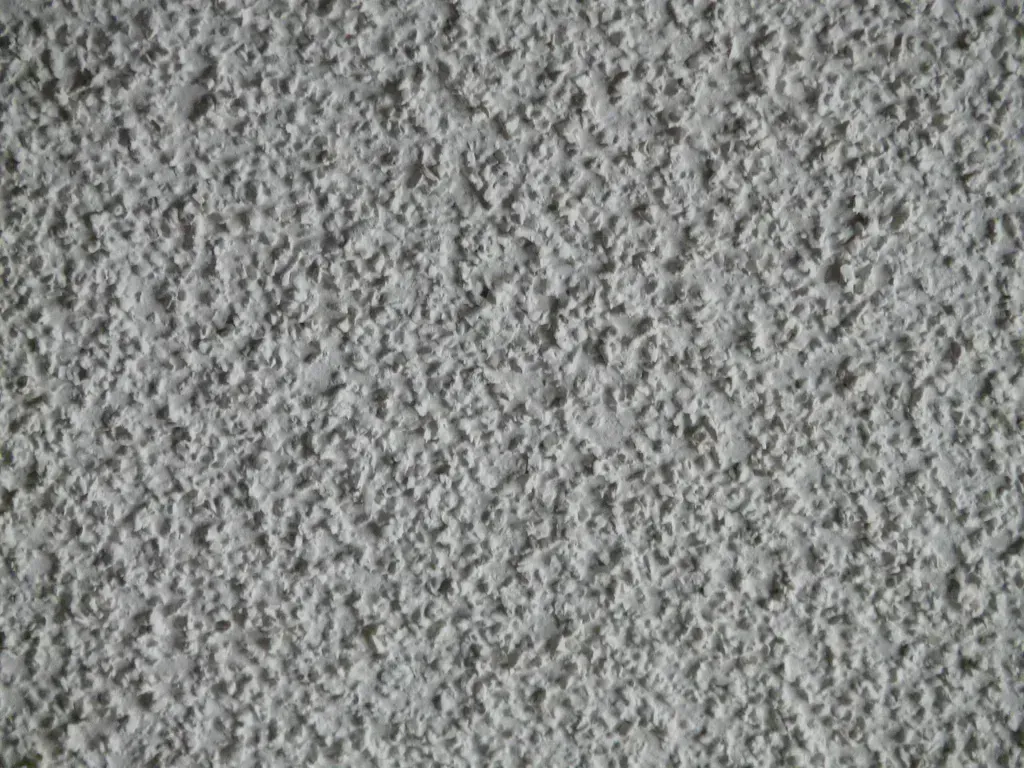
If your home still has those bumpy, cottage cheese-like ceilings from the seventies and eighties, you’re likely losing buyers before they even make it past the living room. Popcorn ceilings were originally installed to hide imperfections and dampen sound, but today they scream outdated and high-maintenance. Modern buyers associate them with older homes that need serious work, and they’re not wrong – removing popcorn texture is messy, time-consuming, and expensive, especially if it contains asbestos. The same goes for heavily textured walls that were trendy in past decades but now just make spaces feel dated and smaller. Smooth, clean surfaces have become the standard because they reflect light better, photograph beautifully for listings, and give homes that fresh, move-in-ready appeal everyone’s chasing. What’s particularly frustrating for sellers is that buyers will often low-ball offers specifically to account for removal costs, even though the ceiling itself is perfectly functional. In competitive markets, homes with popcorn ceilings are sitting longer on the market while their smooth-ceilinged neighbors get multiple offers within days.
Massive Master Bathrooms with Separate Tub and Shower
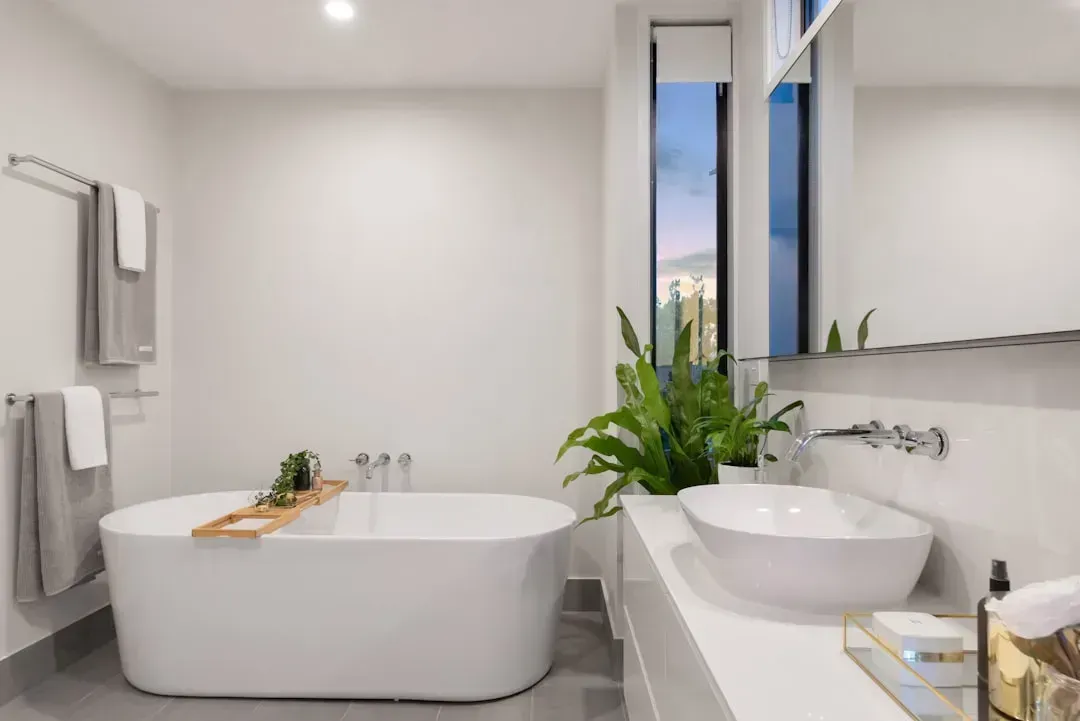
Here’s something that might shock you – those gigantic master bathrooms with both a soaking tub and a separate walk-in shower are actually turning buyers off now. Real estate agents are reporting that younger buyers, especially millennials and Gen Z, see these sprawling bathroom layouts as wasteful and impractical. The truth is, most people admitted they rarely use those fancy standalone tubs after the first few months, and suddenly you’re heating and cooling 200 square feet of bathroom space you don’t need. What buyers really want now are efficient, spa-like bathrooms with one amazing shower featuring multiple heads, bench seating, and beautiful tile work. They’d rather have that extra square footage go toward a larger closet, home office, or even just reduce the overall home size to lower their mortgage and utility bills. The shift makes sense when you consider that water conservation and sustainability are huge priorities for today’s buyers – why maintain a massive tub that holds 80 gallons when you could have a luxurious shower experience instead? Homes with more modest, thoughtfully designed bathrooms are actually selling faster than their oversized counterparts, and sellers are learning that bigger definitely isn’t always better.
Suburban McMansions with Excessive Square Footage
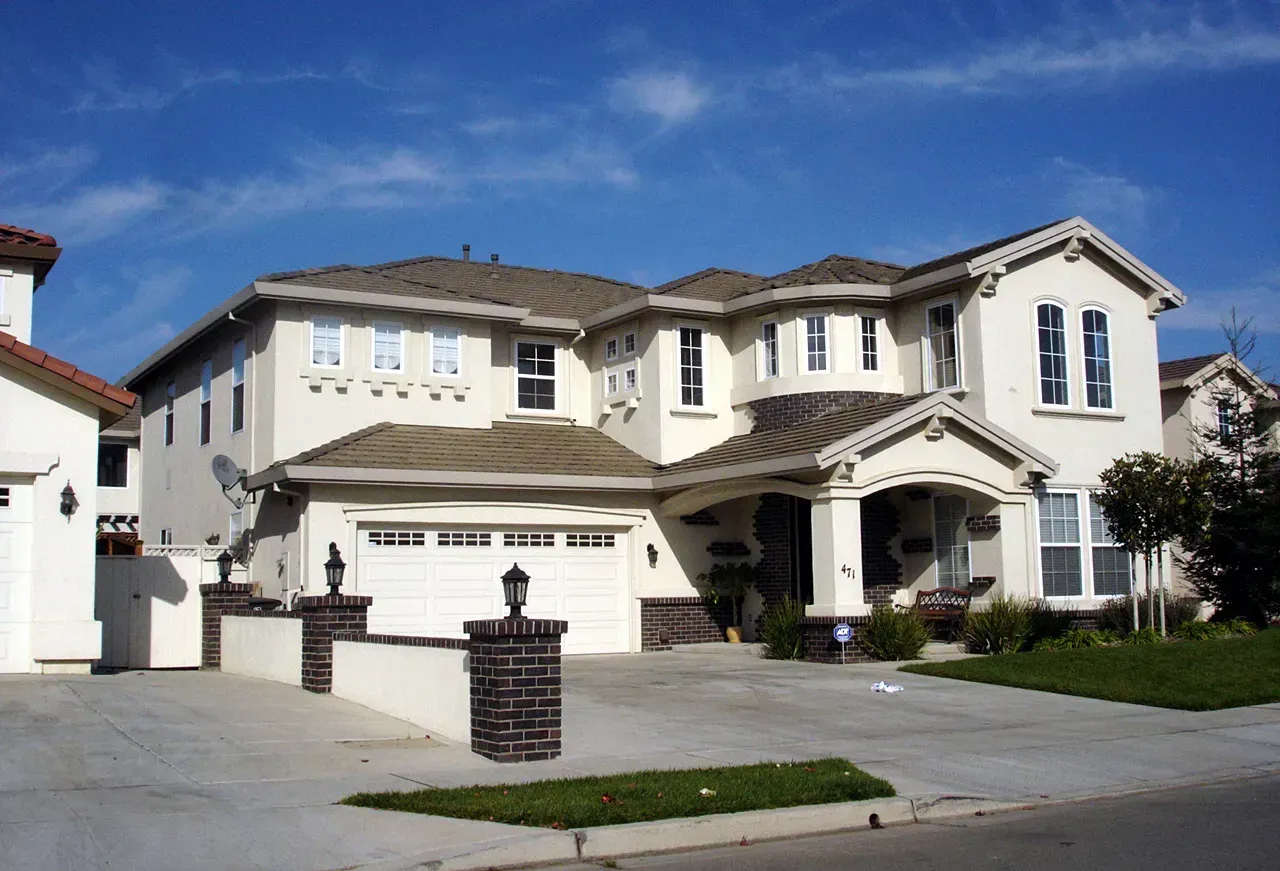
The era of bigger-is-better home buying is officially over, and realtors are watching massive suburban homes sit on the market for months while smaller properties get snatched up in days. Today’s buyers are walking away from those 4,000+ square foot McMansions that were all the rage in the early 2000s, and it’s not hard to see why. These oversized homes come with eye-watering utility bills, endless maintenance costs, and rooms that literally never get used – how many guest bedrooms does one family actually need? Younger buyers especially are prioritizing quality over quantity, choosing well-designed 1,800-2,200 square foot homes in walkable neighborhoods over sprawling estates in car-dependent subdivisions. The shift is also driven by environmental concerns and financial reality – why pay to heat, cool, clean, and furnish space you don’t actually live in? Real estate agents report that homes under 2,500 square feet with thoughtful layouts are commanding premium prices per square foot, while those bloated five-bedroom behemoths are requiring price cuts to attract any interest at all. It turns out that living large doesn’t mean you need a house that feels like a hotel.