A Flight Attendant With 15 Years of Experience Reveals 6 Drinks You Should Never Order
Have you ever wondered why that flight attendant subtly grimaced when you ordered your usual beverage? There’s actually a whole world of insider knowledge that crew members possess about what you should and shouldn’t consume at 35,000 feet. Those small carts rolling down the aisle might seem harmless, but according to veterans in the industry, certain drinks can spell trouble for your health, comfort, or even the service speed for everyone onboard.
Here’s the thing: what seems perfectly fine on the ground can become problematic once you’re airborne. From questionable water sources to beverages that interact badly with cabin pressure, flight attendants have seen it all. So let’s get started.
Coffee or Tea Made With Tap Water
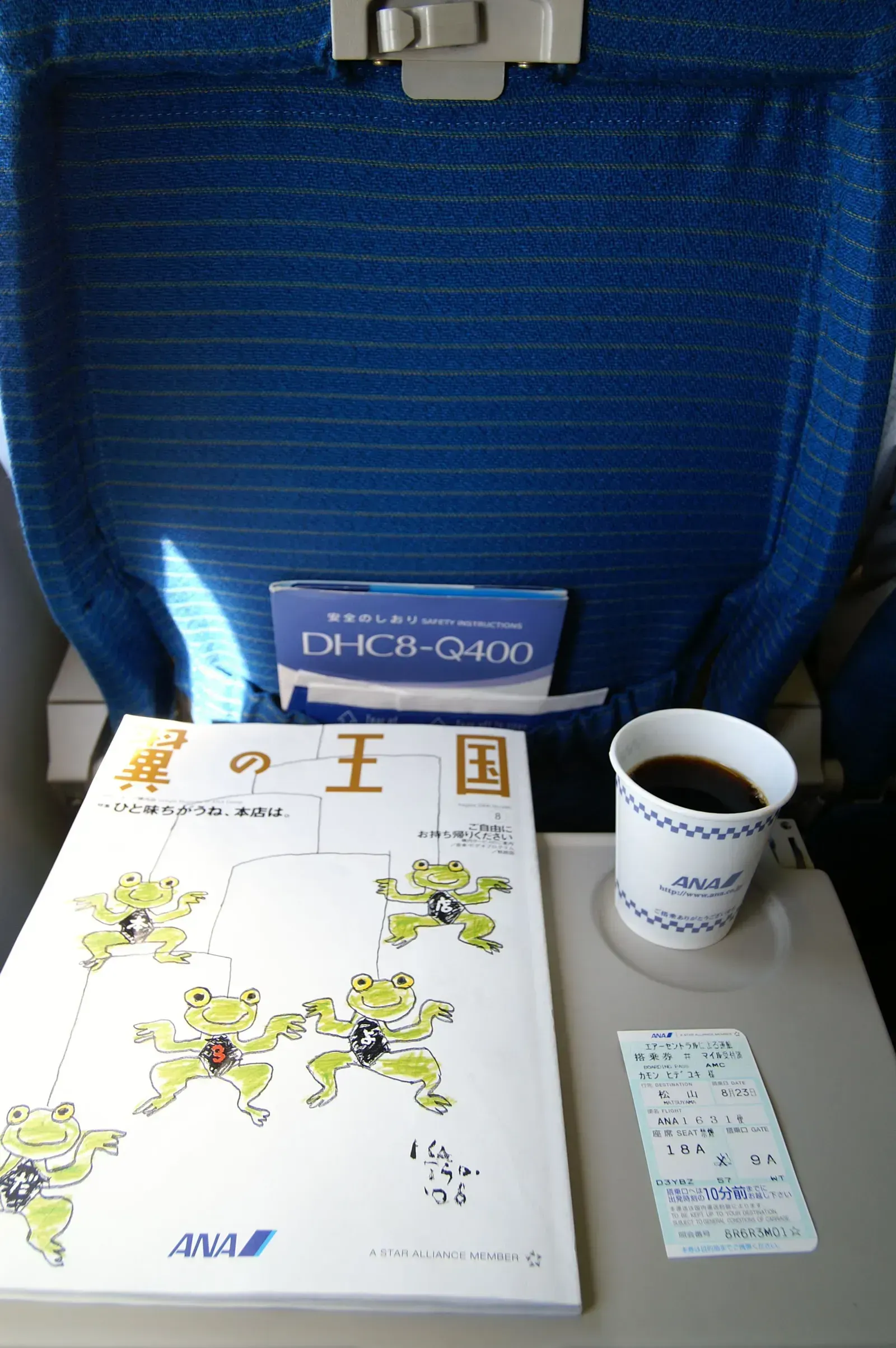
The advice from health experts is clear: avoid consuming unbottled aircraft tap water and avoid coffee and tea made with onboard tap water when feasible. This isn’t just paranoia or preference. The 2026 Airline Water Study, published by the Center for Food as Medicine and Longevity, assessed the drinking water practices of 21 airlines in the United States and evaluated water quality data over three years from October 2022 to September 2025.
Around 2.7% of samples tested positive for total coliform bacteria, while E. coli was detected far less frequently, with more than 30 Maximum Contaminant Level violations recorded across the dataset. The report revealed three instances of E. coli bacteria in American Airlines water samples and two positive E. coli tests from JetBlue samples. While airlines say the water meets regulations and is safe to drink, studies show that the airplane tanks that hold the water can be a breeding ground for bacteria, with a 2015 study finding that the water tanks are “conducive for microbial growth.”
Let’s be real, many flight attendants quietly admit they won’t touch the stuff themselves. The water tanks aren’t cleaned as frequently as you’d hope, sometimes only once or twice annually according to some industry insiders.
Diet Coke and Other Diet Sodas
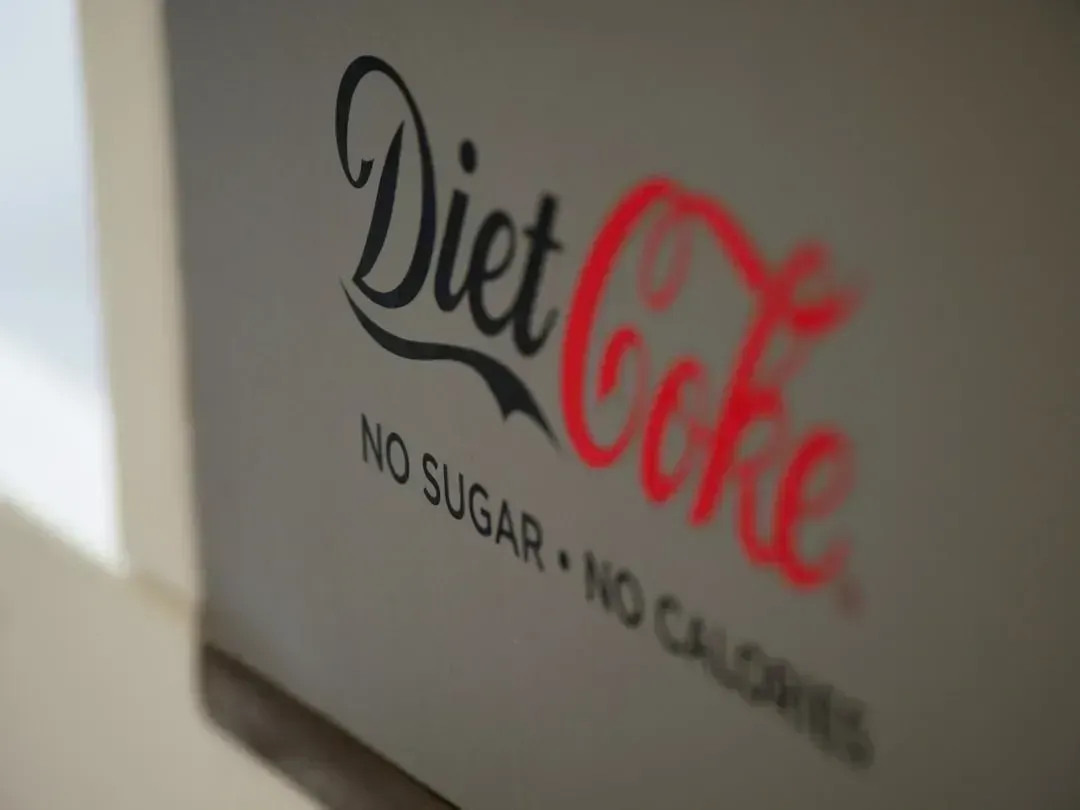
The pressure causes a lot of foam when pouring out sodas, and flight attendants can’t serve a cup of froth, so they have to fill part of the cup, wait for the bubbles to settle, then finish pouring. Diet Coke uses artificial sweeteners like aspartame that diminish the connections between molecules, leading to low surface tension in the drink, especially when served over ice cubes, resulting in fizzier bubbles that last longer.
This might not sound like a big deal until you realize it creates massive service delays. Diet Coke is very fizzy and the bubbles last for a very long time, with a flight attendant and author noting that it’s by far the worst drink in terms of how long it takes to serve. Honestly, it’s a minor annoyance that becomes major when you’re trying to serve a hundred passengers efficiently.
Alcoholic Beverages in Excess
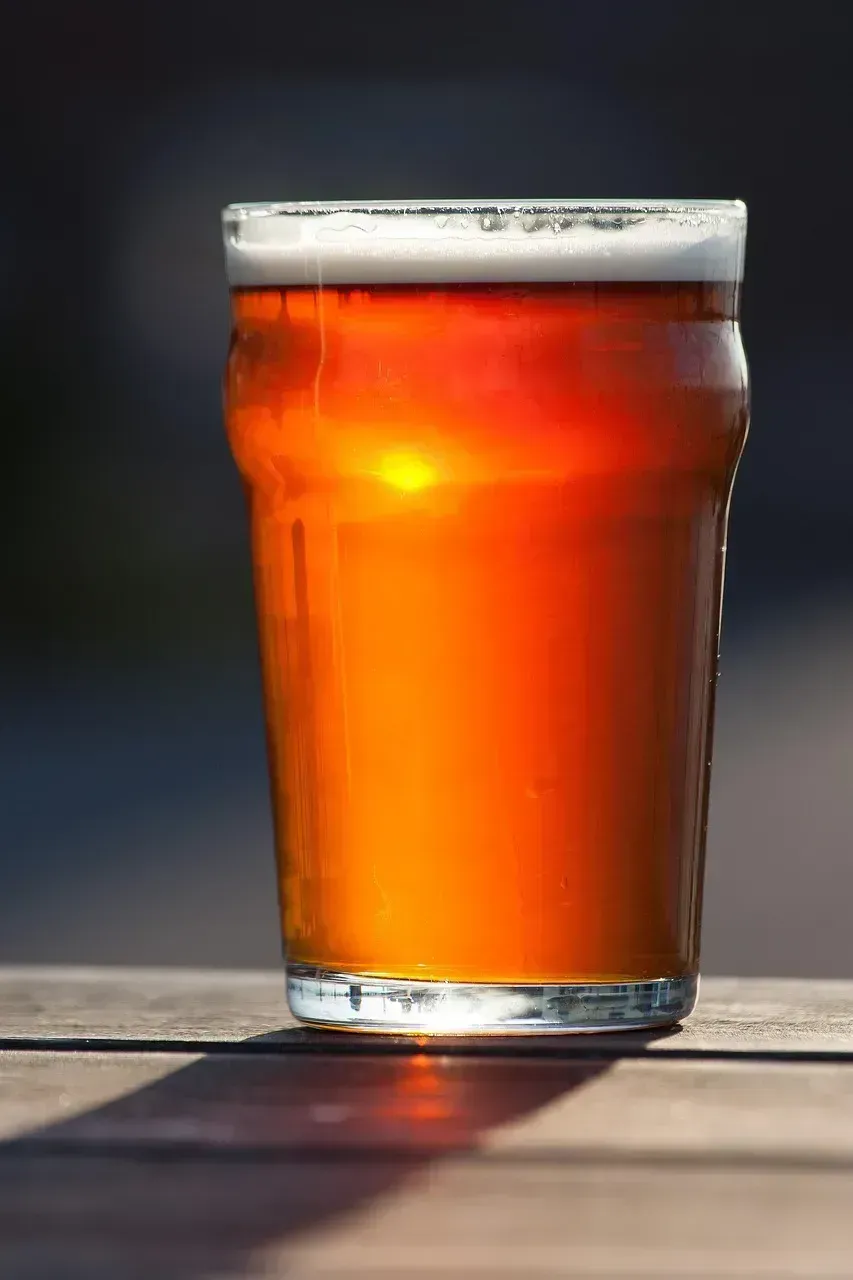
It’s a good idea to limit alcohol to just one serving, since it’s a diuretic that will accelerate the dehydration process, and the decrease in pressure when flying can also enhance the negative effects of alcohol. Recent research found that drinking alcohol and then sleeping on a flight may lower blood oxygen levels and increase heart rate.
People who drank before falling asleep in the altitude chamber on average had their blood oxygen saturation drop to 85%, while their heart rates rose to compensate to an average of nearly 88 beats per minute, compared to a blood oxygen saturation drop to 95% and a heart rate rise to 77 beats per minute in those who consumed alcohol at sea level. The cabin air already has lower oxygen levels, roughly equivalent to being at 6,000 to 8,000 feet elevation. Adding alcohol to the mix puts additional strain on your cardiovascular system.
Airplane cabins have humidity levels often below 20%, and alcohol is a diuretic, meaning it increases urine production and can cause the body to lose more fluids, which when combined with the already dehydrating environment of an airplane cabin can lead to significant dehydration.
Drinks With Ice
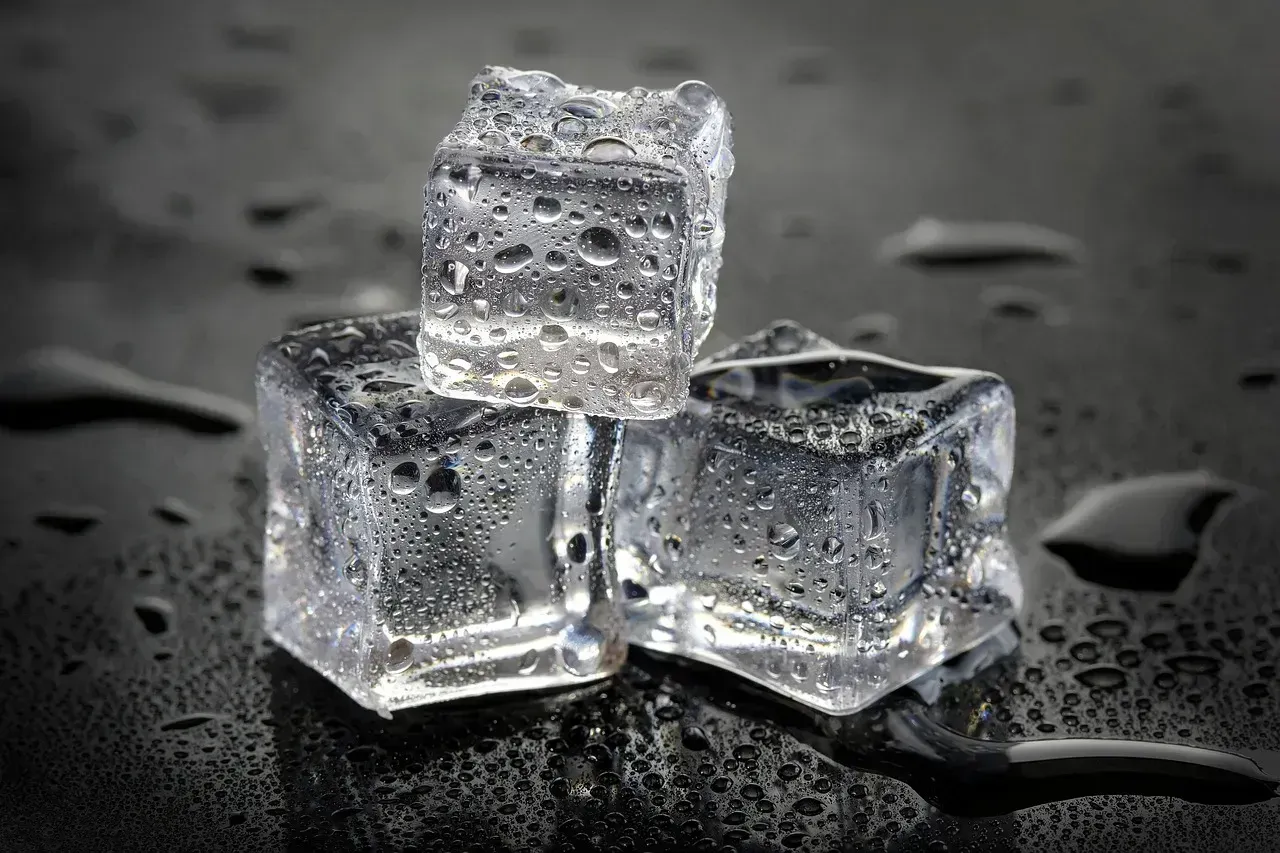
The ice situation is basically an extension of the tap water problem. That frozen water comes from the same questionable tanks that brew your coffee. A 2019 study showed that the water tanks onboard many flights aren’t cleaned often or thoroughly enough to completely prevent the growth of harmful bacteria, including E. coli, which can cause food poisoning.
Think about it for a second: those ice cubes floating in your beverage have been sitting in a machine connected to water tanks that might harbor bacteria. Flight attendants with years of experience tend to skip ice altogether, opting for bottled beverages instead. It’s one of those small choices that can make a difference when you’re trying to avoid getting sick during or after your journey.
High-Sodium Drinks Like Tomato Juice or Bloody Mary Mix
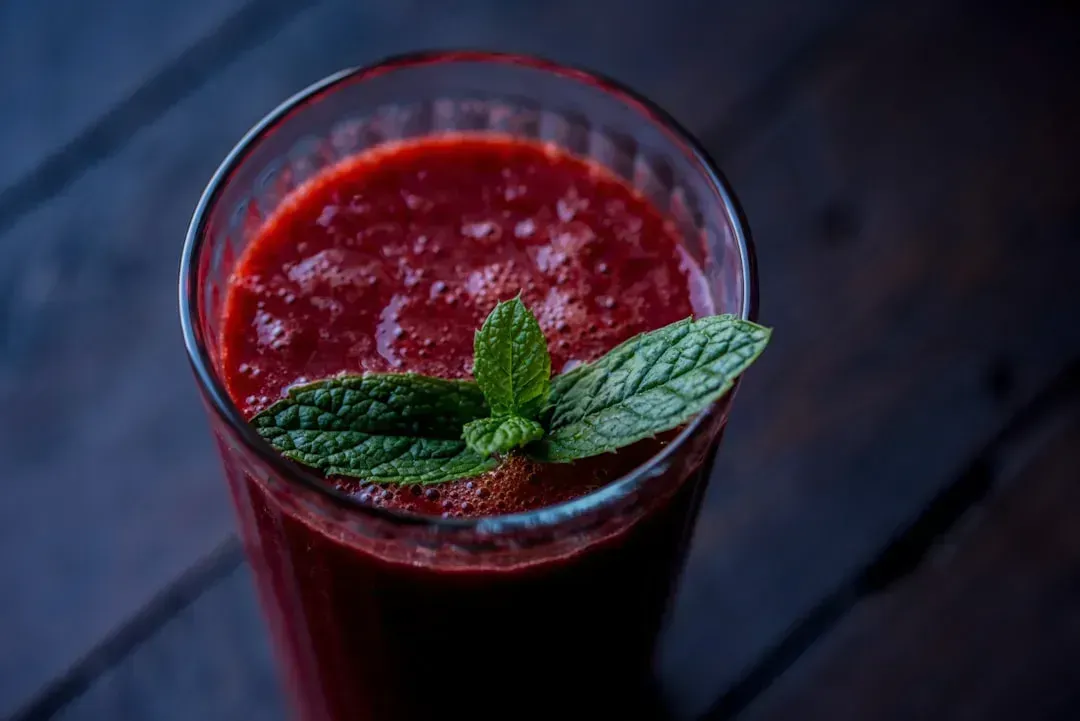
Savory drinks like tomato juice and bloody Mary mix may seem to taste extra delicious in the air due to the altitude impacting taste buds, but these drinks can have lots of sodium. Increased salt intake can also cause bloating, which can leave you feeling uncomfortable during and after your flight, with the in-flight food amplifying this salt impact.
Low air pressure in the plane’s cabin can make the gasses in your gut expand, which causes bloating, with the result ranging from uncomfortably tight pants to stabbing pains that double you over. The last thing you want during a long-haul flight is to feel even more bloated and uncomfortable than you already do in those cramped seats.
Any Carbonated Beverages if You’re Prone to Bloating
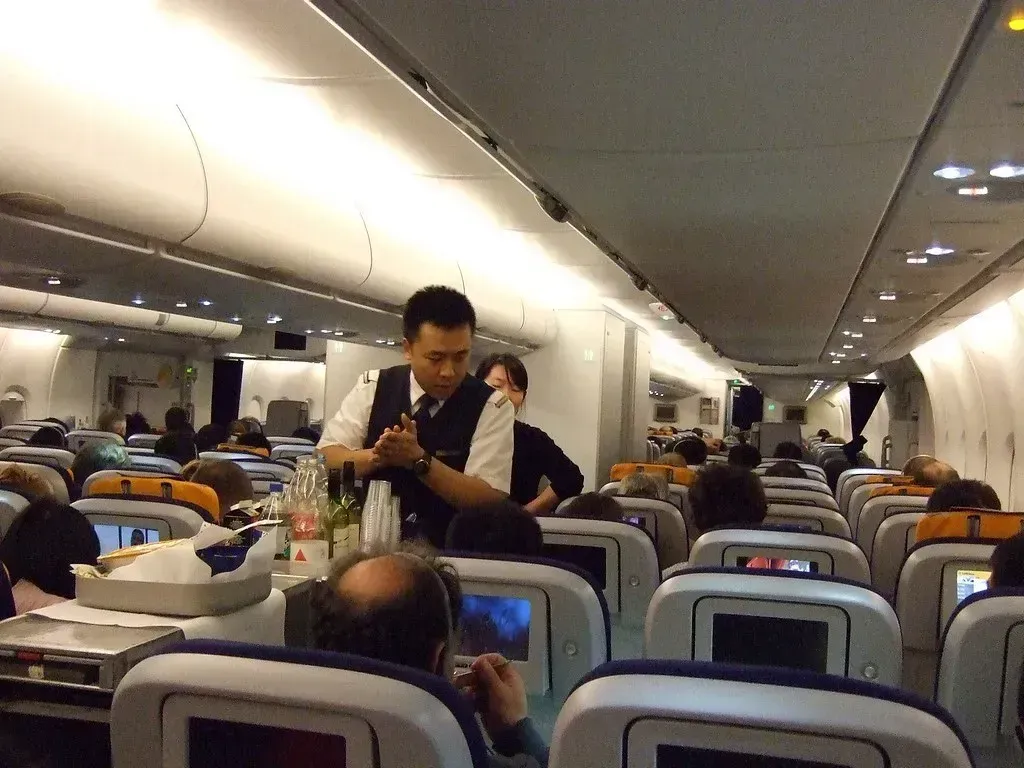
Cabin pressure wreaks havoc on carbonated drinks and your digestive system alike. Airplanes are pressurized to about 7,000 feet, and this change in pressure means that carbonated beverages act differently, becoming foamier and bubblier than they would be on the ground. What happens inside the can also happens inside your stomach.
While the idea of a common in-flight beverage like Diet Coke or even a ginger ale might sound appealing, it’s likely to do exactly the opposite of soothe stomach troubles. The gas from sodas expands in your gut just like it does in the can, creating uncomfortable pressure and bloating that makes an already tight space feel even worse.
I know it sounds crazy, but water from sealed bottles is genuinely your best friend up there. It keeps you hydrated without the risks associated with tap water systems, doesn’t cause the foaming delays of diet sodas, won’t dehydrate you like alcohol, and avoids the bloating issues of carbonated or high-sodium drinks.
Flying is already stressful enough without adding preventable discomfort or health risks to the mix. What you drink matters more than you might think when you’re cruising at altitude. The next time that beverage cart comes around, you’ll know exactly what to skip and why seasoned crew members make the choices they do. Did you expect that your drink order could impact your entire flight experience?