12 Things Fine Dining Servers Judge You on the Second You Enter the Restaurant
Ever wonder what servers are really thinking when you walk through those heavy doors at a high-end restaurant? Honestly, they’re reading you like a book before you even glance at the menu. These trained professionals have perfected the art of assessing guests within seconds, and their observations can directly shape your entire dining experience.
Let’s be real, servers aren’t doing this to be judgmental. They’re making calculated decisions within the first thirty seconds, pure survival instinct honed by thousands of interactions. These snap assessments help them anticipate issues, adjust their service style, and honestly, protect themselves from potential nightmare tables. Here’s what they’re noticing the instant you arrive.
How You Enter and Wait to Be Seated
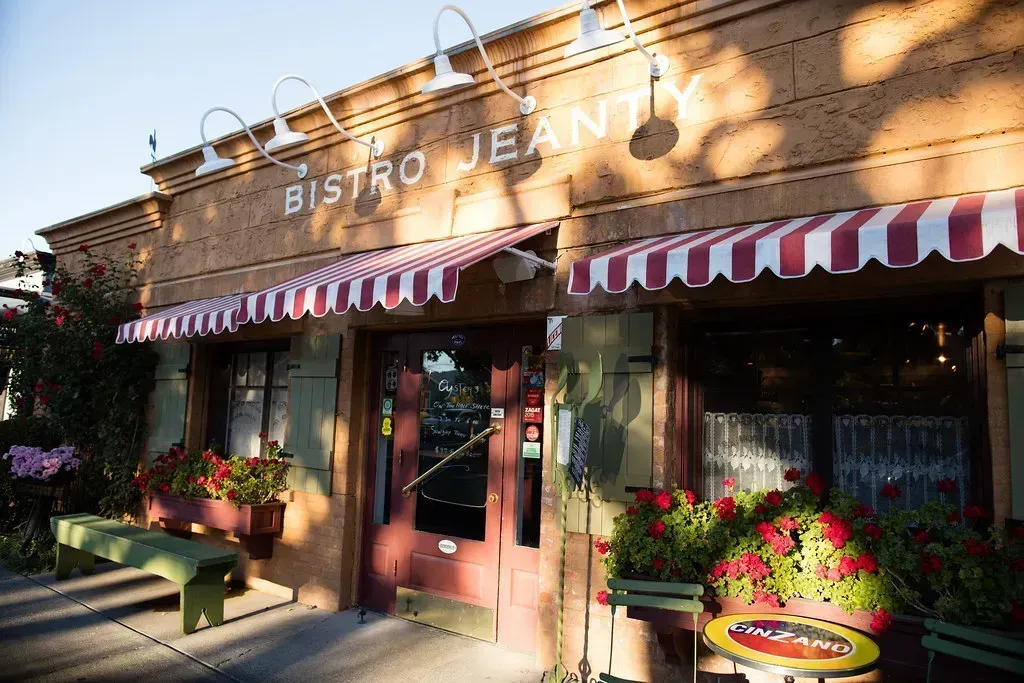
A classy diner waits to be greeted and seated, while an impatient one just barges in and gets quietly judged for it. Servers exchange knowing glances when someone decides the normal protocol doesn’t apply to them. Fine dining establishments carefully orchestrate their seating arrangements for good reason. There are server sections to balance, reservations coming in at specific times, and kitchen capacity to manage. Walking past the host stand demonstrates either ignorance or arrogance, and servers notice immediately.
Your Body Language and Eye Contact
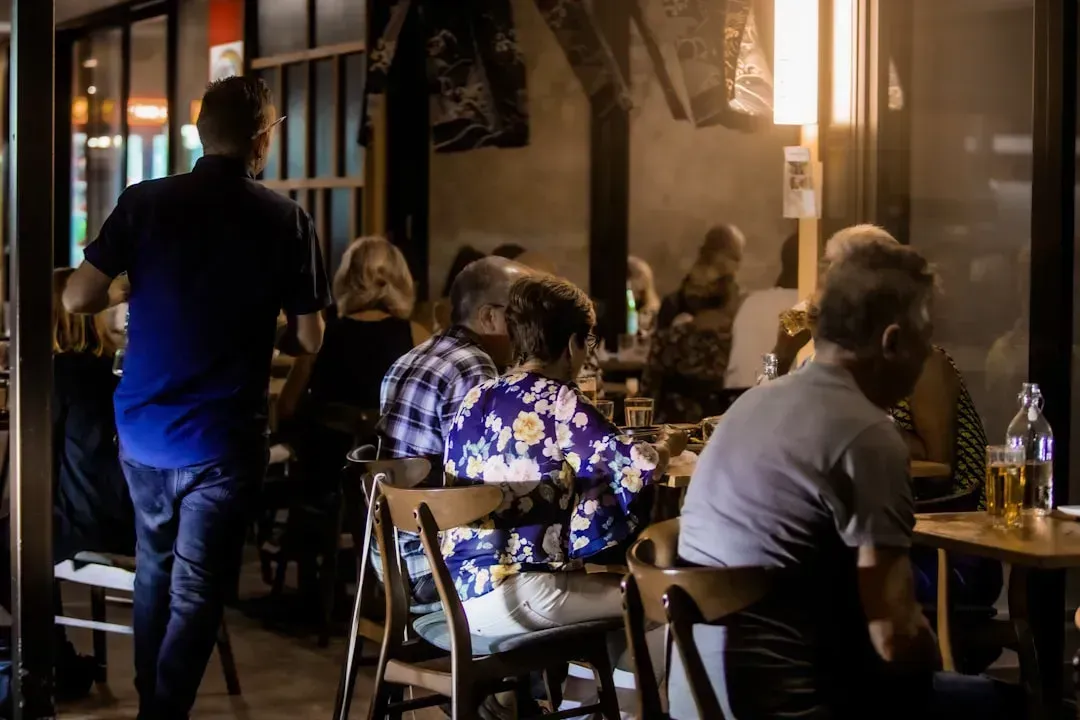
Your facial expression, body language, and tone of voice all influence the server’s initial opinion of you. Your body language greatly influences first impressions. Whether you make genuine eye contact when greeted, offer a smile, or keep your body language open tells servers everything about how the interaction will unfold. Closed-off postures, avoiding eye contact, or scanning your phone while being greeted signals disinterest or potential difficulty.
Your Overall Mood and Energy
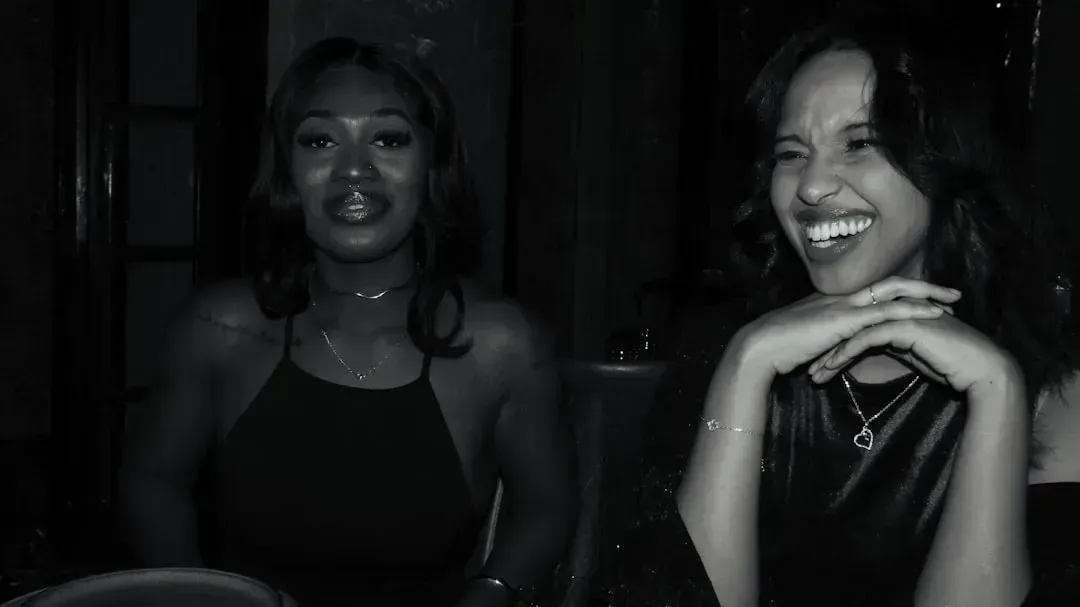
Servers are trained to read the emotional temperature of a table within moments. This mood assessment isn’t superficial, it’s practical, because if someone seems irritable or impatient, the server knows to prioritize speed and minimize small talk. Are you celebrating something special, having a tense business dinner, or dealing with relationship drama? These cues help them calibrate their approach, whether that means being extra attentive or giving you space to sort things out privately.
How You Treat the Host or Hostess

The way you interact with the first person you meet says volumes. If you’re dismissive, demanding, or rude to the host, servers in the back are already being warned about your table. Restaurant staff communicate constantly, and that initial interaction sets the tone for everyone who’ll serve you. Conversely, treating the host with warmth and respect often earns you goodwill that extends throughout your meal, possibly even landing you a better table or extra attention from the kitchen.
Your Appearance and Dress Code Adherence
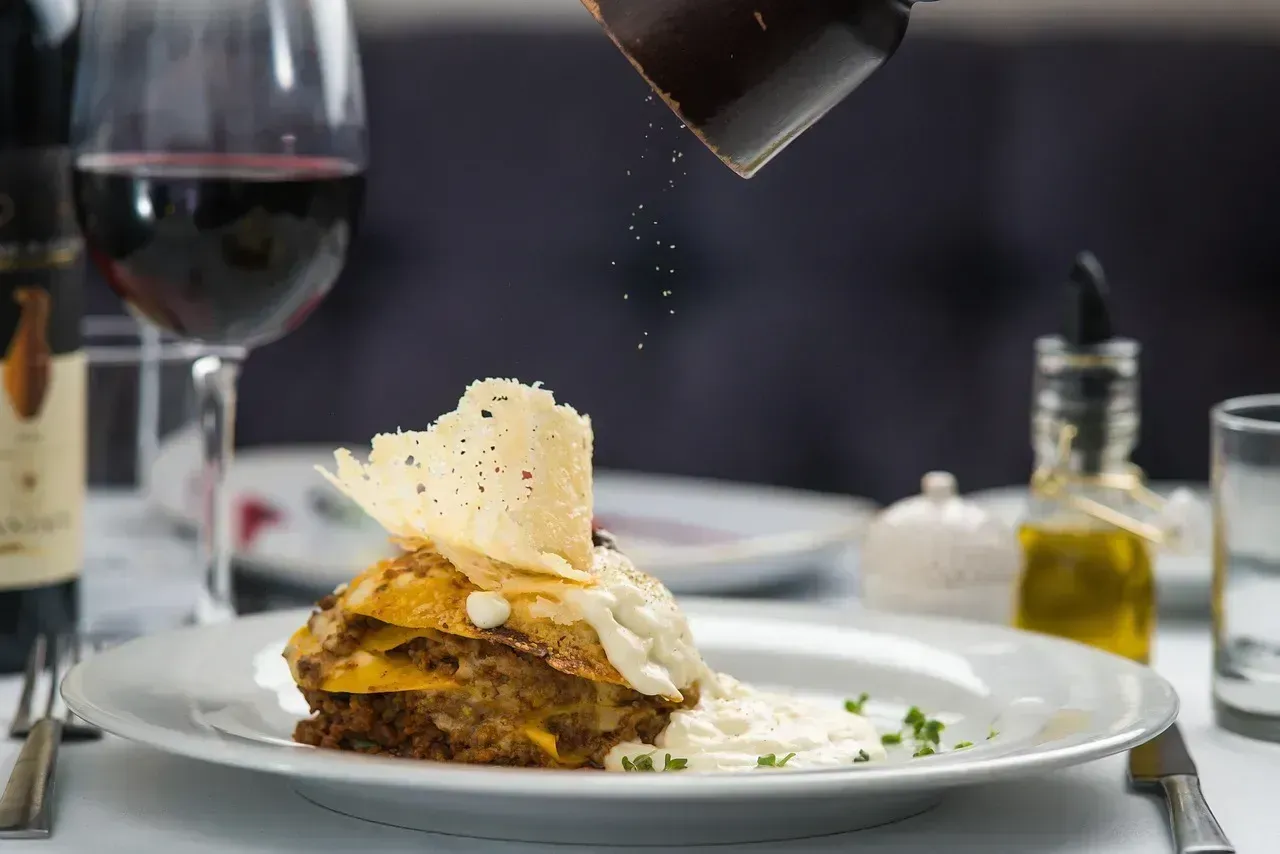
First impressions matter immensely in fine dining, so servers should look and act professionally, and being presentable and poised allows the diners to feel the elegance of the establishment. The same applies to guests. While some fine dining restaurants have started to recruit younger customers by changing their dress code, and many have scrapped a dress code altogether, your effort still matters. Showing up in appropriate attire demonstrates respect for the establishment and other diners, while appearing too casual can signal you don’t value the experience.
Who’s Leading Your Group
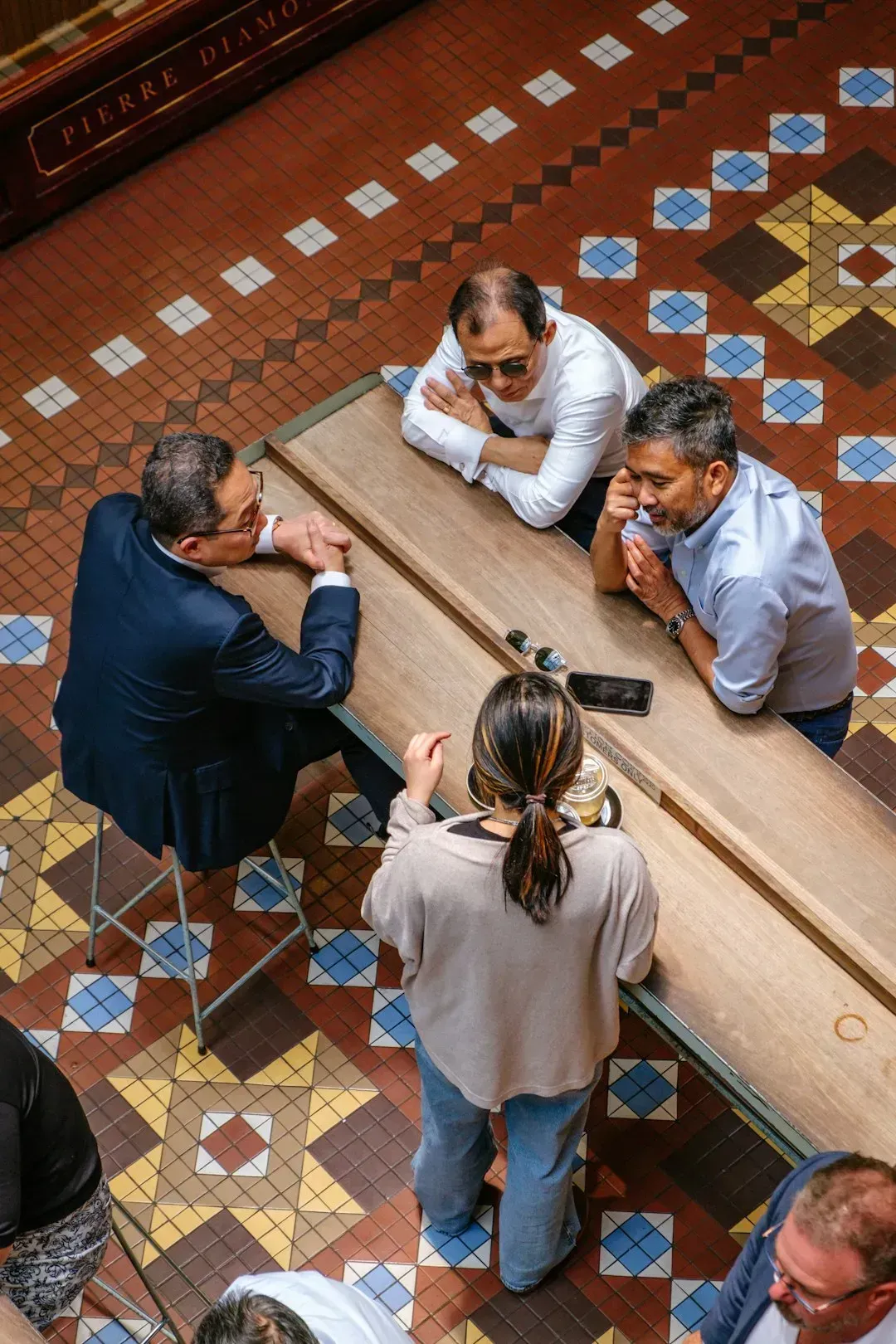
Within moments, servers figure out who’s calling the shots by noticing who’s holding the menu longest, who’s asking all the questions, and who insists on ordering for the whole table or dominates the conversation. Smart servers adapt their focus accordingly, directing questions to the decision-maker while remaining inclusive of everyone. This helps them navigate table dynamics efficiently, whether it’s a business dinner, romantic date, or family celebration.
Signs of Intoxication or Pre-Gaming
Servers are trained to spot intoxication the second you walk through the door, and it immediately changes how they approach your table. If you’re stumbling, slurring words, or already loud and boisterous during the greeting, fine dining establishments have strict liability rules about over-serving alcohol, so servers protect the restaurant from potential lawsuits. This isn’t about being judgmental. It’s about legal responsibility and ensuring everyone’s safety and comfort throughout the evening.
How You Handle Your Phone
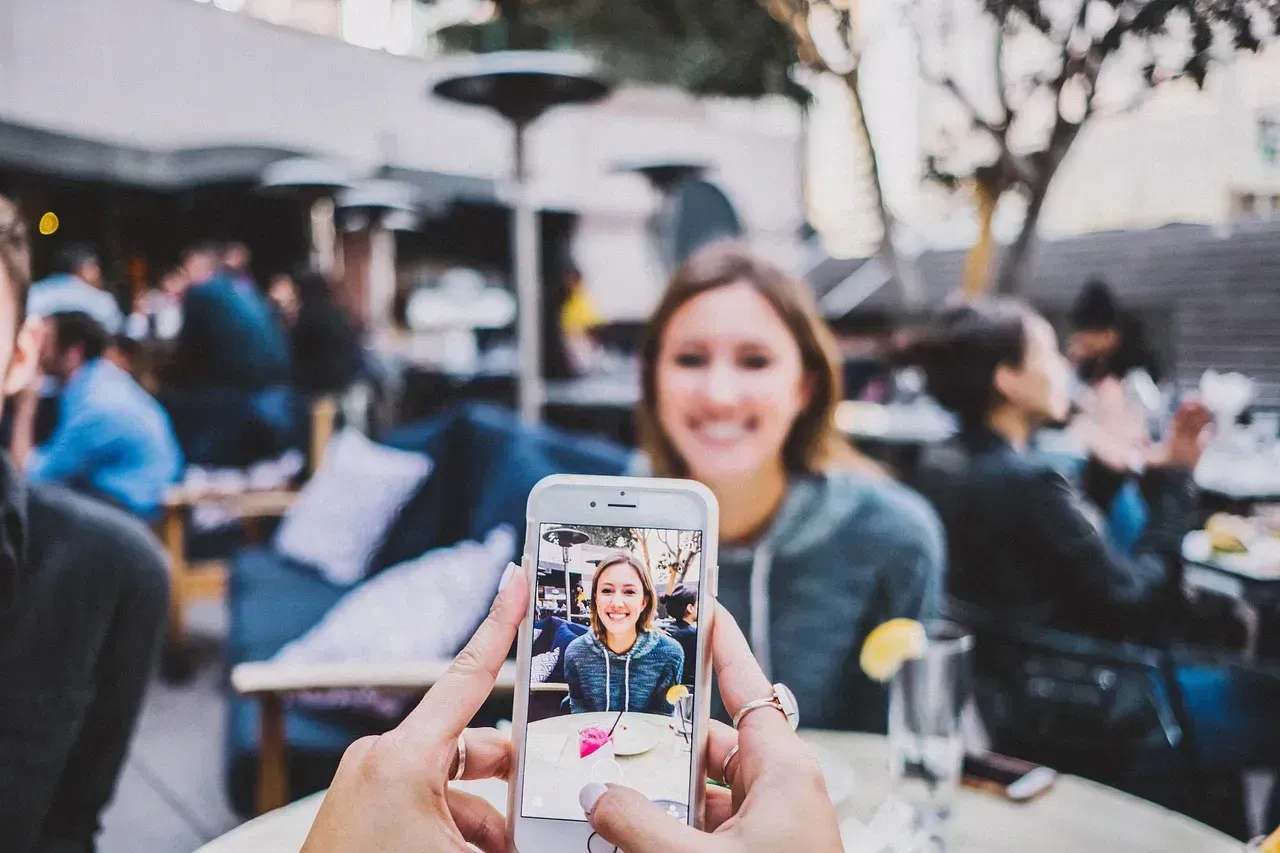
Are you glued to your screen during the greeting? Scrolling through social media while the host is speaking? Servers notice. While phone use has become normalized, excessive device dependency during service interactions signals disrespect and potential communication challenges. It also hints at whether you’re truly present for the dining experience or merely going through the motions. Those who put devices away and engage fully often receive more personalized, attentive service.
Your Tipping Potential
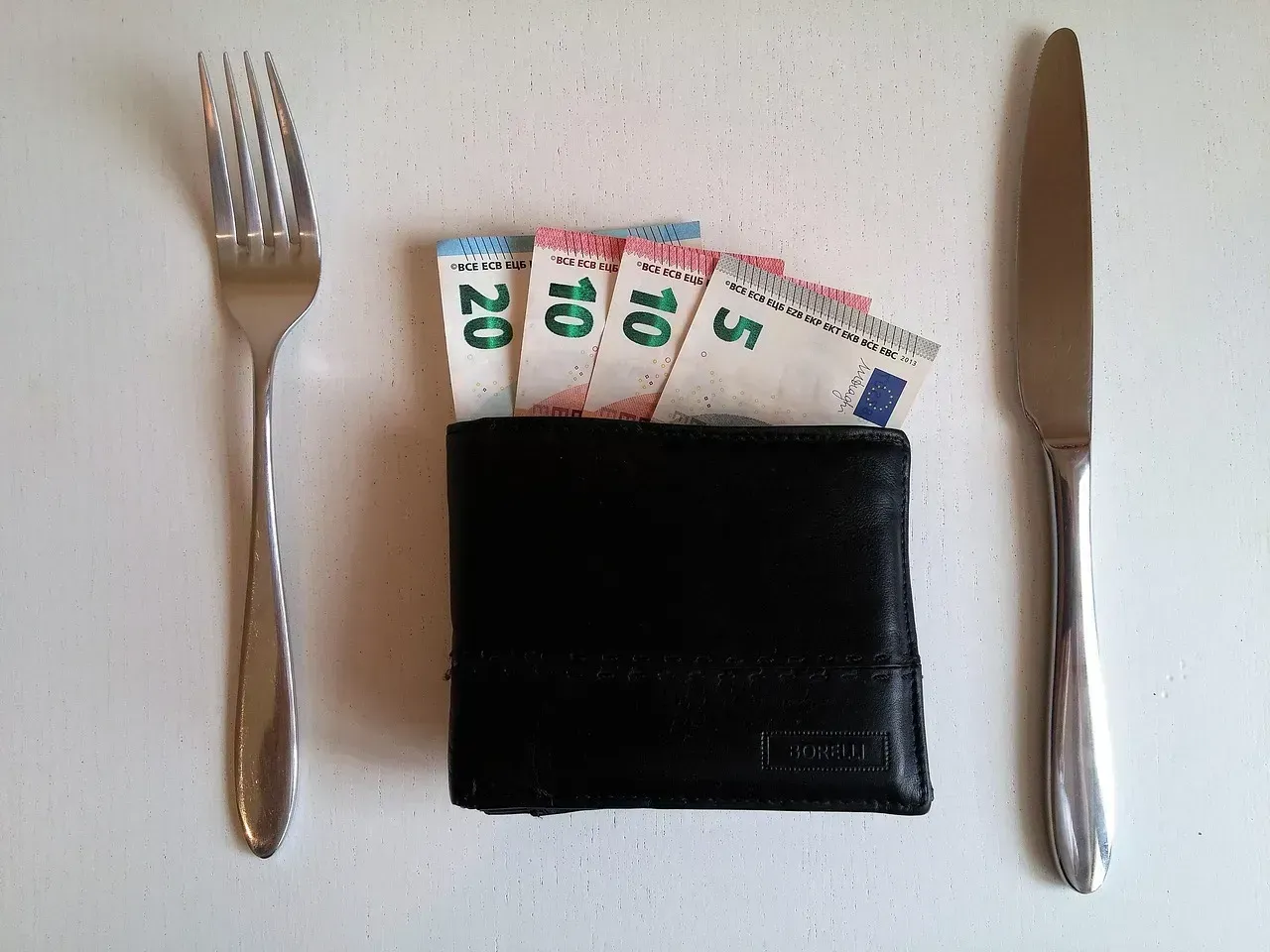
Servers are trying to gauge tipping potential, though they’ll tell you it’s nearly impossible to predict accurately, because the average tip percentage in full-service restaurants is around 20%, and tips make up more than half of a waiter’s earnings on average. Servers look for subtle cues like how guests are dressed, whether they seem familiar with fine dining etiquette, and their overall demeanor. Despite the uncertainty, servers constantly recalibrate their approach based on subtle cues, hoping to maximize both customer satisfaction and their own income.
Whether You’re Trying Too Hard to Impress
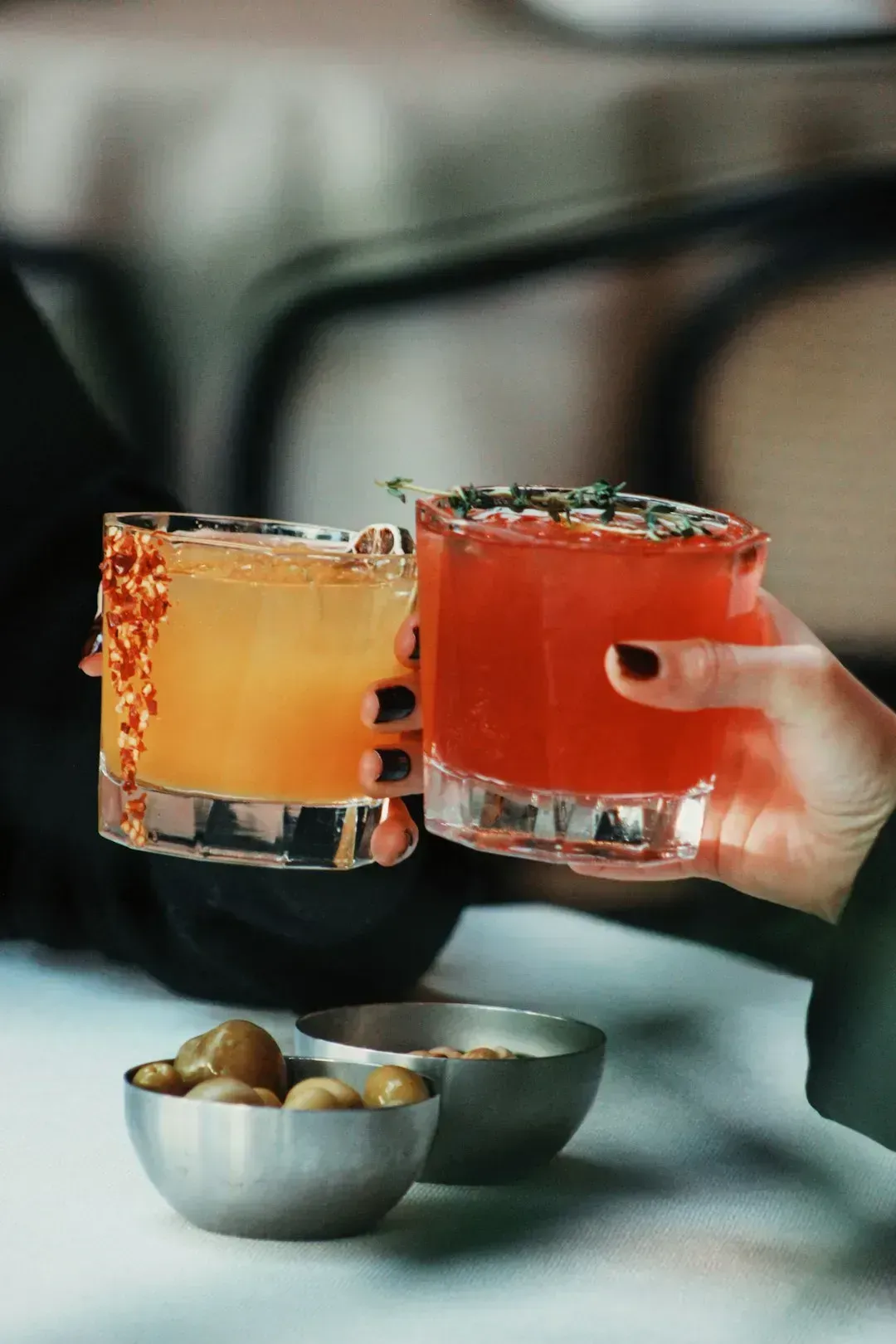
You can literally watch someone’s entire personality shift the moment their date walks through the door, suddenly snapping fingers at staff, over-pronouncing French menu items they clearly don’t understand, or making a huge production about wine selections to seem sophisticated. This performance is transparent to experienced servers. Your date is watching how you treat service staff, and that reveals way more about your character than knowing the difference between a Bordeaux and a Burgundy.
Your Reservation Behavior History
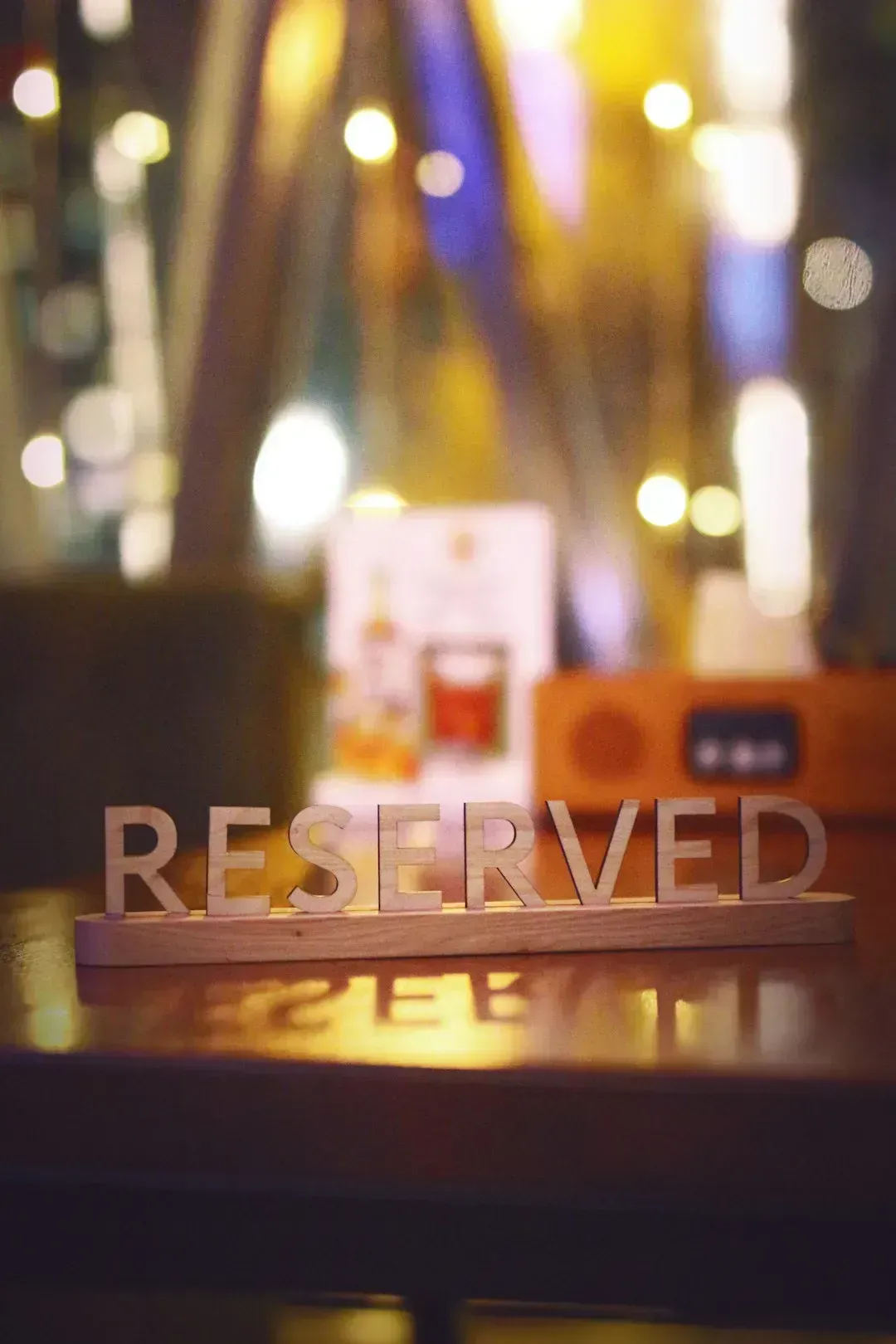
If you’re a regular or have dined at the restaurant before, servers often have access to notes about previous visits. Did you leave a generous tip last time? Were you demanding or pleasant? Did you make modifications to every dish? Modern reservation systems allow restaurants to track guest preferences and behaviors. Repeat customers who’ve built positive relationships often receive preferential treatment, better tables, and servers who remember their favorite drinks or dietary preferences.
Your Level of Distraction and Impatience
Snapping fingers, whistling, or waving both hands to flag someone down comes off as dismissive, and servers exchange knowing glances when this behavior starts immediately. Many Americans consider it unacceptable to snap their fingers to get the waiter’s attention. Servers notice if you’re constantly checking your watch, sighing audibly, or showing visible frustration during the greeting process. These behaviors suggest you’ll be a high-maintenance table requiring constant attention, which affects how they prioritize your service among their other responsibilities.
Understanding what servers notice can actually improve your dining experience. Being aware of the signals you’re sending helps you communicate your needs more effectively and sets the stage for exceptional service. Next time you walk into a fine dining restaurant, remember that those first few seconds matter more than you think. What surprised you most about what servers are really observing?