12 Home Features Likely to Be Obsolete Within the Next Five Years
Landline Phone Jacks
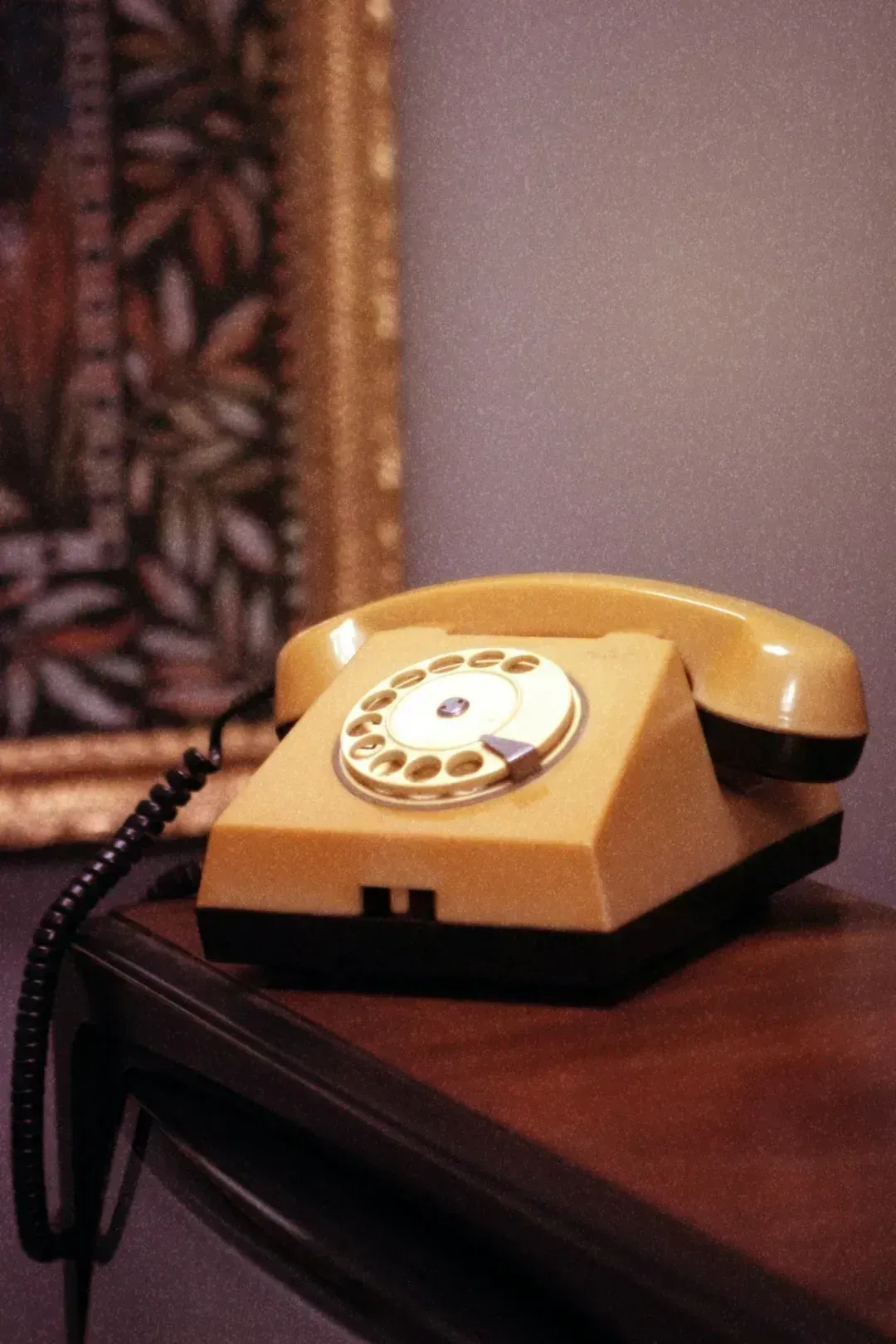
With roughly three quarters of American adults now relying solely on wireless phones, landline phone jacks are becoming relics in modern homes. According to CDC research conducted from July through December 2023, roughly 76% of adults and 87% of children live in homes without landlines. The shift away from traditional phone connections has been dramatic, and it’s easy to see why. Currently, almost 79% of adults and nearly 87% of children live in wireless-only households, while landline-only households have become a true rarity, accounting for less than 1% of adults by the end of 2024, with this trend most pronounced among adults ages 25 to 44, where more than 88% live in homes without a landline.
Phone companies are accelerating the change themselves. The Federal Communications Commission has worked toward eliminating requirements for phone carriers to offer landline services, and alongside widespread implementation of Ethernet access and fiber optics, some phone providers have chosen to drop their copper phone lines and cancel landline services entirely. Those decorative phone jacks mounted on your kitchen or bedroom walls might soon be nothing more than architectural curiosities.
Traditional Cable TV Hookups

Since 2018, the number of cord-cutting households has more than doubled, rising from 37.3 million to a projected 77.2 million by 2025. The cable television industry is experiencing a genuine collapse. U.S. cable TV subscribers declined to 68.7 million in 2024, down from 72.2 million in 2023, a drop of nearly 5%. What started as a trickle has turned into a flood, and the reasons are crystal clear.
According to an early 2024 survey, rising costs of pay TV is the main reason for cutting the cord, with one in five respondents stating they no longer needed cable to watch what they were interested in. In May 2025, streaming’s 44.8% share exceeded the combined total of broadcast (20.1%) and cable (24.1%) viewing for the first time in measurement history. When people can access thousands of shows and movies for a fraction of the cost through streaming platforms, why would they keep that bulky cable box?
Gas Stoves and Cooktops

Here’s something that’ll surprise you. Switching from a gas stove to an electric induction stove can reduce indoor nitrogen dioxide air pollution, a known health hazard, by more than 50% according to research led by scientists at Columbia University Mailman School of Public Health. New York City passed a law in 2023 that will ban gas-powered heaters, cooking stoves, and water boilers in all new buildings to meet climate goals, and similarly, in 2022, California adopted an electric-friendly statewide building code requiring buildings to be “all-electric ready”.
Gas stoves are used in about 38% of U.S. homes but their prevalence varies significantly by state, reaching 62% in New York. Research is revealing health impacts many homeowners never considered. Gas and propane stoves expose people to substantial amounts of nitrogen dioxide, a pollutant linked to health problems including asthma, obstructive pulmonary disease, preterm birth, diabetes, and lung cancer, with replacing gas stoves with electric reducing nitrogen dioxide exposure by over a quarter on average across the U.S. and by half for the heaviest stove users. I think we’re witnessing the beginning of the end for gas cooking in residential spaces.
Formal Dining Rooms
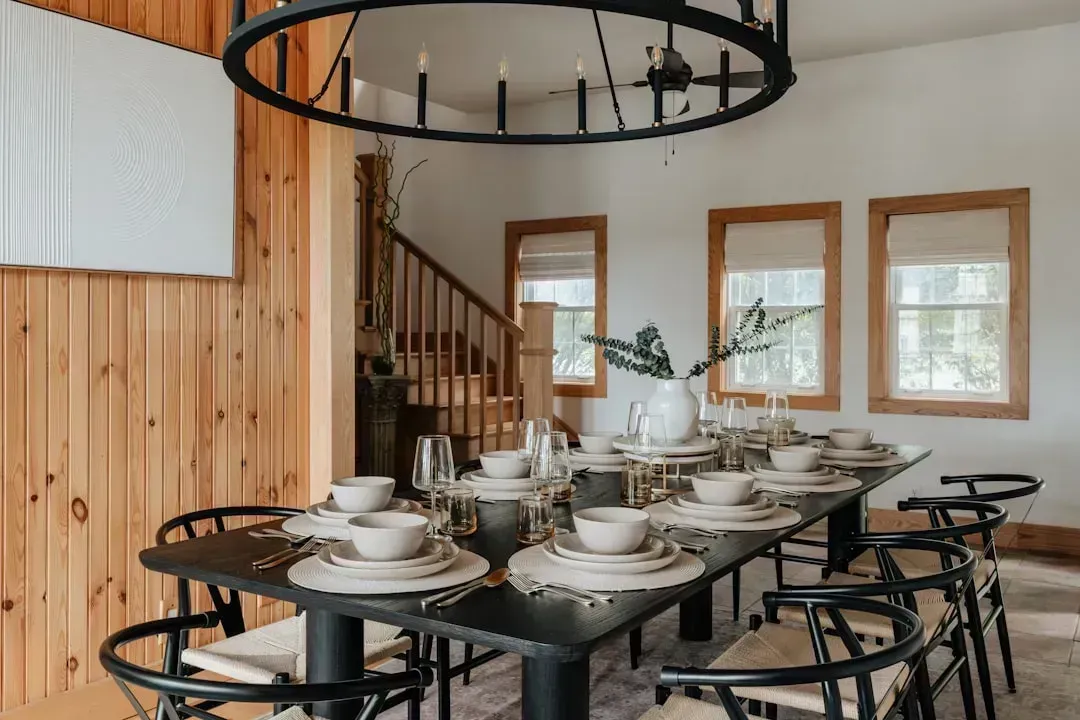
Once a staple in traditional homes, formal dining rooms are increasingly seen as wasted space. Modern families simply don’t use them the way previous generations did. Most households today prefer open-concept living spaces where cooking, eating, and socializing flow seamlessly together. While formal dining rooms used to be a major selling point, they’re now seen as an inefficient use of square footage unless you’re in the luxury market, with buyers today preferring multi-purpose spaces.
Real estate trends confirm this shift. The large, separate dining room with its own chandelier and china cabinet now feels outdated and impractical. Families want flexibility, not formality. Converting that dining room into a home office, gym, or cozy lounge makes far more sense for how we actually live today.
Built-In Entertainment Centers
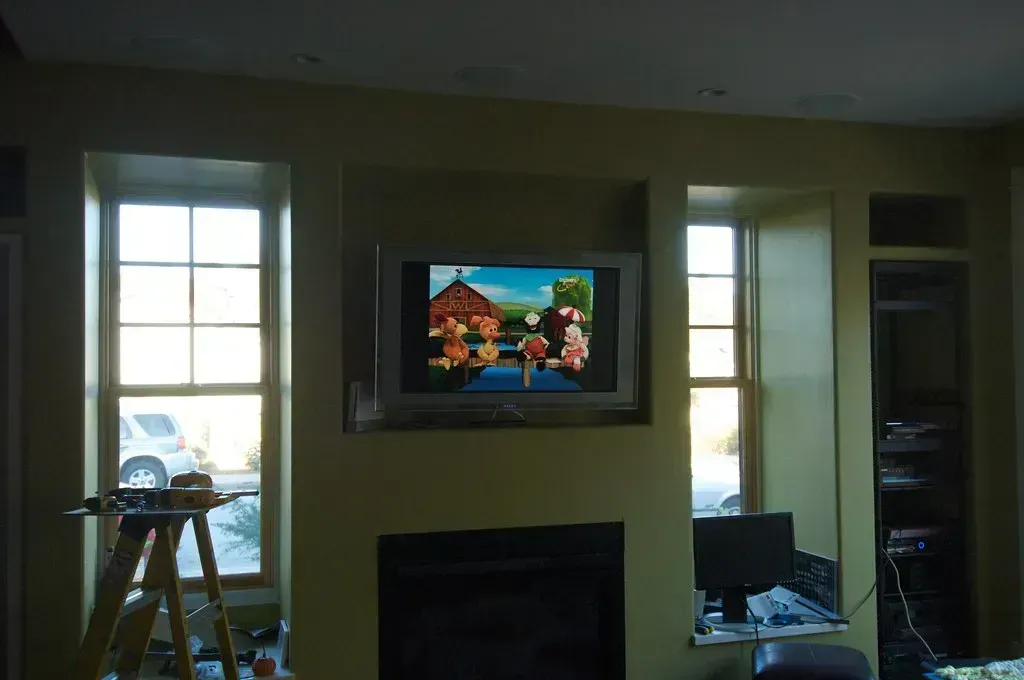
Those massive wall units built to house tube TVs and DVDs are not only outdated but also a waste of valuable wall space, with the trend now being wall-mounted TVs with floating shelves or clean, minimalist media consoles. Remember when having a custom-built entertainment center with shelves for hundreds of DVDs was the ultimate living room flex? Those days are gone.
Streaming services have made physical media nearly obsolete, and television technology has evolved dramatically. Modern flat screens mount directly on walls, eliminating the need for bulky furniture altogether. Storage that once showcased movie collections now sits empty or cluttered with random items nobody knows what to do with.
Separate Home Offices
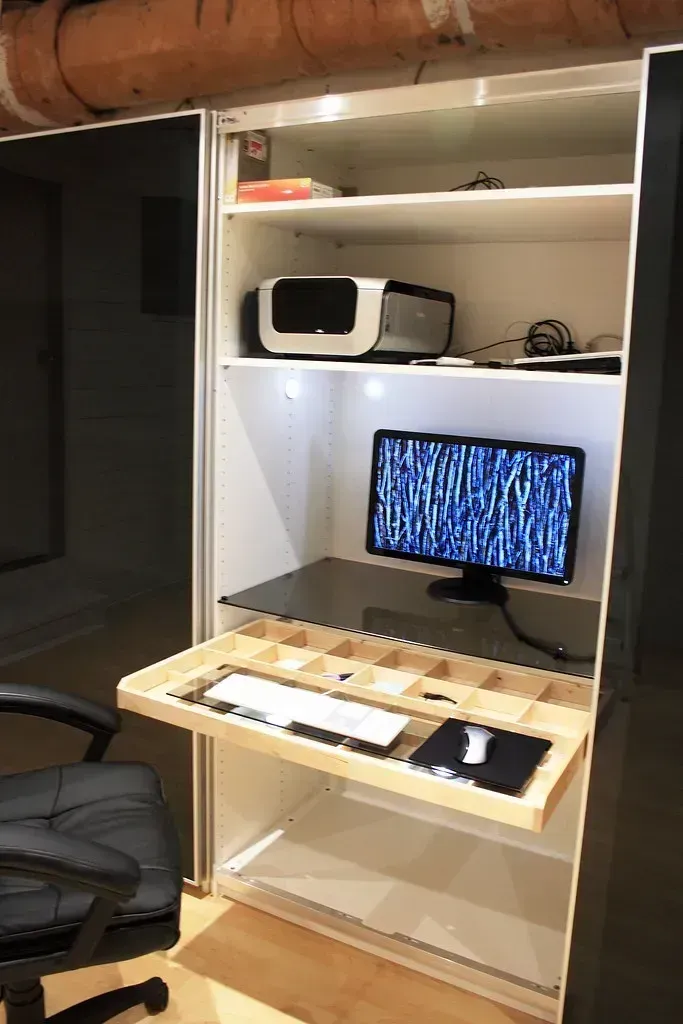
This one might seem counterintuitive given the remote work explosion during the 2020 pandemic, but hear me out. In early 2025, 61% of full-time employees were completely on-site, while 13% were fully remote, and 26% worked a hybrid arrangement. The growth in hybrid job postings rose from 15% in Q2 2023 to nearly a quarter (24%) of new jobs in Q2 2025, while fully on-site roles have declined as hybrid options rise.
What this means is that dedicated home offices are becoming less necessary as people split time between home and workplace. The percentage of people in hybrid roles has increased from 60% to 66% over the past year, and more than 1 in 4 paid workdays in the U.S. were done from home in 2024, up from just 1 in 14 in pre-pandemic days. Instead of entire rooms devoted to work, flexible spaces that serve multiple purposes are more practical. A dining room table, a corner desk, or convertible furniture offers the versatility hybrid workers actually need.
Carpeted Bedrooms
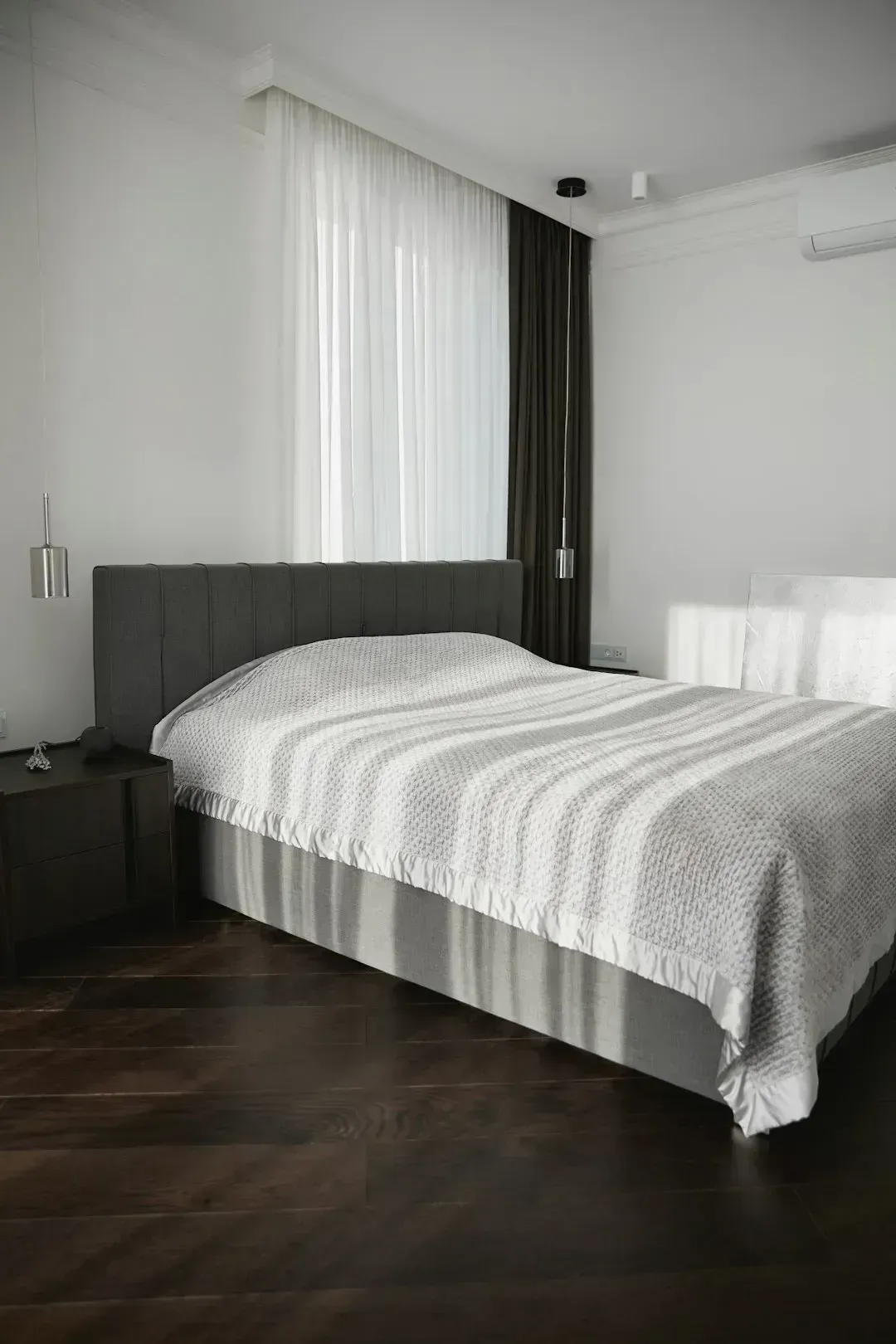
Carpeting used to be a staple in home design but buyers in 2025 expect hard flooring in main living areas, with carpet seen as high-maintenance, prone to stains and less durable than modern flooring options. Wall-to-wall carpeting in bedrooms was standard for decades, but that’s rapidly changing. Modern homeowners are prioritizing cleanliness, allergen reduction, and easier maintenance.
Luxury vinyl plank (LVP), hardwood, or polished concrete are the alternatives, with LVP being the most cost-effective choice for flippers and landlords because it’s durable, waterproof, and looks high-end without the cost of real wood. Let’s be real, nobody wants to vacuum constantly or worry about impossible-to-remove stains anymore. Hard flooring with area rugs offers the warmth of carpet with none of the headaches.
Jacuzzi Tubs
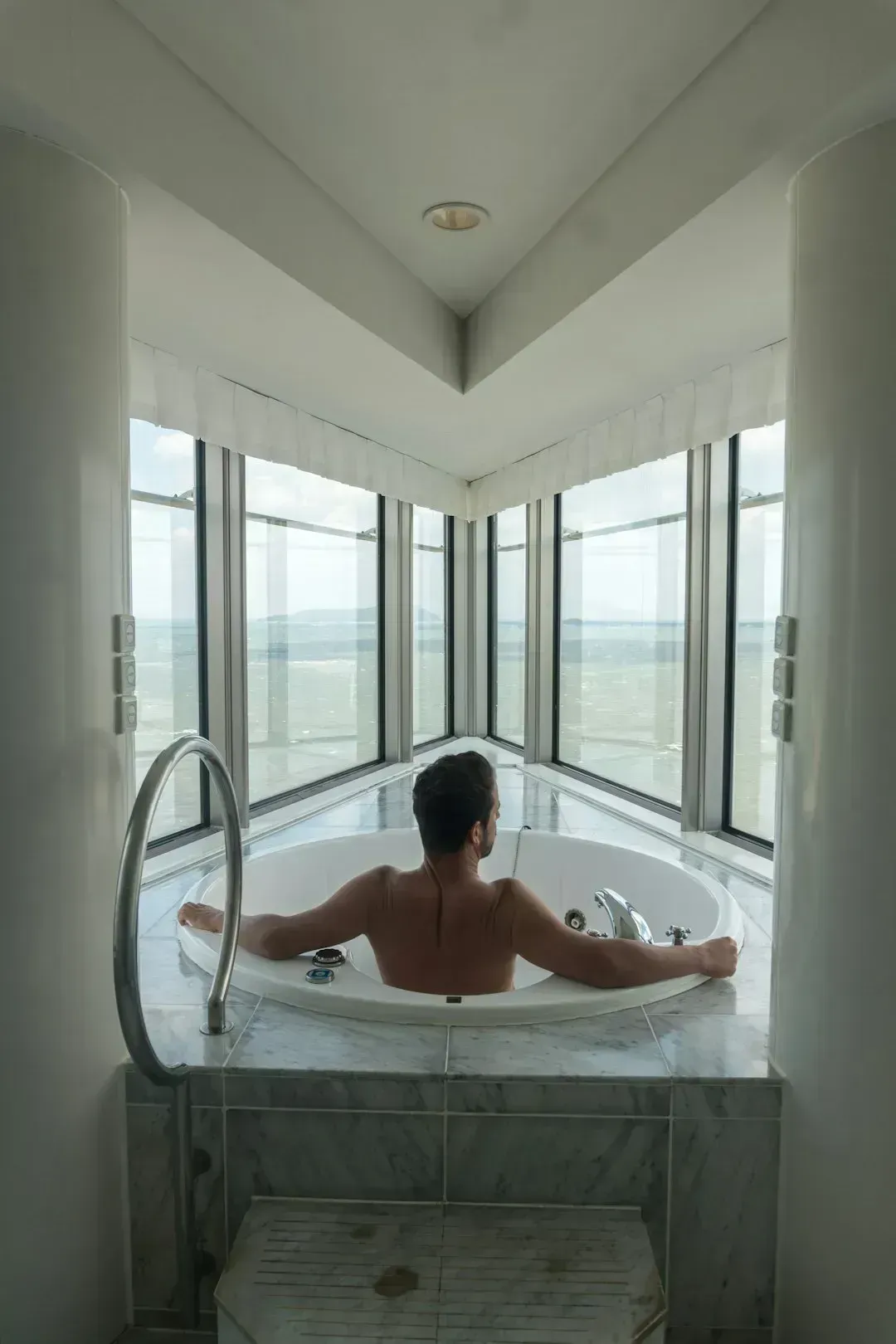
Once a symbol of luxury, the Jacuzzi tub has fallen out of favor with many modern buyers, and with its larger size and impracticality for those who prefer showers, it may be time to remove your Jacuzzi tub and opt for a more modern shower design to appeal to a wider audience. Those massive whirlpool tubs seemed glamorous in the eighties and nineties, but today they’re viewed as maintenance nightmares that take up valuable bathroom space.
Most people simply don’t have time for long soaks anymore. The jets need cleaning, the tubs guzzle water, and honestly, when was the last time you actually used yours? Modern bathroom design favors spacious walk-in showers with rainfall heads and sleek glass enclosures. They’re more practical, easier to clean, and fit contemporary aesthetics far better.
All-Gray Color Schemes
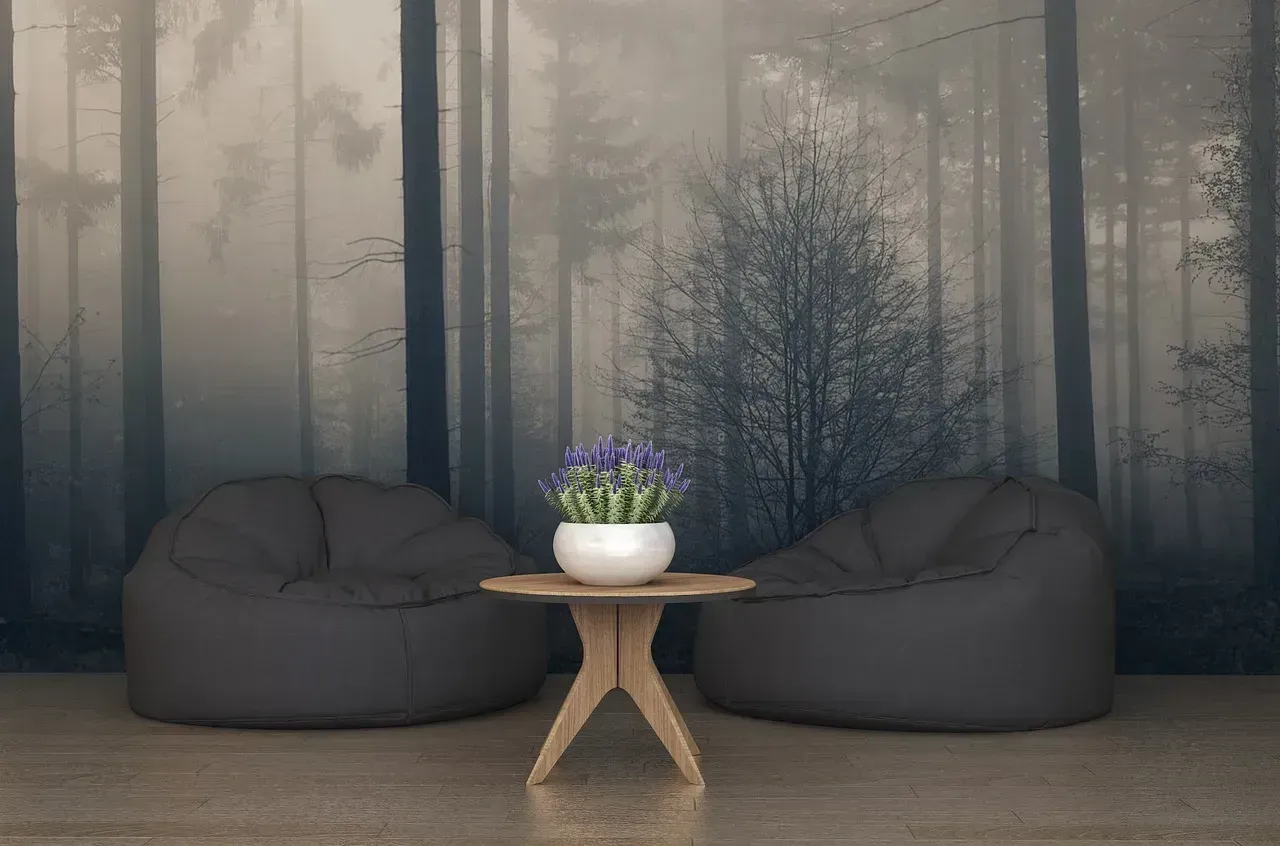
Back when everyone had what the author calls “Magnolia-itis,” people were painting every wall in their house a cool gray color, then 2020 happened and people were locked in their gray-walled homes for months, and they realized they had officially taken this trendy new neutral too far. For years, real estate investors and home flippers relied on gray walls, gray flooring, and gray cabinets to create a ‘modern’ look, but by 2025 that trend was dead, with buyers seeing all-gray interiors as cold, outdated, and overdone.
Interior designers are practically begging people to introduce warmth back into their homes. Warm, earthy neutrals like beige, taupe, and creamy whites are trending. The monochromatic gray aesthetic that dominated the 2010s now reads as depressing rather than sophisticated. Color, texture, and personality are making a comeback, and gray everything is being left firmly in the past.
Sliding Barn Doors

The sliding barn door trend of the 2010s was one of the biggest modern farmhouse elements copied everywhere, but suddenly people started realizing why they would want to replicate a barn in their home, and it just wasn’t practical, especially on bathrooms where the sliding barn door never really closed or provided any privacy. Since we said goodbye to the farmhouse design style, sliding barn doors have gone out of style, and while some people still prefer these, they are beginning to make a home look more dated.
The rustic charm wore off quickly when people realized these doors let in light, sound, and smells from adjacent rooms. Privacy concerns aside, the hardware is clunky, the doors are heavy, and they take up significant wall space. Traditional doors that actually seal a room are regaining favor for good reason.
Open Kitchen Shelving
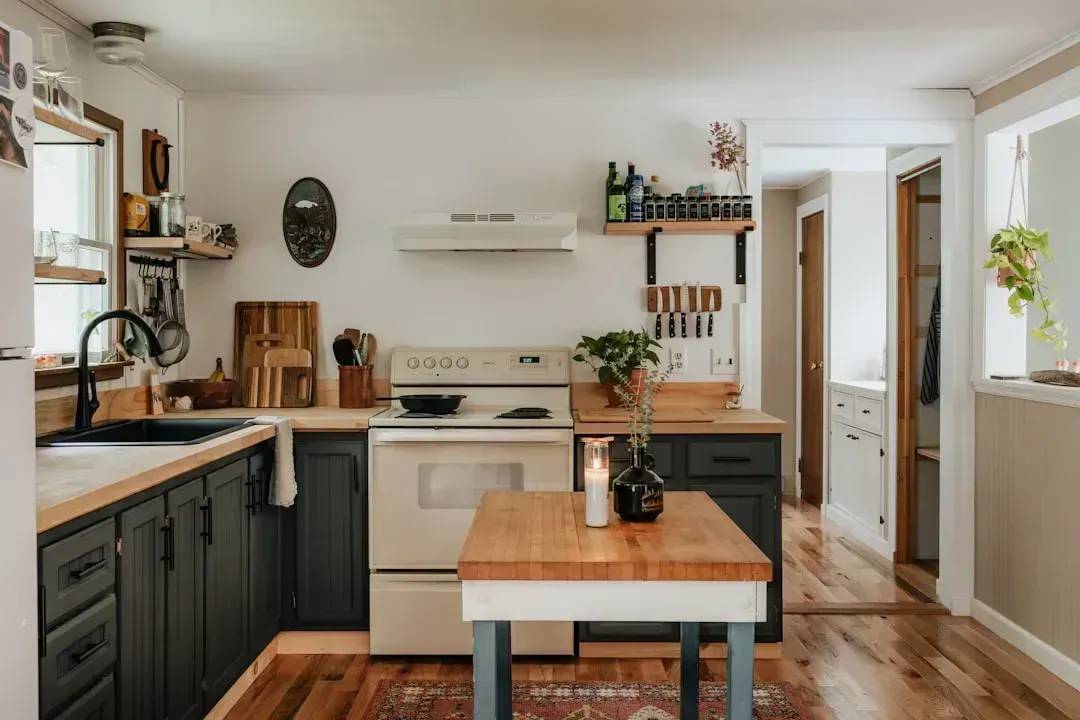
Open shelving was trendy for people who wanted to showcase their dishware, but now it’s become an impractical décor trend where clutter is no longer ideal. Open shelving has been a favorite for showcasing beautiful dishware, but its impracticality is causing a decline in popularity. Instagram made exposed shelves look effortlessly chic, but in reality, they require constant maintenance.
Dust settles on dishes, grease from cooking coats everything, and keeping shelves perfectly styled becomes an exhausting chore. Most people don’t have matching dish sets worthy of display anyway. Closed cabinetry is making a strong comeback because it hides the mess and makes kitchens look cleaner with far less effort.
Linoleum Flooring
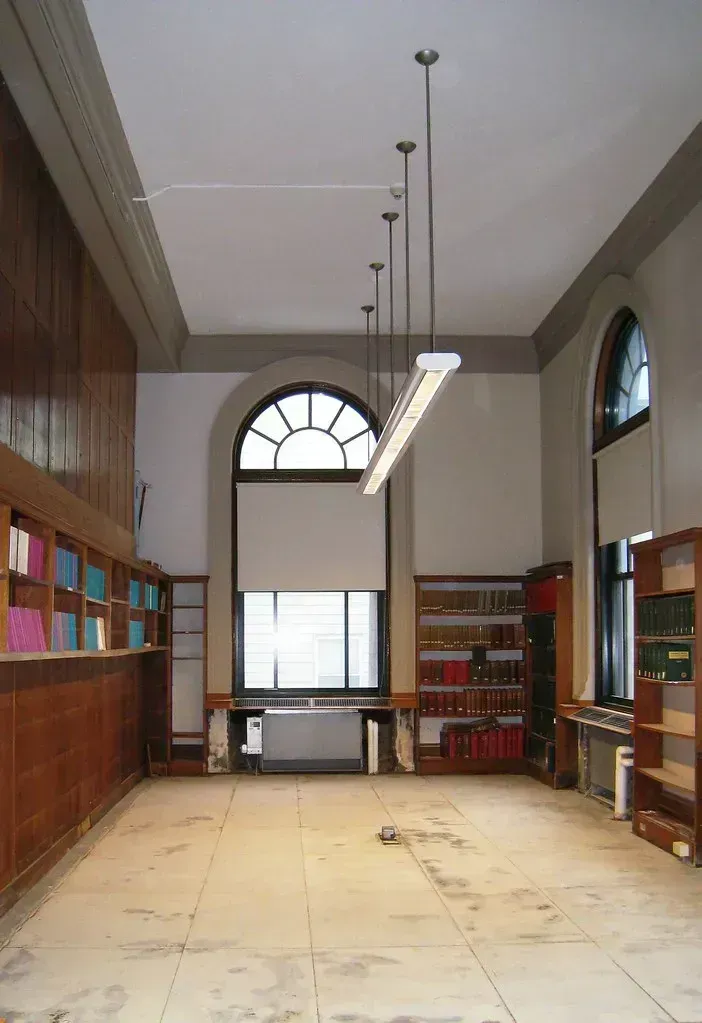
Linoleum floors were once a popular and practical choice for homeowners, however, they are now widely considered an outdated home trend, with a staggering 88% of buyers expressing no interest, making it clear that this flooring option can significantly deter interest, with upgrading to hardwood, tile, or laminate flooring offering a more modern appeal. It’s hard to believe linoleum was ever considered stylish, but it dominated kitchens and bathrooms for decades.
The problem is that linoleum screams “cheap” and “dated” to modern buyers. It scuffs easily, shows every imperfection, and has a look that instantly ages a home. Today’s flooring options offer superior durability, aesthetics, and value. Whether it’s luxury vinyl, tile, or hardwood, almost anything is preferable to that old-school linoleum look.
What do you think about these disappearing home features? Did any of them surprise you, or are there others you’d add to the list? The way we design and use our living spaces continues to evolve, reflecting changes in technology, lifestyle, and priorities. Tell us in the comments which outdated feature you’re most eager to replace.
Popcorn Ceilings
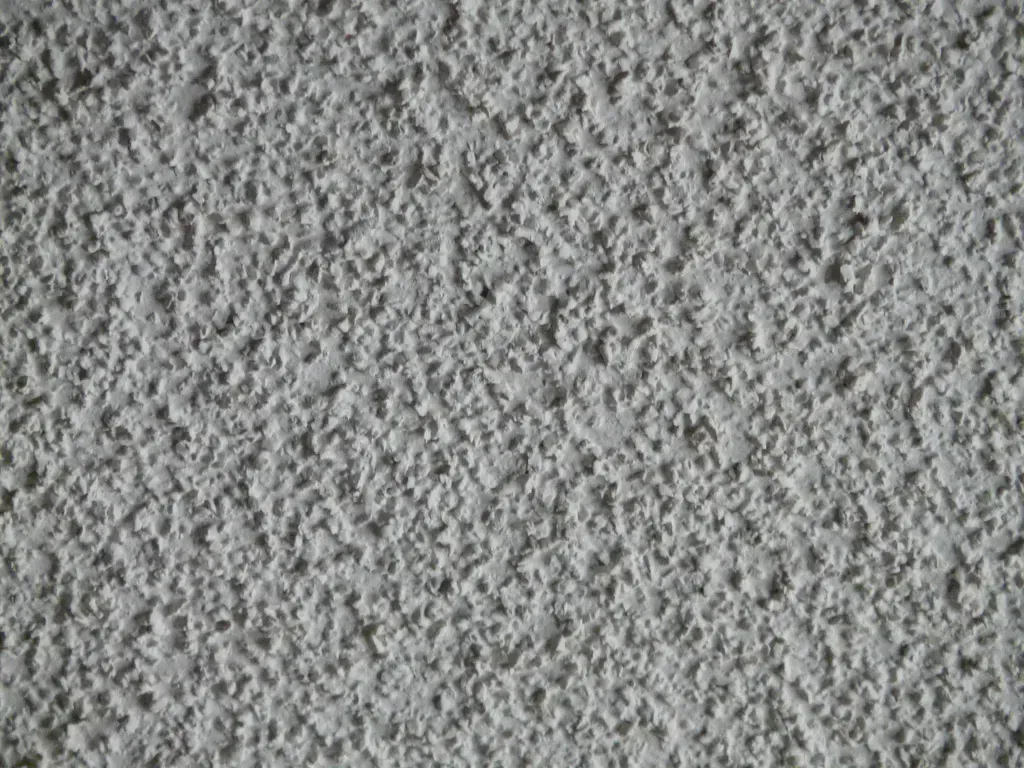
If you’ve ever looked up at a ceiling and thought it resembled cottage cheese, you’ve encountered the infamous popcorn ceiling. This textured ceiling treatment was wildly popular from the 1950s through the 1980s, originally used to hide imperfections and provide some acoustic dampening. But here’s the thing – nobody wants them anymore. They collect dust like crazy, make rooms feel darker and smaller, and are an absolute nightmare to clean or repair. What’s worse, many popcorn ceilings installed before the 1980s contain asbestos, which makes removal a potentially hazardous and expensive project. Modern homebuyers overwhelmingly prefer smooth, clean ceilings that reflect light and give spaces a fresh, contemporary feel. The good news? Removing or covering popcorn texture is one of the most impactful upgrades you can make, instantly modernizing any room and significantly boosting your home’s appeal to potential buyers who’d otherwise walk away the moment they spot that bumpy overhead eyesore.