6 Items You’re Not Legally Allowed to Buy for Your Yard (But Many Do Anyway)
You might think your backyard is your personal kingdom where you can do whatever you want. Reality check: it’s not. There are actually tons of restrictions on what you can place, grow, or operate in that patch of grass behind your house.
Here’s the wild part. Thousands of people purchase and use these items every single day without knowing they’re breaking the law. Some restrictions exist at the state level while others depend on your city or even your neighborhood HOA.
Let’s be real, nobody reads the fine print before buying that cute plant from the nursery or setting up that backyard fireplace. Yet ignorance doesn’t protect you from hefty fines or even legal action if something goes wrong. What might seem harmless could land you in serious trouble with local authorities.
Certain Invasive Plant Species
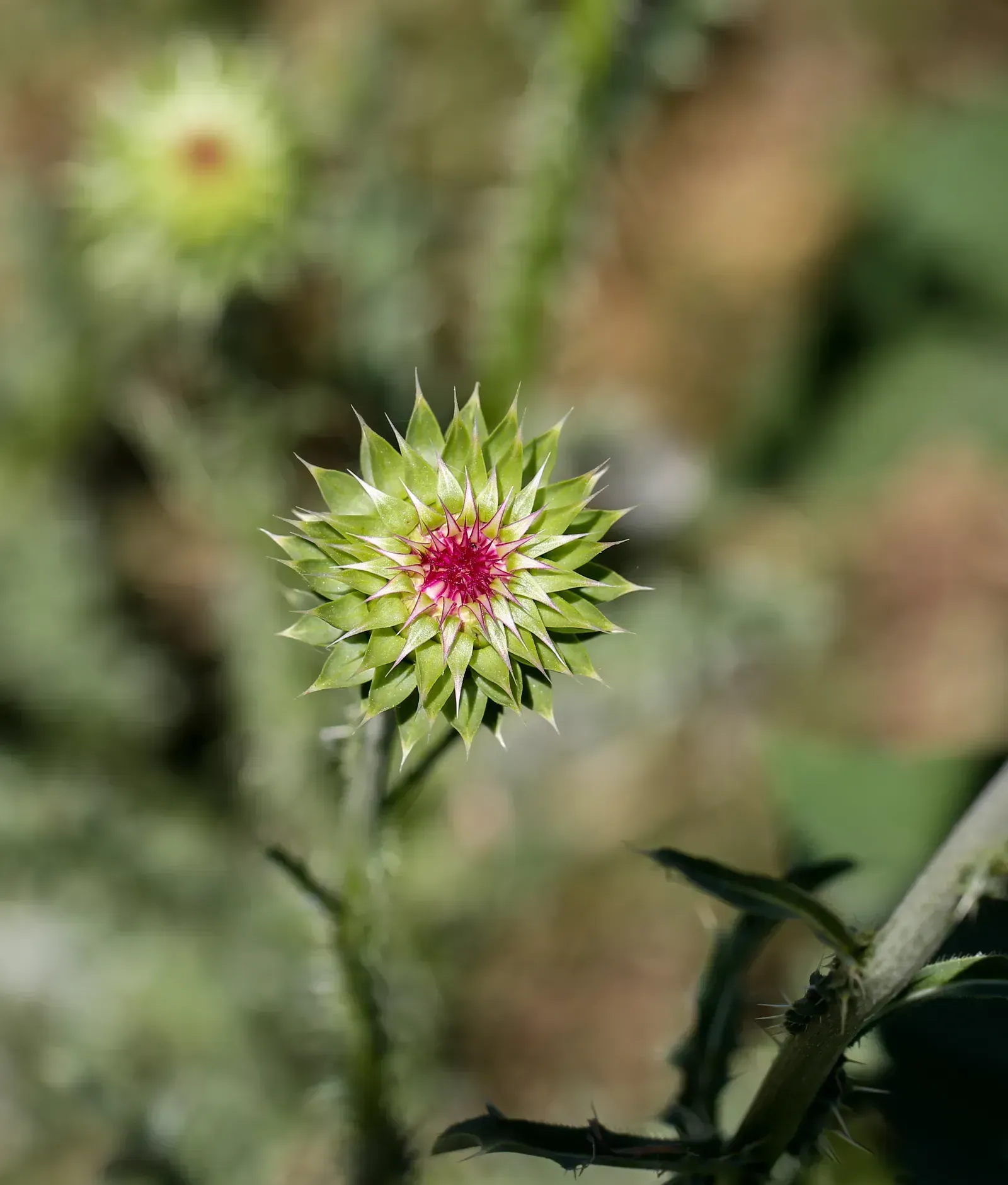
That gorgeous Bradford pear tree at the garden center might catch your eye with its stunning white blooms. Too bad it’s actually banned for sale in multiple states. South Carolina became only the second state in the United States to ban the nursery sale of Bradford pear trees, and for good reason.
Kudzu is part of the Federal Noxious Weed List, meaning the U.S. bans its sales and transport across state borders. Once nicknamed “the vine that ate the South,” it wreaks havoc by smothering native plants and trees. Yet some homeowners still seek it out for quick ground cover, completely unaware they’re dealing with a federally prohibited plant.
States are cracking down harder than ever on invasive species. Maryland governor signed a new invasive species law in May 2024, effective October 1, 2024. The bans differ wildly depending on where you live, making it tricky to know what’s actually legal.
Here’s something surprising: 1,330 nurseries, garden centers and online retailers are still offering hundreds of invasive plant species as ornamental garden plants, including over 20 species banned from sale in at least one state. These banned beauties include Japanese knotweed, purple loosestrife, and English ivy in certain regions. If you’ve already got them growing, possession isn’t necessarily illegal, but selling or trading them definitely is.
Roosters in Residential Zones

Backyard chickens have exploded in popularity over the past few years. Hens are usually fine in most places, but that rooster you thought would complete your flock? Probably illegal where you live.
It is usually stated that roosters aren’t allowed, and many cities ban them because they are not allowed to continue making noise in residential areas. Noise ordinances trump any romantic notion you had about farm-fresh mornings. That 5 AM crowing doesn’t exactly endear you to neighbors who value their sleep.
The rules get incredibly specific depending on location. In San Jose, roosters are strictly prohibited, while some rural counties might allow them with restrictions. Missouri HOAs can adopt reasonable rules, including prohibitions or restrictions on roosters, which can be noisy and a nuisance to neighbors compared to hens.
Penalties for keeping illegal roosters vary. In one town, a lady was fined $75 per day for having chickens after her neighbors complained, and after not paying the fines for a couple weeks, she spent the night in jail. Most municipalities will issue warnings first, but persistent violators can face escalating fines and even criminal charges.
Gas-Powered Lawn Equipment (in California)
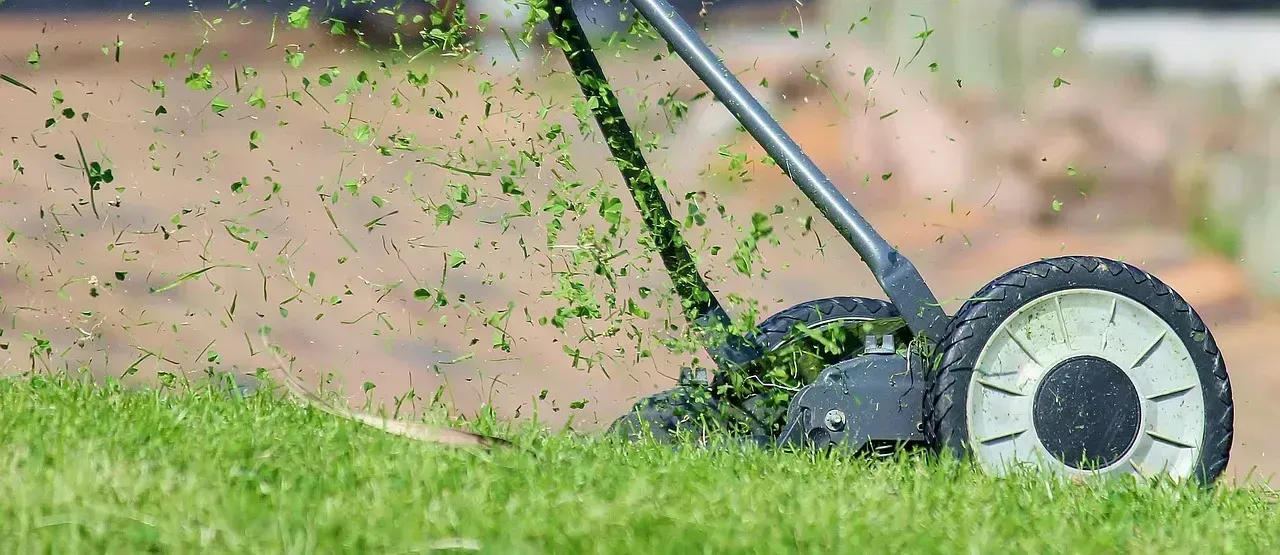
California’s year-old Green Lawn Care Law bans the sale of new gas-powered lawn care equipment, covering gas-powered string trimmers, lawn mowers, leaf blowers manufactured after Dec. 31, 2023. If you’re in the Golden State and bought your mower after that date from a California retailer, you’re now part of a massive environmental experiment.
The law doesn’t make owning or using your old gas mower illegal. You can still use the gas lawn mower you’ve already purchased since the legislation applies only to lawn mower sales starting in 2024. However, getting a new gas-powered replacement when yours finally dies? Not happening in California stores.
The use of gas-powered leaf blowers is fully banned in four California cities: Menlo Park, Sausalito, San Anselmo, and Fairfax. These municipalities went beyond the state ban and prohibited actual use, not just sales. Violators can face fines starting at several hundred dollars.
This isn’t just a California thing anymore. Washington, D.C., banned the sale and use of gas-powered leaf blowers on January 1, 2022, and violators can be fined up to $500. Meanwhile, states like Texas and Georgia have taken the opposite approach, actively prohibiting local governments from banning gas equipment. The patchwork of laws means you need to know exactly what’s allowed where you live.
Wood-Burning Fire Pits (Without Permits)
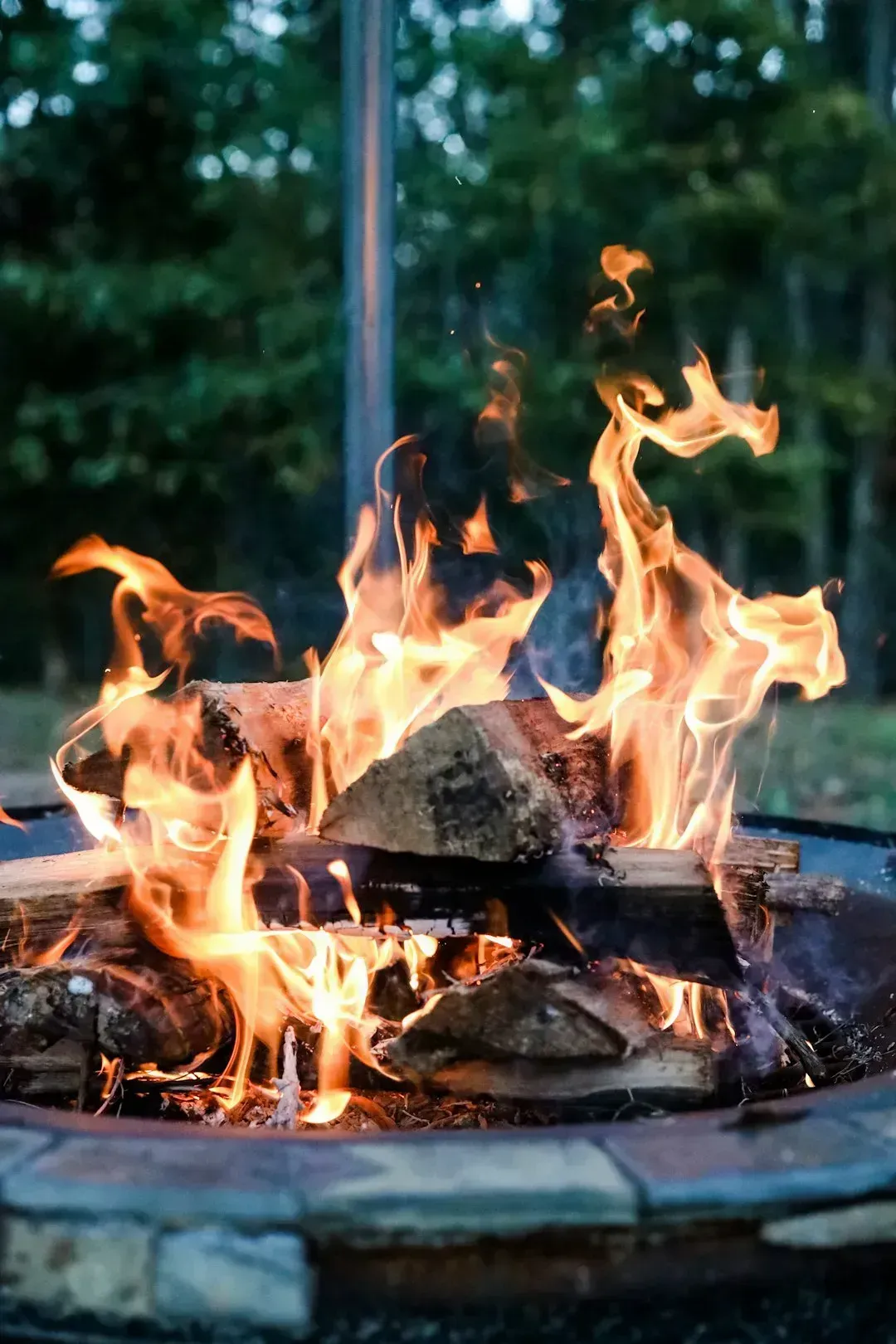
That cozy fire pit you installed last summer for s’mores and stargazing? Depending on where you live, it might require a permit you never obtained. Or it could be flat-out banned during certain times of year.
Outdoor fires are banned in most areas in King, Kitsap, Pierce, and Snohomish counties, with fines for illegal fires typically starting at $1,000 plus the cost to reimburse the fire department for their response efforts. That’s a shocking reality for anyone who assumed backyard fires were a basic right.
Restrictions become even more complex during fire season. Building a permanent fire feature in your backyard may soon require extensive permitting and inspections in many areas, with cities in California, Colorado, and other western states already implementing permit requirements with specific design standards. Some areas completely prohibit new installations during high fire danger periods.
Even when fire pits are allowed, regulations dictate nearly everything. Most municipalities place a limit on the size of a recreational fire as 3 feet in diameter and 3 feet in height, with the purpose of the fire being anything from pleasure to religious or ceremonial, cooking, or warmth. Distance requirements matter too – usually between 20 and 30 feet from structures.
Honestly, the rules change so often that what was legal last year might not be this year. Always check with local fire officials before striking that match, unless you fancy a conversation with law enforcement about your marshmallow-toasting setup.
Certain Types of Fireworks

You’d be amazed how many people purchase fireworks legally in one state only to bring them home where they’re completely banned. Today, consumer fireworks are legal for purchase in 49 states, with only Massachusetts completely banning the sale of all fireworks. Yet local restrictions paint a much more complicated picture.
California’s crackdown has been particularly aggressive. Since 2024, fireworks have caused over $35 million in property damage across California, sparking 1,230 fires. State officials aren’t messing around either – over 600,000 pounds of illegal fireworks have already been seized in 2025.
The consequences can be severe. The sale, transport, or use of fireworks without the Office of the State Fire Marshal Safe and Sane seal is illegal, with violators facing potential fines up to $50,000 as well as a year in jail. That’s not a slap on the wrist for lighting bottle rockets in your driveway.
Even “Safe and Sane” fireworks aren’t universally allowed. All fireworks are illegal in unincorporated Sonoma County, and during the Fourth of July celebration, the Sonoma County Sheriff’s Department strictly enforces the ban on all fireworks, including sparklers, with potential arrest, fines, or jail time. Many communities that previously allowed limited fireworks have reversed course in recent years due to wildfire risks and air quality concerns.
Metal-Tipped Lawn Darts

Remember lawn darts from childhood backyard barbecues? Those heavy, metal-tipped projectiles that you’d toss underhand at targets on the grass? There’s a reason you don’t see them anymore.
Between 1970 and 1988, metal-tipped lawn darts were associated with numerous injuries and at least three fatalities among children, with the sharp, heavy tips posing significant risks leading to serious injuries such as skull punctures, prompting the U.S. Consumer Product Safety Commission to vote to ban the sale of certain types of lawn darts in 1988.
Here’s what confuses people: While the sale of traditional metal-tipped lawn darts is banned in the United States, owning a pre-ban set is not illegal under federal law. So if you’ve got a vintage set from the ’80s sitting in your garage, you’re not breaking federal law by having them. Using them is a different story, though, especially if someone gets hurt.
As of 2024, a modified, safer version of lawn darts with a blunt-tip design may be purchased in the United States. These modern versions feature rounded plastic or rubber tips that significantly reduce injury risk. Yet many people still hunt for the “real” vintage metal-tipped versions at garage sales and online marketplaces, completely unaware they’re technically prohibited from being sold.
The liability is the real kicker. Doing so opens the owner up to significant civil liability if a guest or trespasser is injured. Even if no law enforcement shows up at your door, one accident could lead to a lawsuit that costs you everything. Not exactly worth it for a nostalgic backyard game.