The Dark Truth About Restaurant Scams: 12 Traps Insiders Say You Always Fall For
You think you’re savvy. You’ve been dining out for years. Yet somewhere between the appetizer and the check, you’re getting played. Restaurant customers are noticing frustrating trends at their favorite spots – smaller portions without price drops – as chains quietly cut back on serving sizes while rising food costs, supply chain challenges, and economic pressures drive these changes. The truth is, insiders know exactly which buttons to push to get you to spend more, order more, and tip more. Let’s pull back the curtain on these tricks that have been hiding in plain sight.
The Decoy Dish That Makes Everything Else Look Cheap
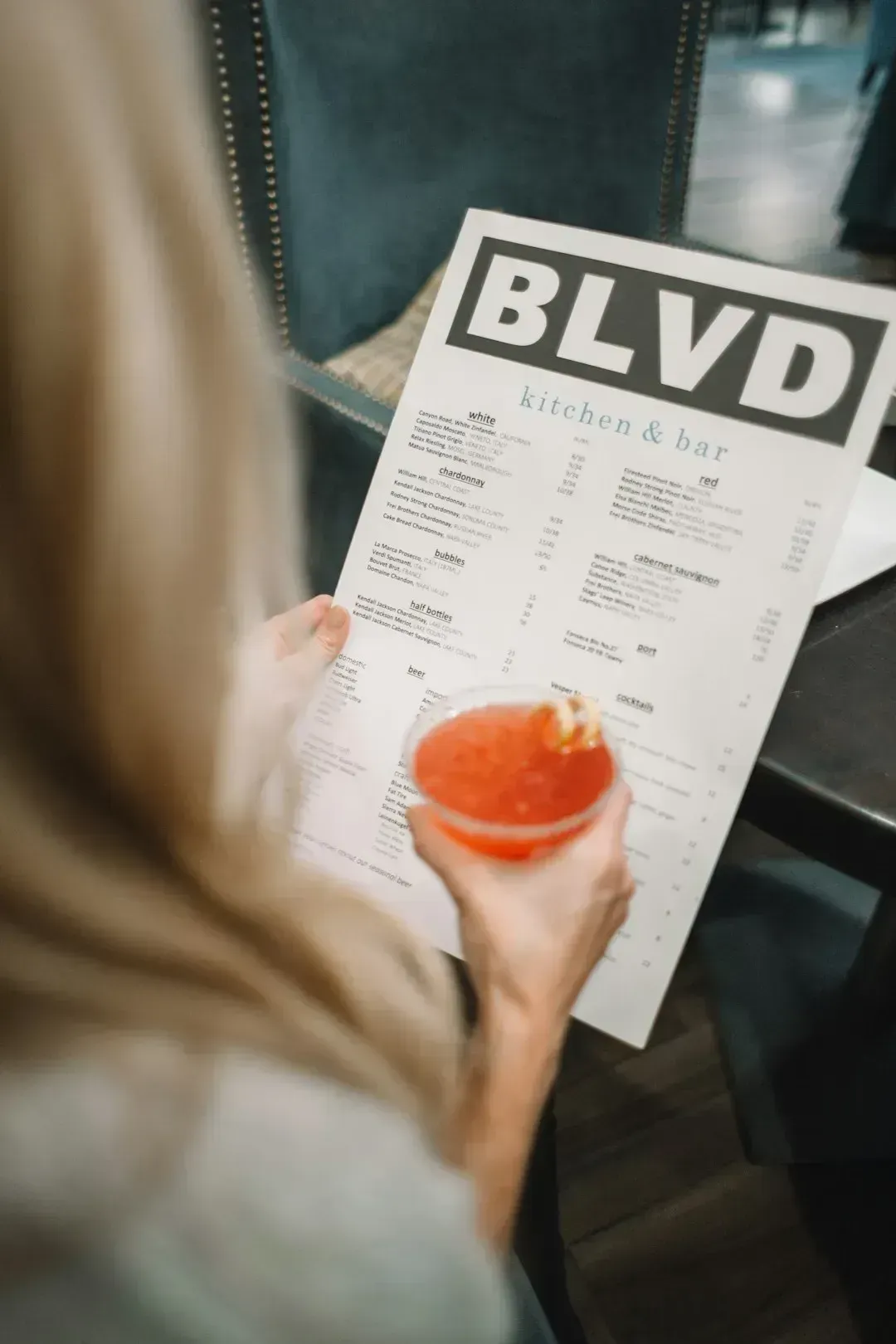
Menus frequently include one extremely high-priced dish where few customers order it, but its real purpose is to make everything else seem affordable by comparison – a technique known as anchoring that is one of the most effective tricks in pricing psychology. Walk into any decent restaurant and you’ll spot it. That ridiculous steak for seventy bucks, or the lobster dish priced like a car payment. Nobody orders it. Cheeky owners use restaurant menu psychology to create “decoy dishes” by positioning an expensive food item at the very top of the menu, which tricks customers into ordering other cheaper dishes because they’ll get better value for their money. You feel smart choosing the thirty-dollar option because it’s not the insane one.
Removing Dollar Signs Makes You Spend Like There’s No Tomorrow
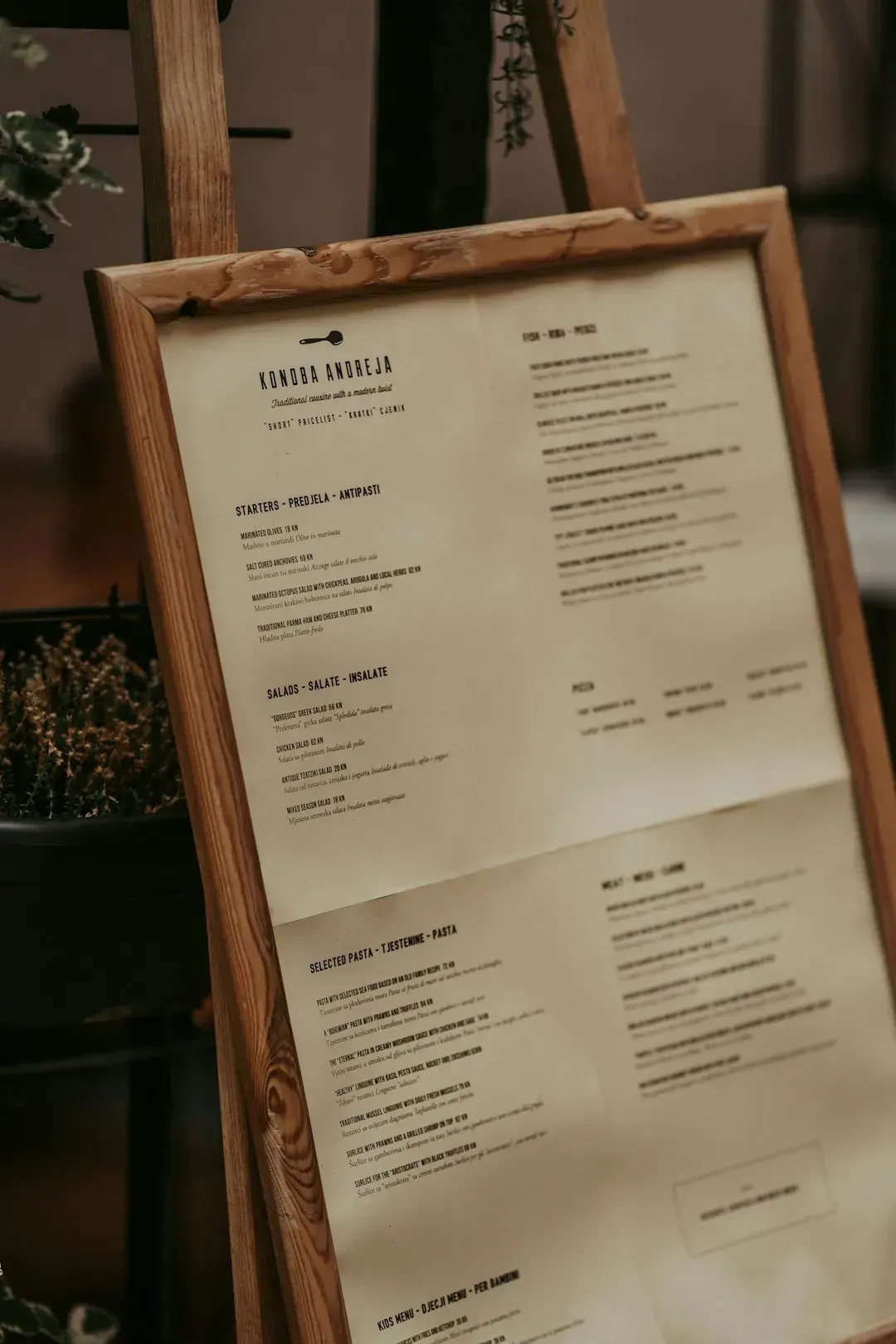
Here’s something wild. Removing currency signs from menus can result in people spending up to thirty percent more. Think about that for a second. The absence of a tiny symbol makes your brain disconnect from the pain of spending. Presenting prices without dollar signs can reduce the association with spending money, potentially leading to higher sales. Restaurants know this. They’re not hiding prices – they’re hiding the psychological sting. When you see “28” instead of “$28,” your wallet opens wider.
Automatic Gratuity Calculated on Your Inflated Total
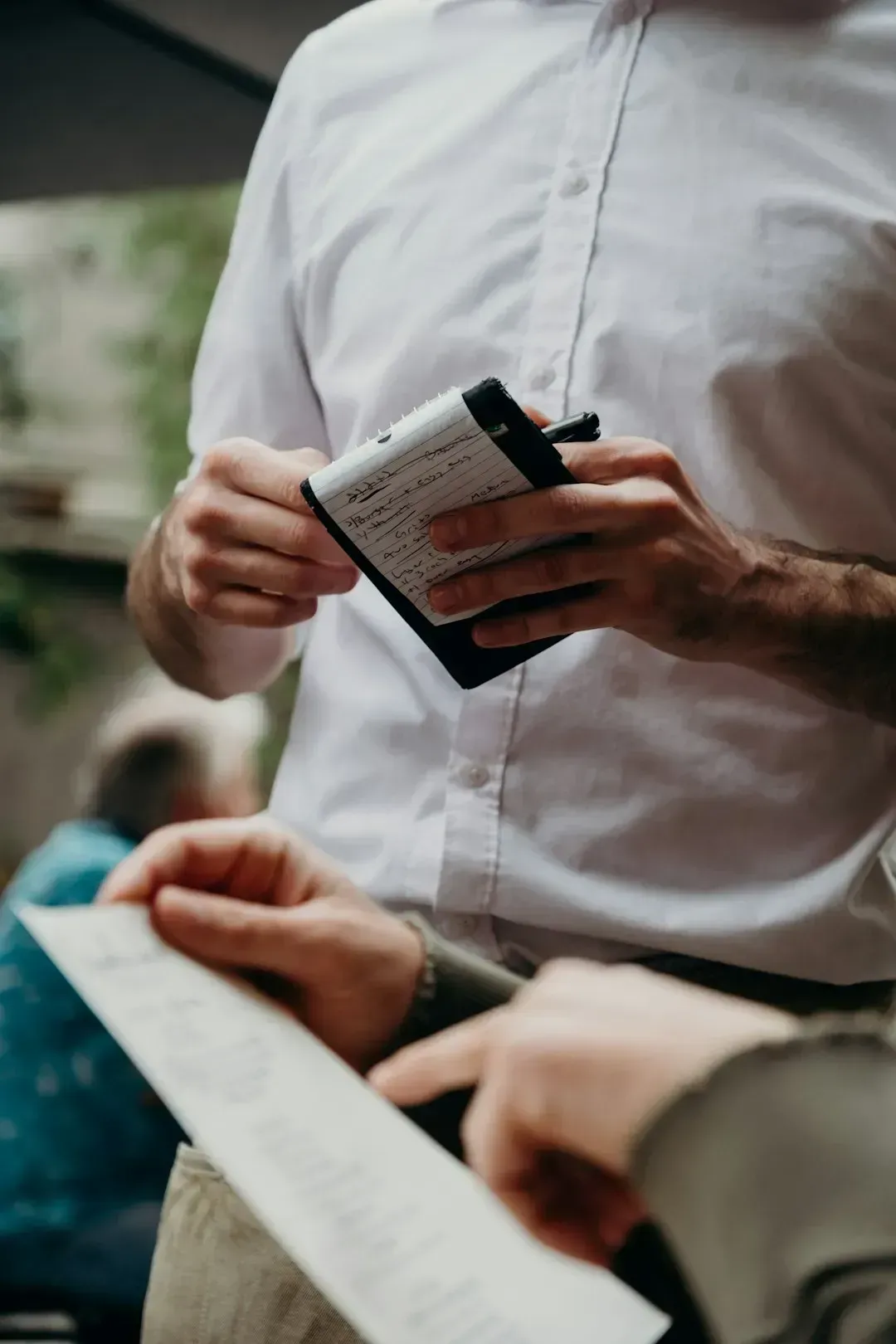
Many restaurants now include automatic gratuity, but some manipulate it by calculating through the post-tax total rather than the pre-tax amount to inflate the charge. Most diners don’t catch this. An automatic gratuity or service charge is a mandatory fee the restaurant adds to your bill – often between eighteen and twenty-five percent – and the restaurant can legally decide how that money is used, meaning it doesn’t even have to go fully to your server. On Reddit, people constantly complain about mid-level restaurants adding eighteen to twenty percent service charges just because, even on small parties, and then still printing a tip line asking for more on top. The nerve.
The Shrinkflation Con That Leaves You Hungry
Some customers have noticed a frustrating trend at their favorite restaurants – smaller portions without a price drop – while shrinkflation has affected everything from grocery store staples to packaged snacks, as restaurant chains quietly cut back on serving sizes while diners aren’t happy about paying the same or even more for what feels like less food. Chains facing criticism from customers for downsized portions include Five Guys, Burger King, and McDonald’s, with customers taking to social media to share their disappointment over skimpy servings. A December 2023 Restaurant365 survey revealed that more than eighty percent of operators reported food expenses had increased and eighty-nine percent said labor costs had increased. You’re paying the same. You’re getting less. It’s that simple.
Combo Meals That Only Sound Like Deals
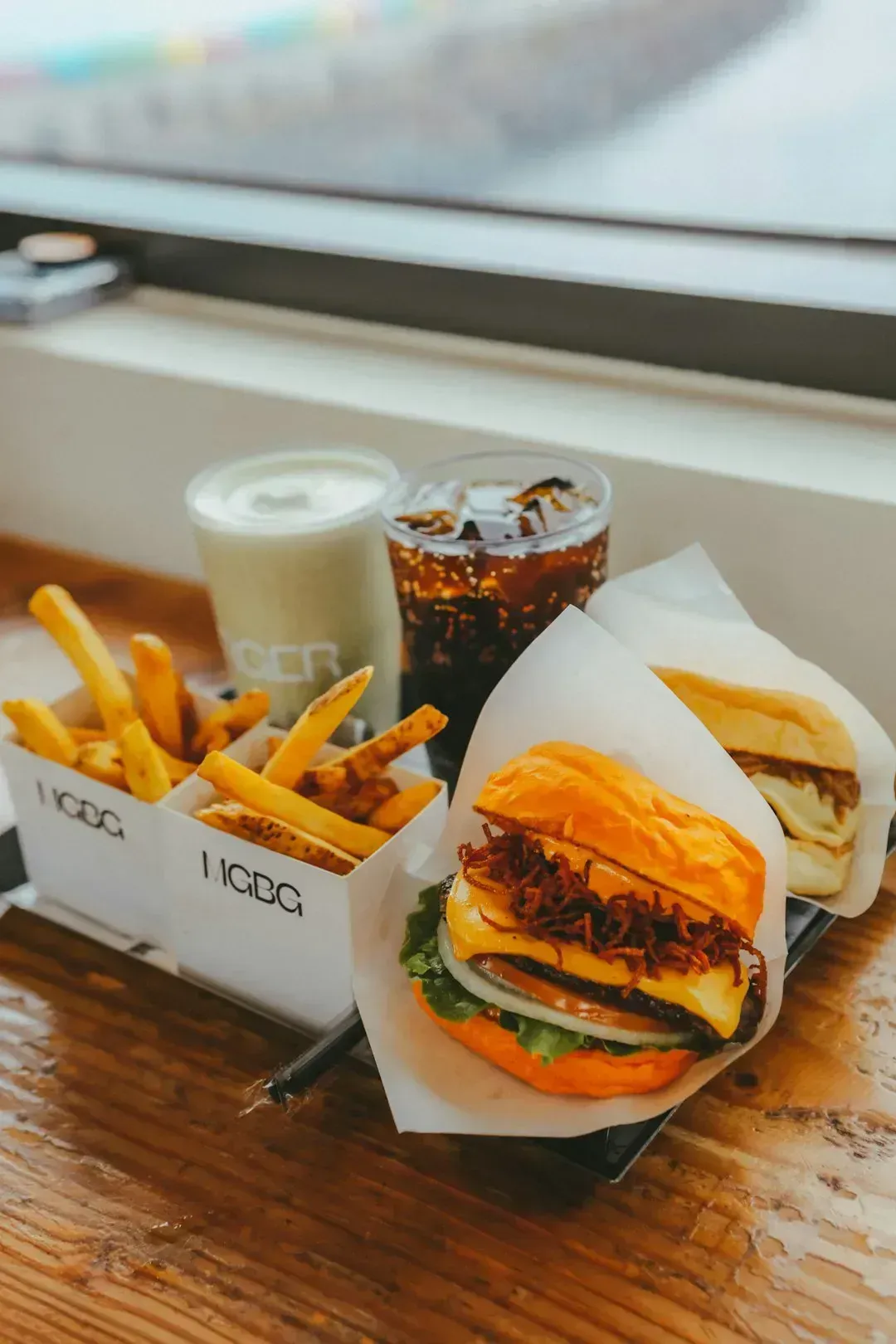
Combo meals are everywhere, right? Popularized by fast-food value meals like McDonald’s Big Mac Meal or Wendy’s 4 for $4 deal, combo deals are mutually beneficial where guests want a full meal and restaurants oblige with combinations priced in a way that saves the consumer some money while encouraging a larger ticket size – it’s basically a built-in upsell. You think you’re winning because it’s packaged as savings. Sometimes it is. Often, though, you’re just buying more than you wanted because it feels economical. The psychology is flawless. Psychological pricing, such as $7.99 and $10.99, further accentuates the value proposition while boosting average order value and facilitating menu exploration.
Hidden Add-On Charges Your Server Never Mentions
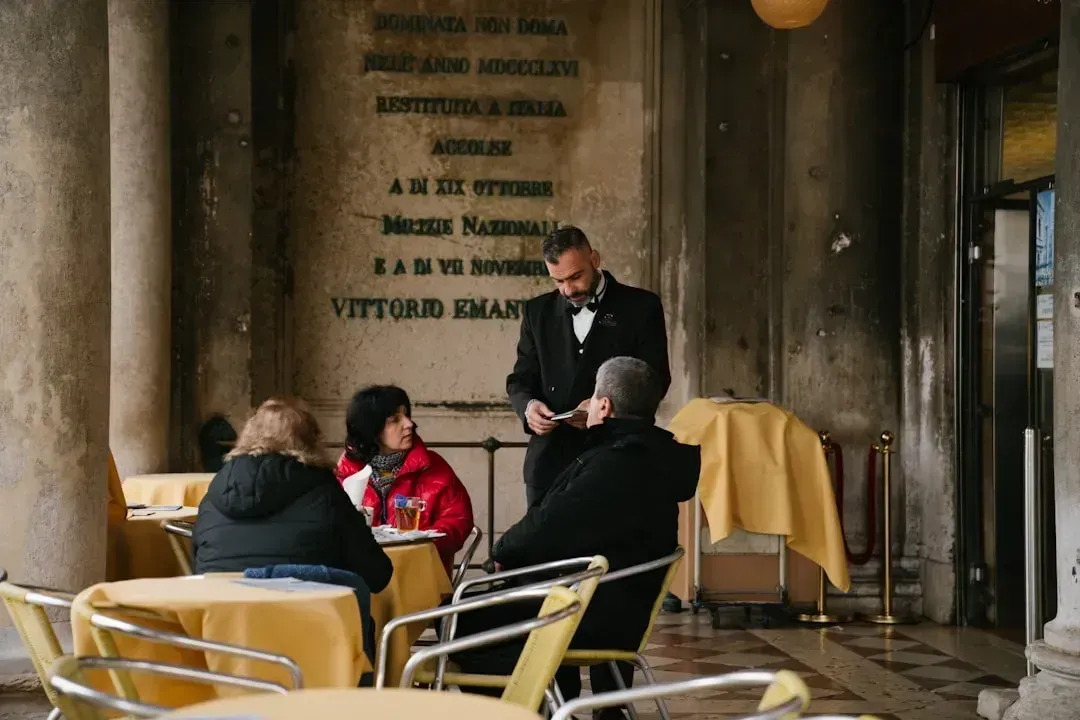
This is one of the most common tactics by restaurants where servers might suggest a dip without saying it’s an add-on when ordering a menu item, so you’d have to pay for it, coming as a hidden charge that you will see on your bill. Maybe it’s extra sauce. Maybe it’s a side of guacamole. They ask sweetly, you say yes, and then your bill shows three dollars tacked on for something you assumed was included. You must always ask your server if it comes free with the menu item because technically, they asked you about the add-on and you said yes. Smart.
The Ice Trick That Waters Down Your Drink And Your Wallet
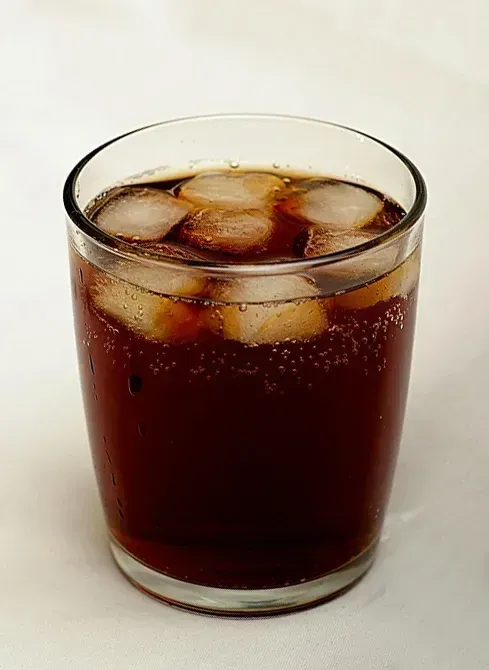
Ever notice your soda cup feels like an ice sculpture? You might notice that the glass is packed with ice when ordering drinks, as many restaurants intentionally fill your glass with excessive ice to make it appear full. You’re paying for liquid. You’re getting frozen water with a splash of flavor. Ask for less ice or maybe no ice at all if the establishment allows it. Some places will push back, but honestly, you’re entitled to what you paid for.
False Pint Glasses That Short You Every Time
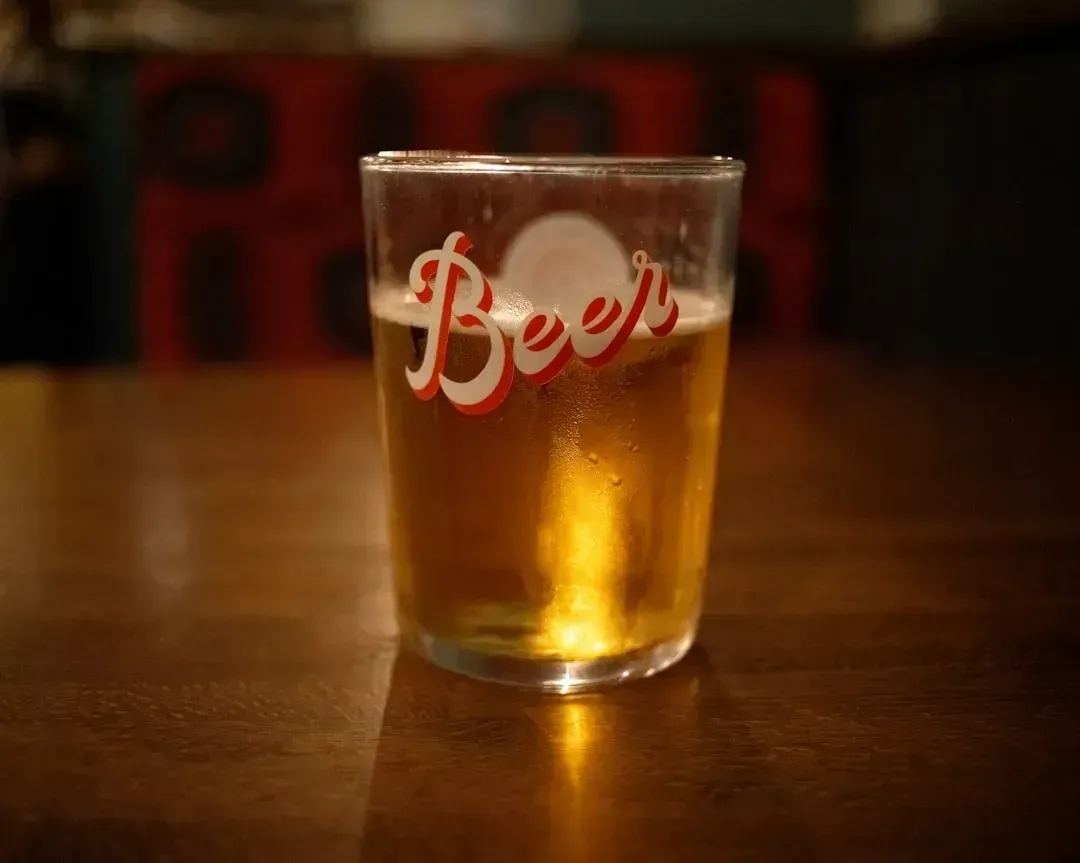
When you’re paying roughly the same amount for a pint of beer in a restaurant that you would for a six-pack from the grocery store, the last thing you want is to be shorted – but the practice of serving beers in pint glasses that aren’t quite sixteen ounces is fairly common in the restaurant industry, and the false pint problem has gotten so out of hand that some states are considering laws to stop the practice. You ordered a pint. You got fourteen ounces. You didn’t measure it, so you’ll never know. They’re counting on that.
Descriptive Menu Language That Manipulates Your Brain
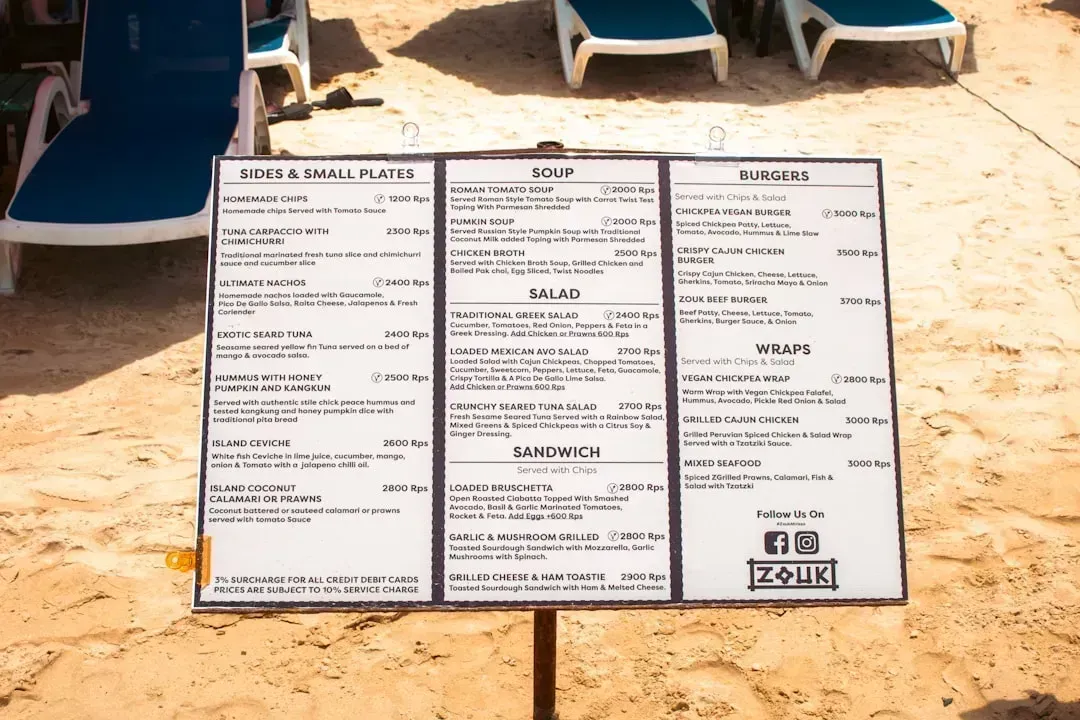
Have you ever noticed how appealing some dish names sound, as that’s intentional – a vivid description like “buttery, herb-crusted salmon” doesn’t just describe food, it makes it feel more valuable, persuading diners that they’re getting something extra special. The better a restaurant describes an item, the better guests report the food tasting, as words can have an enormous impact in how a customer perceives a dining experience. A popular psychological trick is to invoke feelings of nostalgia when naming an item on the menu, where customers may be more likely to order “Grandma’s Chicken Pot Pie” rather than “Joe’s Pot Pie,” only because it reminds them of a warm childhood memory. It’s brilliant manipulation.
Charm Pricing That Fools Your Brain Every Single Time
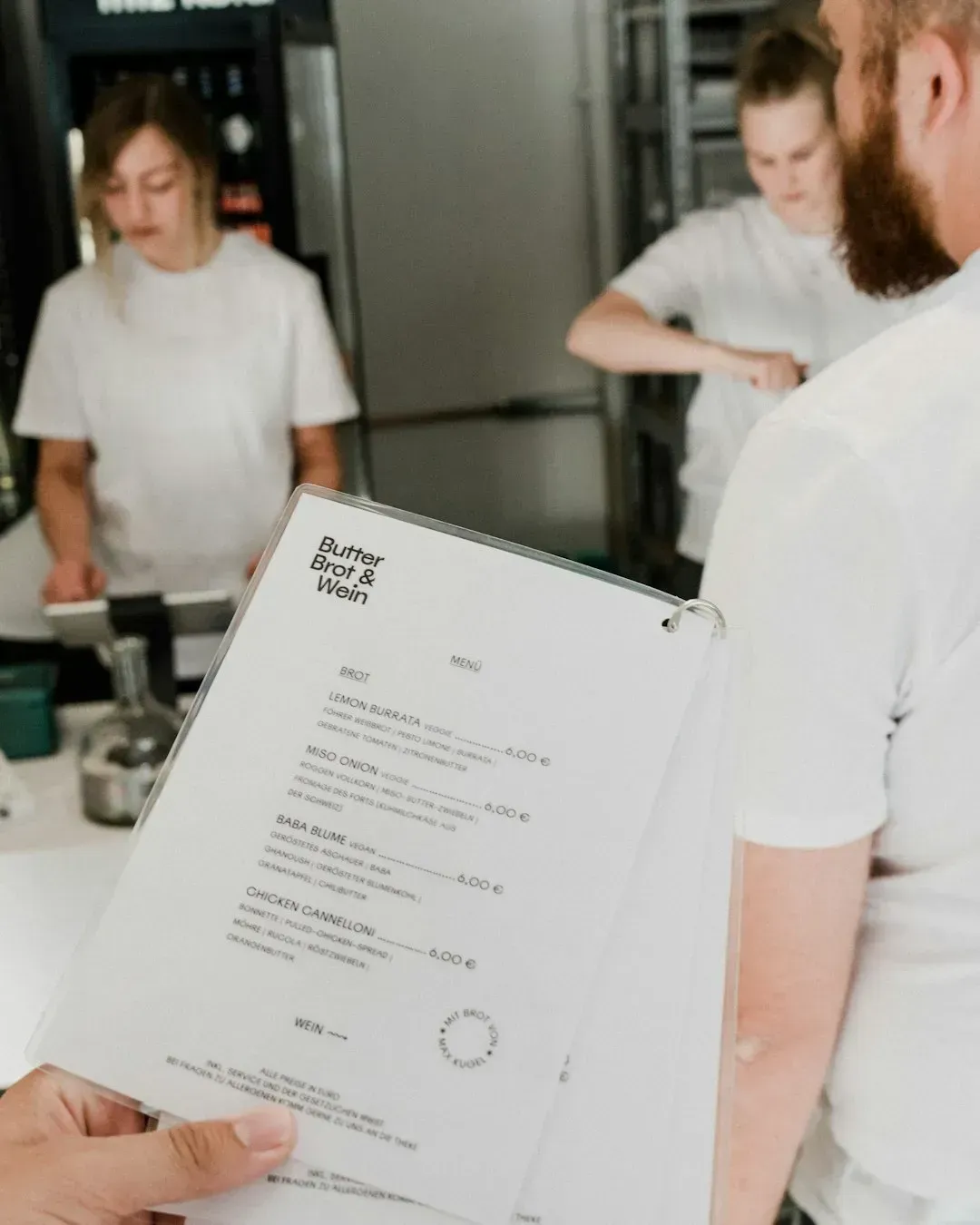
One common pricing technique in the restaurant industry is charm pricing, which involves ending a price with the number nine – for example, setting a menu item at $9.99 instead of $10.00 – based on the principle that patrons perceive prices ending in nine as significantly lower than the rounded, one-cent-higher price. We’ve all fallen prey to “charm pricing,” the strategy of pricing goods that end with an odd number where $9.99 just seems significantly more reasonable or cheaper than $10.00 even though the difference is a single cent – there’s science behind this, as the human mind tends to zero in on the first, farthest left number that appears in a series of digits. You know it’s a trick. You still fall for it.
Pre-Placed Appetizers That Come With A Bill
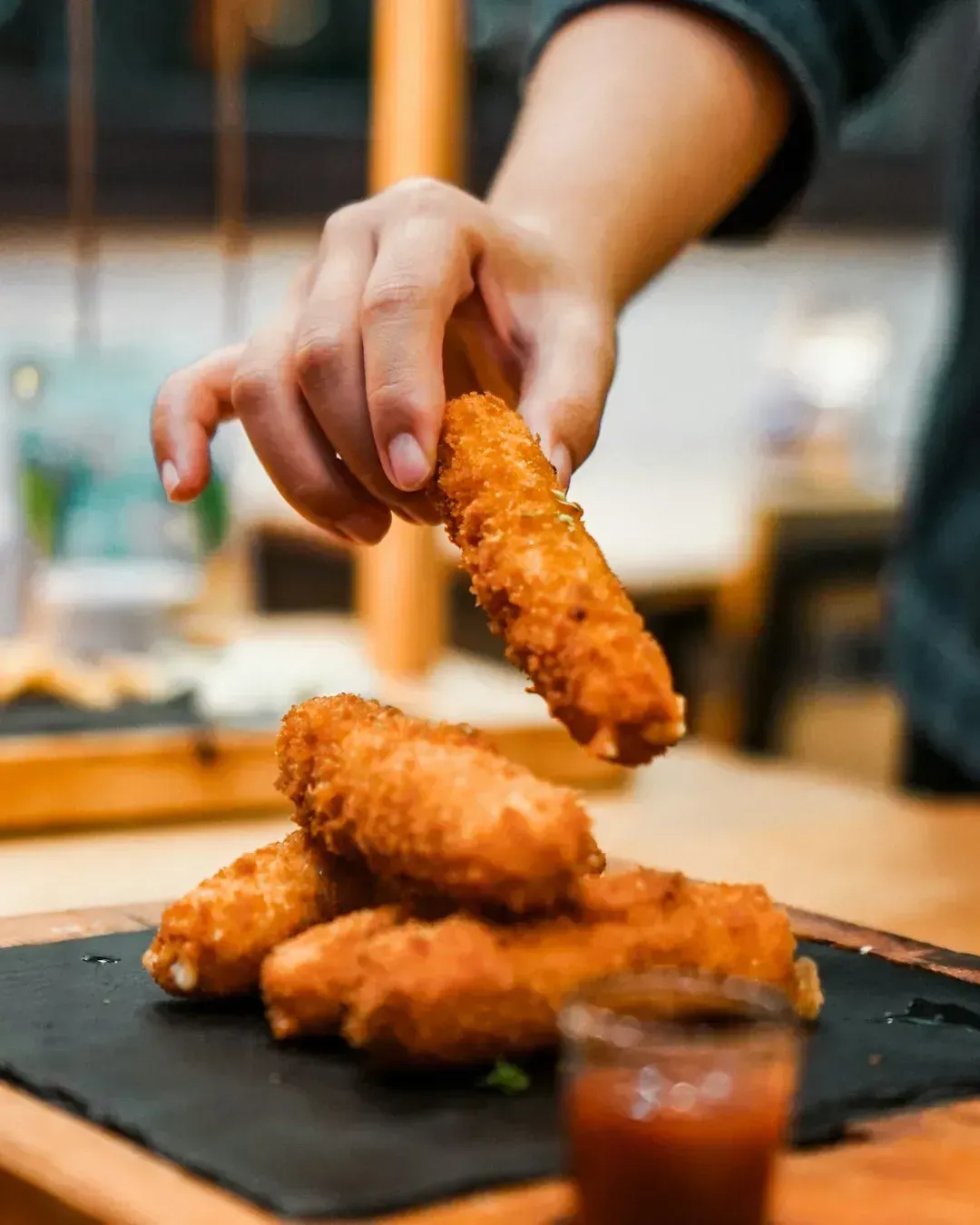
There are worse tricks to fall for, especially when dining internationally, such as restaurants having appetizers already on the table when you sit down and you think they’re free – they do it in Portugal but if you eat them, you get charged. The same thing happened with potato chips on the table in the Czech Republic, where the best thing to do is ask if there’s a charge and if there is, ask for them to be removed before you sit down unless you want them. In some countries this is standard practice. In others, it’s a sneaky upcharge.
The Wine Markup That Turns Cheap Bottles Into Profit Machines
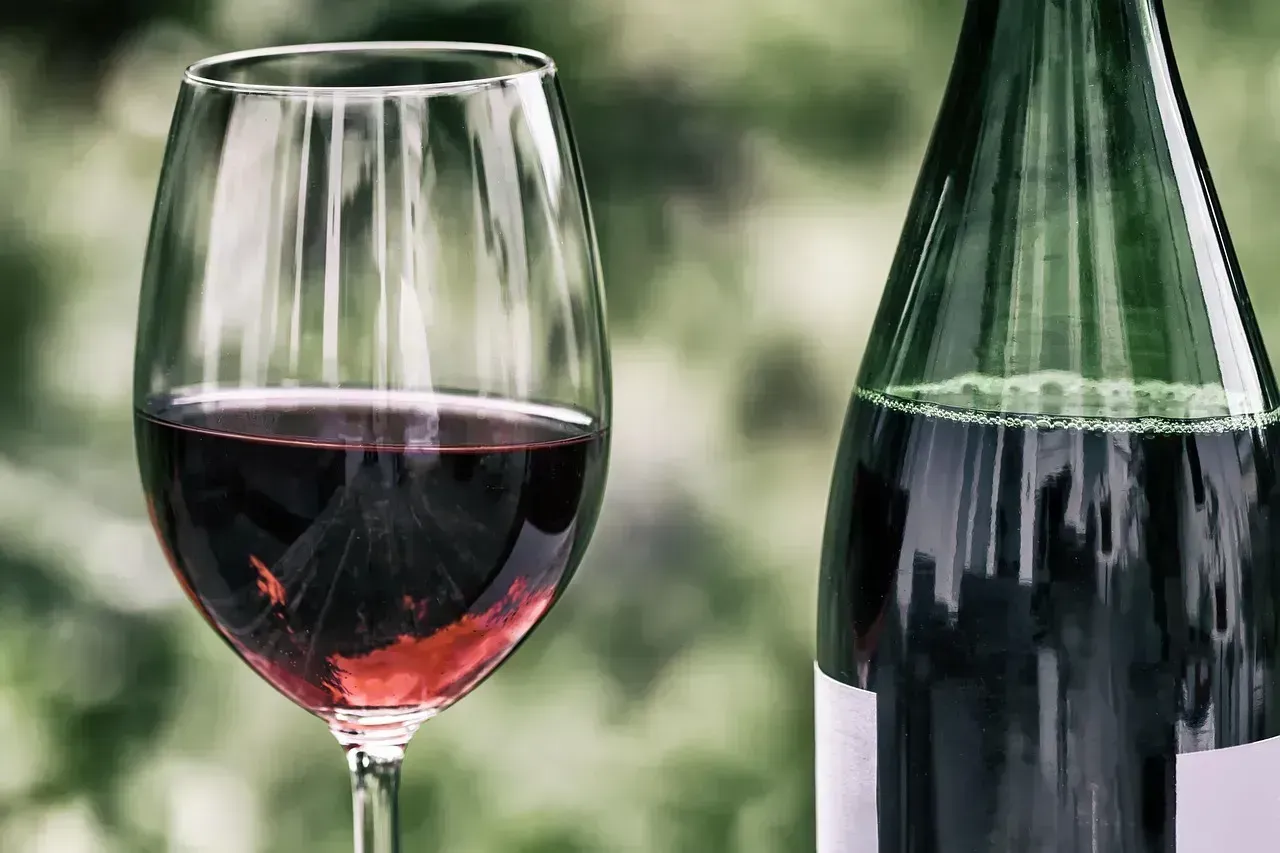
There’s something called “extremeness aversion,” where people shy away from the most expensive item or the least expensive, which is why customers will often buy the second least-expensive wine on the menu, which probably has a high markup since the sommelier knows this mind trick. Wine by the glass might even cost more than the bottle it came from, as if you’re paying $13 for a glass, wherever you are, the restaurant owner almost certainly paid less than that for the bottle. You’re buying feelings, not wine.
What do you think about these tactics? Have you caught restaurants pulling these moves on you? Tell us in the comments.