12 Tourist Destinations That Are Far More Dangerous Than They Seem
Every year, millions of travelers pack their bags for dream vacations to some of the world’s most stunning locations. They’ve seen the photos on social media, read the glowing reviews, and imagined themselves standing at the edge of breathtaking vistas. What they don’t always expect is that danger lurks behind those picture-perfect scenes. Some of the planet’s most beloved tourist hotspots hide serious risks that can turn a memorable trip into a tragedy. From unpredictable natural forces to deceptive terrain, these destinations demand more than just a camera and enthusiasm.
Death Valley, California
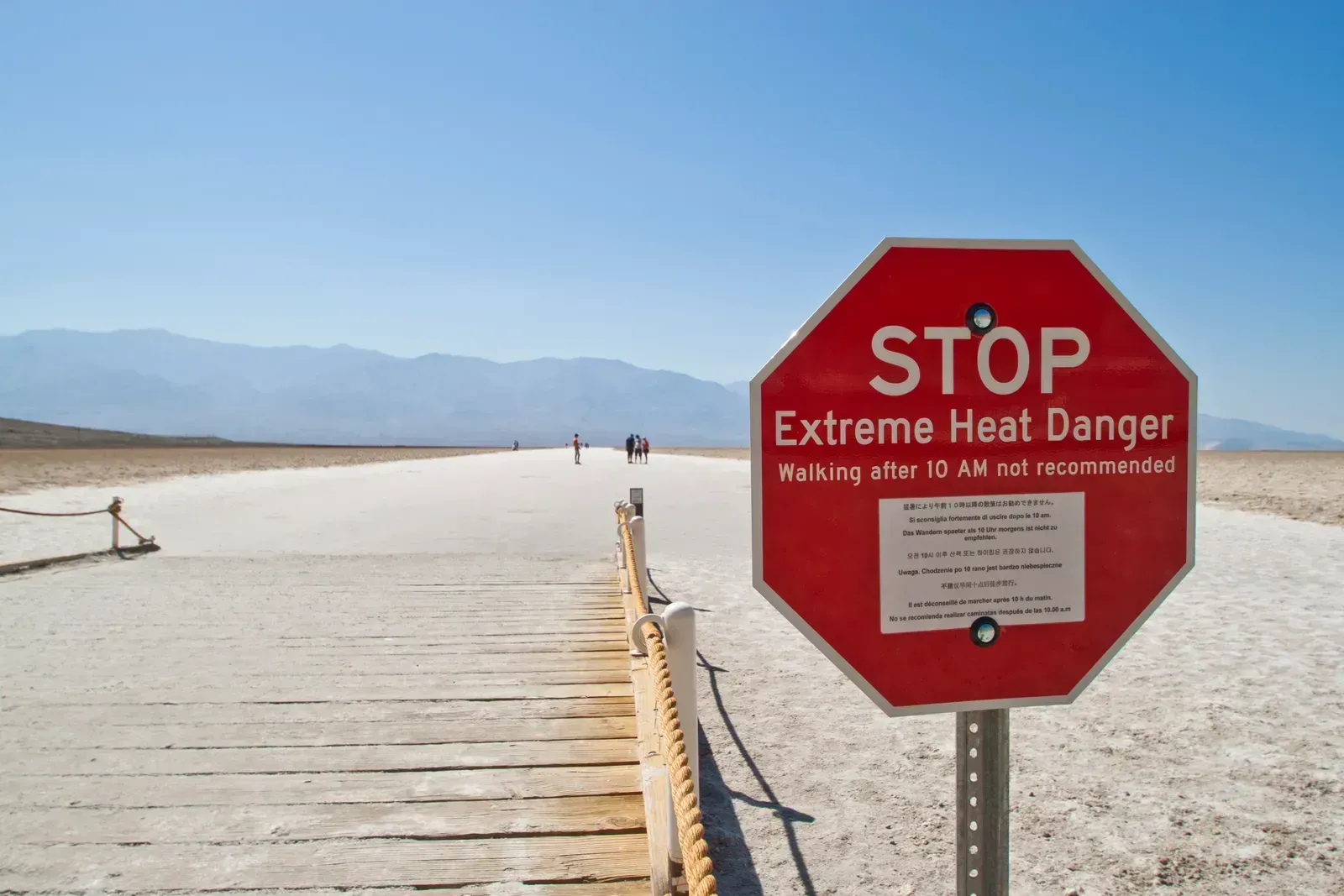
In 2024, Death Valley recorded a high of 124 degrees Fahrenheit during a deadly heat wave that claimed a motorcyclist’s life. The brutal conditions proved so extreme that emergency medical helicopters were unable to respond because aircraft cannot generally fly safely over 120 degrees. Between 2007 and 2024, 68 people have died at Death Valley National Park, with 12 recorded fatalities due to hyperthermia between 2007 and 2023.
Despite warning signs everywhere, tourists continue flocking to experience the novelty of extreme temperatures. A 71-year-old man from the Los Angeles area died at a trailhead in Death Valley as temperatures soared to 121 degrees. The man had been hiking Golden Canyon, and actual temperatures inside the canyon were likely much higher than the official reading due to canyon walls radiating the sun’s heat. Park rangers now do not recommend hiking at low elevations after 10:00 am, yet many visitors underestimate the power of heat to kill.
Mount Vesuvius, Italy
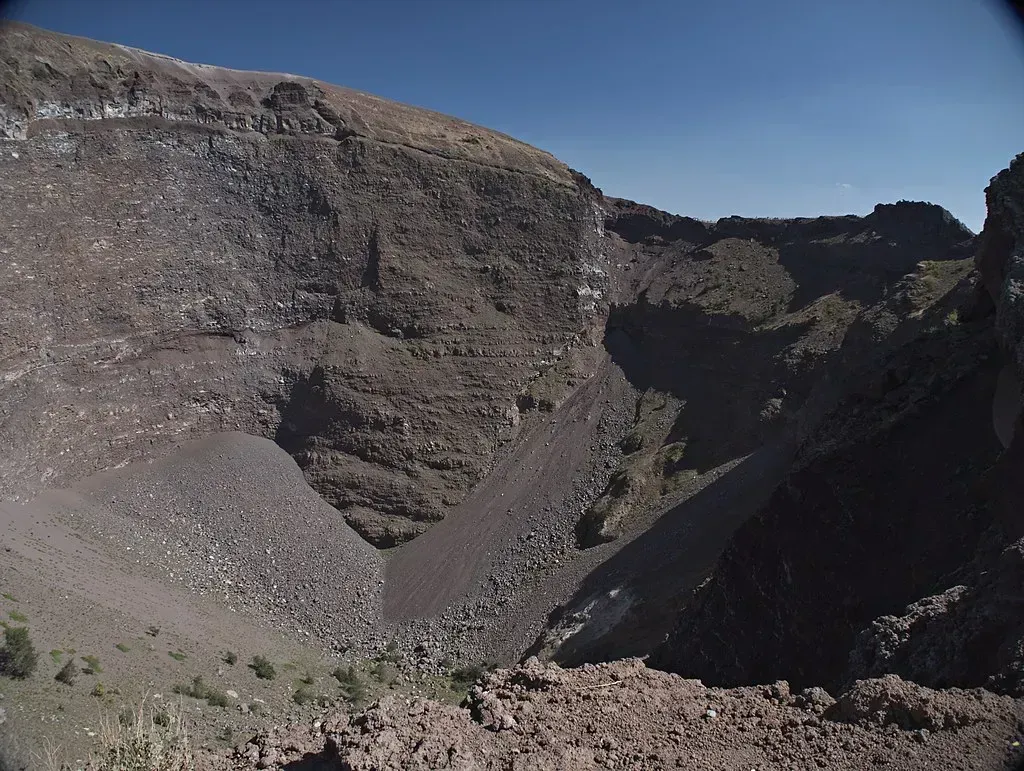
Mount Vesuvius could endanger more than 3 million people and wipe out the city of Naples if it erupts. It is regarded as one of the most dangerous volcanoes in the world because 3,000,000 people live near enough to be affected by an eruption, with at least 600,000 in the danger zone. Nearly 620,000 people visited the crater of the active volcano in 2024, seemingly unfazed by the volcanic threat beneath their feet.
Honestly, the disconnect between perception and reality here is staggering. In 2024, the UK Foreign Office updated its advice noting that national emergency planning has been updated for Vesuvius and the Phlegraean fields, an area that remains active and has experienced tremors in 2024. A 4.4 magnitude earthquake in the area was the strongest in 40 years. Yet tourists continue climbing to peer into the crater, perhaps forgetting that this same volcano famously buried Pompeii in 79 AD.
Grand Canyon, Arizona
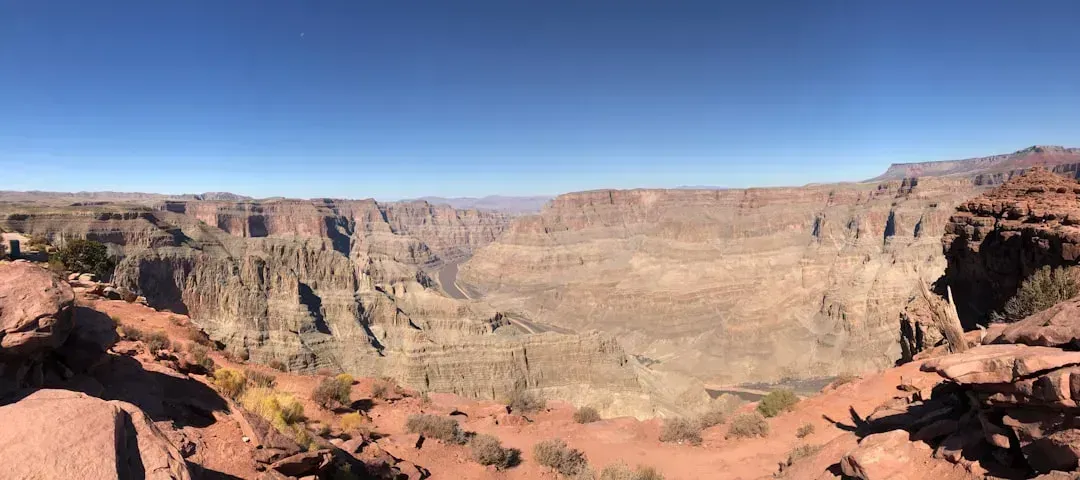
At least 16 people died at the Grand Canyon in 2024, including five fatalities in August alone. An average of 12 deaths happen at the Grand Canyon every year, making 2024 notably deadly. No single factor is to blame, but several deaths have followed stretches of extreme weather.
Between 2007 and August 2023, 40 deaths occurred from falls, with an average of 2.4 visitors dying each year from falls. The thing is, most people believe the rim is perfectly safe because there are so many visitors around. Park rangers had posted signs warning visitors that temperatures can reach as high as 120 degrees during peak hours of the day. Heat causes more deaths than any other type of extreme weather, and it’s becoming increasingly fatal as climate change makes heat waves more frequent and severe.
Iceland’s Natural Attractions
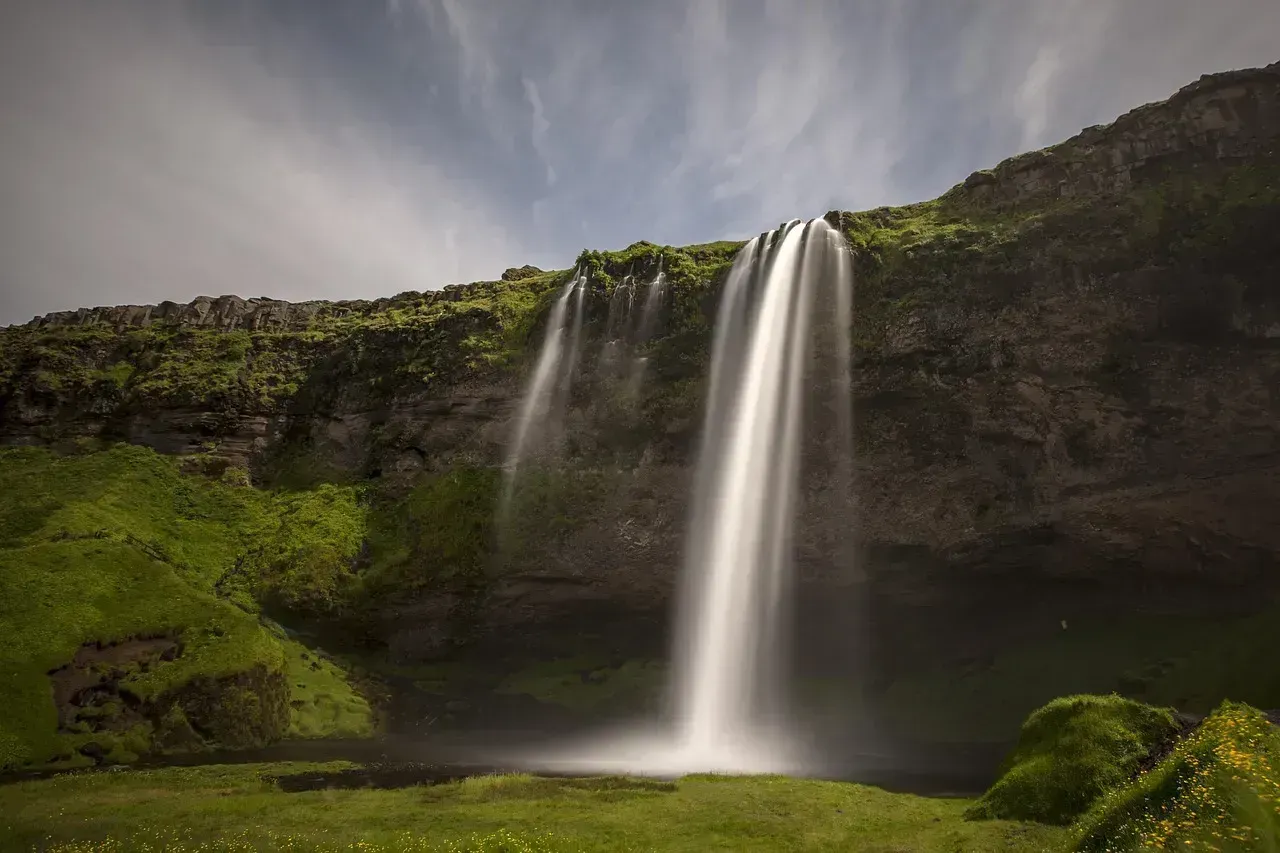
Iceland experienced explosive tourism growth with visitor numbers jumping from under 500,000 in 2010 to over 2.3 million in 2023, leading to tourists ignoring safety barriers at geysers and waterfalls, resulting in several deaths and serious injuries, including a tragic incident in 2023 when a visitor fell to their death at Gullfoss waterfall after climbing over protective fencing. Icelandic Search and Rescue teams reported responding to over 1,500 tourist-related emergencies in 2023.
The dangers extend far beyond waterfalls. One person died and three others were injured after an ice cave partially collapsed as a group of around 30 foreign tourists were exploring ice caves at the Breidamerkurjökull glacier in March 2024. In September 2024, six tourists got trapped in a cave at Reynisfjara beach. Sneaker waves have been by far the deadliest natural attraction in Iceland.
Reynisfjara Black Sand Beach, Iceland
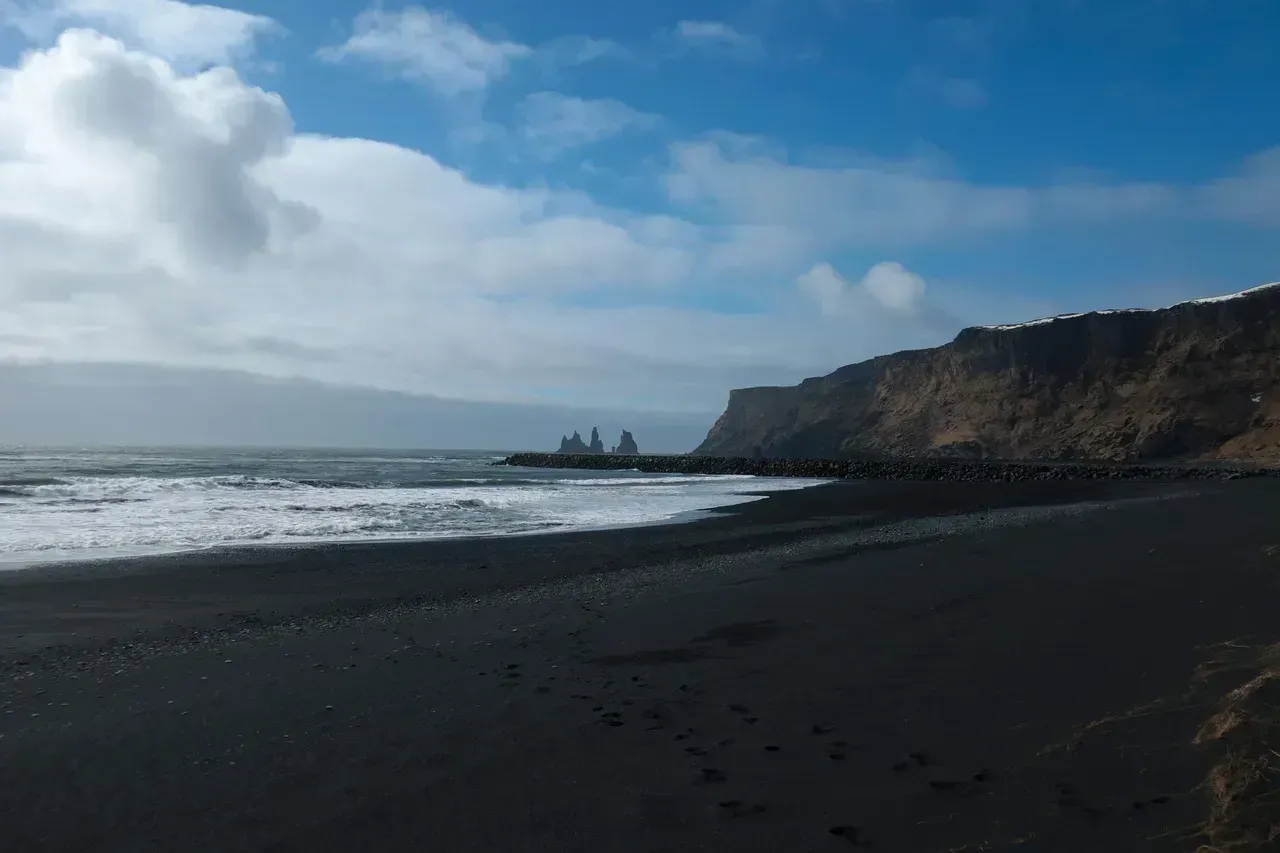
This stunning volcanic beach with its dramatic basalt columns seems like the perfect photo backdrop. Reynisfjara Black Sand Beach has hazardous sneaker waves that, due to the composition of the sand and how rapidly the ocean can come onto land, have unfortunately dragged people out to sea, some never to be seen again. An accident occurred in 2022 when an elderly man in his 80s was swept away by a wave into the ocean.
Here’s the thing that makes it so treacherous: all of these incidents took place on nice and sunny clear days, so visitors are lulled into a false sense of security. The beach looks calm, the weather appears perfect, and then without warning, a massive wave crashes ashore. Traffic lights have been installed by Reynisfjara that everyone should abide by to warn people of the sneaker waves.
Cliffs of Moher, Ireland
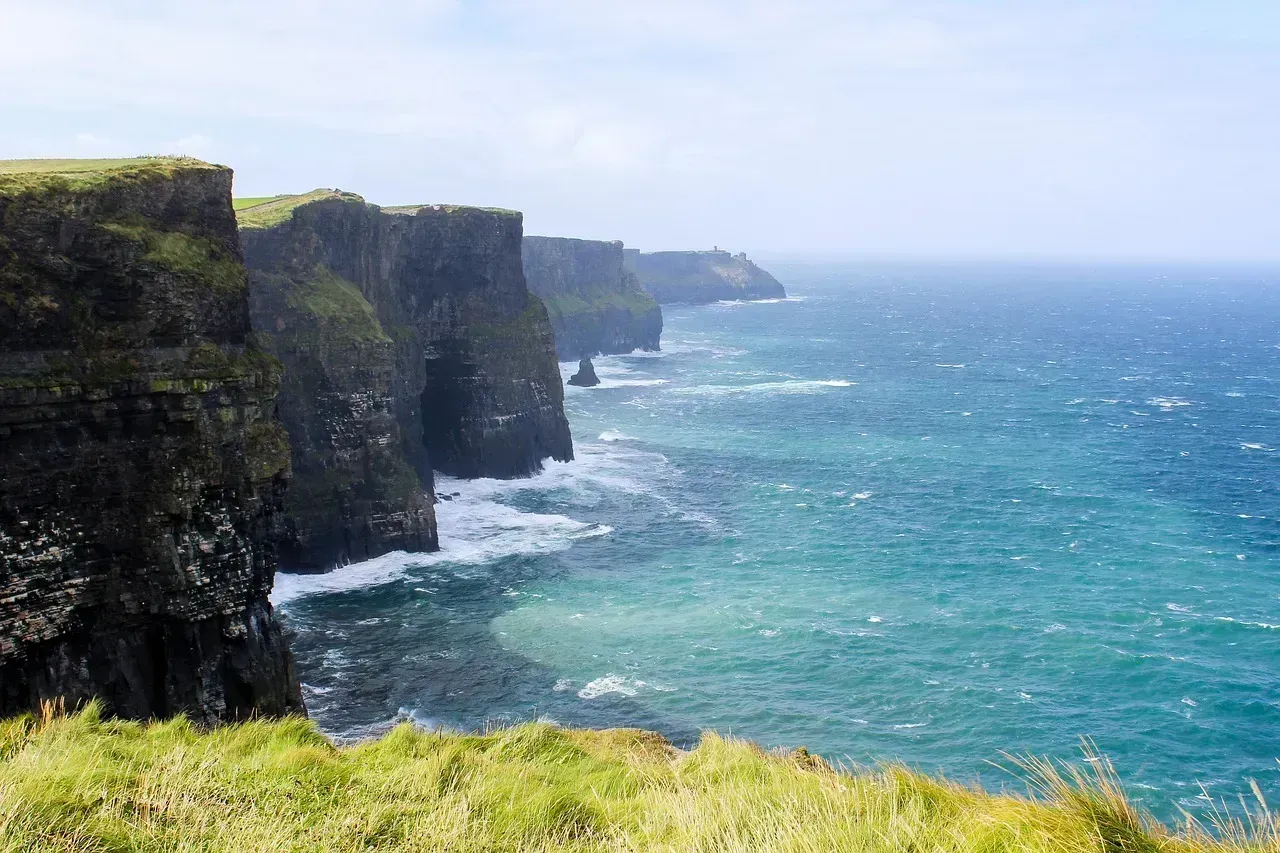
These magnificent sea cliffs attract over a million visitors annually who come to witness the dramatic coastal scenery. Dozens of deaths, many accidental, have occurred here since the early 1990s, including a young woman who lost her footing in May 2024. Portions of the cliff are also liable to collapse, and a large portion of the cliff’s walking trail was closed in 2025 for safety reasons.
The winds here can be absolutely ferocious, strong enough to knock people off balance. Visitors often venture beyond safety barriers for that perfect selfie, not realizing how unstable the cliff edges can be. The combination of high winds, crumbling rock, and tourist overconfidence creates a deadly mix that claims lives with disturbing regularity.
Half Dome, Yosemite National Park
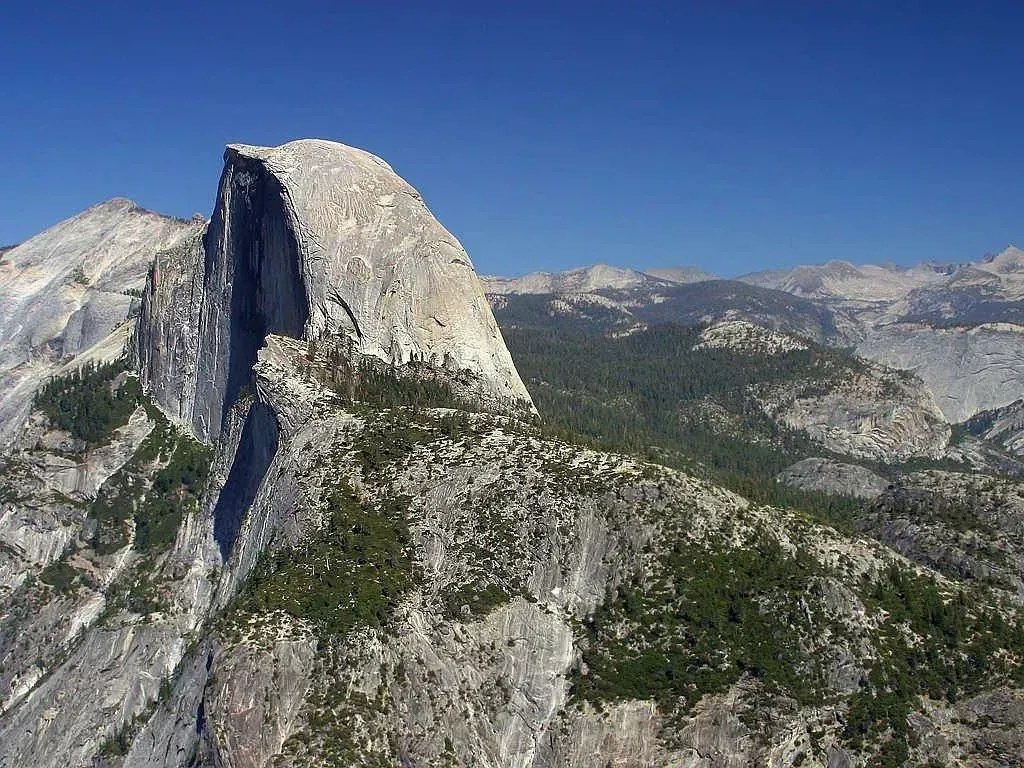
Half Dome lures thousands of intrepid hikers every year, with the 14-mile round-trip to the top having a reputation for danger. A student tragically died in July 2024 after slipping while hiking with cables. The final ascent requires climbers to haul themselves up using steel cables on a surface polished smooth by countless hands and feet.
Many hikers are defeated by the final steep stretch of the Half Dome trek, which involves using steel cables to ascend the summit. When rain or even humidity makes those cables slippery, they become treacherously dangerous. Rockfalls can also be deadly, not to mention Yosemite’s resident black bears. The permit system limits numbers, but it can’t eliminate the inherent risks of scaling a near-vertical granite face.
Mount Everest, Nepal
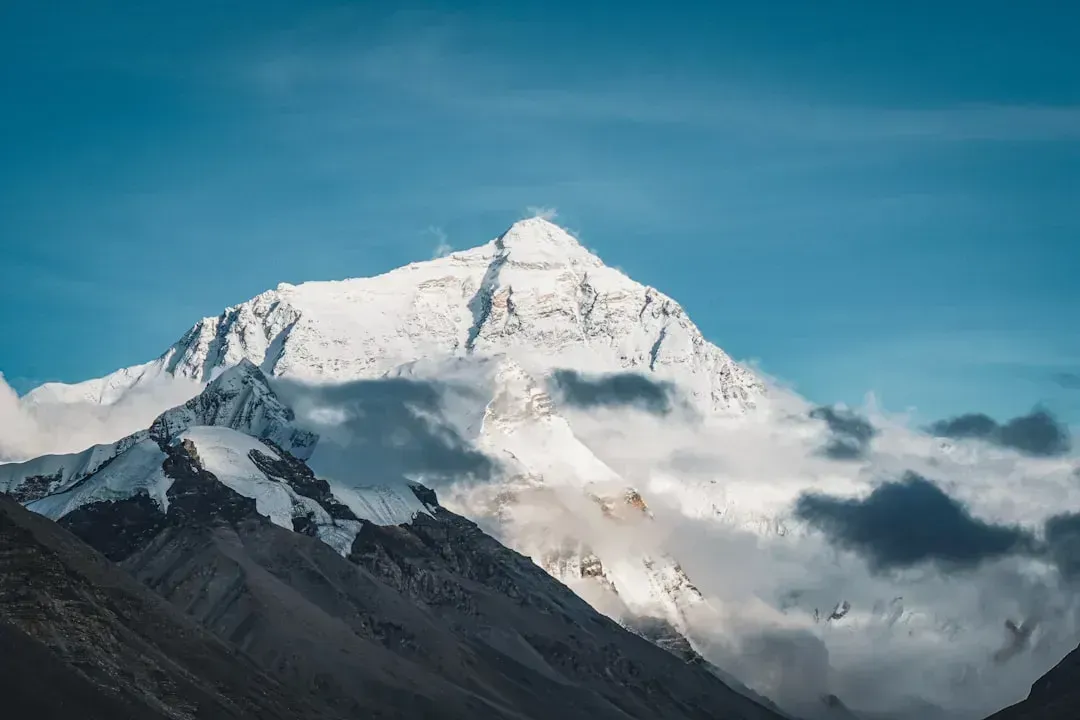
In the 2023 climbing season, 18 people died, making it one of the worst years on record, with reports of extreme weather, inexperienced climbers and dangerous overcrowding in the death zone. Thankfully, in 2024, this figure dropped to eight. Still, the mountain demands respect that not all climbers are willing to give.
The commercialization of Everest has created a false impression that anyone with enough money can summit. Inexperienced climbers pay premium prices to guide companies, then find themselves trapped in traffic jams at 29,000 feet where every minute burns precious oxygen and energy. The combination of altitude sickness, frostbite, avalanches, and sheer exhaustion makes Everest far more dangerous than glossy brochures suggest.
Cape Town, South Africa
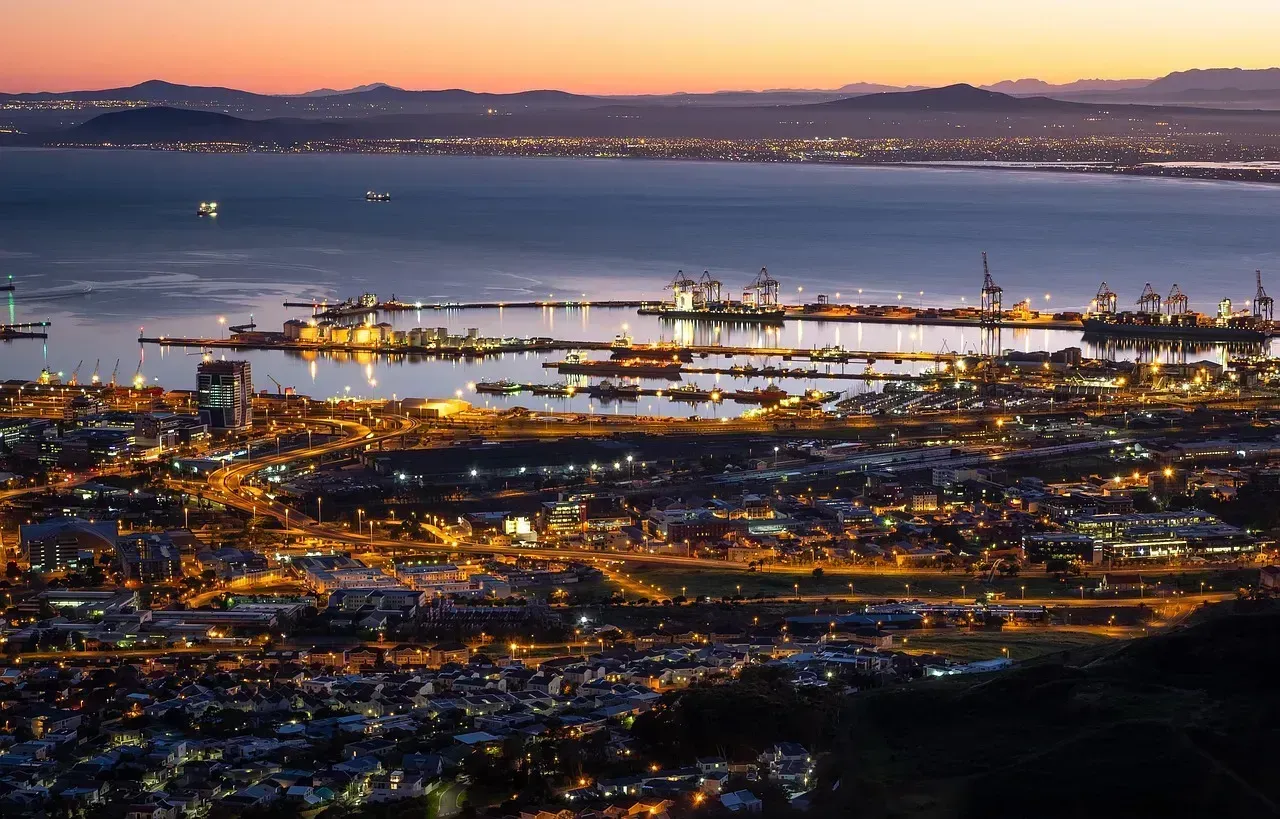
According to the annual report compiled by the Mexican Council for Public Security and Criminal Justice, Cape Town has one of the highest murder rates among major cities worldwide. In August 2023, a British surgeon was shot and killed after his vehicle took a wrong turn near Cape Town International Airport, and a number of American tourists have been violently robbed in recent years.
The city offers incredible attractions from Table Mountain to stunning beaches, drawing tourists who may not fully understand the security situation. South Africa in general has a high violent crime rate, so visitors are advised to take plenty of precautions when visiting, from avoiding walking alone after dark to ensuring that no valuables are on show. One wrong turn or moment of inattention can have devastating consequences in areas where crime remains a persistent threat.
Réunion Island, France
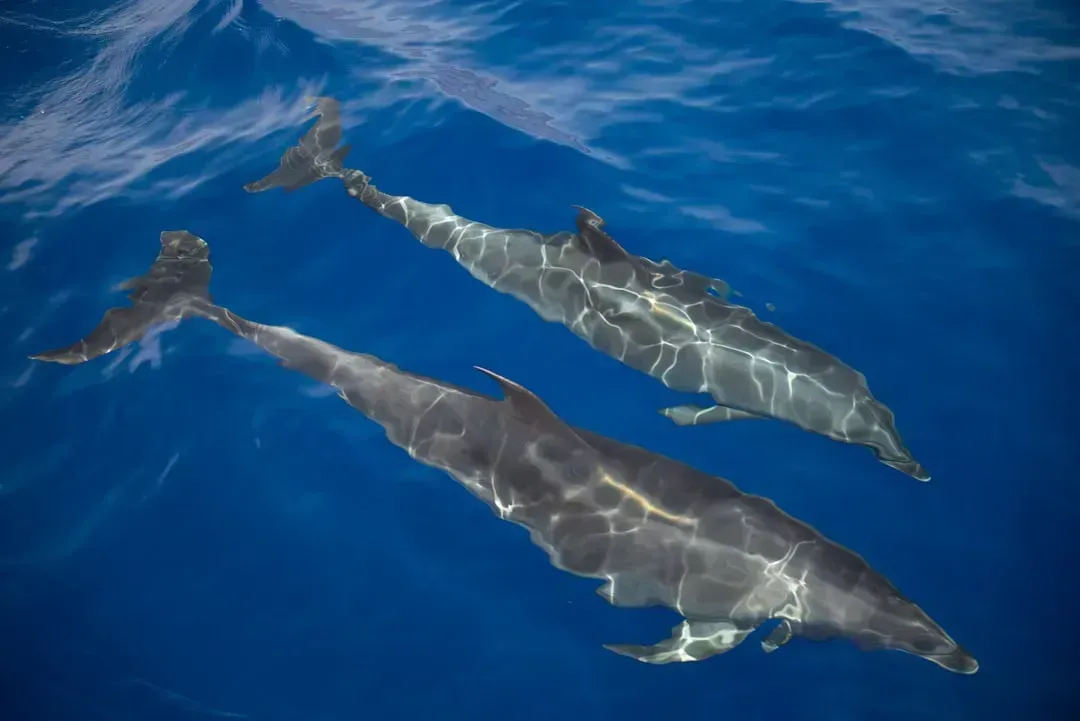
Réunion is one of the most shark-infested spots in the world. The ocean island has recorded 24 attacks and 11 fatalities since 2011. Two deaths occurred in 2019, when a fisherman was killed by a bull shark in January and a surfer died in May.
The beaches are stunning and far less crowded than neighboring Mauritius, which initially seems like a paradise for surfers and swimmers. Saint-Paul on the west coast is particularly dangerous, and a 15-year-old snorkeller was killed just off the beach in 2013. Local authorities have implemented restrictions on water activities in certain areas, but the lure of perfect waves continues to tempt visitors who underestimate the very real shark danger.
Cancún and Mexican Caribbean

The Quintana Roo state prosecutor’s office reported over 550 homicides in 2023, with several incidents occurring within meters of major resort properties. Rival cartels battling for control of drug distribution routes have turned tourist zones into occasional battlegrounds, including a shocking daylight shooting at Cancún’s airport in October 2023 that left two alleged gang members dead.
The U.S. State Department maintained a Level 2 travel advisory for Quintana Roo state throughout 2024. Tourists have been caught in crossfire situations at beach clubs in Tulum and Playa del Carmen, fundamentally changing the perception of safety in what was once considered Mexico’s safest tourist corridor. The violence shatters the all-inclusive resort bubble that many tourists believe will protect them from Mexico’s cartel conflicts.
Iceland’s Driving Routes
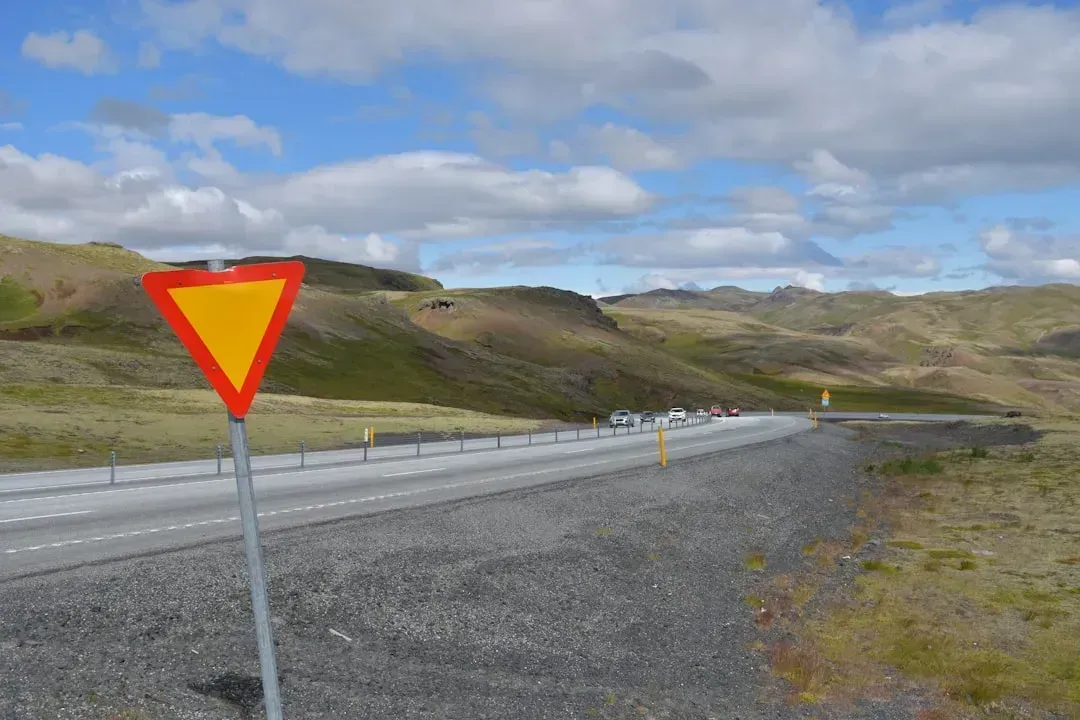
The Director General of the Icelandic Tourist Board characterised Iceland’s road network as likely the most dangerous tourist destination in the country. Most accidents involving visitors to Iceland occur on the roads, with driving here being tricky due to weather changes, gravel roads, and narrow bridges, and tourists sometimes underestimate these conditions, leading to unfortunate incidents.
In late August 2024, multiple tragic accidents involving foreign tourists occurred, including one involving a couple from Hong Kong whose vehicle plunged into the Fossá River north of Skagaströnd. Rental car companies hand over keys to tourists who have never driven on ice, navigated single-lane bridges, or dealt with sudden whiteout conditions. Accidents sometimes happen on and around single-lane bridges in Iceland, with 32 single-lane bridges still on the Ring Road in 2022. The stunning landscapes become deadly distractions when drivers take their eyes off treacherous roads.
These destinations prove that beauty and danger often walk hand in hand. Preparation, respect for local warnings, and honest self-assessment of your abilities can mean the difference between an incredible adventure and becoming another statistic. What’s your threshold for risk when planning your next trip?