The $100 Clue: 5 Rare $1 Bill Serial Numbers Collectors Are Hunting for Right Now
Every dollar that passes through your hands might be hiding a secret fortune. That wrinkled George Washington in your wallet could be worth anywhere from a few hundred bucks to tens of thousands, depending on eight tiny digits most people never notice. There were about 13 billion one-dollar bills in circulation as of 2022, yet only a fraction carry those magical patterns collectors dream about.
Serial numbers define everything in the world of currency collecting. The hunt for these rare patterns has become something of a modern treasure quest, with ordinary folks discovering incredible values tucked inside their cash. Ready to find out what makes certain singles worth a small fortune?
Low Serial Number Bills: The Holy Grail of Dollar Collecting
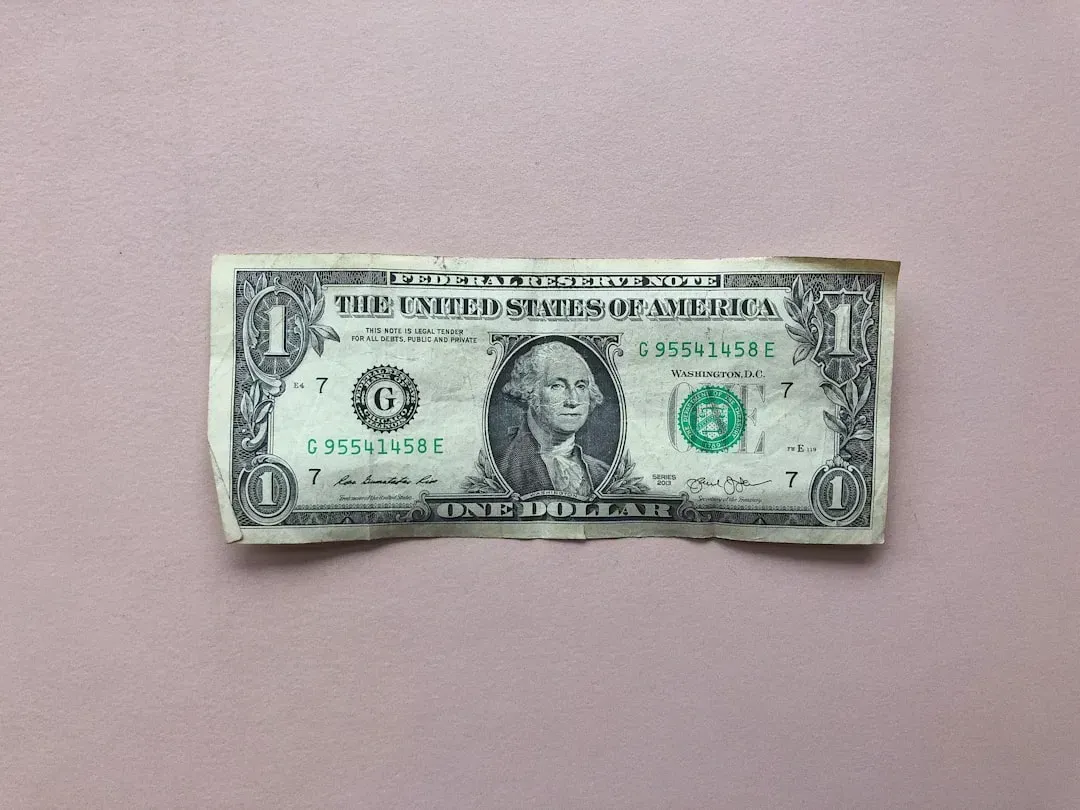
Serial numbers below 00001000 command premiums starting at $300, with 00000001 reaching $15,000 for recent series. These numbers represent the first bills printed in any production run, making them inherently scarce since most never enter regular circulation.
In 2024, vending operator Calvin Westfall found G00000001I in his Georgia soda machine – the #1 bill from the 2013 Series G run. Though circulated, experts valued it at $10,000+, with uncirculated versions hitting $15,000. The discovery proves these rarities can still surface in everyday transactions.
Think about it this way: those earliest prints often get snatched up by Bureau officials or serious collectors before they ever reach banks. Finding one in the wild is like spotting a needle in a massive haystack, which explains why their values climb so high.
Solid and Near-Solid Serial Numbers: Rarity in Repetition
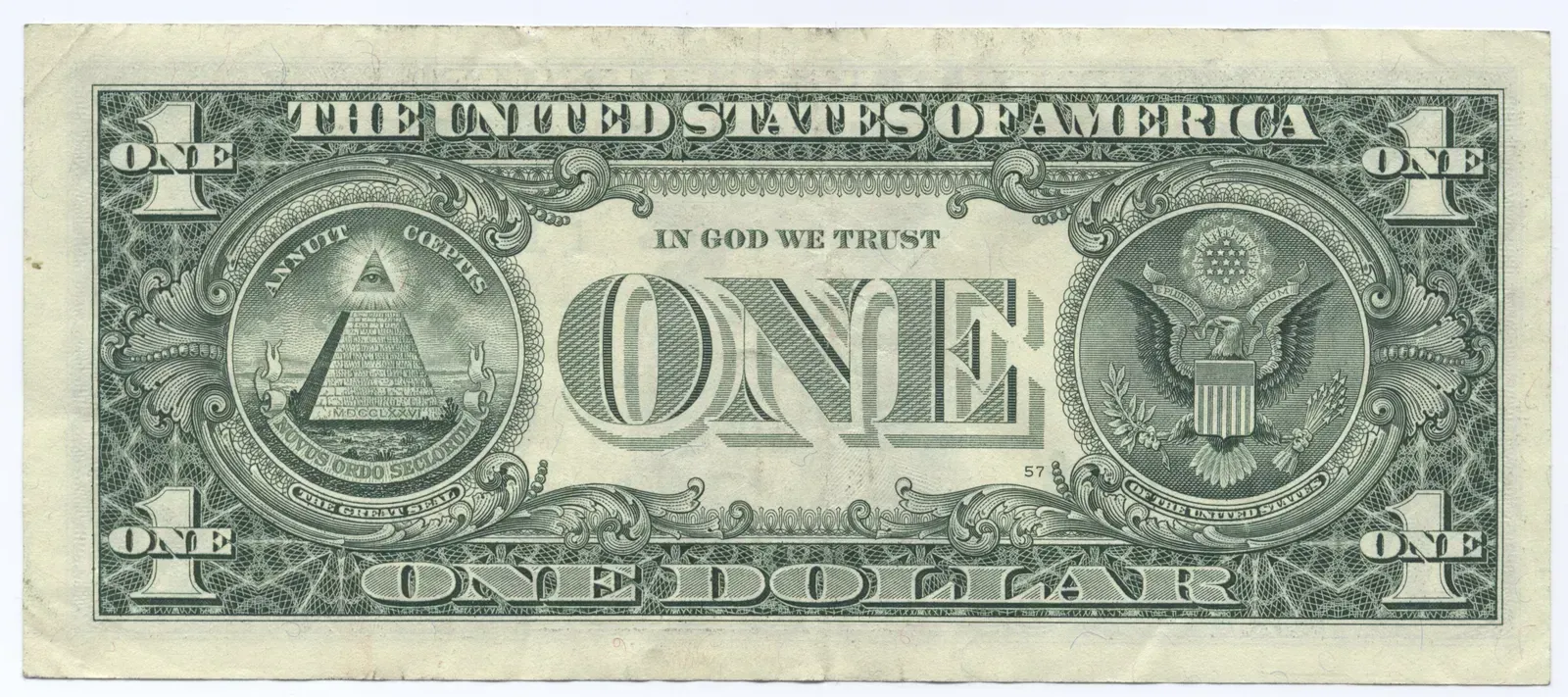
A solid serial number is one where every digit is the same, like 55555555. Only about one out of every 11 million notes is a solid, and they can be worth $500 or more. These uniform patterns create an almost hypnotic appeal for collectors who appreciate mathematical perfection.
When all eight numbers match, collectors encounter the holy grail of serial patterns. These occur approximately once in every 10 million bills, with only specific digits possible since production caps at 96000000. Near-solids, where seven digits match with just one different, still fetch impressive premiums.
I think the fascination with solids comes from their sheer improbability. Every time you pull out cash, you’re essentially rolling an eleven-million-sided die. The odds are staggering, making genuine solids incredibly desirable.
Radar Serial Numbers: Reading the Same Both Ways
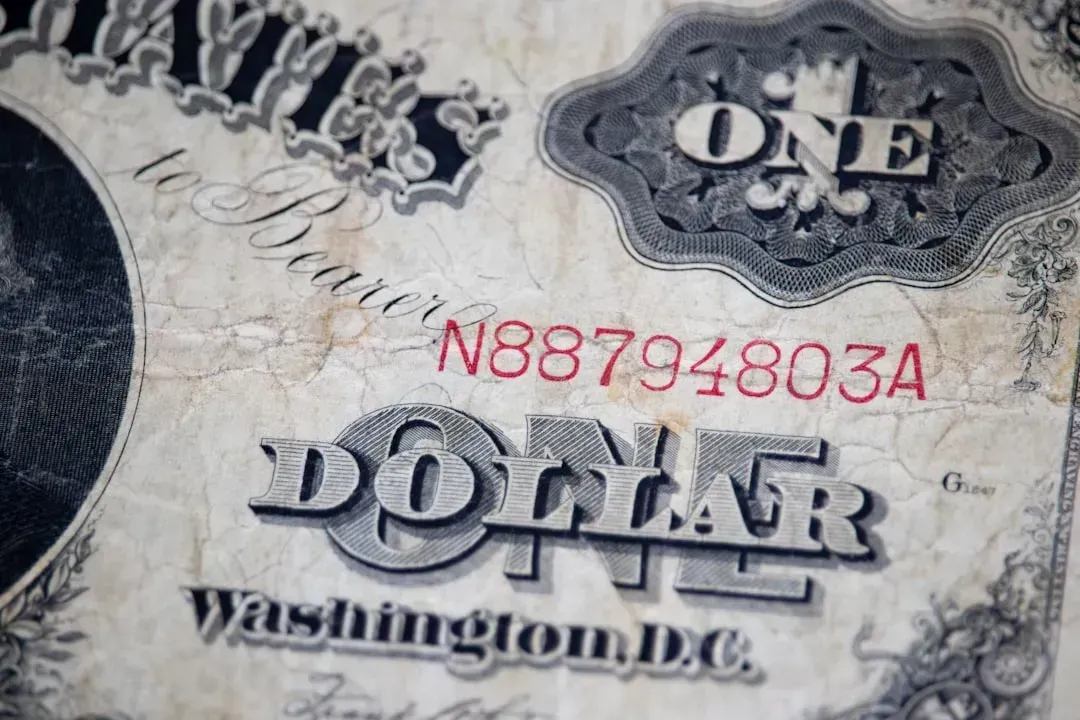
Radar Serial Numbers are palindromes, meaning they read the same forward as they do backward. For instance, the 1918 $1 Federal Reserve Bank Note (Boston) below has a Radar Serial Number of 90009. Basic radar notes in good shape can bring decent returns, though the real excitement starts with super radars.
A basic radar in uncirculated condition sells for $25–50, but super radars elevate the concept. When only the end digits differ (27777772), values jump to $100 to $200, even on $1 bills. Super radars combine palindromic perfection with near-solid repetition, creating double the rarity.
Radar notes carry a certain elegance. There’s something satisfying about numbers that mirror themselves perfectly, like finding visual poetry printed on currency. Collectors actively search for these patterns because they stand out instantly once you train your eye.
True Binary Notes: The Computer Code Currency
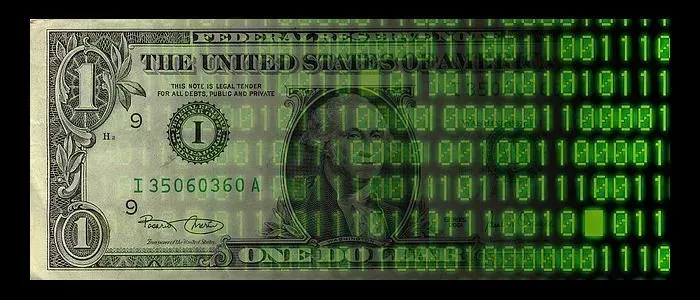
Any serial number containing only two different digits qualifies: 77373773, 29299299, or 84488444. True binaries using exclusively 1s and 0s bring $40–150 because they evoke computer code aesthetics. The digital age has made these patterns especially appealing to tech-savvy collectors.
These are significantly rarer than standard repeaters, occurring roughly once per 100,000 bills. The combinations 10101010 and 01010101 are particularly prized, sometimes fetching $200+. Perfect alternating patterns of ones and zeros represent the purest form of binary notes.
Honestly, I find the connection between currency and coding fascinating. These bills speak to our increasingly digital world while remaining decidedly analog objects. That crossover appeal drives values higher than you might expect for relatively “common” fancy patterns.
2013 Series B Matching Pairs: The Modern Error Jackpot
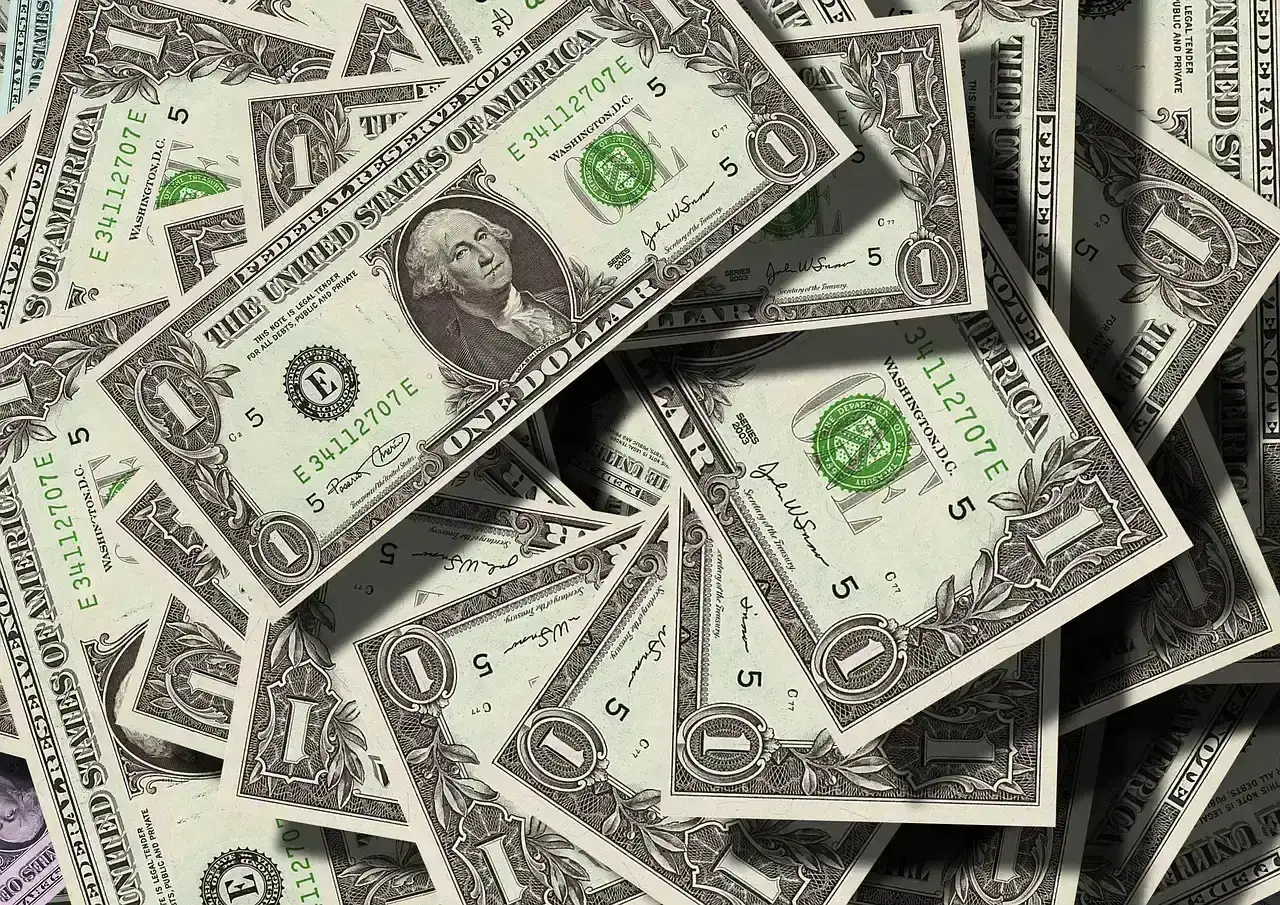
Between 2014 and 2016, around 6.4 million one-dollar bills were printed that could be worth up to $150,000. Due to a policy forbidding repeating the same serial number, every bill is supposed to have its own unique serial number. However, thanks to a printing error two batches of one-dollar bills (one from Washington D.C. in 2014 and the other from Fort Worth in 2016) were printed with the exact same serial number.
To date, only nine pairs with matching serial numbers have been found, meaning millions are still in circulation. A matching pair can reach between $20,000 and $150,000 depending on the condition, according to WealthyNickel. The catch? You need both bills from different printing facilities to claim the big payout.
Here’s the thing: millions of these error bills are floating around right now, potentially in your wallet or cash register. The Bureau accidentally created one of the most sought-after modern collectibles through a simple miscommunication between facilities. Check your singles for Series 2013 with a “B” Federal Reserve Seal and star serial numbers in specific ranges.
Start Checking Your Cash Today
The world of fancy serial number collecting rewards the observant. While most bills will never be worth more than face value, the thrill comes from knowing that genuine treasures still circulate freely through the economy.
Low, high, repeating, solid, consecutive, doubles, and stars in serial numbers are a few details to look out for when determining if your dollar bills are more valuable than their face value. There were about 13 billion one-dollar bills in circulation as of 2022. Out of that massive number, millions of those bills could be worth more than their face value.
So what did you find? Got any interesting serial numbers hiding in your wallet right now?