11 Things Retirees Say They Wish They’d Known at 60
Let’s be honest. Turning sixty feels like a milestone, doesn’t it? It’s the age where retirement starts to feel real instead of some distant fantasy. You’re finally imagining life without morning commutes or office politics. Yet here’s the thing. So many people reach this age without fully grasping what the next chapter truly demands. According to research, a staggering portion of retirees look back with regret, wishing they’d made different choices at sixty. What were those decisions? What knowledge would have changed everything?
Not Saving Nearly Enough Money
According to the Transamerica Center for Retirement Studies, three in four (76%) retirees wish they had saved more on a consistent basis, and many say the best advice they’d give their younger selves would be to save or invest more and start earlier. Think about it. That’s not a small percentage feeling this regret. Many people miss out on employer matching contributions, wait too long to enroll, or simply fail to increase contributions over time. What feels like a comfortable nest egg at sixty can shrink fast when you realize it needs to last twenty, thirty, or even forty more years.
Underestimating Healthcare Costs

Fidelity estimates that a 65-year-old couple retiring today will need about three hundred thirty thousand dollars over their lifetimes just to cover medical expenses, not including long-term care. That number is jaw-dropping. Even with Medicare, many retirees face significant out-of-pocket costs like premiums, copays, prescriptions, and uncovered services, and more than one in five retirees over 65 still carry medical debt. Healthcare isn’t just an occasional expense. It becomes a relentless financial drain that catches far too many people off guard.
Claiming Social Security Too Early

Many respondents regret claiming Social Security retirement benefits too early, with older respondents more likely to express this regret. Why does this happen so often? Regret over claiming Social Security early can rise significantly among people in good health after they are given information about their life expectancies. Turns out, waiting until full retirement age or even seventy can significantly boost monthly benefits. Benefits claimed at sixty-two are reduced by about thirty percent permanently, locking you into smaller checks for life.
Failing to Create a Realistic Budget

A recent Fidelity study found that two-thirds of pre-retirees have never created a retirement budget, and that lack of planning shows up quickly once people stop working. Here’s what catches people. They assume expenses will drop in retirement. Financial advisors often see the opposite, especially in the first few years, as retirees go out more for dinners with friends, vacations, and hobbies. Without a plan, money disappears faster than expected. One advisor put it well: when you retire, every day feels like Saturday, so you better budget for that reality.
Not Working Longer or Retiring Too Soon

When asked if they could do it all over again, about one-third of older Americans say they regretted not working longer. Honestly, I think there’s more to this than just money. A 2015 Bankers Life study found that six out of ten retirees who continue working do so for non-financial reasons including staying mentally sharp and having a sense of purpose. Retiring at sixty might sound perfect, but many discover they miss the structure, social interaction, and sense of contribution work provides.
Neglecting Long-Term Care Insurance

One-third of survey respondents said that if they could do it all over again, they would buy long-term care insurance, which helps cover the cost of long-term care and is less expensive the earlier it’s purchased. This is a big one. The median cost of a private room in a nursing home is about one hundred sixteen thousand dollars per year according to a 2023 survey, and if you spend three years in assisted living and two years in a nursing home, you’re looking at more than three hundred sixty-five thousand dollars in care expenses. Most people simply don’t realize how fast these costs can wipe out their savings.
Being Too Conservative with Investments

Some retirees regret taking wild risks, but a surprising number regret the opposite – they stayed in very safe accounts for decades, and their money grew far more slowly than it could have if they had used a balanced mix of investments, with fear of the stock market or a bad experience during one crash leading them to avoid any risk. Playing it too safe can backfire. Inflation quietly eats away at purchasing power, and overly cautious portfolios sometimes can’t keep up with rising costs over a twenty or thirty-year retirement.
Ignoring Tax Planning Strategies

Many Boomers expected lower taxes once they stopped working but found the opposite, with required minimum distributions, Social Security taxation, and Medicare IRMAA surcharges pushing them into higher-than-expected brackets. Taxes don’t just disappear when you retire. Relying solely on traditional IRAs or 401(k)s can lead to a hefty tax bill in retirement, as ordinary income tax rates on withdrawals can take a bite out of your nest egg, leaving little room for tax planning. Diversifying accounts by tax treatment years earlier could have saved thousands.
Putting Children’s Needs Before Retirement Savings

One person paid a child’s rent “just for a few months” and then did it for years, which delayed their own retirement and drained savings, wishing someone had told them it’s not selfish to put your own oxygen mask on first. It’s hard to say no to your kids. Other studies conclude that over half of parents aged sixty and over have provided financial support to a child within the last year and over seventy-five percent of parents with adult children offer some sort of financial support. The reality? Your children have decades to recover financially. You don’t.
Underestimating How Long They Would Live

Some sixty percent of Americans live longer than they expect, with a woman at age sixty-five expected to live to an average of eighty-four and the average for men being eighty-one, but many will make it to ninety-five or even one hundred. Most people plan for an average lifespan. That’s a mistake. Statistics suggest that there’s a greater than fifty percent chance that at least one partner from a couple in their sixties will live to the age of ninety-five. Running out of money at eighty-five because you planned for seventy-five is a nightmare scenario nobody wants to face.
Not Having a Plan for Purpose and Engagement
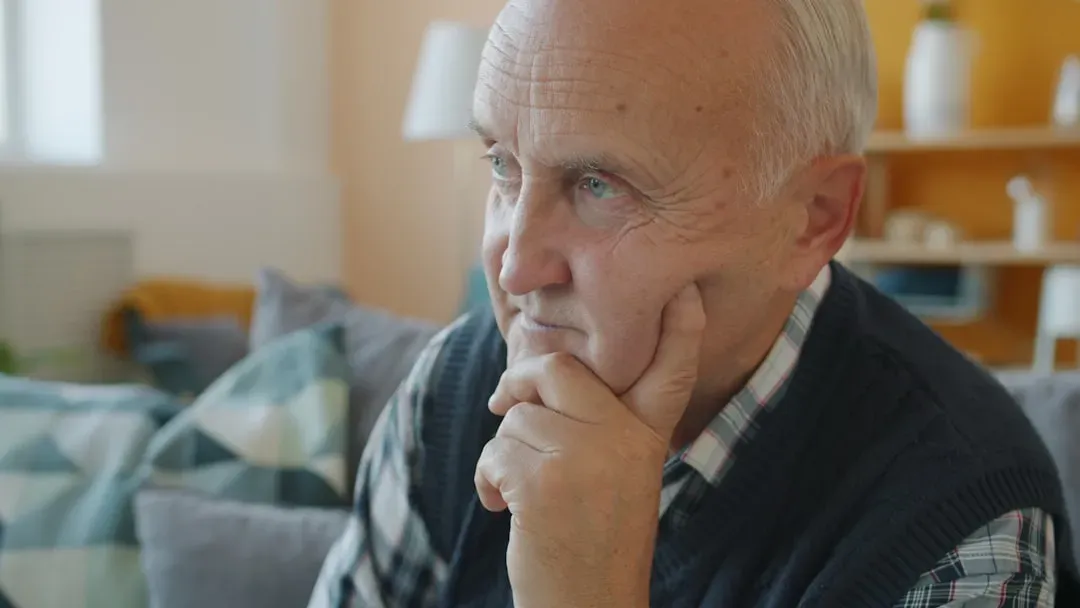
When individuals retire, they often lose the structure and social interaction that work provides, resulting in idleness and a perceived lack of purpose, with more than one-third of older adults aged fifty to eighty experiencing a lack of companionship, and without hobbies or social activities to fill their time, retirees raise their chances of developing mental health issues. Money matters, sure. Yet what about meaning? Boredom and inactivity are also linked to an increased risk of chronic health conditions such as obesity, cardiovascular disease and diabetes. Retirement isn’t just about having enough cash. It’s about having enough reasons to get out of bed each morning.
Looking back, these regrets share a common thread. They’re all about preparation, honesty, and facing uncomfortable truths before it’s too late. Honestly, some of these lessons sting. The good news? If you’re sixty now or approaching it, you still have time to course-correct. You can boost savings, rethink your Social Security strategy, plan for healthcare, and build a life filled with purpose beyond paychecks. Did you expect some of these surprises, or are there a few that caught you completely off guard?