10 Ways Modern Homes Are Quietly Losing Value
You thought buying your dream home was the smart move. The neighborhood looked perfect, the price felt reasonable, and the modern amenities seemed like a bonus. Fast forward a few years, and you’re noticing something unsettling: your property isn’t gaining value the way you hoped.
Maybe it’s losing ground altogether. While most homeowners obsess over mortgage rates and market cycles, they miss the silent forces quietly draining equity from their most valuable asset. Let’s be real, some of these factors sneak up when you least expect them.
Aging Suburbs Are Falling Behind New Construction
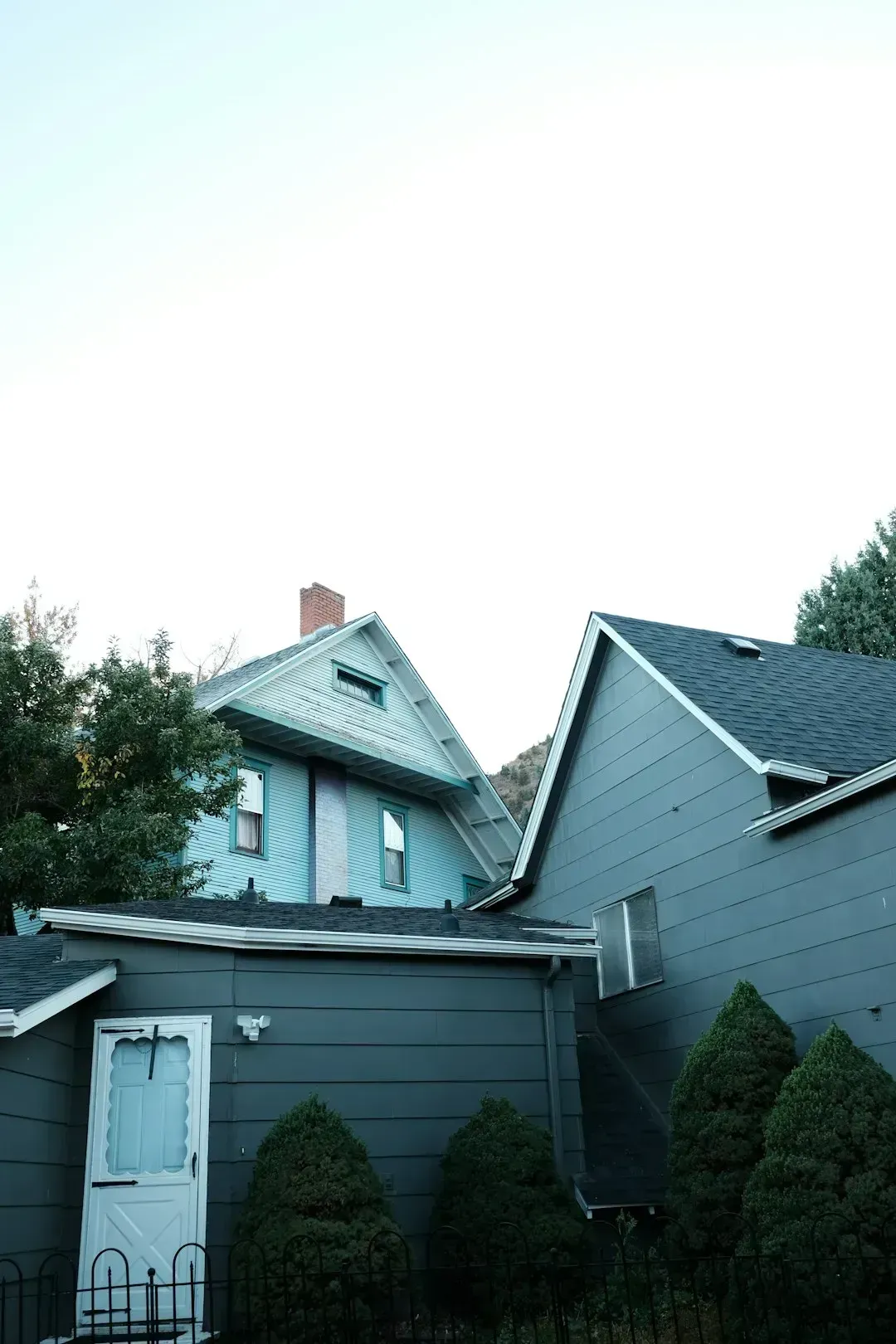
Homes that are 10 to 30 years old in suburban areas are having a hard time holding their value, according to industry experts. While brand new homes in these same neighborhoods sell for premium prices, older properties struggle to compete. Think about it like this: buyers today want everything fresh out of the box.
Zillow reports that 53% of U.S. homes have lost value over the past year. The attraction of newly built homes with modern designs and energy efficient features is hard to beat. Here’s the thing, older suburbs often lack the walkability and updated infrastructure that today’s buyers prioritize.
Open Floor Plans Are Losing Their Appeal
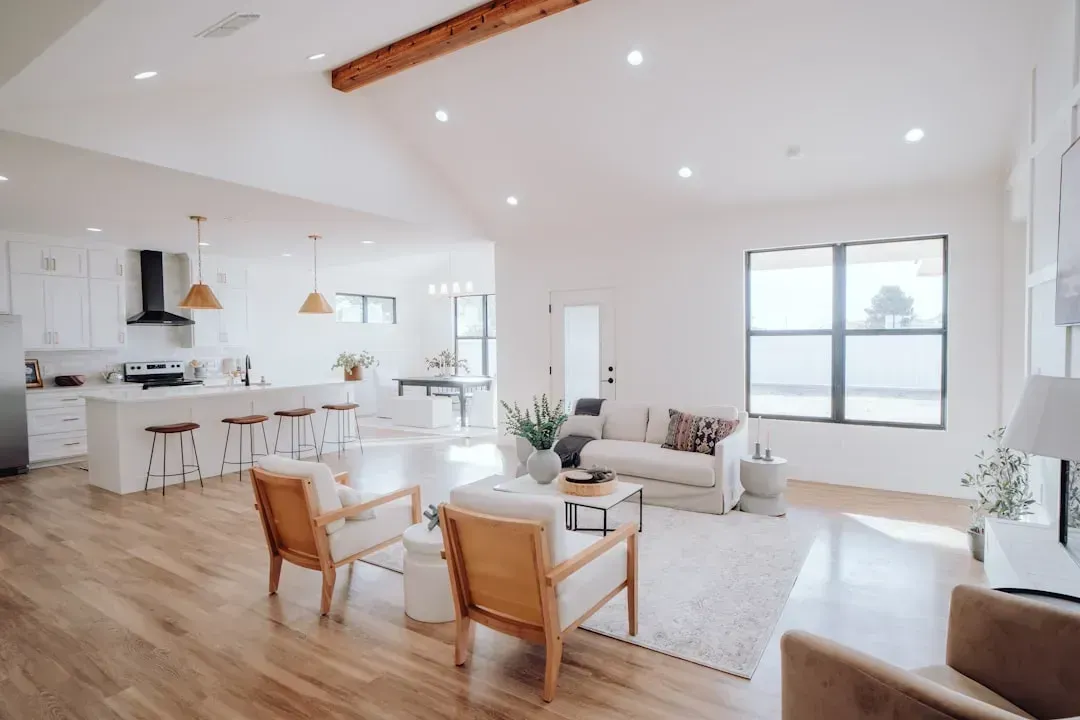
Privacy concerns from the lack of walls, less energy efficiency from heating or cooling large open areas, and noise traveling more easily are leading some homeowners to reconsider the appeal of closed floor plans. What was once the most desirable home feature is starting to feel dated. Work from home arrangements made people crave separate, defined spaces.
Home buyers are embracing smaller, cozier spaces for affordability and sustainability, and rejecting the cavernous open floor plans, according to Zillow’s home trends expert. A home with an open plan layout may be valued less than a traditional home with separate rooms, real estate experts warn. The shift is real and it’s happening fast.
Climate Risks Are Finally Being Priced In
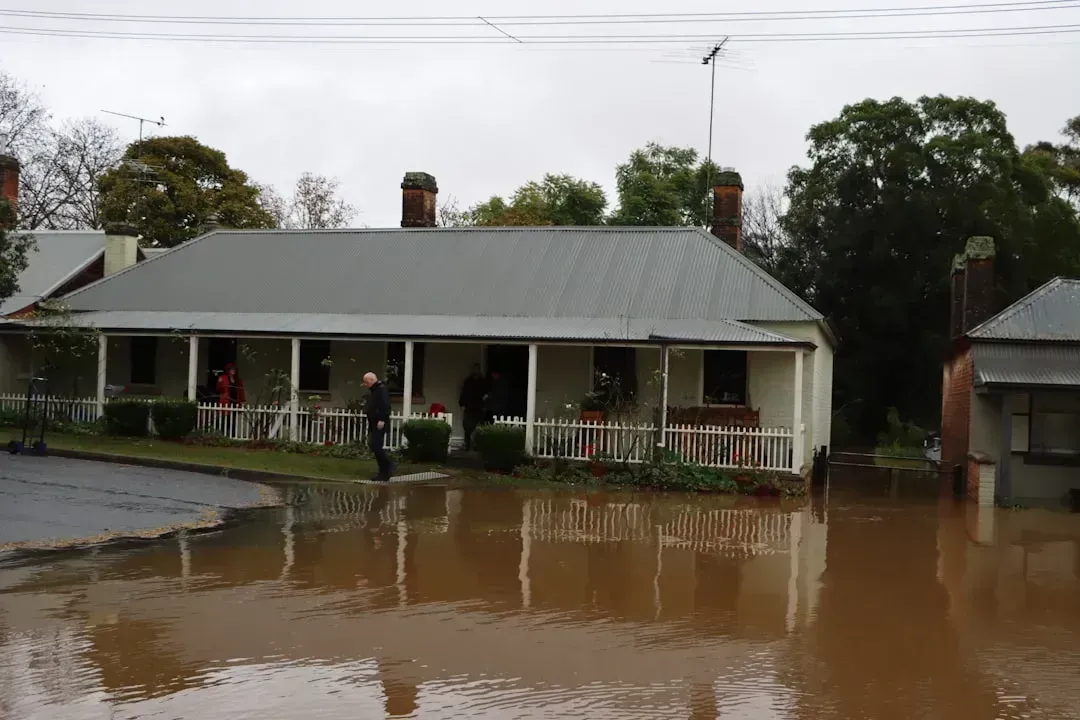
Around 26% of U.S. homes are at severe or extreme risk, and nearly 6 million homes worth $3.4 trillion in value face severe flooding in the next 30 years, according to a 2025 Realtor.com analysis. Properties in flood zones, wildfire areas, and hurricane paths are starting to see slower appreciation than homes in safer locations. Homes with low natural disaster risks were rising in value faster than homes with high risk for the first time in more than 10 years.
Insurance costs in risky areas are absolutely skyrocketing. Wildfire risk has lopped 3.9% off home prices in California, Oregon and Washington state, while properties vulnerable to sea level rise sell for 7% less than safer comparable homes on U.S. coasts. Buyers are getting smarter about long term ownership costs.
HOA Fees Are Crushing Affordability
The median monthly HOA fee rose from $110 in 2023 to $125 in 2024, and fees for existing homes jumped to $148 per month, marking a 14.7% increase in just a year. Those seemingly small monthly charges add up to serious money over time. In some Florida markets like Tampa and Orlando, HOA fees saw double digit increases of 17.2% and 16.7%.
Homes in HOA communities were more likely to sit longer on the market in 2024 compared to similar homes without HOA fees, according to real estate analysis. About 3 million households in the U.S. paid more than $500 a month in HOA or condo fees as of 2024. High fees are becoming a dealbreaker, plain and simple.
More Than Half of Homes Lost Value in 2025
Zillow estimates that 53% of homes nationwide lost value in the past year as of October, marking a significant market shift. This isn’t a crash though, experts insist, but a normalization after years of unsustainable growth. Average drawdowns have grown since spring 2022.
Nearly every market in Florida saw most homes depreciate since 2024, while homes in the Northeast and Midwest are holding their value better. Regional differences matter more than ever. Coastal and Sun Belt markets that saw explosive growth are now giving back some gains.
Oversupply in Southern and Western Markets
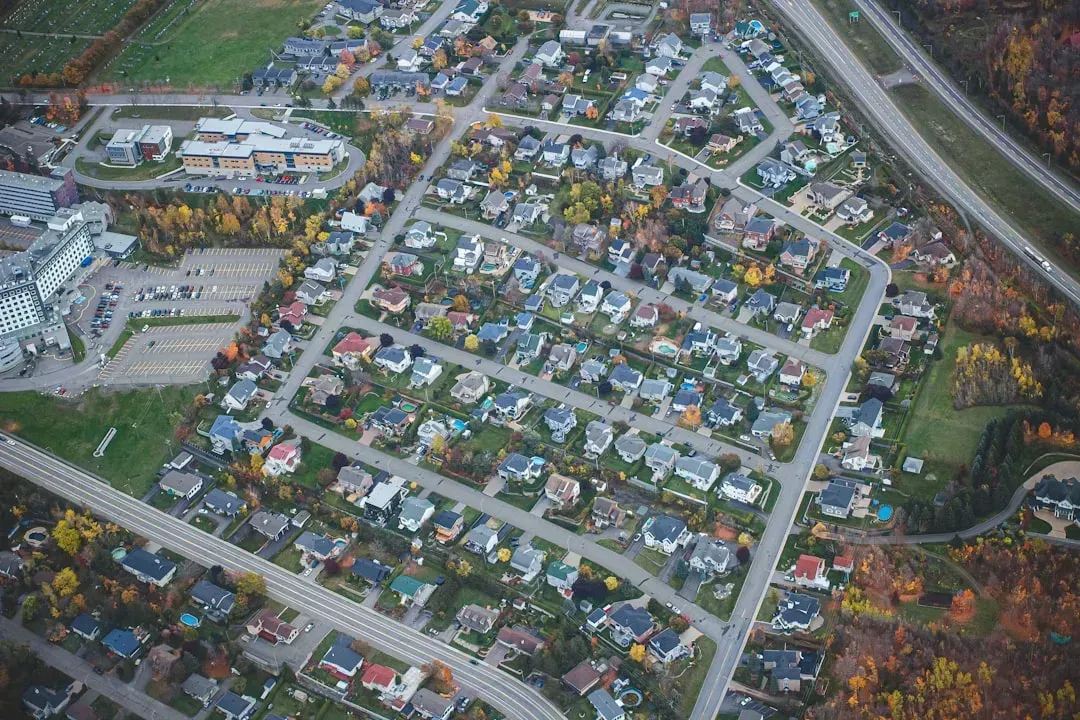
Construction booms in places like Texas, Florida, and Arizona created too much inventory chasing too few buyers. Home prices were forecast to rise much more slowly by the end of 2025 and may have fallen in numerous markets in the South and Southwest as they shifted more to buyer’s markets. When supply overwhelms demand, prices adjust downward.
Cities like Austin and San Antonio are seeing particularly difficult conditions. The massive influx of new homes means buyers have options, driving down competition for existing properties. If you bought in these hot markets at peak prices, you’re probably feeling the squeeze right now.
Deferred Maintenance Accelerates Depreciation
Physical depreciation averages around 1% to 1.2% per year assuming proper maintenance, with newer houses depreciating less quickly than older homes. Skip that roof repair or delay HVAC replacement, and you’re watching value evaporate faster. For older properties, the depreciation per year is lower, but for older properties that have been renovated, the age related price effect is an appreciation.
Homes with outdated systems or visible neglect struggle to attract buyers willing to pay market rates. Nobody wants to inherit someone else’s deferred maintenance headaches. Strategic improvements like updating HVAC systems or replacing roofs can actually reverse depreciation trends.
Rising Energy Costs for Inefficient Homes
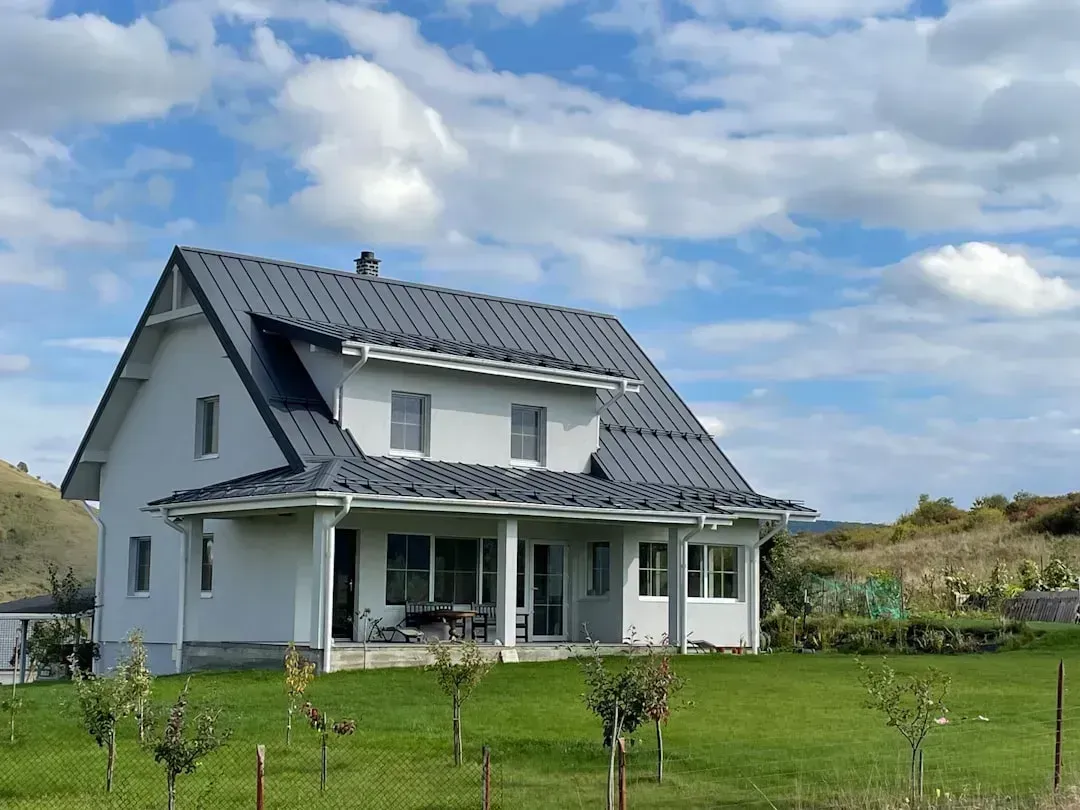
Older homes without modern insulation and energy efficient windows are becoming expensive to operate. Open floor plans are expensive to build and tend to lead to higher heating and cooling costs, with larger open spaces taking more energy to heat and cool than smaller enclosed spaces, especially for homes with high ceilings. Monthly utility bills matter to buyers now more than ever.
Properties with poor energy ratings are sitting longer on the market. Buyers calculate long term ownership costs differently than they did five years ago. Green upgrades aren’t just trendy anymore; they’re essential for maintaining competitive property values.
Lock-In Effect Creating Market Stagnation
The median time between purchasing and selling was 11 years from July 2024 to June 2025, an all-time high, according to the National Association of Realtors. Homeowners with ultra low mortgage rates from 2020 and 2021 aren’t selling, creating an inventory crisis. As of the fourth quarter of 2024, 82% of homeowners with mortgages had interest rates below 6%.
This creates a weird dynamic where home values stagnate because there’s limited transaction activity to establish market pricing. Fewer sales mean less reliable comps for appraisals. The market feels frozen in place, which prevents natural appreciation.
Changing Demographics and Migration Patterns
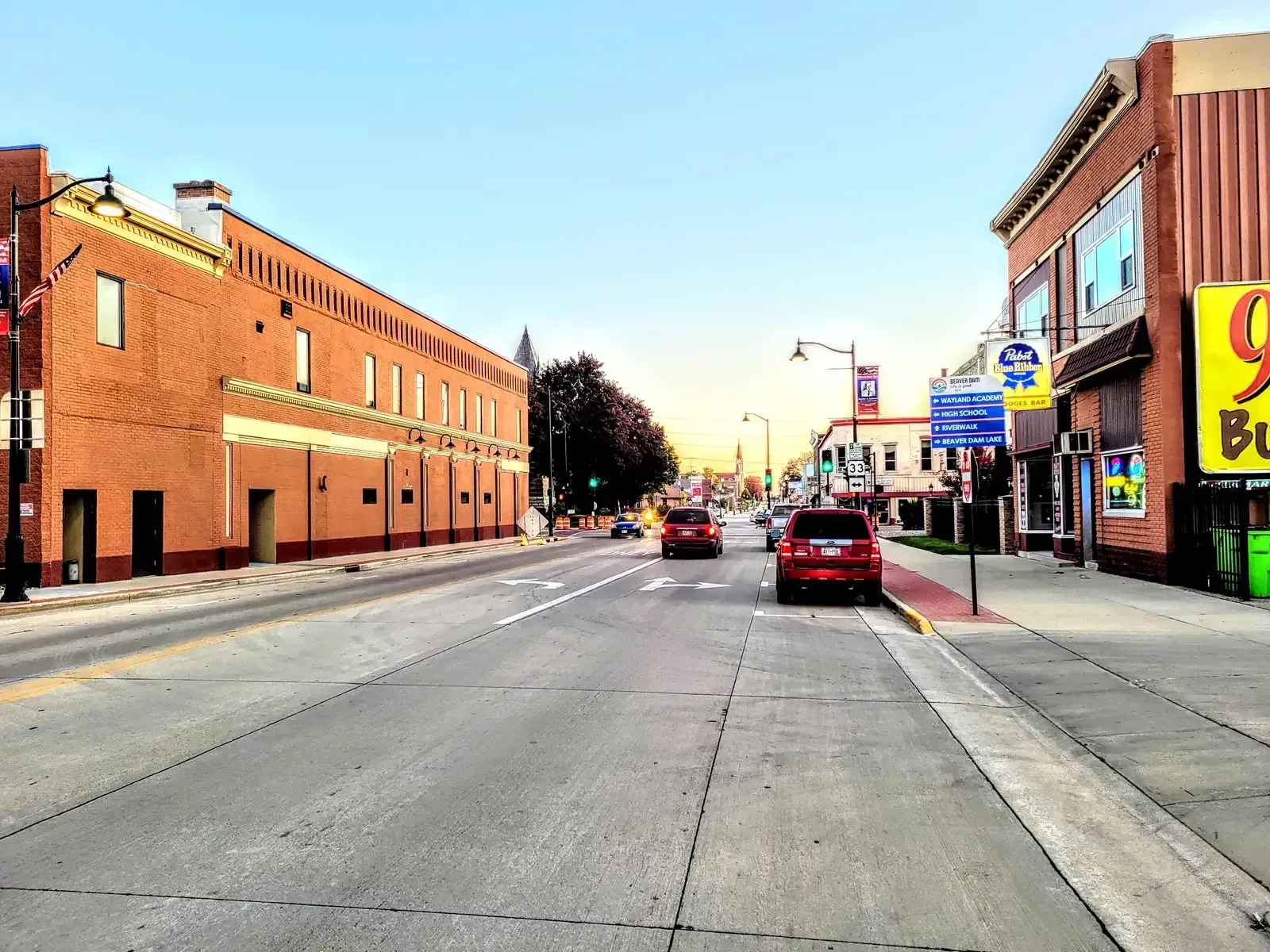
First Street Foundation research predicts that millions of Americans may voluntarily relocate within the U.S. to areas less vulnerable to climate risks by 2055. This isn’t some distant future scenario; climate-driven migration is already underway. People are voting with their feet.
Northern regions from Montana to Wisconsin could see population gains as people flee climate vulnerable areas. By 2055, a substantial portion of U.S. neighborhoods may experience negative property value impacts from climate risk, to the tune of $1.47 trillion in losses. Where people want to live is fundamentally changing, and property values will follow these shifts whether we’re ready or not.
Honestly, the housing market we knew a decade ago is gone. These quiet value drains are reshaping which properties thrive and which struggle. Understanding these forces helps you make smarter decisions about where to invest your hard earned money. The homes that adapt to these new realities will hold value, while those that don’t will continue falling behind. What will you do with your property before it’s too late?