The Harsh Reality of Water Scarcity: 4 Countries Running Out of Supply
Picture this: you wake up tomorrow and turn the tap, but nothing comes out. No shower. No coffee. No water to cook with or clean with. For millions of people across the globe, this isn’t a nightmare scenario, it’s becoming reality. More than 40 percent of the world’s population now experiences high or extremely high water stress for at least part of the year, according to the 2024 UN World Water Development Report. That’s not some distant crisis playing out in far-off deserts. These are major cities, bustling economies, communities that have thrived for centuries suddenly staring at empty reservoirs and dry riverbeds.
Here’s the thing about water scarcity: it doesn’t announce itself gradually. One season you’re managing. The next, you’re rationing by the liter. The countries we’re about to explore aren’t on the edge of crisis, they’re in it. Each faces a unique cocktail of challenges, climate change, mismanagement, upstream damming, outdated infrastructure. Yet they all share one terrifying reality: time is running out.
Chile: When the Megadrought Never Ends
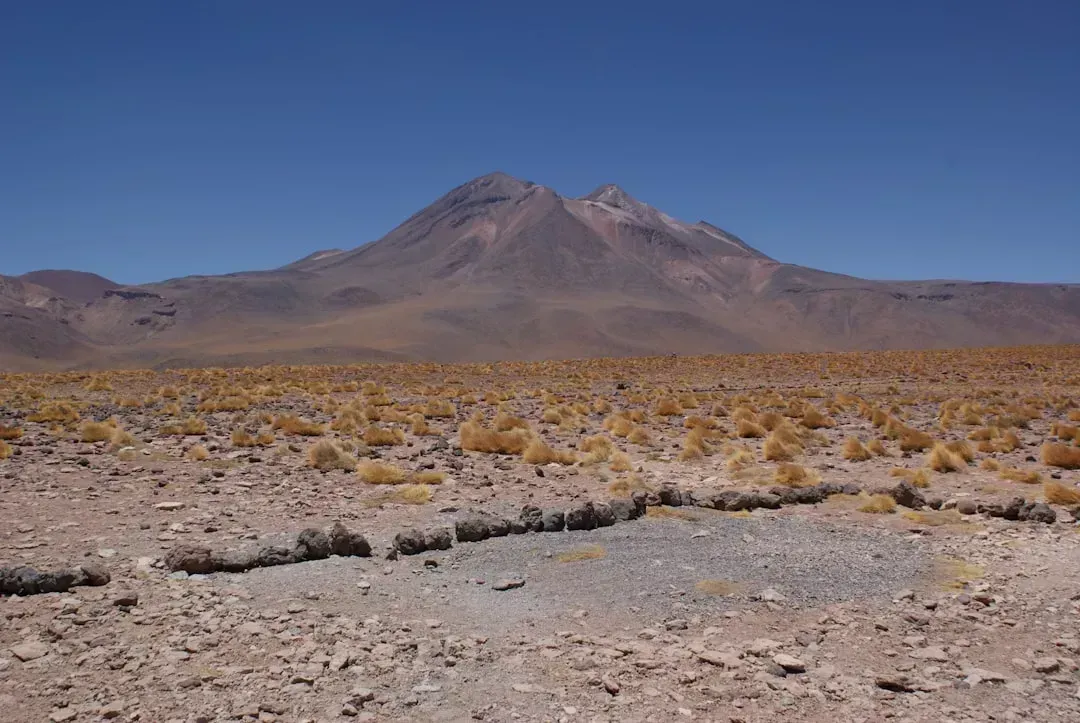
Chile has been gripping a drought since 2010, with precipitation plummeting to as low as ten percent of average in the Santiago area, marking the longest and most extreme drought in over 1,000 years. By the end of 2021, more than half of Chile’s 19 million people lived in areas suffering from severe water scarcity. Nearly 500,000 Chileans relied on water transport trucks by 2020 and tens of thousands of animals died from drought.
This isn’t just a climate story, though. Chile’s 1980 Constitution recognized water as private property, and laws under Augusto Pinochet’s dictatorship allowed the sale and privatization of water rights similar to stock markets, which became a primary factor driving lower water levels in many areas. National surface water availability dropped nearly 20 percent between 2009 and 2022. In response, Chile has pivoted to drastic measures. Desalinated or reused water already meets 40 percent of northern mining demand, up from 25 percent in 2020, with projections to exceed 65 percent by 2032. Antofagasta has become one of the first major Chilean cities to rely primarily on desalinated seawater.
Iran: Five Years Without Rain
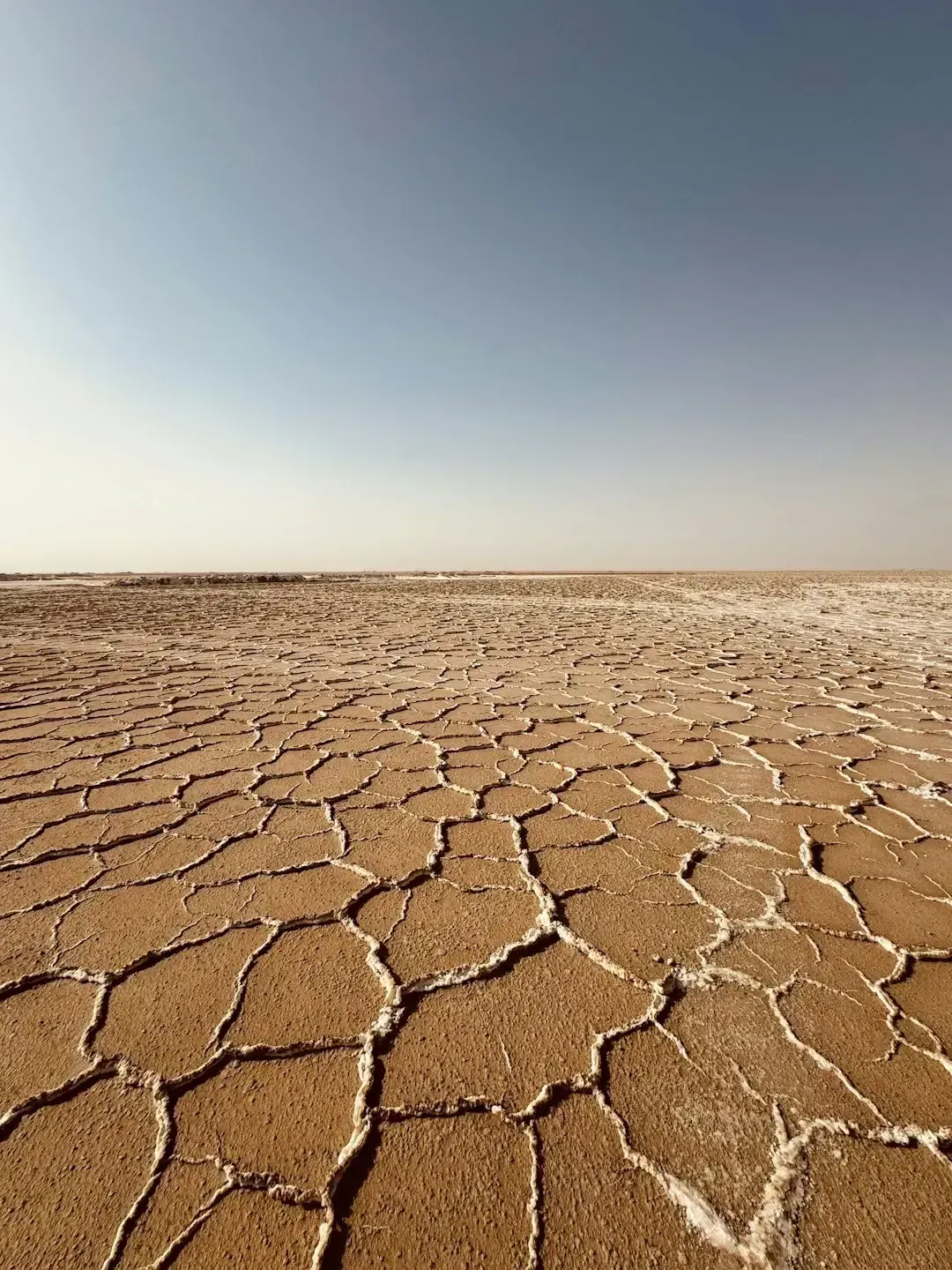
The 2024 to 2025 water year has been described as one of the most challenging in Iran’s history, with average rainfall about 45 percent below normal, and nineteen provinces in significant drought with some regions like Hormozgan reporting a 77 percent decrease in rainfall. Tehran marked the fourth consecutive year of drought by 2024, unprecedented in records, and with officials warning of continued drought and rainfall well below the long-term average. This isn’t just bad weather, it’s systemic collapse.
Iran lost about 211 cubic kilometers of its total water storage, more than twice Iran’s annual water consumption, within the 2003 to 2019 period. Hydrologists say about half of Iran’s ancient qanat water systems have been rendered waterless by poor maintenance or overpumping. Reports indicate Iran is on the verge of an unprecedented crisis that could lead to the complete depletion of the capital’s water reserves and collapse of vital infrastructure within just a few weeks, after consecutive years of drought, mismanagement, and worsening climate change effects. Iranian officials have warned that the capital may need to be relocated due to the water crisis.
South Africa: Cape Town’s Close Call
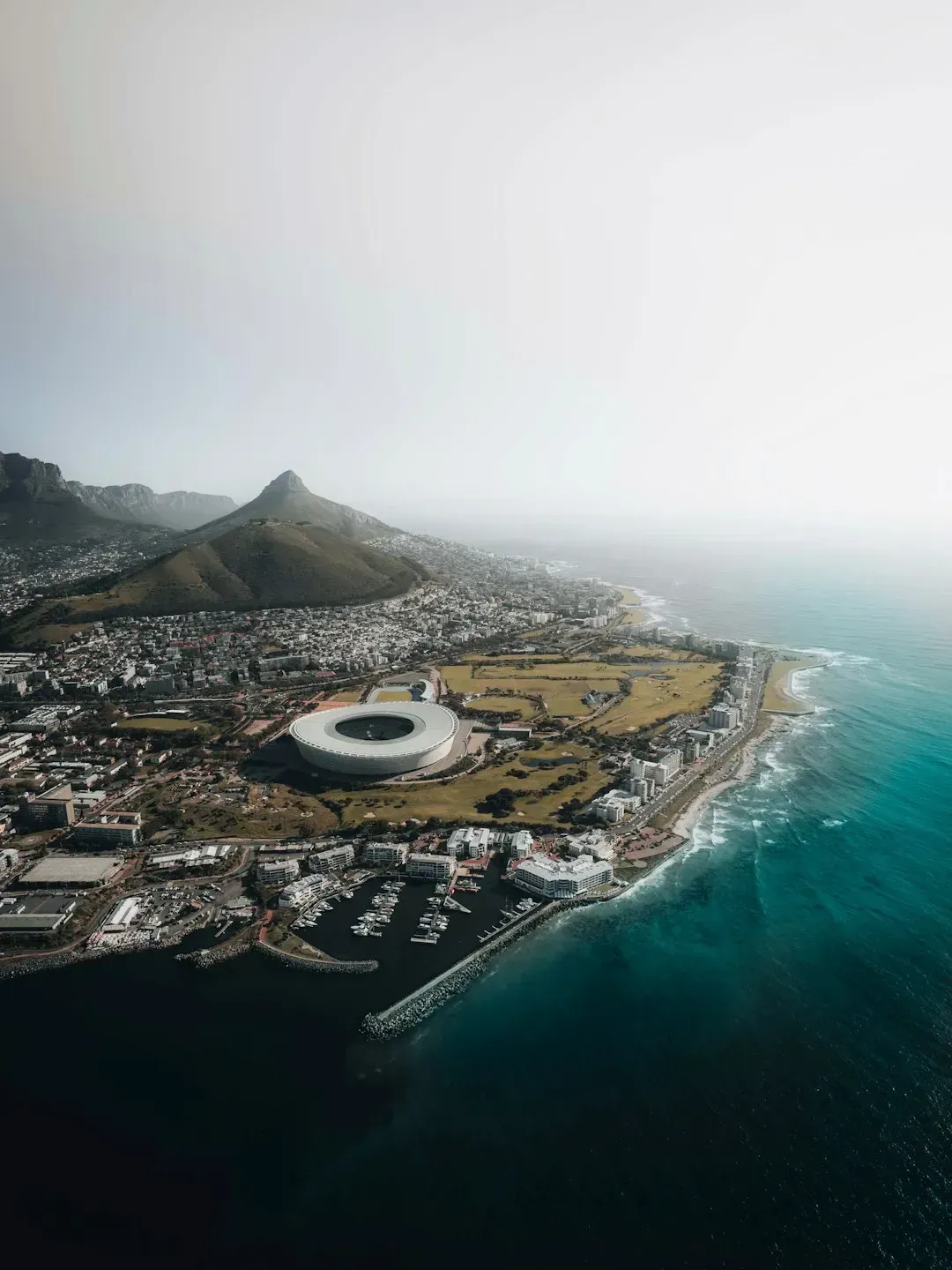
The Cape Town water crisis in South Africa was a multi-year period between 2015 and 2020, with dam water levels decreasing from 2015 and peaking during mid-2017 to mid-2018 when water levels hovered between 14 and 29 percent of total dam capacity. Four million people in Cape Town may have had to stand in line surrounded by armed guards to collect rations of drinking water, as population growth and a record drought sparked one of the world’s most dramatic urban water crises. Overall rainfall in 2017 was the lowest since records commenced in 1933.
Cape Town avoided total disaster through radical conservation. In February 2018, the city increased restrictions to Level 6B limiting usage to 50 liters per person per day. The city ultimately overcame the drought through demand management with every sector of society involved in collective action that reduced consumption, demonstrating Cape Town’s ability to reduce demand over such a short period in a way that hasn’t been done anywhere else in the world. As of October 2023, teams have cleared more than 46,000 hectares of invasive trees, recovering about 15.2 billion liters of water per year back into the water catchment. Yet Cape Town’s sister city Johannesburg is now facing similar water shortages in 2024, proving the crisis hasn’t gone away.
Iraq: When Two Rivers Run Dry
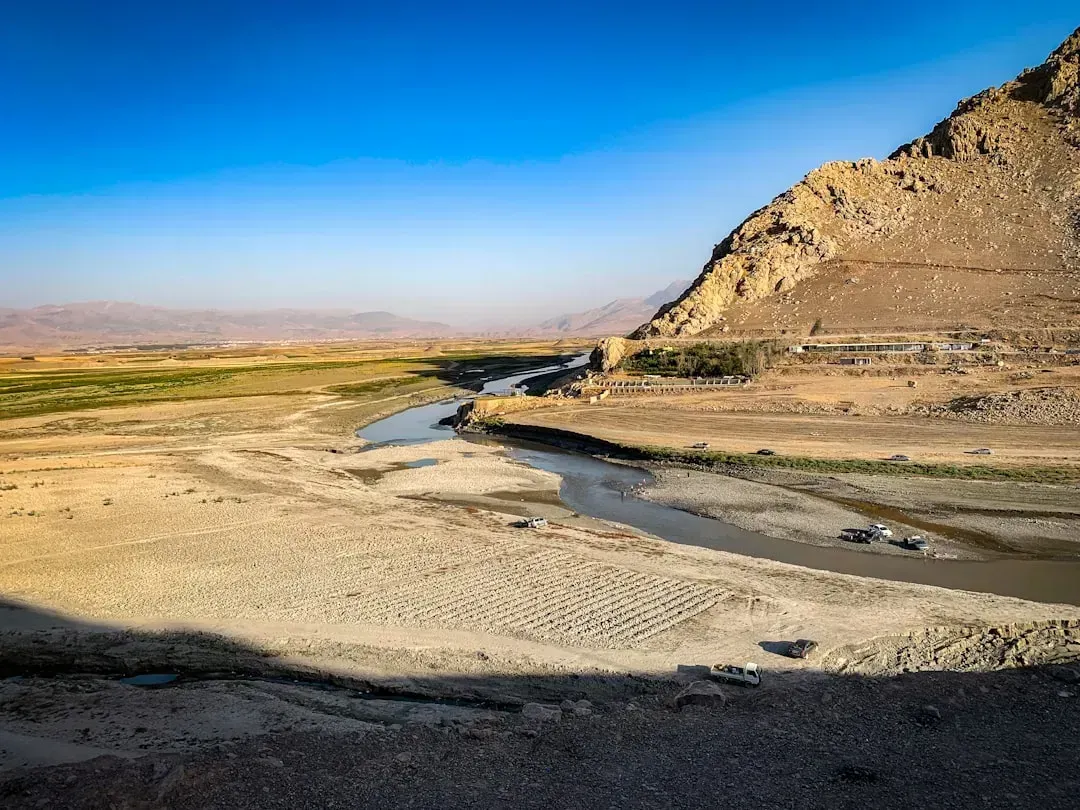
Iraq, the historic land between two rivers, faces a crisis striking at its identity as the Tigris and Euphrates shrink dramatically amid severe drought and the increasing toll of upstream dams, helping create the country’s worst water shortages for decades. Recent years have included some of the driest on record in Iraq since 1933, including 2024, with water levels in the Tigris and Euphrates dropping by up to 27 percent due to poor rainfall and upstream restrictions, while in neighboring Syria, rainfall has fallen by nearly 70 percent. Both rivers have lost up to 60 percent of their flow since the 1960s, largely due to upstream dam construction and overuse, with Turkey’s Southeastern Anatolia Project consisting of 22 dams that have altered both volume and timing of river releases.
In November, Iraq and Turkey formalized the multi-billion-dollar Water Cooperation Framework Agreement, under which Turkish firms will build new infrastructure to improve Iraq’s water efficiency and storage, with projects financed with Iraqi oil revenues, effectively an attempt to convert crude oil exports into water security. Critics remain skeptical. Water policy expert Shurook Alabayachi said water is a human right and should not be a commodity tied to oil revenues, warning the deal with Turkey departs from internationally recognized principles of water diplomacy and is not a solution to Iraq’s water crisis. Farmers whose families cultivated the same land for generations now watch their fields turn to dust.
A Future Written in Water
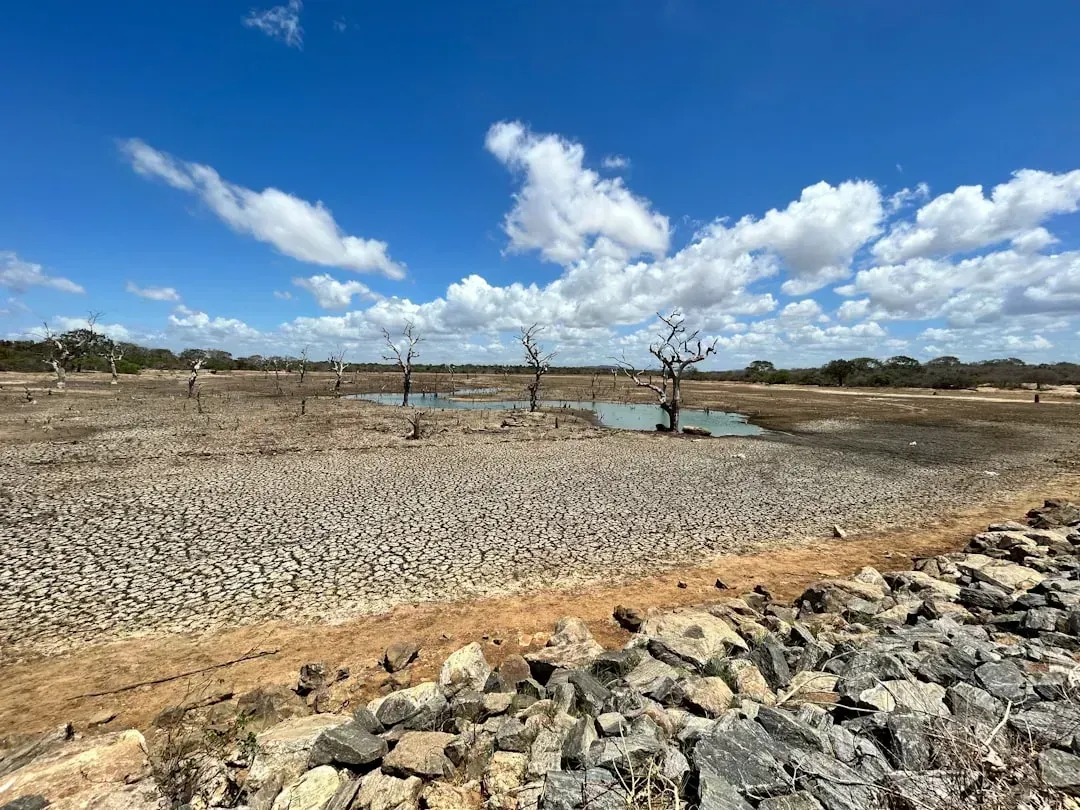
Let’s be real: what ties these four countries together is not geography or politics, it’s the fragility of systems we took for granted. Water scarcity isn’t just an environmental issue. It’s economic devastation. It’s political upheaval. It’s millions of people being forced to abandon their homes.
Chile is betting billions on desalination. Iran is considering relocating its capital. South Africa learned to survive on 50 liters per person per day. Iraq is trading oil for water infrastructure. None of these are long-term solutions if the rains don’t return and the mismanagement continues. The question isn’t whether more countries will join this list. The question is when. So what do you think? Can technology and policy save us, or are we simply delaying the inevitable?