Ghost Mansions: Why the 5-Bedroom “Forever Home” Is a Boomer Liability
Picture this: sprawling suburban neighborhoods filled with five-bedroom homes where only one or two people rattle around inside. Empty bedrooms collecting dust. Hallways echoing with silence. This isn’t a scene from a horror movie. It’s the reality of America’s housing landscape in 2026, where the dream of the forever home has morphed into something closer to a financial trap.
The Staggering Numbers Behind Empty Nests
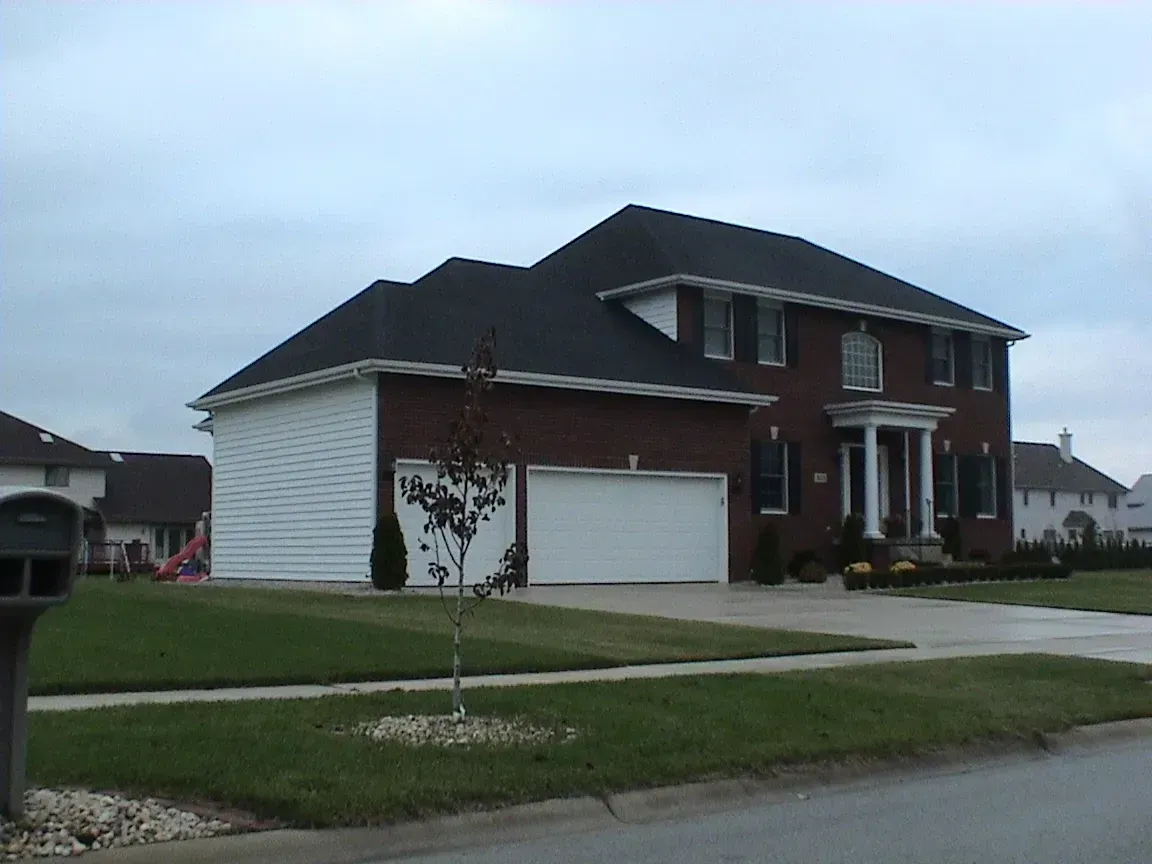
Empty-nest baby boomers own nearly three in ten large U.S. homes – that’s 28.2% – which is twice as many as millennials with kids, who own just 14.2% of the country’s large homes. Think about that for a moment. The generation that needs space for growing families controls half the homes compared to retirees whose children left decades ago. Gen Z families with kids? They own a mere 0.3% of large homes.
Here’s the thing: this wasn’t always the case. Ten years ago, young families were just as likely as empty nesters to own large homes. Something fundamental shifted in the American housing market, and it happened fast.
The Financial Fortress: Why Boomers Won’t Budge

Most boomers who own homes – 54% to be exact – have no mortgage, and for that group, the median monthly cost of owning a home, including insurance and property taxes, is just $612. Let that sink in. Six hundred twelve dollars. Meanwhile, the median mortgage payment during late 2023 was $2,361.
For boomers who do have a mortgage, nearly all have much lower interest rates than today’s market. Even if they downsized, they’d face nearly identical monthly payments. So honestly, from a purely financial standpoint, moving makes zero sense. Half of these baby boomers own their homes outright, so the rate lock-in doesn’t even apply to them, according to research. They just aren’t downsizing, period.
The Housing Hoarding Crisis Nobody Talks About
In 2023, homebuying hit the least affordable year on record, especially hard for younger Americans who don’t have equity from a prior home. Meanwhile, a 2024 survey conducted by Redfin found that 78% of Americans over the age of 60 want to remain in their current home. It’s hard to say for sure, but the collision of these two trends creates a perfect storm.
The problem extends beyond simple supply and demand. More than a decade of under-building resulted in a growing shortage, with the gap between single-family home constructions and household formations growing to 7.2 million homes between 2012 and 2023, according to industry data. Young families are stuck in rental properties or cramped starter homes while massive houses sit underutilized just down the street.
The Maintenance Nightmare Lurking Ahead
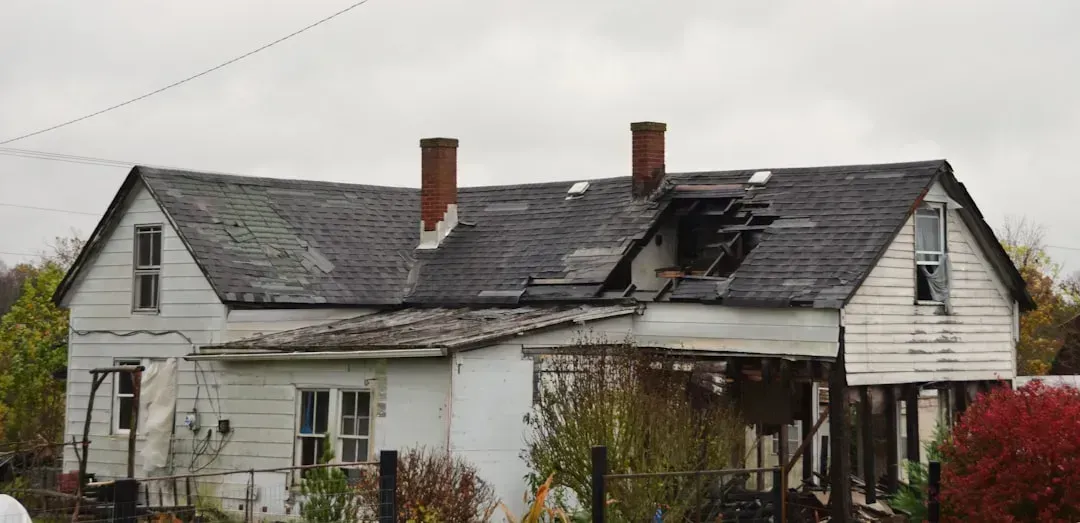
Let’s be real: large homes require constant upkeep. Roughly 68% of boomers live in older homes built 30 or more years ago. Worse yet, two-thirds of boomer homeowners who have lived in their homes for two or more decades do not plan to make any home improvements, with over 80% having no plans to add safety or accessibility features.
A troubling 69% of boomer homeowners say they’re worried about maintenance and upkeep costs, up 10 percentage points from the previous year amid concerns over persistent inflation. The irony is palpable. They’re staying in homes they can barely maintain, but selling would cost even more.
The Inheritance Time Bomb
Baby boomers will pass down their outdated, under-maintained homes, leaving many millennials and Gen Z to deal with expensive and extensive repairs and upgrades. Picture inheriting a house with outdated electrical systems, ancient HVAC units, and bathrooms from the 1990s.
More than one in four boomer homeowners are worried about burdening their families with their homes after their death. That anxiety is justified. Numerous boomer homes have become time capsules, untouched by improvements, and if trends continue, the market may face a crisis in the coming decade due to an aging inventory of neglected homes.
Geographic Gridlock: Where the Problem Hits Hardest
The situation varies wildly by location. Baby boomers with one or two people in the household take up roughly one-third of three-bedroom-plus homes in Pittsburgh (32.1%), Birmingham (31.1%), and Cleveland (30.8%) – the highest shares in the nation.
Coastal markets tell a different story. Thirty years ago, a median-priced Los Angeles County home cost about five to six times the median household’s annual income. Today, those homes cost more than 10 times the median income. California’s Proposition 13 further complicates things, creating tax lock-in effects that make it financially irrational for longtime homeowners to sell.
The Downsizing Myth and “Silver Tsunami” That Never Came
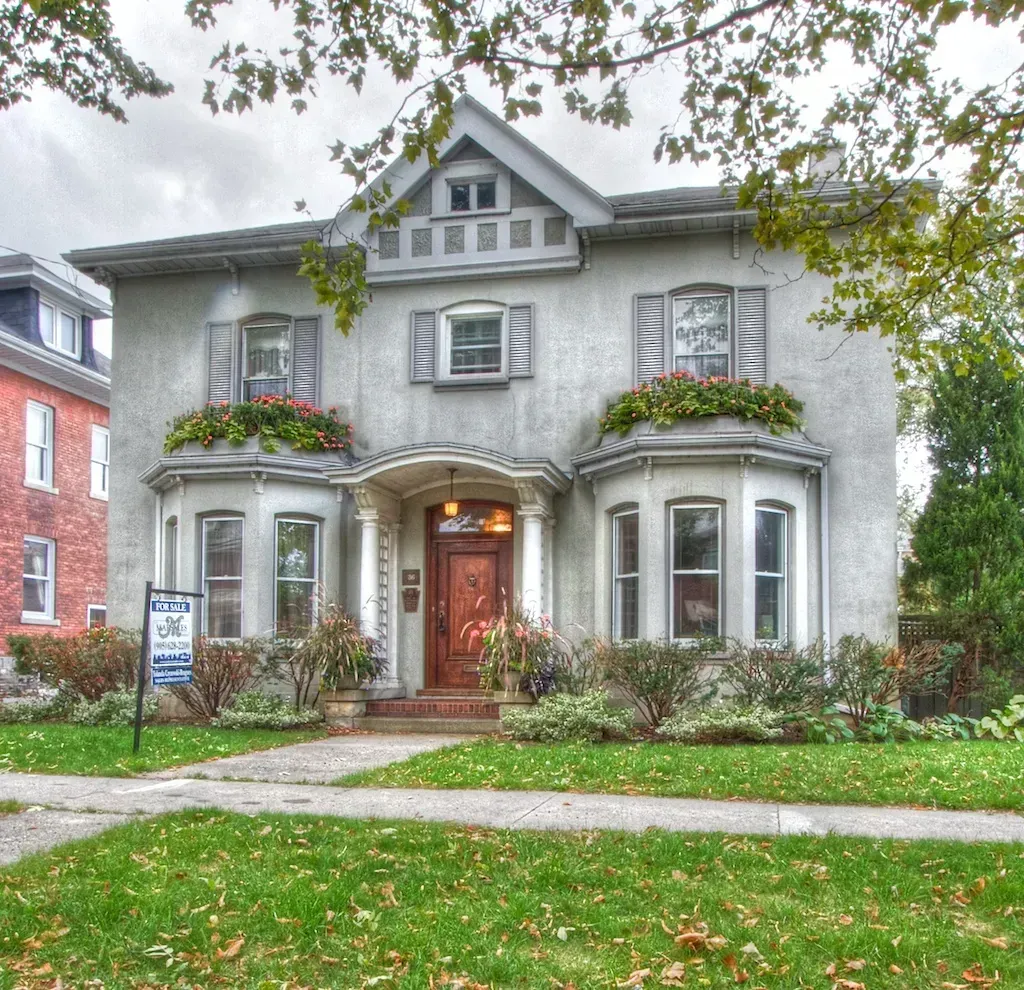
Experts predicted a wave of boomer downsizing would flood the market with inventory. It hasn’t happened. Numbers suggest roughly 90% of homes owned by boomers won’t hit the market until at least the 2030s, and the percentage of never-sellers is trending in the wrong direction.
Just 10% of boomers plan to sell within the next five years, down from 15% in 2024. The age of 80 is when the aging-out process or downsizing typically begins, and the baby boomer generation includes people born between the mid-1940s and mid-1960s, so we still have a long way to go. Demographics don’t tsunami – they trickle.
The Hidden Costs of Aging in Place

Some 55% of boomer owners say they prefer to age in place, 44% point to their paid-off mortgage, and 36% simply don’t want to start over at their older age. The number aging in place has risen eight percentage points from 47% the previous year.
However, less than 5% of the U.S. housing supply is accessible for aging populations. Retrofitting homes for wheelchairs, installing grab bars, and modifying bathrooms costs tens of thousands – sometimes hundreds of thousands – of dollars. Something as common as a roof replacement can eat up a fixed retirement income, as can renovations to ensure accessibility with age.
The Millennial Squeeze: Locked Out and Paying More
Millennials own less than two-thirds of the real estate Baby Boomers did at the same age, highlighting affordability pressures, student debt, and delayed entry into homeownership. The generational wealth gap is staggering.
Boomers control roughly $70 trillion in wealth and own 41% of all real estate in the United States, while millennials hold a mere fraction of that wealth and are saddled with record levels of student, auto, and credit card debt. Many young families are forced into rental markets where millennials with kids take up one-quarter of three-bedroom-plus rentals in the U.S. – paying someone else’s mortgage instead of building their own equity.
Policy Paralysis and the Path Forward

Many areas where baby boomers live have zoning that only allows single-family homes, which means when older adults decide their current homes are too big, they basically have to move out of their neighborhoods, yet people want to age in their communities.
Some creative solutions are emerging. Accessory dwelling units – backyard cottages or converted garages – offer ways for boomers to downsize on their own property while younger generations move into the main house. Multi-generational housing is making a comeback. Yet boomers own 28% of the country’s large homes, keeping family-size housing locked up, and experts warn that ownership could turn hereditary, not based on merit, but on inheritance.