Don’t Book Yet: 15 Countries Americans Regret Visiting Most
Picture this: you’ve saved up for months, planned every detail of your dream vacation, and finally landed in that exotic destination you’ve been fantasizing about. Then reality hits you like a freight train. The beaches are mobbed with tourists, vendors won’t stop harassing you, and suddenly you’re wondering if you should’ve just stayed home. Travel regret is real, folks, and it’s more common than you might think. Americans are increasingly vocal about destinations that didn’t live up to the hype, whether due to aggressive scams, overcrowding, safety concerns, or just plain disappointment. Let’s be real: not every country deserves a spot on your bucket list.
Egypt: Ancient Wonders Meet Modern Headaches
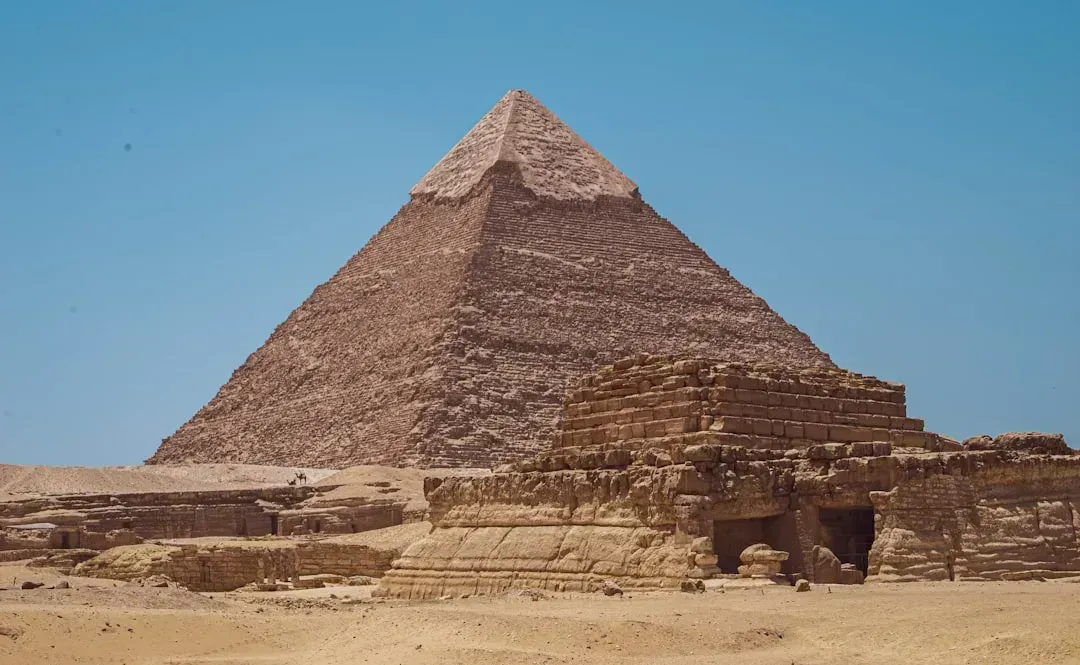
According to traveler forums, Egypt is one of the most consistently regretted destinations due to aggressive touts and poor infrastructure. Sure, the pyramids are breathtaking, and the history is unmatched anywhere on Earth. However, tourists should beware of overcharging and scams in tourist areas, with aggressive vendors appearing in shops, at temples, and archaeological sites. The constant harassment becomes exhausting fast. Locals will tell you that you need a guide while traveling to famous attractions such as the pyramids and museums, which is partly true as travelers can easily miss key information, creating a confusing environment where you can’t tell genuine help from a scam. Many travelers report feeling like walking ATMs rather than welcomed guests, with every interaction seemingly designed to extract money.
Morocco: Instagram Dreams Crushed by Reality
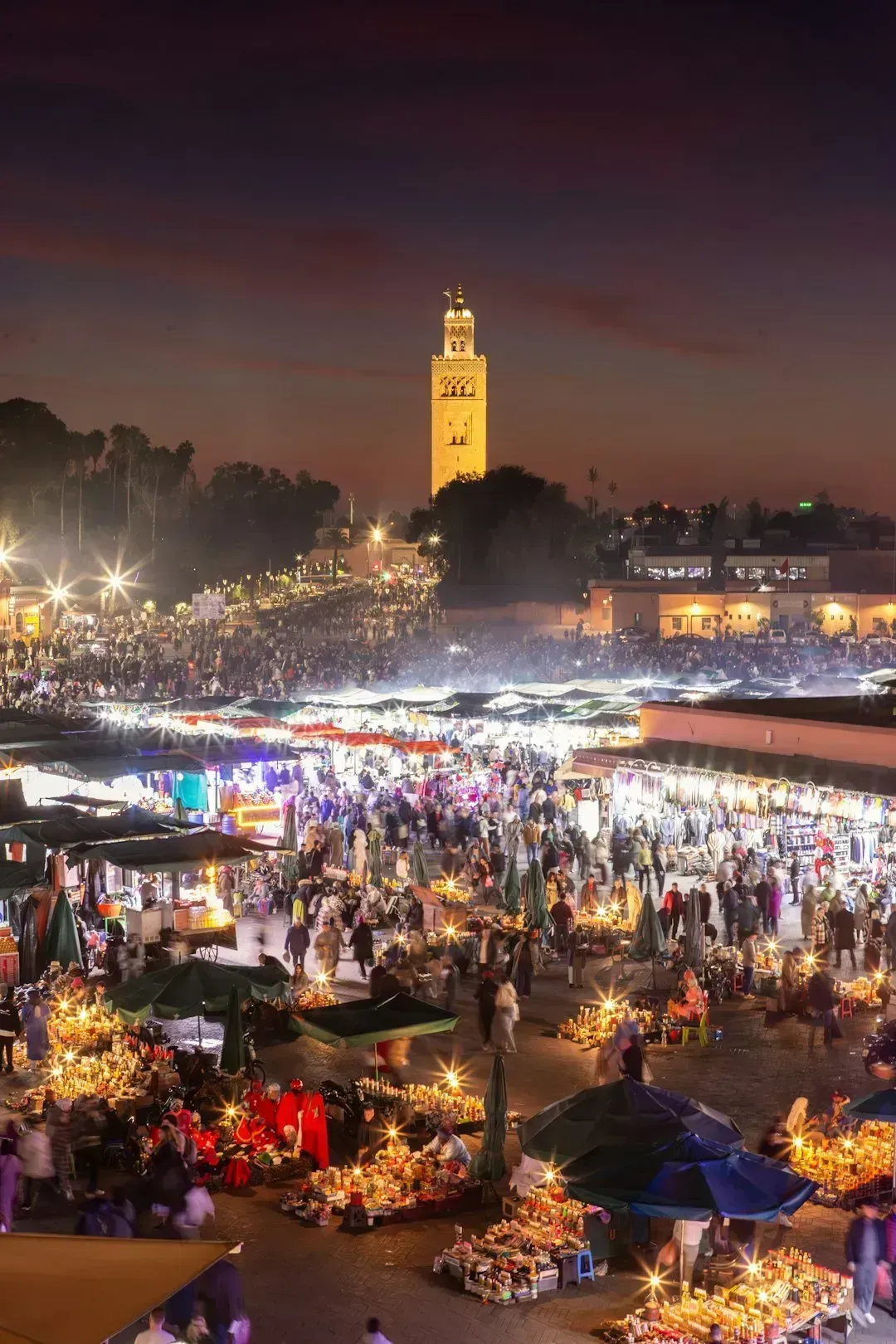
Experienced travelers have reported Morocco as particularly hostile, being screamed and shouted at for resisting scams. That’s quite a distinction, honestly. The country’s riads and colorful markets flood social media feeds with gorgeous imagery, setting up expectations that simply can’t be met on the ground. Morocco’s stunning architecture, dramatic landscapes, and rich cultural heritage attract millions of visitors annually, but many find the experience so exhausting that they struggle to appreciate the country’s undeniable beauty, with constant pressure from aggressive vendors transforming every public space into a gauntlet of sales pitches and negotiation battles. Walking through the famous souks becomes an endurance test rather than a cultural experience.
India: Culture Shock Overload
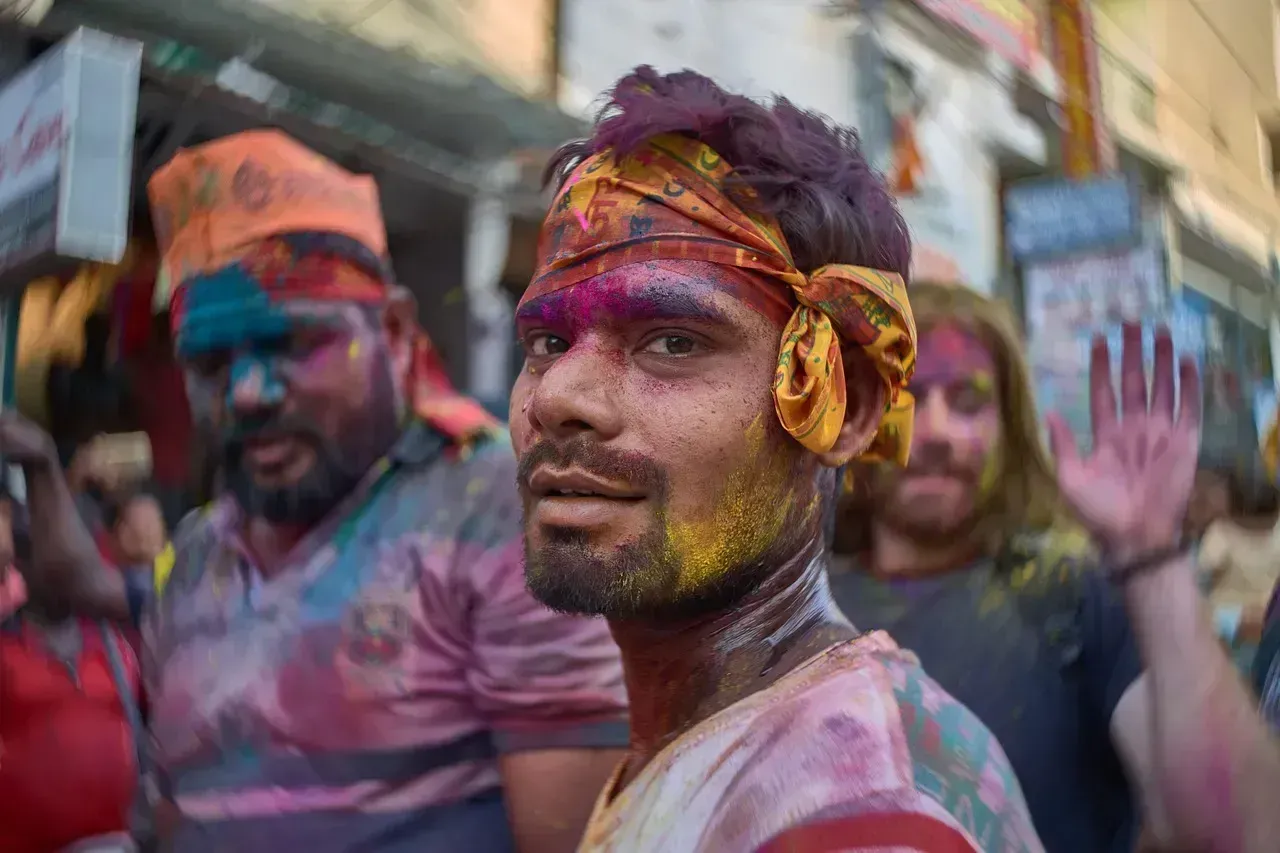
India presents one of the most intense travel experiences Americans can encounter, and not always in a good way. Food safety issues plague many visitors, with gastrointestinal problems affecting such a high percentage of tourists that illness becomes an expected part of the Indian experience rather than an unfortunate exception, with even seasoned travelers often finding themselves spending significant portions of their trips recovering. The sensory overload hits differently when you’re sick in your hotel room instead of exploring temples. The poverty, pollution, and crowds can be overwhelming for travelers accustomed to Western comforts. While India offers incredible spiritual and cultural experiences, many Americans find the reality far more challenging than guidebooks suggest.
Jamaica: Paradise Lost to Aggressive Tourism
Jamaica left many travelers feeling harassed and disappointed by aggressive tactics that overshadowed the island’s natural beauty, with its tourism industry evolving in ways that often make visitors feel like walking ATMs rather than welcomed guests. The island’s stunning beaches and reggae culture exist, for sure, but accessing them requires running a gauntlet of persistent vendors. Aggressive vendors and hustlers make walking through tourist areas feel like running a gauntlet, with relentless pressure to buy everything from weed to wooden carvings, while the poverty contrast shocks Americans who expected tropical bliss but instead see crumbling infrastructure and desperate economic conditions just minutes from luxury resorts. Many tourists report feeling trapped within their resort compounds, afraid to venture out and experience authentic Jamaican culture.
Dubai: All That Glitters Isn’t Gold
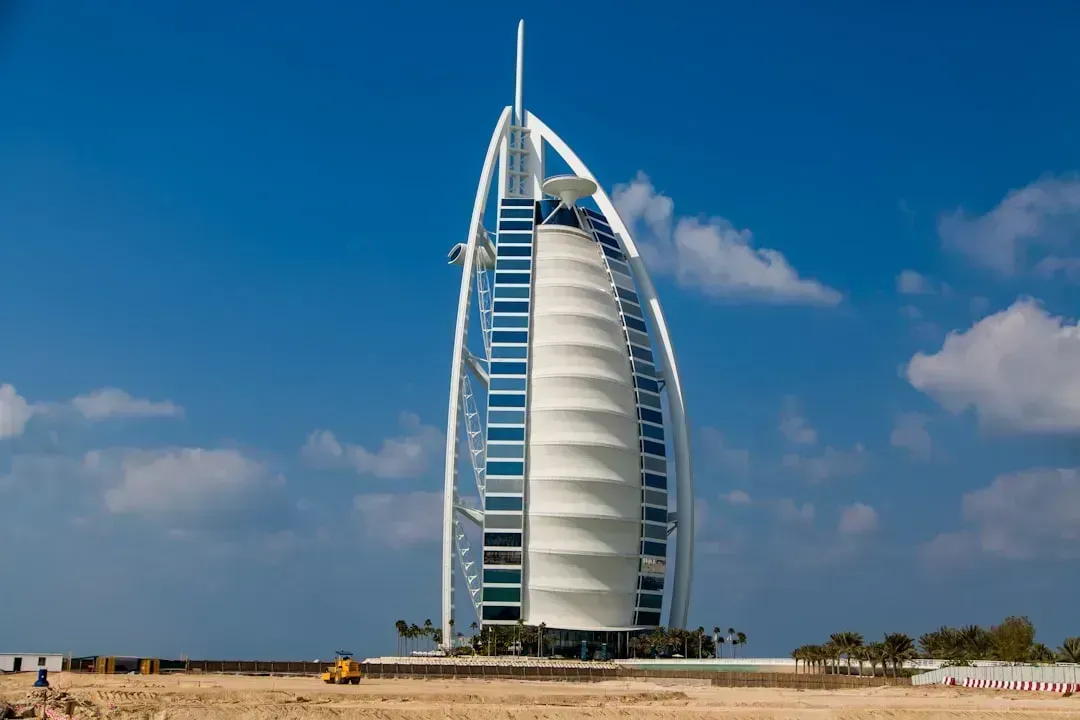
Many disappointed travelers have found Dubai’s artificial opulence and over-the-top luxury soulless, with this gleaming metropolis built seemingly overnight from desert sands creating experiences that many find as artificial as the city itself, while the city’s relentless focus on superlatives creates tourist experiences that feel more like checking boxes than creating memories. Here’s the thing: if you love shopping malls and skyscrapers, Dubai might work for you. Dubai lacks any real culture, being rather a raft of never-ending shopping malls, tedious world records, and boutique experiences all purposely contrived to price the riff-raff out, with Dubai being expensive. The extreme heat limits outdoor activities for much of the year, forcing visitors into air-conditioned consumerism. The lack of authentic cultural experiences leaves many feeling empty after spending thousands on what amounts to an expensive, sanitized theme park.
Philippines: Infrastructure Reality Check
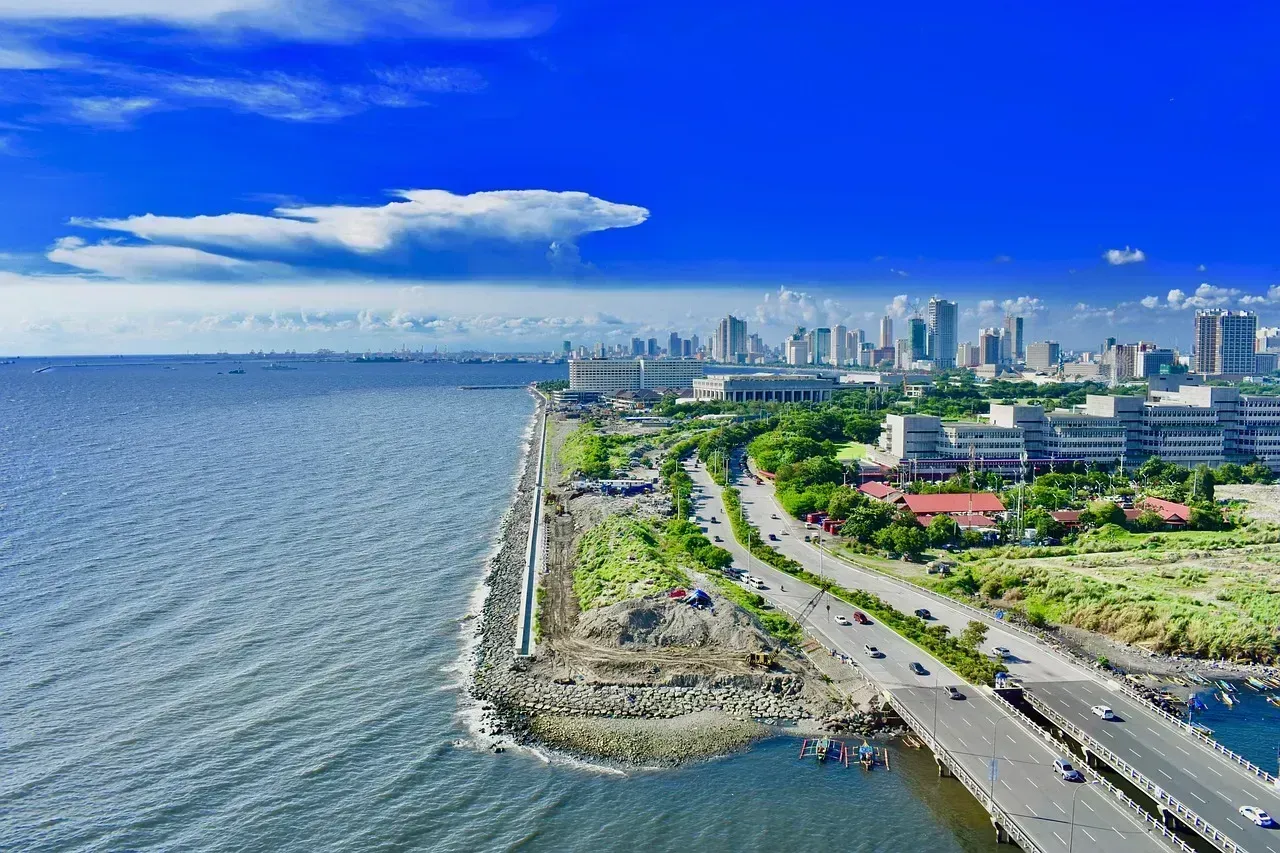
The Philippines boasts some of the world’s most beautiful beaches and warmest people, creating expectations that crash against harsh realities. The infrastructure is crumbling with power outages happening multiple times daily, internet that barely functions, and water you absolutely cannot drink under any circumstances. Transportation between islands becomes an ordeal involving delayed flights, crowded ferries, and roads that would make your chiropractor wince. Getting around requires expensive private drivers because public transportation feels unsafe for foreigners. You’ll spend a fortune on private drivers because public transportation is considered suicidal for foreigners, stay in expensive gated compounds because nowhere else is safe, and still feel anxious every time you venture out. Many Americans find themselves questioning whether those Instagram-worthy beaches justified the stress marathon.
Greece: Santorini Sunsets Can’t Erase Overtourism
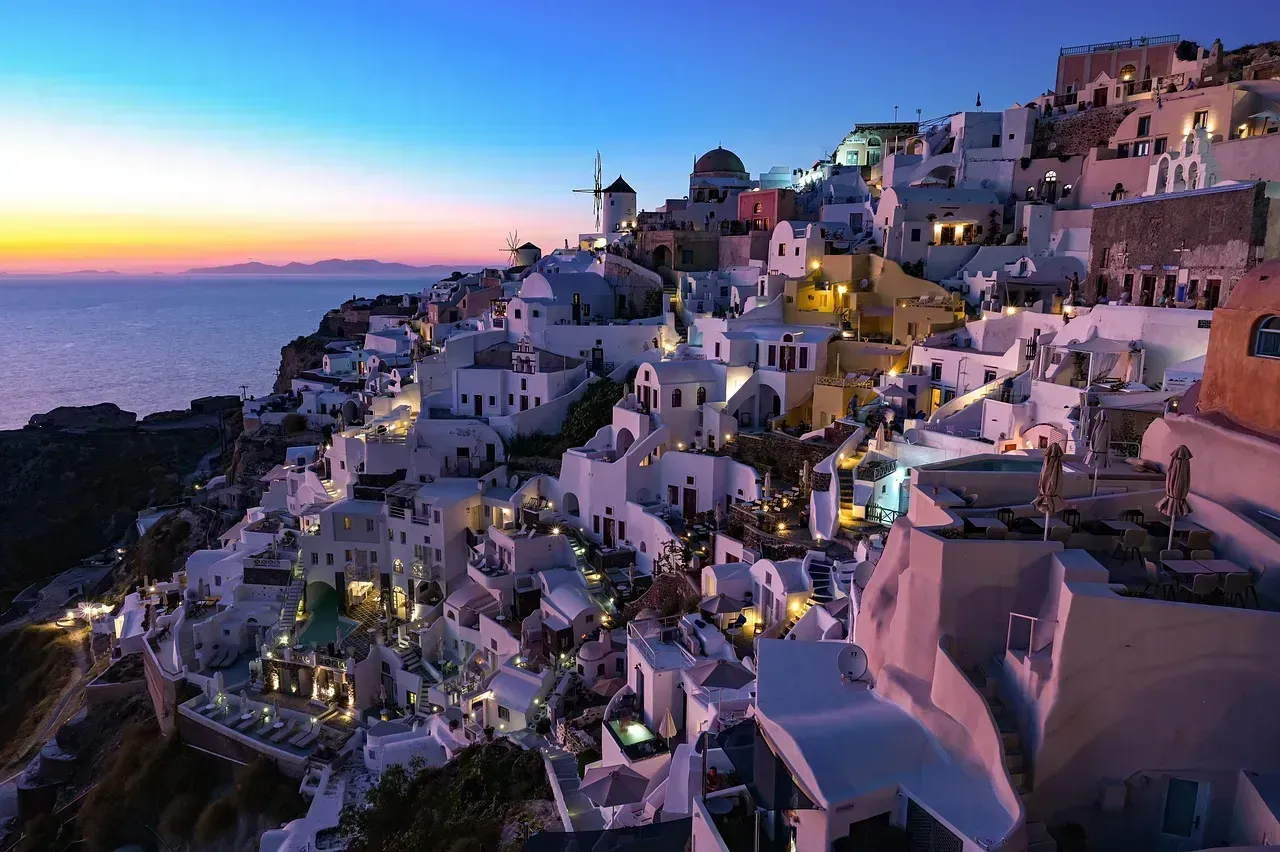
Greece sells you on whitewashed buildings tumbling down cliffsides and endless blue seas, but the reality hits different when you’re shoulder-to-shoulder with cruise ship passengers fighting for that perfect Oia sunset photo, with Santorini becoming so overcrowded that locals are literally begging their government to limit visitors. Those iconic blue-domed churches appear in photos, sure. Getting that shot requires arriving at dawn and battling hundreds of other tourists with the same idea. Athens disappoints many Americans who expect ancient glory but instead find graffiti covering every surface and aggressive street vendors selling knock-off goods outside the historic sites. The summer heat combined with massive crowds creates conditions where enjoying ancient wonders becomes nearly impossible.
Turkey: Scams Overshadow Stunning History
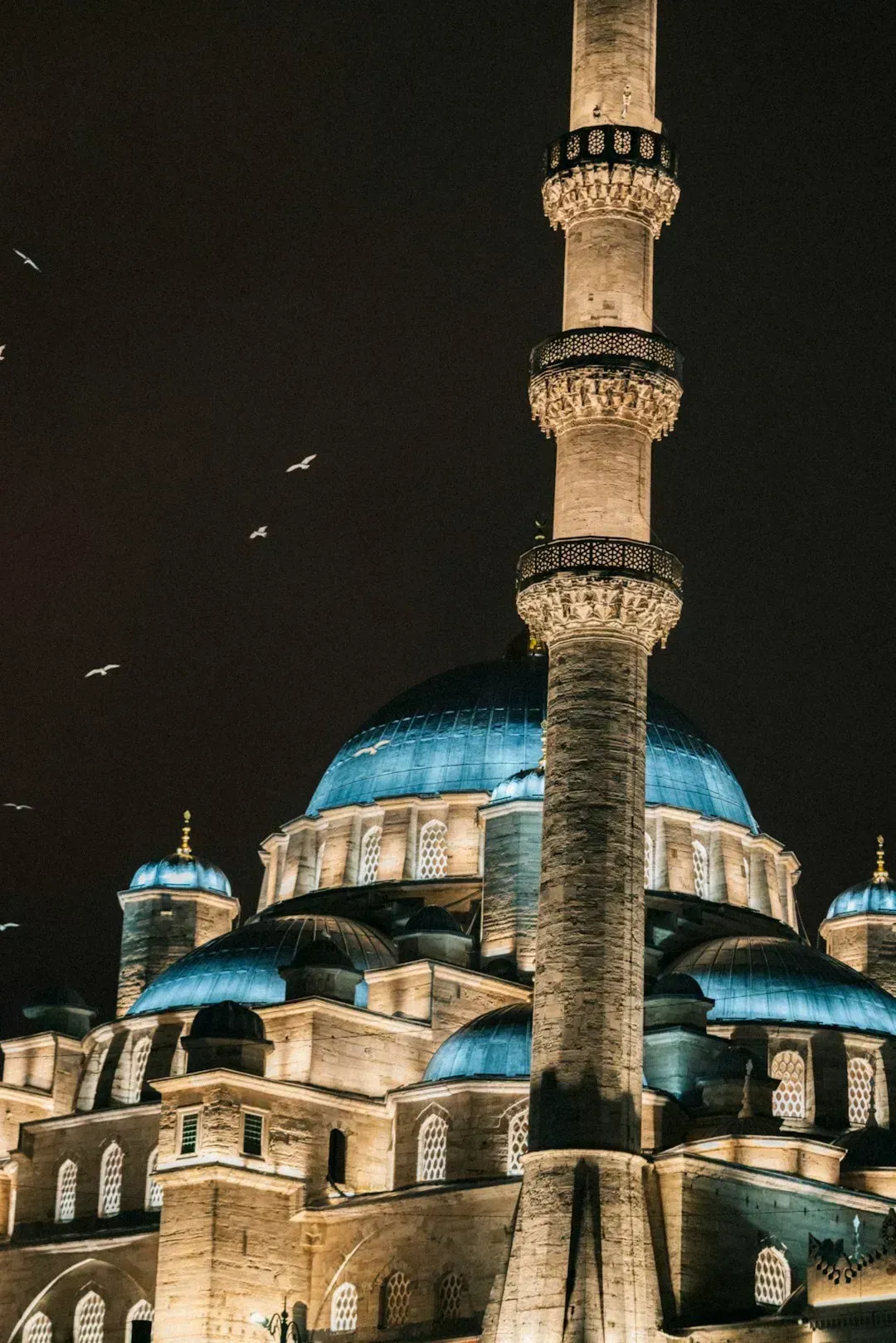
Turkey offers incredible history, from Byzantine churches to Ottoman palaces, creating legitimate wanderlust. The hot air balloons over Cappadocia create magical Instagram moments and Turkish hospitality exists in less touristy areas, but most Americans leave feeling like they spent their vacation defending themselves rather than enjoying one of the world’s most historically significant destinations. Istanbul’s Grand Bazaar and tourist areas swarm with aggressive vendors running elaborate scams. Restaurant scams involve bringing different, cheaper dishes than ordered, then refusing to acknowledge the mistake due to convenient language barriers. Many travelers report exhaustion from constantly being on guard, unable to relax and actually enjoy the stunning architecture and culture that initially drew them to Turkey.
Thailand: Overcrowded Paradise
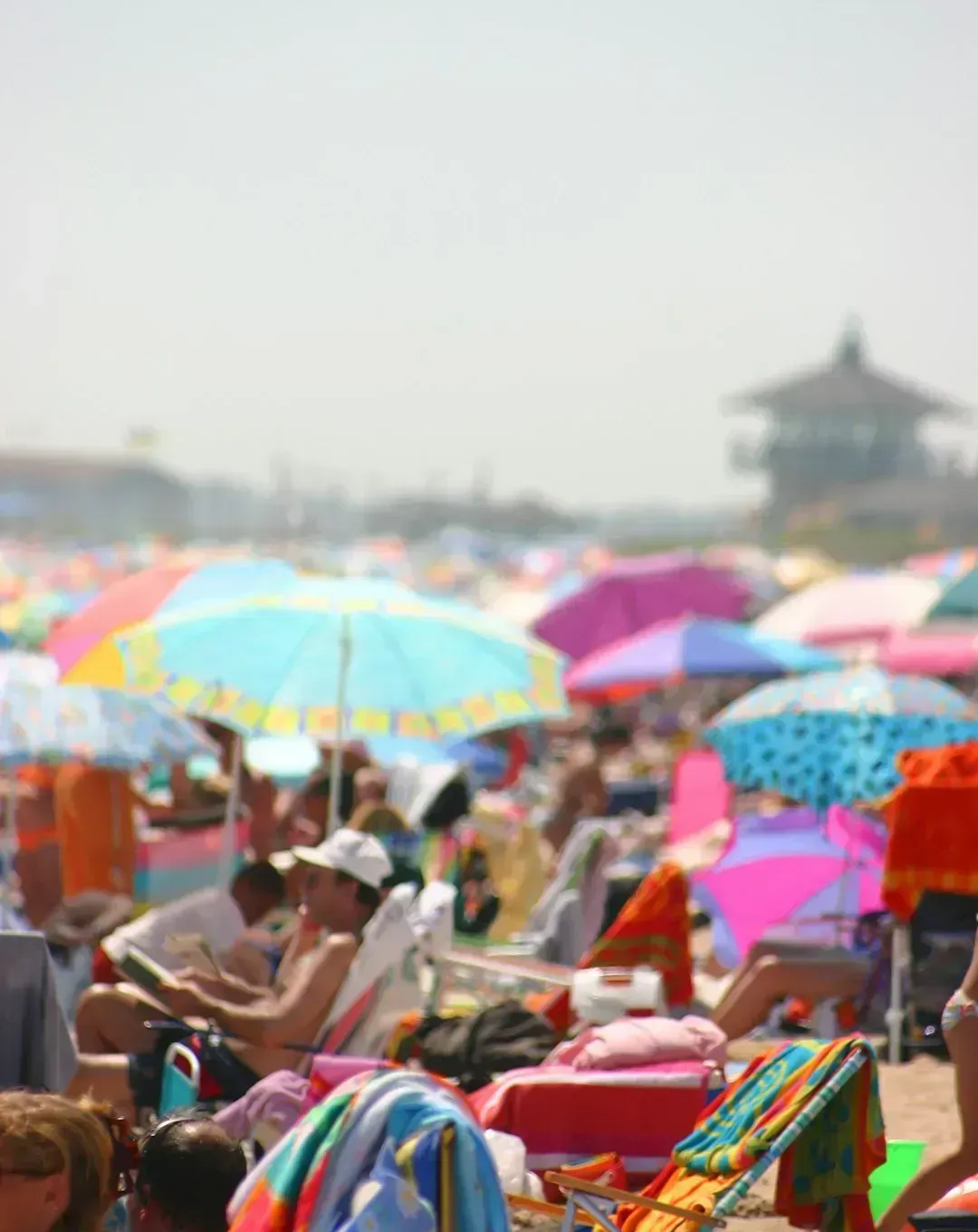
Thailand remains massively popular with American tourists, which has become part of the problem. The country’s famous beaches and temples now groan under the weight of overtourism. Phuket and Bangkok, once exotic destinations, now feel like spring break destinations overrun with drunk tourists and commercialization. Scams run rampant, from tuk-tuk drivers refusing to use meters to gem shops running elaborate cons on unsuspecting visitors. The pollution in Bangkok can be shocking, with air quality reaching hazardous levels. While northern Thailand and less-visited islands still offer authentic experiences, the main tourist trail has become a conveyor belt of disappointed travelers realizing they’re experiencing a theme park version of Thai culture.
France: Paris Syndrome Is Real
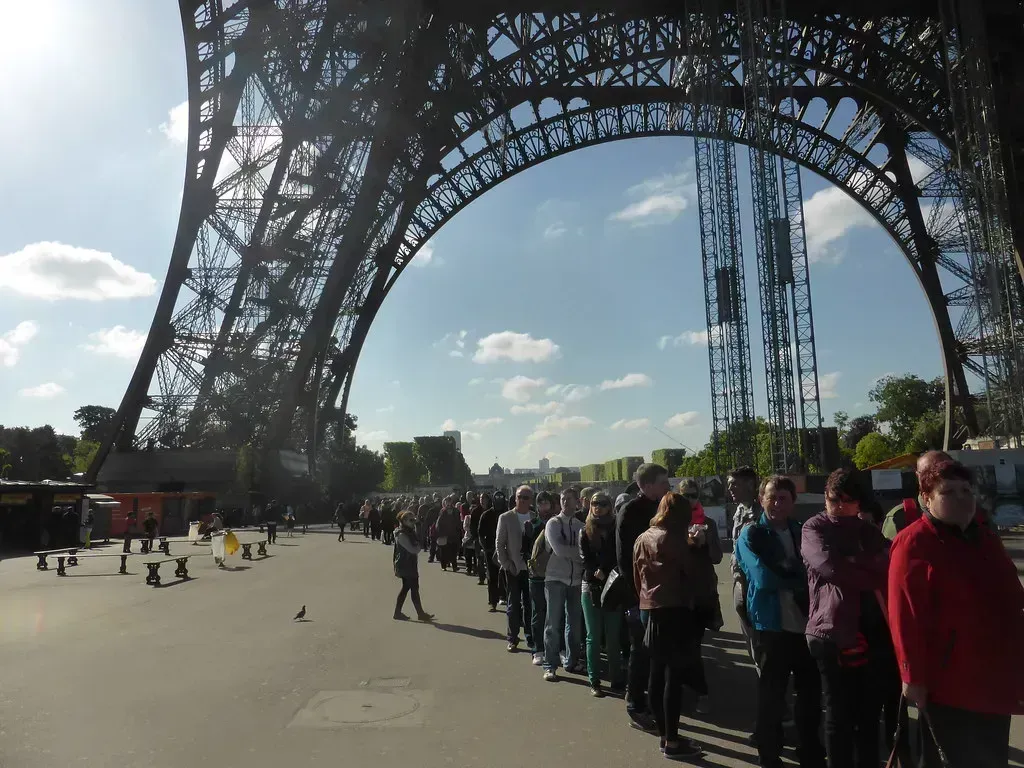
The majority of complaints centered on the amount of queuing needed to get into the Eiffel Tower, and excessive crowding preventing them from enjoying the views, with one tourist claiming to wait over one hour to reach the summit and commenting that the Eiffel Tower is one of the most overrated tourist attractions. Paris syndrome actually exists as a documented psychological condition where tourists experience severe disappointment when the city doesn’t match their romanticized expectations. The reality involves pickpockets working the metro, rude service in overpriced cafes, and crowds making iconic sites unbearable. Dog waste covers sidewalks, strikes shut down transportation randomly, and the glamour exists mainly in filtered Instagram posts. Many Americans report feeling unwelcome, with locals showing visible disdain for tourists attempting broken French.
Dominican Republic: Resort Prison Syndrome
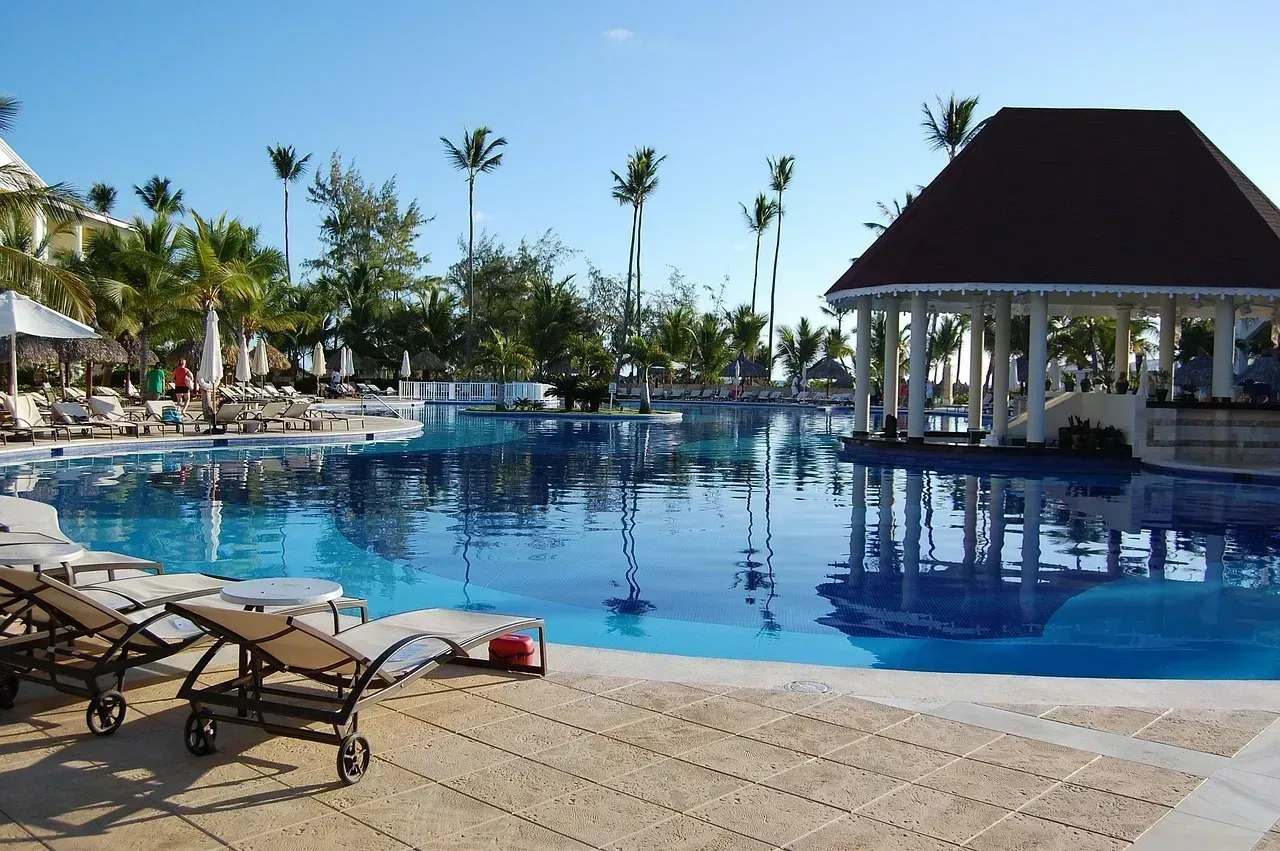
The Dominican Republic sells all-inclusive resort packages as Caribbean paradise, conveniently omitting important details. The poverty contrast shocks Americans who expected tropical bliss but instead see crumbling infrastructure and desperate economic conditions just minutes from luxury resorts. Safety concerns keep tourists trapped within resort walls, afraid to explore beyond manicured grounds. Food and water safety issues plague even upscale properties, with travelers falling ill despite staying in expensive accommodations. The beaches look beautiful from resort balconies, sure. Venturing onto public beaches means dealing with aggressive vendors and uncomfortable safety situations. Many travelers leave feeling they experienced a sanitized, artificial version of Caribbean culture while spending thousands for the privilege.
China: Red Tape and Restrictions
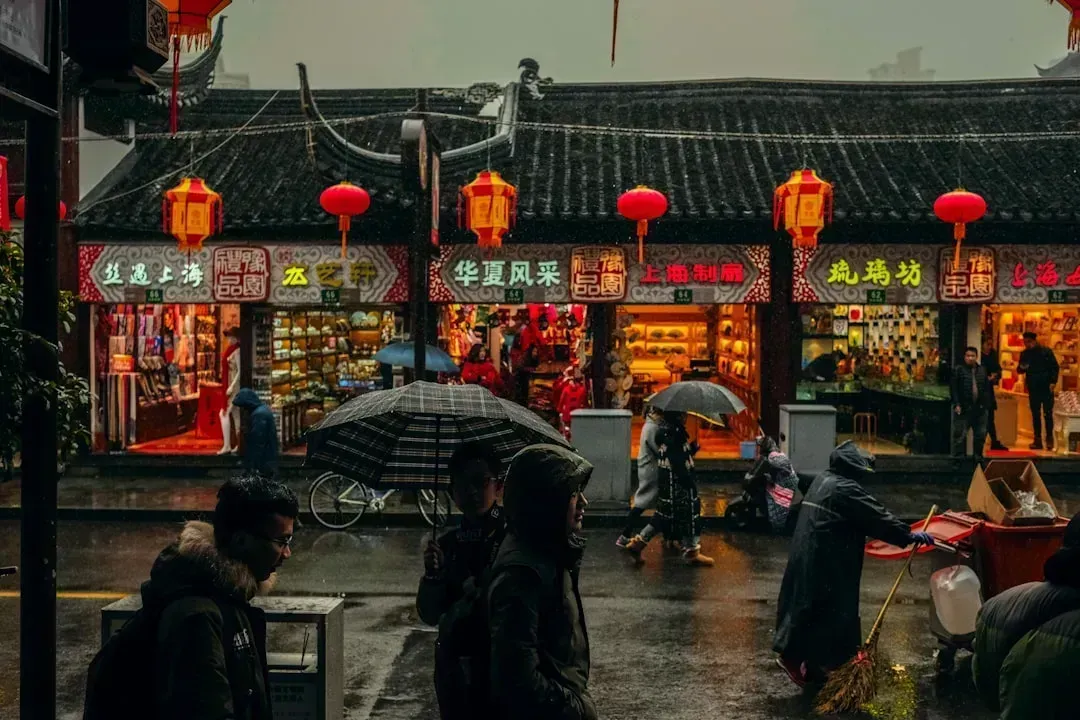
China presents unique challenges that leave many American travelers frustrated and overwhelmed. Visa requirements and entry policies create barriers for many tourists. The Great Firewall blocks familiar apps and websites, leaving visitors digitally stranded. Language barriers prove more challenging than in other Asian countries, with English speakers extremely rare outside major hotels. Pollution in cities reaches levels that shock Americans accustomed to clean air standards. The extensive surveillance and restricted movement create discomfort for travelers valuing freedom.
Italy: Pickpocket Paradise
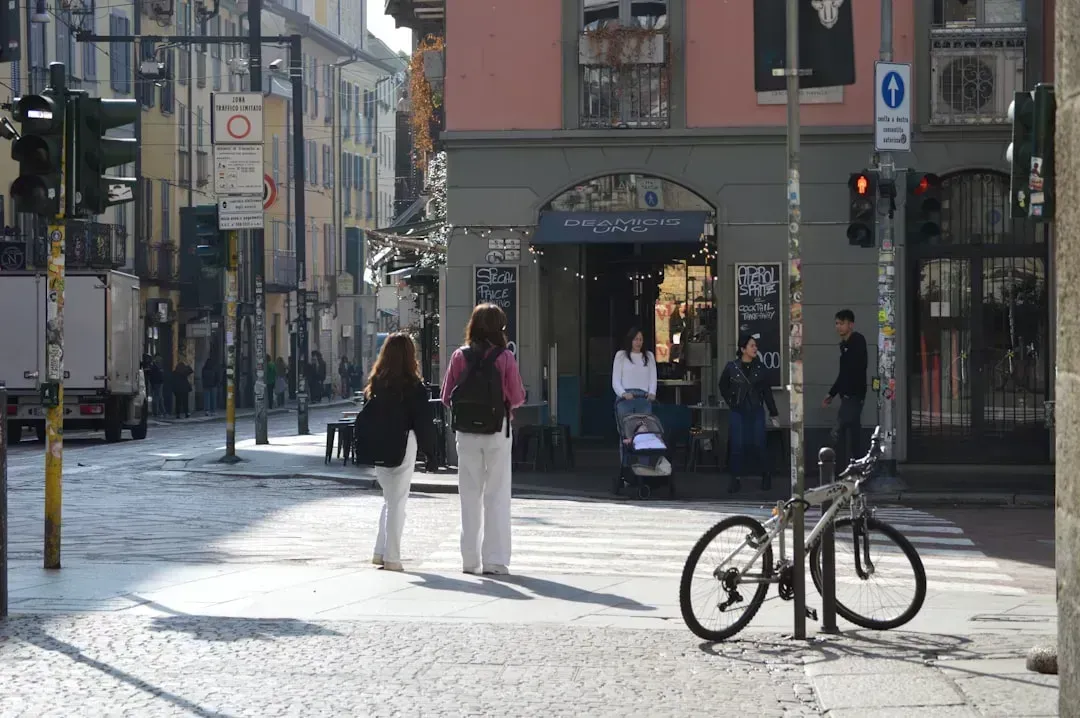
Italy boasts incredible art, architecture, and cuisine that justify its popularity. The overwhelming crowds and rampant theft, however, turn dream vacations into stress-filled nightmares. Rome, Venice, and Florence have become theme parks where aggressive pickpockets work tourist areas with impunity. Barcelona’s 1.6 million inhabitants are dwarfed by its 32 million annual visitors, leading to widespread protests by residents who feel overrun, with central boulevard Las Ramblas now 90% tourists and 10% pickpockets, and Italian cities face similar issues. Restaurant scams add insult to injury, with tourists charged for bread they didn’t order and water they didn’t request. Venice has become so overrun that walking through St. Mark’s Square feels like navigating a human traffic jam. Many travelers report spending more time guarding belongings than enjoying Renaissance masterpieces.
Mexico: Beautiful But Dangerous
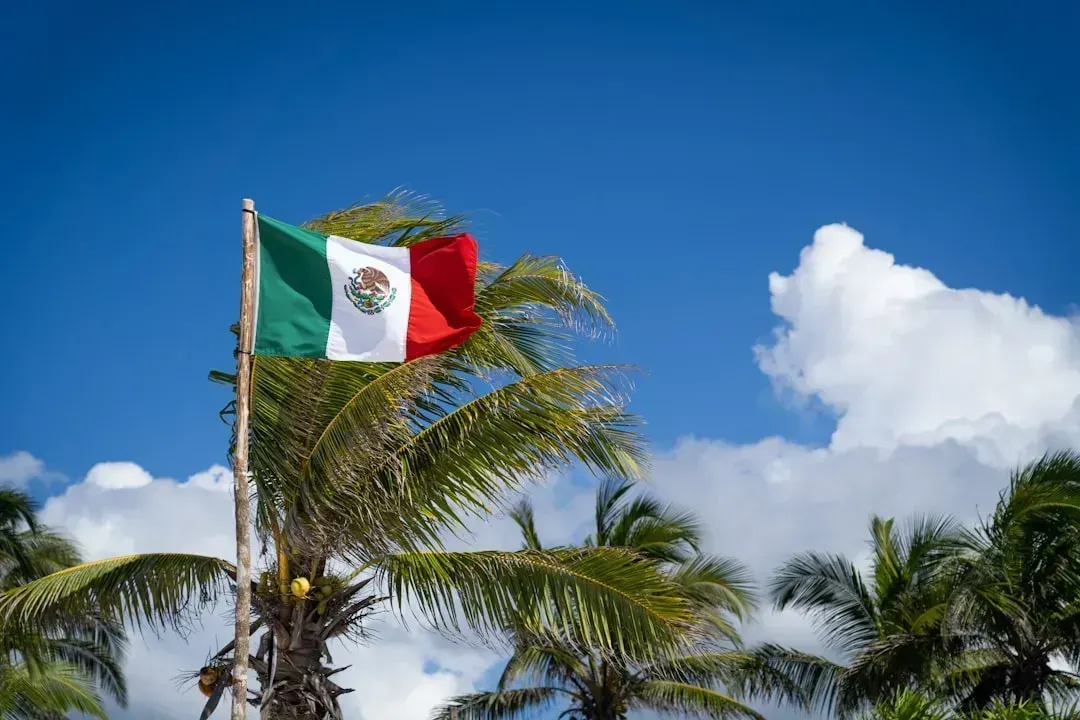
Mexico remains geographically close and culturally rich, attracting millions of American tourists annually. Rising violence in tourist areas has created genuine safety concerns that guidebooks downplay. Cancun and other resort areas have experienced cartel violence spilling into zones previously considered safe. State Department travel advisories indicate complex and evolving security situations in Mexico. Police corruption means tourists can’t rely on authorities for help when problems arise. Food and water safety remains inconsistent, with travelers getting sick even in upscale resorts. The beautiful beaches and ancient ruins exist, sure. Getting there and back safely requires more vigilance than many Americans expect from a beach vacation.
Indonesia: Bali’s Overtourism Crisis
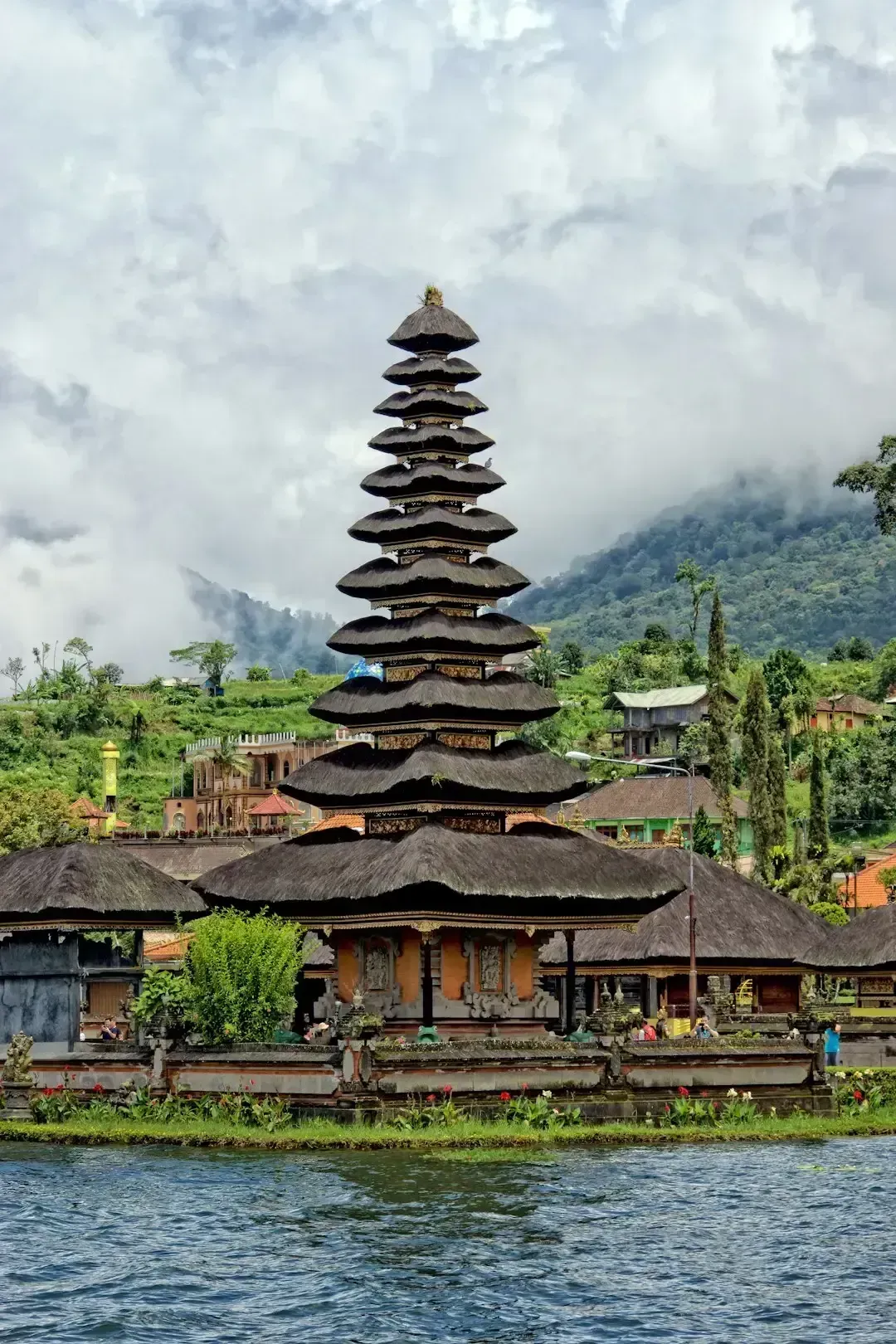
Kuta, a resort town in southern Bali, has been completely and utterly ruined by tourists, with the whole place overrun with young, drunk party tourists during Australian spring break, creating scenes more reminiscent of a frat party than a spiritual paradise. The traffic in popular areas like Canggu has become unbearable, with constant gridlock making simple errands take hours. Pollution mars the beaches that drew tourists in the first place, with trash washing up on shores during rainy season. The once-thriving yoga and wellness scene has given way to commercialization and Instagram posing. While quieter areas of Bali still offer authentic experiences, most tourists stick to overcrowded hotspots and leave disappointed. The gap between Bali’s marketed image as a spiritual sanctuary and its reality as an overtouristed party island keeps growing wider.
What do you think? Have you visited any of these destinations and had a different experience? Sometimes the best trips happen when you skip the overhyped spots and discover places where tourists haven’t yet ruined the magic.
Why These Destinations Keep Disappointing
Here’s the thing nobody wants to admit: most of these regretted destinations aren’t actually bad places, they’re just victims of their own hype and our unrealistic expectations fueled by social media. When you’ve seen thousands of perfectly filtered photos of a place, reality can’t possibly measure up to the fantasy you’ve built in your head. Tourism boards and influencers have sold us airbrushed versions of these countries, conveniently leaving out the crowds, scams, and infrastructure problems that everyday travelers face. The disappointment often stems from poor planning too, with Americans booking trips during peak season, staying in tourist traps, and following the same exhausted itineraries as millions of others. What’s really frustrating is that many travelers never venture beyond the famous Instagram spots to discover the authentic experiences hiding just a few miles away. The countries themselves haven’t necessarily changed, but the way we travel and what we expect from travel has shifted dramatically, creating this massive gap between Pinterest-perfect dreams and messy, complicated reality.
The Real Cost Beyond Your Wallet

Let’s talk about something most travel blogs won’t mention: the emotional toll of a disappointing trip runs way deeper than just wasted money. You’ve burned precious vacation days, spent months getting excited, dealt with jet lag and exhaustion, only to realize you’re not having the transformative experience everyone promised you’d have. That crushing disappointment when you’re standing in front of a famous landmark surrounded by selfie sticks and tour groups, wondering why you don’t feel the magic, hits differently than buyer’s remorse over a bad purchase. Many Americans report feeling guilty for not enjoying these trips, like something’s wrong with them rather than the overblown expectations, which creates this weird shame spiral where you can’t even admit you had a bad time. The psychological letdown affects future travel plans too, making people either overly cautious about trying new destinations or pushing them to spend even more money chasing that elusive perfect vacation. What really stings is coming home to friends asking ‘How was it?’ and having to fake enthusiasm while secretly calculating how many mortgage payments you just blew on stress and disappointment.