4 Countries Where $1,000 a Month Delivers a High-End Lifestyle
Picture yourself waking up to ocean breezes, exploring centuries-old architecture, and dining on fresh cuisine without checking the price tag. Sounds like a dream requiring a fat retirement account, right? Think again. While rent in major American cities devours half of most paychecks, there are corners of the world where a thousand dollars buys something completely different: freedom, comfort, and experiences you’d never afford back home. These aren’t remote villages without WiFi or healthcare, either. We’re talking about vibrant cities with modern amenities, thriving expat communities, and infrastructure that actually works.
The catch? You’ve got to be willing to think differently about where “home” really means.
Vietnam: Where Your Dollars Stretch Like Never Before
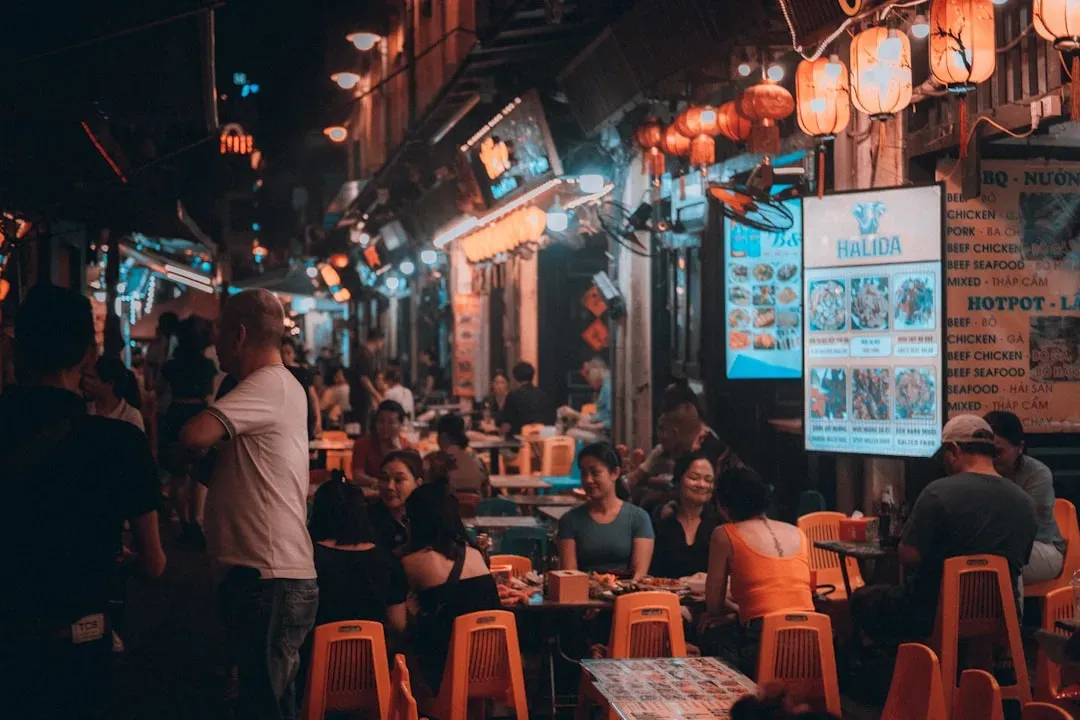
Vietnam stands as one of the most affordable countries in Southeast Asia, with an average cost of living around $700-$800 per month for a single person. Let’s be real, that’s not just cheap. That’s borderline shocking when you factor in what you actually get for that money. A one-bedroom furnished apartment in Hanoi’s Old Quarter costs around $370 per month. You’re not stuck in some dingy studio, either.
The food scene alone justifies the move. Street food ranges from $1 to $4 per meal, while local restaurants serve full meals for $3 to $8. That means you could eat three restaurant meals every single day and still come out way under budget. Fresh markets overflow with tropical produce at prices that feel like pricing errors compared to Western supermarkets.
Getting around won’t drain your wallet. Local buses cost about 30 to 80 cents per ride, while metered taxis charge around 40 to 50 cents per kilometer. Vietnam has emerged as a favorite in Southeast Asia for retirees and remote workers, with a comfortable lifestyle achievable on $1,000 to $2,000 per month covering rent, food, and entertainment, while local markets offer fresh, inexpensive produce and dining out remains highly affordable. The country stretches over a thousand miles from north to south, giving you mountains, beaches, and bustling cities to explore without needing a plane ticket.
Mexico: Familiar Comforts at Unbelievable Prices

Here’s the thing about Mexico that nobody tells you upfront. In cities like Mérida, Guanajuato, and Oaxaca, apartments rent for $300 to $500 monthly depending on size and location, with street food costing as little as $2 to $4 for full meals. You’re close enough to drive home if needed, the timezone works for remote jobs, and English speakers aren’t exactly rare in expat hubs.
The estimated monthly costs for a single person or couple typically range from $1,500 to $3,000, depending on lifestyle and city choice, which might sound higher than Vietnam at first glance. However, the real value emerges in what that money buys you. Many North Americans discover financial benefits of living in Mexico with a cost reduction of 50 to 70 percent compared to home countries, potentially lowering monthly expenses from $4,000 in a US city to around $1,500 to $2,000 in destinations like Puerto Vallarta or San Miguel de Allende.
Healthcare deserves its own paragraph because it’s genuinely impressive. Private health insurance ranges from $50 to $300 monthly, with many expats choosing to pay directly for medical expenses given the affordability. A doctor’s visit that would cost hundreds in the States? Try twenty bucks. Prescription medications? Often a fraction of US prices without the insurance headaches.
Transportation costs basically disappear compared to car-dependent American life. Monthly transit passes cost around $20 to $30, compared to over $100 in many US cities. Many expats ditch car ownership entirely, relying on cheap Ubers and walkable neighborhoods. The savings compound quickly when you’re not paying insurance, gas, parking, and maintenance.
Thailand: The Gold Standard for Affordable Luxury
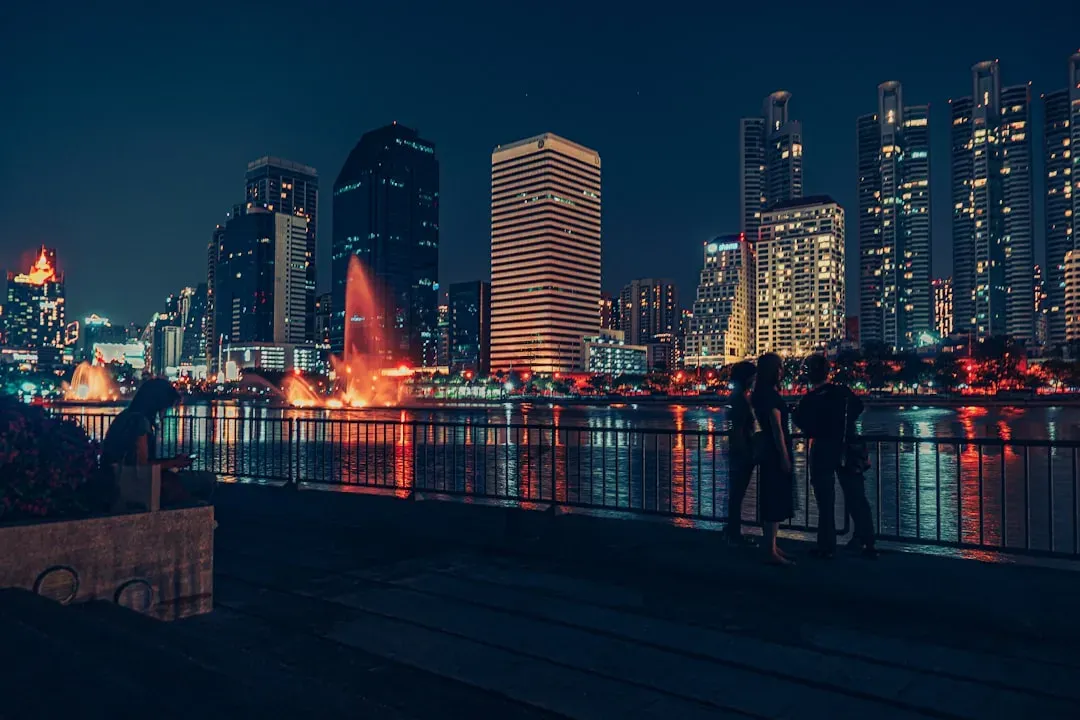
Thailand remains a top choice for affordable luxury living in Southeast Asia, with apartments in good Bangkok neighborhoods renting for about $300 monthly, plus utilities adding $50 to $70. I know it sounds crazy, but you can genuinely live in one of Asia’s most dynamic capitals for less than what most Americans pay just for rent in flyover country.
The infrastructure is what sets Thailand apart from other budget destinations. Thailand launched its Destination Thailand Visa in 2024, offering five-year access with 180-day stays per entry for just 10,000 THB ($291), a game-changing visa specifically targeting digital nomads and remote workers making long-term stays incredibly accessible and affordable. That’s the kind of forward-thinking policy that shows a country actually wants foreign residents, not just tourists.
Beyond Bangkok, Chiang Mai offers modern apartments starting at 7,500 to 15,000 THB ($225 to $450) monthly. This northern city has become legendary among digital nomads for good reason. Fast WiFi, coworking spaces everywhere, incredible food markets, and a relaxed pace that makes productivity feel natural rather than forced.
Healthcare quality rivals Western standards at prices that seem fictional. Thailand’s healthcare system is renowned internationally, with modern hospitals offering world-class treatment at a fraction of Western costs, making it particularly attractive for retirees. International hospitals in Bangkok employ English-speaking doctors trained abroad, with consultation fees under thirty dollars and procedures costing pennies on the dollar compared to American rates.
Indonesia: Tropical Paradise on a Shoestring
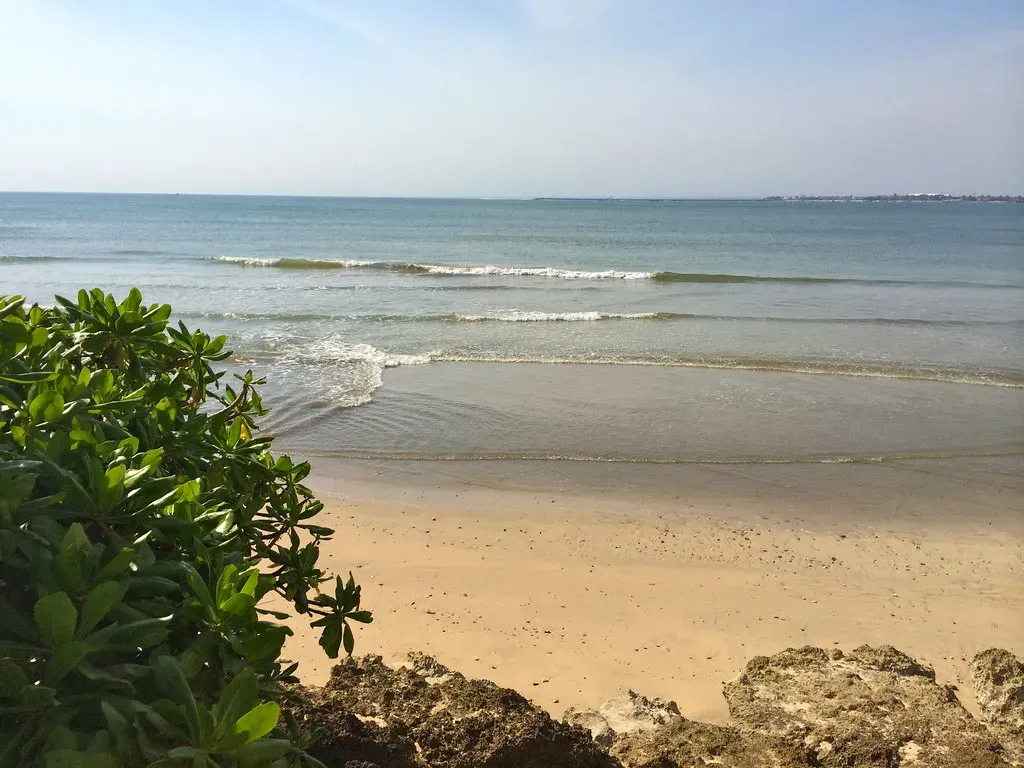
Indonesia is ideal for those seeking tropical beauty and low living costs, especially outside Bali’s tourist hubs, with monthly rent for simple villas or homes on islands like Lombok or rural Bali ranging from $200 to $400, while local meals cost as little as $1 to $3. Hard to say for sure, but Indonesia might actually be the cheapest option on this entire list once you factor in everything.
Expats in big cities like Jakarta and Bali only need to spend around $500 to $600 per month on living costs for a single person, and with $1,000 you will live a very comfortable life. The vast majority of that comfort comes from avoiding the obvious tourist traps that drive up prices. Seminyak and Canggu attract Instagram influencers with matching price tags, so look elsewhere.
Renting a one-bedroom villa near the beach in Seminyak costs $1,325 per month including utilities, internet, cable TV, and maid service every two weeks, but you can find more budget options for half the price or clean, comfortable housing for only $600 per month. That maid service detail isn’t a typo. Household help is genuinely affordable here, something completely out of reach for most middle-class Westerners back home.
The wellness and health scene is absurdly good value. Healthcare in Bali is modern, high-quality, and inexpensive, with a doctor’s consultation costing about $13, specialist visits from $30 to $55, a tooth filling about $30, and spa treatments with massage starting from $20. You could get a monthly massage habit, regular dental cleanings, and gym membership for what Americans pay for basic health insurance premiums.
Living on a grand a month isn’t about scraping by or sacrificing quality. It’s about choosing places where your currency actually works for you instead of against you. Vietnam offers adventure and incredible value. Mexico delivers proximity and familiarity. Thailand provides infrastructure and convenience. Indonesia brings tropical beauty at basement prices. The real question isn’t whether you can afford to live in these places. It’s whether you can afford not to explore the option. What lifestyle would you build if rent didn’t eat half your income?