10 Theories Once Mocked by Scientists That Are Now Backed by Evidence
Continental Drift: When Continents Were Thought to Be Frozen in Place

When Alfred Wegener proposed in 1912 that continents once formed a single landmass called Pangaea and had drifted apart over time, the scientific establishment ridiculed him. Wegener assembled many interlocking pieces of evidence to support his ideas, they were so radical that he was often ridiculed. The fossil record showed identical species on continents separated by vast oceans, yet scientists preferred the absurd notion of land bridges that somehow sank.
David Attenborough recounted asking a lecturer about continental drift and being told sneeringly that if he could prove there was a force that could move continents, then he might think about it, and that the idea was moonshine. By the 1960s, scientists had amassed enough evidence to support the missing mechanism, namely seafloor spreading, for Wegener’s hypothesis of continental drift to be accepted as the theory of plate tectonics. After his death, new evidence from ocean floor exploration and other studies rekindled interest in Wegener’s theory, ultimately leading to the development of the theory of plate tectonics.
Bacteria Causing Ulcers: The Germ Nobody Believed In
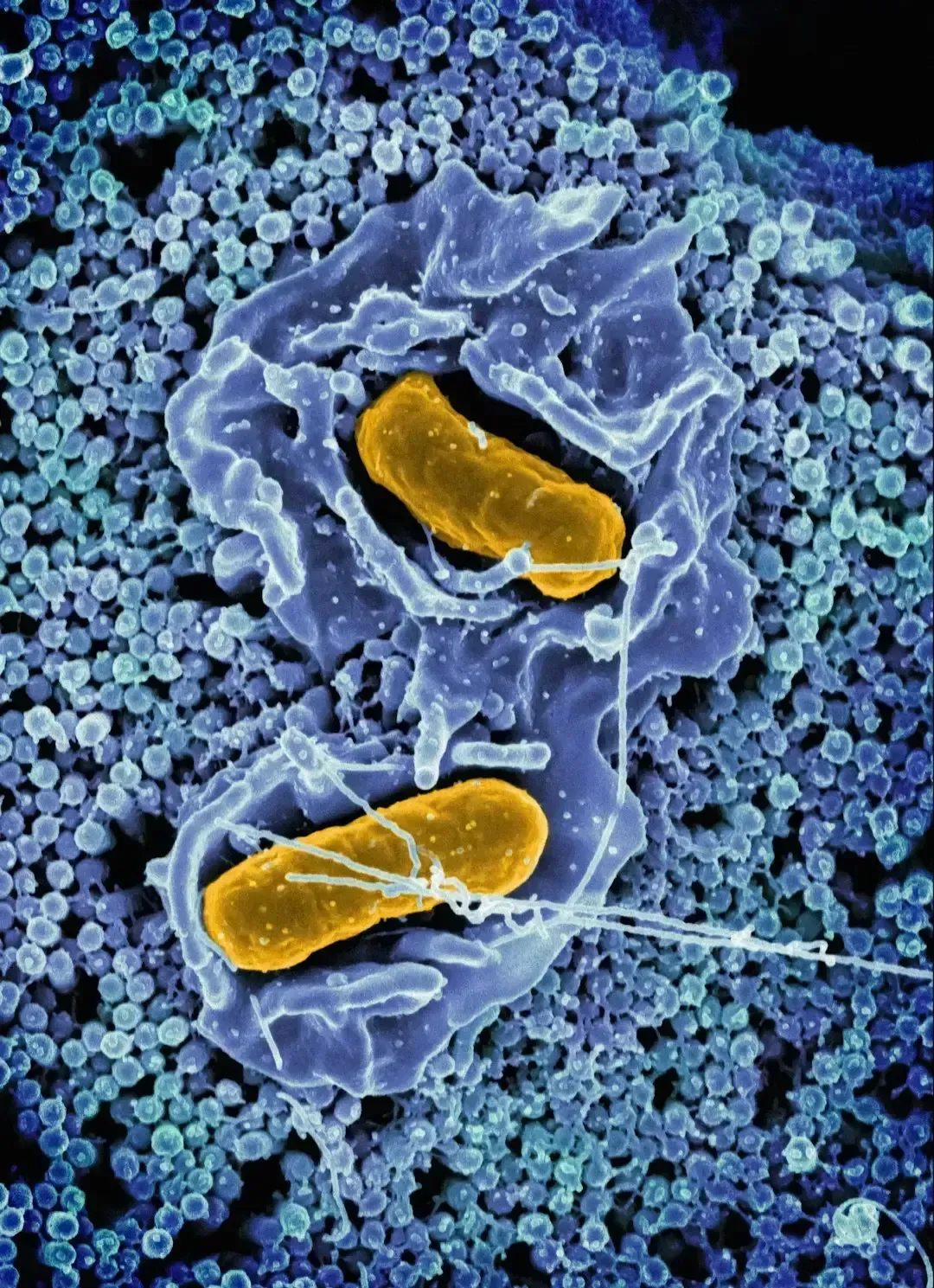
Up until their breakthrough in 1982, the long held view was that spicy foods or stress caused ulcer disease. Barry Marshall and Robin Warren showed that the bacterium Helicobacter pylori plays a major role in causing many peptic ulcers, challenging decades of medical doctrine holding that ulcers were caused primarily by stress, spicy foods, and too much acid. When Marshall presented his findings, the medical community was dismissive.
Desperate to prove his theory, Marshall drank a culture of H. pylori and within a week began suffering stomach pain and other symptoms of acute gastritis, stomach biopsies confirmed that he had gastritis and showed that the affected areas of his stomach were infected with H. pylori, and Marshall subsequently took antibiotics and was cured. In 2005, the Karolinska Institute in Stockholm awarded the Nobel Prize in Physiology or Medicine to Marshall and Robin Warren for their discovery of the bacterium Helicobacter pylori and its role in gastritis and peptic ulcer disease.
Prions: Proteins That Shouldn’t Be Infectious
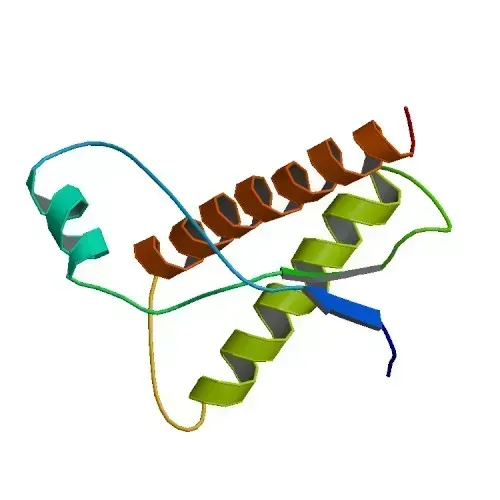
The concept that a protein could be infectious without any genetic material seemed to violate fundamental biological principles. Scientists suggested one theory, viewed as heretical in that it seems to challenge the role of nucleic acids as the exclusive carriers of genetic information, proposing that the pathogen causing prion diseases might be a deadly variety of a normal protein that has the ability to amplify itself in the brain, and the hypothetical protein is called a prion.
Stanley Prusiner was awarded the Nobel Prize in Physiology or Medicine in 1997 for his work in proposing an explanation for the cause of scrapie, bovine spongiform encephalopathy (mad cow disease) and human prion diseases such as Creutzfeldt Jakob disease. The infectious agent was not shown with reasonable certainty to be primarily a protein until the work of Stanley Prusiner gave rise to the prion concept in 1982. His discovery transformed our understanding of infectious diseases.
Neurogenesis in Adult Brains: New Neurons After Birth
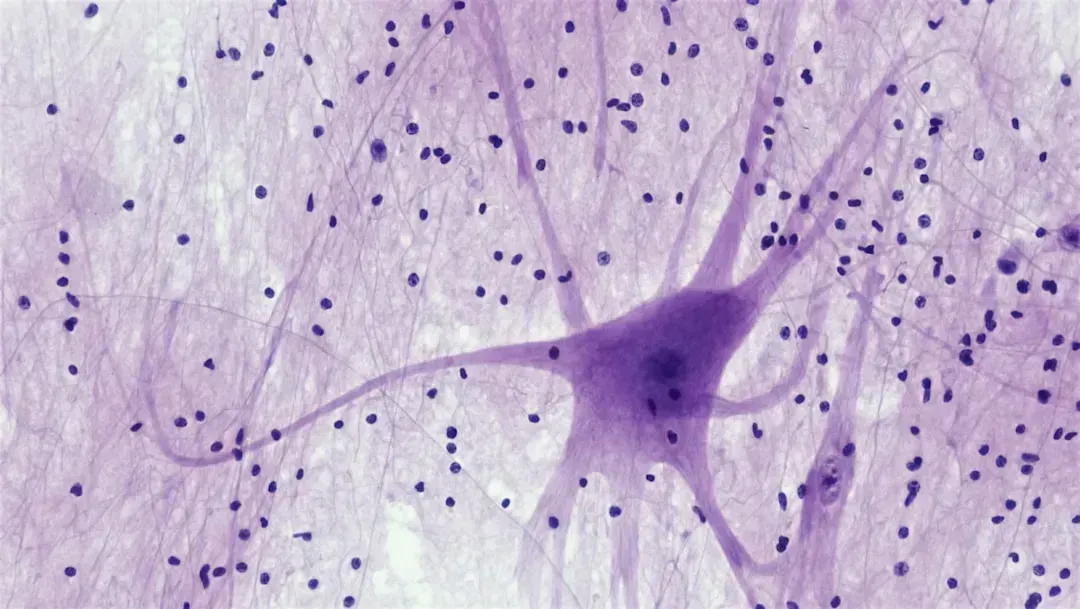
Neurogenesis has been thought to occur only during the embryonic and early postnatal stages and to decline with age due to a continuous depletion of neural stem cells. The dogma that adult brains couldn’t generate new neurons persisted for decades. This misconception about adult neurogenesis persisted until Altman reported that new neurons could be generated in the DG and SVZ of the adult brain in cat and rat models.
In Science, a research group identifies cells in adult human brain tissue with the genetic signature of neural progenitors, the cells that can divide to create neurons, and some neuroscientists see the result as conclusive evidence that neurogenesis happens in the adult human hippocampus. In 2013, Jonas Friesen’s lab used carbon dating techniques to determine that the human DG adds up to 700 neurons per day. Studies from 2023 through 2025 have strengthened this evidence further.
Hand Washing to Prevent Disease: The Doctor Institutionalized for Suggesting It
Ignaz Semmelweis observed in the 1840s that doctors who performed autopsies and then delivered babies without washing their hands caused fatal childbed fever. When he suggested that physicians wash their hands with chlorinated lime solution, his colleagues mocked him viciously. The medical establishment refused to accept that gentlemen doctors could have dirty hands carrying death.
Semmelweis was eventually committed to a mental asylum, where he died. Decades later, after the germ theory of disease gained acceptance through the work of Louis Pasteur and Robert Koch, his observations were vindicated. Today, hand hygiene is recognized as one of the most critical interventions in preventing healthcare associated infections worldwide.
Meteorites from Space: Rocks That Couldn’t Fall from the Sky

Throughout the 18th century, reports of stones falling from the sky were dismissed as folklore or delusion. The French Academy of Sciences in the 1790s officially declared that meteorites were impossible. Educated scientists believed peasants who claimed to witness such events were simply superstitious.
The turning point came in 1803 when thousands of meteorites fell on the French town of L’Aigle. Physicist Jean Baptiste Biot investigated and confirmed their extraterrestrial origin. The scientific community was forced to accept that rocks could indeed fall from space. This realization opened the door to understanding our solar system’s composition and eventually led to the field of meteoritics.
Stomach Acid and Vitamin B12 Absorption: The Intrinsic Factor Discovery

For years, pernicious anemia was a mysterious and fatal disease. When scientists proposed that the stomach produced a substance necessary for vitamin B12 absorption, skeptics dismissed it. The notion that a specific protein in gastric juices could be essential for nutrient uptake seemed far fetched to many physiologists.
William Castle demonstrated in the 1920s that patients with pernicious anemia lacked what he called intrinsic factor. His experiments involved feeding patients pre digested food from healthy stomachs, which improved their condition. Though initially controversial, this discovery eventually earned recognition and transformed treatment of the disease, saving countless lives.
DNA as Genetic Material: When Proteins Were the Favorite
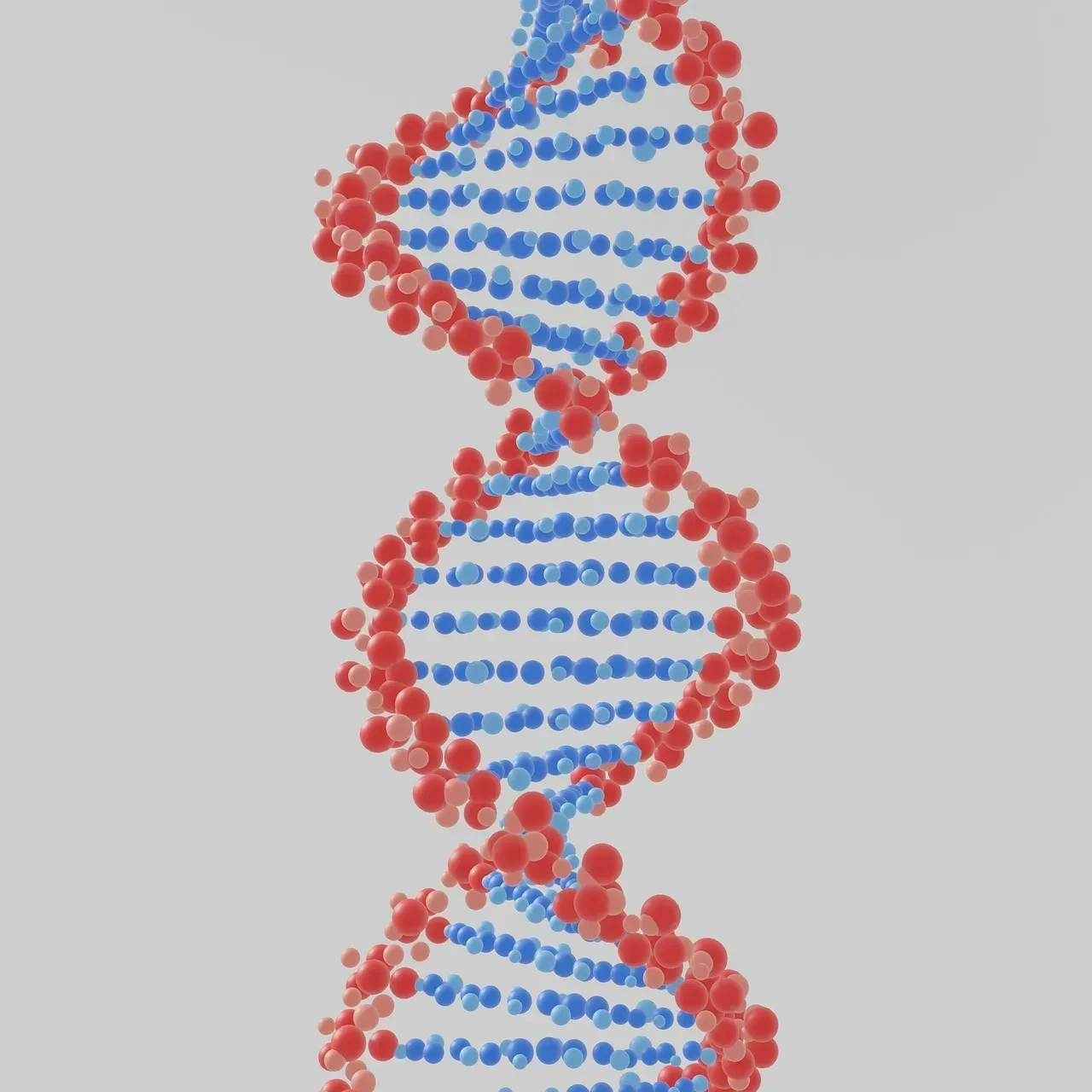
During the early 20th century, most scientists believed proteins carried genetic information because they seemed more complex than DNA. When Oswald Avery, Colin MacLeod, and Maclyn McCarty demonstrated in 1944 that DNA was the transforming principle responsible for genetic inheritance, their work was largely ignored for nearly a decade.
The scientific establishment couldn’t accept that such a simple molecule with only four bases could encode the complexity of life. It wasn’t until the 1950s, with the discovery of DNA’s double helix structure by Watson, Crick, Franklin, and Wilkins, that the scientific world finally embraced DNA as the hereditary material. This paradigm shift launched modern molecular biology.
Atoms Existing as Physical Reality: The Invisible Made Real
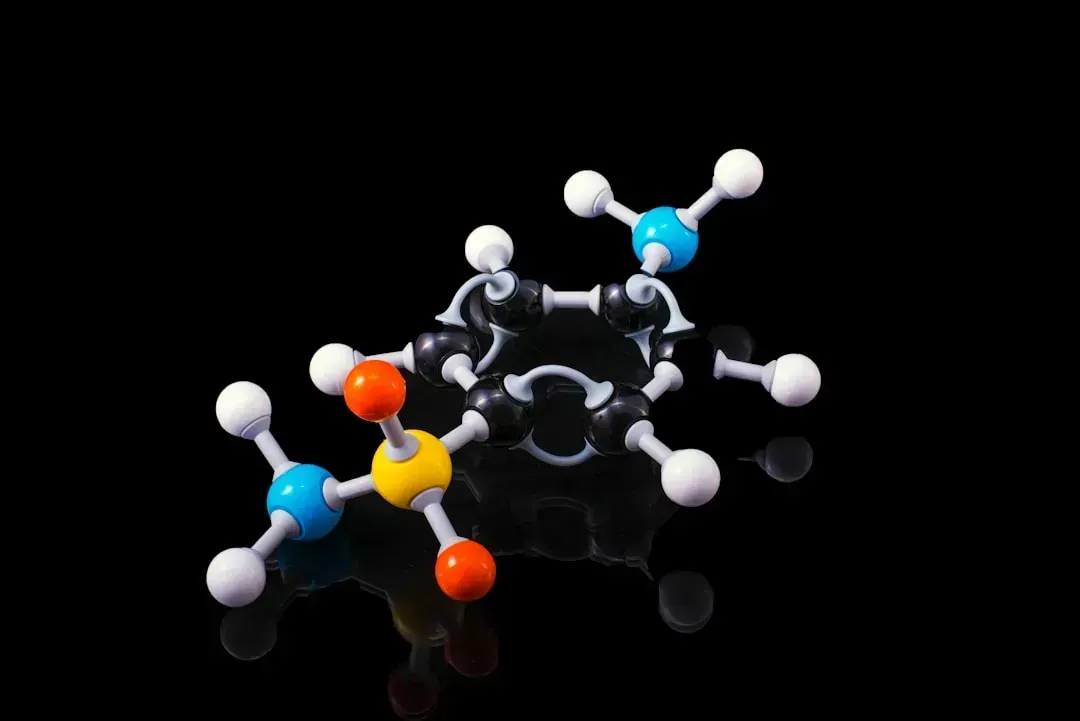
In the late 1800s, when Ludwig Boltzmann, the great Austrian physicist, proposed that all matter was comprised of atoms and molecules, the suggestion seemed entirely strange to most of his contemporaries. Although the concept of the atom was familiar in Western science, it was not taken seriously at that time. Many prominent scientists considered atoms merely useful mathematical abstractions.
Boltzmann faced such fierce opposition to his atomic theory that he fell into deep depression. Tragically, he died in 1906, just before definitive proof emerged. Einstein’s 1905 paper on Brownian motion and subsequent experiments by Jean Perrin provided undeniable evidence that atoms were real physical entities. Today, we not only accept atoms but can actually image and manipulate individual atoms with scanning tunneling microscopes.
Extinction of Species: When Animals Were Thought Eternal
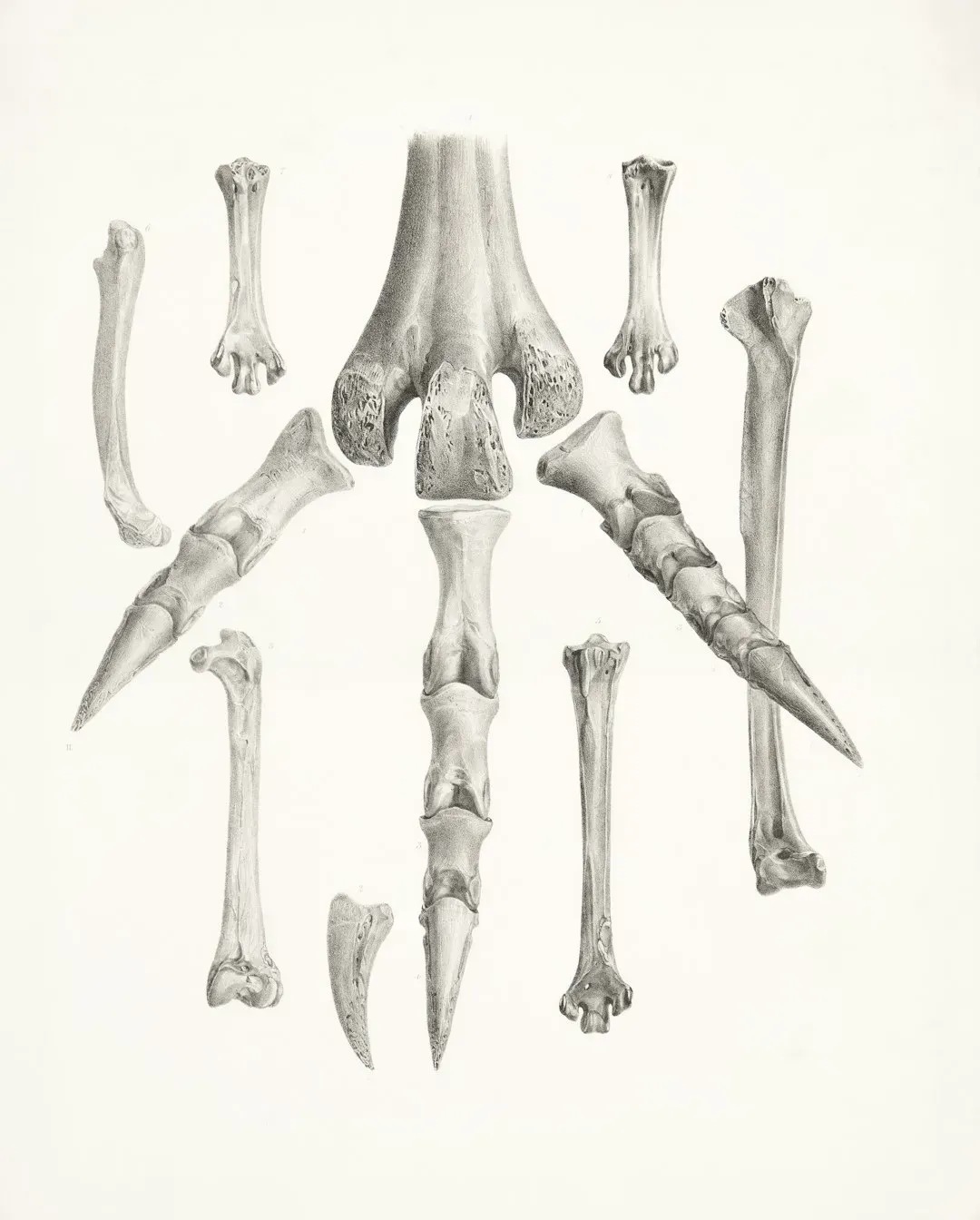
Before the 19th century, the dominant belief was that God’s creation was perfect and unchanging, meaning species could not go extinct. When naturalists found fossils of creatures unlike any living animals, they insisted these creatures must still exist somewhere unexplored. The notion that entire species could vanish was considered theologically impossible.
Georges Cuvier’s work on mammoth and mastodon fossils in the early 1800s finally established extinction as fact. His comparative anatomy studies proved these were distinct species that no longer existed. This revolutionary concept paved the way for Darwin’s theory of evolution and fundamentally changed how we understand life on Earth. It took immense courage to challenge such deeply held beliefs about the permanence of creation.
These stories remind us that scientific progress often requires fighting entrenched dogma. The theories that seem most outrageous today might become tomorrow’s textbook facts. What would you add to this list? Share your thoughts in the comments.