10 Home Habits You Should Never Teach Your Kids (But Many Parents Still Do)
Let’s be real, most parents don’t set out to teach their kids bad habits. Yet somehow, in the chaos of daily life, certain patterns creep in and take root before we even notice. Some behaviors feel harmless or even helpful in the moment. Others are just things we grew up with ourselves, so we repeat them without a second thought.
The thing is, children are watching everything. They pick up on what we do, not just what we say. That means our everyday actions at home become their blueprint for life. If we’re constantly glued to screens, handling stress poorly, or ignoring healthy routines, kids absorb all of it like little sponges.
Excessive Screen Time Without Boundaries

During July 2021 through December 2023, 50.4% of teenagers self-reported 4 hours or more of daily screen time. Teens now spend an average of eight hours a day on screens, two hours more than in 2015. When parents themselves are constantly on devices without limits, kids naturally assume that’s normal behavior. Excessive screen time and media multitasking can negatively affect executive functioning, sensorimotor development, and academic outcomes.
Excessive screen usage can also lead to problems in social-emotional development, including obesity, sleep disturbances, depression, and anxiety. The study followed a diverse group of kids from around the country for two years and found that more screen time was associated with more severe symptoms of depression, anxiety, inattention and aggression. Honestly, I think we’ve all felt the pull of a screen taking over our evening, but when kids see us scrolling mindlessly, they learn that behavior is acceptable and even desirable.
Modeling Poor Emotional Regulation

The results showed that the use of adaptive as well as maladaptive emotion regulation strategies have a longitudinal effect on children’s mental health problems, mediated by parenting stress. When parents yell, throw tantrums, or shut down emotionally during stressful moments, children internalize these reactions as normal coping mechanisms. How we manage our emotions influences our children’s ability to do the same.
Parents play a prominent role in how children develop emotion regulation. It’s hard to say for sure, but children who witness parents struggling with emotional control often develop similar difficulties themselves. Emotion dysregulation places children and adolescents at risk of concurrent and lifetime maladjustment, including a heightened risk of internalizing and externalizing behavior problems. Teaching kids to process feelings in healthy ways requires parents to first model those behaviors consistently.
Using Food as Reward or Punishment

Using foods as rewards could increase the child’s preferences for these food items. Thus, using unhealthy foods as rewards may promote children’s consumption of unhealthy energy-dense palatable foods. Many parents offer dessert for finishing vegetables or withhold treats as discipline. When parents are coercive and controlling around food, children may become less reliant on their own feelings of hunger and satiety, leading to dysregulated eating and excessive weight gain.
Various studies found a great influence of parental dietary habits on dietary behaviors of their children regardless of demographic characteristics such as gender, age, socioeconomic status and country. Instead of linking food to behavior, experts suggest creating a positive relationship with eating. When parents establish consistent routines and involve children in the preparation of meals and snacks, children are more likely to develop healthy eating habits. This approach helps kids listen to their own bodies rather than viewing food through a lens of control or emotion.
Avoiding Difficult Conversations
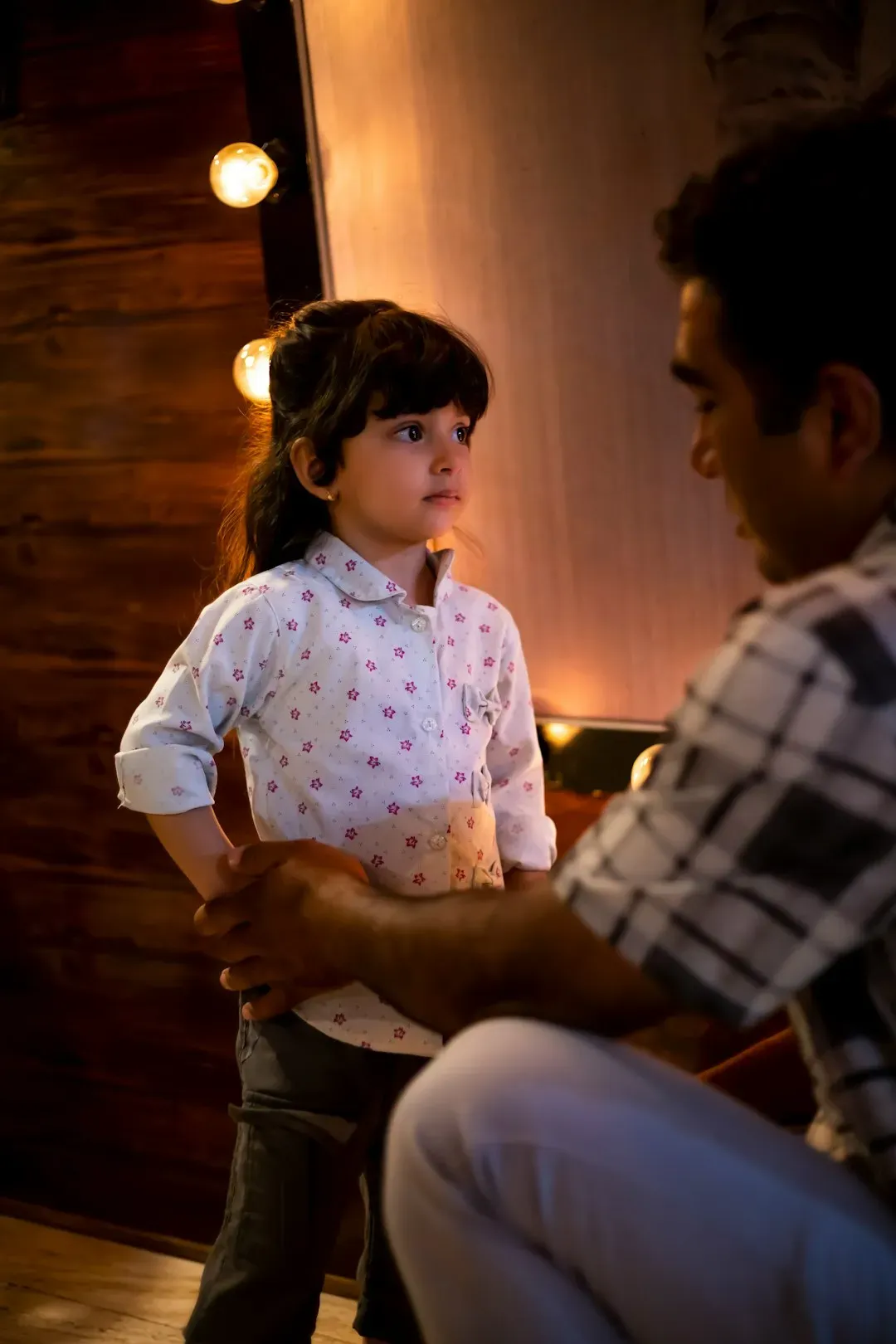
Here’s the thing: when parents dodge uncomfortable topics or pretend problems don’t exist, children learn that certain subjects are off limits. Whether it’s money stress, family conflict, or emotions like sadness and anger, silence sends a powerful message. Kids pick up on tension even when nothing is said out loud.
As a parent, your child will be looking up to you for advice on almost everything, particularly in the younger years. Avoiding honest conversations doesn’t protect children. It leaves them confused and unprepared to handle life’s challenges. Instead, age-appropriate honesty builds trust and teaches kids that all feelings and situations can be discussed and managed together.
Overprotecting from Natural Consequences
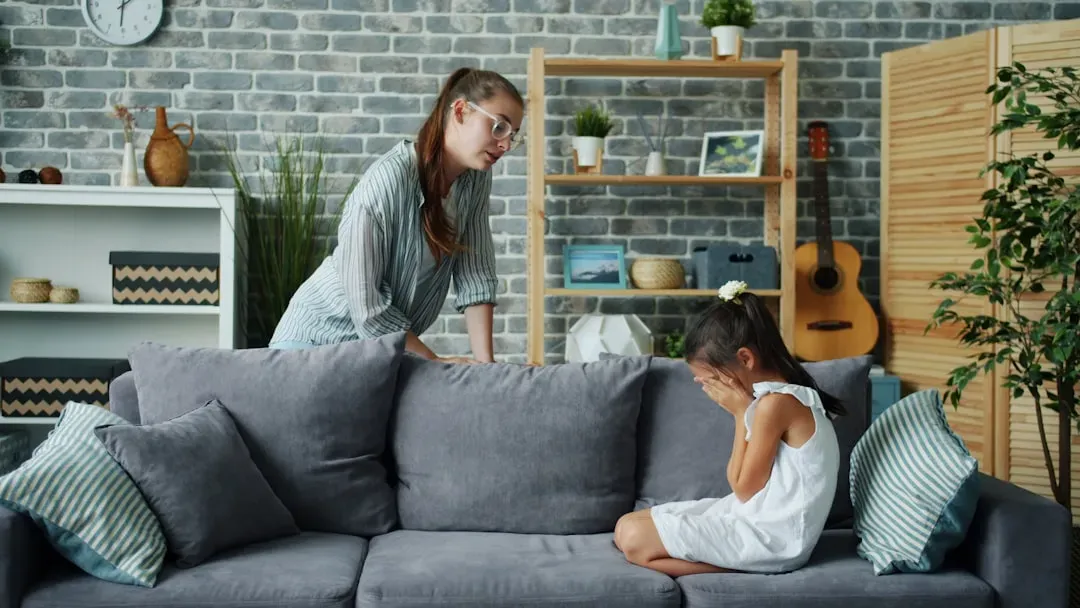
Studies show children of helicopter parents frequently struggle with independence, decision-making, and emotional resilience. When parents constantly swoop in to fix problems, rescue from mistakes, or eliminate any discomfort, kids never learn to navigate challenges on their own. This will make your child fearful and afraid of taking any type of risk, from making new friends to trying new activities.
Modern parenting experts advocate for balanced protection that allows appropriate risk-taking and natural consequences. This approach helps children develop crucial life skills while maintaining adequate safety boundaries. Let’s be real, watching your child struggle is painful, but stepping back gives them the gift of competence and confidence that lasts a lifetime.
Inconsistent Rules and Boundaries
A recent study out of Brown University has concluded that routines and habits in children, including household chores and responsibilities, are unlikely to vary after the age of 9. For most children, this takes firm root by the third grade. When parents enforce rules one day but ignore them the next, children become confused about expectations. This inconsistency creates anxiety and makes kids more likely to test boundaries constantly.
Research shows that almost 40 percent of our behaviors are made up of habits. Clear, consistent boundaries help children feel secure and understand what behavior is acceptable. Changing rules based on parental mood or convenience teaches kids that structure doesn’t really matter, which can lead to difficulties following rules outside the home as well.
Neglecting Self-Care in Front of Children
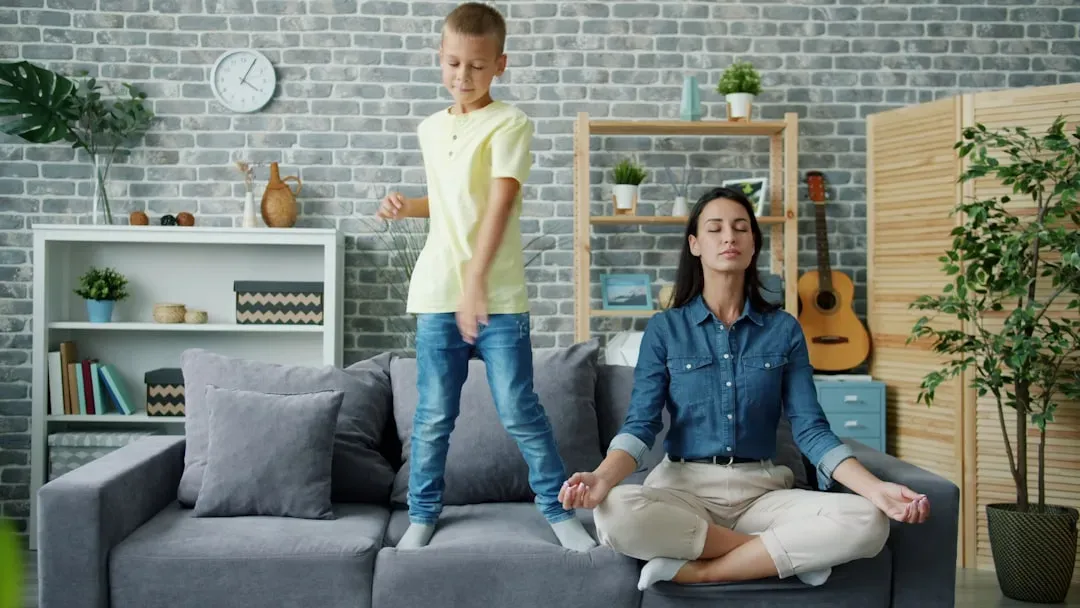
When parents constantly prioritize everyone else’s needs while ignoring their own health, rest, or happiness, kids internalize a harmful message. They learn that self-care is selfish rather than necessary. This pattern is especially common among mothers who feel guilty taking time for themselves.
Parents who honor their emotions model self-awareness and self-regulation for their kids. It’s a skill set that makes our emotional lives flourish. Honestly, showing children that adults need breaks, exercise, hobbies, and downtime teaches them to value their own well-being. Children learn habits from their caregivers at all ages, so the more we can set up the next generation to succeed by what we model socially, emotionally, and otherwise, the better.
Criticizing Their Own Bodies or Appearance

Making negative comments about your own weight, calling yourself fat, or constantly dieting in front of children plants seeds of body dissatisfaction early. Kids who hear parents criticize their appearance learn to judge themselves and others harshly based on looks. This habit contributes to the development of eating disorders and poor self-esteem.
Your child will pick up on all your habits and behaviours. Instead of modeling self-criticism, parents can demonstrate body neutrality or appreciation. Focusing on what bodies can do rather than how they look shifts the narrative toward health and capability rather than appearance. This simple change can protect children from a lifetime of negative body image.
Rushing Through Every Moment

The constant hurry of modern life, always rushing kids from one activity to the next without downtime, teaches children that busy equals important. When families never slow down, kids don’t learn to be present or enjoy simple moments. Now is an ideal time to focus on building positive habits. With distance learning and being isolated at home with other family members, children have more time to become aware of their behaviors. They may revert to old habits to cope with changes currently occurring around them.
This perpetual rushing creates stress and anxiety that becomes normalized. Children need unstructured time to play, be bored, and develop creativity. Slowing down and creating space for rest and connection teaches kids that their worth isn’t tied to productivity or achievement.
Dismissing or Minimizing Their Feelings

A 2024 study of adolescents found that harsh parental discipline predicts both internalized difficulties, such as anxiety and depression, and externalized problem behavior, such as aggression and behavioral violations in adolescents. When parents respond to upset children with phrases like “you’re fine” or “stop crying,” kids learn their emotions aren’t valid or important. Non-supportive parental responses to children’s negative emotions have been associated with poorer child adjustment.
Research shows this small act helps regulate our emotions and improves our overall well-being. Naming our emotions also calms the limbic system in the brain, helping the body relax. Acknowledging feelings doesn’t mean accepting bad behavior, but it does mean recognizing that all emotions are legitimate. When children feel heard and understood, they develop healthier emotional awareness and coping skills that serve them throughout life.