13 Traditional American Dishes That Are Nearly Impossible to Find Today
Dinner tables across America once featured dishes that made grandparents smile and neighbors jealous. These weren’t fancy restaurant creations or fleeting food trends. They were honest, homemade dishes born from necessity, tradition, and regional pride. Yet somewhere between then and now, many of these iconic foods quietly slipped away from our plates and memories.
Declining demand, regulatory restrictions, and modern nutrition science led to the disappearance of several meals that were once household staples or regional favorites. Today, most of these dishes exist only in faded cookbooks, whispered family stories, and the occasional brave attempt at revival.
City Chicken
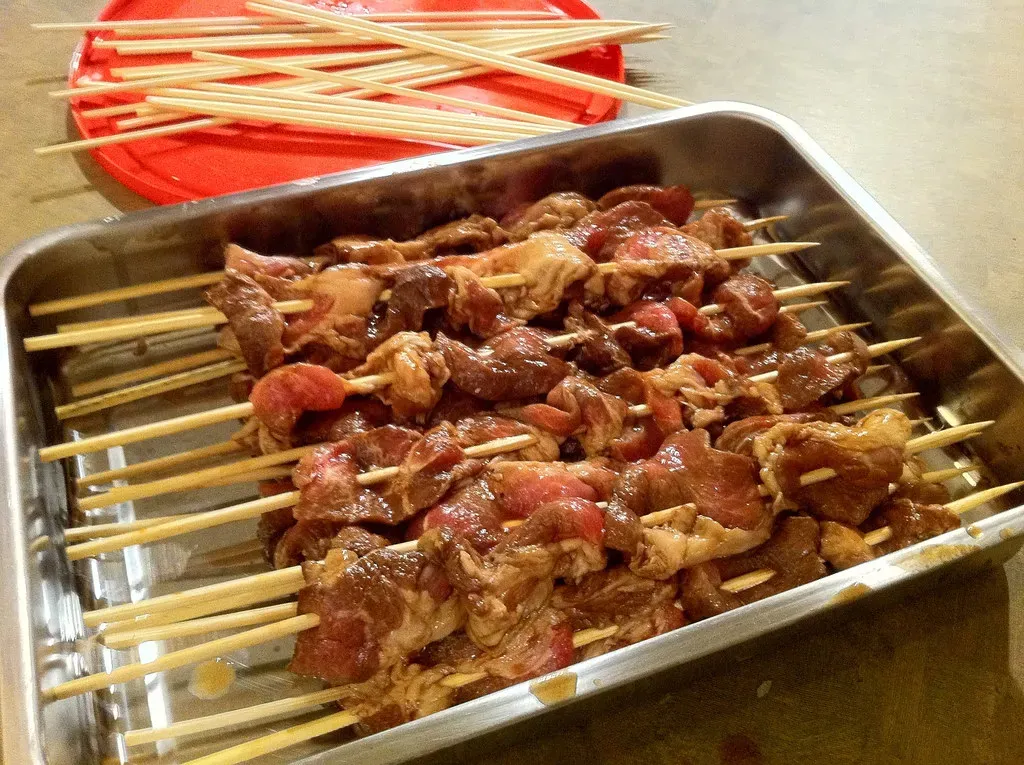
Dating back to the turn of the previous century, City Chicken has roots in Pittsburgh, Pennsylvania and Cleveland, Ohio and spread to Great Lakes cities such as Detroit, Michigan and Buffalo, New York. Here’s the twist that confuses everyone: there’s no actual chicken in City Chicken. It became popular during the Great Depression, when pork was inexpensive and chicken was considered a luxury, so City Chicken was developed when pork and veal were more affordable than chicken. City chicken is typically a makeshift drumstick fashioned from meat scraps by skewering them, while pork is typically the base meat used in most versions of the recipe. The dish is commonly found in the metropolitan areas of Cincinnati, Cleveland, Detroit, Binghamton, Erie, Pittsburgh, Buffalo and Scranton, but try asking for it anywhere else and you’ll likely get blank stares.
Tomato Aspic
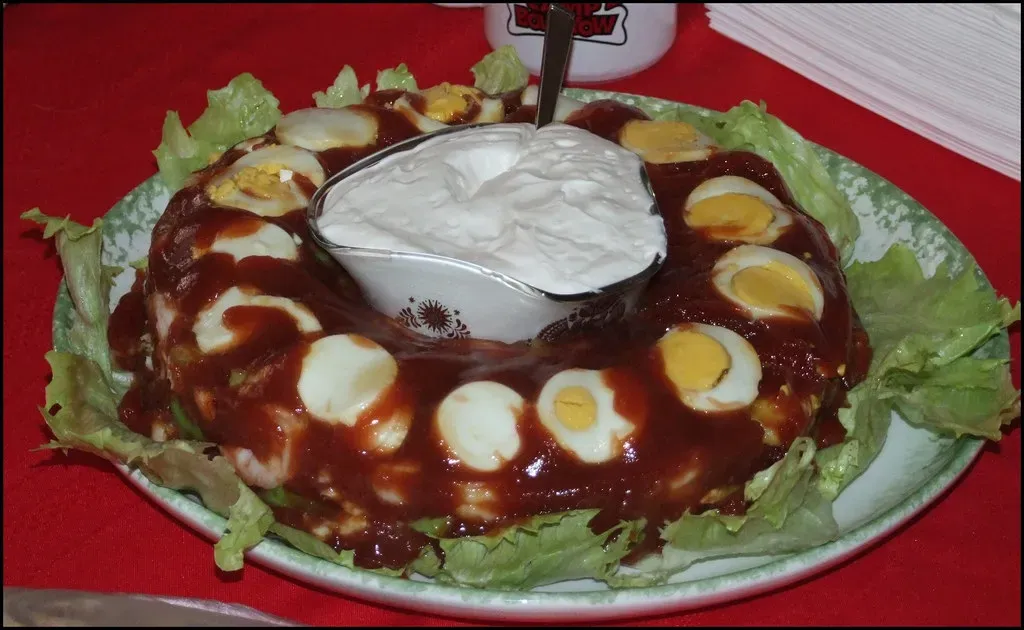
Few dishes divided dinner tables quite like tomato aspic. This wobbly, tangy dish had its heyday in the 1950s and early 60s, when molded gelatin creations were the height of domestic sophistication, and tomato aspic was considered an elegant way to present vegetables. Picture this: tomato juice mixed with gelatin, often with bits of celery and onion suspended inside, then molded into a quivering tower and plopped onto a lettuce leaf. Its popularity even inspired one of the most unusual Jell-O flavors of all time: seasoned tomato, a real product introduced by Jell-O in the 1960s. By the 1920s, a third of salads published in cookbooks contained gelatin elements, and by the 1950s, tomato aspic was a popular dinner staple. As tastes shifted and fresh, simpler salads took over, tomato aspic quietly slid out of fashion.
Funeral Pie
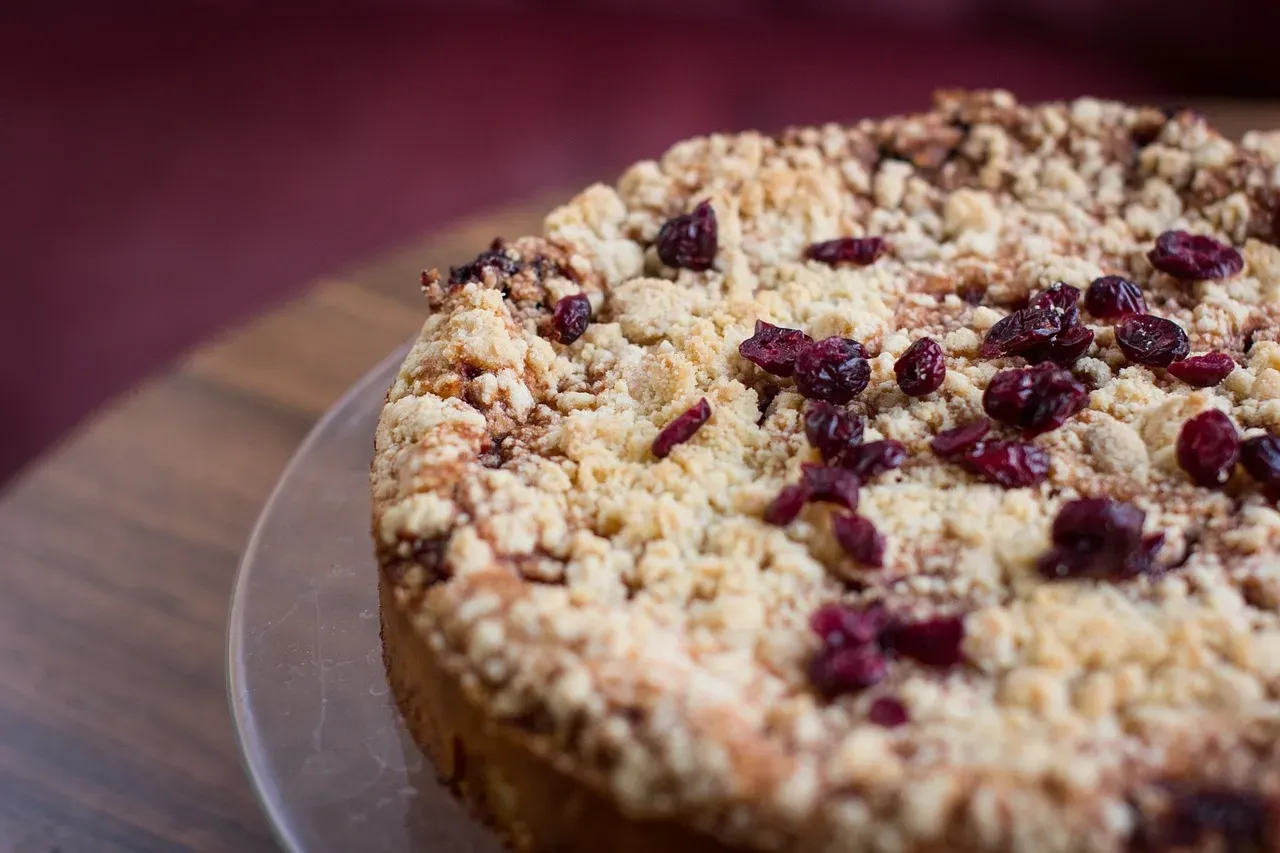
Raisin pie itself isn’t particularly foreboding, but in 19th-century Pennsylvania German homes, it meant one thing: Death was near. Eighteenth-century Amish and old-order Mennonites of Pennsylvania used raisins as a pantry staple that was shelf-stable and ready-to-eat throughout the year, and in times of emergencies, wives turned to the ingredient known as rosine in their native German and whipped up raisin pies, which traveled well and required no peeling or pitting. The pie earned its morbid nickname simply because it appeared so consistently at memorial services. By the mid-1950s, funeral pie and other fancy foods began to fade away, and today, most descendants of Pennsylvania Germans have swapped out raisin pies for more modern options, such as casserole or pizza.
Salisbury Steak
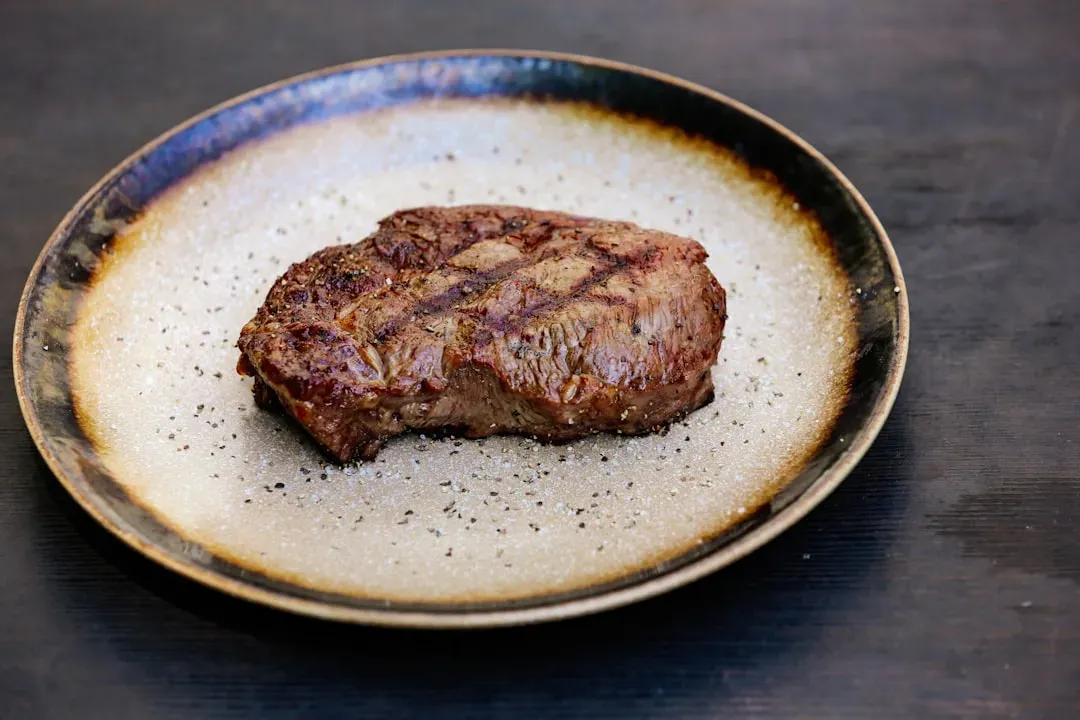
Fast forward to 2024, and Salisbury steak has become a relic of TV dinners and school cafeterias, with people associating it with bland frozen meals rather than the hearty home-cooked version grandparents once made. Named after a physician who promoted ground beef as a health food in the late 1800s, Salisbury steak was originally marketed as a nutritious meal. It’s essentially a seasoned beef patty smothered in brown gravy, often served with mashed potatoes and peas. The problem is that most people only remember the sad, grey version from their childhood lunch trays. Real Salisbury steak, made from scratch with quality beef and homemade gravy, is a completely different experience. Finding it on a restaurant menu today feels like discovering a time capsule.
Liver and Onions
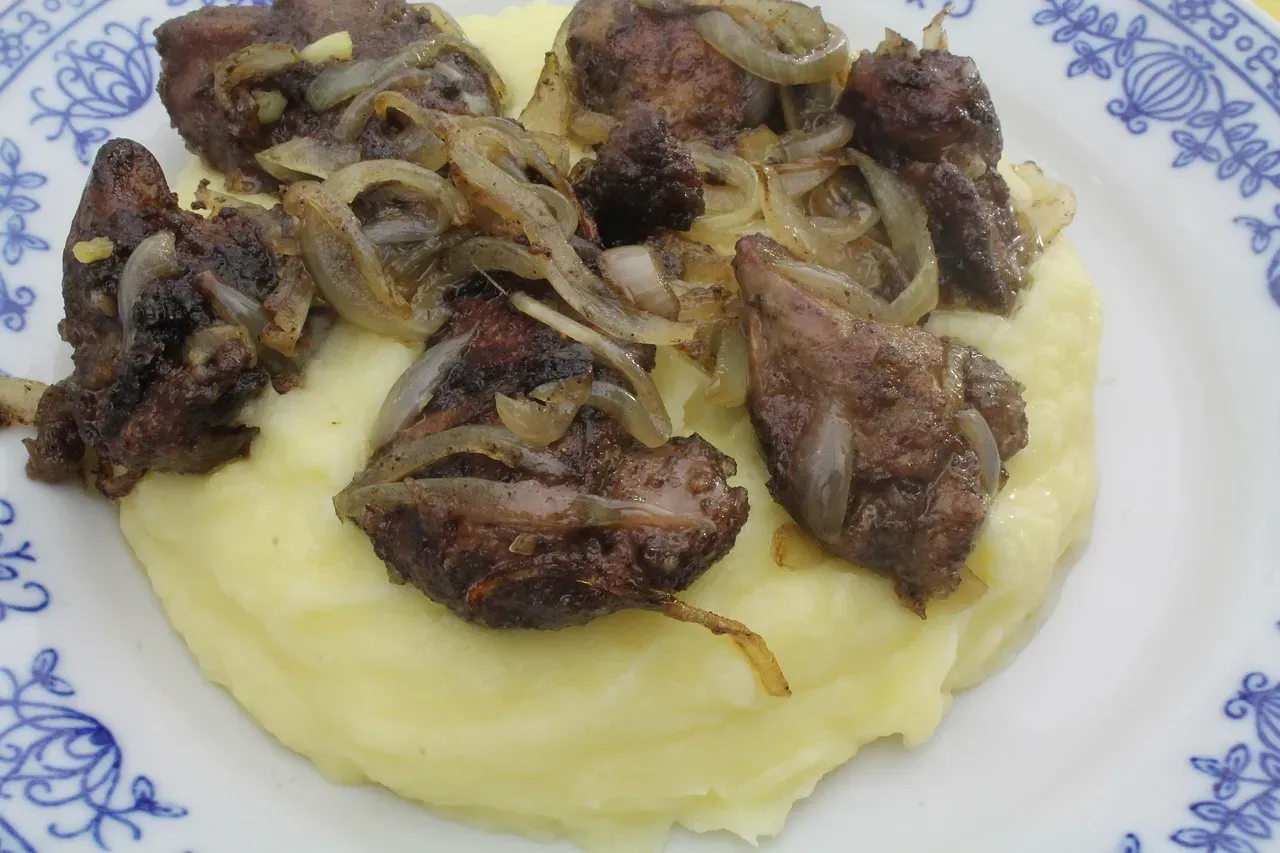
There was a time when liver and onions appeared on dinner tables and diner menus across America with regularity. Beef or veal liver, pan-fried with caramelized onions and sometimes bacon, was considered both economical and nutritious. High in iron and protein, liver was a staple for families watching their budgets. However, modern preferences have shifted dramatically away from organ meats. The strong, metallic flavor and unique texture don’t appeal to contemporary palates raised on milder proteins. Most butcher counters rarely stock fresh liver anymore, and younger generations have never even tried it.
Olive Loaf
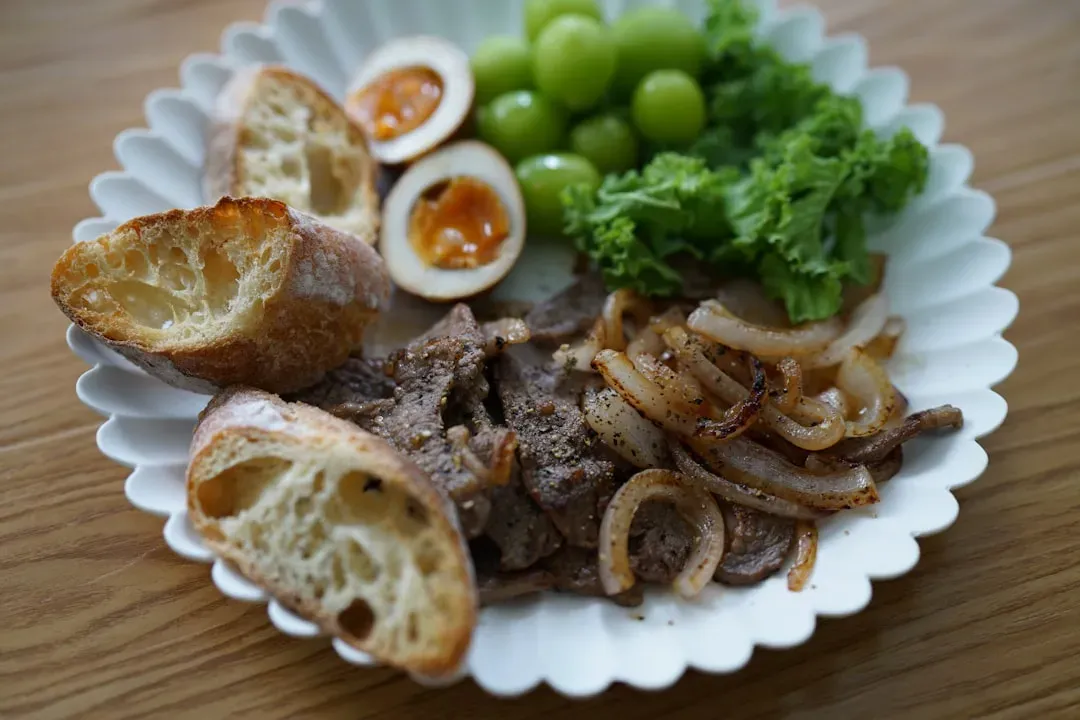
Olive loaf is a mixture of pork, chicken, and beef with whole green olives, and in recent years, the olive loaf has been associated with more popular cuts like bologna and is not typical to find on mainstream grocery store shelves. This peculiar cold cut was once a deli counter regular, sliced thin for sandwiches or served on crackers at parties. The bright green olive slices studded throughout the pink meat made it visually distinctive, if not particularly appetizing by today’s standards. As Americans developed more sophisticated tastes in charcuterie and artisanal meats, processed loaves like olive loaf became relics of a bygone era. You might still find it at specialty German or Eastern European delis, yet mainstream grocery stores have largely abandoned it.
Pickled Herring
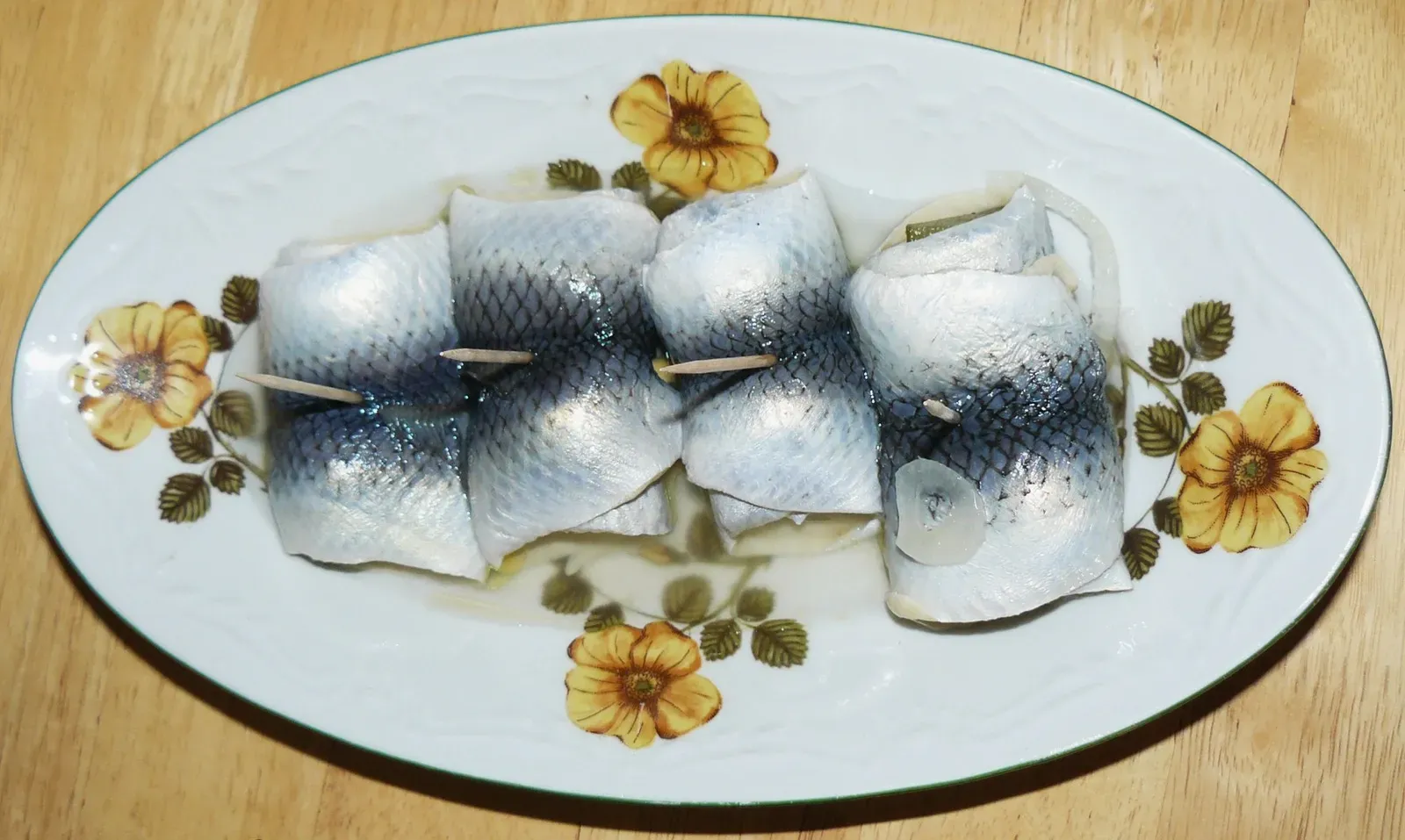
Originally a staple in Northern European countries given how easy it was to store and transport fish without it going bad, pickled herring became a staple in America due to European migrants who settled in the Midwest. These vinegar-cured fish pieces, often served with onions and sour cream, were common at holiday gatherings and Sunday brunches. The strong, briny flavor appealed to immigrant communities who brought their food traditions from Scandinavia, Germany, and Eastern Europe. As those communities assimilated and younger generations moved away from traditional foods, pickled herring lost its foothold. Modern Americans, with access to fresh seafood year-round, rarely develop a taste for the intensely flavored preserved fish.
Jell-O Salads with Vegetables
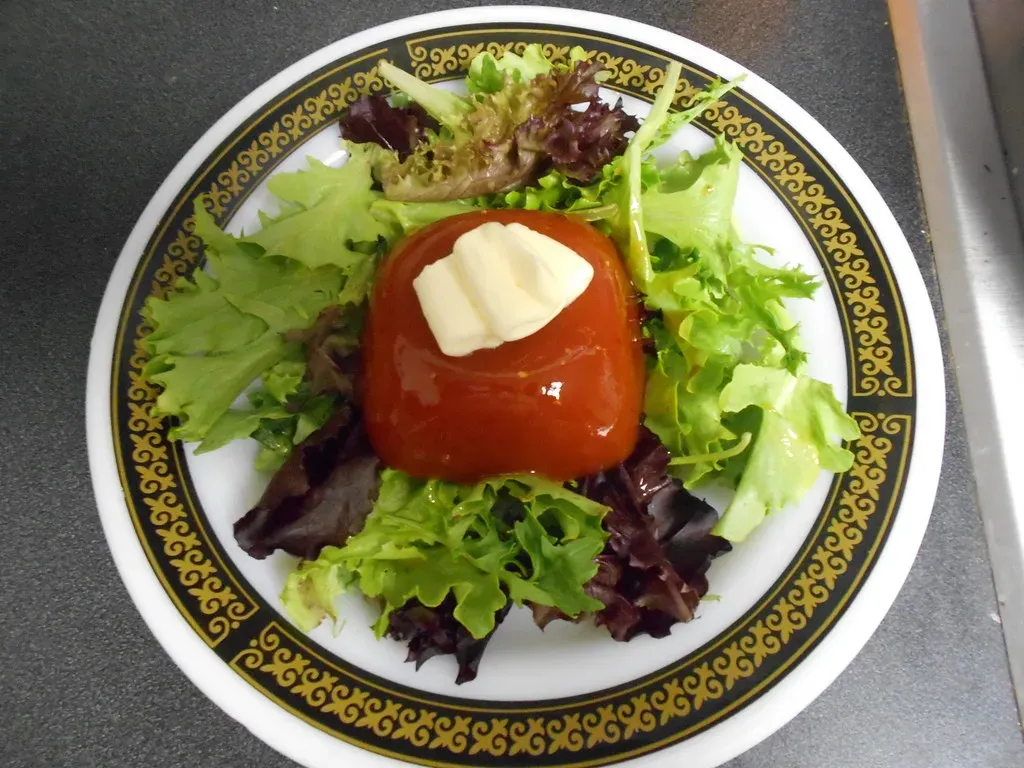
Few foods today feel as anachronistic as the gelatin salads of midcentury America, and as with so many things considered cutting-edge from the early to mid-1900s, this former food of the future is now a subject of derision and morbid fascination, with Facebook groups like “Crimes against jello and vegetables” collectively having tens of thousands of members. These weren’t the sweet, fruity Jell-O molds you might remember fondly. No, these were savory nightmares: lime Jell-O with shredded cabbage, lemon gelatin with tuna and celery, or orange Jell-O studded with carrots. The dish was popularized in the United States in the mid-20th century, particularly in the 1950s and 1960s, and as the dish gained popularity, recipes became more elaborate, incorporating various ingredients such as fruits, vegetables, meats, and cheeses. These combinations seem bizarre now, yet they were once considered modern and elegant.
Beef Stroganoff
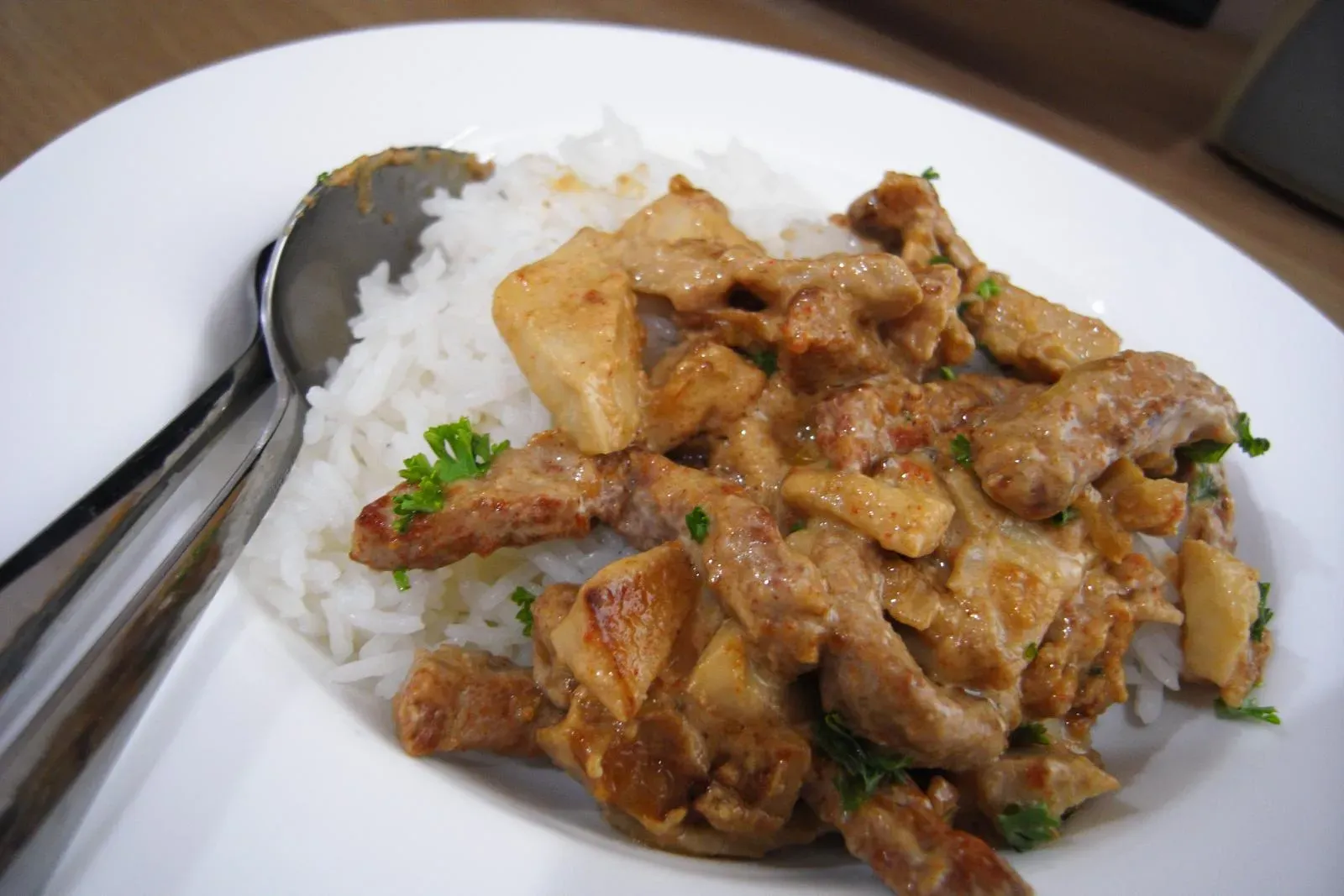
Beef stroganoff was popular back in the 1950s and involves pasta topped with a creamy blend of mushrooms and beef. This Russian-inspired dish became an American dinner party staple, featuring tender strips of beef in a rich sour cream sauce served over egg noodles. It represented sophistication and international flair in an era when most Americans hadn’t traveled abroad. The dish gradually disappeared as cooking trends shifted toward lighter, less cream-heavy cuisine. Many people today only know beef stroganoff from the hamburger helper version, which bears little resemblance to the elegant original.
Chicken à la King
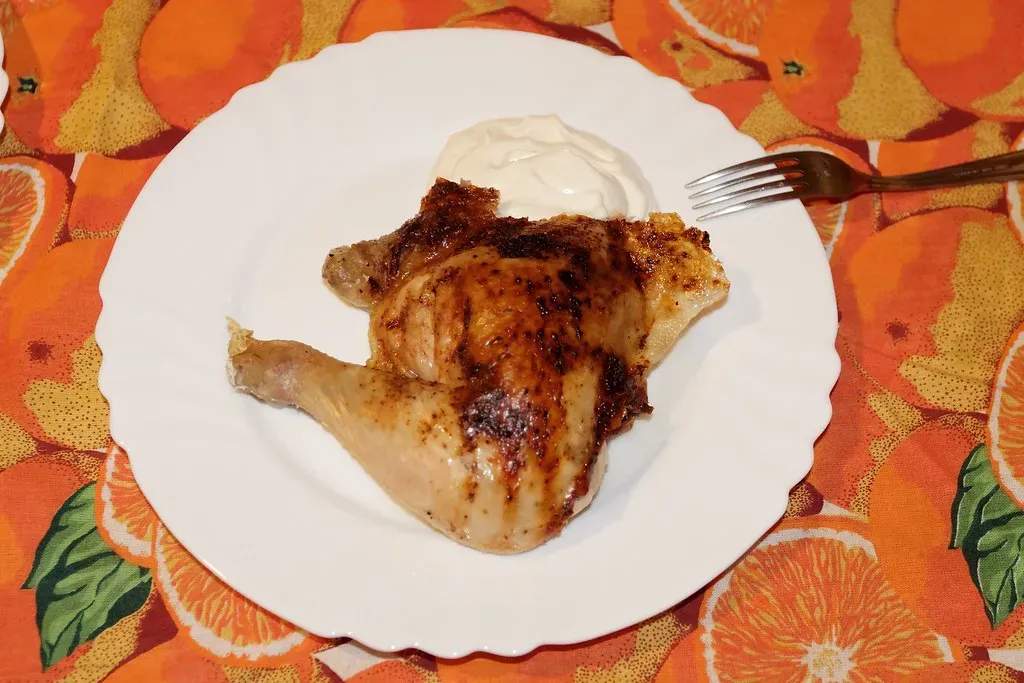
Chunks of chicken in a thick, creamy white sauce studded with mushrooms, pimentos, and sometimes peas, all served over toast points or in a puff pastry shell. Chicken à la King was the height of elegance in the early twentieth century, gracing the menus of fancy hotels and special occasion dinners. It required time and technique to prepare properly: making a roux, cooking the chicken just right, balancing the richness of the cream sauce. As American dining became more casual and health-conscious, heavy cream sauces fell out of favor. The dish now exists mainly in vintage cookbooks and the memories of older generations.
Nesselrode Pie
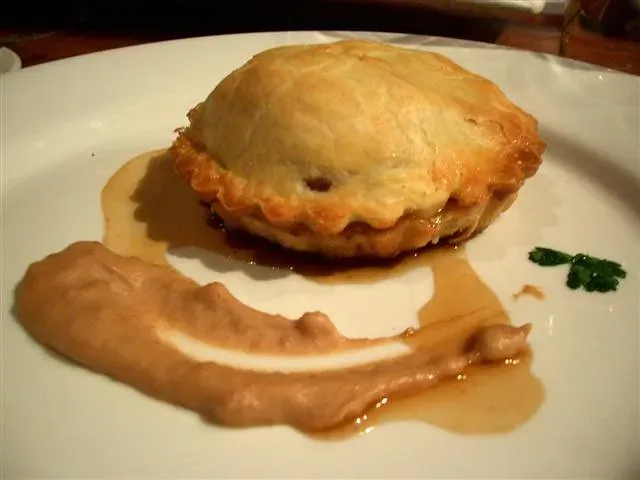
In the 1940s, Nesselrode pie was the trendiest dessert of the Big Apple, featuring fluffy gelatin, puréed or glacéed chestnuts, rum or brandy, and candied cherries, with Hortense Spier, an Upper West Side restaurateur, credited with originating the recipe. This elaborate dessert required rare ingredients and considerable skill to execute properly. The combination of rum, chestnuts, and gelatin created a sophisticated flavor profile that appealed to mid-century tastes. However, as ingredient availability changed and dessert preferences shifted toward simpler preparations, Nesselrode pie vanished from bakery cases and home kitchens alike.
Shuck Beans
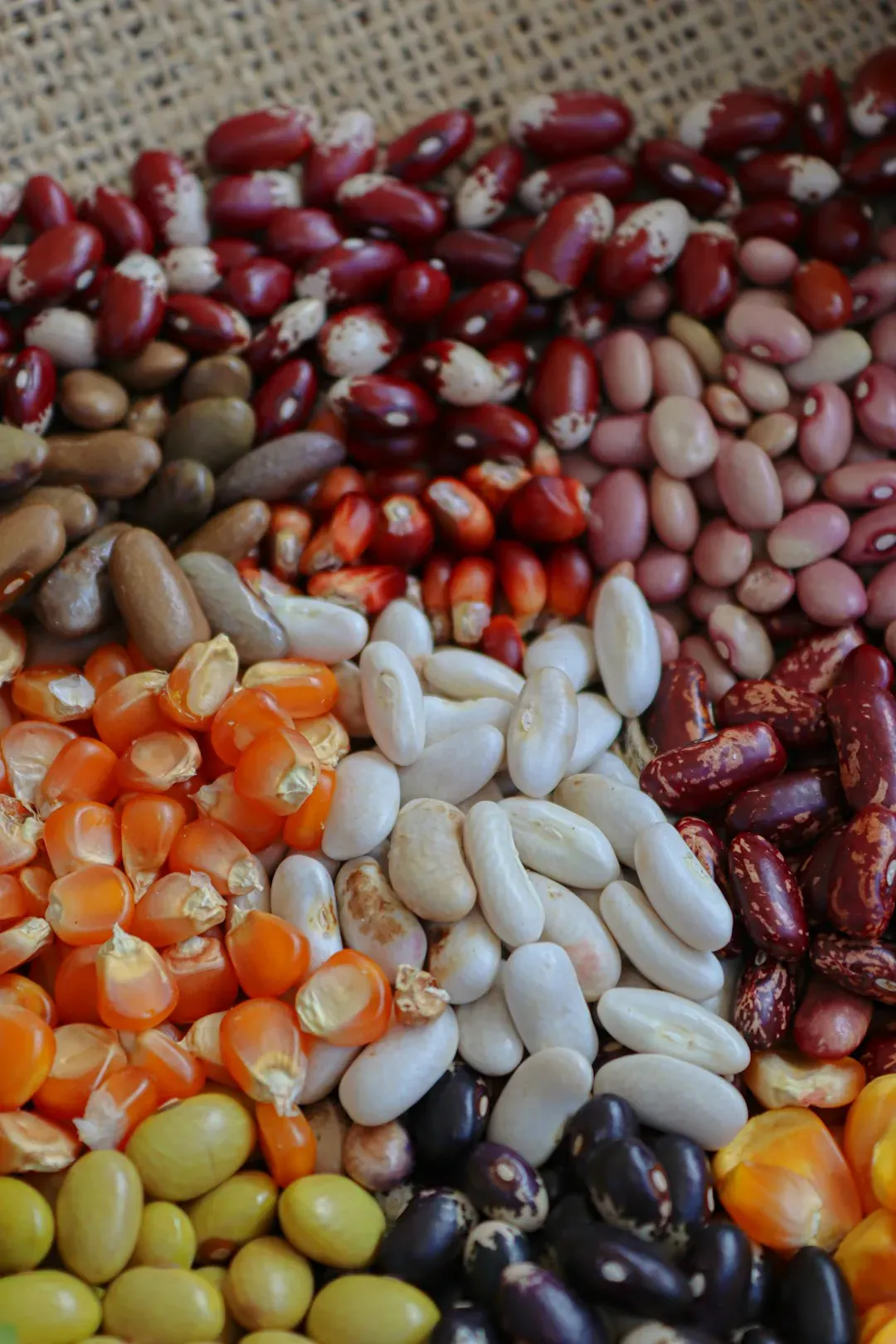
Appalachian foods haven’t received enough acknowledgement in modern food culture, and shuck beans are one regional staple food that has fallen by the wayside, as long beans were dried by being strung-up in windows and other arid locations to conserve the harvest, and rehydrating them often involved cooking them in animal fat, emitting a flavor that Kentuckians say tastes like home. Also called leather britches or shucky beans, these preserved green beans represented mountain ingenuity and seasonal survival. The drying process concentrated the bean flavor into something earthy and intense. Modern refrigeration and year-round access to fresh or frozen vegetables made this preservation method unnecessary.
Spider Cake

New England spider cake is a yesteryear classic, showcasing flavors and techniques colonists learned from Indigenous peoples in early settlements like Plymouth Rock, with a spider cake recipe appearing in “The American Frugal Housewife” cookbook printed in Massachusetts in 1828, and some say the term “spider cake” referred to the legs of the cast iron Dutch oven the cake was often prepared in. This sweetened, milk-soaked cornmeal cake cooked over a fire represented early American resourcefulness. The unique name and preparation method made it memorable, yet as cooking technology evolved and ingredient preferences changed, spider cake disappeared from New England tables. Few modern cooks own the specialized equipment or possess the skills needed to recreate this historical dish.
So here we are in 2026, with microwave dinners and meal kit delivery services, while these thirteen dishes fade further into obscurity. Some deserved their retirement. Others, honestly, might be worth rescuing from the dustbin of culinary history. Would you have guessed that pickled herring and tomato aspic once commanded such devotion? What does it say about us that we’ve traded City Chicken for actual chicken nuggets?