6 Buffet Secrets Restaurant Employees Say Most Diners Never Notice
Strategic Layout Keeps You From the Good Stuff
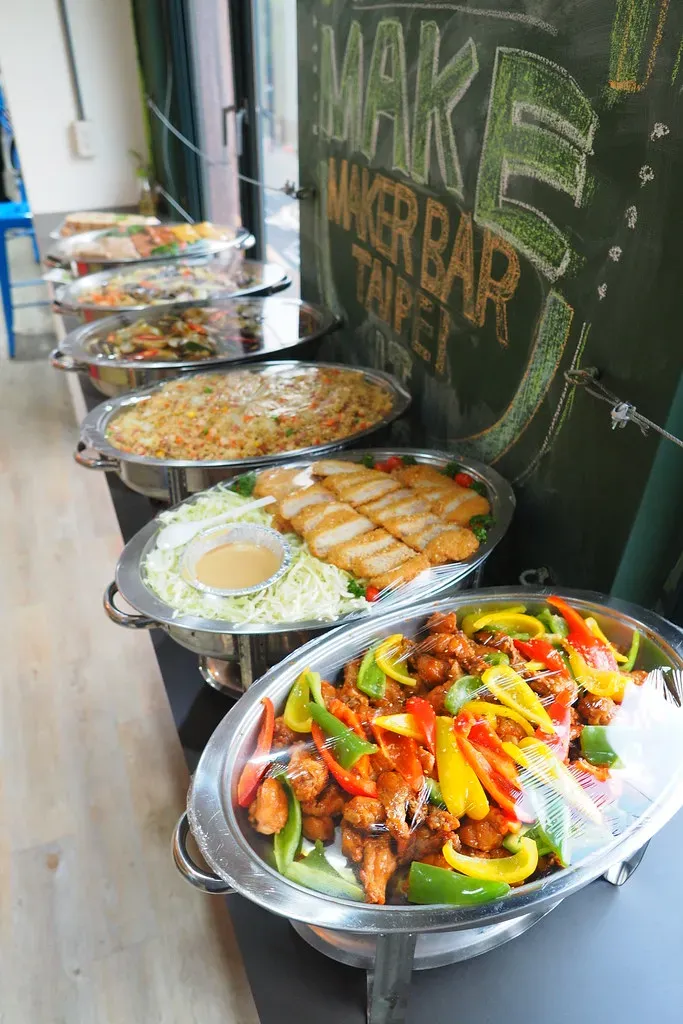
Walk into any buffet and chances are you’re being carefully guided toward the cheap stuff without even realizing it. Some buffets arrange their serving areas so queue bottlenecks occur naturally, with walkways narrowing as you approach the meat station, meaning fewer diners reach expensive dishes before dropping out of the line. That salad bar positioned right at the entrance isn’t there by accident.
Studies show that roughly three quarters of buffet customers select whatever food is in the first tray, and about two thirds of all their food comes from those initial choices. The cheap, filling items like rice, potatoes, and bread dominate the prime real estate. By the time you navigate past the pasta and rolls, your plate’s already crowded. That chef carving roast beef at the end? He’s trained to serve paper thin slices and glare disapprovingly when you ask for extra.
Those Tiny Plates Are Psychological Warfare
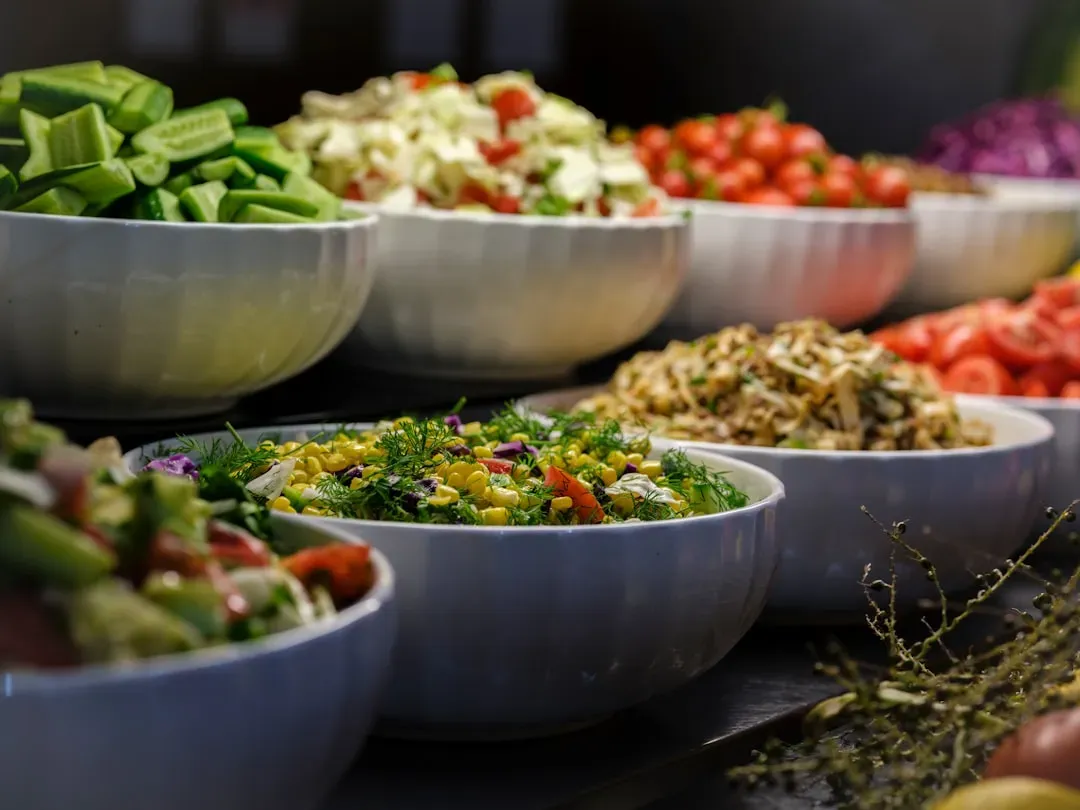
Research published in Food Quality and Preference revealed that bigger plates result in nearly 25 percent larger portions when consumers imagine dinner servings. Buffets flip this principle entirely to their advantage. Notice how those plates feel closer to a bread dish than an actual dinner plate? That’s intentional.
Another study from the American Journal of Preventive Medicine found adults unconsciously serve themselves about 31 percent more ice cream when given bigger bowls and scoops. Many commercial dishware manufacturers even offer smaller sized plates and bowls specifically to their buffet customers in product lines called “buffet lines”. Meanwhile, those drink glasses are enormous because soda costs pennies and every soda a customer drinks occupies stomach space that would otherwise be filled with buffet food, so the more cheap soda they drink, the less expensive food they eat.
Timing Determines What You Actually Get
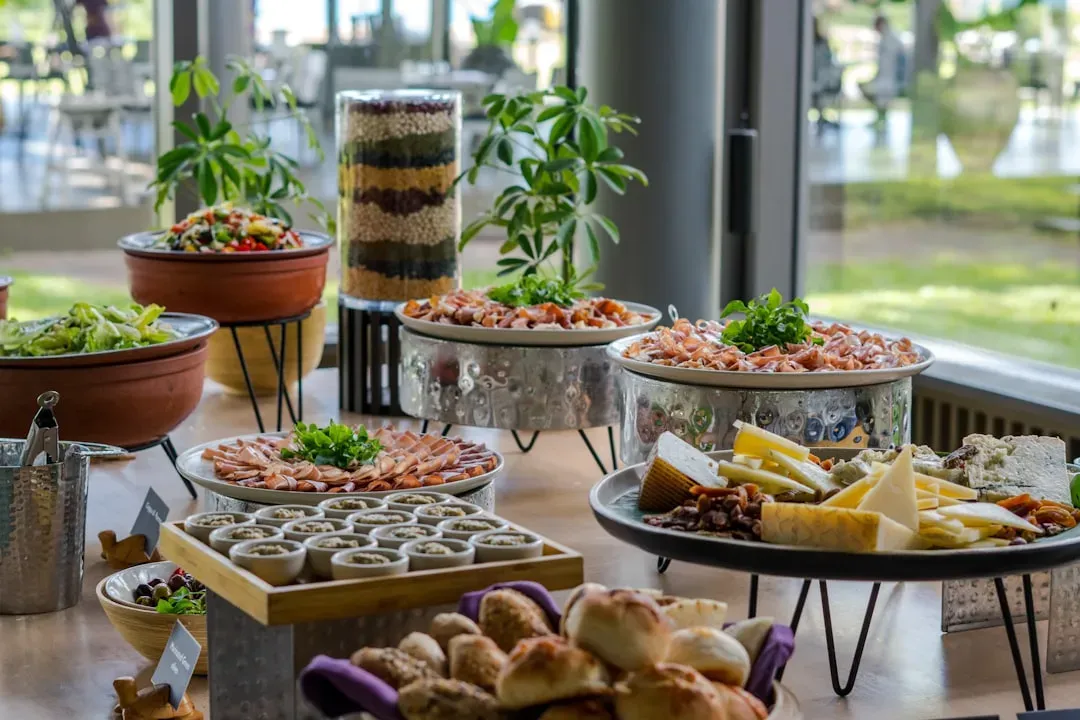
Here’s something most people miss entirely. According to the Food and Drug Administration, once a tray of food on a buffet hits the two hour mark, it should be discarded. The reality? During slow periods, that’s not always what happens.
During non peak times, you risk getting food that’s anything but fresh, and hitting a buffet near the end of business hours can leave you stuck with slim pickings, since the kitchen isn’t likely to put out full pans of newly cooked food. A business manager at Bacchanal Buffet at Caesar’s Palace noted they are rarely busy before 10 a.m., and that Tuesday, Wednesday, and Thursday are the slowest days, while peak meal times like 11 a.m. to 1:30 p.m. and 6 to 8 p.m. should be avoided. Honestly, going when it’s busy means constant food refills, even if it means fighting a crowd.
Food Scraps Get Reincarnated Into New Dishes
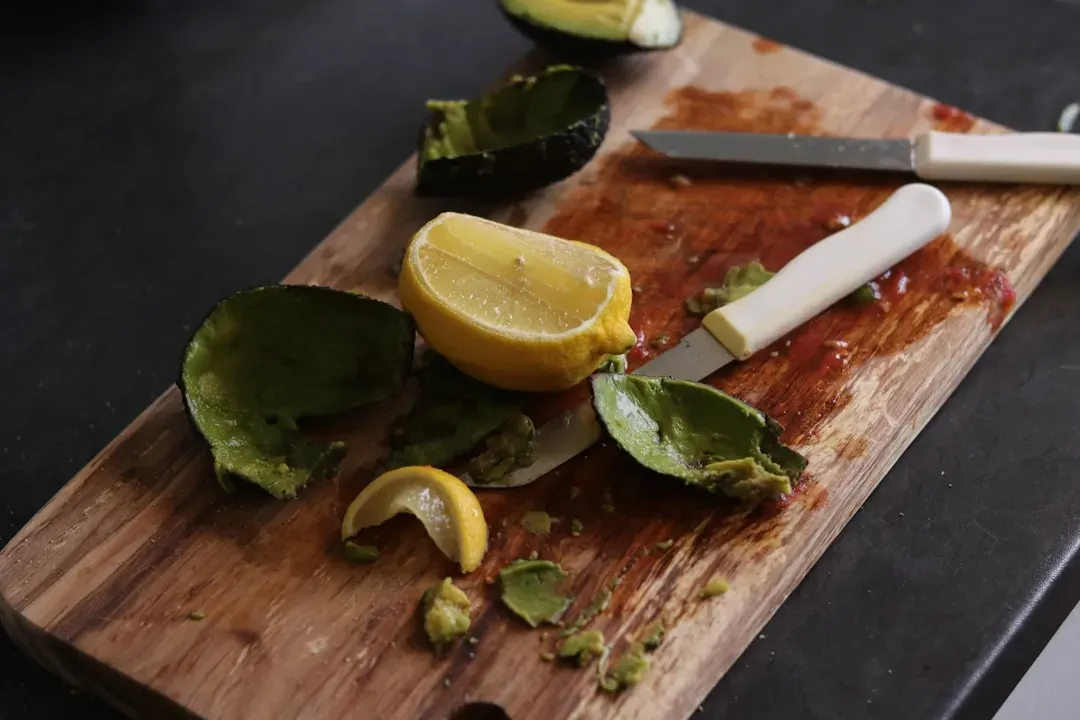
Let’s be real about what happens behind those kitchen doors. Buffets have always been a landing spot for food scraps, with day old vegetables or beef trimmings repurposed into soups or hashes in what insiders call “trickle down specials”. This isn’t necessarily unsafe if done correctly.
Food taken directly off the buffet line would be a health code violation, but upcycled items are handled the same way as non scrap ingredients, just with more creativity. Fully prepped starches like potatoes might cost a restaurant only thirty cents per serving, compared to over two dollars per serving for steak. It’s hard to say for sure, but the margins are tight enough that every scrap matters.
Visual Tricks Make Expensive Foods Look Less Appealing
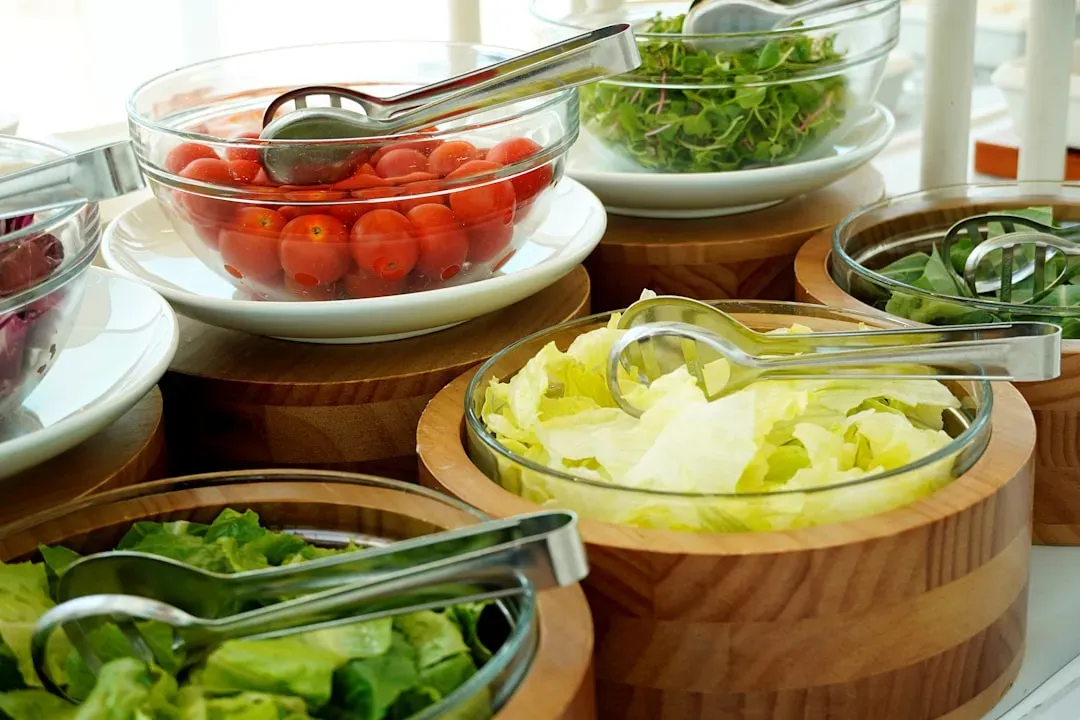
Buffets make expensive food look like something served in a hospital or on an economy airline, while cheap dishes get enhanced with fresh herbs and parsley to appear at least 50 percent more upscale. Those mashed potatoes garnished with greenery suddenly look gourmet, leaving no room on your plate for the pricier fried chicken breast.
Buffets elevate dessert areas so smaller portions look bigger, and pile bite sized items onto extra large decorative platters so you don’t notice how small they actually are. Placing just a few meat items on large platters makes customers hesitant to take too much, either because it seems rude or because they don’t want the person behind them glaring for taking the last piece. The psychological manipulation runs deeper than most realize.
The Variety Illusion Keeps You Satisfied With Less
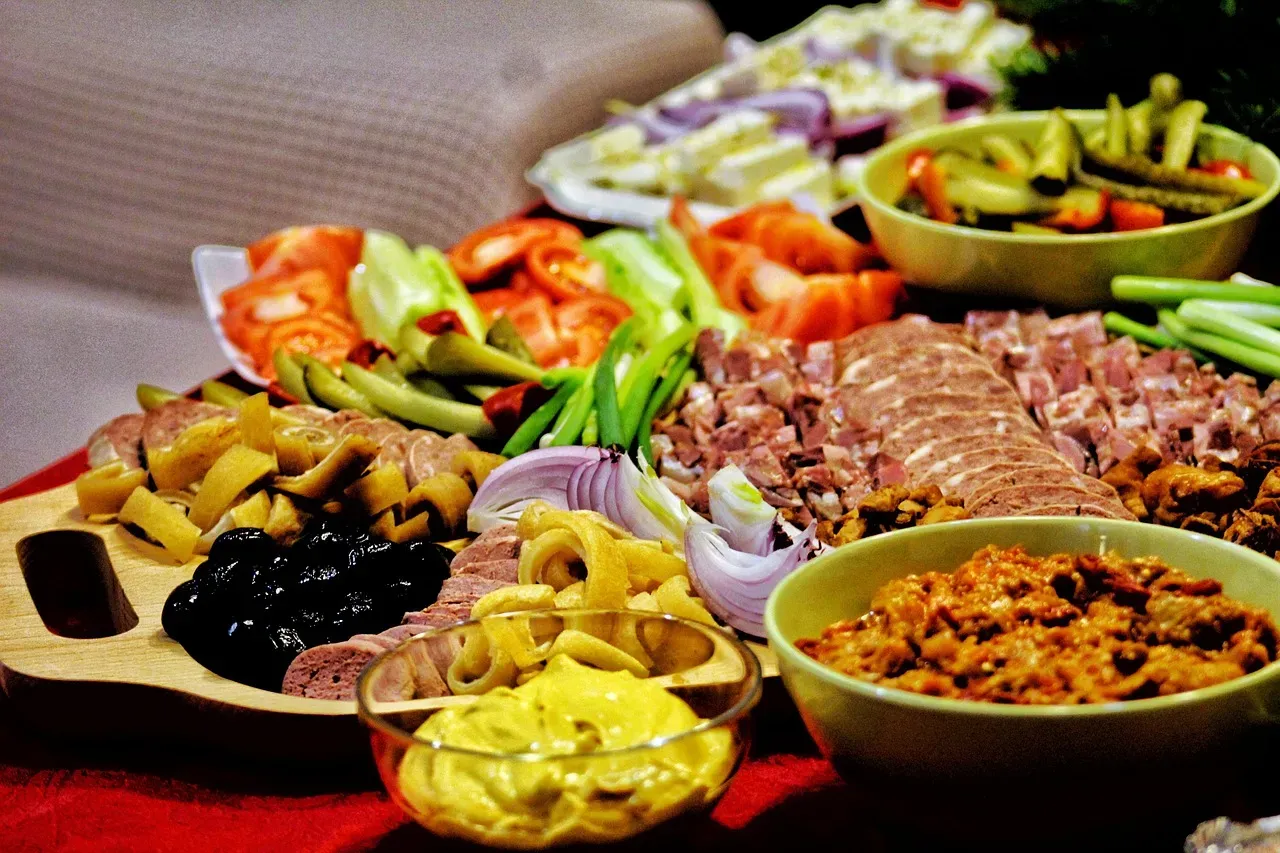
People generally connect value not to how full their stomachs are when they leave, but to how much choice they had, and diners who take small portions of many different dishes tend to be more satisfied than those who eat only a couple of different things. Yet there’s a catch.
In a 2024 study, researchers warned that giving diners too much choice can result in cognitive overload, creating the desire to try a little bit of everything, most of which ends up in the trash. Like most restaurants, buffets operate on extremely thin margins, with roughly 19 dollars of every 20 dollars in revenue going toward overhead, leaving just 5 percent in net profit. Every plate you waste cuts into those razor thin numbers. Did you expect that? What tricks have you noticed the next time you hit a buffet?