Think Twice Before You Go: 4 Once-Popular U.S. Cities Now in Decline
Not every city that once symbolized the American Dream is still thriving. In 2026, the patterns are clear. Some of America’s most storied urban centers face real challenges, ones that won’t vanish with a PR campaign or a new downtown development.
These cities once pulled in residents by the hundreds of thousands. Now they’re watching people pack up and leave. The numbers tell a story that city officials would rather you ignore, though the data doesn’t lie. Let’s look at four cities that have gone from booming to bleeding residents.
San Francisco: The Tech Hub Losing Its Shine
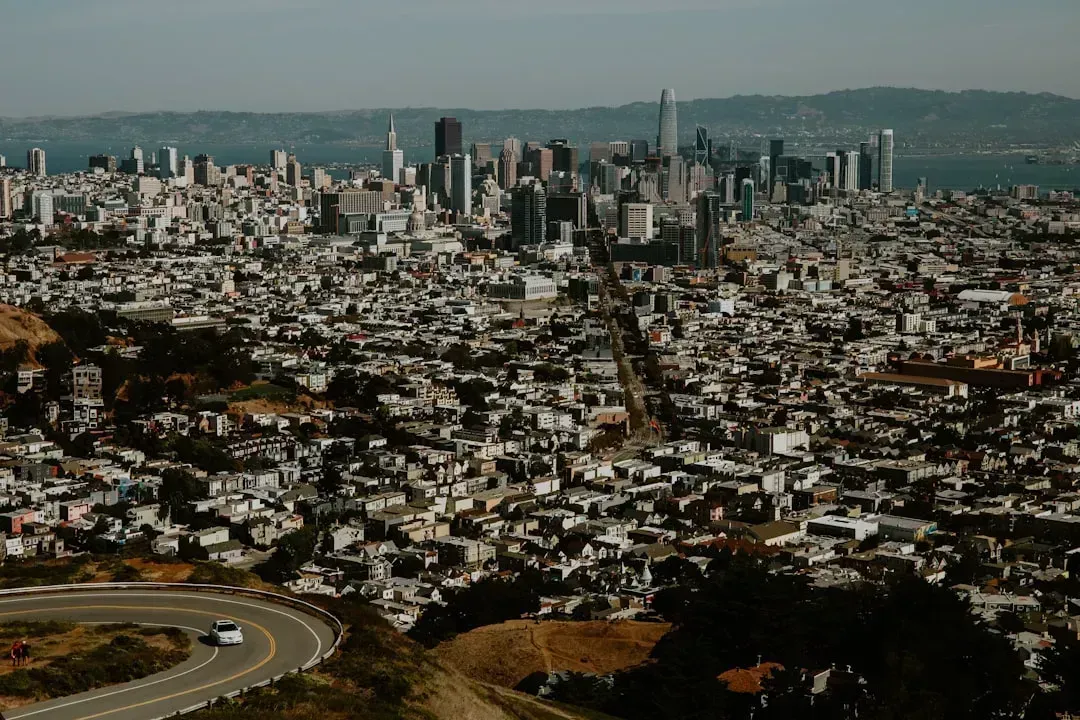
San Francisco has been one of the nation’s biggest population losers since the start of the 2020 pandemic, and by July 2023 the city was still 7 percent smaller than its peak in 2019. Between January 2024 and January 2025, the city lost around 3,300 residents, leaving it with a population of approximately 842,000. Los Angeles saw a net population decline of 0.8% year over year, while data from the fourth quarter of 2025 reveals that Miami and Los Angeles topped the list of major U.S. cities suffering the largest population losses.
Here’s the thing: It’s not just about the pandemic anymore. Housing costs are out of sight, property taxes and living costs are gigantic burdens, and remote work and pandemic-driven shifts prompted many to relocate, especially to more affordable areas. Honestly, when a studio apartment costs more than what people in other states pay for a three-bedroom house, you start questioning your choices. The city’s tech boom created wealth for some, yet it also priced out nearly everyone else. Domestic out-migration is a key factor; overseas migration has helped, but it hasn’t fully offset the losses.
Detroit: A City Fighting Decades of Decline
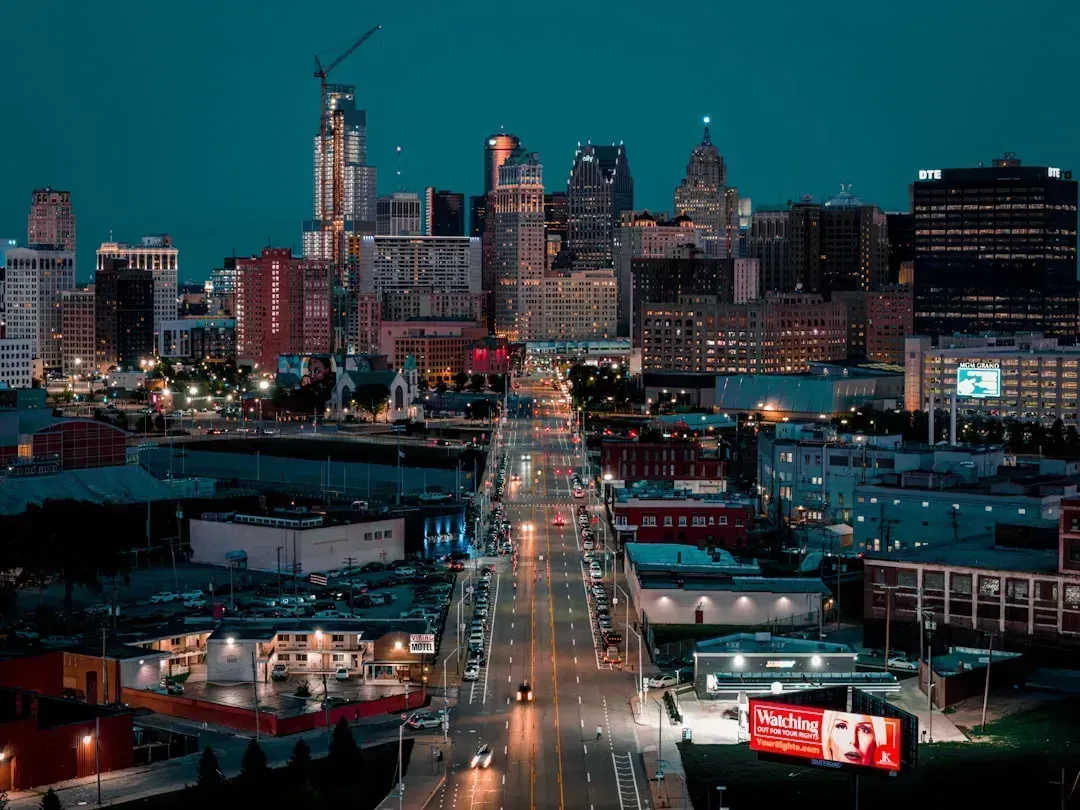
Since reaching a peak of 1.85 million at the 1950 census, Detroit’s population has declined by more than 65 percent. Detroit has long struggled with population decline, and previously having nearly 1.85 million residents in 1950, the city now has fewer than 650,000 residents. Think about that for a moment. A city that once represented America’s industrial might now holds barely a third of its former population.
The auto industry’s collapse wasn’t the only culprit. Detroit has faced decades of economic and population decline driven by urban decay, segregation, political challenges, and the collapse of its once-dominant auto industry, losing over 140,000 manufacturing jobs between 1947 and 1963, and the city filed for bankruptcy in 2013, facing $20 billion in unpaid bills. There’s been some recent improvement, with the United States Census Bureau reporting that the population of Detroit had grown for the second consecutive year, with Mayor Mike Duggan stating that for the first time since the 1950s, Detroit is leading the population growth in the state of Michigan, and in 2024 the population growth exceeded the national average. Yet decades of damage aren’t reversed in a couple years, especially when the broader metro area continues struggling.
Chicago: The Windy City’s Persistent Exodus
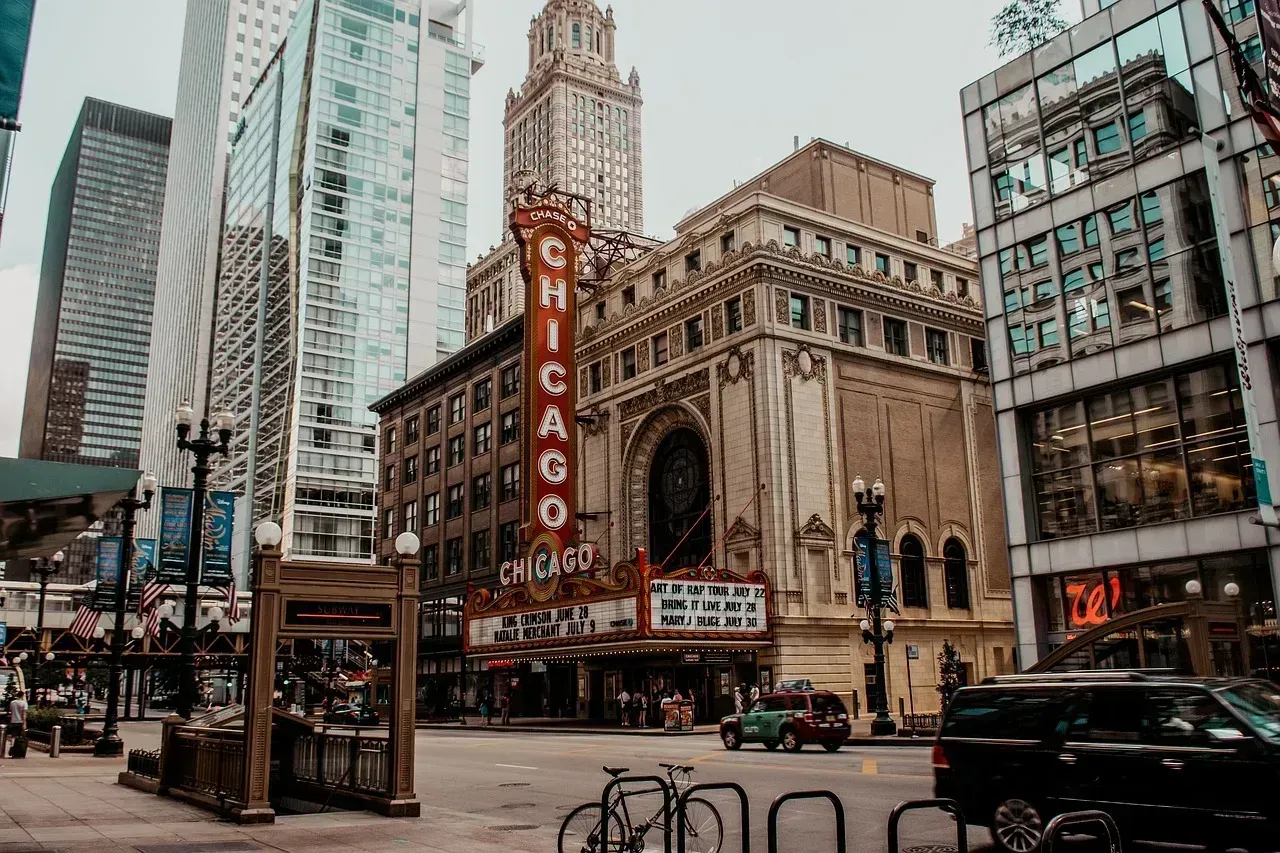
Chicago has been on a steady decline, and in 1920 Chicago boasted a population of 2.7 million, but a century later, the city’s population stands at 2.66 million, down by 128,034 after nine consecutive years of decline. It was another year of population losses for Chicago and the overwhelming majority of Illinois cities in 2023, with Chicago’s population loss of 8,208 being the nation’s third-largest in the country, behind only New York and Philadelphia’s. The city’s reputation as a friendly Midwestern alternative to coastal cities is fading fast.
Residents often cite high taxes, crime issues, and a desire for more affordable housing in surrounding suburbs as their primary reasons for leaving. Let’s be real: Illinois has become notorious for driving people away. When comparing all 50 states’ 2024 domestic migration figures, Illinois’ loss of 56,235 is only beaten by California and New York, and even when considering population size, Illinois ranks 46th in domestic migration. Polling from NPR Illinois and the University of Illinois found 61% of Illinoisans thought about moving out of state in 2019, and the No. 1 reason was taxes. Chicago symbolizes many things, but lately it’s become a cautionary tale about what happens when residents feel their tax dollars aren’t returning value.
Los Angeles: The California Departure Story
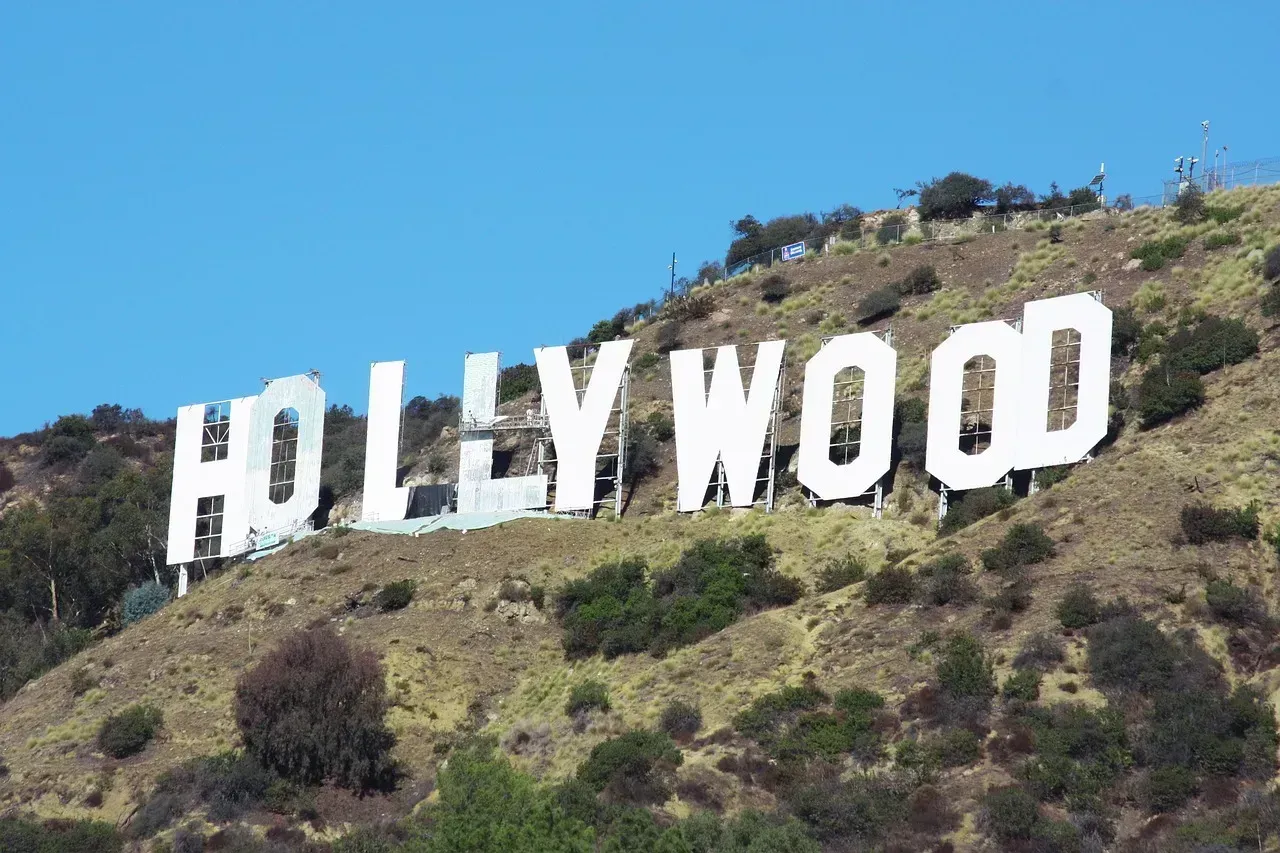
Data from the fourth quarter of 2025 revealed that Miami and Los Angeles topped the list of major U.S. cities suffering the largest population losses in absolute terms, with Miami recording the steepest year-over-year percentage drop. With respect to the fastest declining cities, San Francisco ranked at the top in 2021, and overall, six of the top fifteen declining cities were based in California, with the largest numeric decrease in population recorded in New York City, San Francisco, Chicago, and Los Angeles.
Affordability and high tax rates are the two most common factors driving migration from Los Angeles, and since many Los Angeles-based companies also offer remote work opportunities, workers can relocate to more affordable cities and keep their jobs. California’s reputation as the land of opportunity has been replaced by a different narrative: unaffordable housing, congested freeways, and quality of life that no longer justifies the sky-high cost. California was losing residents the fastest, with one leaving every one minute and 44 seconds according to recent data. When the dream costs too much, people wake up and move to places where their paychecks stretch further.
The decline of these four cities reflects broader shifts in American life. Remote work changed everything, giving people freedom to chase affordability and space. High taxes, soaring housing costs, and quality of life concerns pushed residents toward states with lower costs and better opportunities. These cities built their reputations on promise and prosperity, yet today they’re grappling with a harsh reality: people vote with their feet. Are these urban centers destined for continued decline, or can they reinvent themselves once more? What’s your take on these trends?