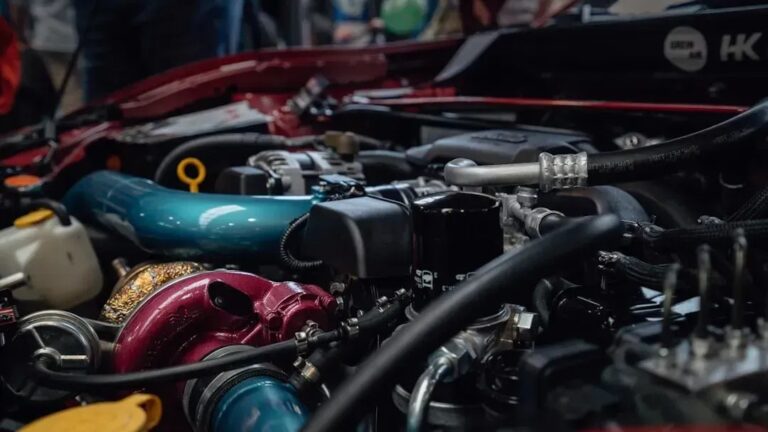
The “Binary” Bill: If Your Cash Has Only Two Digits in the Serial Number, It Could Be Valuable
Ever glanced at the serial number on your dollar bills? Most of us don’t think twice about those dark green digits on our cash. Here’s something that might make you take a second look: some bills with specific number patterns can fetch prices way above their face value. Binary serial numbers, which contain only two unique digits, fall into this unique collector category.
So what exactly makes a bill “binary”? Let’s get into the surprising world of fancy serial numbers and why collectors are hunting for these mathematical oddities.
What Defines a Binary Serial Number
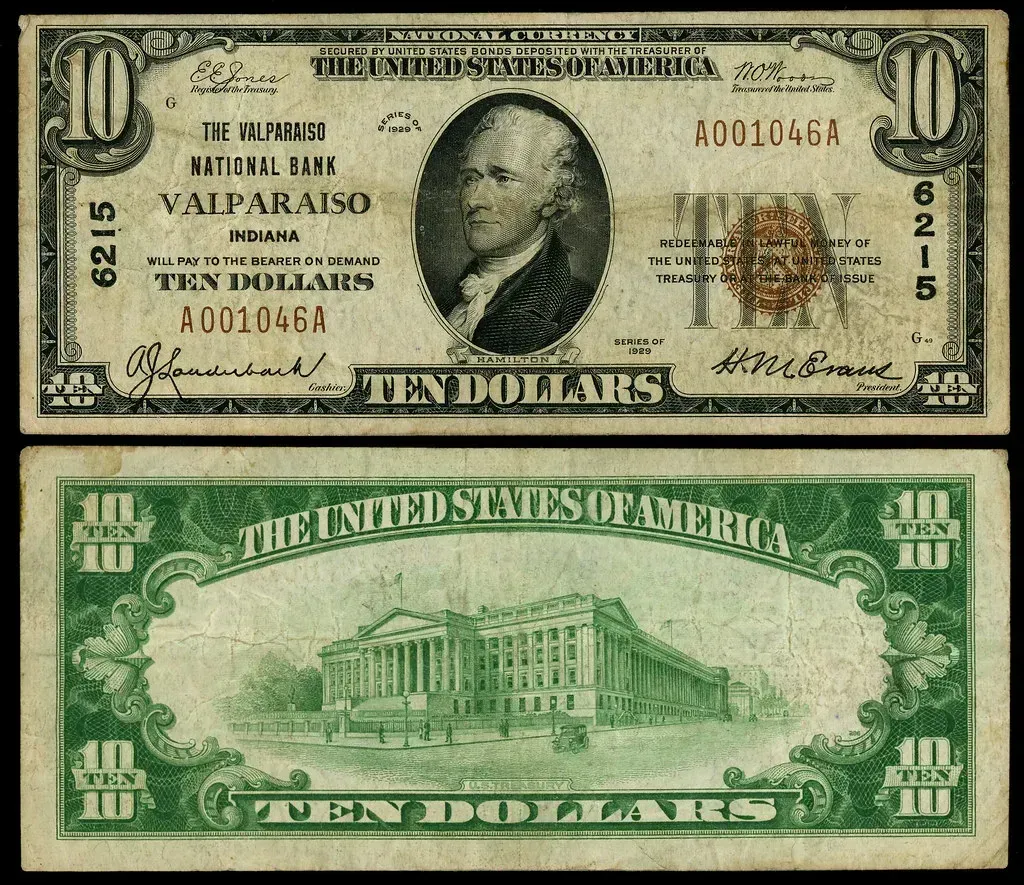
Binary serial numbers contain only two unique digits, with order not mattering – an example would be 74774774. The term takes its name from binary code, the foundation of digital computing. Think about it: every piece of data on your phone or computer ultimately breaks down into sequences of ones and zeros.
True Binary serial numbers specifically contain only zeros and ones, mimicking actual machine code. These are especially prized because they represent the purest form of the binary concept. PMG attributes a serial number consisting of ones and zeros as a Binary Serial Number.
The rarity factor makes these bills stand out. The odds of getting a serial number that’s binary is about one in ten thousand or so. Compare that to solid serial numbers, which occur roughly once in eleven million bills, and binaries suddenly seem more attainable for everyday collectors.
The Price Tag on Binary Bills
On eBay, some binary notes can go for more than three hundred dollars, especially if they’re low or high as well. That’s not pocket change for something you might receive from an ATM. The value jumps considerably when you’re dealing with true binaries.
True binaries using exclusively ones and zeros bring forty to one hundred fifty dollars because they evoke computer code aesthetics. Meanwhile, true binary serial numbers fetch as much as forty to one hundred fifty dollars, while an ordinary binary serial number may increase your paper money’s face value by twenty to seventy-five dollars. Condition matters enormously, though. A crisp, uncirculated note will always command more than a worn bill that’s been folded and handled.
Prices realized by Binary Serial Number notes through Heritage Auctions include a US 1928 Federal Reserve Note graded PMG 63 which realized eleven thousand four hundred dollars in January 2024. A Marmarth, North Dakota 1929 twenty dollar National Bank Note graded PMG 30 Very Fine realized three thousand dollars in January 2025. Let’s be real – those are exceptional cases, but they show what’s possible.
How Binary Bills Compare to Other Fancy Serials
Binary bills sit in an interesting middle ground in the collector hierarchy. They’re more common than solids but rarer than many other patterns. Only about one out of every eleven million notes is a solid, and they can be worth five hundred dollars or more.
The value of ladder serial numbers is between six hundred and two thousand one hundred dollars depending on factors such as the note’s condition and how fancy or unique the number is. Ladders require digits to ascend or descend in order, making them exceptionally rare. Common fancy serials like basic repeaters start at twenty-five to fifty dollars, while rare ladders command six hundred to two thousand one hundred dollars, and low serial numbers below one hundred consistently fetch three hundred to five hundred dollars.
About seven bills in one thousand have trinary serial numbers, and a run-of-the-mill trinary serial number will only be worth a few dollars on eBay. This puts binaries in a sweet spot for collectors – rare enough to be desirable but common enough that you might actually find one.
Where Collectors Are Buying and Selling
The market for fancy serial numbers has evolved significantly with online platforms. eBay attracts the largest collector audience, with completed listings providing transparent price history, while Heritage Auctions and Stack’s Bowers handle high-value pieces charging ten to twenty percent seller premiums. Honestly, eBay is probably your best bet if you’re just starting out.
The currency collecting market has shown remarkable resilience and growth throughout 2024, with this momentum carrying strongly into 2025, and overall market growth has averaged eight to twelve percent annually across most collecting categories. That’s actually pretty impressive growth for a collecting niche. Social media has played a huge role in popularizing fancy serial numbers among younger collectors.
The popularity and scarcity of these pieces makes them continue to gain in value every year, with demand continually outstripping supply. Platforms such as eBay and Facebook groups are recommended for selling notes, and sites like mycurrencycollection have fancy serial number checkers.
Spotting Binary Bills in Your Wallet
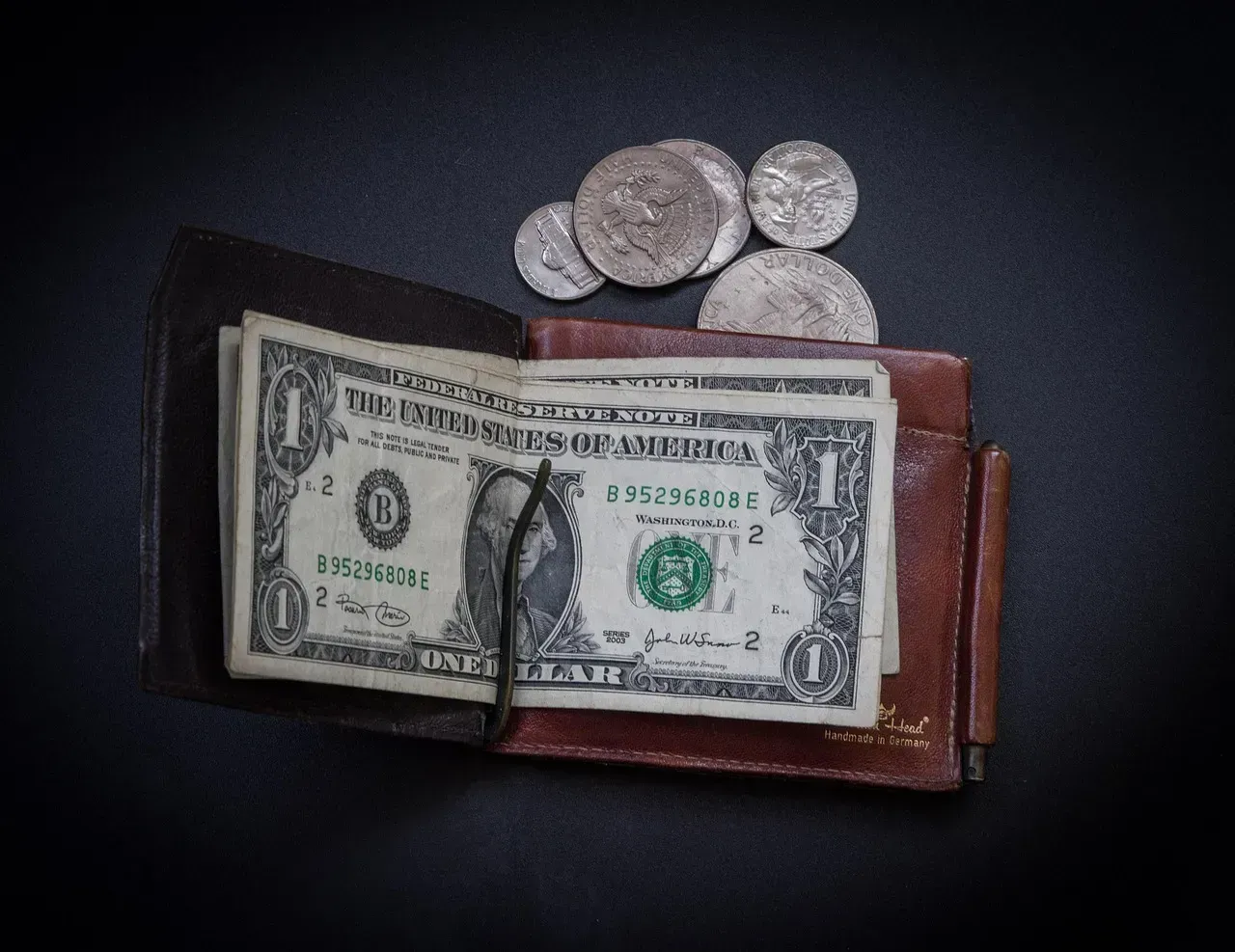
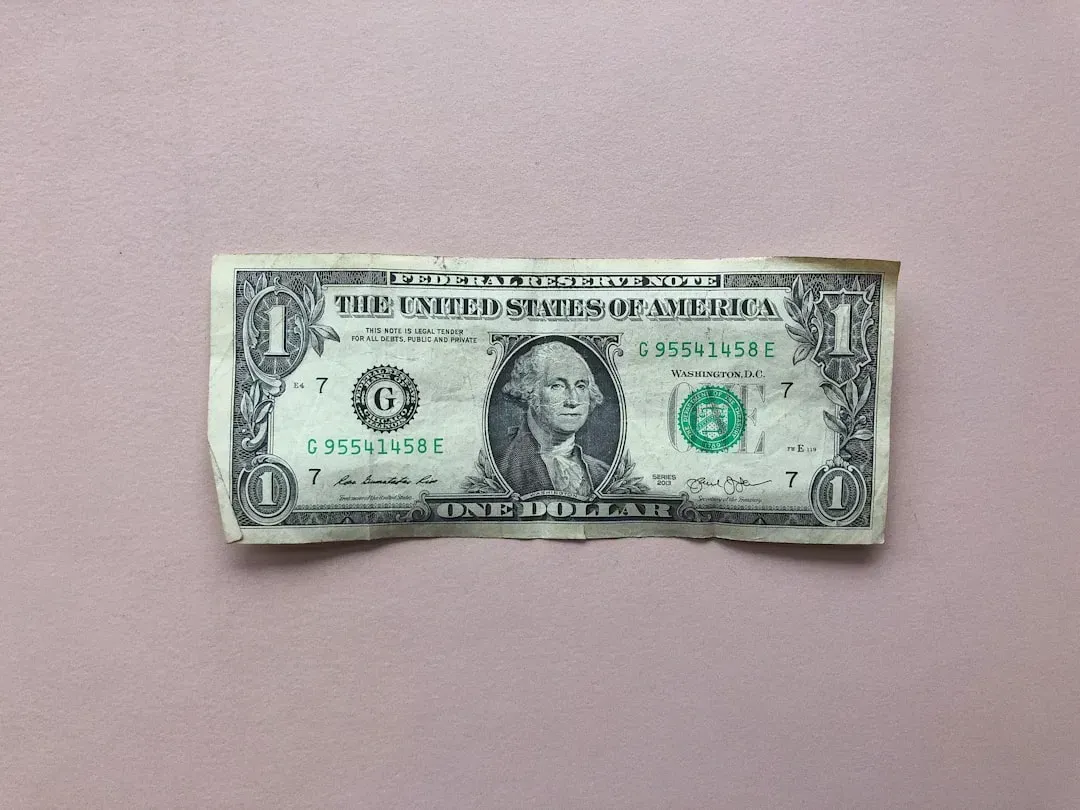
Finding a binary bill requires attention to detail. Pull out your cash and look at those eight-digit serial numbers in the upper right and lower left corners. You’re searching for any combination that uses only two different digits. The number 29299299 qualifies, as does 88448488 or 11010101.
Values are approximate based on sales of uncirculated low-denomination notes on eBay and Heritage Auctions, and values drop very rapidly for notes that are in circulated condition, while higher denominations are less collectible and have lower values. So that crisp one-dollar bill fresh from the bank? It’s worth more attention than a crumpled twenty.
Condition is the biggest factor in values, and the best serial types will be single digit numbers under ten, full solid digits, or ladders, as these types of serials always sell for a premium regardless of condition. It’s hard to say for sure, but if you regularly handle cash – whether working retail, banking, or just paying attention at the ATM – you’re statistically bound to encounter some interesting patterns eventually.
The thrill comes from the hunt itself. Check your bills before spending them. You never know when a simple trip to the ATM might yield a find worth significantly more than face value.