8 Foods Experts Say You Should Stop Throwing Away
You’re probably tossing out some of the most nutritious parts of your food without even thinking about it. We all do it. That thick broccoli stalk hits the trash, the watermelon rind gets composted, and those banana peels never see the light of day again. Here’s the thing: what we’ve been taught to discard often holds surprising nutritional treasures that could benefit our health and our planet.
Over 30% of food is lost or wasted each year, and a significant portion of that comes from households unknowingly throwing away perfectly edible, nutrient-dense food parts. As of 2023, around 31% of all food went unsold or uneaten – approximately 74 million tons – representing an economic loss of $382 billion. The good news? You can make a real difference starting in your own kitchen. So what are these hidden gems you should be keeping instead of tossing?
Broccoli Stalks
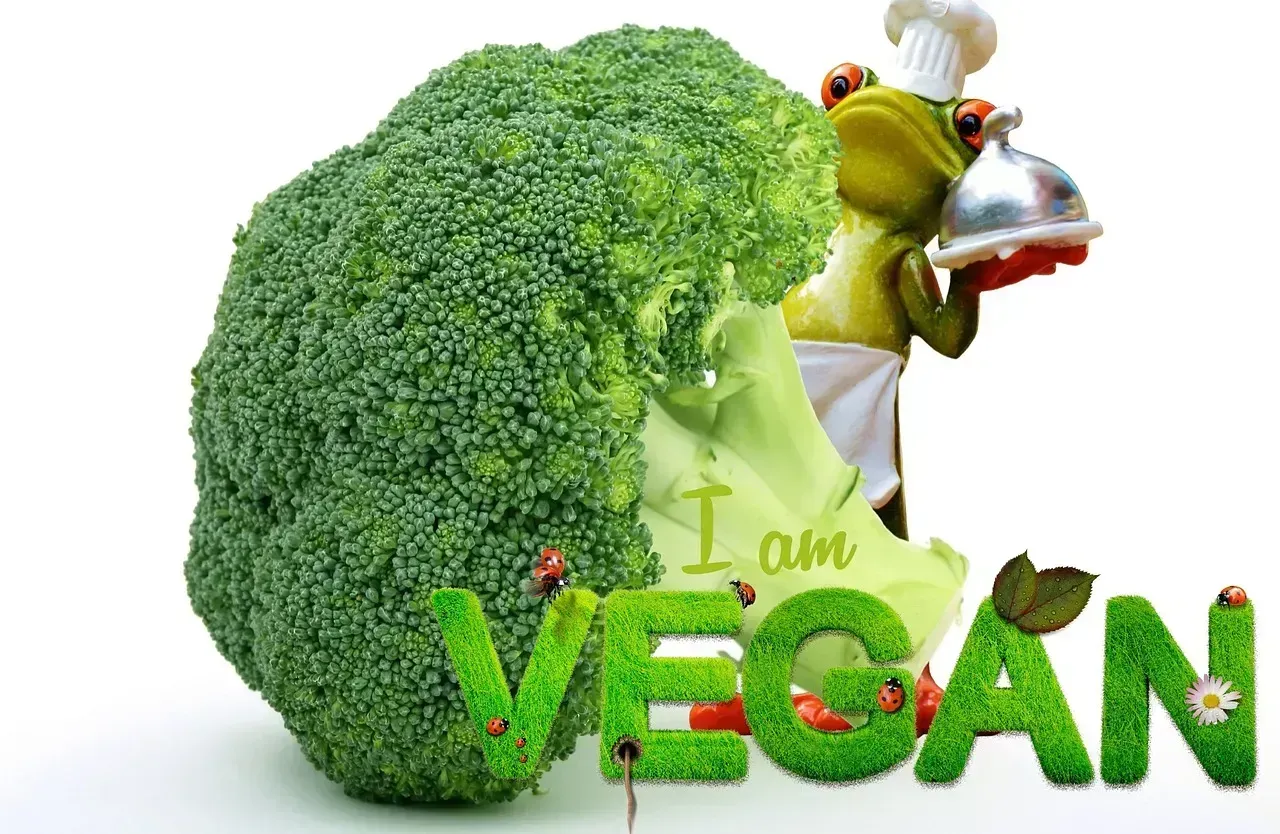
Only about 10 to 15% of the total aerial biomass of the broccoli plant is consumed, which means we’re throwing away the vast majority of this nutritious vegetable. Those thick stalks you’ve been discarding? The stalk is also edible and contains nutrients like vitamin A, vitamin C, folate, fiber, and potassium. Honestly, the stems might even be more versatile than the florets. The stalk contains the most fiber, while broccoli leaves are highest in cell-protecting antioxidants, vitamins E and K, and calcium. You just need to peel away the tough outer layer and you’ve got a crunchy, mildly sweet vegetable that’s perfect for stir-fries, soups, or even eaten raw with dip. Broccoli stems contain all the same nutrients as the florets, which makes them an extremely healthy food.
Watermelon Rind
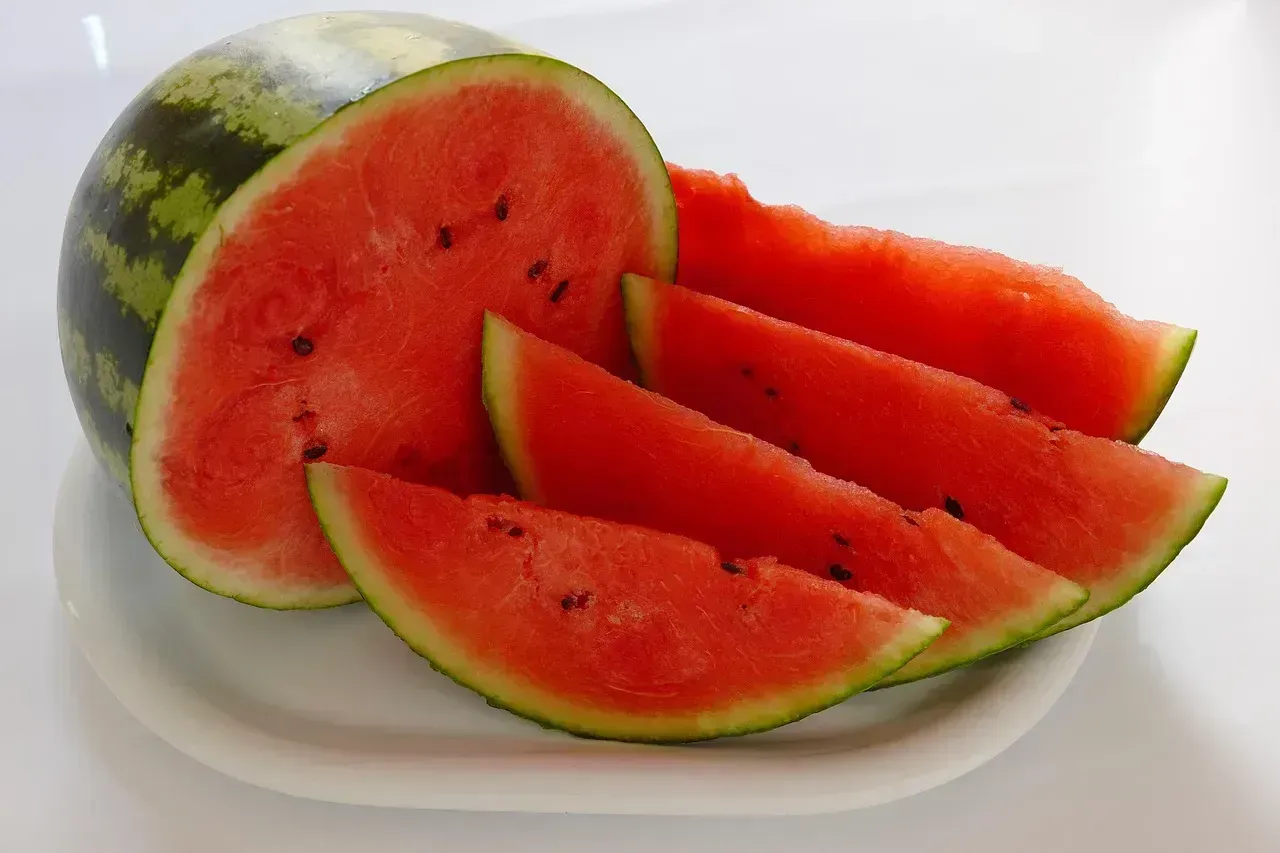
That pale white and light green part between the red flesh and the dark green skin isn’t garbage. It’s low in calories and contains fiber, vitamin C, and citrulline – an amino acid linked to improved blood flow and reduced muscle soreness. Research from 2023 shows something even more interesting. Results revealed significant increase in satiety for both trials over time, with more fullness for watermelon with rind, and the rind actually stabilized glucose response compared to flesh alone.
Think about that for a second: the part we automatically discard could help with blood sugar control and keep you feeling fuller longer. The rind, which is typically discarded, contains higher concentrations of certain nutrients, including fiber, vitamins, and citrulline, offering notable digestive and cardiovascular benefits. You can pickle it, blend it into smoothies, or stir-fry it with other vegetables.
Banana Peels

This one might sound strange if you grew up in Western countries, but banana peels are actually edible and packed with nutrition. Dole scientists have also found the peels are very nutrient-dense containing 2.3 times the fiber, 2.4 times the beta-carotene and 8.4 times the calcium of regular banana flesh. Let that sink in: eight times more calcium than the part you’re eating. Recent studies have shown that banana peels have bioactive chemical components and can be used as good sources of natural antioxidants and for pharmaceutical purposes in treating various diseases.
The key is choosing ripe bananas with softer, sweeter peels and cooking them properly. The incorporation of banana peel into food products enhanced the nutritional content, particularly the dietary fibre and phenolic content, and it has been demonstrated that banana peel reduces lipid oxidation, particularly in meat-based products. Blend them into smoothies, bake them into bread, or fry them until tender.
Citrus Peels
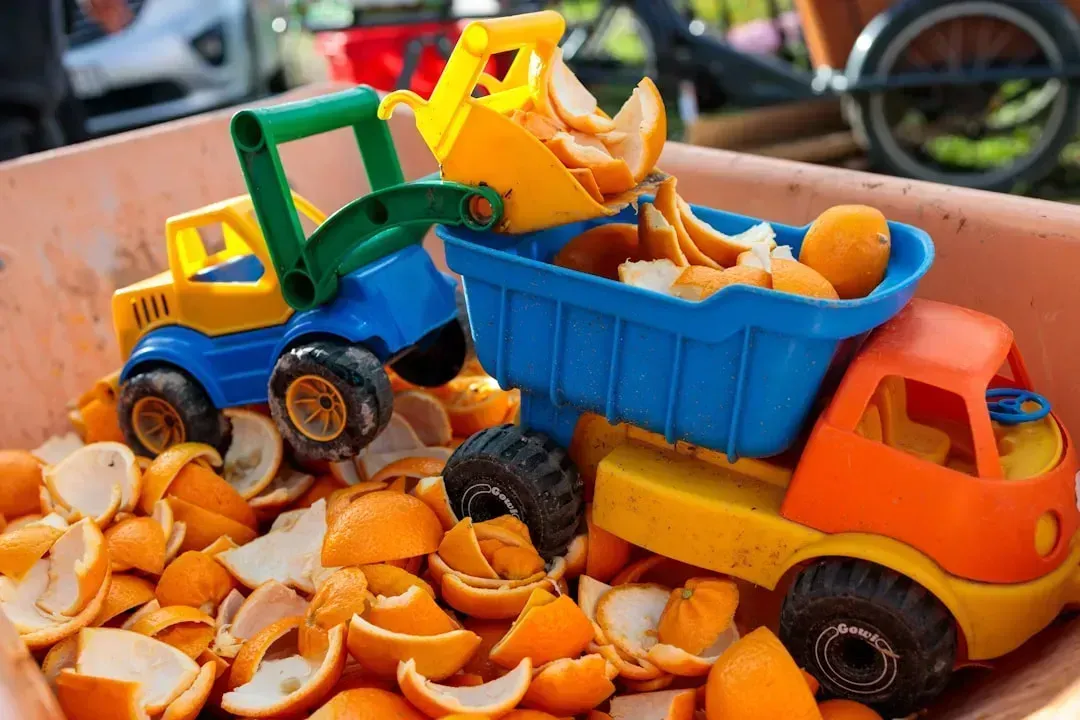
Orange, lemon, and lime peels contain powerful compounds that most people never consume. The white pith and zest are loaded with flavonoids and essential oils that have anti-inflammatory properties. These peels contain higher concentrations of certain antioxidants than the juice itself. The bitter compounds in citrus peels can support digestion and have antimicrobial properties. Instead of tossing them, you can zest them for baking, candy them for a sweet treat, or dry them for tea. Just make sure to wash them thoroughly first, since conventional citrus fruits are often treated with pesticides and wax coatings. Organic citrus is your best bet if you plan to eat the peel.
Carrot Tops
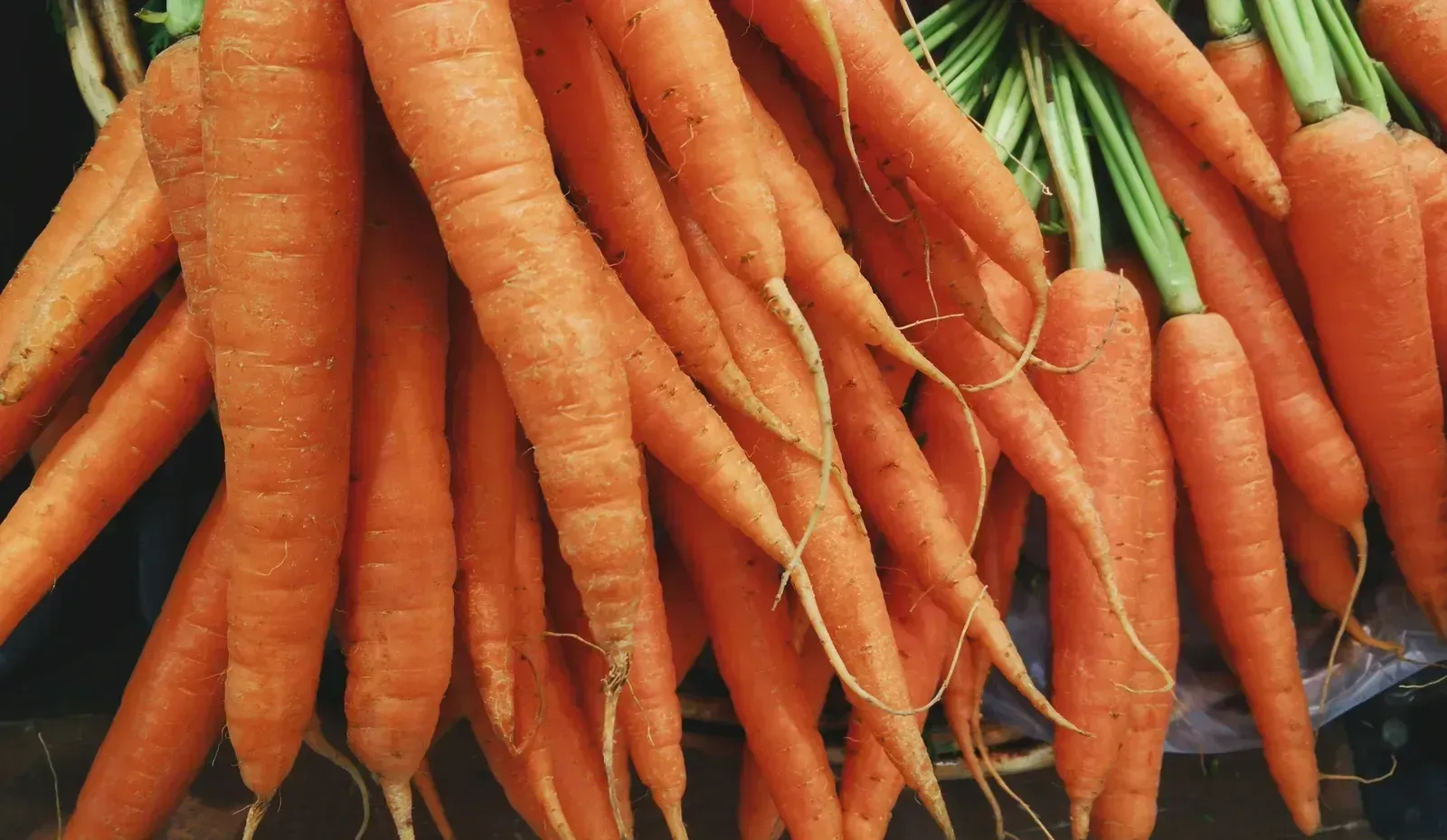
Those leafy greens attached to your carrots aren’t just decoration. They’re perfectly edible and surprisingly nutritious, containing vitamin K, potassium, and various antioxidants. Some people worry about carrot tops being toxic, but that’s largely a myth. They do contain small amounts of alkaloids, but you’d need to eat an unrealistic quantity for it to cause any issues. The greens have a slightly bitter, herbaceous flavor that works wonderfully in pesto, chimichurri, or salads. You can also sauté them like you would other leafy greens or add them to soups and stocks for extra flavor and nutrition. They’re essentially free bonus vegetables that come with your carrots.
Strawberry Tops
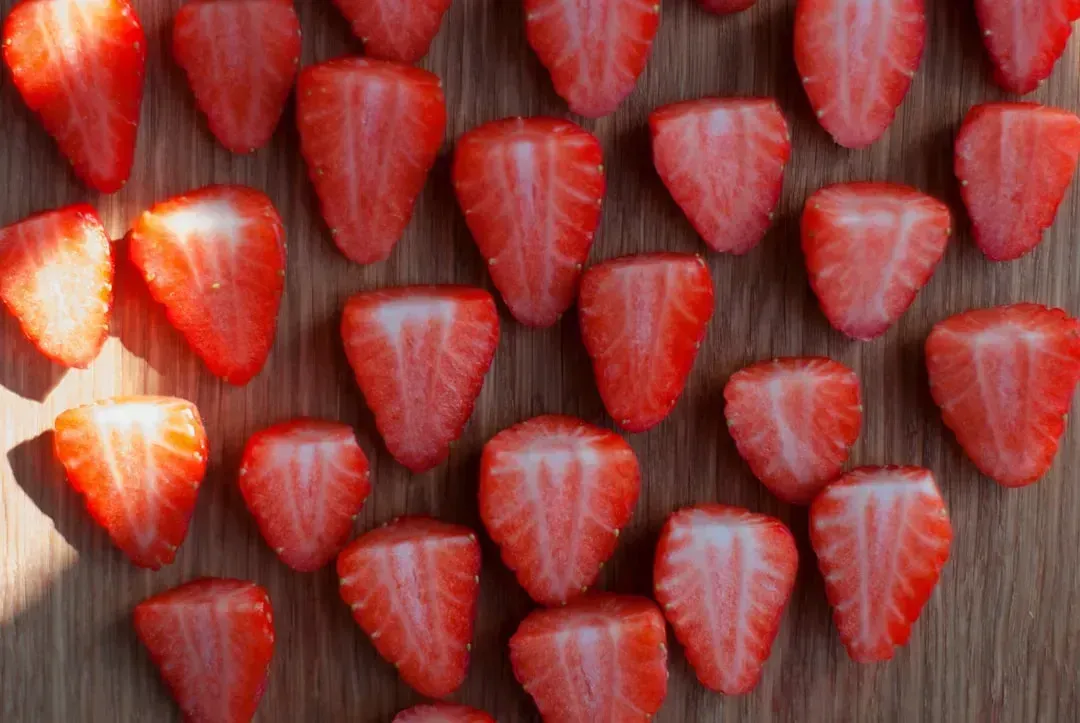
You know those green leafy caps on strawberries? They’re not poisonous, despite what many people think. Strawberry leaves and stems are safe to eat and contain nutrients like vitamin C and fiber. They have a slightly bitter, grassy taste that can actually complement the sweetness of the berry. Toss them into smoothies where their flavor gets masked by other ingredients, or use them to make herbal tea. Some creative cooks even pickle them or use them as garnishes. The texture is a bit tough when raw, so blending is usually your best option. It might seem like a small thing, but when you consider how many strawberries you eat in a season, those tops add up to a lot of wasted nutrition and unnecessary trash.
Potato Skins
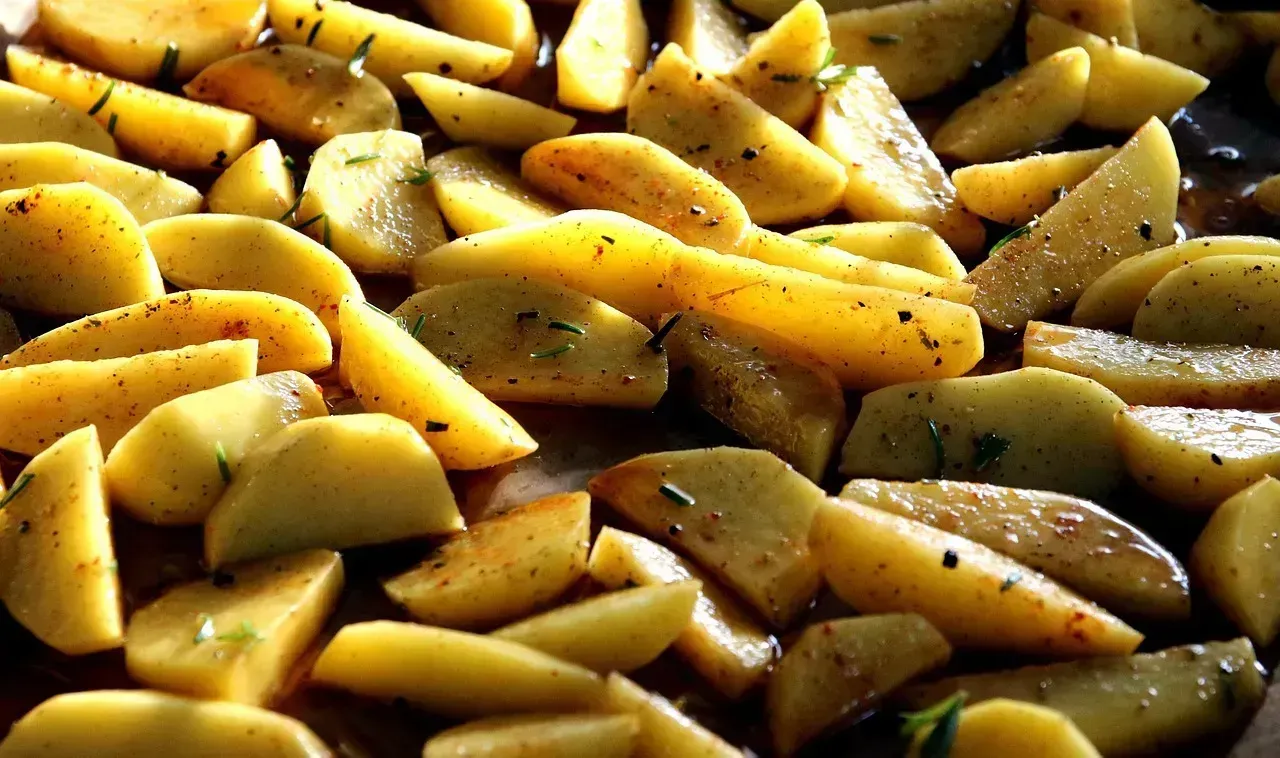
Peeling potatoes has become such an automatic habit that we don’t even question it anymore, yet the skin is where much of the nutrition lives. Potato skins are rich in fiber, iron, potassium, and B vitamins. They also contain beneficial plant compounds that act as antioxidants. The skin provides structure and can help slow down the digestion of the potato’s starches, which means a more gradual rise in blood sugar compared to peeled potatoes. Obviously, you need to scrub them well to remove any dirt or potential pesticide residue. Organic potatoes are ideal if you’re eating the skins regularly. Roasted potato skins get crispy and delicious, and even mashed potatoes benefit from leaving the skins on for added texture and nutrients.
Kale and Chard Stems
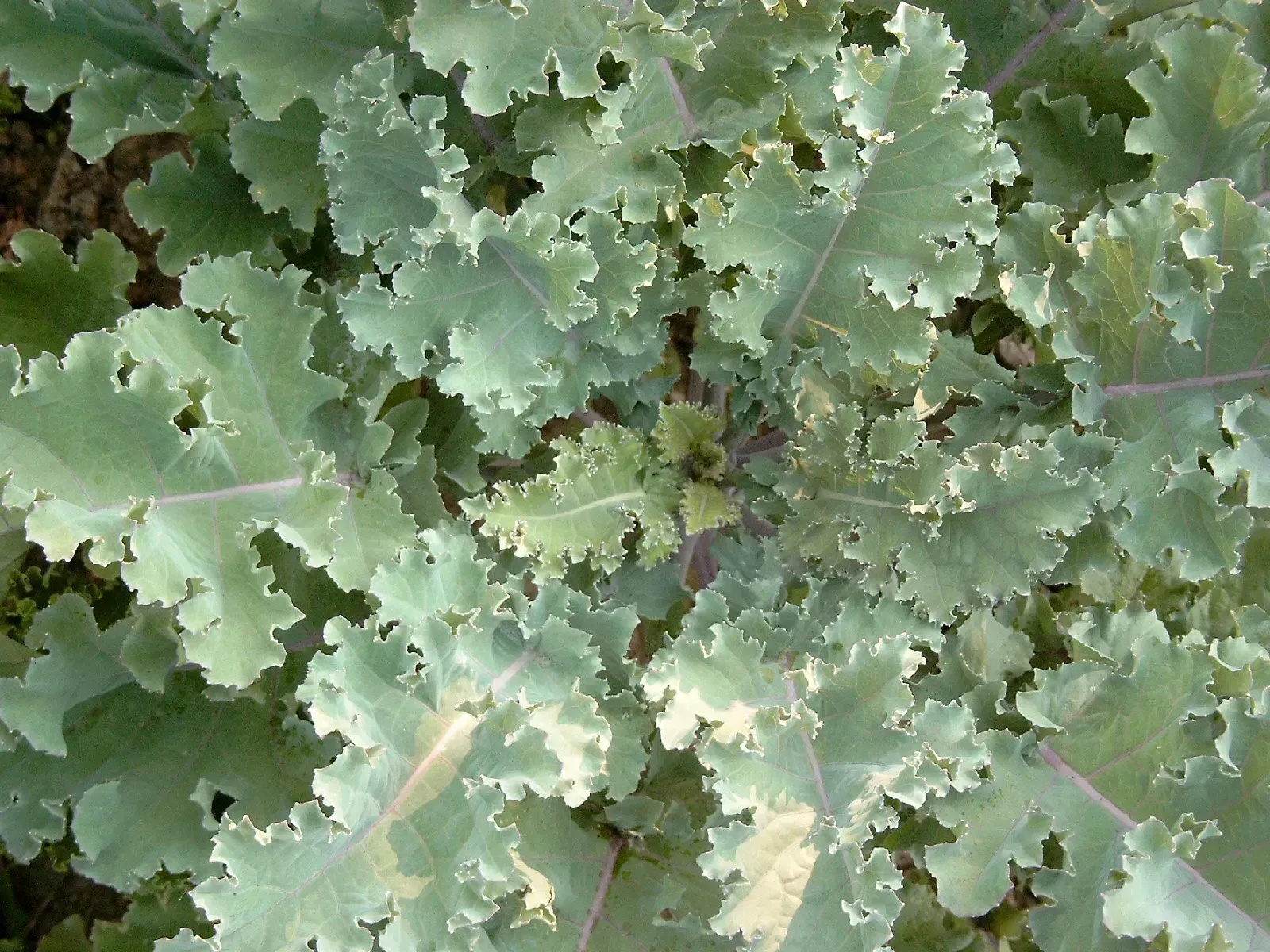
When recipes call for leafy greens, they often tell you to remove the stems and ribs, but that’s throwing away perfectly good food. These stems contain many of the same nutrients as the leaves, including fiber, vitamins, and minerals. The main difference is texture. They’re tougher and take longer to cook, so they need different preparation. Chop them finely and sauté them before adding the leaves, or pickle them for a crunchy condiment. You can also blend them into smoothies or soups where texture isn’t an issue. Some people even roast them until crispy like chips. The stems have a slightly more bitter, earthy flavor than the leaves, which some people actually prefer. It just requires a shift in thinking about what’s edible versus what’s waste.
What would you have guessed about these foods? The next time you’re about to toss those broccoli stalks or banana peels, remember: you’re not just throwing away scraps. You’re throwing away nutrition, flavor, and an opportunity to reduce waste. Give a few of these a try and see which ones work for you.