7 Modern Mint Errors That Can Make Everyday Coins Worth Money
You’ve probably tossed hundreds of coins into vending machines, tip jars, and parking meters without a second glance. Here’s the thing though. Some of those ordinary pennies, nickels, and quarters hiding in your pocket change could be worth hundreds or even thousands of dollars. Every day, millions of Americans handle coins worth hundreds or even thousands of dollars without realizing it, as these aren’t ancient rarities but modern coins with minting errors that slipped into circulation. Due to improvements in production and inspection, modern errors are more rare and this impacts value.
It’s pretty wild when you think about it. The U.S. Mint produces billions of coins each year, and despite advanced technology and rigorous quality control, mistakes still happen. These errors create unique specimens that collectors actively hunt for. We’re not talking about coins that are slightly worn or discolored from age. We’re talking about genuine manufacturing defects that occurred right at the mint during production. Only coins with errors that happened during the minting process are considered rare or valuable. So let’s dive into seven mint errors you might actually find in your change today.
Doubled Die Errors
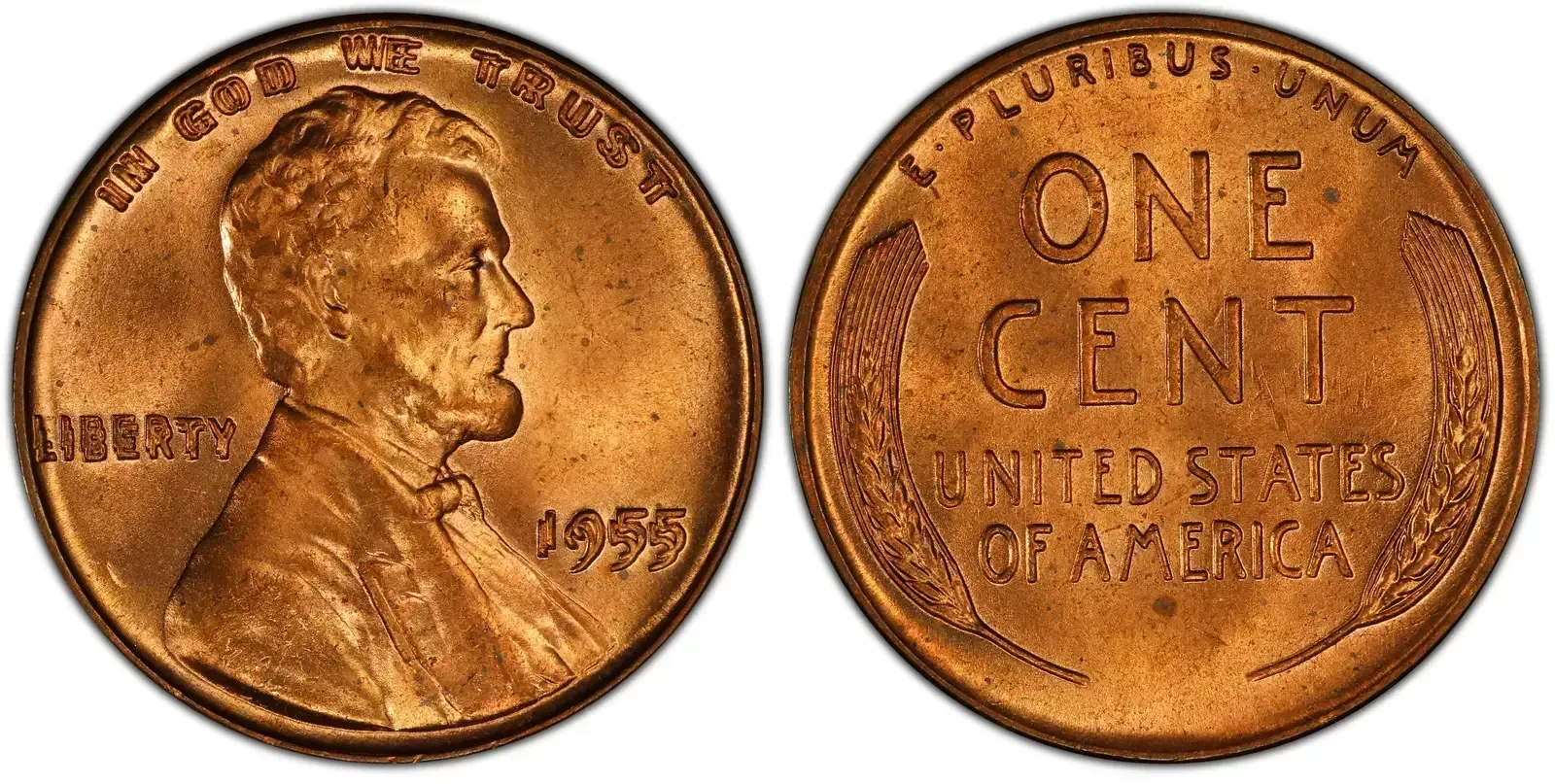
A doubled die coin is one that was struck by a die that was accidentally engraved with a doubled image. When you look closely at these coins, letters, numbers, or design elements appear to have a shadow or echo beneath them. It’s like the design got stamped twice in slightly different positions. The doubled die coin is a variety created during the die making process, and as a result, the doubling will appear on every coin struck from that die because if the hub or die shifted at all during this process, the finished die would feature two distinct impressions with separation between them.
In 2023, the rare 1958 doubled die penny broke auction records when it sold to a collector for $1,136,250 after 117 bids. Now that’s an extreme example, one of only three known to exist. More realistically, the 1995 doubled die Lincoln cent is now a $20 coin that hit the national airwaves when it was first discovered. The 1972 version is another great find. Many common and subtle doubled die pennies are worth ten to twenty dollars, while certain exceptionally rare or recognizable doubled die pennies can be worth thousands. Not every doubled die is worth a fortune, though. Minor doubled dies (those that are obscure and require magnification to see) tend to not bring a whole lot of money.
Off-Center Strikes
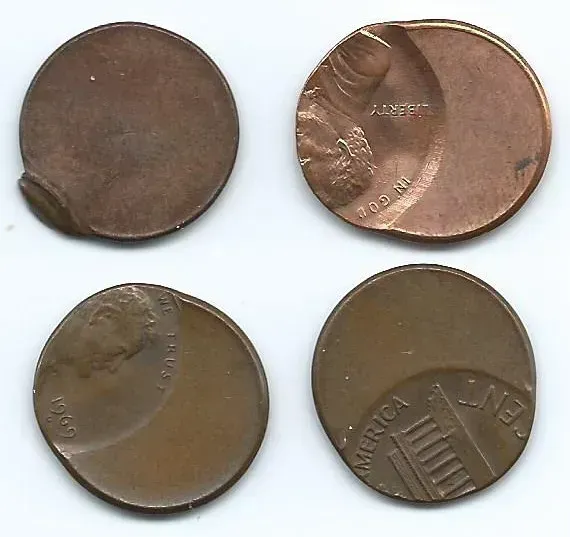
Picture a coin where the design is dramatically shifted to one side, leaving part of the blank metal visible. That’s an off-center strike. Ordinarily at a mint, a blank planchet is seated correctly in the collar when the dies strike it to create a coin, but if the planchet is not restricted by the collar and part of it falls outside the upper and lower dies, then an off-center strike occurs. These errors are visually striking because you can see both the stamped design and the unstamped portion of the metal.
Roughly half off-center is generally considered to be the perfect percentage for a coin to be struck off-center. Collectors particularly value coins where the date is still visible, since that makes authentication much easier. The coins can vary in value because of how far off center they are struck, although coins with full dates are more desirable than coins without a date or missing digits. Generally speaking, a coin has to be struck at least 5% off center for it to register any significant value as an error coin. Off-center coins with strikes of 10% to 15% off center are worth less than those that show less than 50% of the design, and if the entire date of the coin is showing, that piece is worth more. A Standing Liberty Quarter struck roughly one-third off center realized $33,600 in July 2022 according to NGC auction records.
Wrong Planchet Errors
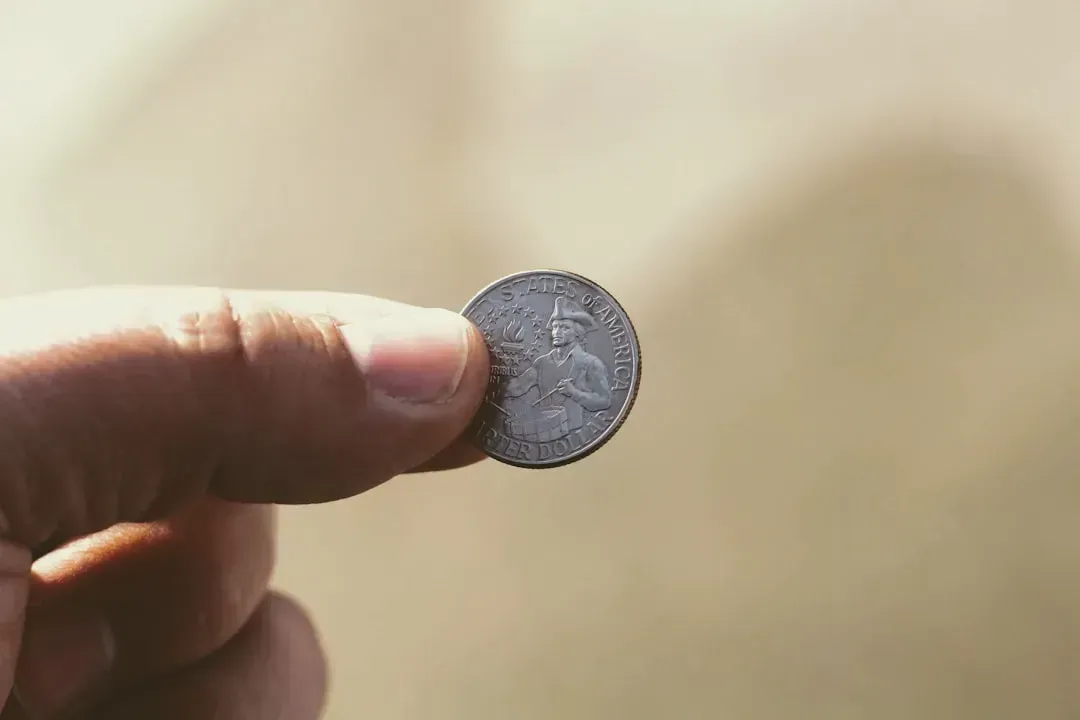
This is when a coin gets struck on a metal blank intended for a completely different denomination. Imagine a quarter design stamped onto a dime-sized piece of metal, or vice versa. Sometimes planchets for one coin denomination are fed into a coin-stamping press equipped with dies of another denomination, with examples including cents struck on dime planchets, nickels on cent planchets, or quarters on dime planchets. The result looks bizarre because the design doesn’t fit properly on the planchet.
These are genuinely rare mistakes. Values for off-metal and wrong planchet error coins vary widely from around $300 to more than $20,000, with the most valuable coin planchet errors including a scarce error involving a Walking Liberty half dollar struck on a Washington quarter planchet worth as much as $20,000. The Sacagawea Mule, one of the most famous modern coin errors, was struck with a Washington Quarter on one side and a Sacagawea Dollar on the other, and is set to be auctioned. According to a 2024 auction record, a dollar obverse with quarter reverse sold for $144,000 at auction. Wrong planchet errors are genuinely difficult to fake since the weight and dimensions must match the wrong planchet, not the design stamped on it.
Clipped Planchet Coins
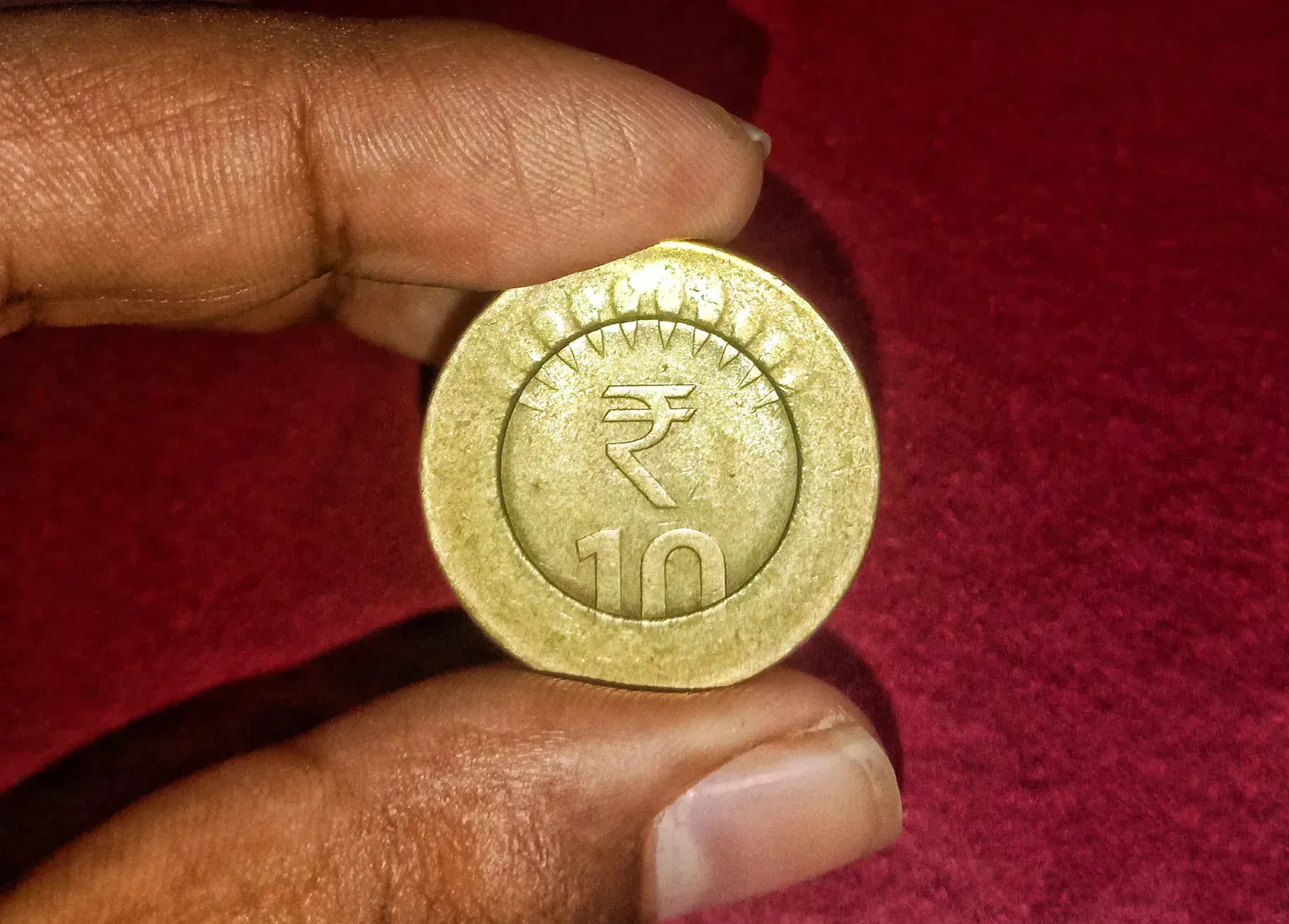
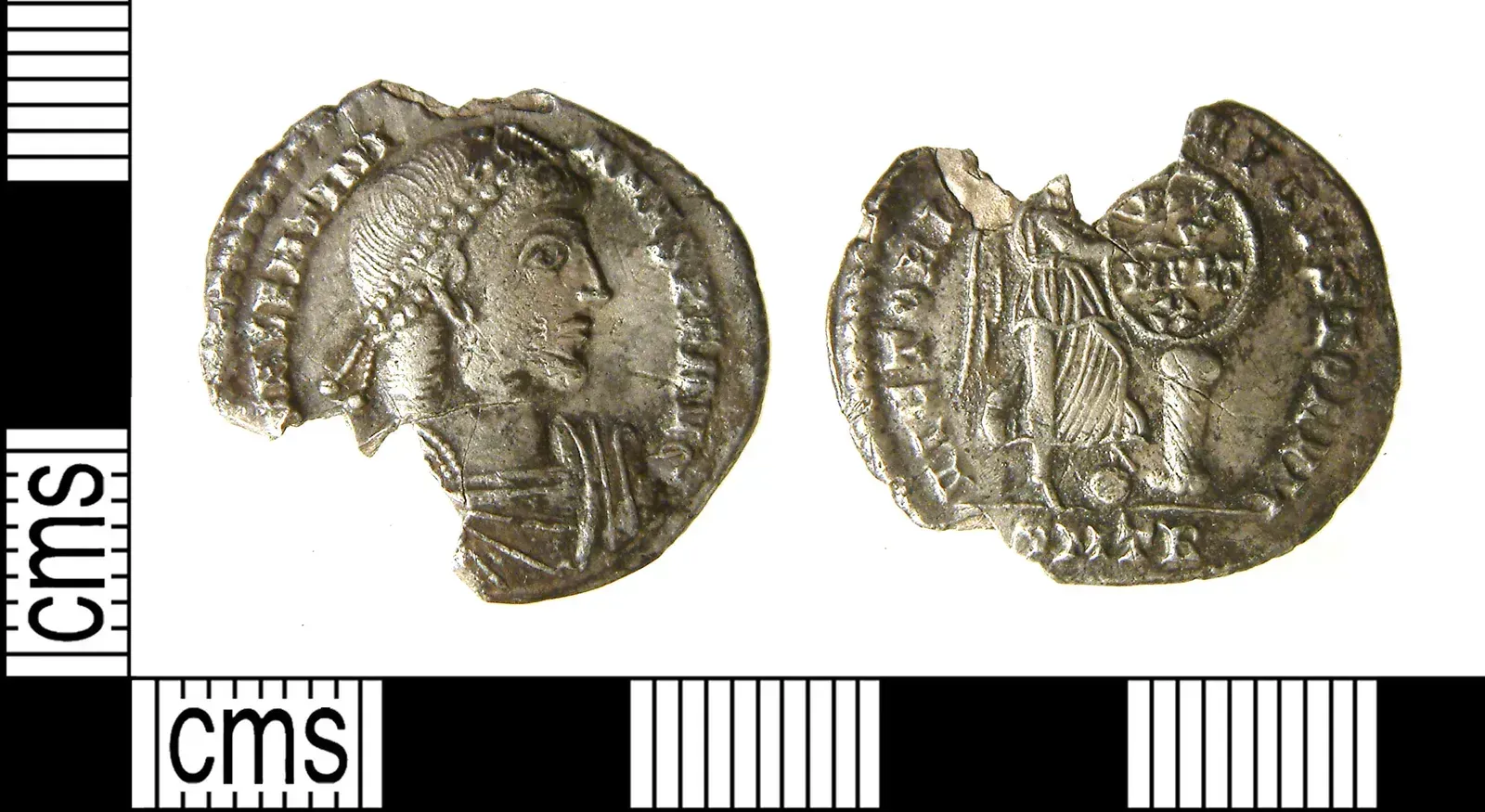
A commonly found error coin type is the clipped planchet, which is one of the most well-known and popular coin errors, and it is found on coins ranging from the colonial era of the 1700s to 21st-century proof coins. These coins look like someone took a bite out of the edge. Clipped planchets are created when either the planchet strip is not fed properly into a blanking press or there is a defect in the planchet strip itself, resulting in missing metal from a coin’s edge area, and the missing metal makes the coin look like it has been clipped of some of its metal.
There are different types depending on the shape of the missing piece – curved clips, straight clips, irregular clips, and even bowtie clips with missing sections on opposite sides. On average, a statehood quarter with a single clip is worth about $50 to $60, and it would be worth $75 to $100 with a double clip, $100 to $150 with a triple clip. Size matters here. A 75% clipped planchet Washington Quarter will be worth perhaps $200, versus a 5% clip on that same Washington Quarter garnering maybe $5. Look for something called the Blakesley Effect to verify authenticity – it’s a weakness in the rim on the opposite side of where the clip occurs.
Broadstrike Errors
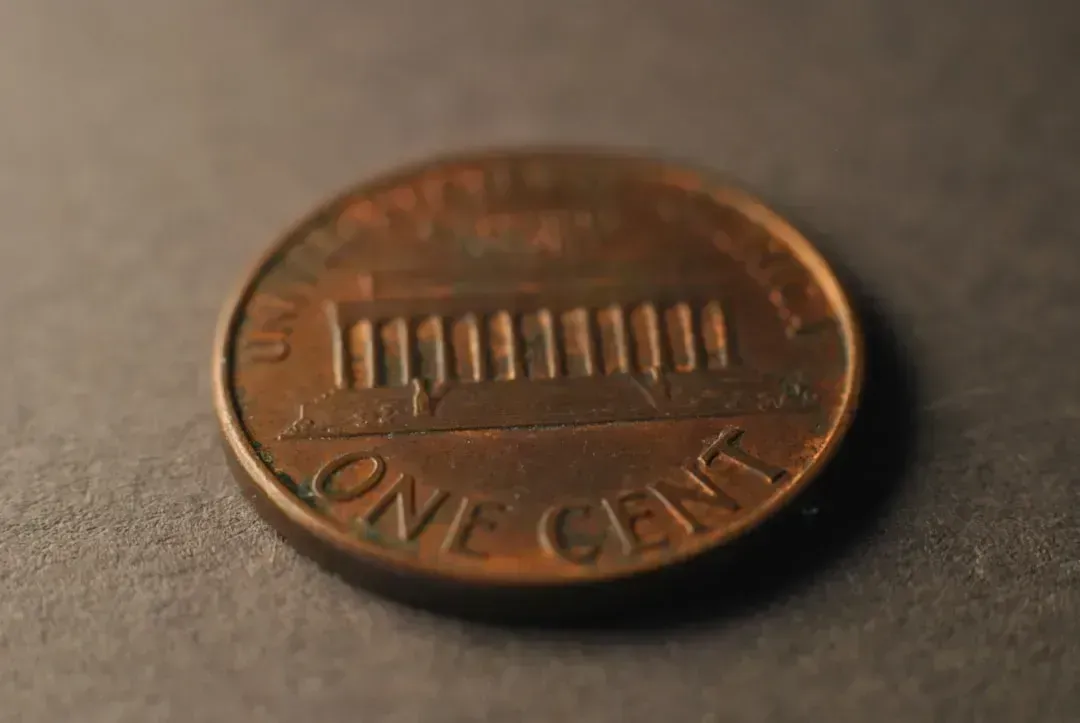
A broadstrike happens when a coin is struck outside the restraining collar that normally keeps the metal from spreading too far. Without that collar doing its job, the coin expands beyond its normal diameter during the strike. The design is there, but it’s stretched out and the coin is noticeably larger and thinner than it should be. Sometimes the edge will be completely smooth instead of having the usual reeded or plain edge design.
These errors are less common than some others on this list. The value depends heavily on how dramatic the broadstrike is and whether the coin retained important details like the date. Modern broadstrikes on common denominations might fetch anywhere from fifty dollars to several hundred, while more dramatic examples on larger denominations can command higher prices. Broadstrikes paired with other errors, like being off-center at the same time, tend to be even more valuable to collectors who prize unusual combinations.
Die Cracks and Cuds
Major die breaks, commonly known as cuds, occur when a portion of the die breaks away as the consequence of a progressive crack, and though made of tool steel, dies suffer from the repeated stress of striking planchets and they will wear and crack, and as these cracks deepen and reach from one edge of the die face to another, that portion defined by the crack may actually fall away from the die, with the planchet metal then filling this void. The result is a raised blob or blank area on the coin where the design should be.
Die cracks are more subtle – just thin raised lines running across the coin’s surface. On 2023 Jovita Idar quarters, cracks have appeared in the image of Ms. Idar’s hair, the edges of the coin, and notably across her shirt, and any of these errors, particularly the crack across her shirt, can increase the value of the Idar quarter above $20. Cuds are generally more valuable than simple die cracks because they’re more dramatic and easier to spot. Die errors can range in value from ten to two hundred dollars, with larger cuds bringing major value according to 2025 market data. The location matters too – a cud that obliterates the date is less desirable than one that leaves all the important details intact.
Transitional Composition Errors
These fascinating errors occur when the mint changes the metal composition of a coin series. Sometimes leftover planchets from the old composition accidentally get struck with the new year’s date. Wrong-planchet errors may also occur when the composition of the coin changes, and such situations generally arise when the mint has decided to change the alloy or plating of the coin in the new coinage year but a few planchets from the previous year and thus of the previous composition have yet to be struck, and should the dies be changed for the new year while the old planchets are awaiting striking and not removed, coins using the old composition will be struck with the new year’s date, and such coins are rare and often highly valued by collectors as with the 1943 copper cents and 1944 steel cents.
A very small number of pennies, perhaps as few as 15, were incorrectly struck on the normal bronze planchet in 1943, and the 1943 bronze cents are exceptionally valuable, easily crossing the $100,000 threshold, with one example even sold in a private transaction for over $1 million. More recently, the 1965 silver Washington quarter was struck the first year of the copper-nickel clad era, and a few 1965 Washington quarters were made on silver planchets left over from 1964, and these 1965 silver Washington quarters are worth about $7,000 and up. A 2025 discovery confirmed a 1943 copper penny example in Michigan, proving these treasures still turn up occasionally.
Did you know your loose change could be hiding small fortunes? The seven mint errors covered here represent genuine opportunities to find valuable coins in everyday circulation. While the odds of finding a million-dollar error are admittedly slim, more modest errors worth twenty to several hundred dollars turn up with surprising regularity for those who know what to look for. Start checking your pocket change with fresh eyes. Have you spotted any of these errors in your own collection?