The No-Go List: 12 U.S. Places Travelers Say Aren’t Safe – or Worth the Trouble
Planning a trip across America sounds exciting until you dig into the safety stats for certain cities. Some destinations have earned reputations that even the most adventurous travelers struggle to overlook. From staggering crime rates to neighborhoods locals themselves avoid after dark, these places consistently top the lists nobody wants to be on. The reality often clashes with the glossy tourism brochures. Here are twelve U.S. locations where the risk might outweigh the reward.
Memphis, Tennessee: The City That Keeps Topping Danger Lists

Memphis, Tennessee ranks as the most dangerous city in America in 2025, with nearly 98 crimes per 1,000 residents and the highest violent crime rate nationwide. Let’s be real, those numbers aren’t exactly welcoming. Violent crime rates there are a staggering 500% above the national average, with about 1,200 violent crimes per 100,000 residents. Travelers flock to Memphis for its legendary blues scene and mouthwatering barbecue, yet the city battles serious safety challenges that extend beyond tourist zones.
The statistics paint a stark picture. With a population of 613,207, the city recorded 15,338 violent crimes and 42,305 property crimes in 2024. Total Crime is down more than 13%, Homicide is down 30 %, and Motor Vehicle Theft is down 39% compared to prior years, though the city still struggles with its reputation. Even positive trends can’t erase the concerning baseline that has travelers second-guessing Graceland visits.
Detroit, Michigan: More Than Just Abandoned Buildings
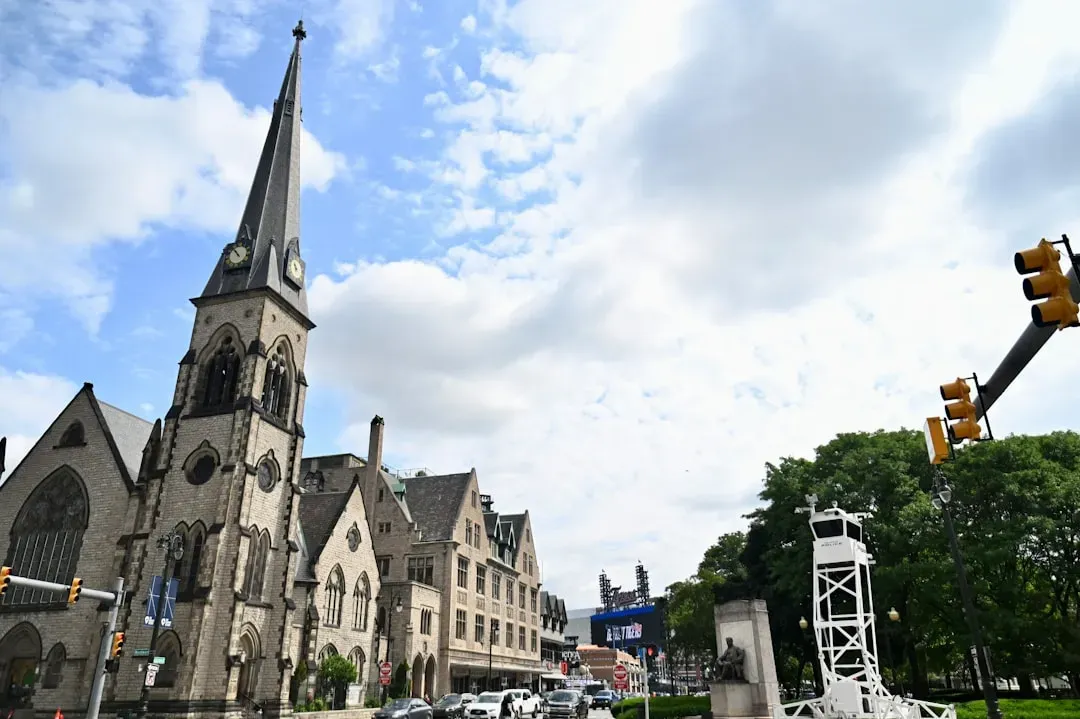
Detroit carries decades of baggage when people discuss urban crime. Detroit recorded 11,599 violent crimes in a population of 651,171, producing a violent crime rate of 1,781 incidents per 100,000 residents according to 2024 data. The Motor City has been featured on countless “most dangerous” lists, though recent years show improvement. Detroit saw 203 homicides in 2024, a 19% decline from 2023, marking the lowest rate since 1965.
Detroit recorded 28,035 property crimes, resulting in a property crime rate of 4,305 incidents per 100,000 residents, with motor vehicle theft remaining a persistent issue. Honestly, the city’s revitalization efforts deserve recognition. Downtown areas and neighborhoods like Midtown have undergone transformations. Still, visitors need to research which blocks to explore and which ones to skip entirely after sunset.
Baltimore, Maryland: The Paradox of Progress and Persistent Problems
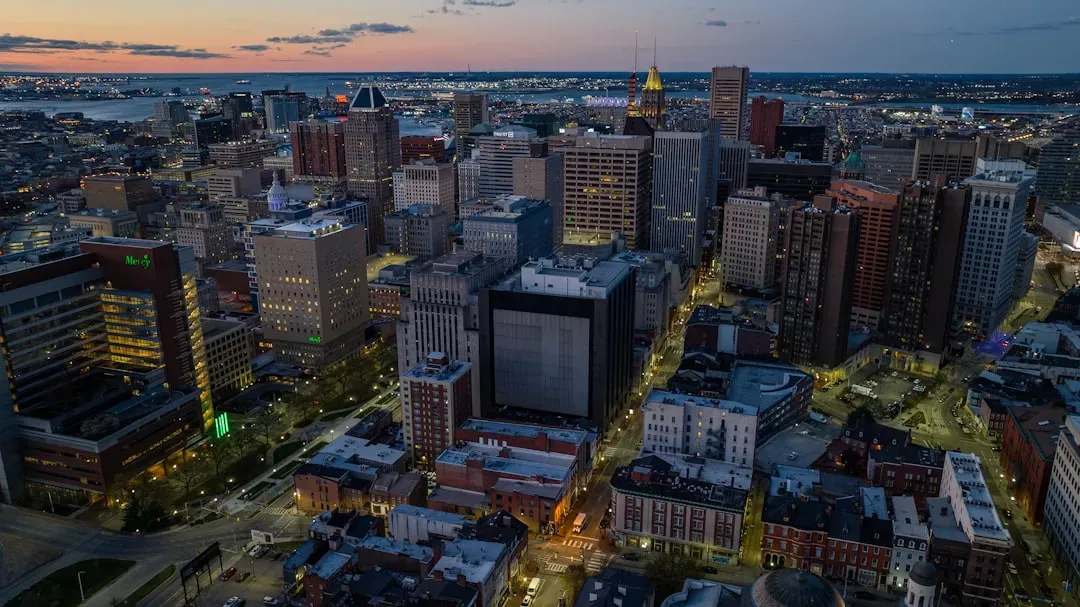
Baltimore presents a complicated story. In 2025, Baltimore recorded 133 homicides – the fewest in nearly 50 years, with the largest year-over-year percentage decrease ever recorded at a 31% drop. That’s genuinely remarkable progress. Since 2021, homicides and shootings have both declined by nearly 60%, showing sustained improvement rather than a temporary blip.
Yet the city’s reputation lingers. The crime index sits high at 74.67 (with a safety index of just 25.33), and Over 11,000 vehicles were stolen in 2024, roughly one car every hour in early 2024. Visitors who stick to Inner Harbor and Federal Hill generally report feeling safe, but venture into certain West Baltimore neighborhoods and the atmosphere shifts dramatically. The disparity between safe zones and high-crime areas remains striking.
St. Louis, Missouri: A Murder Rate That Shocks

Missouri as the fifth most dangerous state in the U.S., and St. Louis is the most unsafe city in the area, with an average of 200 murders per year between 2016 and 2022. The Gateway Arch and Cardinals baseball draw tourists, but St. Louis consistently appears near the top of violent crime rankings. Here’s the thing: crime in St. Louis concentrates heavily in specific neighborhoods that rarely overlap with tourist destinations.
St. Louis has long been shorthand for “America’s murder capital,” though reality proves more nuanced than headlines suggest. Many visitors explore Forest Park, the Central West End, and downtown without incident. The challenge comes from the city’s extreme neighborhood-by-neighborhood variation. One street can feel perfectly safe while blocks away presents entirely different circumstances that even GPS apps struggle to predict accurately.
Oakland, California: Beyond the Tech Boom Shadows
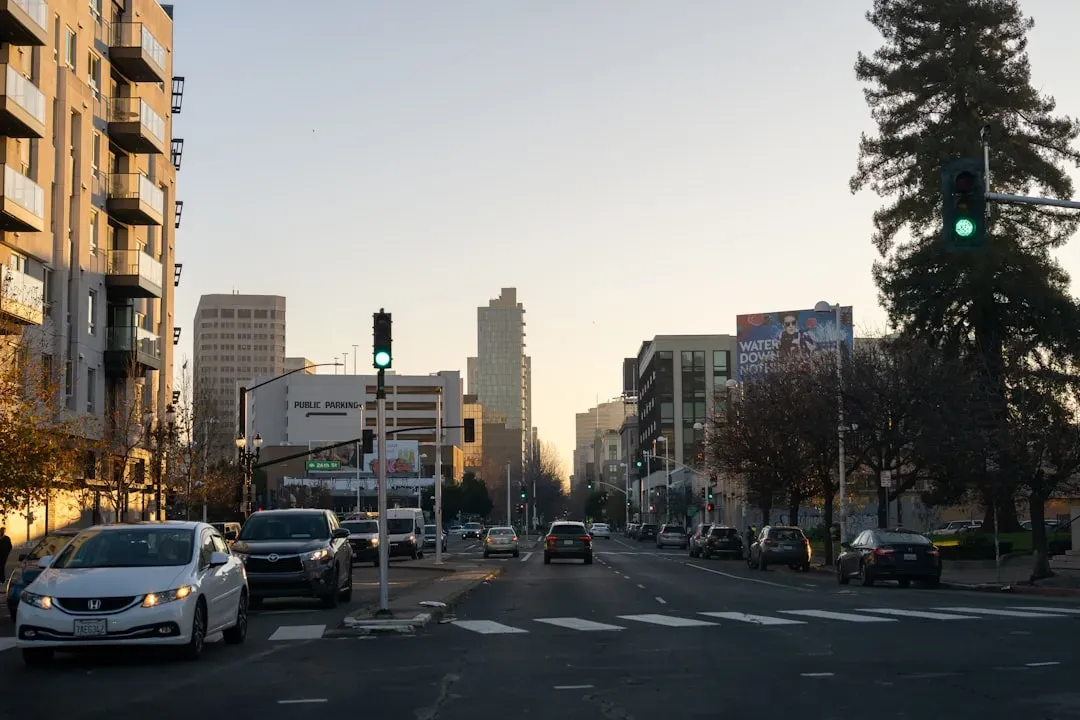
Oakland exists in San Francisco’s shadow both geographically and in public perception, though its crime issues stand alone. The city experiences property crime at rates that frustrate residents and visitors alike. Car break-ins occur with such frequency that locals know not to leave anything visible in vehicles, not even charging cables. You’re statistically safer in Playa del Carmen than in Oakland, according to comparative analysis.
The Bay Area city struggles with a complicated mix of economic disparity, housing challenges, and street crime. Certain neighborhoods like Rockridge and Piedmont offer beautiful tree-lined streets, while other areas experience concentrated violence. Travelers visiting for concerts or sports events typically stay in safer zones, yet parking lot thefts remain common enough that rental car companies issue specific warnings about Oakland stops.
Albuquerque, New Mexico: High Desert, High Crime

Albuquerque doesn’t get discussed as often as coastal cities, but its crime statistics demand attention. The city grapples with property crime that affects both residents and visitors. Breaking Bad put Albuquerque on the map for many viewers, though the show’s fictional crime pales beside real challenges. Albuquerque, New Mexico, for instance, reported a 19% drop in homicides in the last two years, showing improvement.
Still, the city maintains elevated crime rates compared to national averages. Auto theft remains particularly problematic, with certain vehicles targeted repeatedly. Tourists visiting for hot air balloon festivals or exploring Old Town usually avoid trouble by staying aware of surroundings. The city’s sprawling layout means some areas feel isolated even during daytime hours, creating opportunities for crime that wouldn’t exist in denser urban environments.
Birmingham, Alabama: Steel City’s Ongoing Struggles

Birmingham, Alabama, stands out for its high rates at 1,694 per 100,000 people, particularly assault, with the city facing significant economic disparities contributing to elevated crime figures. Homicide has declined since 2024, but assault rose nearly 10% in the first half of 2025, presenting a mixed picture for potential visitors.
Birmingham offers rich civil rights history that draws education-focused travelers, yet safety concerns temper enthusiasm. The city’s downtown area has seen investment and revitalization efforts, though surrounding neighborhoods maintain higher crime concentrations. I think visitors need to balance historical significance against practical safety considerations. Daytime visits to major sites typically proceed without issues, but evening activities require more careful planning than travelers might expect in similarly sized cities.
Little Rock, Arkansas: Small City, Big Safety Concerns

The most dangerous cities in the US by 2025 are Memphis, Detroit, Little Rock, Pueblo, Baltimore, Cleveland, Kansas City, Peoria, St. Louis and Beaumont, according to recent analysis. Little Rock consistently appears on these unwelcome lists despite its modest size. The Arkansas capital struggles with violent crime rates that outpace many larger metropolitan areas, creating a disproportionate reputation.
Travelers visiting Little Rock for political history or business conferences often express surprise at the stark contrasts between neighborhoods. The River Market District maintains relative safety with police presence and tourist infrastructure. Yet crime concentrates in specific areas where economic challenges and lack of opportunity create conditions for persistent violence. It’s hard to say for sure, but the city’s size makes crime statistics feel more impactful since incidents affect a smaller population base.
Stockton, California: The Central Valley’s Troubled City

Stockton gained unfortunate national attention as one of California’s most dangerous cities. Located between San Francisco and Sacramento, Stockton experiences crime levels that stand apart from its Bay Area neighbors. The city has declared bankruptcy, faced budget crises, and struggled with gang violence that creates ongoing safety challenges. Property crime affects residents and visitors alike, with theft rates that demand constant vigilance.
The city’s downtown area has attempted revitalization, though results remain mixed. Stockton’s location along major highways makes it a pass-through point for drug trafficking, contributing to related crime issues. Visitors typically have limited reasons to stop here, and those who do keep stays brief. Honestly, the surrounding Central Valley offers attractions that don’t require Stockton visits, allowing travelers to bypass the area entirely without missing significant experiences.
Cleveland, Ohio: Rust Belt Realities

Cleveland’s violent crime rate remains well above the national median (which per prior analysis sits around ~4 incidents per 1,000 residents for violent crime), positioning it among cities requiring enhanced awareness. Crime Grade projects that for 2025, the property crime rate in Cleveland is ~19.18 incidents per 1,000 residents, indicating worse safety than the majority of U.S. cities.
Cleveland’s downtown area, home to the Rock and Roll Hall of Fame and professional sports venues, generally maintains adequate safety for tourists during events. The challenge comes from neighborhood disparities that create vastly different experiences across the city. Lake Erie waterfront development has improved certain areas, while others struggle with abandonment and concentrated poverty. Travelers visiting for specific attractions can manage risk effectively, though wandering without planning invites potential trouble.
Milwaukee, Wisconsin: Beer City’s Bitter Reality
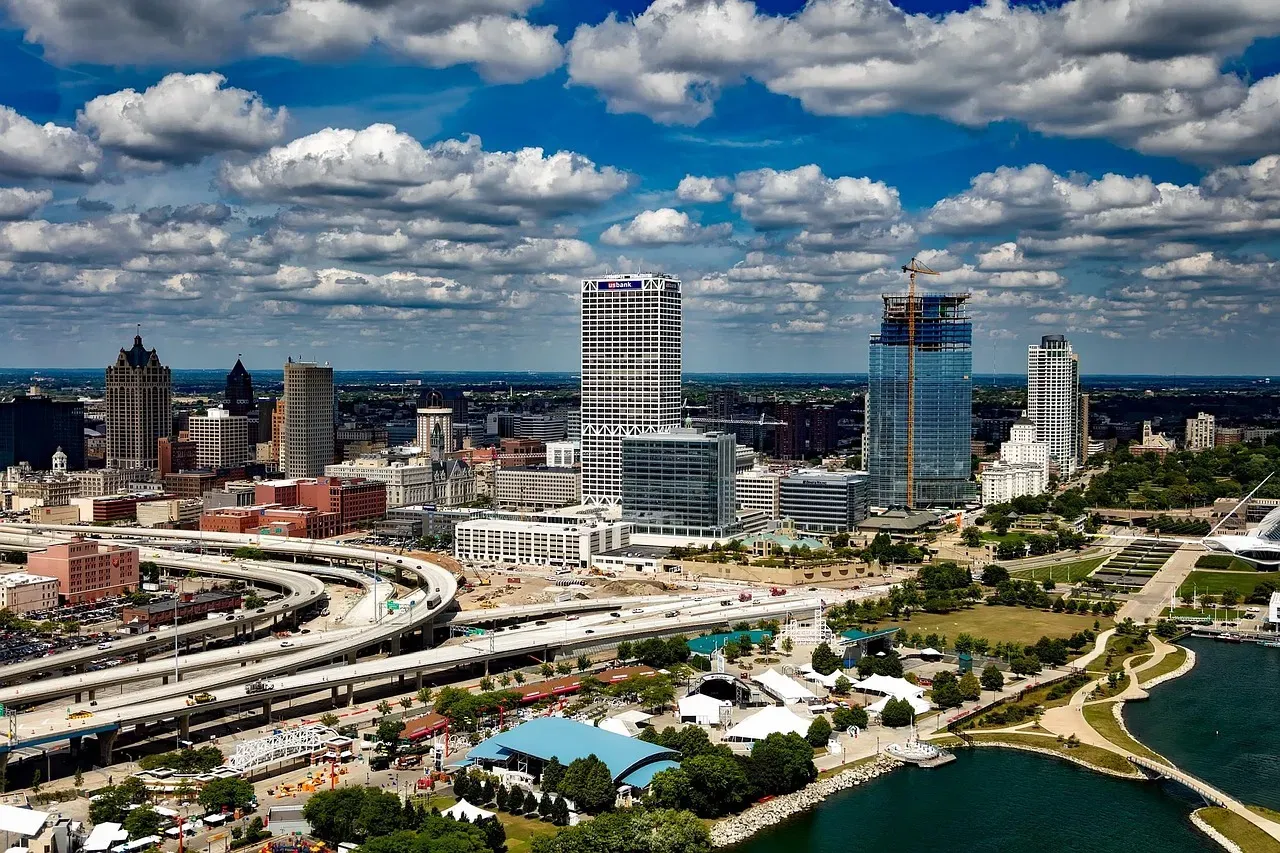
Despite the Wisconsin population being nearly six million, much of the state’s violent crime is concentrated in Milwaukee, with an overall crime rate of 51.06 per 1,000 residents and violent crime rate of 15.18 per 1,000 residents. The city has experienced years of economic decline contributing to safety challenges. Positive trends emerged in 2024, with Milwaukee recording 132 homicides – a 23% drop from 2023.
Milwaukee’s festivals, breweries, and Lake Michigan location attract visitors who often feel safe in tourist zones. The disconnect between downtown entertainment areas and struggling neighborhoods creates two distinct Milwaukee experiences. Segregation contributes to concentrated pockets of violence that tourists rarely encounter directly. Still, property crime like car theft affects visitors who leave vehicles in less secure areas, making parking location choices surprisingly consequential for trip safety.
Kansas City, Missouri: Violence Beyond the Barbecue
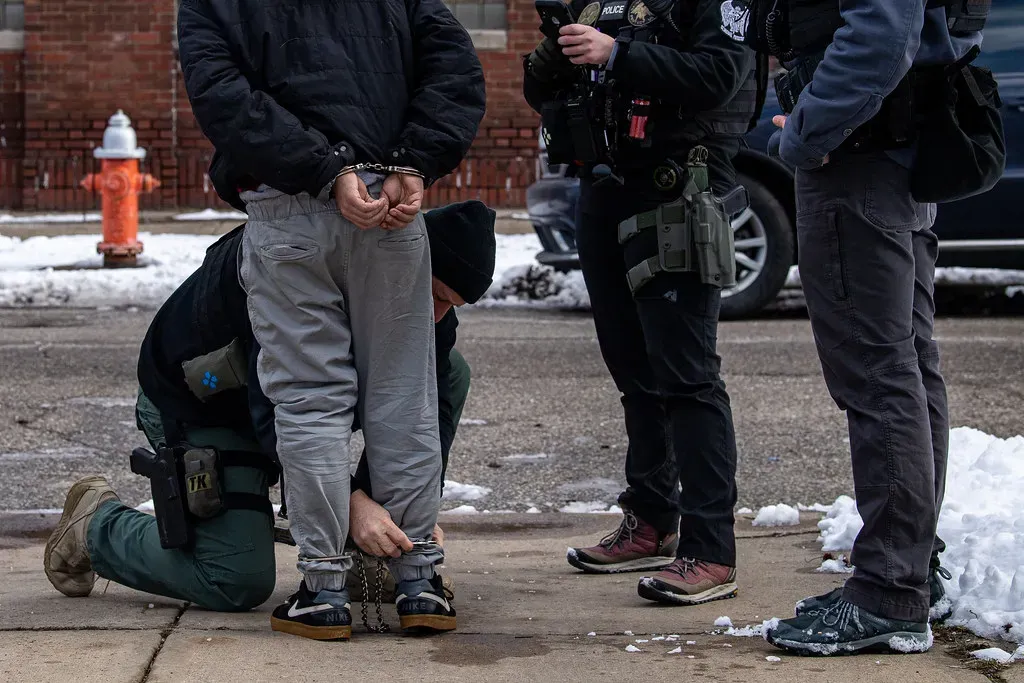
Kansas City shows a complex public-safety profile in 2025, with several crime categories seeing modest improvements while key indicators remain well above national norms. The city splits between Missouri and Kansas, creating jurisdictional complexities that affect crime response. Kansas City’s reputation for exceptional barbecue and jazz history draws food and music lovers who sometimes overlook safety statistics.
Safer in Tulum than in Kansas City when comparing international tourist destinations to American cities, highlighting the surprising reality that some Mexican resort areas report lower crime rates. Kansas City’s Power and Light District maintains heavy security during events, creating safe entertainment zones. Beyond downtown, neighborhood safety varies dramatically. Travelers sticking to established tourist areas and major attractions typically avoid issues, though the city’s overall crime rates remain concerning enough to warrant cautious trip planning.
What surprised you most about these statistics? Many travelers assume international destinations carry more risk than domestic cities, yet the data tells a different story. Share your thoughts below.