If You Grew Up in the ’60s or ’70s, These Lost Restaurant Chains Will Look Familiar
Howard Johnson’s: The Orange Roof Giant That Dominated America’s Highways
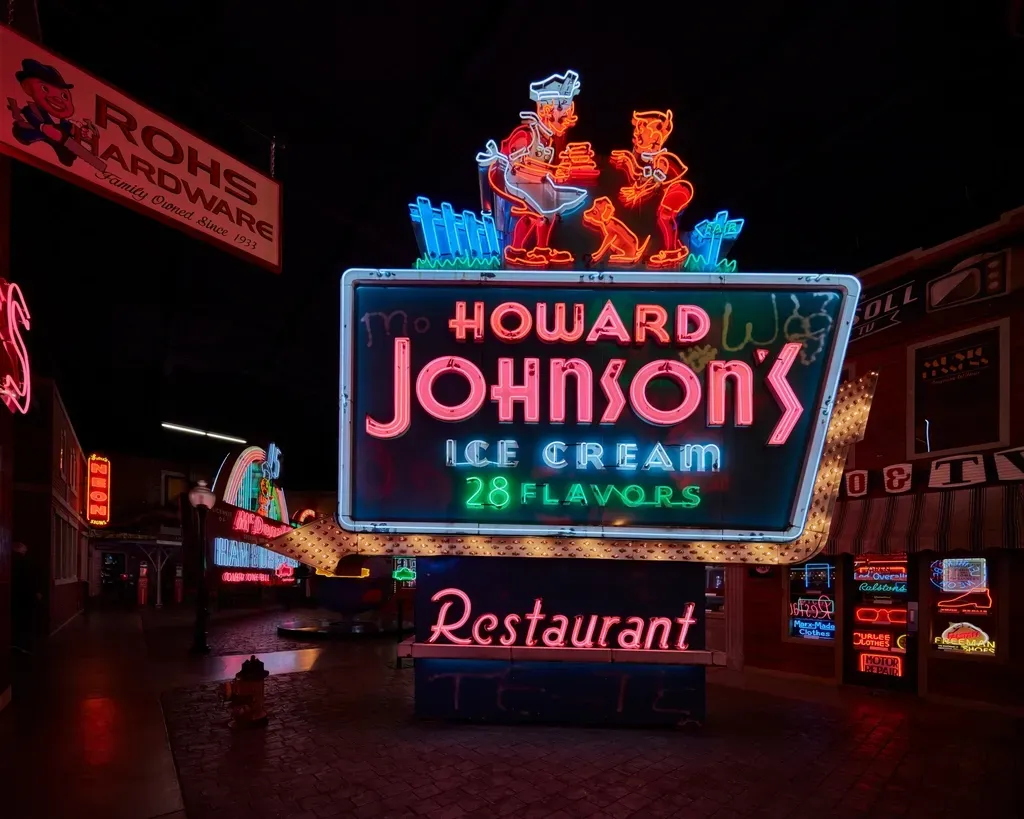
Let’s be honest, if your family took road trips during the ’60s or ’70s, you probably have memories etched in your mind of that unmistakable orange roof. Howard Johnson’s was the largest restaurant chain in the U.S. throughout the 1960s and 1970s, with more than 1,000 combined company-owned and franchised outlets. Those iconic rooftops dotted the American landscape like beacons for hungry travelers.
The chain served up nearly everything you could want. Parents could count on a good, hot meal while kids could enjoy food geared just to them from its children’s menu, sign up for its birthday club, and start on a quest to eat all 28 flavors of the ice cream the restaurant served. The fried clams were particularly legendary among regulars who still speak fondly of them today. Yet by 2022, the final chapter closed when the last restaurant, in Lake George, New York, closed.
What killed this giant? Howard Johnson quickly found itself in the shadow of McDonald’s and other fast-food chains that maximized efficiency and better managed supply chains. Sometimes being big just isn’t enough.
Gino’s Hamburgers: Where Football Stars Served Up Fast Food
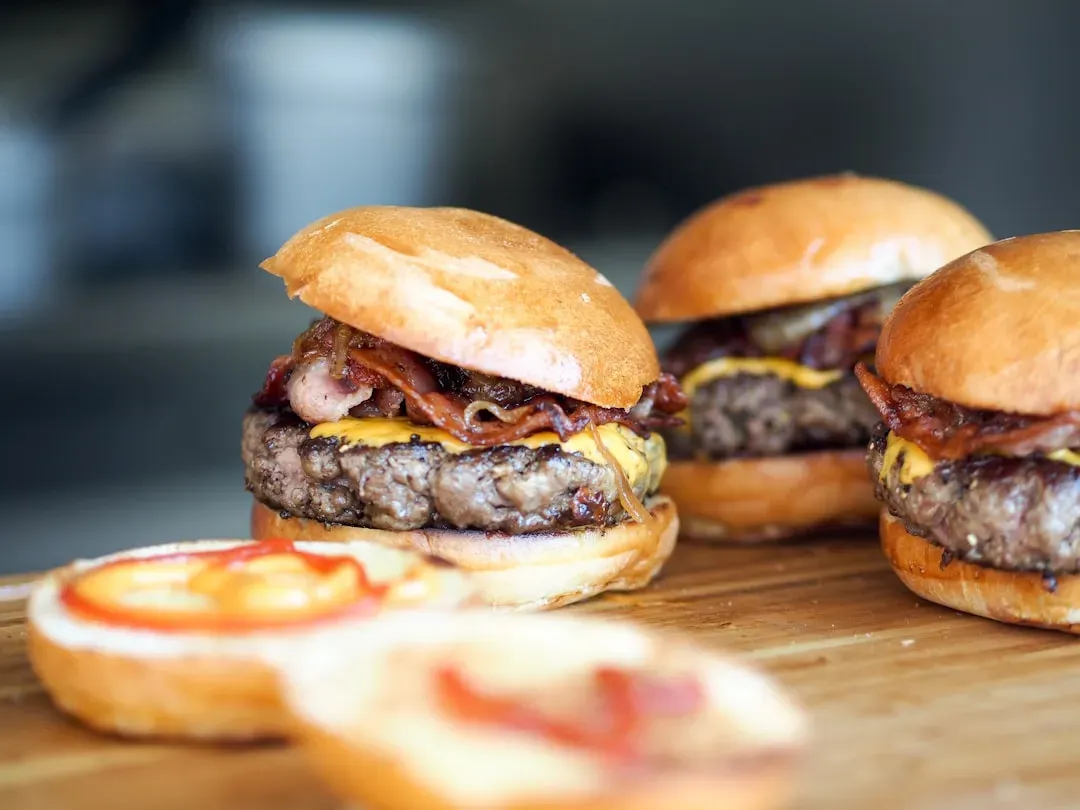
Gino’s Hamburgers was a fast-food restaurant chain founded in Baltimore, Maryland by Baltimore Colts defensive end Gino Marchetti and running back Alan Ameche, along with their close friends Joe Campanella, who played linebacker for six seasons for the Cleveland Browns and the Baltimore Colts and Louis Fischer, in 1957. The connection to professional football gave this place an edge that competitors envied. Here’s the thing: who wouldn’t want to grab a burger from a place owned by actual NFL champions?
The chain exploded across the Mid-Atlantic region during its prime years. By 1972, the number tripled to 330 restaurants. Back in the 1960’s and early 1970’s Gino’s Hamburgers chain gave the famed Golden Arches a run for the money in the mid-Atlantic region. The Sirloiner, and Gino Giant mirrored the Quarter Pounder and Big Mac respectively, but Gino’s also had the exclusive distribution rights to Kentucky Fried Chicken in its area.
The end came swiftly, though. The chain had 359 company-owned locations when the Marriott Corporation acquired it in 1982. Marriott discontinued the brand and converted locations to its Roy Rogers Restaurants chain. Today, only two locations remain in Maryland, a ghost of the empire that once was.
Burger Chef: The True Pioneer Behind the Happy Meal
You’ve probably never heard of Burger Chef, yet chances are you’ve enjoyed one of its innovations. There was a time – the late 1960s and early 1970s – when Burger Chef, founded in the Midwest in 1958, was the second-largest restaurant chain in the country, only slightly behind its biggest competitor, McDonald’s. It’s hard to believe something that massive just vanished, right?
Burger Chef launched a kid-sized “Fun Meal” in 1973. That’s six years before McDonald’s introduced the Happy Meal. The chain essentially invented the concept of a children’s meal with a toy, yet McDonald’s got all the credit and the profits from that brilliant idea. At their peak in 1972, Burger Chef had roughly 1,200 restaurants across the country.
By the time Hardee’s acquired Burger Chef in 1981, the chain’s ownership had changed a few times over. For over a decade, Burger Chef locations were converted into Hardee’s restaurants or closed. Burger Chef folded completely in 1996. A tragedy in 1978 certainly didn’t help their image either, but mostly it was mismanagement and fierce competition that brought down this innovative giant.
Lum’s: Beer-Steamed Hot Dogs and a Wild Ride
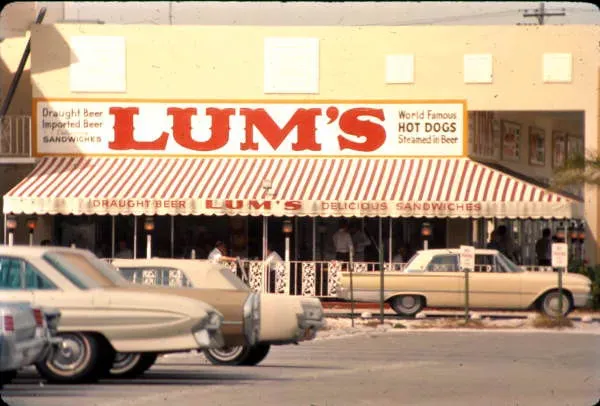
In 1956, the first Lum’s (which launched with an apostrophe) restaurant opened in Miami Beach, Florida and got off to a strong start. The chain became famous for doing something unconventional with hot dogs. Famous for their hot dogs steamed in beer and Ollieburgers, Lum’s was a family favorite throughout the ’60s and ’70s. Starting as a hot dog stand in Miami Beach, the chain grew to over 400 locations nationwide.
Brown, a wealthy politician, bought all 340 units of Lums for $4 million in cash and the secret Ollieburger recipe from Ollie Gleichenhaus, owner of a small hamburger restaurant in Miami Beach, for $1 million. Someone paid a million bucks just for a burger recipe. That’s how good these things supposedly were.
With Jan in the driver’s seat, Lums filed for bankruptcy in 1982 and over the next several years Lums shuttered locations all over the place. After 49 years in business, it closed in 2017. Another casualty of changing tastes and corporate mismanagement.
Steak and Ale: The Casual Steakhouse That Actually Made a Comeback
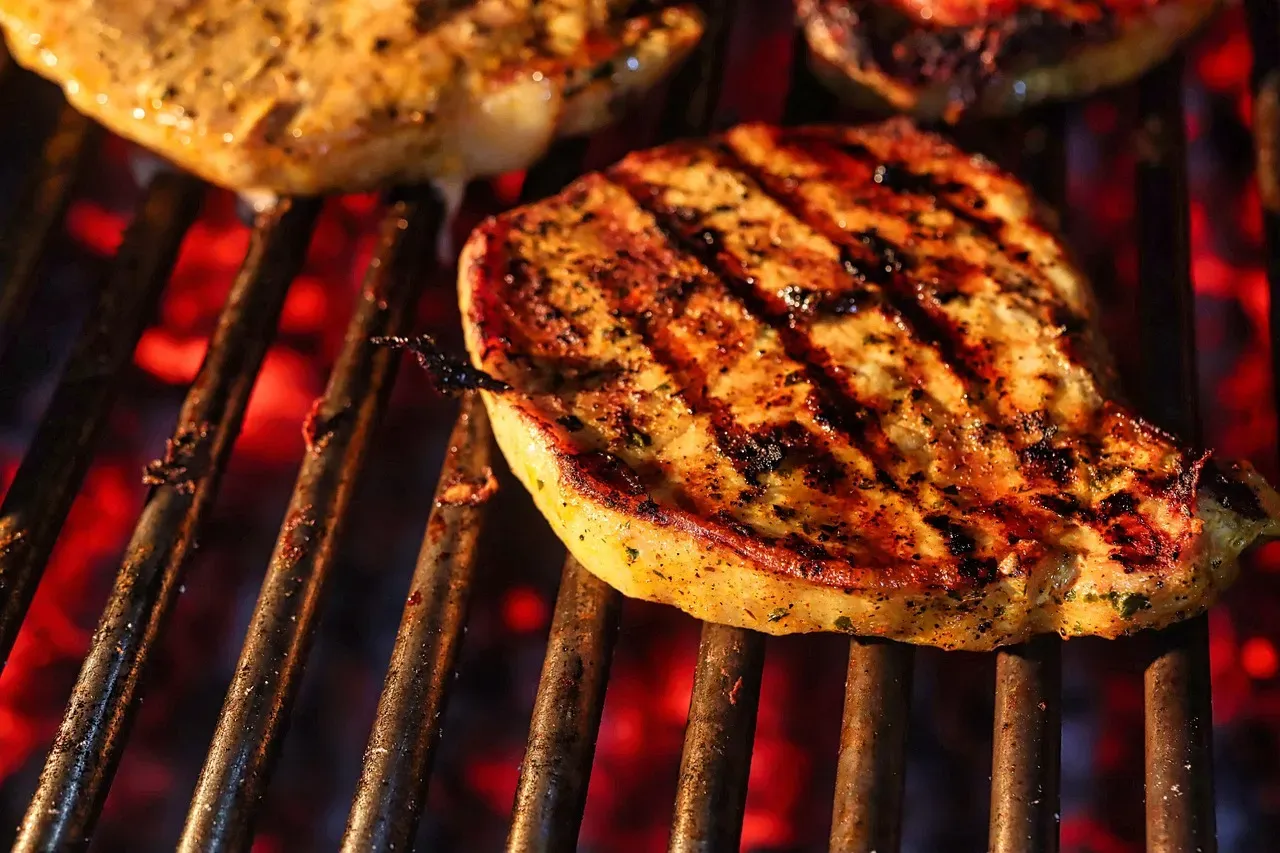
Steak and Ale was opened in Dallas, Texas, on February 26, 1966, by Norman E. Brinker, one of the most influential American restauranteurs of the 20th century. Founded by Norman Brinker in 1966, Steak and Ale revolutionized casual dining with its dimly lit, English pub atmosphere and pioneering salad bar concept. The chain made upscale dining accessible to regular families who couldn’t afford traditional steakhouses.
In the 1970s and 1980s, Steak & Ale grew steadily, expanding to 280 locations nationwide. Those Tudor-style buildings with stained glass partitions between booths became gathering spots for birthdays, anniversaries, and special occasions. Founded in 1966, it achieved major success in the 1970s and 1980s before declaring Chapter 7 bankruptcy proceeding and closing its remaining 58 locations on July 29, 2008.
Here’s where the story gets interesting. The first new Steak and Ale restaurant since then opened on July 8, 2024, in Burnsville, Minnesota, with more planned for the Midwest and Texas. Somebody actually brought this chain back from the dead after sixteen years. Did you expect that?