5 Old-School Breakfast Favorites Your Grandparents Loved That Are Now Gone
Let’s be honest, breakfast isn’t what it used to be. Your grandparents likely sat down to meals that look totally unrecognizable by today’s standards. While we grab protein bars and gulp down green smoothies on the way out the door, older generations actually carved out time for a proper morning ritual. They enjoyed meals that required patience, preparation, and a slower pace of life. Many of these breakfast staples have quietly disappeared from American tables, victims of our obsession with speed and convenience.
Here’s the thing: these weren’t just meals. They represented a completely different relationship with food and time. What happened to all those beloved breakfast traditions?
Sugar Krinkles Cereal
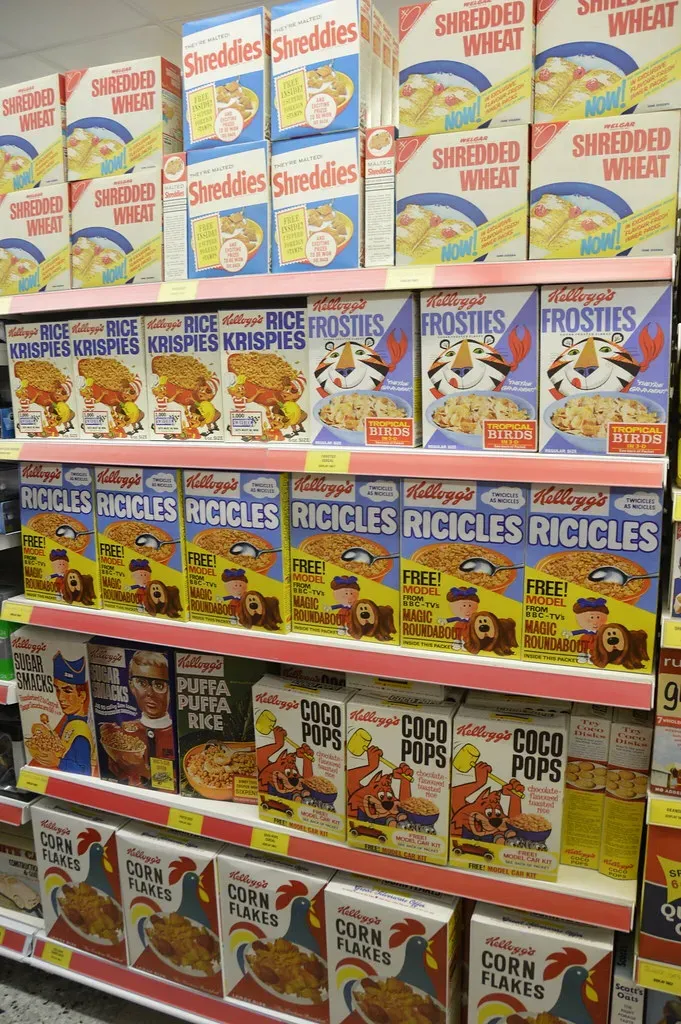
Post Consumer Brands released Sugar Krinkles in 1950, promoting it as a sweet rice cereal with just the right amount of sugar, featuring the spooky-looking Krinkles the Clown mascot on its cereal boxes. The sugar-coated breakfast cereal was discontinued in 1969 to make way for new cereal brands, including Cocoa Pebbles and Fruity Pebbles. Think about that for a moment. Roughly two decades on grocery store shelves, then gone. The cereal itself was actually one of the early pioneers of pre-sweetened breakfast options, arriving at a time when most families still cooked hot cereal on the stovetop. Your grandparents probably poured this into bowls for your parents when they were kids, unaware that something so commonplace would eventually vanish entirely. Corn-Fetti, another Post breakfast cereal made a big splash when it was first introduced in 1951 as the pioneering pre-sweetened corn flakes, but its popularity eventually waned despite a mid-decade rebrand to Sugar Coated Corn Flakes, which ultimately led to its discontinuation in the 1960s.
Broiled Grapefruit

The 1950s marked grapefruit’s true golden age, with cookbooks and magazines sharing recipes for broiled grapefruit. Per-person availability of grapefruit in the U.S. dropped a whopping 87% from 1970 to 2022. That statistic is pretty staggering when you really think about it. An entire generation grew up sprinkling sugar on halved grapefruit and placing them under the broiler until the tops caramelized. The heat softened the tart fruit and created a sweet, slightly charred top layer that health-conscious diners in the 1950s and 60s loved as a light way to start the day, though today, most people just peel and eat their grapefruit cold, if they eat it at all. The ritual required waking up early enough to actually turn on the oven. It needed attention and timing. The USDA blames the dramatic decline on consumer demand, noting we prefer the convenience of grab-and-go breakfasts and easy-to-peel tangerines, which are sweeter, smaller, and easier to eat.
Carnation Breakfast Bars
Marketed as breakfast replacements, people of all ages loved snacking on these sweet, chocolate cake-like bars until Carnation Breakfast Bars vanished in 1997, and in the mid-2010s Nestlé sold a similar product called the Carnation Breakfast Essentials Nutrition Bar, but it failed to fill the void left by the original Carnation Breakfast Bar and was eventually discontinued. These weren’t your typical granola bars. They had a texture somewhere between a cookie and a brownie, dense and satisfying in a way that modern breakfast bars just can’t replicate. Your grandparents might have kept a box in the pantry for rushed mornings or afternoon snacks. The loss of this product speaks to a larger trend: we’ve replaced genuinely tasty convenience foods with options that prioritize health claims over flavor. Honestly, I think we’ve lost something important when breakfast bars taste like cardboard held together with protein powder.
Cinnamon Mini Buns Cereal
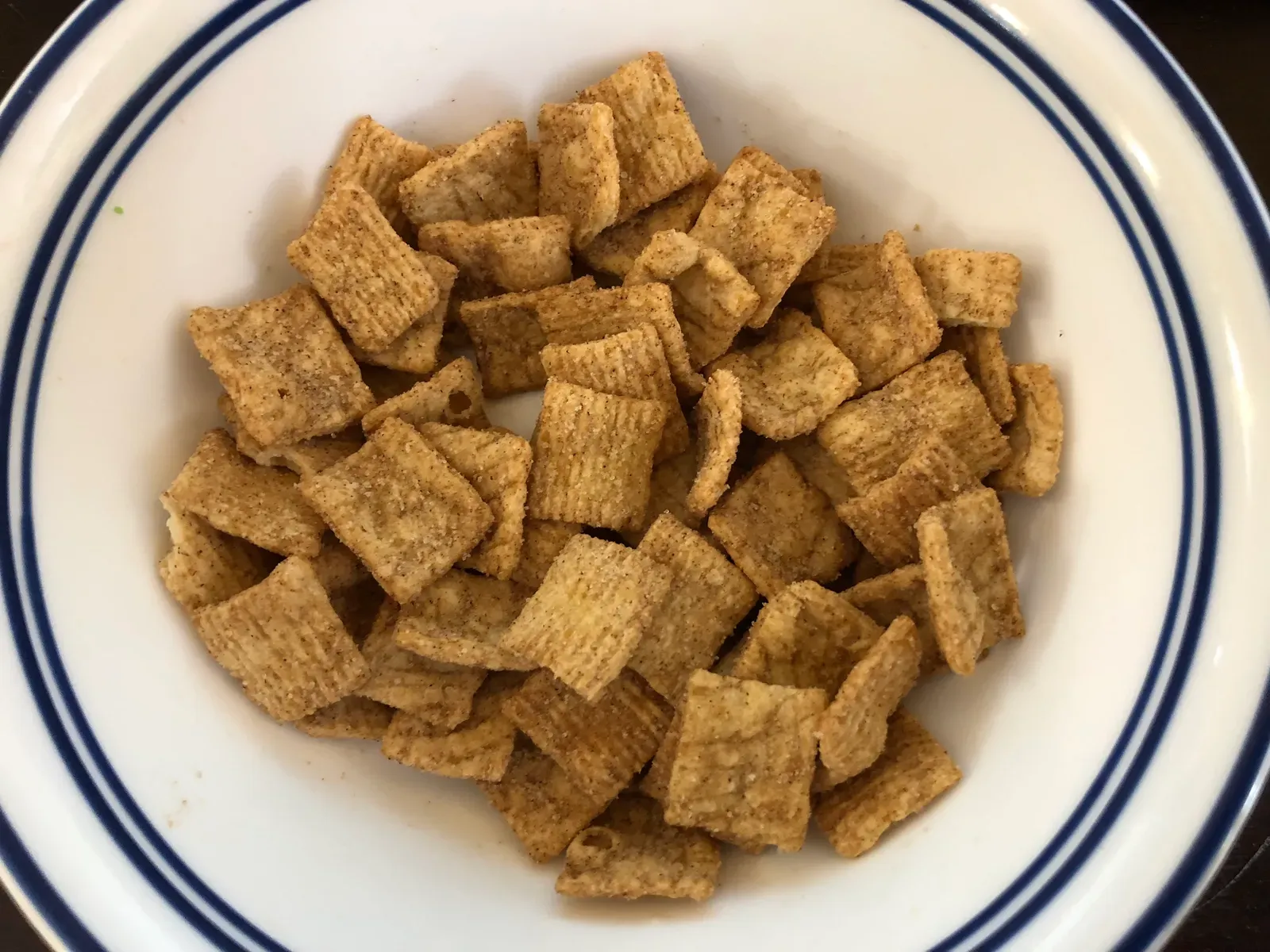
Cinnamon Mini Buns were introduced by Kellogg’s in 1991 as little cinnamon buns formed out of corn and whole grains, with the latter used and promoted as a way to give breakfast a nutritional boost, but for such an innovative product, Cinnamon Mini Buns didn’t last too long. Picture this: tiny swirls that actually looked like miniature cinnamon rolls floating in your bowl. Kellogg’s released Cinnamon Mini Buns in 1991, marketing the cereal as a low-fat, miniature version of hot breakfast favorite cinnamon rolls, with small round nuggets made out of a whole grain oats and corn blend and a splash of cinnamon. The concept was simple yet brilliant, giving kids the illusion of eating dessert for breakfast while parents felt good about the whole grain content. It was marketed as “eating 70 cinnamon buns can be nutritious” with no added fat, and it was the most requested discontinued cereal in recent surveys, spawning multiple revivals under different names like Mini Swirlz and then Cinnabon cereal, though the original remains the most beloved version. The cereal went through several identity changes over the years. None of the replacements quite captured what made the original special.
Postum Coffee Substitute
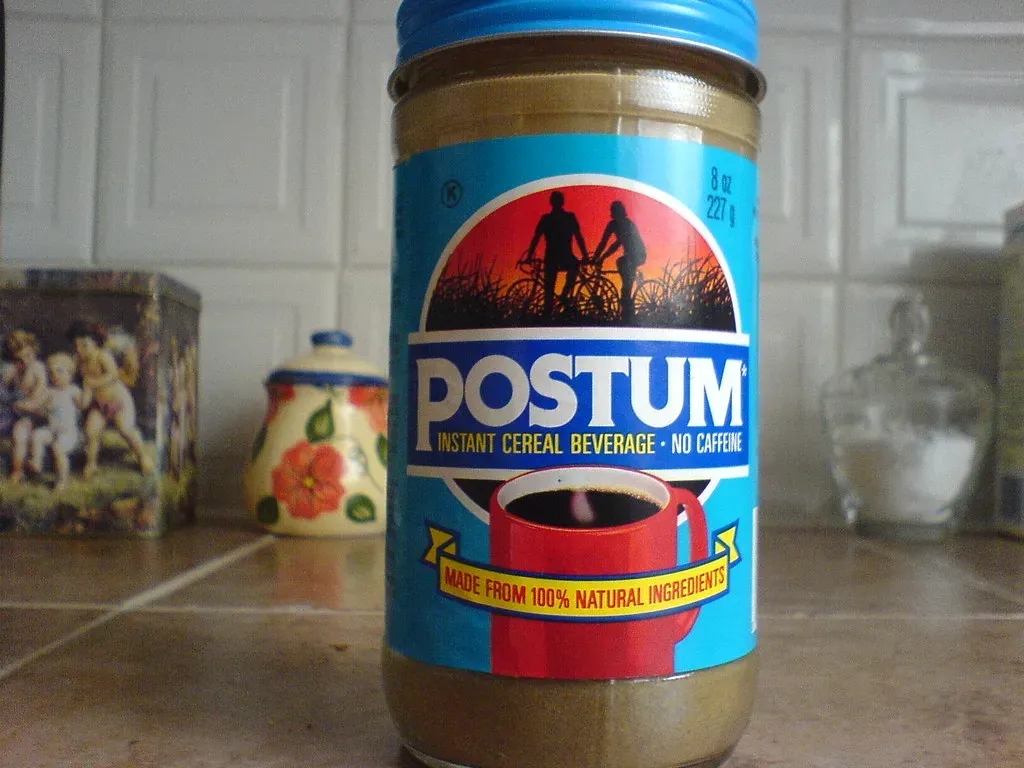
Postum, a coffee substitute made out of roasted grain, was created in 1895 and was popular through the early 20th century, particularly during World War II when coffee was rationed, but due to its decline in popularity, Post announced its discontinuation in 2007. That’s right. This product survived for over a century before finally disappearing. Your great-grandparents probably drank this at breakfast tables across America, especially if they avoided caffeine for health or religious reasons. Post’s first product introduced in 1895 was not a cereal but Postum, a roasted, cereal-based beverage that Post positioned as a healthy alternative to coffee, with its main ingredients being naturally caffeine-free wheat grain, bran, and molasses. It tasted earthy and malty, nothing like actual coffee but comforting in its own unique way. The fact that it lasted well into the 21st century is actually remarkable. Still, younger generations never developed the taste for it, and eventually, the market just dried up.
Breakfast has fundamentally changed. Sales of cold cereal have steadily fallen for at least 25 years, except for a brief period during the coronavirus pandemic when many workers were home, and in the 52 weeks ending July 3, 2021, Americans bought nearly 2.5 billion boxes of cereal, but in the same period in 2025, the number was down more than 13% to 2.1 billion. The morning meal your grandparents knew required time, ritual, and patience. Now we prioritize portability, speed, and efficiency above all else. Maybe that’s progress. Maybe we’ve lost something valuable. What do you think? Did these old-school breakfast favorites deserve to stick around?