Why “Junk Silver” Dimes From Before 1964 Are Suddenly Harder to Find
Pre-1964 silver dimes contain roughly two dollars in melt value as of December 2024, making them worth approximately twenty times their face value, yet finding these coins in circulation or even from dealers has become increasingly challenging. Economic experts confirm the silver market is experiencing a genuine shortage, with demand predicted to outpace supply in 2024 by 176 million ounces. Collectors who once easily purchased bags of these ninety percent silver coins now face limited availability and higher premiums. The scarcity stems from multiple converging factors that transformed these seemingly common coins into sought-after commodities in the precious metals market.
Record Silver Supply Deficit Draining Available Inventory
The silver market faces its fifth consecutive year of supply deficit, with deficits totaling 678 million ounces from 2021-2024, equivalent to ten months of global mine supply. Silver has been in structural deficit since 2021, with the cumulative shortfall for 2021-2025 totaling almost 800 million ounces. Mine supply has been unable to keep pace with rocketing industrial demand which continues to grow year on year, a disparity further exacerbated by silver use across various industries like renewable energy, electronics, and healthcare. Pre-1964 dimes represent one of the few readily available silver sources that can quickly enter the market when prices rise, making them prime targets for both investors and industrial buyers seeking physical metal.
Industrial Demand Reaches Historic Levels
Industrial demand for silver hit a record high in 2024, exceeding 700 million ounces for the first time. Solar photovoltaic-specific demand alone accounted for 17 percent of total silver demand in 2024, compared to just over five percent in 2015. The electrical and electronics sector has increased fifty-one percent since 2016, driven by solar photovoltaics, consumer electronics, automotive electronics including electric vehicles, and power grid components. This unprecedented industrial consumption drains available silver from all sources, including the finite pool of pre-1964 coins that were minted six decades ago and never replaced.
Rising Silver Prices Make Hoarding More Attractive
Silver prices jumped by twenty-one percent in 2024, and the start of 2025 saw further gains with silver up eighteen percent in the first quarter, hitting thirty-four dollars per ounce by mid-March. Pre-1965 coins are rarely found in circulation today due to Gresham’s Law, as people who recognize that the silver content is worth more than face value tend to keep these coins. Silver prices reached nearly fifty dollars per ounce in January 1980, triggering widespread melting of silver coins as many sought to capitalize on the high silver value. Current elevated prices incentivize similar behavior, with holders removing coins from circulation rather than selling them back into the market at discounted rates.
Decades of Melting Permanently Reduced Supply
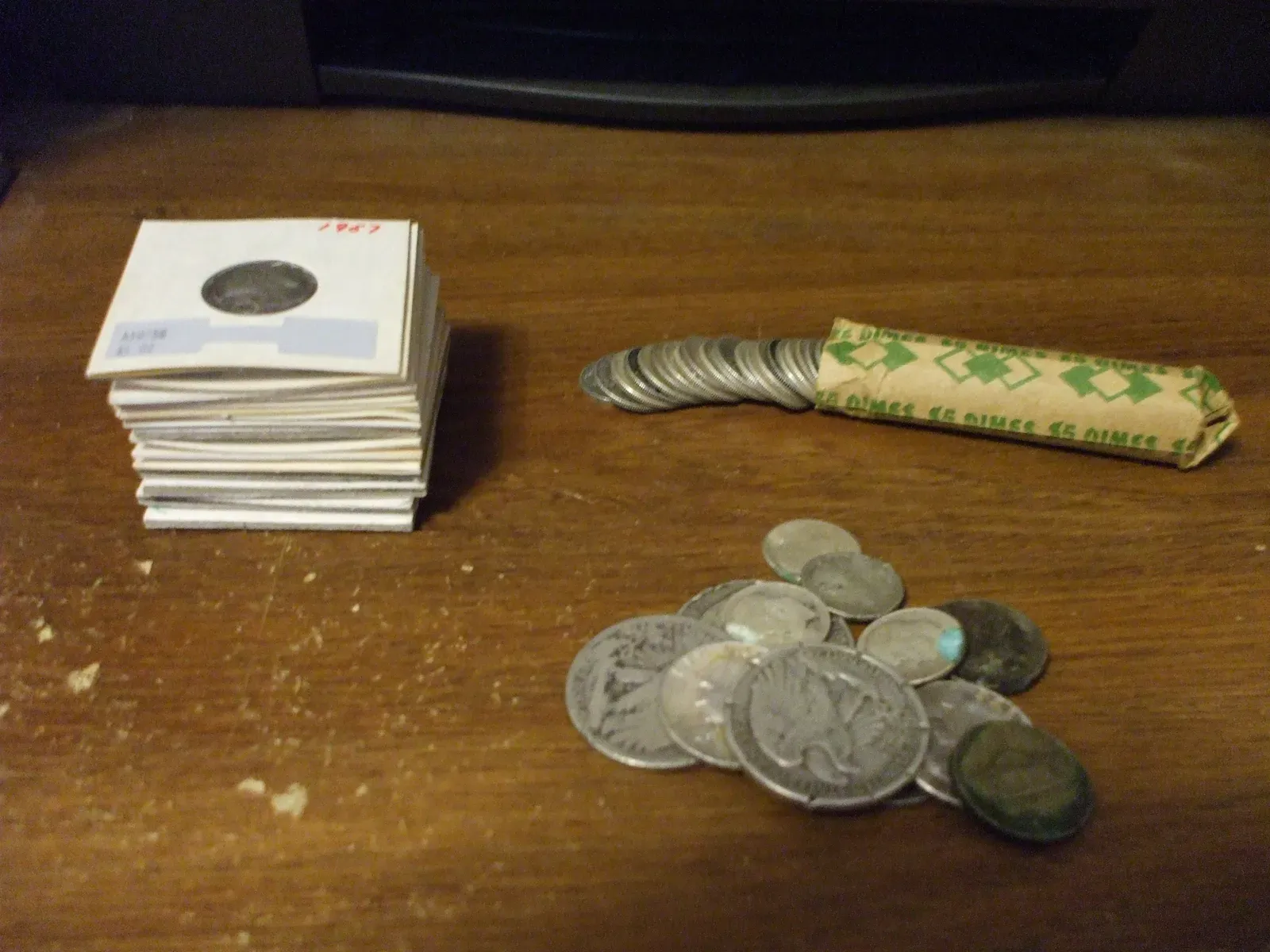
After heavy smelting throughout the 1980s, the supply of ninety percent silver coins noticeably decreased by the 1990s. When originally minted, a bag of ninety percent junk silver coins contained 723 ounces of silver, but because of wear due to circulation, a smelted bag of dimes or quarters typically yields about 715 ounces of silver. In periods of heightened silver demand, ninety percent US silver coins act as an early indicator of silver shortages, as these coins played a significant role during the 2008 Financial Crisis when supply shortages drove premiums up to forty percent above the silver spot price. The coins that survived previous melting cycles represent a dwindling resource that cannot be replenished, as the US Mint stopped producing silver dimes in 1965.
Institutional Buyers Redirecting Available Silver
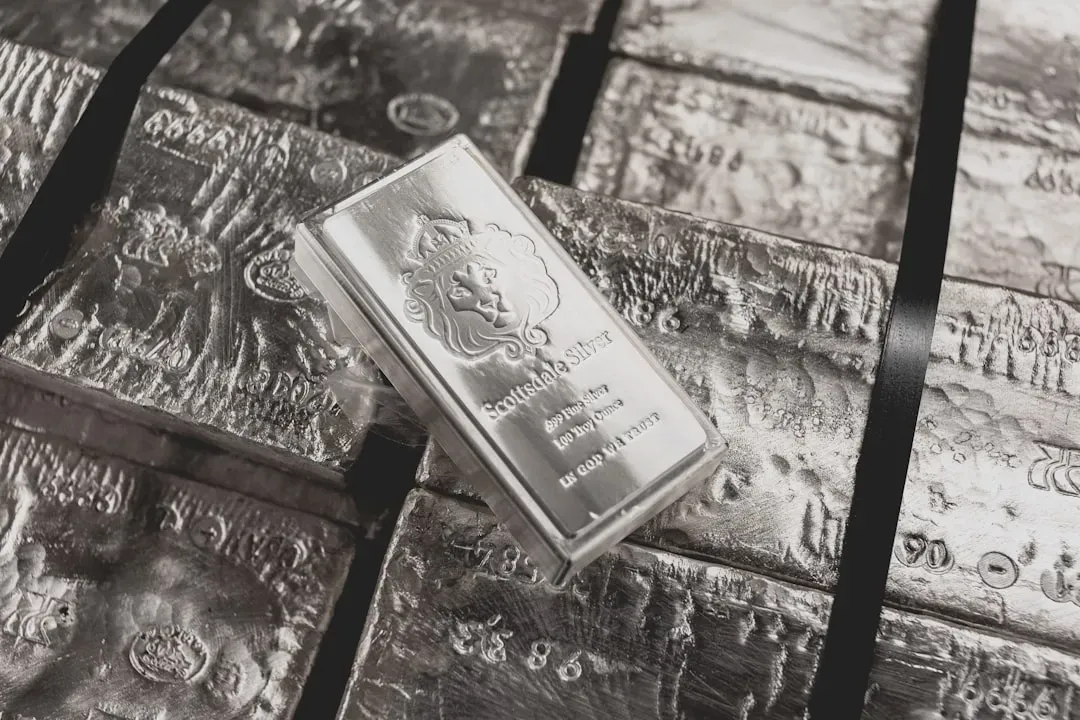
Institutional demand is redirecting the available silver for investment into thousand-ounce bars, bypassing standard retail products. The US Mint is only making twenty percent of Silver Eagles compared to last year, representing an eighty percent reduction, while the largest Indian mint ran out of silver. COMEX registered inventory stands at only 47 million ounces currently, a small fraction of the 291 million ounce total in the COMEX system. Large-scale buyers purchase whatever physical silver becomes available, including pre-1964 dimes, leaving retail investors and coin dealers with severely limited inventory at substantially higher premiums than existed just a few years ago.