8 DIY Electrical Jobs That Can Void Your Home Insurance Immediately
You might think you’re saving money by tackling that electrical outlet yourself. Think again. Your home insurance policy could become worthless faster than you can flip a circuit breaker, and you probably won’t realize it until it’s far too late.
Let’s be real: electricity is tempting to mess with. I mean, how hard can it be to swap out a light switch, right? Turns out, pretty hard when your claim gets denied after a fire.
Installing New Outlets Without Permits
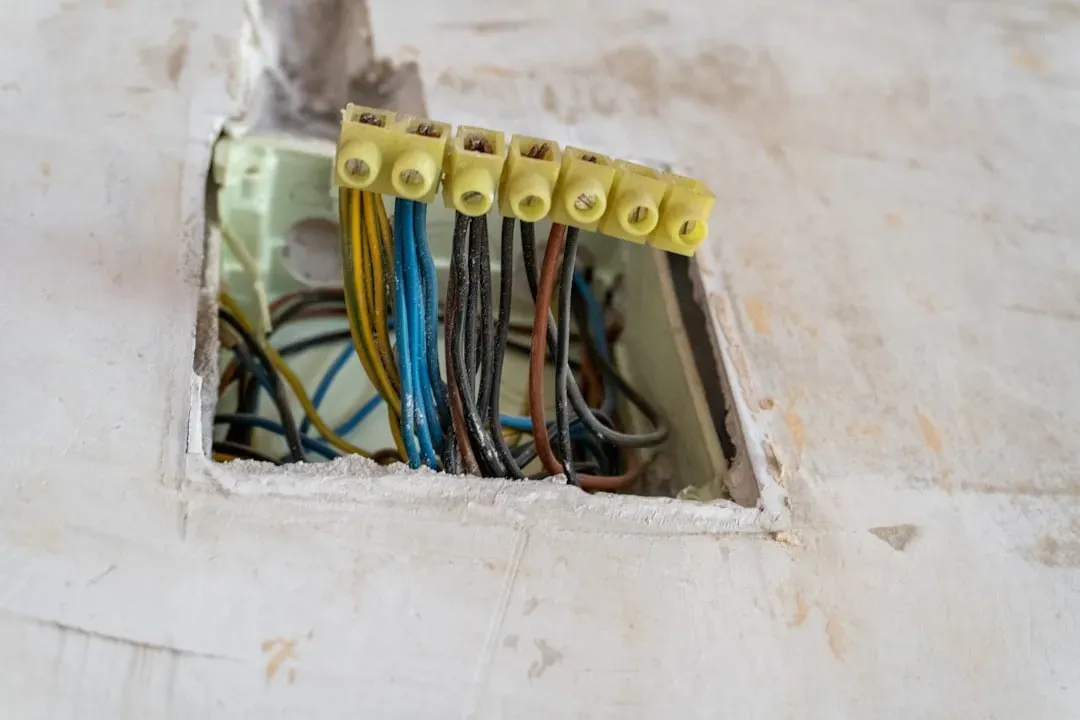
Adding electrical outlets seems straightforward until your insurance company discovers you did it yourself. Common DIY renovation mistakes that can void your policy include failing to obtain necessary permits, not adhering to local building codes, and performing work that significantly alters the structure or safety of your home without informing your insurer, which can lead to denied claims or a lapse in coverage if damage occurs related to the unauthorized renovations. Here’s the thing: even if you wire that outlet perfectly and it works fine for years, the moment something goes wrong, adjusters start digging.
Most insurance policies require that electrical work be performed by a licensed professional, and if a claim is filed for fire or electrical damage caused by unlicensed work, the insurance company may refuse to cover the costs. The missing permit becomes the smoking gun.
What really stings is that permits aren’t even that expensive in most areas. Yet homeowners skip them constantly, thinking nobody will notice. Skipping permits or inspections for electrical work – especially in remodels – can lead to major headaches during resale or insurance claims.
Upgrading Your Electrical Panel
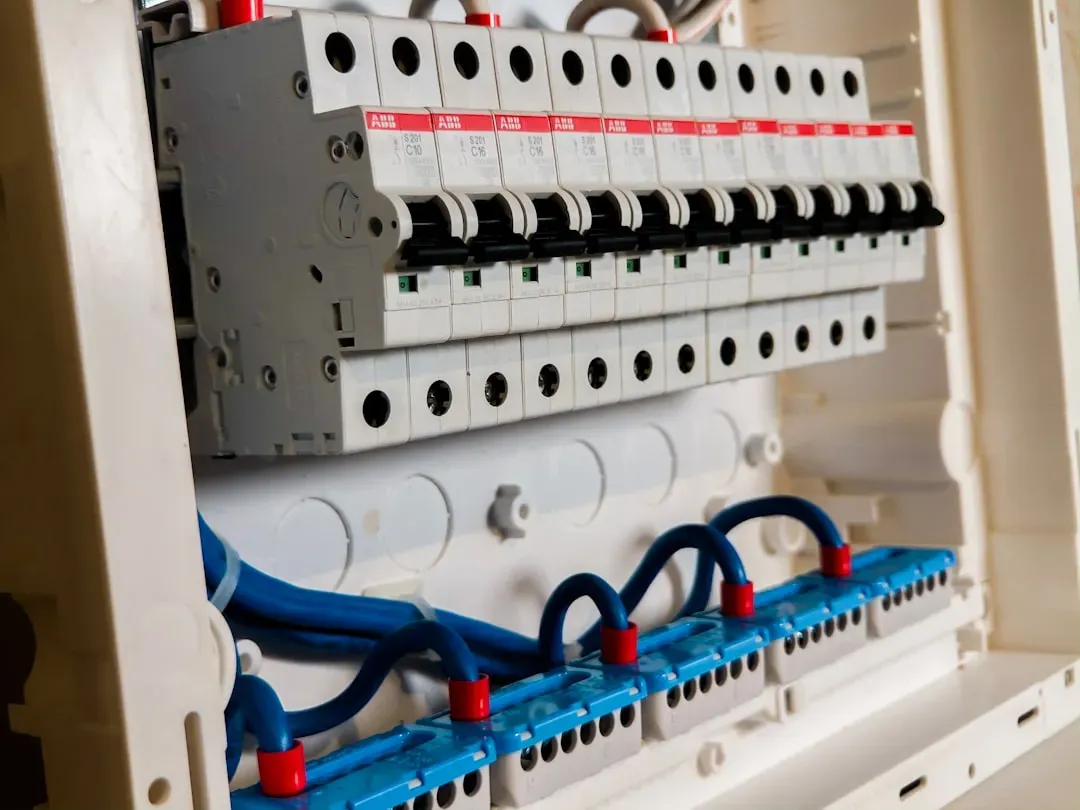
This one is particularly dangerous because panel upgrades sound so innocent. You just want more capacity for your new appliances. If a fire starts because of your electrical work, your insurer could say they won’t cover the damage if they learn you did the wiring without a professional electrician’s help.
Most home insurance companies are concerned about the relationship between outdated electrical panels, wiring, and fires, and they may request a panel inspection, with an outdated panel increasing the risk of a short that may result in a devastating house fire, which may lead to your claim being denied if the cause is due to the aged panel. Panels are legitimately complex – they involve high voltage connections, load calculations, and proper grounding that most DIYers simply don’t understand.
Honestly, I’ve heard stories of homeowners who successfully installed panels themselves. Sure. They might work fine. Until they don’t, and then you’re looking at tens of thousands in uninsured fire damage.
Rewiring Parts of Your Home
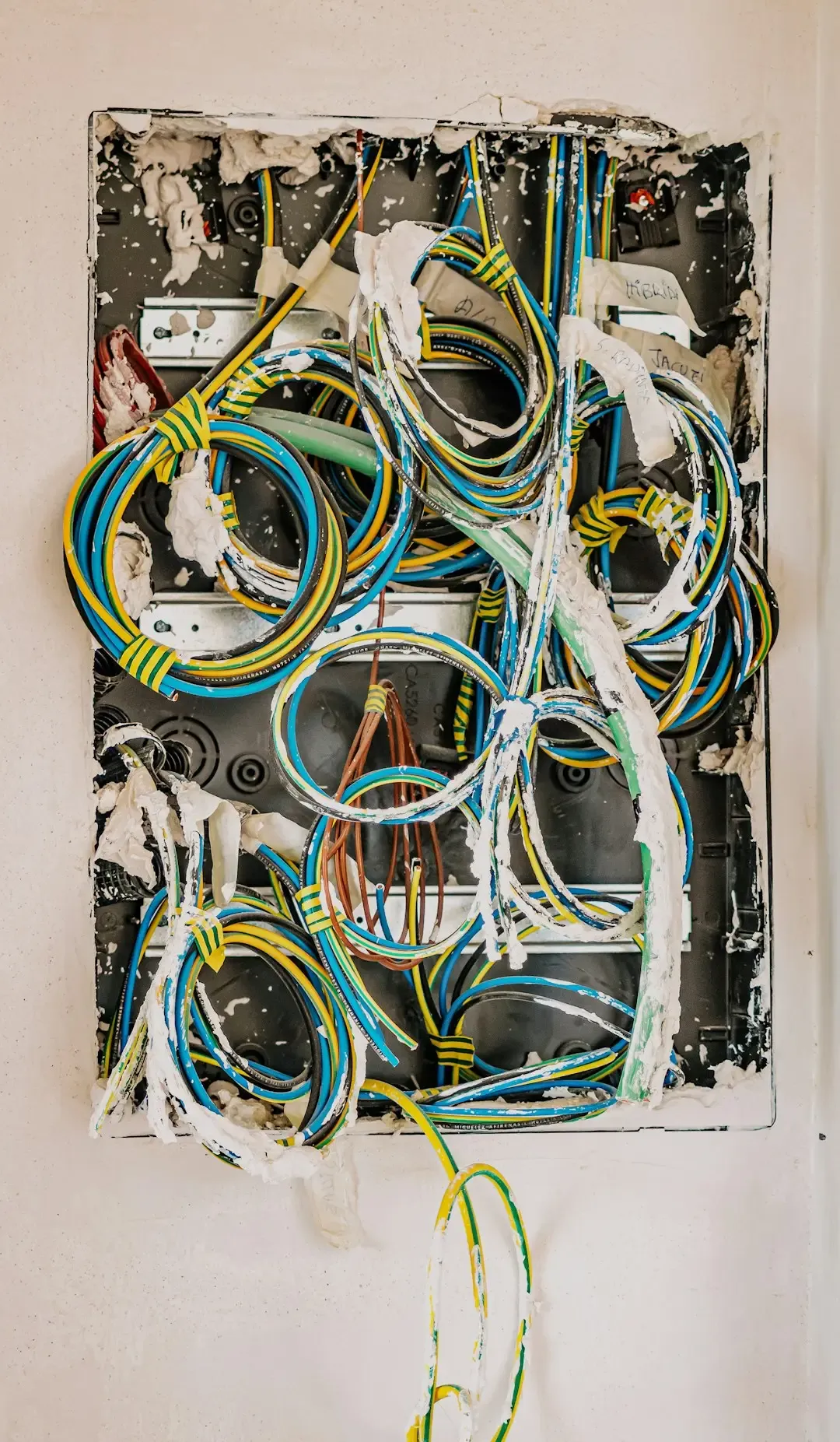
Insurance companies are wary of homes with unlicensed electrical work, as they pose a greater risk of electrical fires and system failures, and if your insurance provider determines that electrical work was not performed by a licensed electrician, they may deny claims related to electrical damage. Rewiring even a single room creates liability that follows you until someone catches it.
The real kicker is that electrical codes change regularly. What was acceptable wiring in the past might not meet current standards. Non-compliance with electrical codes can jeopardize your insurance coverage, and many insurance policies contain clauses that require adherence to local codes and regulations.
One expert says that up to 50% of homes in the US have some form of unpermitted work on site. That’s a staggering number when you think about how many claims could potentially be denied.
Installing New Light Fixtures With Complex Wiring
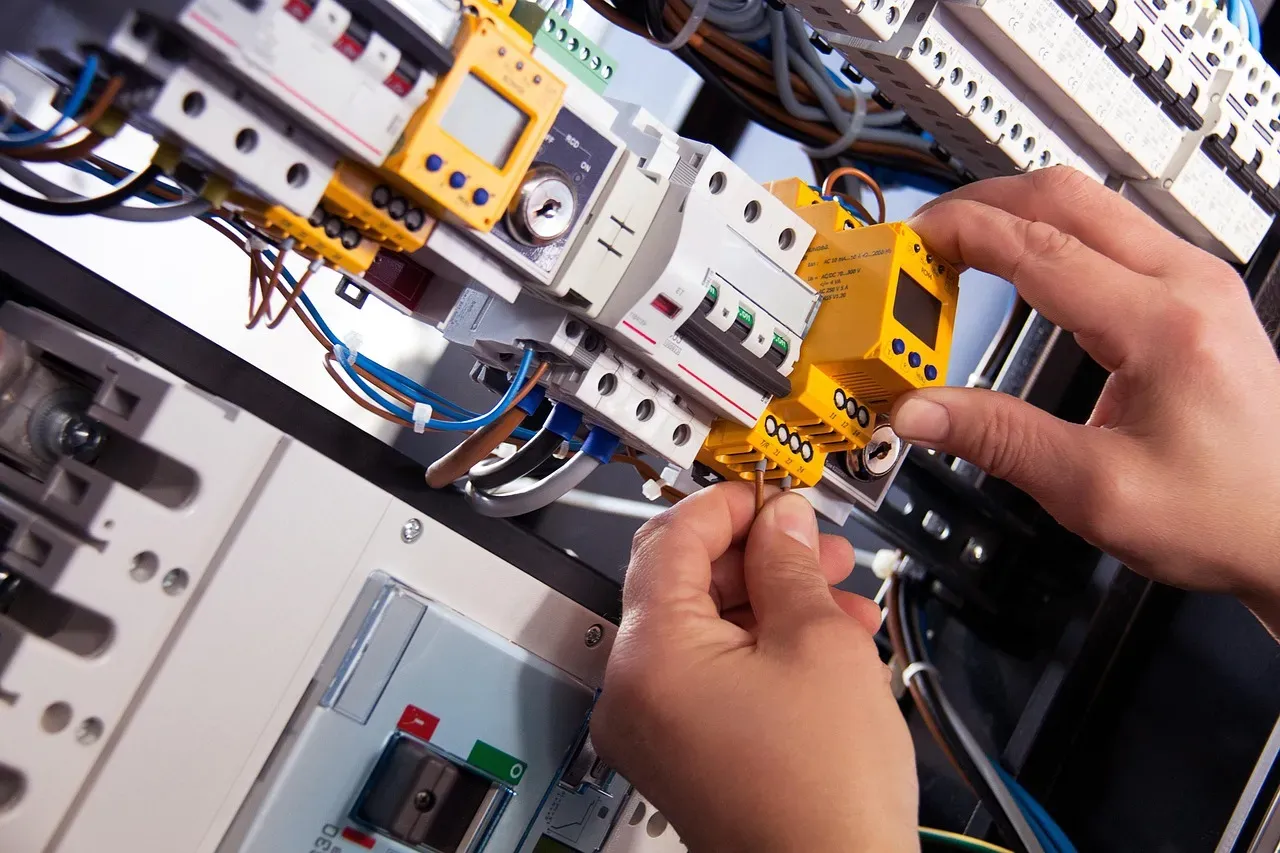
Swapping a basic light fixture might slide under the radar. Adding new fixtures that require running new circuits? That’s a different story entirely. DIY work often misses important updates required by current electrical code, incorrect wiring can lead to shorts, shocks, or worse – electrical fires, and Florida law requires permits for many types of electrical projects, without which insurers may deny claims related to defects or damage.
Insurance investigators aren’t stupid. They know what licensed work looks like versus amateur installations. Wire nuts improperly installed, missing junction boxes, inadequate wire gauge – these red flags scream DIY work.
Some types of electrical fires cause complicated claims that can result in denials, with fires caused by DIY electrical work potentially resulting in a denied claim. You might save a couple hundred bucks on the installation but lose everything when the claim gets rejected.
Adding New Circuits to Your Breaker Box
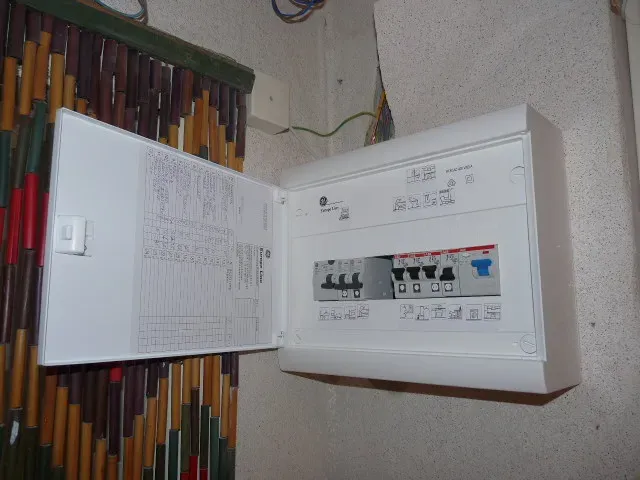
Homeowners love this one because it feels empowering. Just pop open the panel, add a breaker, run some wire. Easy, right? Wrong on every level. If your house suffers damage in terms of an electrical fire, it’s unlikely your insurance will cover it if they can determine that unlicensed electrical work was performed, and any cover or payouts will essentially become void, with insurance companies potentially denying any claims associated with the project or consequential damage.
Load calculations matter. You can’t just throw circuits wherever you want without understanding amperage limits and distribution. Too many appliances or devices drawing power from a single circuit can overload it, leading to overheating and potential fire hazards.
The worst part? Your homeowner’s insurance expects you to know better. Insurance companies may view DIY electrical work as negligence, and claims related to failed DIY wiring jobs are probably not going to be covered.
Installing Outdoor Electrical for Landscape Lighting
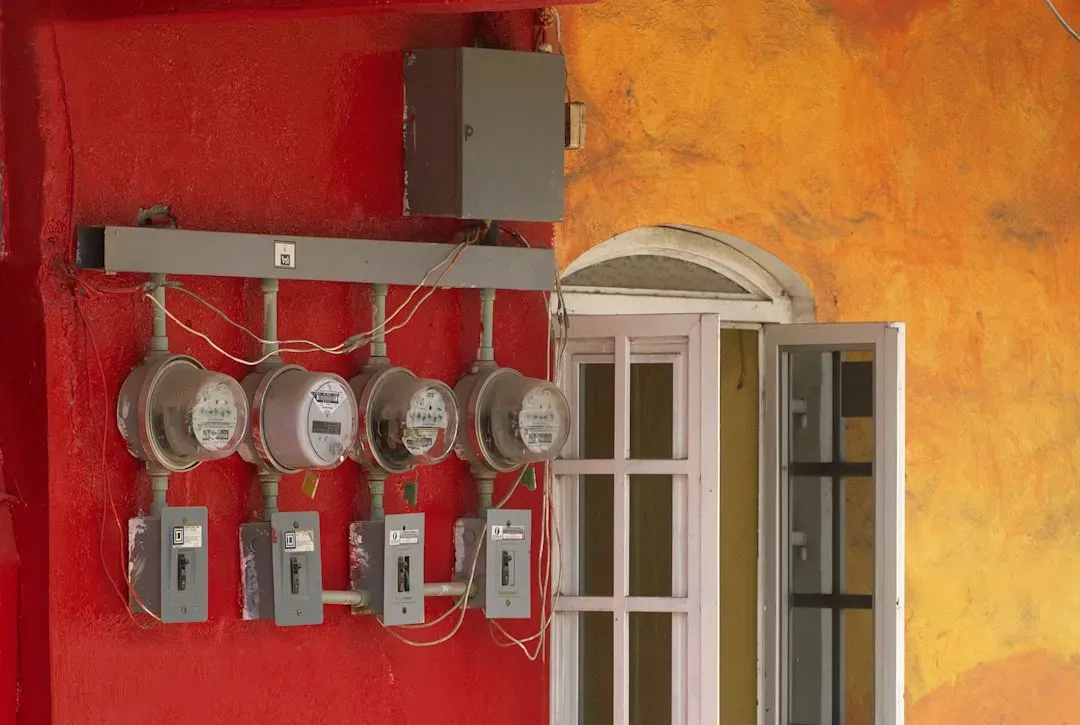
Outdoor electrical work creates unique insurance nightmares. Moisture, underground conduit, GFCI requirements – there’s so much that can go wrong. Ground Fault Circuit Interrupters (GFCIs) are required in areas like kitchens, bathrooms, and outdoor spaces, with code violations including failing to install GFCIs in wet locations and improperly grounded outlets, as GFCIs protect against electrical shocks which are particularly dangerous in damp environments.
If a fire or other damage occurs from faulty electrical work by an unlicensed person, the insurance provider will likely deny the claim, as insurance policies often contain clauses that exclude coverage for damages from illegal or non-compliant work. Outdoor installations often fail inspections because DIYers don’t understand weatherproofing requirements or proper burial depths for conduit.
Plus, landscape lighting seems so harmless. Nobody thinks about insurance until something sparks and ignites nearby landscaping materials. Then suddenly you’re explaining to an adjuster why you thought YouTube qualified you as an electrician.
Running New Wiring for Home Additions
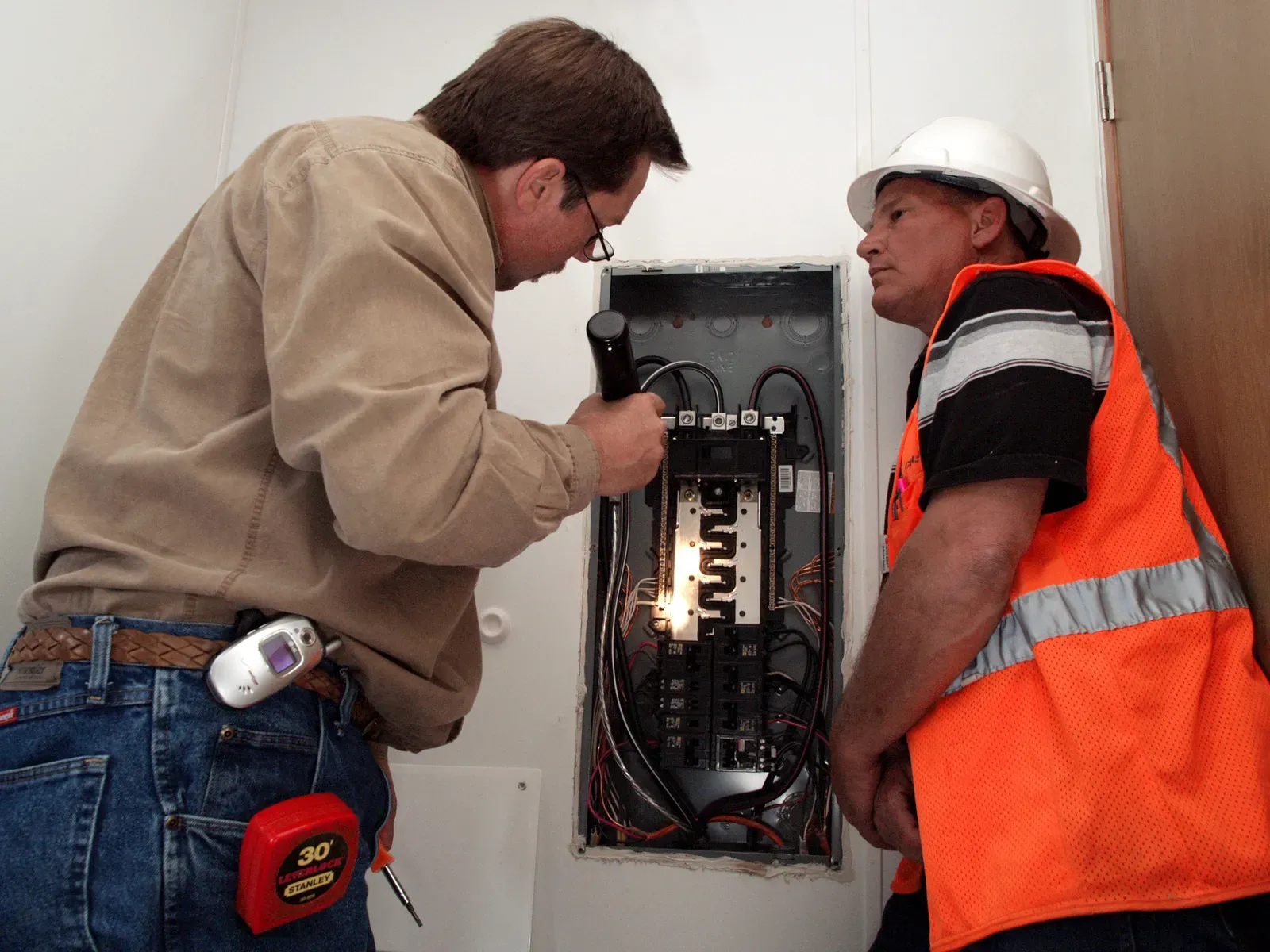
Home additions require serious electrical work, and insurance companies scrutinize these projects heavily. Because permits ensure the safety of your property, insurance companies consider unpermitted work negligible, and most insurance providers will not provide coverage when damage results from negligence.
Your insurance company might deny the claim if the faulty wiring resulted from your negligence, such as failing to address known electrical problems or ignoring maintenance issues, as insurance typically covers damages from unexpected or accidental events rather than damages resulting from neglect, and policies might exclude coverage if it’s proven that a lack of proper maintenance caused the damage. The addition becomes a massive liability that decreases your home value instead of increasing it.
Most homeowners’ insurance policies include exclusions for damages resulting from unlicensed work, meaning claims related to such work may be denied outright. Every wire you run yourself is another potential claim denial waiting to happen.
Installing Ceiling Fans With New Electrical Boxes
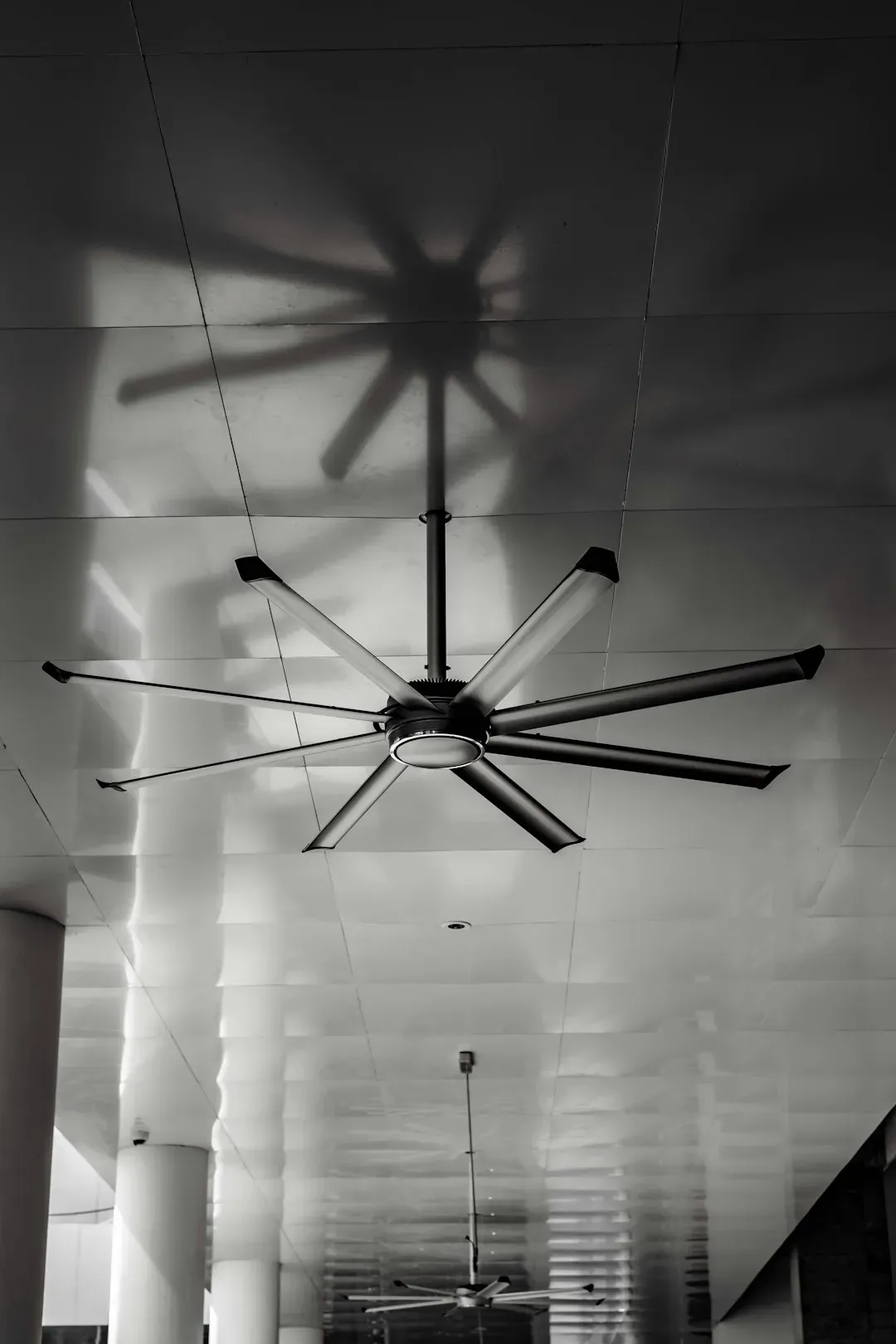
Ceiling fans require proper support and electrical connections. The weight, the rotation, the heat from motors – these create stresses that cheap DIY installations often can’t handle. Problems caused by unprofessional or incorrect electrical work are typically not covered, and homeowners should ensure that all electrical installations meet local codes and are performed by licensed professionals.
Many insurance companies require homes to meet current electrical codes for full coverage, and non-compliance could lead to denied claims in the event of an electrical fire or accident, leaving you with significant financial burdens. That wobbling fan you installed? It’s not just annoying – it’s a ticking time bomb for your insurance coverage.
The mounting box needs to be rated for fan support, wiring must be properly secured, and everything needs to be grounded correctly. Miss any of these steps and you’ve created a hazard that voids your coverage. I think the scariest part is how common this violation is – nearly every home has at least one DIY ceiling fan installation.