10 Car Repairs Mechanics Say You Can Easily Do Yourself (But Won’t Mention)
You ever wonder how much money mechanics are making off simple tasks that take them maybe five minutes? Let’s be real, most of us cringe at the thought of our cars breaking down, not because we can’t handle the problem, but because we’re already calculating the repair bill in our heads. Here’s the thing, though. A lot of basic maintenance and repairs are shockingly easy to do yourself, yet your mechanic might never tell you that. Why would they? It’s their bread and butter.
A survey from CarParts.com shows that 33% of DIYers save over $1,000 annually by doing their own maintenance. That’s a serious chunk of change you could be keeping in your pocket. Average car maintenance costs about $1,475 annually or $123 monthly, varying by vehicle type and driving conditions. Now imagine slashing that number just by learning a few straightforward tasks. Some of these jobs require nothing more than your hands and maybe ten minutes of your time. Others need basic tools you probably already have lying around the garage.
I know it sounds crazy, but once you start tackling these repairs yourself, you’ll wonder why you ever paid someone else to do them. So let’s dive in.
Replace Your Engine Air Filter

Air filter replacement is genuinely one of the easiest things you can do for your car, yet shops charge you a premium for what amounts to opening a box and swapping out a dirty filter. Despite their small size, replacement costs at auto shops often surprise car owners, ranging from $50 to $150. The kicker? Changing your air filter at home might cost $10 to $20. That’s a markup of roughly five to seven times what you’d pay doing it yourself.
Replace your air filter every 12,000 to 15,000 miles, or as recommended in your car’s manual. The process is ridiculously simple. Replacing a cabin air filter is often a simple DIY task requiring minimal tools, typically taking 10-15 minutes. Most filters are located behind the glovebox or under the hood. You literally just pop open the air filter box, pull out the old one, slide in the new one, and close it back up.
Why do mechanics rarely mention this? Because it’s pure profit for them. A clogged filter forces your engine to work harder, tanking fuel economy and potentially damaging pricier components. Swapping it yourself every 12,000-15,000 miles saves roughly $100-$150 annually while keeping your engine happy.
Swap Out Windshield Wiper Blades
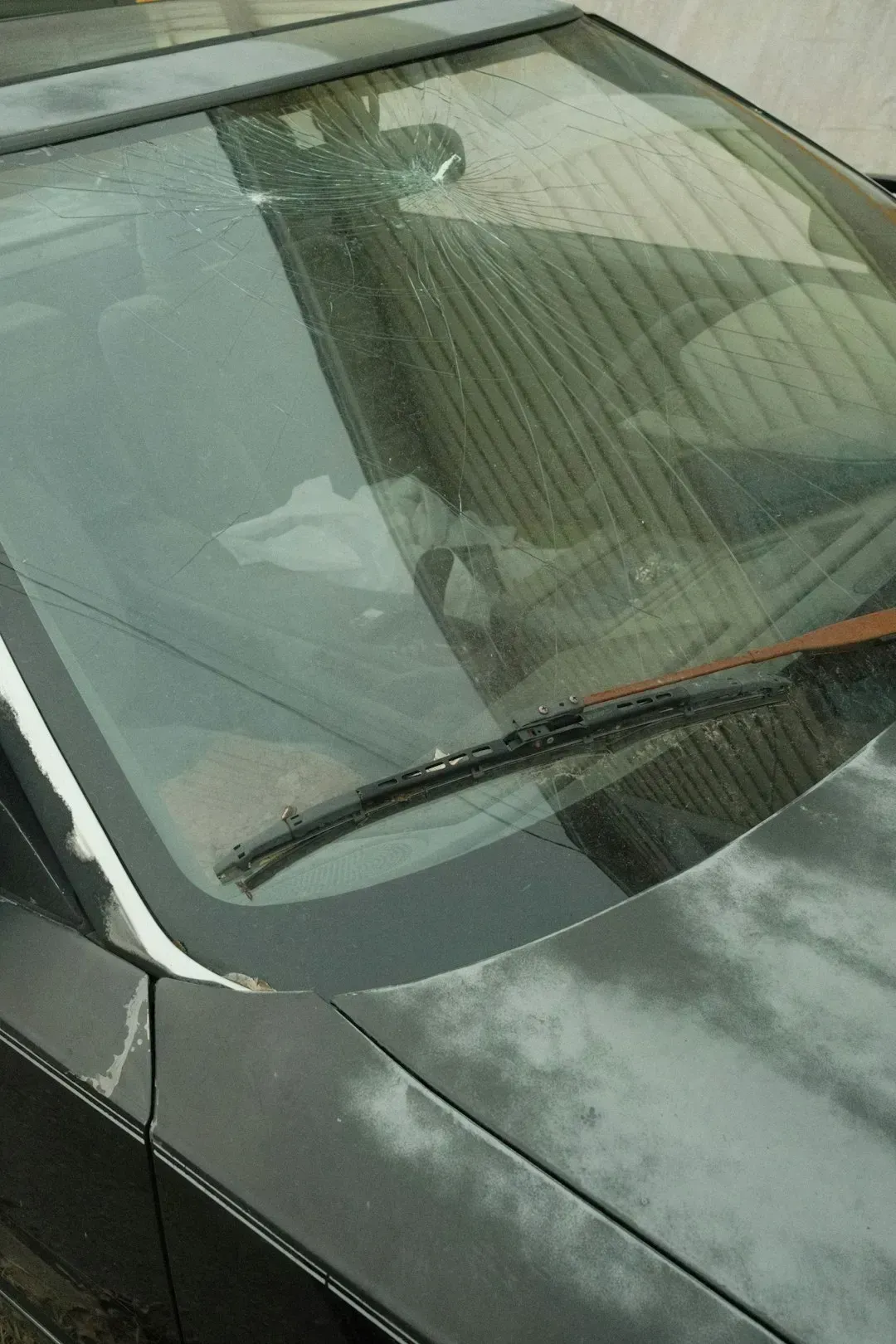
If you’ve ever paid a mechanic to change your wiper blades, I hate to break it to you, but you essentially paid someone to do something easier than changing a lightbulb. The average cost for a windshield wiper replacement costs between $50 and $61 including parts and labor, yet the blades themselves can be picked up for as little as ten bucks at any auto parts store.
Those streaky wipers making you squint through storms could cost $30-$50 to have a shop replace them when you can install them yourself in half a minute. Modern wiper blades use clip-on systems that are foolproof. You lift the wiper arm, press a little tab, slide off the old blade, and snap the new one into place. Honestly, it’s that simple.
You should change your windshield wiper blades every six to 12 months. If your wipers are streaking, chattering, or leaving patches of water on your windshield, it’s time. The auto parts store will have lots of economy blades, but go with a name brand instead (ANCO, Trico or Bosch). They cost more than economy blades, but their higher-quality rubber wipes better, has better UV protection and lasts longer.
Change Your Own Car Battery
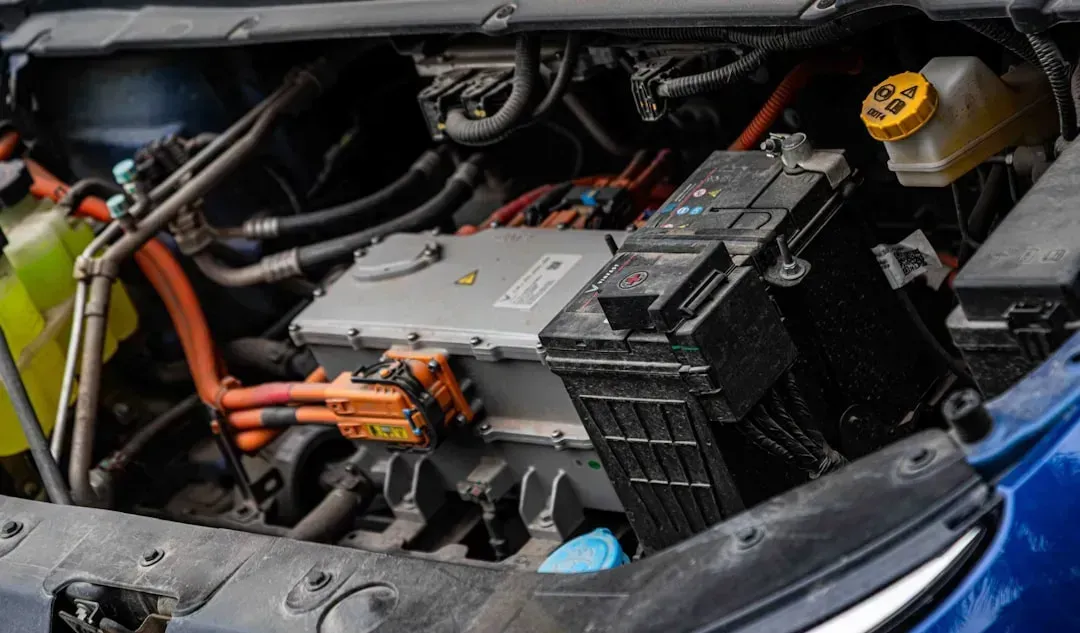
Replacing a car battery sounds intimidating until you realize it’s basically just disconnecting two cables, removing a bracket, lifting out the old battery, and reversing the process with a new one. Shops love to charge hefty labor fees for this task. This price includes the cost of the battery and labor (usually a flat fee of $20-100). So, in most cases, DIYing your battery replacement will save you about $50-100 compared to going to a shop.
On average, car batteries last 3-5 years under normal conditions before the materials inside start to degrade and lose capacity. When yours starts showing signs like slow cranking or dim headlights, you can handle the swap yourself with just a wrench. Changing a car battery yourself offers several benefits, from saving on labor costs to gaining the satisfaction of completing a straightforward DIY project. While professional services can add to the overall expense, swapping out a battery is a relatively simple task that most car owners can handle with minimal tools. Doing it yourself not only saves money but also gives you the confidence to tackle other basic car maintenance tasks in the future, making it a rewarding experience both financially and personally.
One important note: always disconnect the negative cable first to avoid any electrical shorts. Then tackle the positive. When installing the new battery, reverse the order. This isn’t rocket science, but it’s a job that gives you a real sense of accomplishment when you’re done.
Top Off or Change Your Fluids
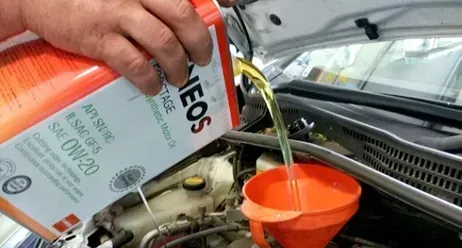
Your car relies on multiple fluids to keep everything running smoothly, from engine oil to coolant to windshield washer fluid. Mechanics often charge you for topping these off during routine service visits, even though checking and adding fluids is something you can do in your driveway with zero tools. Monitoring fluid levels – oil, transmission, power steering, coolant and wiper fluid – keeps your car running well. It’s as simple as using a dipstick or checking marked reservoirs.
Here’s what blows my mind. Shops will charge you anywhere from twenty to fifty dollars just to pour some washer fluid into your car. That same jug costs you maybe three bucks at the store. Standard fluids to check include the engine oil – check that with the engine off and the vehicle sitting on a level spot. Brake fluid and power steering fluid also need to be checked with the engine off. Automatic transmission fluid needs to be checked with the engine running, ideally after at least 10 or 15 minutes of driving. Ideally, you should check fluids in your vehicles weekly.
Some fluids, like brake or power steering fluid, can even be swapped using a simple turkey baster method. A mechanic can do this job for you for upwards of $30 to $100, but you can do this in the convenience of your own garage with a turkey baster. The idea behind this is to work out as much of the old oil power steering fluid out of the system and replace it with new stuff. The process should replace 90 percent of the old fluid and you wont have to detach one hose or crawl around on the ground.
Rotate Your Tires
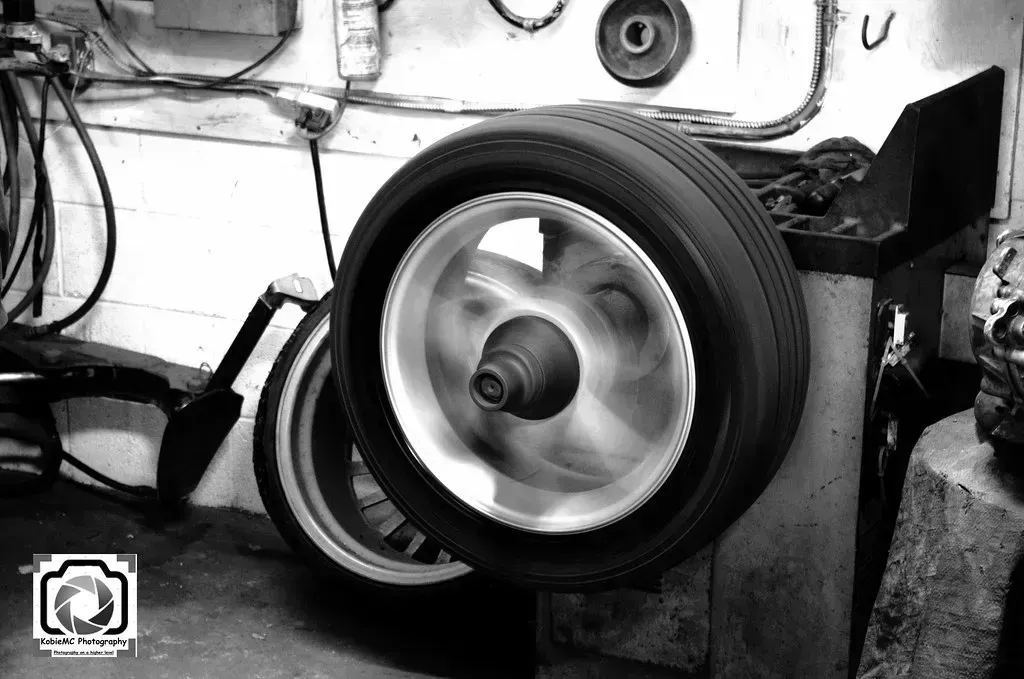
Tire rotation is one of those services that dealerships love to bundle into maintenance packages, charging you anywhere from thirty to seventy dollars for what essentially amounts to moving your tires around. If you have a jack, jack stands, and a lug wrench, you can do this yourself in under an hour. The benefits are real, too. Regular rotation prevents uneven wear and extends tire life significantly.
Proper tire maintenance can help you avoid accidents, extend the life of your tires, and even improve your car’s gas mileage. Plus, when you rotate them yourself, you get a chance to inspect each tire closely for damage, nails, or other issues that could turn into bigger problems down the road. According to the U.S. Department of Energy, properly inflated tires can improve fuel economy by up to 3%. Even more importantly, they help extend tire life by thousands of miles.
The pattern for rotation depends on your vehicle, but your owner’s manual will spell it out clearly. Front to back, crisscross, whatever it is, it’s not complicated. You’re basically just unbolting wheels and bolting them back on in different spots. Mechanics won’t bring this up because it’s easy money for them, but it’s a completely manageable DIY job for you.
Replace Brake Pads
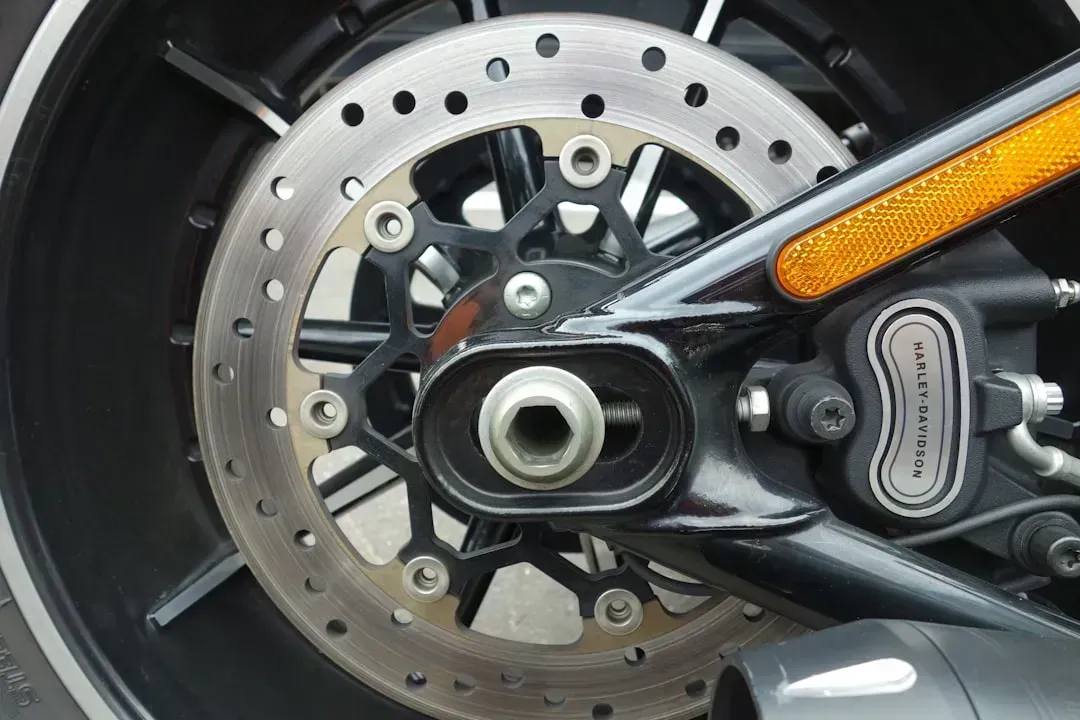
Okay, I’ll admit this one requires a bit more confidence than swapping wiper blades, but it’s still well within the realm of DIY if you take your time and follow instructions. Brake pad replacement at a shop can run you several hundred dollars. Should your brake pads wear to the point they scrape against the metal rotors, a complete brake job to replace your pads, the calipers that hold them and the rotors could run up to $1,000. By contrast, the estimated cost to replace your brake pads before they damage your rotors is $100 to $300 per axel.
The actual brake pads themselves are relatively inexpensive. Doing the job yourself, you’re looking at maybe fifty to a hundred bucks for the parts, compared to hundreds if you hand it over to a shop. Yes, brakes are a critical safety system, so you need to be careful and methodical. Brakes are one area where the stakes are high. While changing brake pads might seem straightforward enough, any mistake could have serious consequences on the road.
Still, plenty of home mechanics handle this job without issue. You’ll need basic tools, a jack and jack stands, and about two hours of your time. There are countless video tutorials online for your specific make and model. Just make sure you bed in the new pads properly after installation, and you’re good to go.
Change Your Oil and Filter
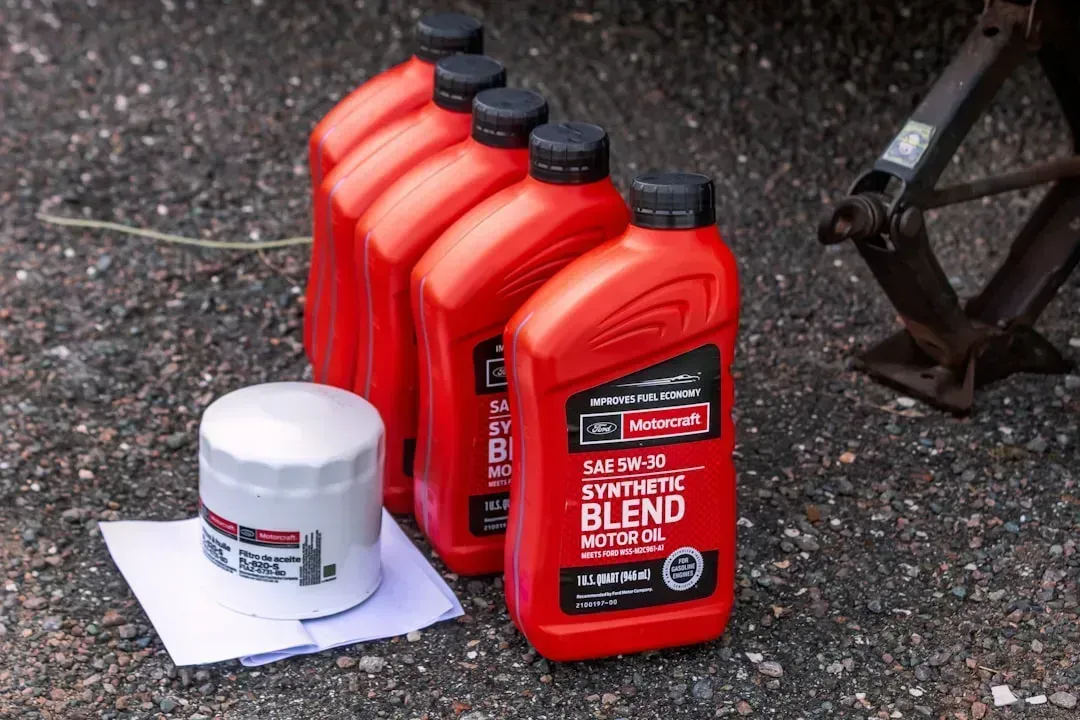
Oil changes are the bread and butter of quick-lube shops, and they’ve built entire business models around getting you in the door for this one service. Quick-lube joints may charge $50–$80 for oil changes, but doing it yourself? You’re looking at maybe twenty-five to thirty-five bucks in materials. Three DIY oil changes annually can put $100–$180 back in your wallet compared to shop prices, after paying for new oil and filters.
One of the most critical maintenance chores for cars is changing the oil regularly. Learn how to change your own oil quickly and without getting too dirty. You’ll save money and extend the life of your car by thousands of miles. The process is straightforward: drain the old oil, replace the filter, and refill with fresh oil. You’ll need a drain pan, a wrench, and maybe fifteen minutes of your time once you get the hang of it.
Although you won’t save a ton of money doing this work yourself, there are good reasons why it makes sense. First, it’s the only way you can be sure of the quality of oil that actually goes into your engine. And second, it lets you get underneath the vehicle to look at other things while you’re loosening and tightening the drain plug. Mechanics might never mention how simple this is because it’s a guaranteed revenue stream for them. But once you master it, you’ll never pay someone else to do it again. Just be sure to pour the used oil into a sealed container and drop it off at a local auto parts store or recycling center – most accept it at no charge.
Replace Cabin Air Filters
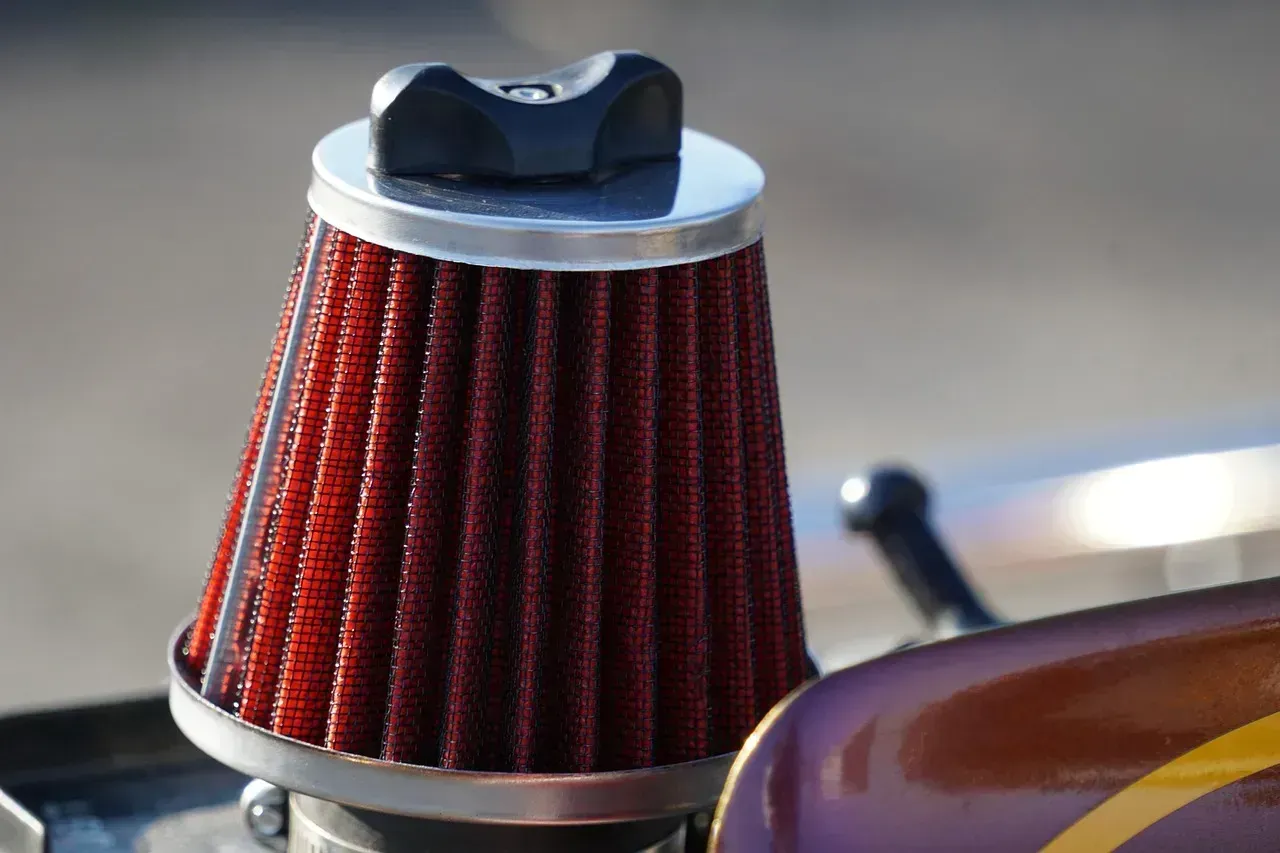
You might not even know your car has a cabin air filter, which is exactly what mechanics are counting on. This little filter keeps the air inside your car clean by trapping dust, pollen, and other junk before it gets into the cabin through your HVAC system. Shops will charge you anywhere from fifty to a hundred bucks to swap it out. The filter itself? Cabin air filters typically cost between $10 to $30, depending on your car model.
Replacing a cabin air filter is often a simple DIY task requiring minimal tools, typically taking 10-15 minutes. Most filters are located behind the glovebox or under the hood. In many vehicles, you can access the cabin filter by removing your glove box, which usually involves pressing a couple tabs or removing a few screws. Slide out the old filter, slide in the new one, and you’re done. Cost savings: Doing it yourself eliminates labour costs, which can range from $50 to $100.
Let’s be honest, this is one of those repairs that makes you feel a little silly for ever having paid someone else to do it. It’s that easy. Your lungs will thank you for the fresh air, and your wallet will thank you for the savings.
Check and Replace Fuses
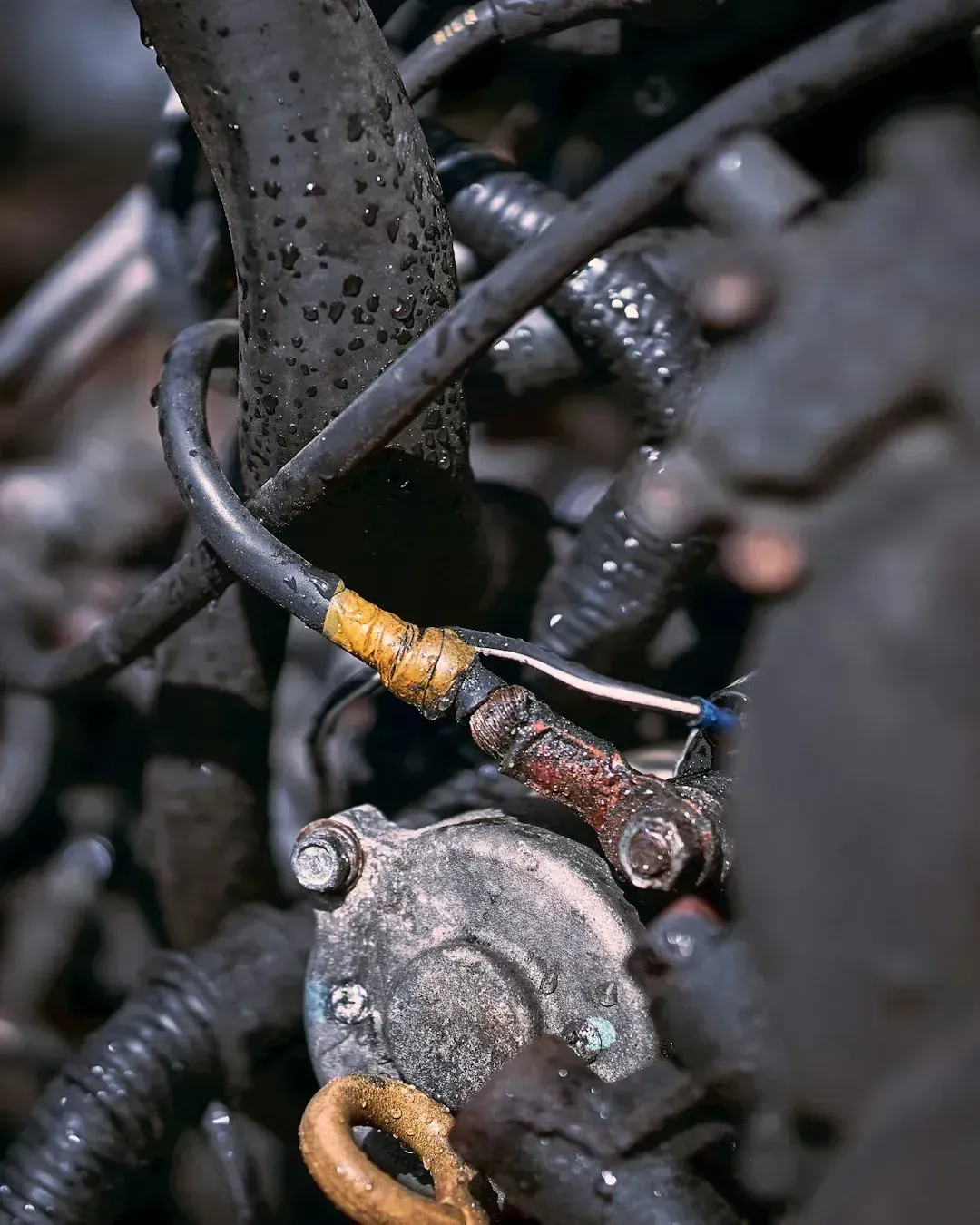
Electrical problems can sound scary, but a surprising number of them boil down to a blown fuse. If something in your car suddenly stops working – your radio, power windows, interior lights – there’s a decent chance it’s just a fuse. Mechanics will happily charge you diagnostic fees and labor to replace a fuse that costs maybe a dollar. I’m talking about a two-minute fix that literally anyone can do.
Your car’s fuse box is usually located under the dashboard or in the engine bay. Your owner’s manual will show you exactly where it is and which fuse controls what. Pop open the cover, use the little fuse puller tool (usually included right there in the box), and swap out the bad fuse for a new one of the same amperage. That’s it. You just saved yourself a fifty-dollar trip to the shop.
The reason mechanics don’t advertise this is obvious. It’s almost too simple. There’s no skill involved, no special tools, nothing. You’d feel pretty ridiculous paying someone to do this once you realize how easy it is, which is precisely why they’d rather you didn’t know.
Clean or Replace Spark Plugs
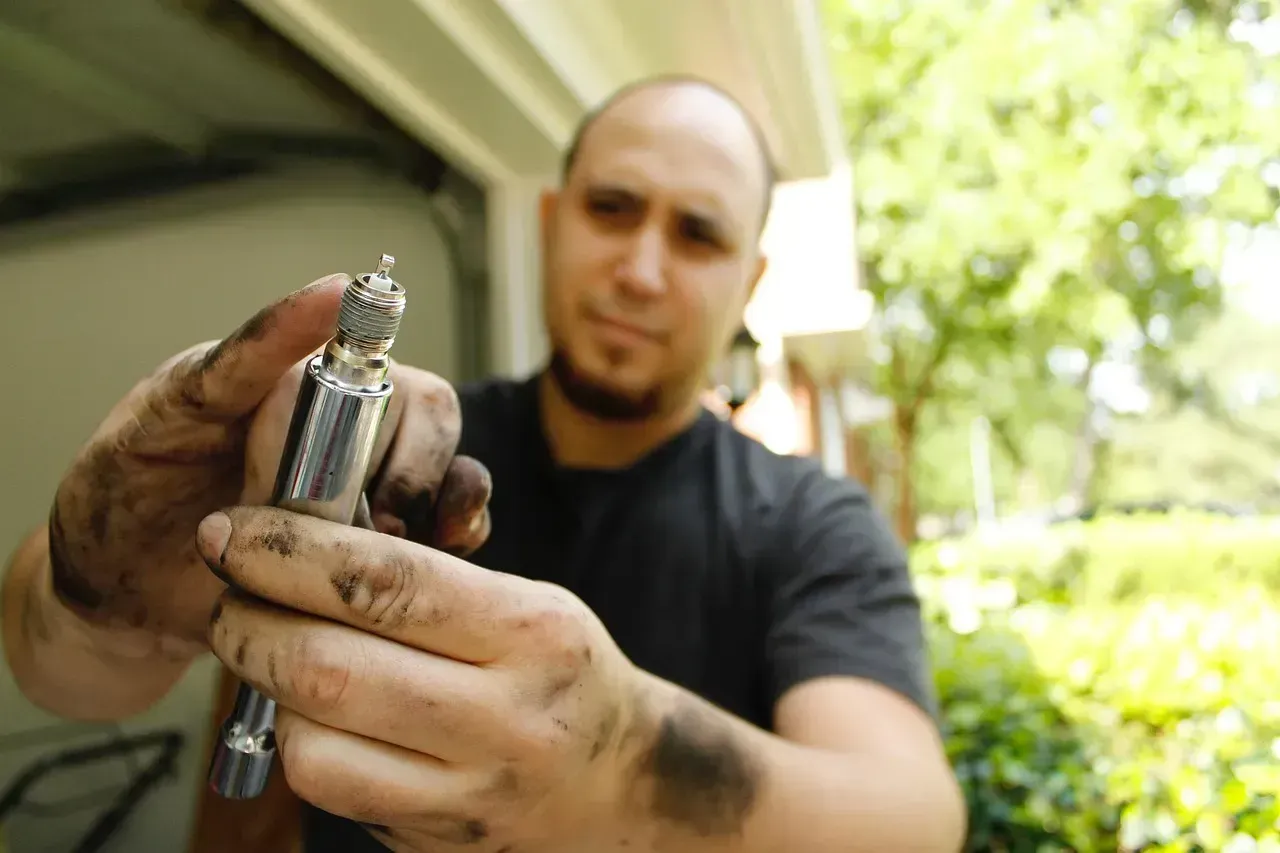
Spark plugs are critical for engine performance, and over time they can get fouled or worn out, leading to misfires, rough idling, or poor fuel economy. Shops will charge you a couple hundred bucks to replace them, but the plugs themselves are often just a few dollars each, and the job is manageable with a socket wrench and a little patience.
Depending on your car, accessing the spark plugs might be straightforward or require removing a few components. Either way, it’s a task that most DIYers can handle. You unscrew the old plugs, check the gap on the new ones (or clean the old ones if they’re still in decent shape), and screw them back in. Just make sure you don’t over-tighten them, and you’re golden.
Mechanics might try to upsell you on this during a tune-up, bundling it with other services to justify a bigger bill. In reality, you can knock it out on a Saturday morning and save yourself a significant amount of money. It’s one of those jobs that feels more complicated than it actually is until you do it once and realize it’s no big deal.