8 Vintage Household Items From Grandma’s Home That Are Now Worth a Small Fortune
You know that feeling when you walk through a grandparent’s house and everything seems a bit worn, outdated, or just kinda…old? Well, here’s the thing. What you might be dismissing as dusty clutter could actually be a treasure trove worth serious cash. We’re not talking about a few extra dollars at a yard sale. Some of these everyday items are fetching hundreds, even thousands of dollars at auctions and on resale sites.
Collectors have gotten serious about vintage household goods over the past few years. Maybe it’s nostalgia driving the trend. Or maybe people are finally waking up to the fact that quality craftsmanship doesn’t really exist anymore. Whatever the reason, it’s time to take a closer look at Grandma’s cupboards before you decide to donate everything to the thrift store.
Vintage Pyrex Dishes
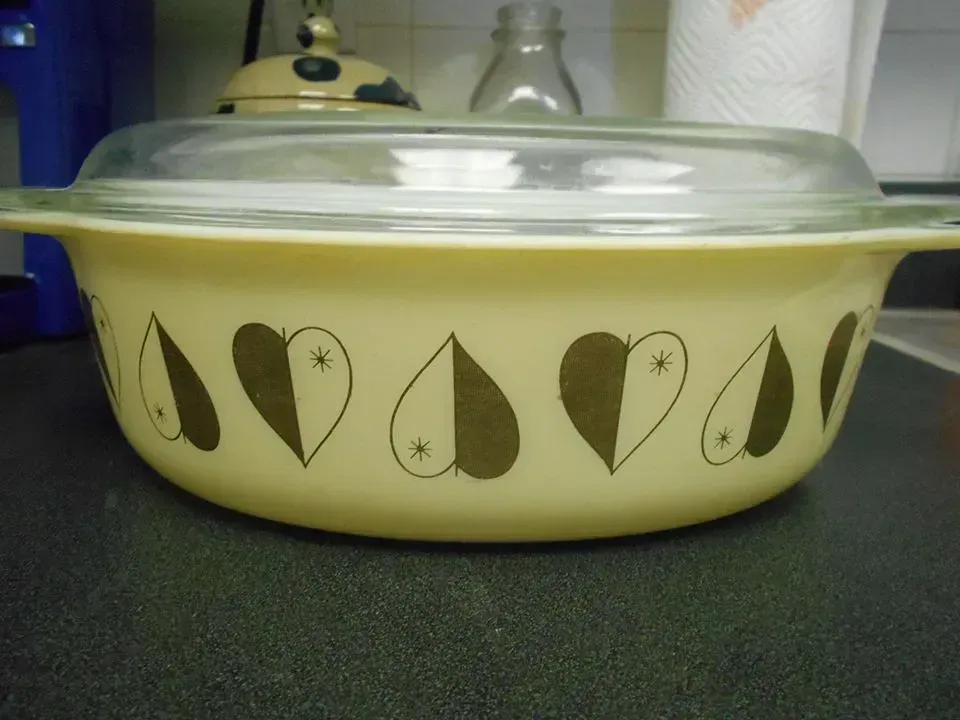
Let’s be real, those colorful casserole dishes sitting in the back of the kitchen cabinet might be the most valuable thing in the entire house. A complete nesting bowl set in great condition can go for $250 to $600, and some rare Cinderella casserole dishes have sold for over $1,000 according to interior design experts. The “Lucky in Love” pattern with hearts and clovers can fetch over $4,000, which honestly sounds crazy until you realize this pattern was likely just a test run that never made it to mass production.
Pyrex continues to hold its value because most people associate it with memories of family and holiday gatherings, and the vintage designs evoke nostalgia. A small blue Pyrex “Butterprint” bowl from a flea market sold for $2,100 on eBay, proving that even the tiniest pieces can bring big returns. Patterns like Butterprint, Gooseberry, and Pink Daisy have developed cult followings among collectors who will pay premium prices for pristine pieces.
Cast Iron Skillets
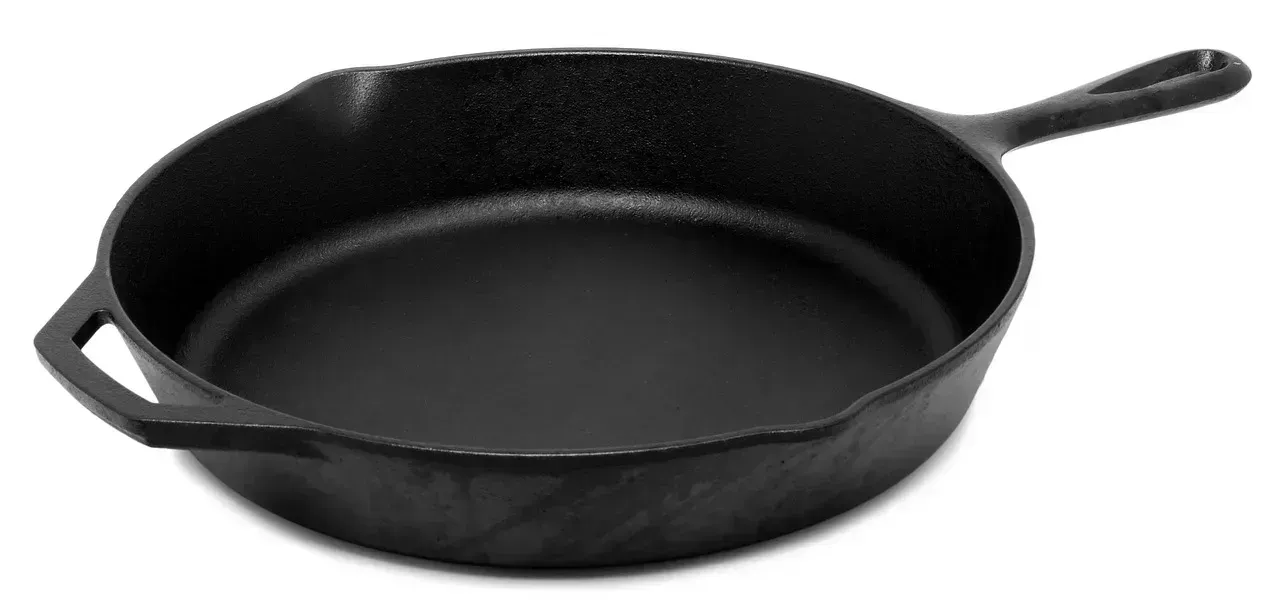
That heavy black skillet hanging in grandma’s kitchen from companies like Griswold and Wagner can sell for hundreds. These aren’t your modern Lodge pans from the hardware store. Vintage cast iron from before the late fifties was manufactured with a smoother finish and superior craftsmanship that modern production just doesn’t match. In 2020, one Griswold skillet from an earlier era sold for a record-breaking $20,000 at auction.
The most desirable pan is number one, super rare and worth $1,000 each despite their small size, while numbers 2, 11, 13, and 20 are quite valuable. Collectors examine the logo on the bottom, looking for specific markings that indicate age and manufacturer. Even rusty pieces have value because serious collectors know how to restore them.
Singer Featherweight Sewing Machines
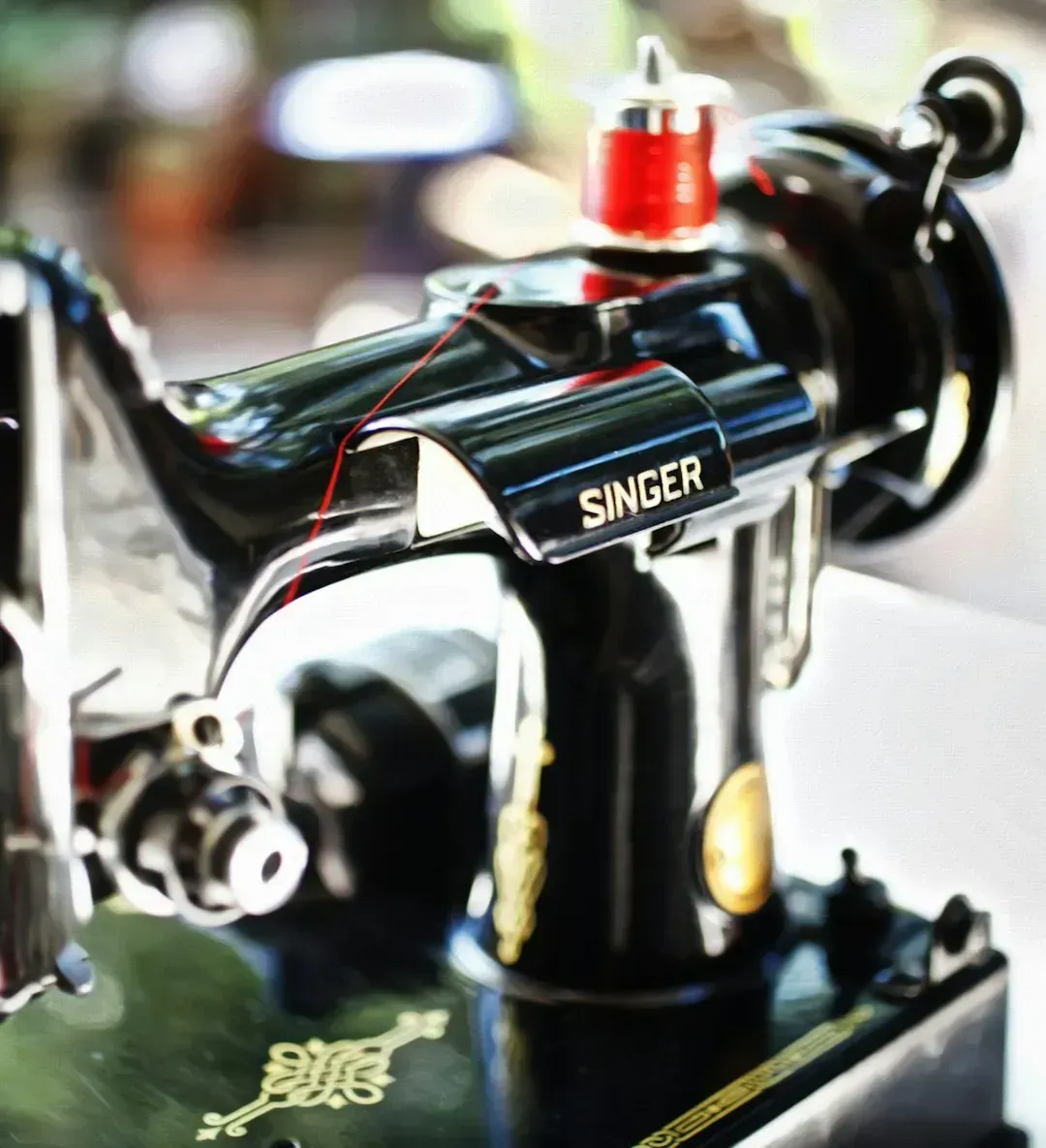
Grandma’s compact black sewing machine tucked away in the closet could be a goldmine if it’s a Singer Featherweight. The average current price for a Singer 221 Featherweight is $350, while the rarer Singer 222K is currently selling for between $800 and $2000. These lightweight portable machines were manufactured between the thirties and late sixties, and quilters absolutely love them.
The 222K model is particularly sought after because it had a limited production run and features a removable bed that converts it into a free arm machine. It’s hard to say for sure why these machines command such high prices, but their durability and precise stitching have created a devoted following. Working condition matters, though cosmetic wear doesn’t necessarily destroy value if the mechanics are sound.
Depression Glass
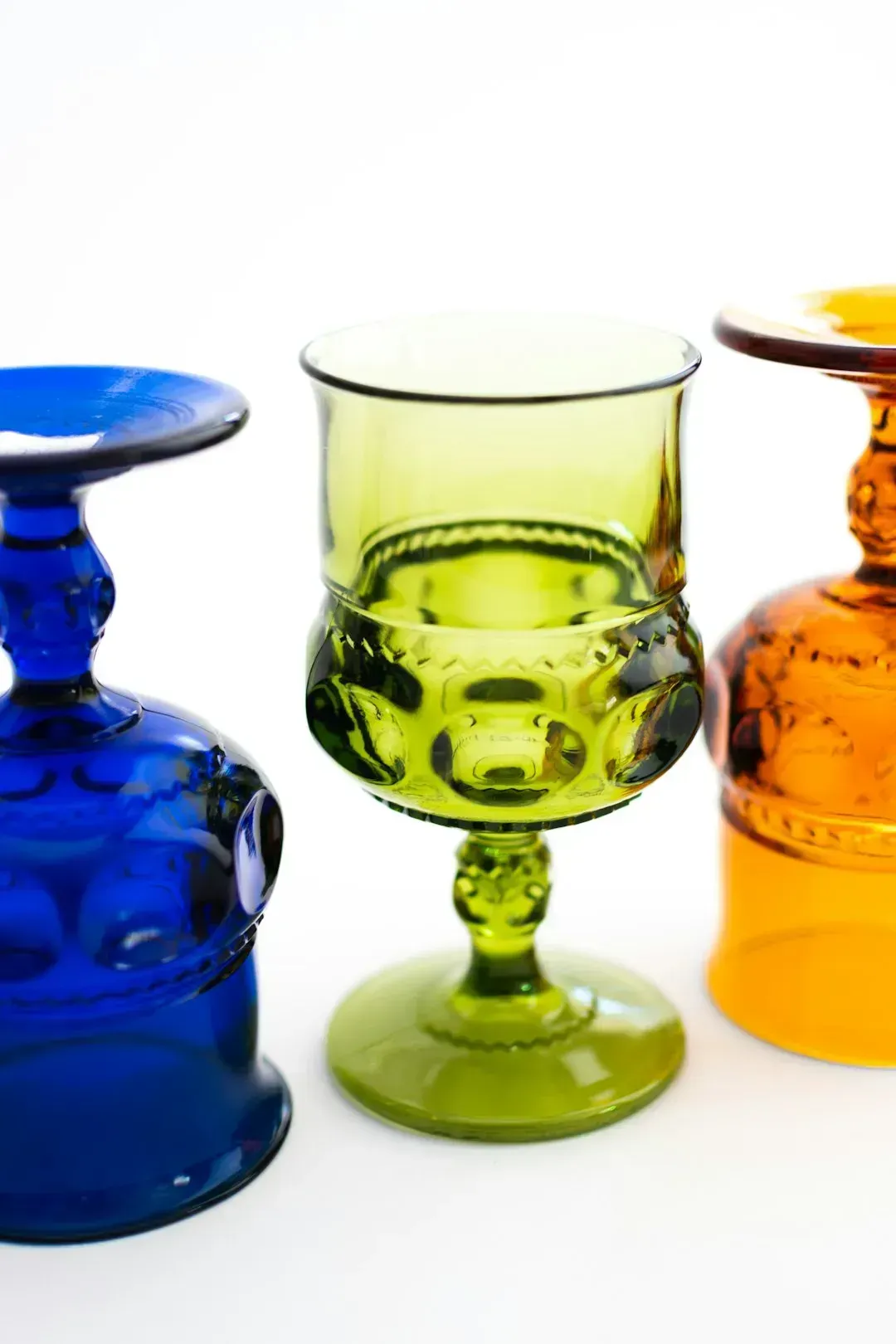
Those pastel-colored dishes your grandmother served Sunday dinner on might look delicate, but their value is anything but fragile. Depression glass was produced during the Great Depression and was often given away with purchases. Patterns like Cameo, Parrot, or Peacock have been soaring in value, and even more common designs like American Sweetheart or Royal Lace can fetch hundreds if they’re flawless.
Pink, green and amber pieces are especially collectible, and full sets or rare patterns can fetch impressive prices from vintage glass enthusiasts. The key is condition. Chips, cracks, or that cloudy look from years of washing will tank the value. Rare colors in unusual patterns are basically hitting the jackpot.
Sterling Silver Flatware
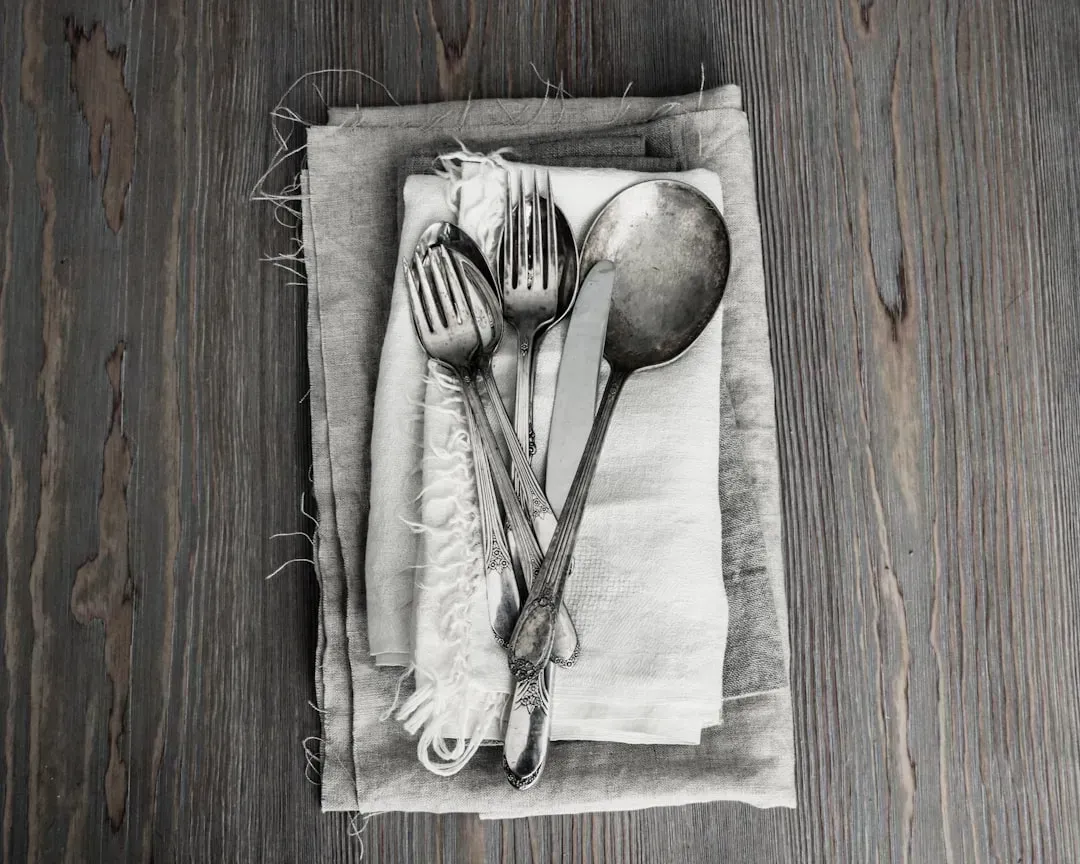
That tarnished silverware set gathering dust in the dining room hutch is more than just heavy cutlery. A set of sterling flatware, service for 12, can sell for more than $2,000 according to certified appraisers. The catch is making sure it’s actually sterling silver and not just silver-plated. Sterling silver will be marked as such or with the numbers 925, which indicate the silver content.
Many families inherited mixed collections over generations, combining pieces from different patterns and eras. Even incomplete sets have value based on weight and silver content alone. Those fancy serving pieces like ladles and carving sets can command individual prices well into the hundreds if they’re from prestigious makers.
Vintage Vinyl Records
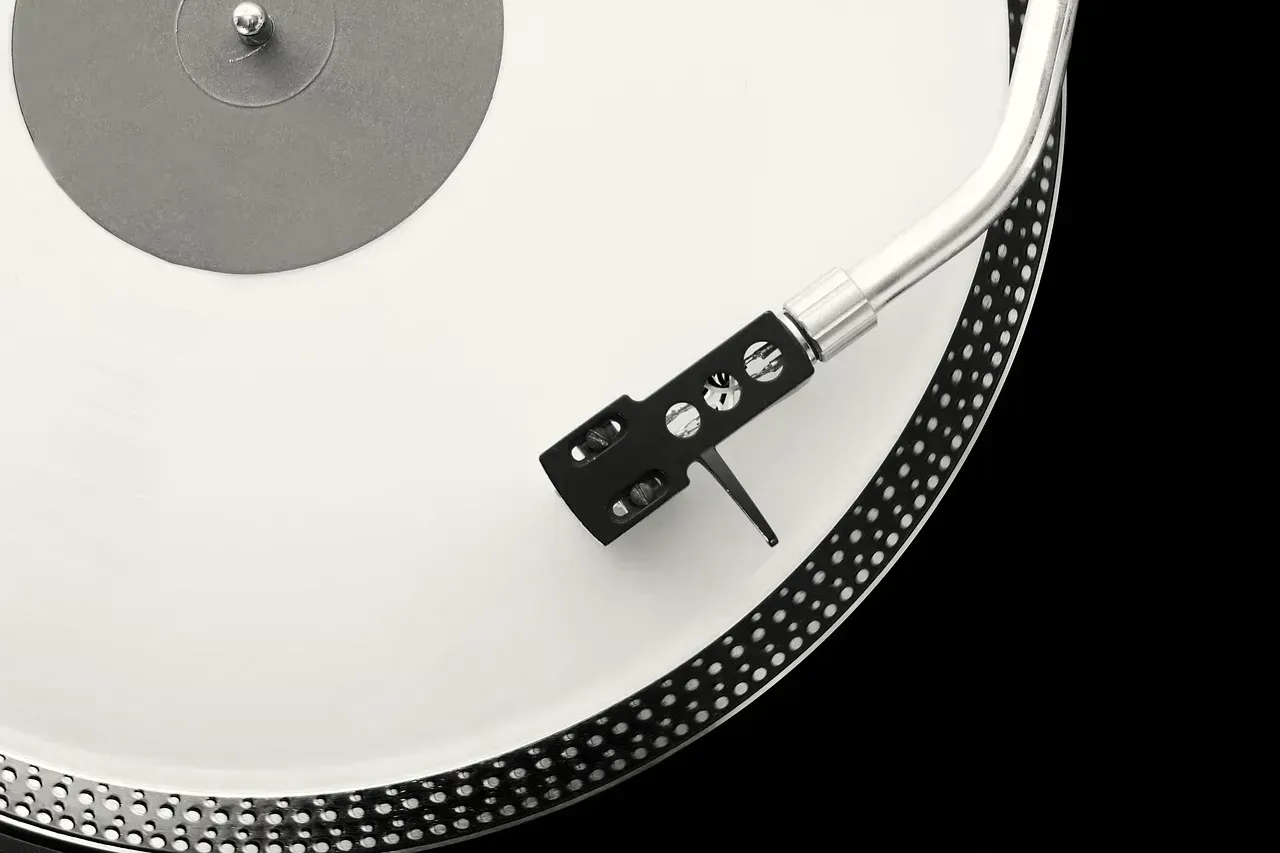
Thanks to the vinyl revival, old records are spinning back into style, and albums from iconic artists like the Beatles, Bowie, or Aretha can be worth hundreds, especially if they’re original pressings or in great condition. It’s not just the music itself that matters. First pressings, limited editions, or albums with printing errors can be worth hundreds or thousands, with records from iconic artists like The Beatles or Elvis Presley tending to be most valuable, especially if condition is pristine and original inserts or posters are included.
Collectors obsess over details like pressing plants, matrix numbers, and label variations. A first pressing from the sixties in mint condition with the original shrink wrap still intact? That’s serious money. Even common albums can surprise you if they happen to be rare variants.
Mid-Century Modern Furniture
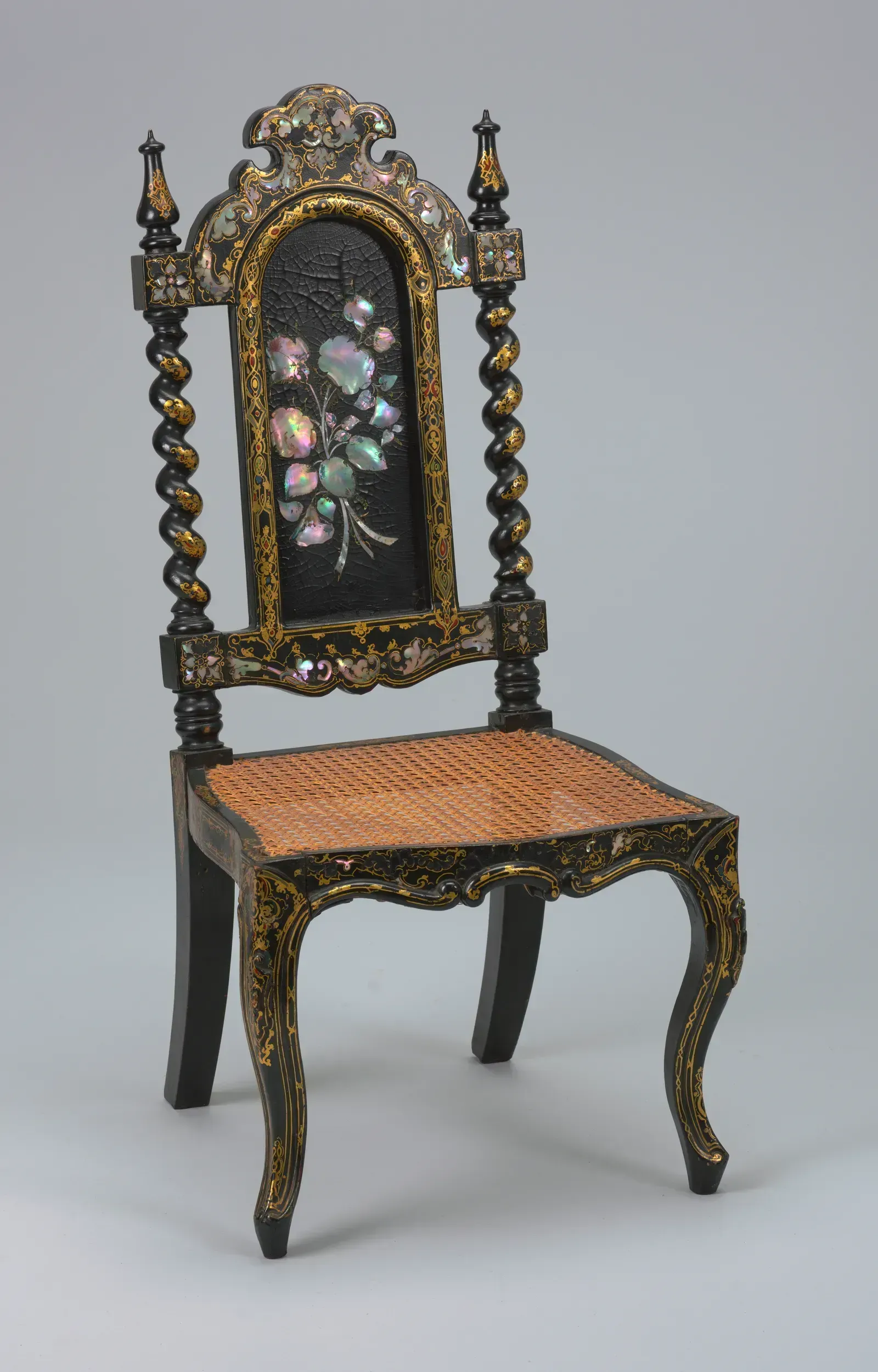
That funky lamp or low-slung coffee table in grandma’s living room might be a mid-century modern treasure, with pieces from the fifties and sixties hot on the resale market, especially if they retain their original finishes. Mid-century modern furniture from designers like Eames, Knoll, or Herman Miller can fetch astronomical prices. Even unmarked pieces from this era have significant value if they show the characteristic clean lines and quality construction.
Here’s what’s interesting. Original upholstery, even if worn, can actually increase value to serious collectors who appreciate authenticity. The Danish modern aesthetic has seen a massive resurgence, with younger generations willing to pay premium prices for furniture their grandparents considered ordinary.
Vintage Costume Jewelry
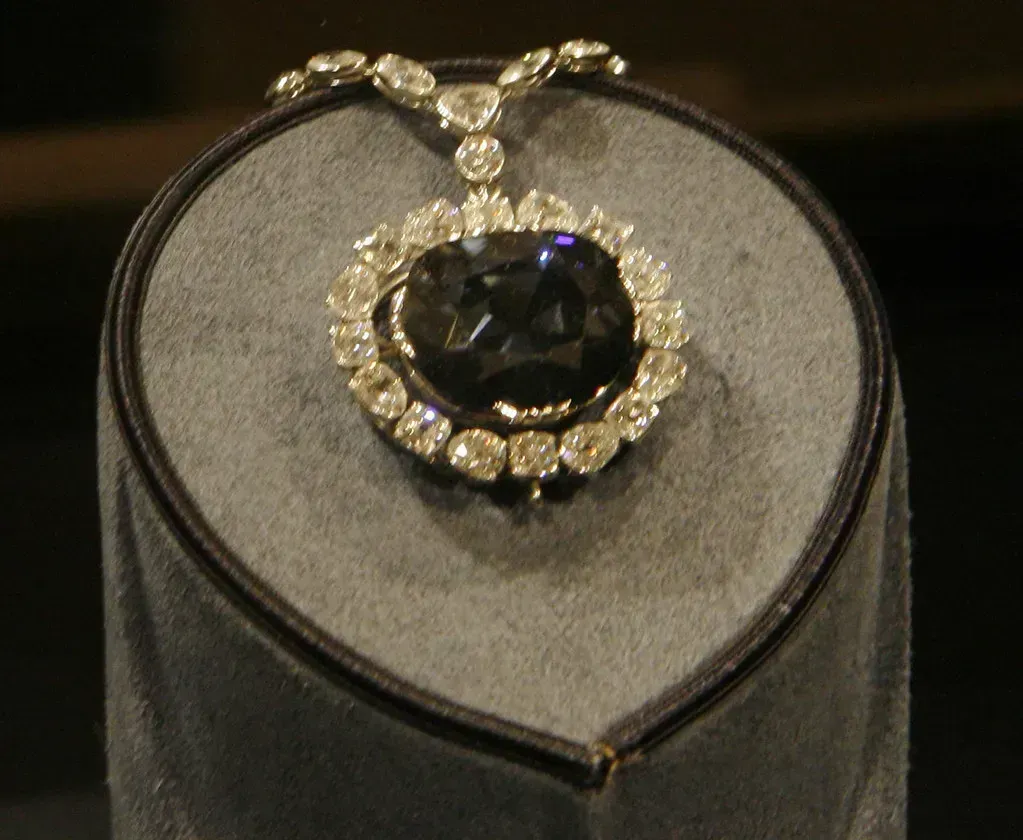
Don’t assume that sparkly brooch is worthless just because it’s not real diamonds. Even non-precious metals and stones can command high prices when they bear the right maker’s mark, with vintage costume jewelry from designers like Miriam Haskell, Trifari, or Eisenberg selling for hundreds or thousands, especially pieces with all stones intact and minimal wear. These designers created wearable art that’s now highly collectible.
Condition is crucial. Missing stones or damaged clasps reduce value significantly. The design era matters too, with pieces from the forties through seventies generally commanding the highest prices. What Grandma wore to church on Sundays could fund a nice vacation if you know where to sell it.
So next time you’re helping clean out a relative’s home, slow down and look carefully at what seems like ordinary household items. These pieces aren’t just sentimental keepsakes anymore. They’re tangible investments that connect us to an era of better craftsmanship and simpler times. What treasures are hiding in your family’s collection?