12 Phrases Psychologists Say Immediately Reveal a Covert Narcissist
Spotting a covert narcissist can feel like trying to catch smoke with your hands. Unlike their louder, flashier counterparts, these individuals are masters of subtle manipulation. They tend to use creative phrases that send mixed messages, which seem harmless but often have a cunning subtext. The thing is, their words sound innocent on the surface. You walk away from a conversation feeling confused, drained, or somehow at fault. Yet you can’t always pinpoint exactly what went wrong. Let’s be real, covert narcissists fly under the radar precisely because they don’t fit the stereotype.
A covert narcissist combines traits like self-centeredness and manipulative behavior with an introverted demeanor. That’s what makes them so tricky to identify. So what do psychologists listen for when trying to detect this covert form of narcissism? Turns out, certain phrases pop up again and again. These verbal red flags can reveal a hidden agenda, a victim complex, or an attempt to shift blame. Keep reading, because recognizing these phrases could change everything about how you navigate your relationships.
If You Hadn’t, Then I Wouldn’t

This phrase is a classic example of a covert narcissist shifting blame onto others, essentially saying that it is someone else’s fault for their actions or behavior. You bring up something they forgot to do, and suddenly the spotlight swings back to you. They may respond with, “If you had reminded me, I wouldn’t have forgotten,” which shifts the blame onto the other person and absolves the narcissist of any responsibility. Notice how cleverly they dodge accountability? It’s your fault they messed up, at least in their version of reality. This phrase turns the table so fast that you might find yourself apologizing for their mistake.
I’m Sorry You Feel That Way
Narcissists have a hard time admitting fault, and this is their classic attempt at an apology, but it’s actually more of a deflection, implying that your feelings are your issues alone and that they’ll take no responsibility for their behavior. It sounds like an apology, right? That’s the trick. The words “I’m sorry” appear, yet there’s zero genuine remorse. They’re not sorry for what they did. They’re just sorry you had the audacity to have feelings about it. This non-apology keeps them blameless while making you question whether you’re overreacting.
You’re Being Too Sensitive

By accusing you of overreacting, they’re dismissing your concerns and shifting the blame onto you, saying that all these bad things are happening because of your reaction, and not because of how the narcissist behaved in the first place. Honestly, this one hits hard for empathetic people. Being told that your emotions are unjustified and exaggerated is basically having your worst fears confirmed, particularly harmful for those who are empathetic and sensitive by nature. The goal here is to make you doubt your own perceptions. When you hear this phrase repeatedly, you might start wondering if you really are overreacting.
I Was Just Joking

When a narcissist says “I was just joking,” they’re usually trying to mask an insult or hurtful remark, as narcissists often have a deep need to belittle others to make themselves feel superior, targeting weaknesses via these so-called “jokes”. They say something cutting, watch your face fall, then immediately pivot to this defense. It’s hard to say for sure, but this feels like one of the most frustrating phrases on the list. You’re left feeling hurt while they act bewildered by your reaction. By directly addressing their behavior, you are setting boundaries and not allowing them to get away with their manipulative tactics. Standing your ground matters here.
Why Is Everything Always My Fault
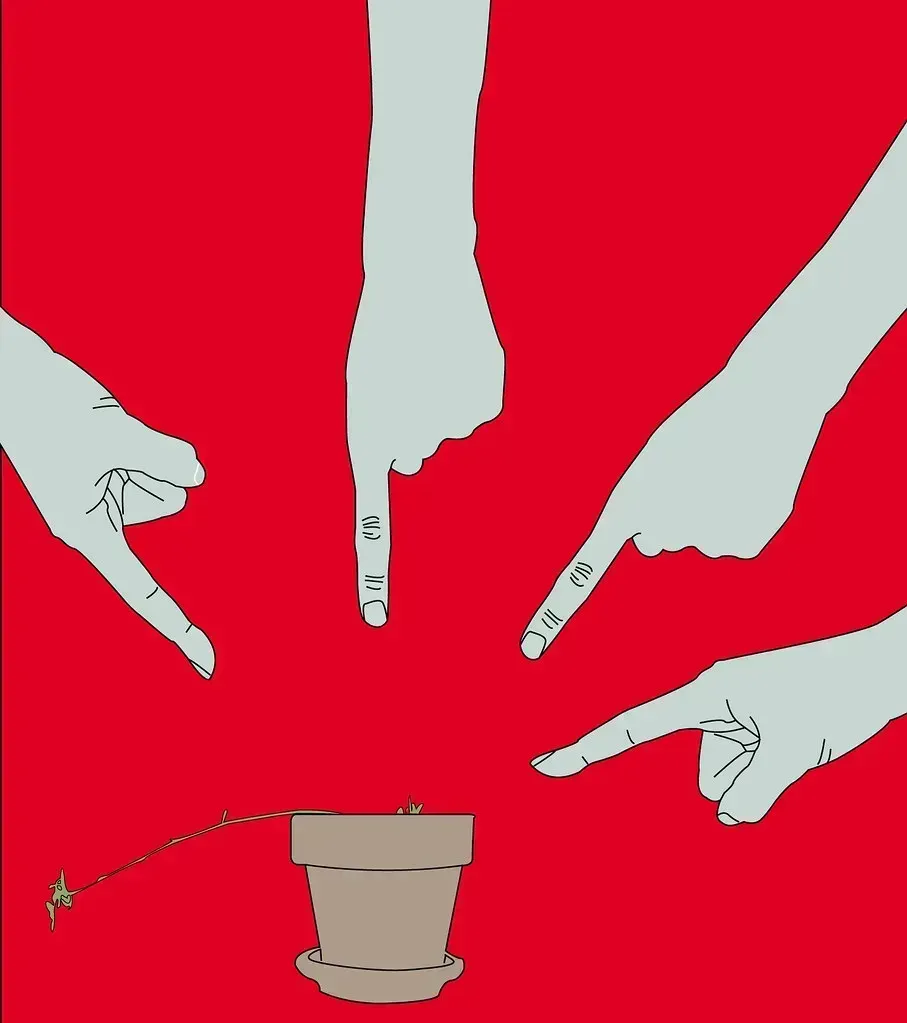
In the mind of a narcissist, they are always the victim and everyone else is the problem, going to great lengths to persuade others of their innocence and position themselves as the victim, deflecting blame or accountability for their actions. This phrase is classic victim mode. Even when confronted with concrete evidence of their wrongdoing, they flip the script. Suddenly, you’re the one attacking them. Covert narcissists are often fatalistic, seeing themselves as victims of circumstance, frequently claiming to be unappreciated and misunderstood. The phrase shuts down any productive conversation.
I Never Said That

Gaslighting is a form of psychological abuse when someone manipulates you into doubting your perceptions, memories, and sanity, as narcissists try to convince their partners that they didn’t say or do something they did, confusing you about whether your perception of reality is real or not. You know what you heard. You remember the conversation clearly. Yet they deny it with such conviction that you start to wonder if your memory is playing tricks on you. Things narcissists say often reveal their need for control and validation, using specific phrases to create confusion and make you question your reality. This phrase is pure gaslighting, designed to make you doubt yourself.
Nobody Else Has a Problem With Me

Narcissists see themselves as special and better than everyone else, believing that other people should feel grateful to be in their orbit because they are all so flawed in comparison. When you raise a concern, they weaponize other people’s supposed approval. It’s an isolation tactic. They want you to believe you’re the only one who sees a problem, which makes you feel alone and unreasonable. Here’s the thing: other people often do have problems with them, but the covert narcissist carefully manages different relationships to maintain that illusion.
After Everything I’ve Done for You

This phrase drips with guilt. This is the type of catchphrase you’ll hear from a narcissist: guilt tripping accusations. They tally up every favor, every kindness, every small gesture, then use it as ammunition when you dare to disagree or set a boundary. They want you to feel bad, wrong, remorseful, and regretful for wanting, doing, saying, or feeling anything other than what serves their narcissistic needs, creating an environment where you feel responsible for their emotions and actions. Genuine kindness doesn’t come with strings attached. This phrase reveals that their generosity was always transactional.
You Made Me Do This

Narcissists will often blame you for their behaviors and actions, saying things like “You made me do it” or “I wouldn’t have gotten so angry if you hadn’t done X, Y, or Z,” making themselves feel superior by making you feel inferior. Notice the pattern? They refuse to own their actions. Everything becomes your responsibility, even their own poor choices or outbursts. When a narcissist is upset, they’ll blame others for their feelings instead of acknowledging their role in the situation, rather than holding themselves accountable, they’ll complain about how unfair other people are. This phrase strips away their agency while burdening you with it.
I’m Not Like Other People

Research on covert narcissism has demonstrated that covert narcissists adopt an entirely different vocabulary from the rest of us. They present themselves as uniquely misunderstood or too complex for ordinary people to comprehend. The narcissist subtly positions themselves as the unsung hero, someone who is too noble, too misunderstood to stoop to such tactics, in a thinly veiled attempt to diminish the achievements of others while elevating their own unacknowledged superiority. This phrase signals a grandiose self-perception wrapped in false humility. They’re special, and you should recognize that.
Can’t You Take a Compliment

Here’s where things get particularly sneaky. Many narcissists are chronically disappointed by others, and in response, they may put those people down with cutting, hurtful and mean-spirited insults. They deliver what sounds like a compliment but contains a hidden insult, then act shocked when you don’t respond enthusiastically. Maybe they say something like “You look great for your age” or “You’re smarter than you look.” When you react negatively, they accuse you of being unable to accept praise. The phrase deflects attention from their passive aggression.
The Silent Treatment
People with narcissistic tendencies are good at stonewalling, cutting off communication to show how upset they are, pretending to not be affected while giving you the silent treatment. Technically, this isn’t a phrase at all. It’s the absence of words. Yet silence can speak volumes. They’ll ignore you or act like you’re not there to make communication impossible, and silence is a prevalent tactic of narcissists because it avoids direct conflict and instead serves as a way to goad you into initiating hostility, sending an unequivocal relational message. The silent treatment is punishment, control, and manipulation all rolled into one. You’re left scrambling to figure out what you did wrong while they sit back and watch you suffer.
Recognizing these phrases is just the first step. A 2023 exploratory study found that covert or vulnerable narcissists seem to be more emotionally reactive and experience larger spikes in stress hormones during high-pressure social situations, suggesting biological underpinnings to their behavior. Still, understanding the verbal patterns empowers you to protect your mental health. Prevalence of lifetime NPD was roughly six percent, with rates greater for men than women, which means you’re far from alone if you’ve encountered someone like this.
Trust your gut when these phrases keep appearing in your interactions. You’re not imagining things. These linguistic red flags deserve your attention. Have you heard any of these phrases before? What helped you navigate those relationships?