9 Strange Historical Coincidences Science Still Can’t Explain
The Lincoln-Kennedy Presidential Parallels
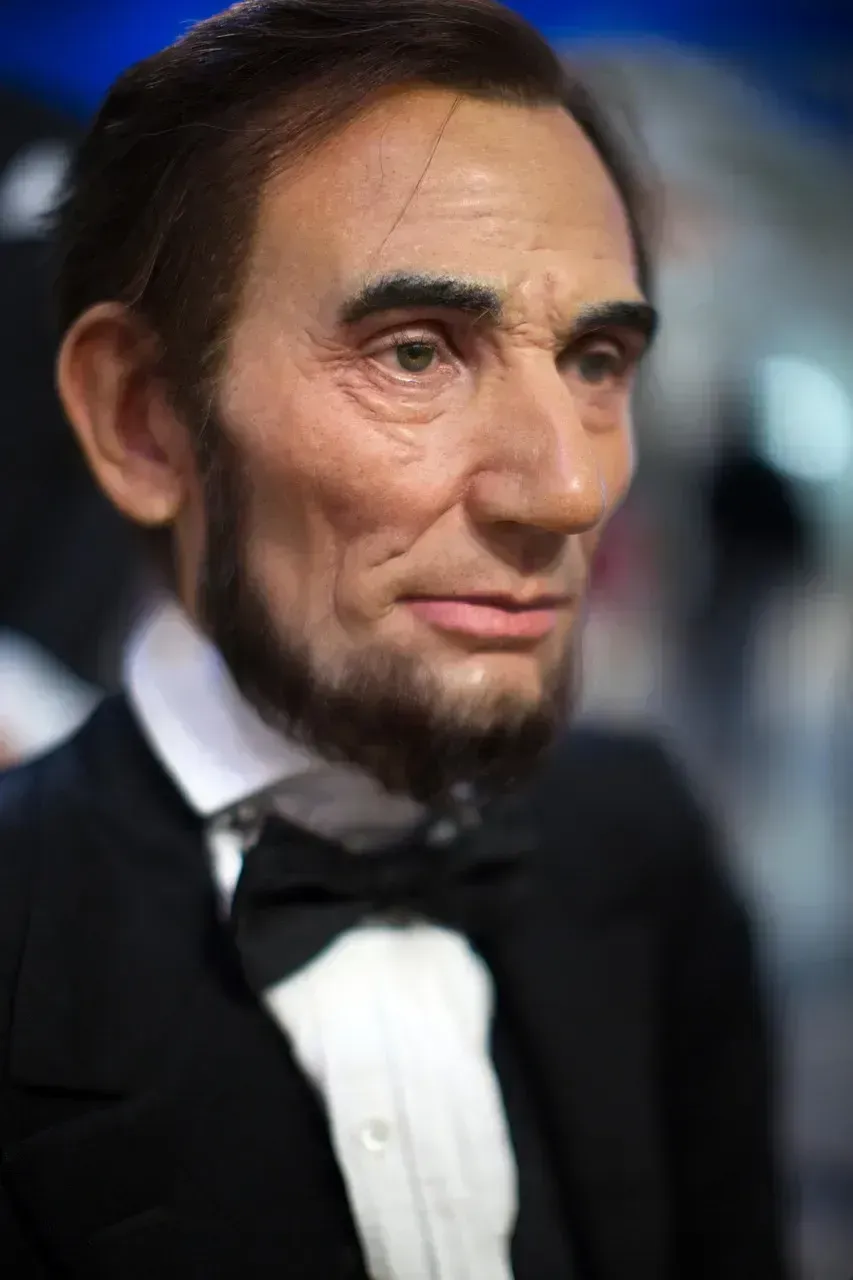
The parallels between Abraham Lincoln and John F. Kennedy have been circulating in American culture since 1964, appearing in mainstream press shortly after Kennedy’s assassination. Both presidents were elected to Congress in ’46 and later to the presidency in ’60, exactly one hundred years apart. Both were shot in the head on a Friday and in the presence of their wives. The connections extend further, though some are embellished or outright false. While Kennedy had a secretary named Lincoln, Lincoln did not have a secretary named Kennedy – his secretaries were John G. Nicolay and John M. Hay. A 1999 examination by Snopes concluded that these coincidences are “easily explained as the simple product of mere chance.”
Morgan Robertson’s Titanic Premonition
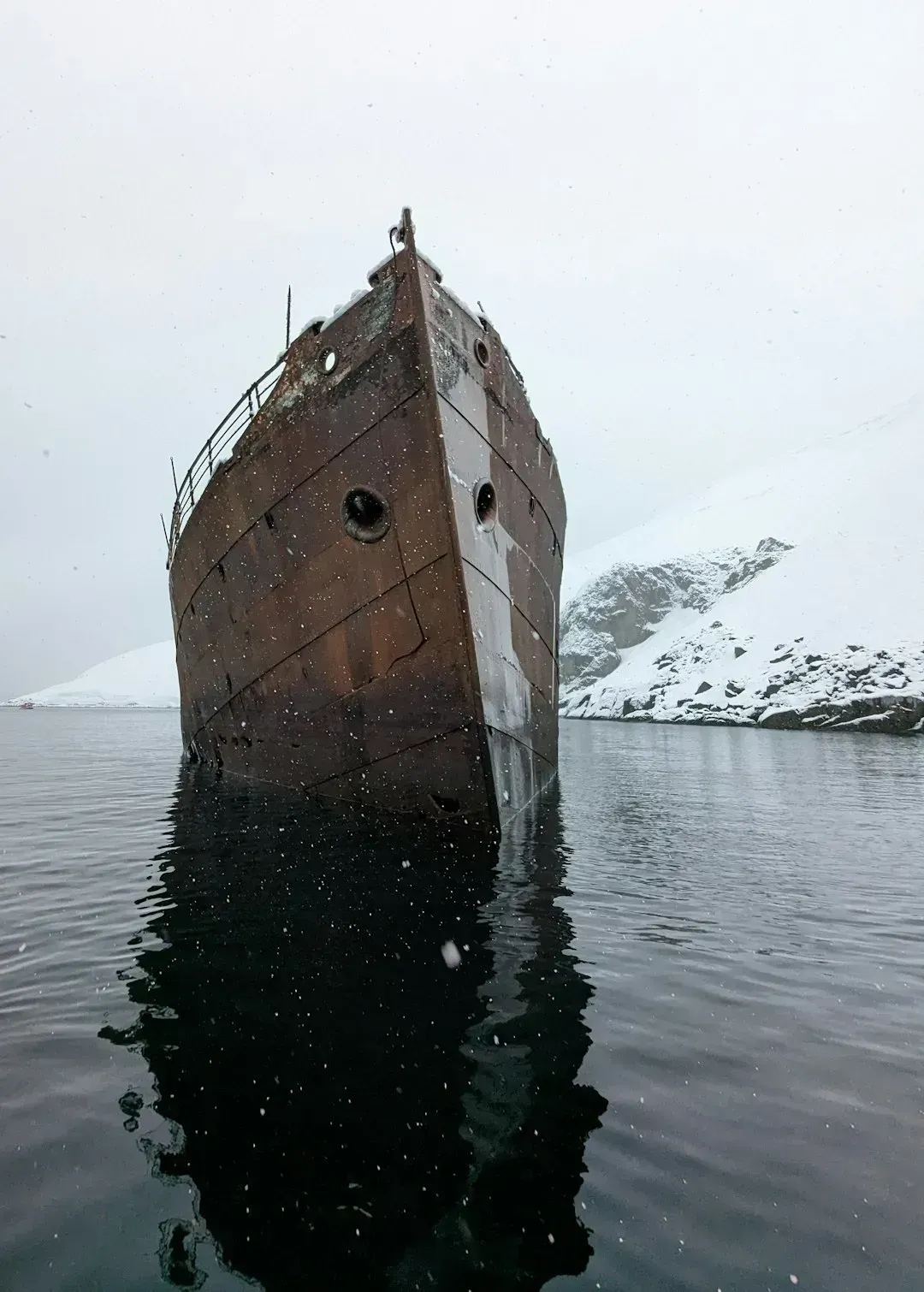
Morgan Robertson published the novella Futility in 1898, which was later revised as The Wreck of the Titan in 1912. The story features a fictional ocean liner named Titan that sinks in the North Atlantic after striking an iceberg, bearing famous similarities to the real RMS Titanic disaster 14 years later. Like the Titanic, the fictional ship sank after hitting an iceberg in April in the North Atlantic, and there were not enough lifeboats for all passengers. The ships shared similarities in size, with the Titan measuring 800 feet long compared to the Titanic’s 882 feet 9 inches, as well as comparable speed and life-saving equipment. After the Titanic’s sinking, some credited Robertson with precognition, though scholars attribute the similarities to his extensive knowledge of shipbuilding and maritime trends.
The Hoover Dam Father-Son Tragedy
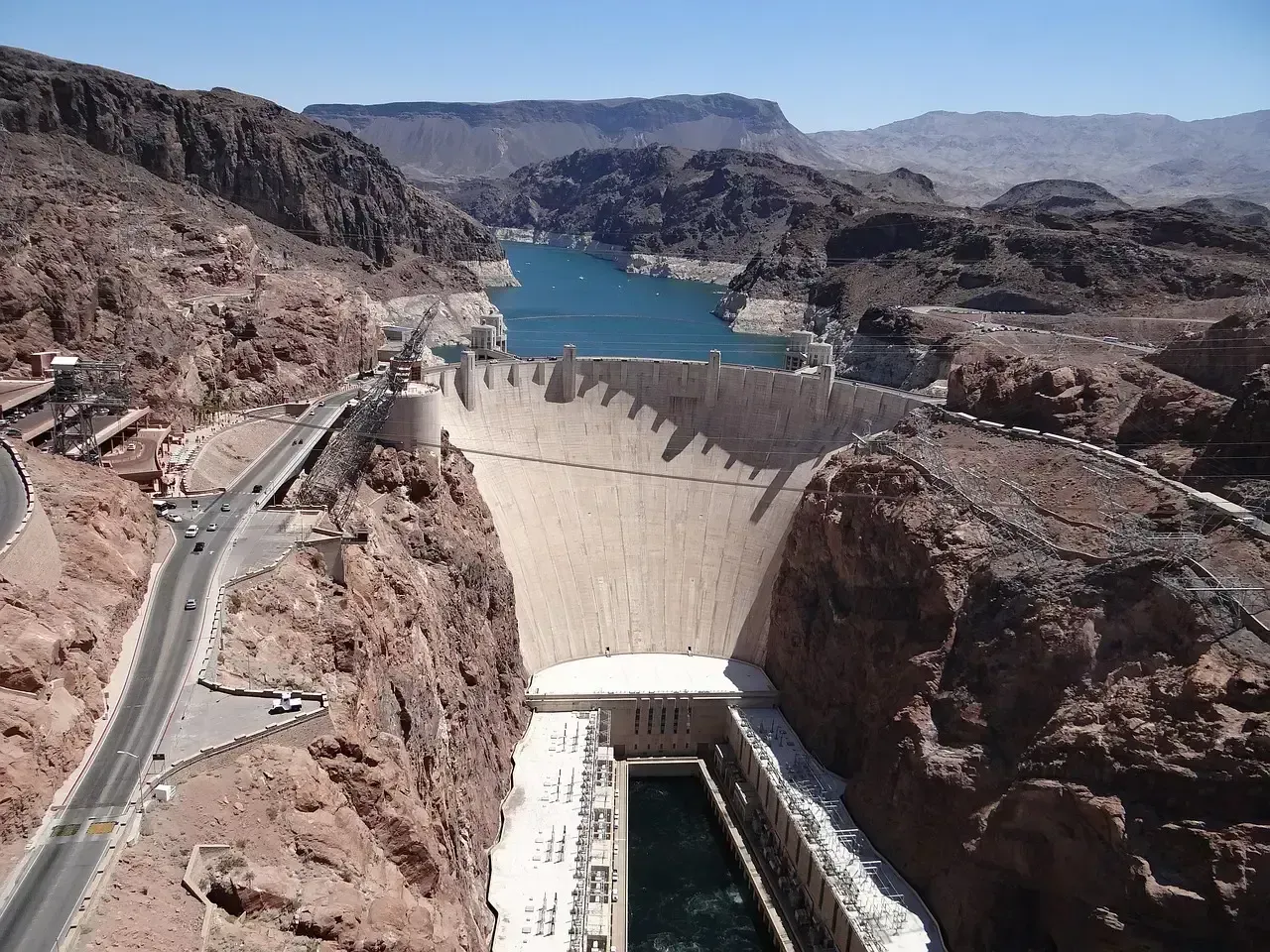
Surveyor John Gregory Tierney drowned on December 20, 1922, in a flash flood while looking for an ideal spot for the Hoover Dam. Fourteen years later to the exact same date, tragedy struck again. On December 20, 1935, Patrick Tierney, electrician’s helper and the son of J.G. Tierney, fell from one of the two Arizona-side intake towers. Patrick was the last fatality attributed to the dam construction. It’s one of the few legends about the building of the dam that is actually true.
Finnish Twins Die Identically Hours Apart

In 2002, two identical twin brothers were killed in separate accidents along the same road in Finland, just two hours apart, when both 70-year-old brothers were riding bicycles and struck by trucks. The first accident occurred at 9:29 a.m. when one twin was riding on an icy road at a junction in Raahe, 370 miles north of Helsinki, and two hours 17 minutes later the other twin was hit and killed by another truck nearby on the same road. Authorities were astonished to find that the accidents occurred only 1.5 kilometers apart and had no connection to one another. Police officer Marja-Leena Huhtala called it “simply a historic coincidence,” adding that “it made my hair stand on end when I heard the two were brothers, and identical twins at that. It came to mind that perhaps someone from upstairs had a say in this.”
Mark Twain and Halley’s Comet
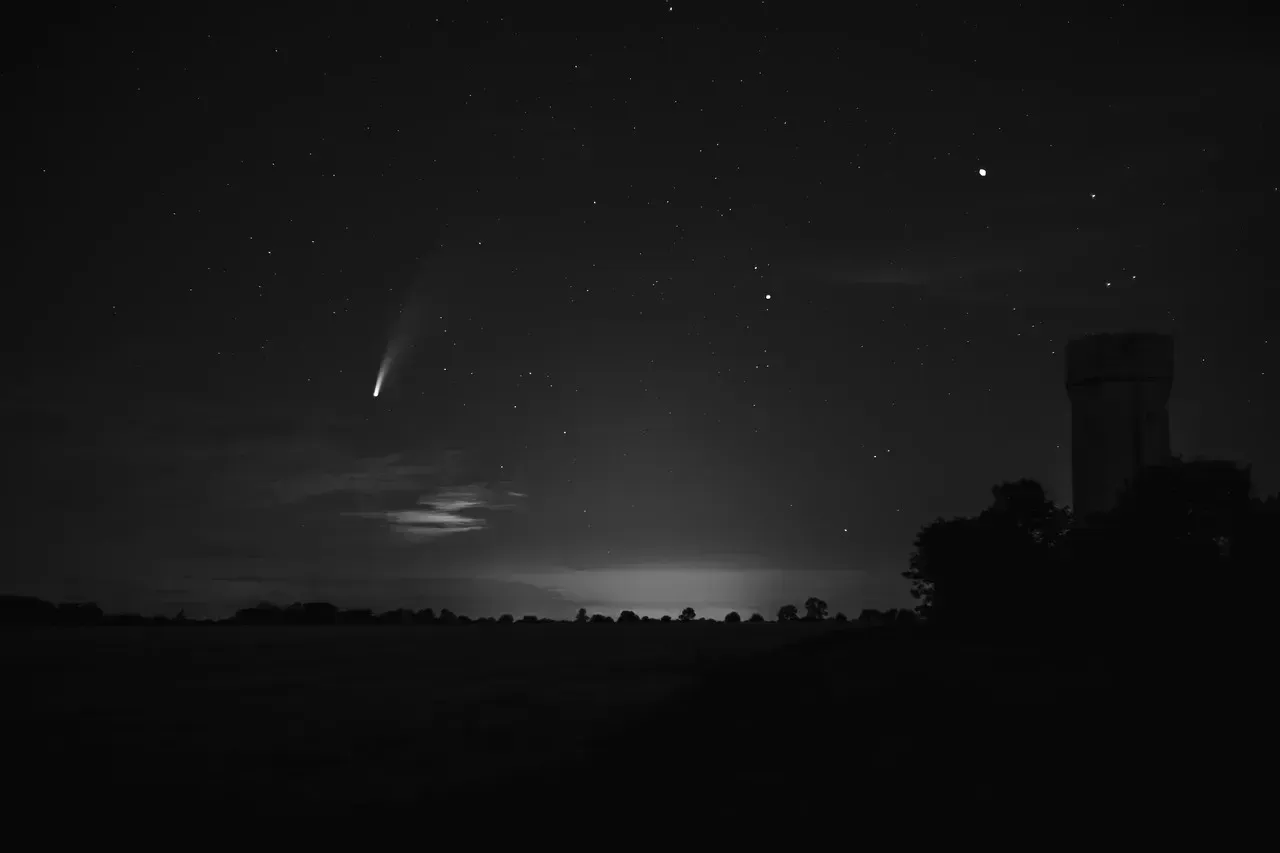
Mark Twain was born in 1835, the year Halley’s Comet passed Earth. Twain predicted his own death, stating in 1909: “I came in with Halley’s Comet in 1835. It is coming again next year, and I expect to go out with it.” In 1910, Twain died of a heart attack the day after the comet’s closest approach. The comet passes Earth roughly every 76 years, making the alignment between his birth and death particularly remarkable. His prediction came true with eerie precision, leaving many to wonder whether it was pure coincidence or something more mystical.
The Jim Twins’ Uncanny Parallel Lives

Identical twins separated at birth in Ohio were reunited decades later and learned both were named Jim, had married women named Linda, divorced, then remarried women named Betty, and each named their sons James Allan. Jim Lewis and Jim Springer were reunited at age 39 after being separated at birth, discovering astonishing similarities including that both had been named James by their adoptive families, both married women named Linda then divorced and remarried women named Betty, both had sons named James Allan and James Alan respectively, both owned dogs named Toy, worked as sheriffs, and even vacationed in the same Florida beach town. The coincidences defied rational explanation and became one of the most studied cases of twin synchronicity.
Violet Jessop’s Unsinkable Survival Record
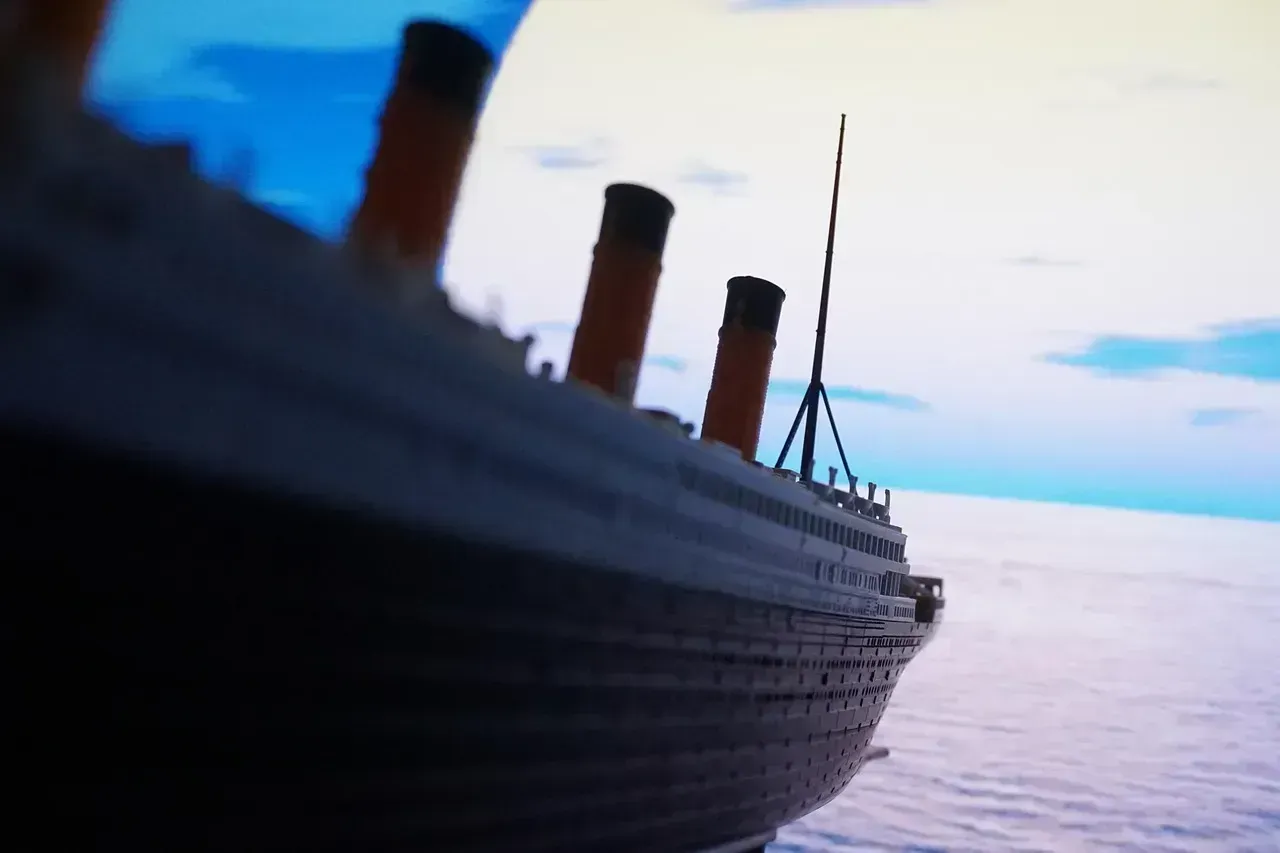
Violet Jessop survived three maritime disasters: she was aboard the RMS Titanic when it sunk in 1912 in lifeboat 16, aboard the HMHS Britannic when it sunk in 1916 after her lifeboat was nearly sucked under the propellers, and aboard the RMBS Olympic when it collided with a British warship in 1911 with no fatalities. Jessop died at 83 of congestive heart failure in 1971. Her extraordinary luck in escaping death three times from massive ship disasters remains one of history’s most improbable survival stories. The odds of being aboard three major ship incidents and surviving all of them seem almost impossible to calculate.
Stephen Hawking’s Cosmic Departure Date
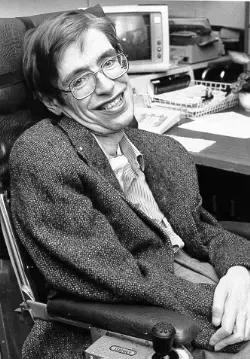
Stephen Hawking died on what many consider a fairly significant day: Einstein’s 139th birthday, Galileo’s 300th death-day, and Pi Day on March 14. The convergence of these dates creates an almost poetic symmetry for one of the greatest scientific minds of modern times. March 14, written as 3.14, celebrates the mathematical constant pi, while also marking Albert Einstein’s birth in 1879 and Galileo Galilei’s death in 1642. That Hawking, who spent his life unraveling the mysteries of the universe, would depart on a day connecting him to two other revolutionary physicists seems too intentional to be random. Yet it remains exactly that: an unexplainable alignment of dates.
Edgar Allan Poe’s Richard Parker Prophecy
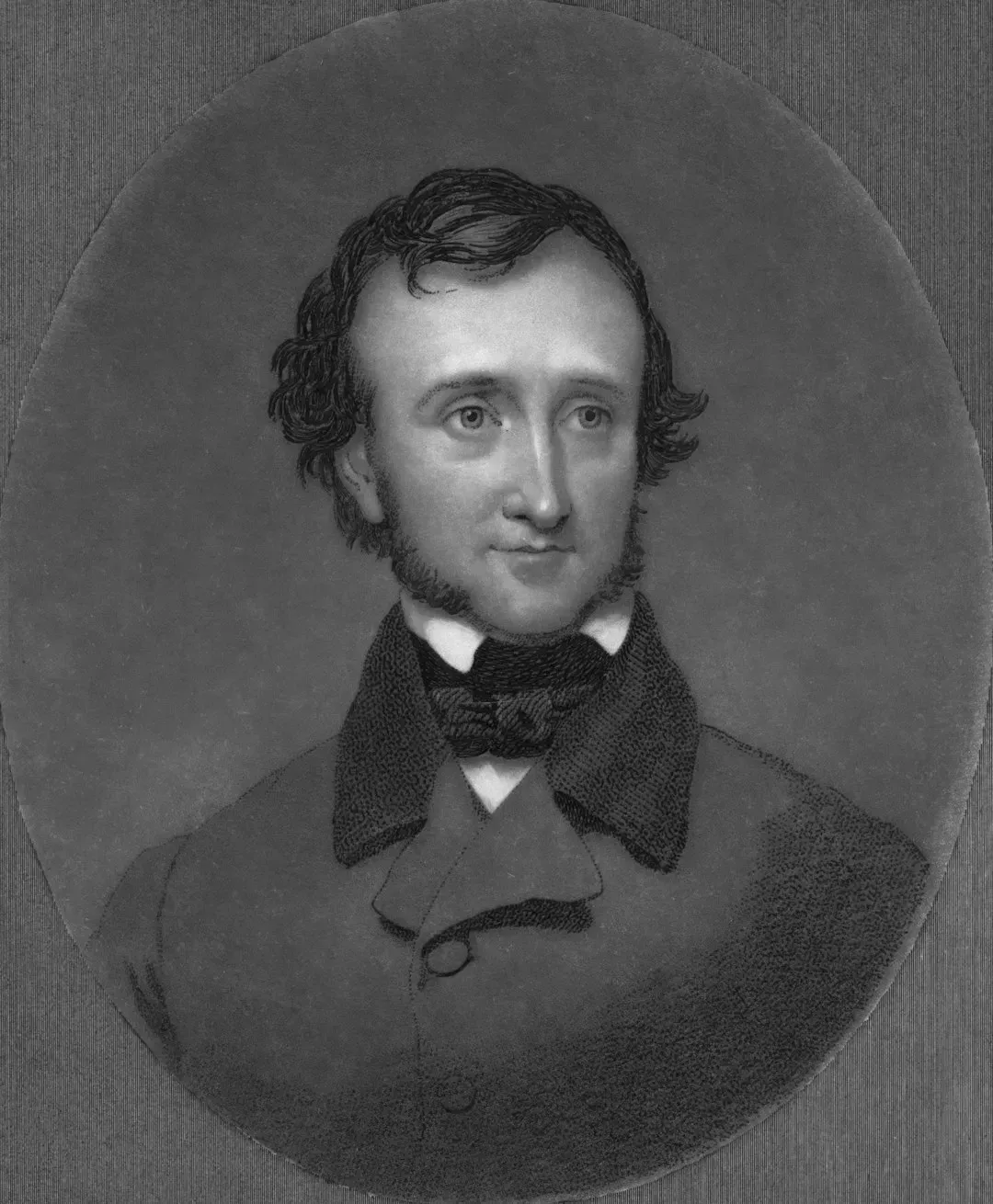
Edgar Allan Poe’s tale, The Narrative of Arthur Gordon Pym, describes a shipwreck where desperate survivors resort to cannibalism, choosing a victim named Richard Parker – and years after Poe’s story was published, a real shipwreck echoed this grim scenario, right down to the victim’s name. The story was published in 1838, and in 1884, the yacht Mignonette sank in the South Atlantic. Four crew members survived in a lifeboat, and after weeks of starvation, they killed and ate the cabin boy. His name was Richard Parker. The parallel between fiction and reality remains one of the most disturbing literary coincidences ever recorded, raising questions about whether Poe somehow glimpsed the future or whether the universe occasionally mirrors art in the most unsettling ways possible.
What do you make of these bizarre historical overlaps? Do they reveal hidden patterns in the fabric of reality, or are they simply random chance dressed up as destiny? Either way, they remind us that history sometimes writes stranger stories than fiction ever could.
Why Our Brains Are Wired to See These Patterns

Here’s something that might actually change how you look at all these coincidences: scientists have a name for our obsession with finding hidden connections, and it’s called apophenia. Our brains evolved to spot patterns because, for our ancestors, missing a pattern could mean death – fail to notice that rustling in the grass always precedes a predator attack, and you’re lunch. So we became pattern-recognition machines, sometimes too good at our own job. Psychologist Carl Jung called meaningful coincidences “synchronicity,” arguing they weren’t just random noise but something worth taking seriously, a concept that still divides scientists today. The really unsettling part, though, is that dismissing every single one of these historical overlaps as pure chance requires just as much faith as believing they’re meaningful. Some statisticians argue that given the sheer volume of events happening across human history every single day, extraordinary coincidences aren’t just possible – they’re mathematically inevitable. Think of it like this: if you shuffle a deck of cards enough times, you’ll eventually get a sequence that seems impossibly ordered. Maybe the universe is just shuffling its deck, and we’re the ones desperately searching for the pattern in the deal.