The Healthiest Apples For Digestion, Blood Sugar Control, And Gut Health
You’ve probably walked past the apple display at your grocery store dozens of times without giving much thought to which variety actually offers the most health benefits. Maybe you grabbed the shiniest red one or went straight for your favorite tasting apple. Here’s the thing though: not all apples are created equal when it comes to supporting your digestive system, keeping your blood sugar steady, or feeding the beneficial bacteria in your gut.
Let’s be real, most of us just think an apple is an apple. The differences between a tart Granny Smith and a sweet Fuji might seem like just a matter of taste preference. Yet beneath those colorful skins lies a fascinating world of varying fiber contents, polyphenol profiles, and prebiotic capabilities. Some varieties pack almost double the gut-friendly compounds of others.
So let’s dive in and discover which apples truly deserve a spot in your daily routine.
Granny Smith: The Gut Health Champion

Granny Smith emerges as the healthiest apple variety based on its overall nutritional profile, offering low sugar, high fiber, high mineral levels, and benefits for gut bacteria associated with reducing obesity. That bright green skin and unmistakably tart flavor are actually signs of something special happening beneath the surface.
When researchers tested Granny Smith, Braeburn, Fuji, Gala, Golden Delicious, McIntosh and Red Delicious varieties for nondigestible compounds, Granny Smith contained the most. These nondigestible compounds include both dietary fiber and polyphenols that survive the journey through your stomach and small intestine. Granny Smiths play an important role in healthy digestion, as pectin found in their peel is a source of prebiotic fiber that feeds the good bacteria in your digestive tract.
Fiber from Granny Smith apples may be able to positively affect the gut microbiome, suggesting a potential weight control capacity. Of seven different types of apples tested, the variety with the greatest impact on good gut bacteria was the Granny Smith apple, with its high levels of nondigestible dietary fiber and polyphenols changing the proportions of fecal bacteria from obese mice to be similar to that of lean mice.
Fuji Apples: Polyphenol Powerhouses
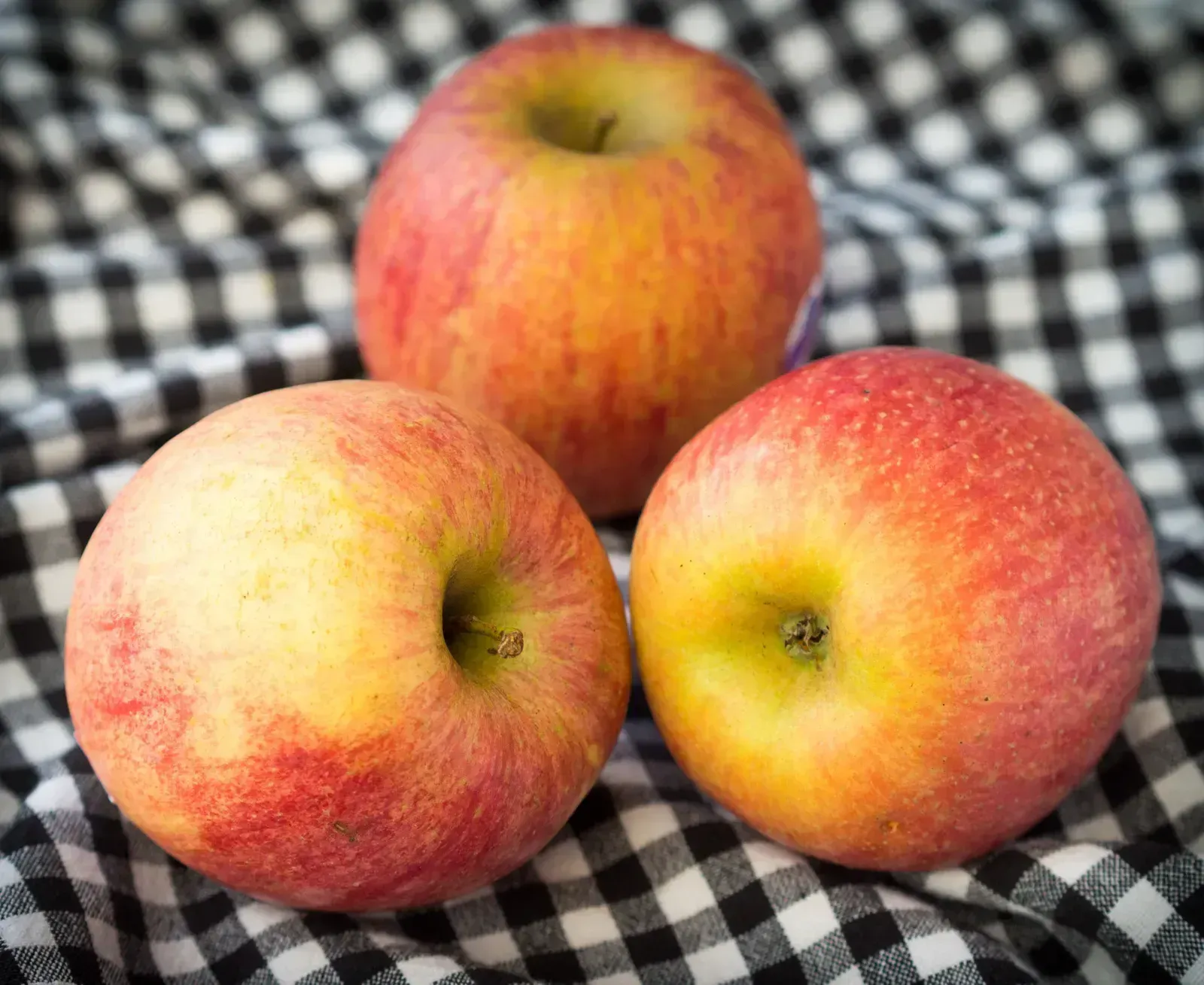
If you’re drawn to sweeter apples, Fuji varieties offer impressive health credentials despite their higher sugar content. In several studies, Fuji apples consistently show a higher polyphenol content than other apple varieties, containing high levels of chlorogenic acid and catechin, compounds that may have antiinflammatory properties.
Out of ten varieties commonly consumed in the US, Fuji apples had the highest total phenolic and total flavonoid compounds. These plant compounds act as powerful antioxidants throughout your body. An animal study determined that polyphenols from Fuji apples may help prevent heart and liver injury by lowering blood cholesterol levels and improving liver enzyme markers.
The combination of polyphenols and natural sugars in Fuji apples creates an interesting metabolic profile. While they contain more sugar than Granny Smiths, the polyphenolic compounds may partially offset the glycemic impact. Still, if blood sugar control is your primary concern, other varieties might serve you better.
Red Delicious: Anthocyanin Advantage

Red Delicious apples are high in total phenol and epicatechin, and redskinned apples have more anthocyanidins than other apple varieties. Those deep red and purple pigments you see aren’t just pretty – they’re anthocyanins, a class of flavonoid with remarkable health properties.
Anthocyanins may be the polyphenol with the most antidiabetic effect. This makes red apples particularly interesting for anyone concerned about blood sugar management. The darker and more intensely colored the apple skin, the higher the anthocyanin content tends to be.
These antioxidants do more than just help with glucose metabolism though. Research has linked anthocyanin consumption to reduced inflammation, improved cardiovascular function, and better cognitive health. One study that included more than 200,000 people found that eating at least five servings of fruits rich in anthocyanin such as blueberries, apples, and pears each week reduced the risk for type 2 diabetes by roughly one quarter.
Gala Apples: Heart Health Support
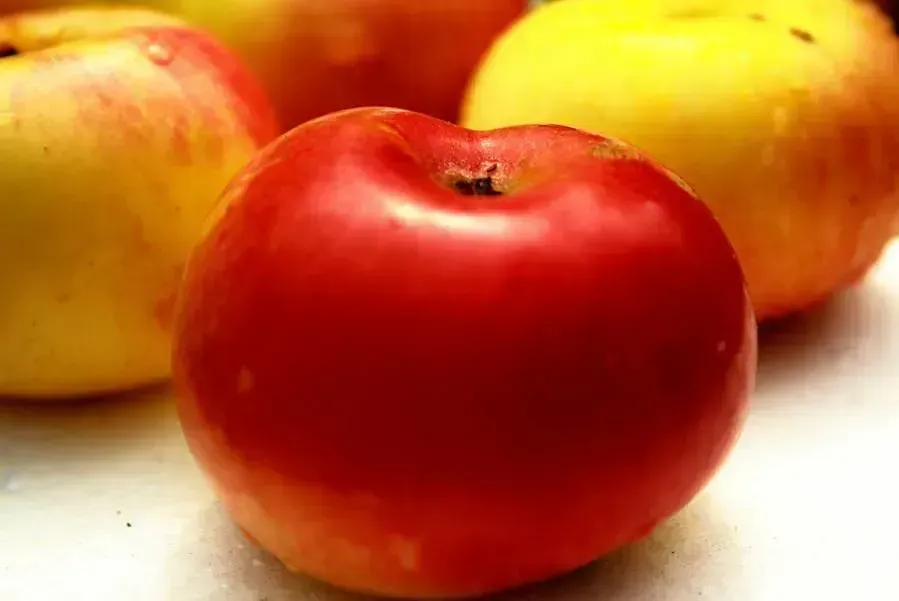
Gala apples strike a nice balance between taste and health benefits. Gala apples are another red, sweet type of apple that contains high levels of polyphenols, with catechin being the main type. While they might not top the charts in any single nutrient category, their overall polyphenol profile makes them a solid choice.
A sixweek study in people observed that eating three Gala apples per day reduced obesityassociated inflammation, which is directly linked to increased heart disease risk. That’s a pretty significant finding considering inflammation is increasingly recognized as a driver of chronic disease.
The sweetness of Gala apples makes them particularly appealing for people transitioning from processed snacks to whole fruit. You’re getting natural sugars packaged with fiber, water, and beneficial plant compounds rather than empty calories from candy or cookies.
Understanding the Blood Sugar Connection

Apples score around 39 on the glycemic index, which is relatively low compared to many other foods. This means they cause a slower, more gradual rise in blood glucose compared to high GI foods. Apples are a low GI food, and these findings support further investigation of the consumption of apples to support glycemic control.
Apple preload of 15 grams of available carbohydrate remarkably lowered the acute postprandial glycemic response without a negative effect on satiety. In practical terms, this means eating an apple before a meal that contains starches or sugars might actually help prevent the blood sugar spike you’d otherwise experience.
Apples control blood glucose very well, especially in women with gestational diabetes, and because apples contain fiber which slows down the digestion and absorption of sugar, the sugar enters the bloodstream gradually without causing a sudden spike. The natural fructose in apples behaves differently than added sugars in processed foods, being metabolized more slowly and having less impact on blood glucose levels.
Pectin: The Unsung Hero of Digestive Health

Pectin is a type of fiber that binds to cholesterol in your digestive tract and flushes it out. This soluble fiber does far more than just help lower cholesterol though. The soluble fiber found in apples contains pectin, which has a positive prebiotic effect on gut health, resists digestion so it can be fermented inside the body to feed good gut bugs, creating shortchain fatty acids known to be beneficial to digestive health.
Apple-derived pectin improves gut barrier function and maintains the integrity of intestine. Your gut barrier is essentially the first line of defense between your internal organs and the outside world. When it functions properly, beneficial nutrients pass through while toxins and pathogens get blocked.
Incorporating apple fibers into the diets of obese individuals can help modify the composition of gut bacteria and improve metabolic health, with this personalized approach potentially helping mitigate the effects of obesity. Recent research from 2024 showed that apple fibers, particularly pectin, boosted beneficial species such as Akkermansia in the obese microbial community and increased beneficial metabolites.
Choosing the Right Apple for Your Health Goals

If blood sugar control is your top priority, apple varieties can range from a glycemic index score of 28 to 44, so to keep sugar down, aim for tart varieties which tend to have a lighter color. Granny Smith would be your best bet here.
For gut health enhancement, again Granny Smith takes the lead with its superior nondigestible compound content. Apples tend to have the most protective pectin when they are slightly underripe, and varieties like McIntosh, Cortland or Rome are good options.
When antioxidant power is what you’re after, look to the deeply colored varieties. Red Delicious and other redskinned apples provide those beneficial anthocyanins. Fuji apples had the highest total phenolic and total flavonoid compounds, while Red Delicious apples were also quite high.
The Importance of Eating the Whole Apple

Let’s be honest: many of the compounds we’ve discussed are concentrated in the peel. Antioxidants reduce inflammation, aid in digestion and regulate blood sugar levels, while fiber aids in weight loss by slowing digestion and promotes gut health. Most of these benefits require eating the apple with its skin intact.
Apple juice simply doesn’t compare to whole fruit. Pectin resists digestion so it can be fermented inside the body to feed good gut bugs, yet this fiber gets filtered out during juice processing. You’re left with concentrated fructose without the beneficial fiber to slow its absorption.
Even applesauce, while better than juice, loses some of the polyphenolic compounds during processing and cooking. Fresh apples with their skins provide the full spectrum of health benefits these remarkable fruits have to offer.
Apples and the Gut Microbiome Revolution

Apple pomace and pectin promoted the growth of Akkermansia, Lachnospiraceae, Prevotella, Succinivibrio and Turicibacter on samples from healthy donors, while Blautia, Lachnospiraceae, Dialister, Eubacterium eligens and Intestinimonas were stimulated in fermentations from IBD patients. This is fascinating because it suggests apples might offer personalized benefits depending on your existing gut microbial composition.
Apple pomace and pectins can promote key taxa generally underrepresented in Crohn’s disease patients but that have been attributed antiinflammatory properties, with Faecalibacterium, Ruminococcaceae members and Akkermansia being very remarkable. These bacterial species have been extensively studied and linked to better metabolic health, reduced inflammation, and improved gut barrier function.
The fermentation of apple pectin by gut bacteria produces shortchain fatty acids, particularly butyrate. These compounds serve as fuel for the cells lining your colon, help regulate immune function, and may even influence brain health through the gutbrain axis. It’s incredible how eating something as simple as an apple can set off this cascade of beneficial effects.
Practical Tips for Maximizing Apple Benefits
Instead of eating an apple alone, pair it with protein or healthy fat like nut butter, a slice of cheese or a handful of nuts, as this slows digestion, minimizes blood sugar spikes and makes the snack more satisfying. This strategy also keeps you fuller for longer, which can help with weight management goals.
Store your apples properly to preserve their polyphenol content. Granny Smith apple flesh and peels maintained stable polyphenol levels during storage, while some other varieties declined. Refrigeration helps maintain freshness and nutritional quality for several weeks.
Consider buying organic when possible, especially for apples. They frequently appear on lists of produce with higher pesticide residues. If organic isn’t accessible or affordable, thoroughly washing conventional apples reduces but doesn’t eliminate pesticide exposure. The health benefits of eating apples with their skins likely outweigh the pesticide concerns for most people, but washing is still smart practice.
Rotating between different apple varieties throughout the week gives you a broader spectrum of beneficial compounds. While some varieties contain more of certain antioxidants than others, these differences are what give them their unique tastes and health benefits. There’s no need to stick with just one type – variety itself is beneficial.