Think Twice Before Renovating: 8 Upgrades That No Longer Impress Buyers
You’ve probably dreamed about it. That major renovation that transforms your home into something magazine-worthy, something that practically sells itself. Homeowners across the country are spending enormous amounts chasing exactly that dream. Homeowners are expected to spend roughly $485 billion on renovations in 2024, up sharply from $363 billion back in 2020. That’s a staggering amount of money, and honestly, not all of it is well spent.
Here’s the uncomfortable truth nobody wants to hear: a lot of the upgrades that feel exciting and valuable to you may leave buyers completely cold. The real estate market has shifted. Buyer priorities have changed. What wowed people five years ago can now quietly cost you a sale. Let’s dive in.
1. The Ultra-Luxury Kitchen Overhaul
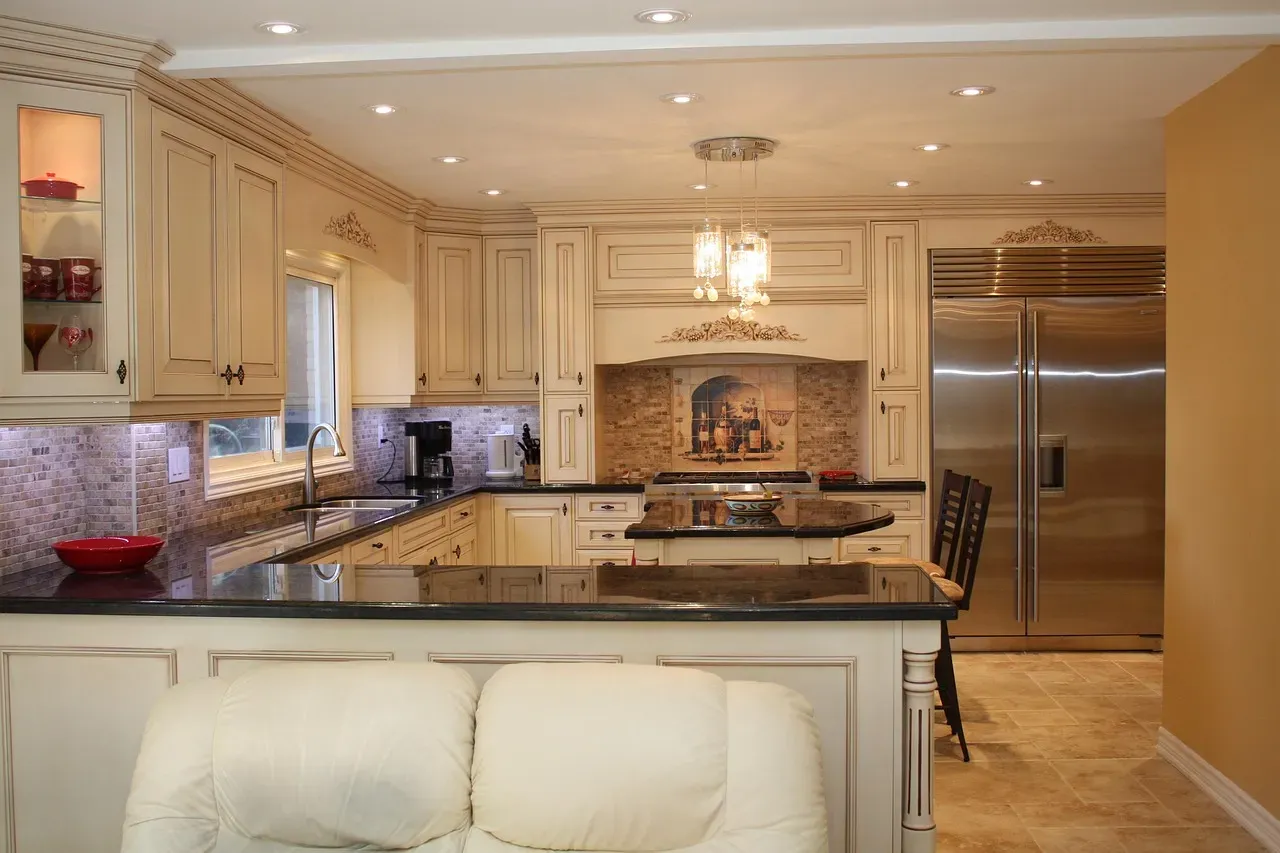
There is something seductive about a kitchen remodel. Magazine spreads, TV renovation shows, and social media all push the idea that a high-end kitchen equals a higher sale price. Kitchens are a big deal, and roughly four out of five homebuyers say the kitchen is one of the three most important spaces when choosing a new home. The problem is not the renovation itself. It is how far you take it.
Upscale, luxury remodels with custom features, high-end appliances, and specialty finishes often recoup less than half their cost, since these upgrades may not align with the preferences or budgets of most buyers. Think about that for a second. You could pour over $85,000 into a dream kitchen and walk away recovering only a fraction of what you spent.
Major kitchen remodels only return roughly 38% on a project that might cost $85,000, returning just $32,300 in added home value. By contrast, smart minor kitchen refreshes, like cabinet refacing, new countertops, and updated appliances, can return close to the full cost. Nonessential luxury items rarely pay off. Spending six figures on a high-end range in a home worth only $300,000, for example, simply will not result in a great return on investment.
Experts recommend spending no more than about fifteen percent of your home’s total value on a kitchen renovation. This ensures you maximize your return without over-investing beyond your property’s market value.
2. Swimming Pools
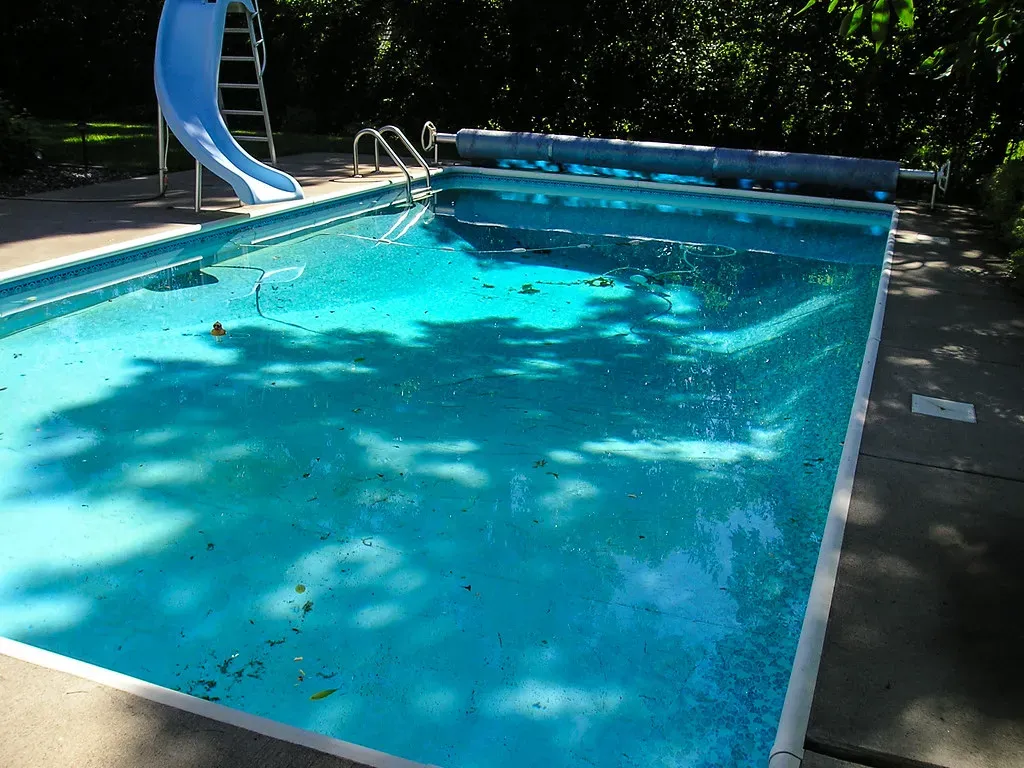
Few renovation projects feel as glamorous as adding a backyard pool. On a hot summer afternoon, it seems like the single greatest idea in the history of home improvement. I get it. However, the numbers tell a very different story, especially if you are planning to sell.
Pools can be a selling point in warm climates, but in many areas they are seen as a hassle. They require ongoing maintenance, increase insurance costs, and can be a genuine safety concern for families with young children. In some markets, a pool can actually lower your property value because buyers simply do not want the extra work or cost.
Pools require expensive maintenance, increase insurance costs, and limit your buyer pool. Many families with young children view them as safety hazards rather than luxury perks. That narrows the number of people who will even consider your home. A narrower buyer pool almost always means longer time on market and a weaker negotiating position.
Unless you are flipping a property in a warm state or purchasing a rental property, it is generally best to leave pool installation up to the buyer rather than absorbing those costs yourself. Let them make that call.
3. Converting the Garage Into Living Space

This one surprises people every single time. The garage-to-gym or garage-to-office conversion feels creative and practical, especially in the age of remote work. Yet it is one of the most reliably problematic transformations you can make before a sale.
Turning a garage into a gym, office, or extra bedroom can seem like an efficient way to add usable square footage. In some climates, homeowners rarely park inside and view the space as underutilized. However, many buyers prioritize secure parking and storage. In suburban and family-oriented neighborhoods, a functional garage is often considered essential rather than optional.
Turning your garage into a gym, office, or extra room often backfires. Many buyers want a garage for parking, storage, or hobbies. Losing this feature can make your home less attractive, especially in areas where parking is limited or the weather is harsh.
Appraisers may treat garage conversions cautiously, especially if the work lacks permits or proper insulation. Even when finished attractively, losing covered parking can reduce perceived practicality and ultimately lower resale value.
4. Removing the Last Bathtub
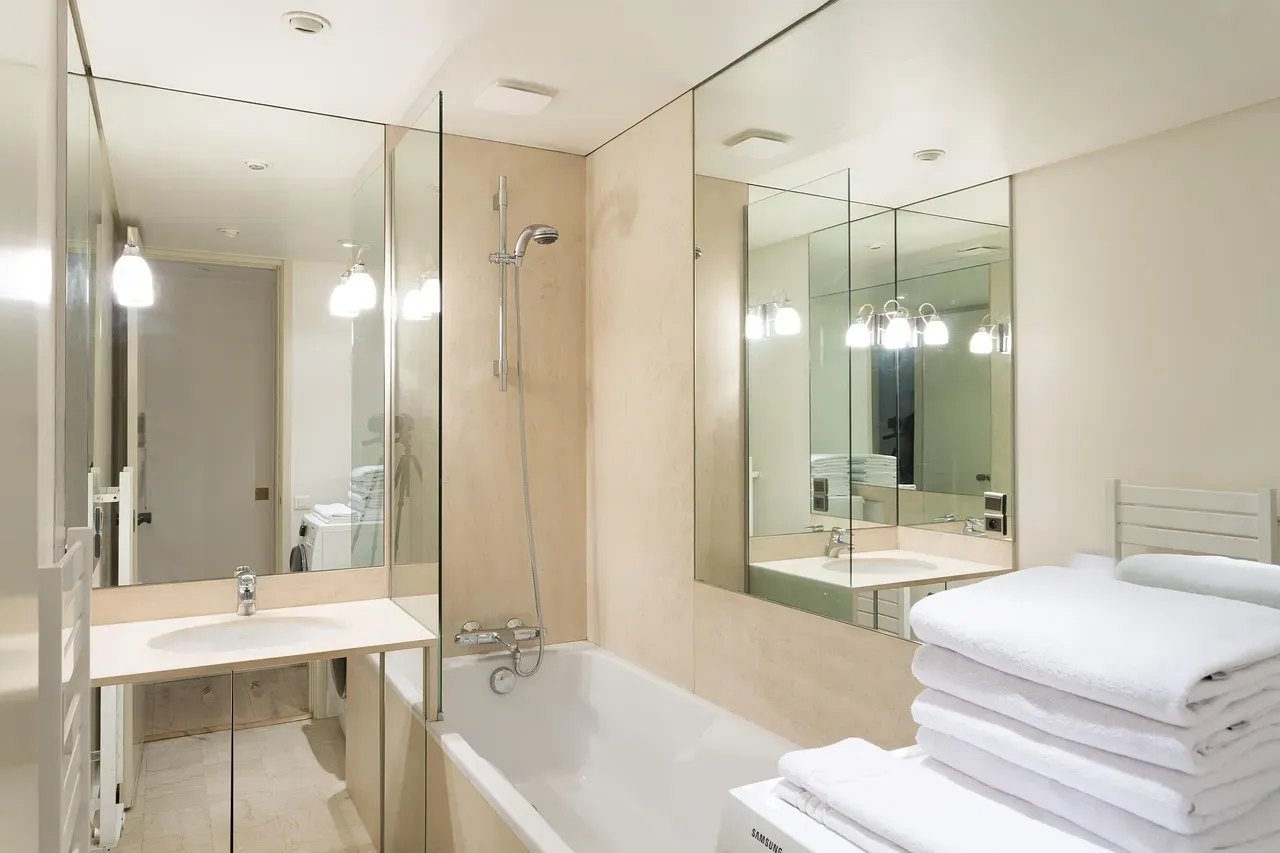
Walk-in showers are everywhere right now. They look sleek, they photograph beautifully, and they feel modern. So it makes sense that homeowners have been ripping out bathtubs at an enthusiastic pace. However, here is the thing: removing the only tub in a home is a decision that has a real cost at resale.
If you are remodeling the bathroom, think twice before you remove a bathtub. While you may value a walk-in shower over a tub, buyers with families will likely still want a bathtub. Realtors suggest you can remove a bathtub as long as there is at least one in a second bathroom. Take away the last remaining tub, and you have genuinely limited your audience.
Many homeowners replace bathtubs with large showers, especially in master bathrooms. However, families with young children or individuals who enjoy soaking in a tub may view this as a significant drawback. That is not a fringe concern. Families with small kids make up a meaningful segment of the buying market. Losing them is not a trivial problem.
Think of it like removing a key feature from a car. The remaining buyers will still want the car. They’ll just want to pay less for it.
5. Eliminating Bedrooms or Closets for “Creative” Spaces
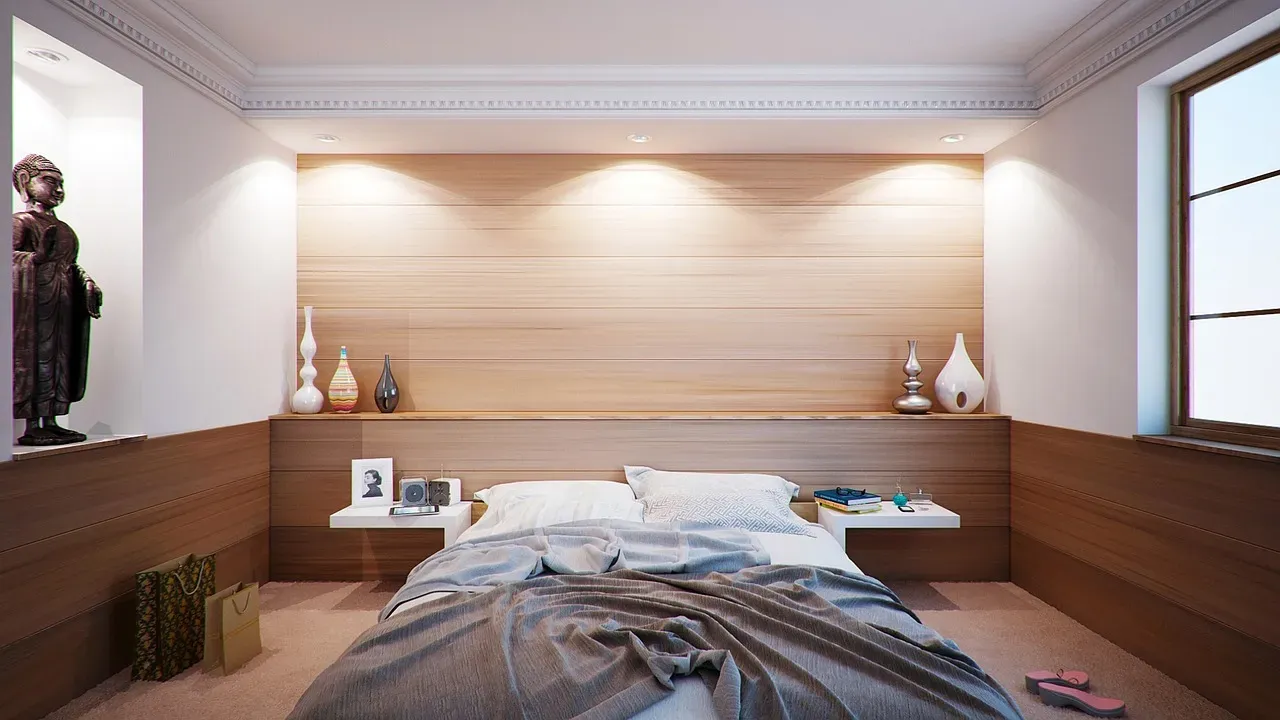
Homeowners love repurposing rooms. A spare bedroom becomes a walk-in wardrobe palace. Another becomes a recording studio. It feels wonderfully personalized. The problem is that bedroom count is one of the most fundamental benchmarks buyers and appraisers use to evaluate a home.
Transforming a spare bedroom into a large, boutique-style walk-in closet can feel like a luxury upgrade and often enhances daily comfort. However, bedroom count plays a major role in how homes are categorized and valued. Appraisers and buyers often compare properties based on the number of bedrooms, and reducing that count can immediately shift your home into a lower competitive bracket.
While open spaces are popular, losing a bedroom can lower your property value. The number of bedrooms is a key factor in home appraisals and listings. Fewer bedrooms mean fewer potential buyers, especially families who need more space. The same logic applies to closets.
Closet space is a significant selling point for many buyers. Removing closets to make rooms bigger or adding built-in features like desks can genuinely hurt your property value. Buyers will count closets. They always do.
6. Highly Personalized or Bold Design Choices
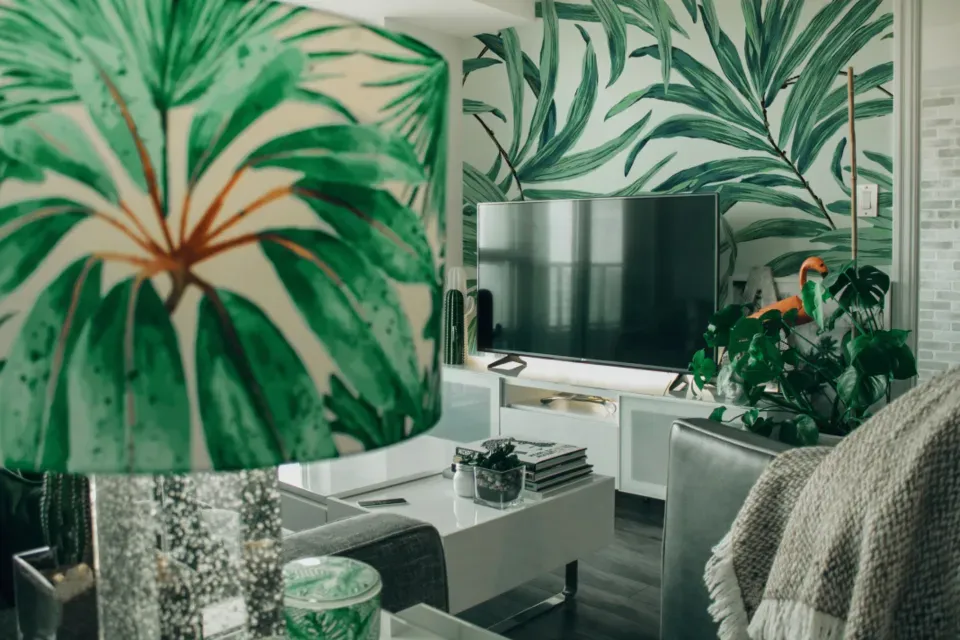
Let’s be real. We all want our homes to feel like us. Bold wallpaper, vibrant mural walls, ultra-specific themed rooms – these things make a home feel lived-in and expressive. When you are selling, however, that same personal expression can become a liability.
Bold paint colors, unique wallpaper, or custom murals might reflect your personality, but they can turn off buyers. Most people want a home they can picture themselves living in. If your style is too specific, buyers may see extra work and cost to change it.
Personalization makes an improvement less marketable. If you have bold wallpaper patterns, strange color schemes, or rooms made for specific activities like indoor climbing walls and recording studios, buyers will wonder how to get rid of them. For the best resale value, stick to neutral colors with broad appeal.
Bold finishes are deeply subjective. What feels artistic to one buyer may feel overwhelming or dated to another. Removing wallpaper or refinishing heavily textured walls can be labor-intensive and costly. Buyers frequently discount homes that require cosmetic corrections before they can truly move in.
7. Sunroom Additions
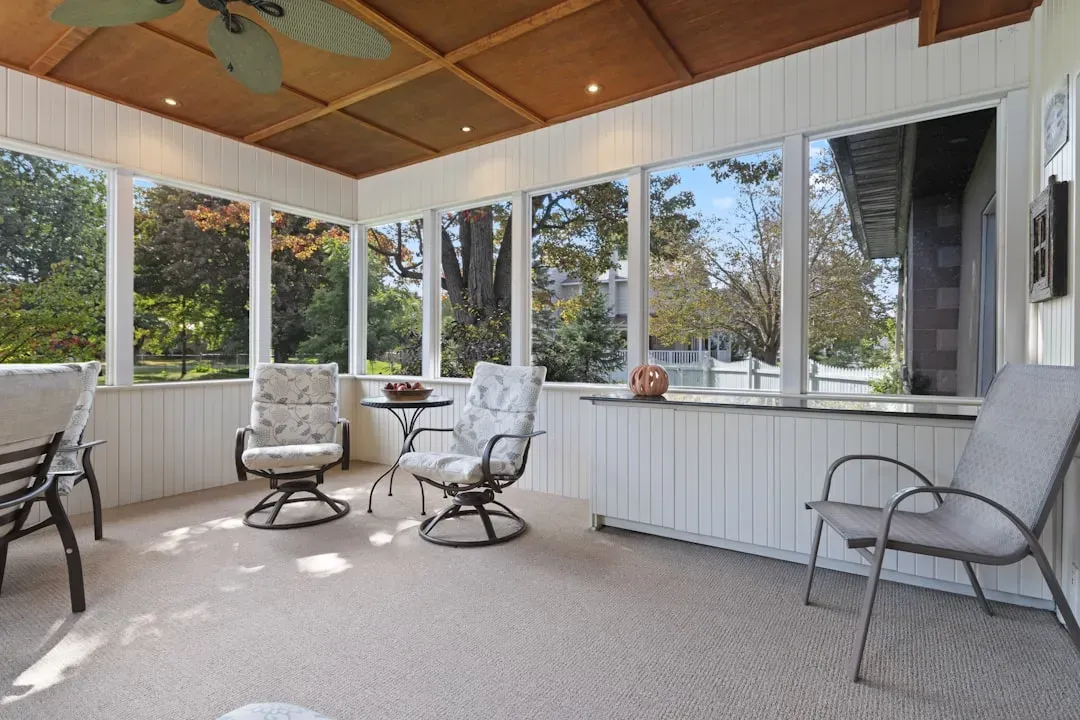
A sunroom sounds like a dream. Natural light flooding a cozy reading nook. Morning coffee with a view of the garden. It is, honestly, a beautiful concept. The cost and the return, though, deserve a very honest look before you commit.
For budgeting purposes, a three-season sunroom designed for warm-weather use generally costs between $96,000 and $140,000. A four-season sunroom, which is fully insulated and designed for year-round use, typically falls between $150,000 and $200,000. Those are genuinely significant sums. And the return? It rarely matches the investment.
A full addition sunroom can offer the highest ROI, often recouping around 50 to 70 percent of its cost upon resale. Four-season rooms come in next, with a return of approximately 50 to 60 percent. Three-season rooms and screen rooms typically offer a lower return, ranging from 30 to 50 percent and 20 to 40 percent respectively.
Regardless of the type you choose, added square footage results in increased energy consumption. Think of it like loading your vehicle with an extra 600 pounds: your fuel efficiency decreases. The same happens with HVAC systems. Whether you extend your current system or add a mini-split, maintaining a comfortable temperature year-round will always cost more. Buyers know this too.
8. Overly Elaborate Landscaping and Outdoor Features

Curb appeal matters, no question. A well-maintained yard signals care and pride of ownership. However, there is a very clear line between attractive and overwhelming, and a lot of homeowners cross it while spending enormous amounts of money.
A beautiful yard can boost curb appeal, but over-the-top landscaping or hardscaping can be a real turnoff. High-maintenance gardens, ponds, or elaborate patios may look impressive, but they require significant time and money to maintain. Many buyers view these features as extra work rather than added value.
In general, adding unique or extravagant features to a property that you personally find attractive is not guaranteed to win over buyers. Even if you find a buyer with the same taste, that does not mean the investment will be reflected in the return. Gazebos and intricate gardens are costly projects that often do not translate at resale. Curb appeal will nearly always outperform extravagant landscaping features.
Large pergolas, outdoor kitchens, or oversized decks can dramatically transform a backyard. The challenge is flexibility. Most buyers prefer adaptable spaces that can function according to their own needs and preferences. When buyers see a yard locked into someone else’s very specific vision, their instinct is to negotiate that removal cost right out of their offer price.