Travel | Why I Called Off My Cruise – and Why You Might Think Twice Too
It started as a dream. Mediterranean ports, sea breezes, all-you-can-eat everything, and a neatly packaged itinerary that promised the world at a bargain price. Then I started reading. The more I dug into what a modern cruise actually involves – for my wallet, for the ocean, for the cities I’d be visiting – the more uncomfortable I became. Eventually I cancelled the booking. Here’s the honest breakdown of why, told with real data and no industry spin.
The Price Tag That Keeps Growing
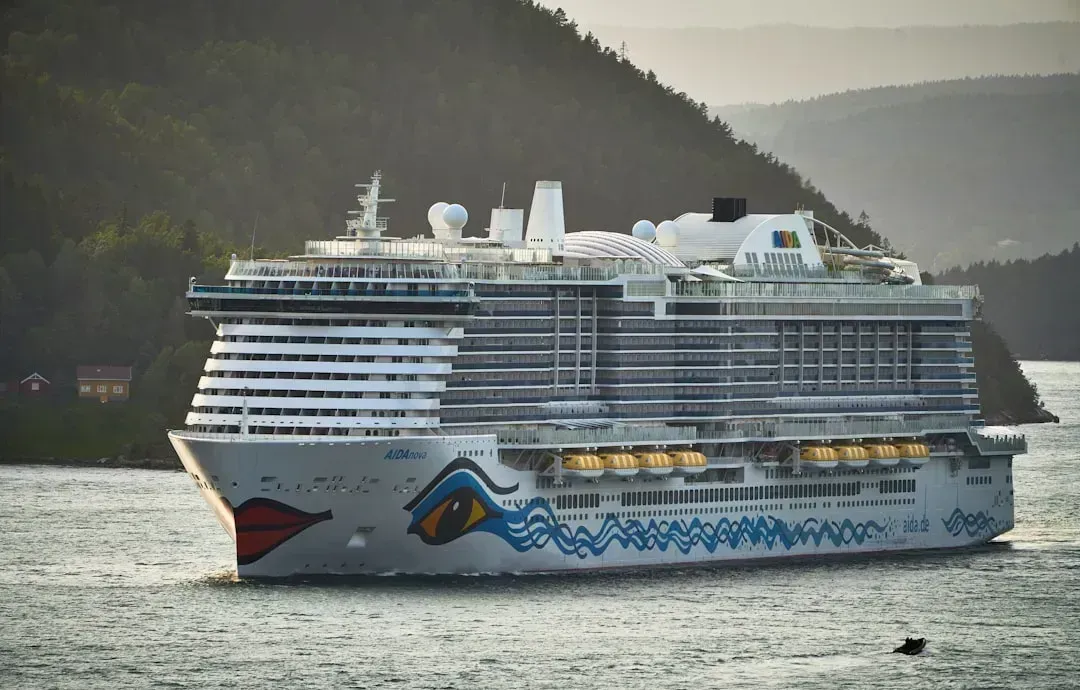
Advertised cruise fares are, almost by design, misleading. The advertised cost per person often reflects the cabin fare only. That’s just the starting point. Taxes and port fees alone can increase the cost by $150 to $250 per person, and that’s before you’ve set foot on the gangway. Port fees and taxes often range from 10 to 20 percent of your base cruise fare, quietly eating into what initially looked like a steal.
Once on board, the extras pile up fast. Your drink tab can quickly add up as you’ll be paying restaurant – not grocery store – prices for your beverages, as well as an automatic gratuity on your bill in the range of 18 to 20 percent. Without drink packages, budget $50 to $100 per person daily if drinking alcohol, with cocktails costing $10 to $15, beer $8 to $12, and wine $8 to $14 per glass. Shore excursions add another layer: prices for cruise ship shore excursions range from about $35 per person for a quick city and shopping tour to more than $300 for some all-day tours.
An Environmental Footprint That’s Hard to Justify
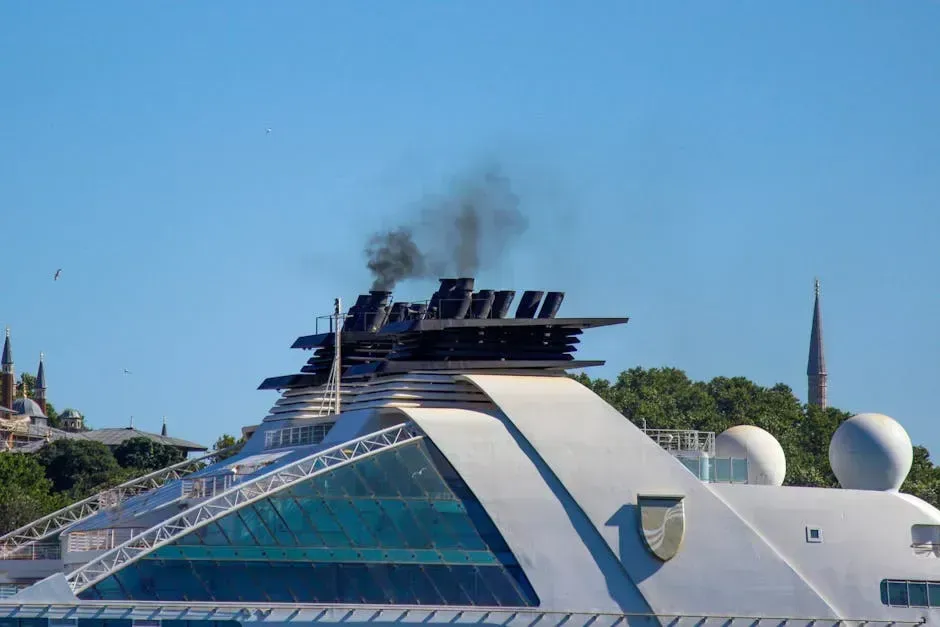
The environmental cost of cruising is staggering and well-documented. The average cruise passenger is responsible for 421.43kg of CO2 per day, according to 2025 industry analysis. To put that in perspective, Friends of the Earth estimates that the carbon footprint of a week-long cruise is eight times higher than that of a land-based holiday, with a medium-sized cruise ship carrying between 1,000 and 2,400 passengers generating the equivalent CO2 emissions of 12,000 cars over a similar amount of time. These are not hypothetical projections – they are based on documented data from environmental organizations.
The sewage picture is equally grim. The US Environmental Protection Agency estimates that a 3,000-person cruise ship generates 176,400 gallons of sewage per week, adding up to over one billion gallons of sewage a year for the industry – the equivalent of 1,515 Olympic-sized swimming pools. Waste disposal is another serious issue: it is estimated that about 50 tons of solid waste are generated during a one-week cruise, and that some 24% of the solid waste generated by vessels worldwide comes from cruise ships.
Greenwashing on the High Seas
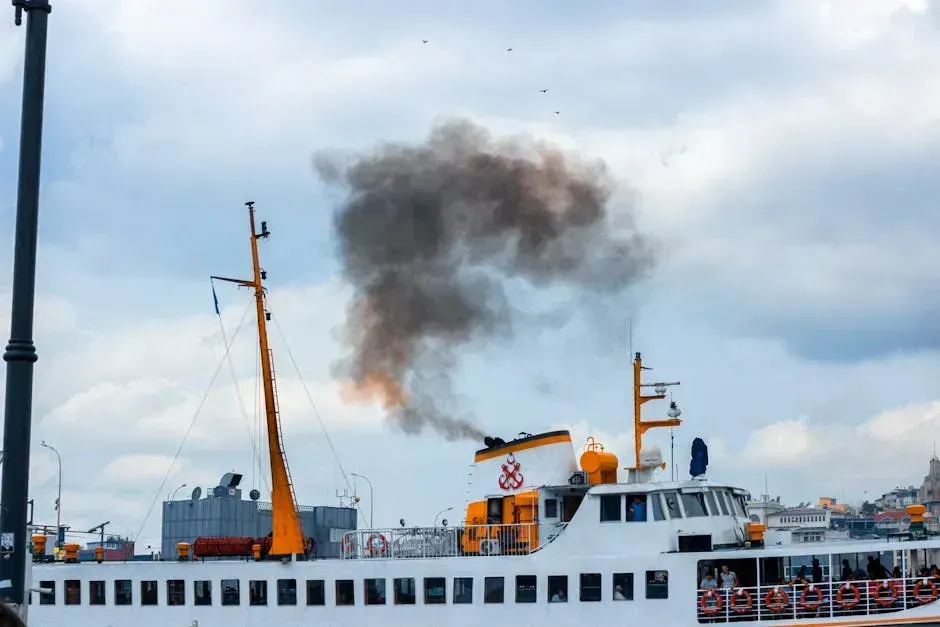
Cruise lines have responded to growing environmental pressure with marketing campaigns promoting “greener” travel. The reality, however, tells a different story. Friends of the Earth’s 2024 Cruise Ship Report Card takes a continued hard look at the cruise industry to see if clean cruising is possible and in most cases the answer is still a resounding NO. The report examined 21 major cruise lines and 243 ships, grading them on sewage treatment, air pollution reduction, and transparency – with deeply disappointing results across the board.
So-called “green fuels” are no silver bullet either. LNG was once hailed as a solution due to its ability to cut CO2 emissions by 25%, but is now known to release unburned methane during combustion, earning it heavy criticism from the International Council on Clean Transportation. Meanwhile, while scrubbers reduce some air pollution, most discharge contaminated, toxic wastewater – trading one dirty pollution source for another. Scientists estimate that the cruise industry discharges approximately 1.5 gigatons of toxic exhaust gas scrubber wastewater annually.
Ports Are Saying No – and For Good Reason
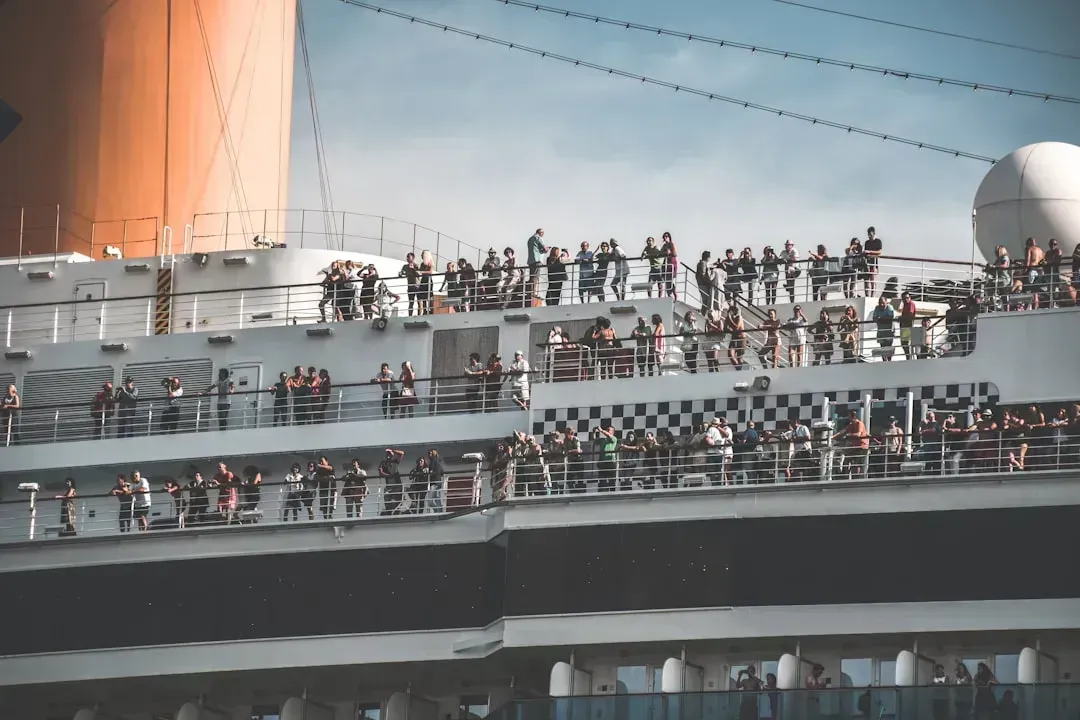
Across Europe and beyond, popular destinations are actively pushing back against cruise tourism. In a wave of cruise ship bans and restrictions, destinations from Amsterdam to Venice are trying to reshape how or whether vessels can visit their cities in an effort to stop them from being loved to death. In July 2025, Barcelona announced a significant change to its cruise tourism policy: two of its cruise terminals at the Moll Adossat port will be permanently closed by October 2026, reducing the city’s cruise traffic by nearly half, driven by concerns over crowding in historic neighborhoods, pollution from docked ships, and growing public discontent.
The restrictions keep spreading. Amsterdam will allow only 100 cruise ship visits per year from 2026, and by 2035, cruise ships will be completely banned from docking near the city center. Cannes, famous for its film festival, bans ships carrying over 3,000 passengers starting in January 2026, aiming to reduce pollution and manage crowds. From July 1, 2025, every cruiser stepping ashore in Santorini or Mykonos paid a €20 high-season eco-tax, with the islands simultaneously reviving an 8,000 daily-visitor ceiling enforced via a digital berth-allocation system.
Safety and Crime: The Numbers Behind the Brochure
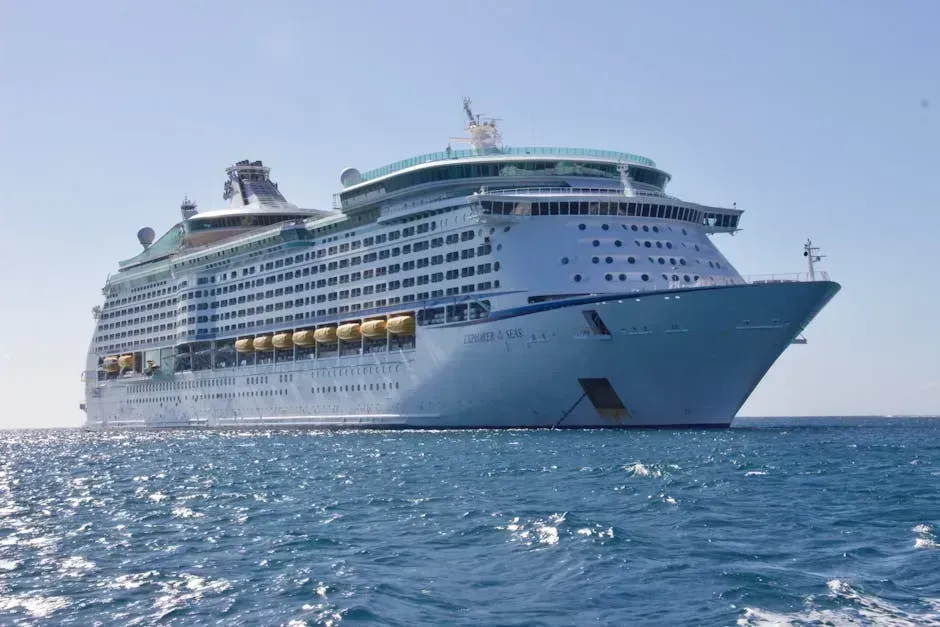
Cruise lines market an image of carefree luxury, but official data paints a more complicated picture. The FBI received 48 incident reports in the first quarter of 2025 alone: 33 sexual assaults, 7 assaults with serious bodily injury, and 7 thefts over $10,000. In the first quarter of 2025, Carnival reported 12 crimes to the FBI under mandatory reporting rules, marking the highest number of incidents reported by a specific cruise line that year, while Royal Caribbean reported nine incidents in the same period.
Health risks are an ongoing concern as well. The CDC closely monitors cruise ship outbreaks through the Vessel Sanitation Program to ensure that fleets meet rigorous public health standards, publishing data whenever more than 3% of passengers on a ship exhibit symptoms of acute gastroenteritis such as diarrhea or vomiting. Key cruise development impact factors identified in recent research include wastewater and oil pollution, exhaust gas and noise, urban congestion, and cruise ships acting as vectors for the spread of infectious diseases. These risks are rarely highlighted in booking materials.
The Illusion of Exploring, the Reality of Crowds
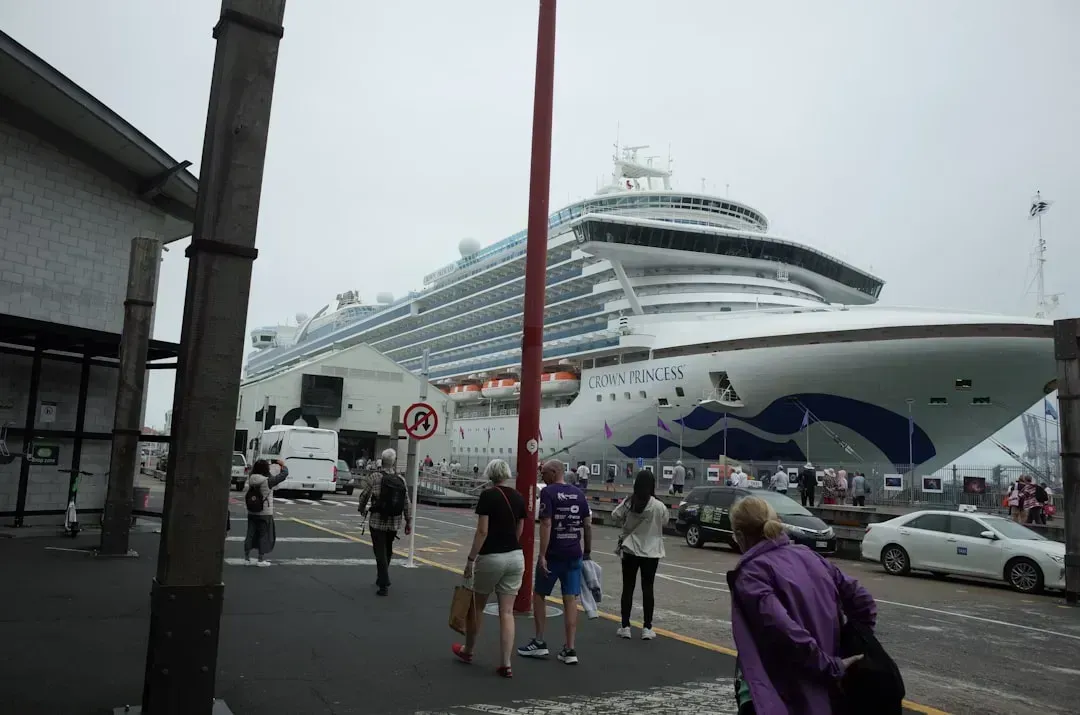
One of the most appealing promises of a cruise is effortless access to multiple destinations. In practice, the experience at port can be radically different from what the brochure suggests. Cruise ships have become a focal point in overtourism discussions, with each vessel bringing thousands of passengers to a city for just a few hours, concentrating large crowds in tourist-heavy areas, while local economies see limited financial benefit from these short visits and the environmental and social costs are significant.
Several studies have shown that passengers disembarking from ships don’t contribute as much to the local economy as you might think – with all the food, drink and souvenirs they could ever want available on board, the money stays at sea. Santorini is home to just over 15,000 permanent residents yet attracts hundreds of thousands of cruise passengers each year, causing concerns about overcrowding – not to mention the environmental impact of doubling an island’s population every day. What feels like discovery for the traveler can feel like an invasion for the people who live there year-round.