8 Antique China Sets That Collectors Still Pay Big Money For
Most people walk past antique china sets at estate sales without a second glance. A chipped teacup here, a gilded dinner plate there, nothing that seems worth much fuss. Honestly, that might be one of the most expensive mistakes a casual browser can make. Because behind those dusty stacks of porcelain is a world where serious collectors routinely spend tens of thousands – sometimes millions – of dollars chasing the right set.
The market for antique china is very much alive in 2026, and the auction results from the last couple of years prove it. Whether you’re a seasoned collector, an estate sale regular, or just someone who inherited grandma’s cabinet full of mystery dishes, this is your gallery of the eight antique china sets that still command serious, eye-watering money.
1. Meissen Swan Service – The Baroque Legend That Never Goes Quiet
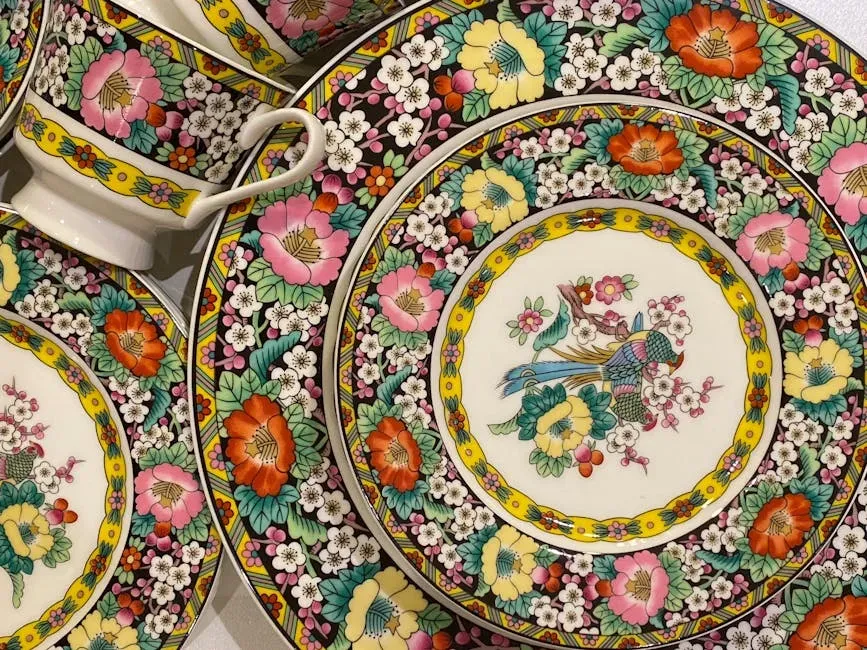
Let’s be real, when collectors talk about antique European porcelain, Meissen is almost always the first name that comes up. As Europe’s first manufacturer of fine porcelain, Meissen established itself as the innovator in European ceramics, and since the factory’s creation in 1708, its proprietary formula produced some of the finest examples of antique porcelain – so prized by European aristocracy that it was literally called “white gold.”
Considered one of the most spectacular porcelain dinner services ever created, the Meissen Swan Service was designed by Johann Joachim Kändler for Count Heinrich von Brühl. The full service was created between 1737 and 1742 and included more than 2,000 pieces, featuring motifs from nature inset into the profile of a scalloped shell in low relief.
The flora and fauna, which fittingly included images of swans, was developed partly to play on the Count’s name – “brühl” translates roughly to “marshland.” The service was partially lost in World War II, and the remaining pieces were divided among various collections, making those that appear at public auction truly museum quality.
A monteith or punchbowl from this legendary set, dated around 1740, fetched £151,875 at a Christie’s London sale. Think about that – a single serving piece from one dinner service sold for nearly a quarter million dollars. The full sets and major portions of this service, when they surface, easily attract six-figure bids from institutions and private collectors alike.
2. Qing Dynasty Imperial Porcelain Sets – The Million-Dollar Emperors
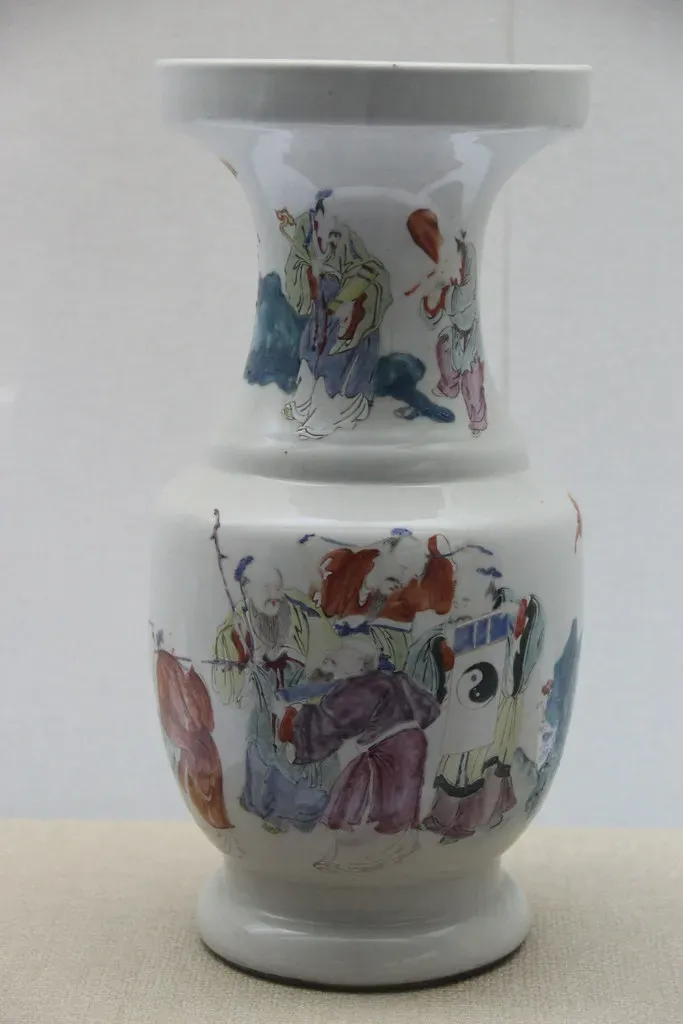
Few things in the collectibles world come close to imperial Chinese porcelain for sheer financial firepower. Qing Dynasty porcelain is not merely china – it’s a slice of history auctioned to the highest bidder, and the finesse in craftsmanship combined with the tales of imperial China encapsulated in each piece make them a collector’s dream.
Falangcai, which can be translated as “foreign colours,” are among the rarest and most celebrated imperial ceramic wares of the Qing dynasty. Unlike most other wares of that period, the production of falangcai was small in scale, subject to close scrutiny by the Emperor, and made exclusively for the imperial court and royal family.
An imperial falangcai “swallow” bowl sold for HK$198 million (approximately US$25.25 million) at Sotheby’s Hong Kong, taking the crown as 2023’s most expensive Chinese ceramic sold at auction. The top five Chinese ceramics at auction that year totalled around US$72.7 million.
In October 2024, China Guardian Hong Kong’s “Ascending Dragon: Qing Imperial Porcelain from the Wang Xing Lou Collection” sold all 11 of its lots, achieving a total of around US$7.26 million. The market for Qing pieces shows absolutely no signs of cooling down.
3. Sèvres Marie Antoinette Service – Royal History in Every Bite
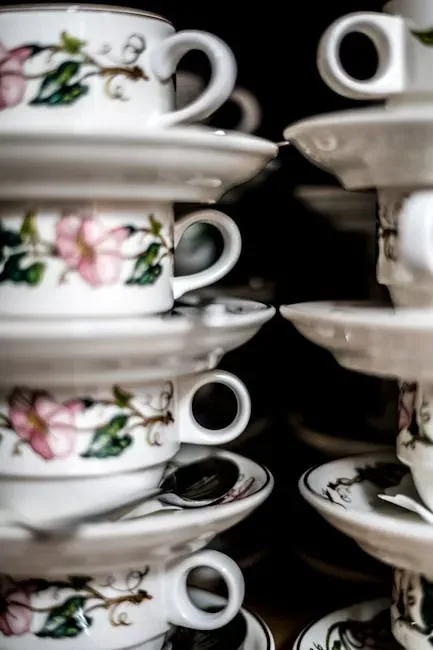
There is something genuinely thrilling about eating off the same pattern that was originally designed for a queen. The Marie Antoinette pattern was originally created in 1782 for the personal use of Queen Marie Antoinette, featuring green bands with blue flowers. That royal connection makes these pieces some of the most emotionally charged items in the antique china world.
Rarity plays a massive role in china collecting. Limited runs, discontinued glazes, or designs tied to a specific historic moment will always command more attention. Other specific moments that get commemorated, like anniversaries, special events, or royal occasions, mean that a pattern will be hard to find, therefore more desirable, and therefore more expensive.
A replica Limoges version of the Marie Antoinette pattern – made by Bernardaud – comprising more than 90 pieces sold for $5,500 in 2024. That’s for a reproduction. Genuine original Sèvres pieces from this service are museum-grade rarities that command far more at auction when they appear.
Honestly, it’s hard to put a price on history. When you’re bidding on a piece that once graced the table of the French royal court in the years before the Revolution, you’re not just buying porcelain. You’re buying a story.
4. Meissen Blue Onion Pattern Sets – The Iconic Blue and White That Never Stops Selling
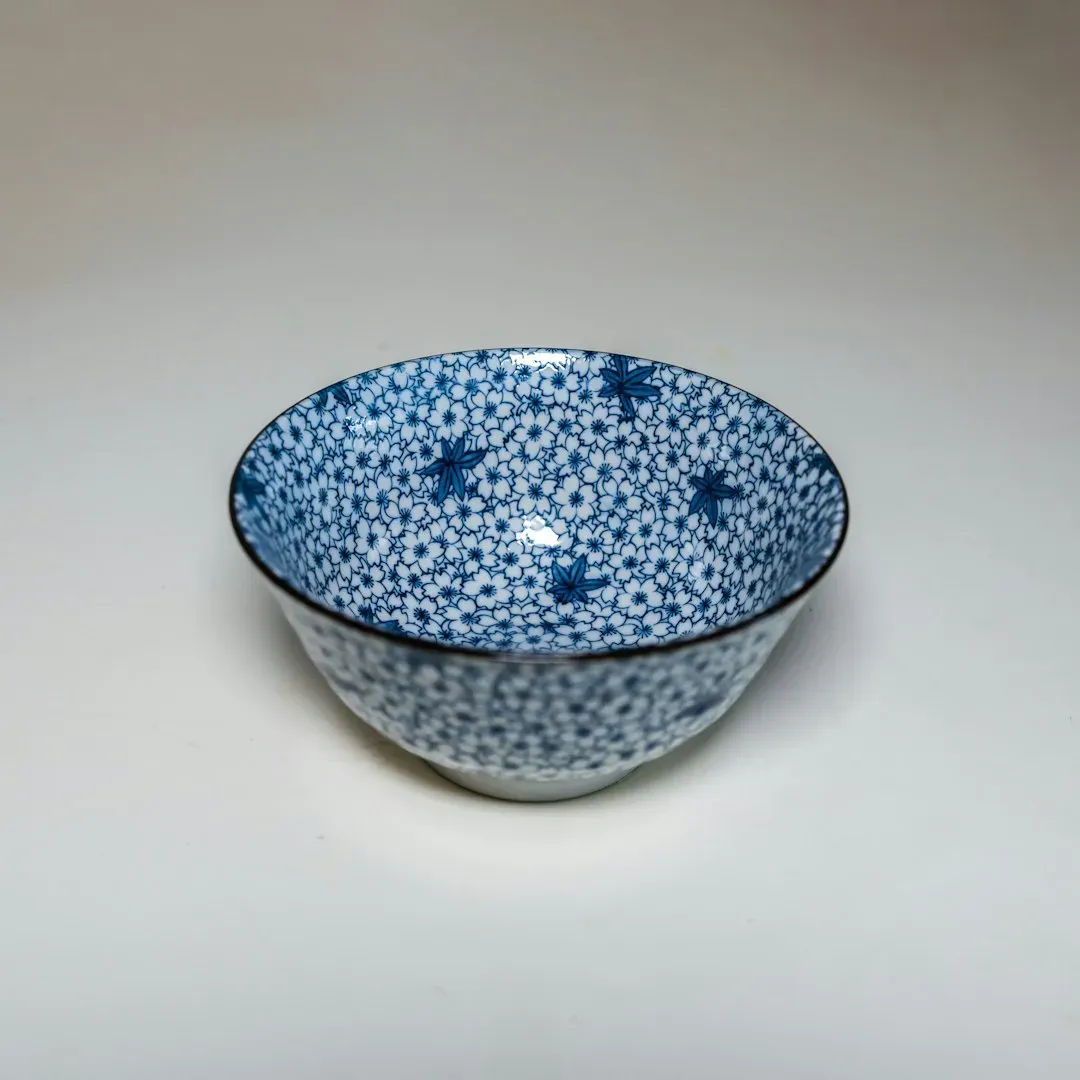
The Blue Onion is one of those patterns that has a way of showing up everywhere, from flea markets to high-end auction houses. Blue Onion is an iconic blue and white pattern inspired by Chinese porcelains, introduced in 1739. European decorators actually misinterpreted the Chinese peaches and melons depicted in the original designs for onions, and the name stuck.
A 19th to 20th century Blue Onion set of more than 200 pieces sold for $23,894 in 2025. That’s a solid return for a pattern that’s been in continuous production for nearly three centuries. The key to understanding its value is knowing that original 18th and 19th century Blue Onion pieces trade at a completely different level from later reproductions.
During the 18th century, princes and kings used to adorn their tables with Meissen porcelain pieces of inestimable value, decorated with rococo and neoclassical elements. Due to the high quality and exquisite craftsmanship, Meissen porcelains are exhibited in the collections of the most prestigious museums in the world.
Think of the Blue Onion as the Levi’s 501 of antique china. Classic, timeless, always in demand. The difference is that a rare original set can buy you a very nice car rather than just a pair of jeans.
5. Royal Copenhagen Blue Fluted Full Lace Sets – Denmark’s Crown Jewel
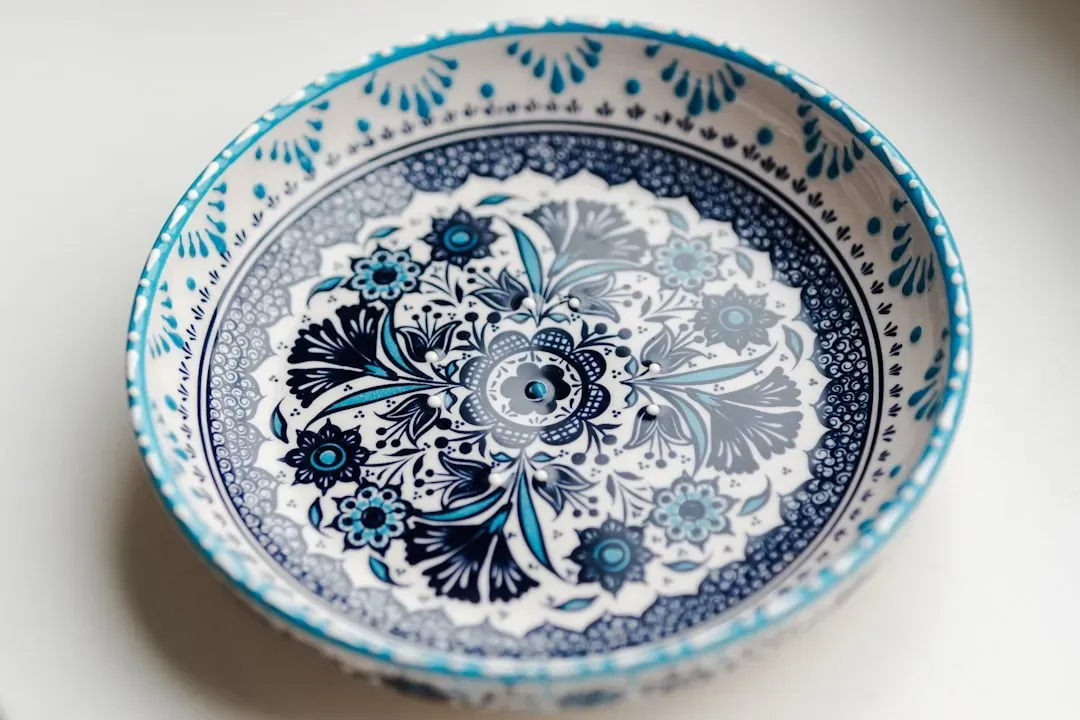
Founded in 1775, Royal Copenhagen is one of the world’s oldest companies, and for more than 235 years their products have been made with not only the deepest respect for tradition but also the highest standards of craftsmanship. Their Blue Fluted pattern is arguably the most recognized Scandinavian china in the world.
Royal Copenhagen embodies the pinnacle of Danish fine china. Under royal patronage since its founding, Royal Copenhagen pioneered underglaze painting techniques still used today. Their blue-fluted and white-fluted patterns date back centuries while still feeling fresh and modern.
A banquet-size set of more than 200 pieces in the Blue Fluted Half Lace pattern is considered one of the most classic looks imaginable for china, making it all the more coveted by serious collectors. Full Lace versions, which feature the intricate pierced border work, are especially prized and command premium prices.
I think what makes Royal Copenhagen so compelling for collectors is the combination of quality, longevity, and that undeniable Nordic cool. A 19th-century Full Lace set in good condition is the kind of thing that starts bidding wars at serious auction houses.
6. Herend Queen Victoria Pattern Sets – Hungarian Porcelain Fit for Royalty
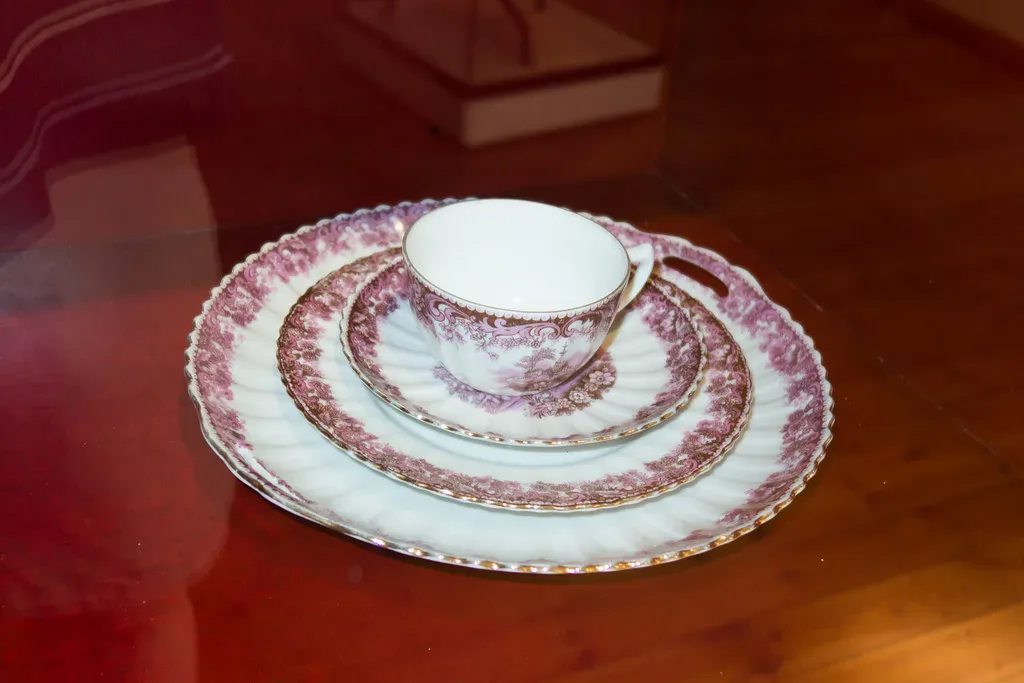
Most collectors know Meissen and Sèvres. Far fewer know Herend, which is honestly their loss. The Queen Victoria pattern was first presented during the London World Exhibition in 1851, where it caught the eye of Queen Victoria herself, who ordered a large table service in the pattern for Windsor Castle. The pattern was subsequently named Queen Victoria and became one of Herend’s most popular designs.
Herend’s hand-painted luxury china has graced the tables of royalty for generations, and using secret techniques, Herend’s artisans create impossibly delicate, artistic motifs in porcelain. Every single piece is hand painted, which is something you can actually feel when you hold one. The level of detail is staggering.
A set of 120 or more pieces sold for $5,500 in 2025, while a 20th century set of more than 170 pieces fetched $9,500 in 2024. These numbers are for more recent production runs. Older 19th century Herend services in royal provenance command significantly higher figures at major auction houses.
Understanding the market, the history of the brand, and the rarity of the piece can guide a collector in making informed decisions, while preserving the beauty and value of fine china requires a gentle touch and informed care. With Herend, condition is everything.
7. Famille Verte and Famille Rose Chinese Export Sets – The Color-Coded Fortunes
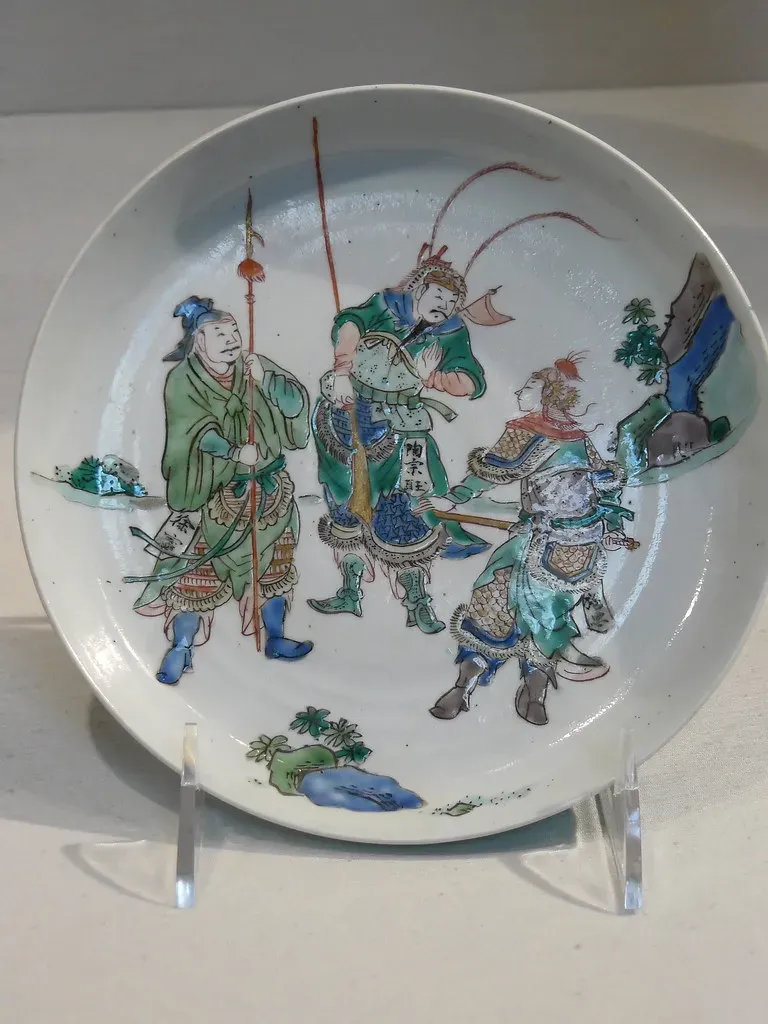
Here’s the thing about Kangxi-era Chinese export porcelain: a single plate can outperform an entire modern dinner set at auction. Two valuable varieties of plates made during the Kangxi period were famille verte plates and famille rose plates. Green dominated famille verte, while rose and carmine dominated famille rose. Famille verte plates got their start in 1685 and enjoyed the most early popularity until 1725, when famille rose grew in favor.
The highest-priced plate encountered in recent research was a famille verte bird and peach birthday plate at Christie’s that sold for around $564,390 in 2024. That’s a single plate. Imagine what a complete matching service commands when one surfaces in pristine condition with intact provenance documentation.
The world of antique Chinese ceramics continues to captivate collectors and investors with astounding prices at major auctions, and while the most valuable pieces often sell for millions at prestigious auction houses, there is also a thriving market for more accessible antique china on platforms like eBay.
What makes these export sets especially fascinating is the cultural collision they represent. They were made in China specifically for Western tastes, blending Chinese technique with European demand. That cross-cultural story is part of what drives their value sky high with the right collector.
8. Tiffany & Co. Le Tallec Cirque Chinois Sets – The Modern Collectibles Playing in the Big Leagues
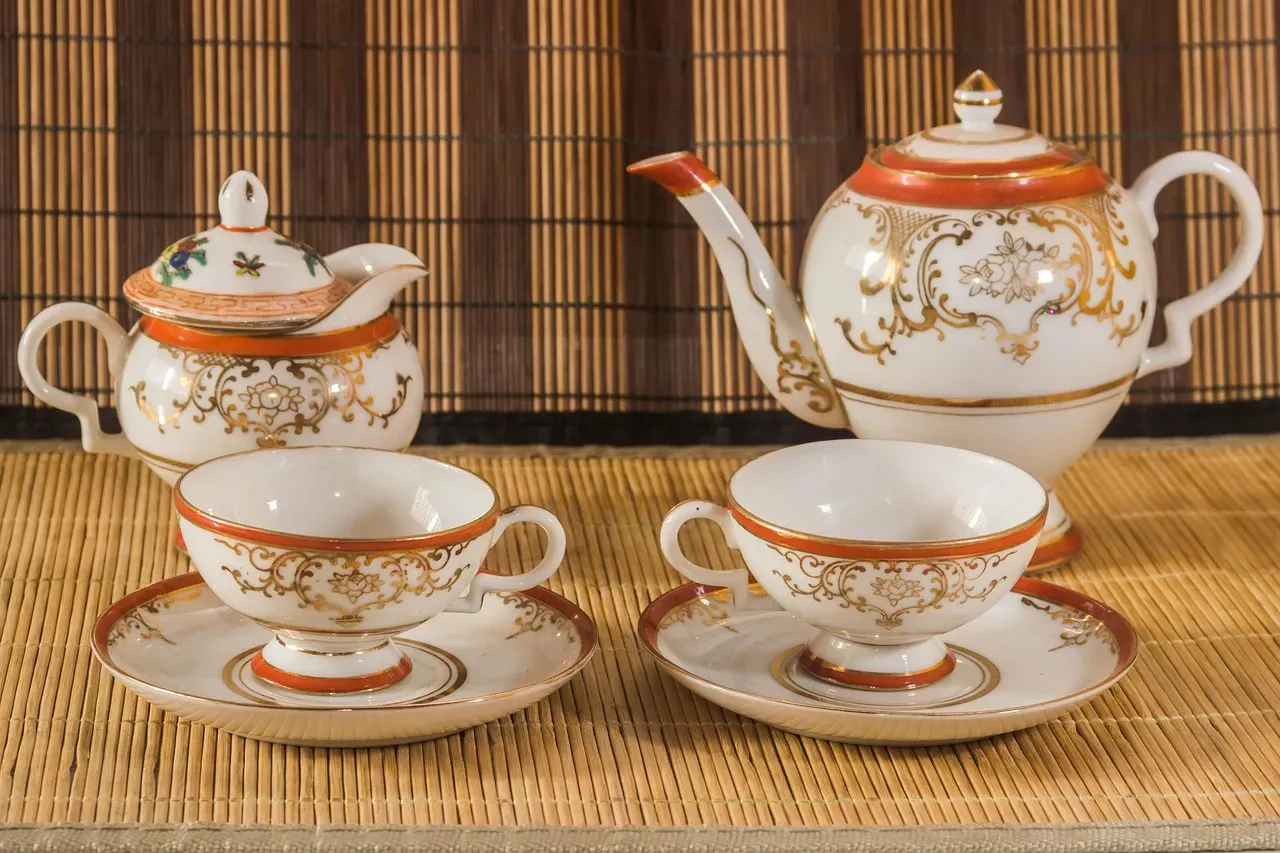
Not every china set worth serious money has to date back centuries. Sometimes, the right discontinued pattern from a storied maker can command staggering sums within decades. Cirque Chinois was designed by Camille Le Tallec (French, 1906 to 1991) and made in France, featuring various hand-painted multicolored Chinoiserie figures with horses and pagodas on white porcelain. The pattern was introduced in 2001 and has since been discontinued.
A 69-piece set sold for $16,000 in 2025, while a 37-piece set sold for $13,000 in 2024, and a 96-piece set fetched $40,000 in 2021. Those numbers tell a very interesting story about how quickly collector demand can escalate for discontinued high-quality patterns when supply dries up.
The factors that drive china value are far from random, and it’s not just branding. Most collectible china has its value predicated on tangible factors, including the quality of craftsmanship, rarity, historic relevance, and yes, the brand’s reputation. Le Tallec pieces check every one of those boxes in spectacular fashion.
It’s a good reminder that you don’t always need something 200 years old to attract serious collector money. Discontinued, hand-painted, and from a name like Tiffany? That combination has proven to be a reliable recipe for impressive auction results, and the trend shows no signs of slowing in 2026.