Simple Ways to Make Any Trip Feel More Magical
Slow down your first day instead of rushing it
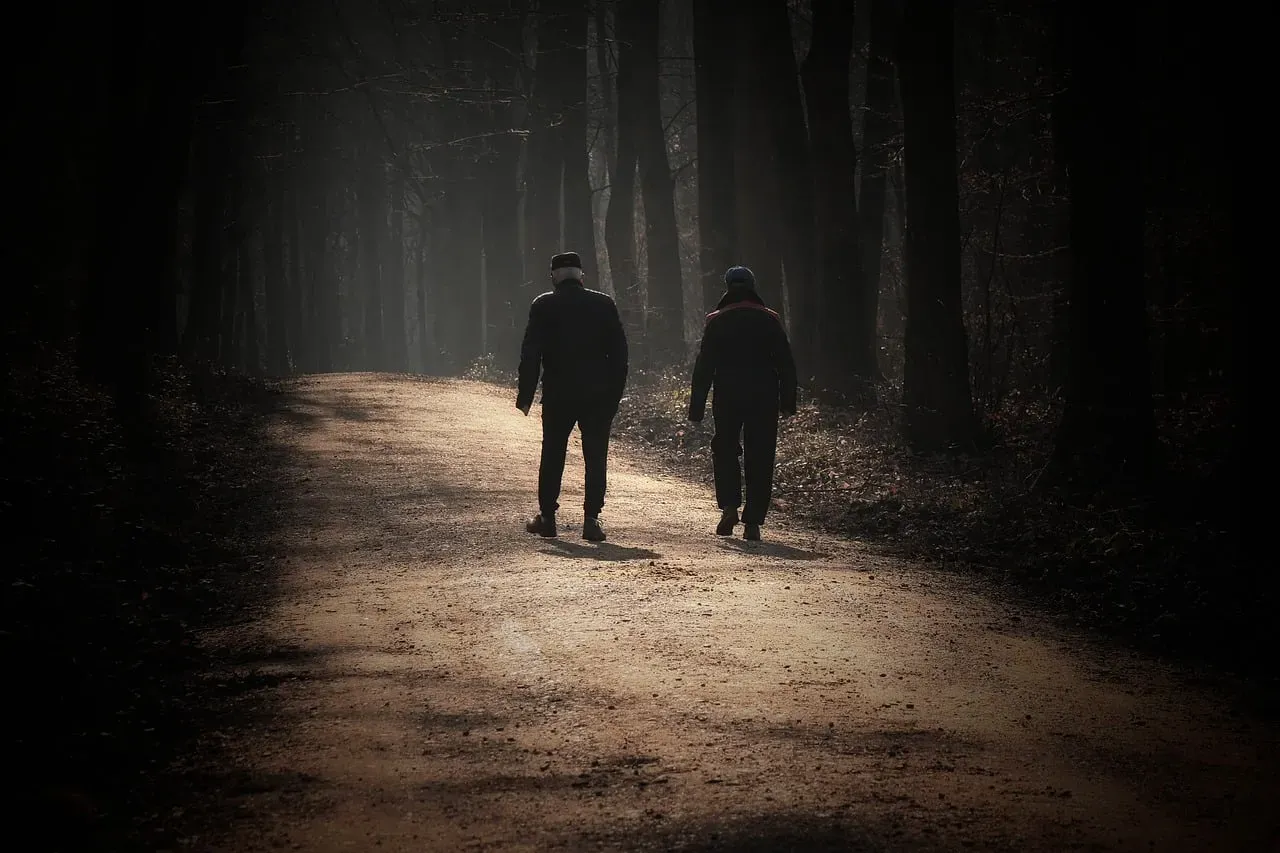
Most travelers treat day one like a checklist, cramming in landmarks before jet lag even wears off. That approach tends to backfire, leaving people exhausted and unable to actually absorb where they are.
Giving yourself a slower first day, maybe just a walk around the neighborhood or a coffee at a local spot, helps your senses adjust. You notice smells, sounds, and small details that get missed when you’re sprinting between attractions.
This isn’t about wasting time. It’s about giving the place a chance to introduce itself before you start demanding things from it.
Talk to at least one local person
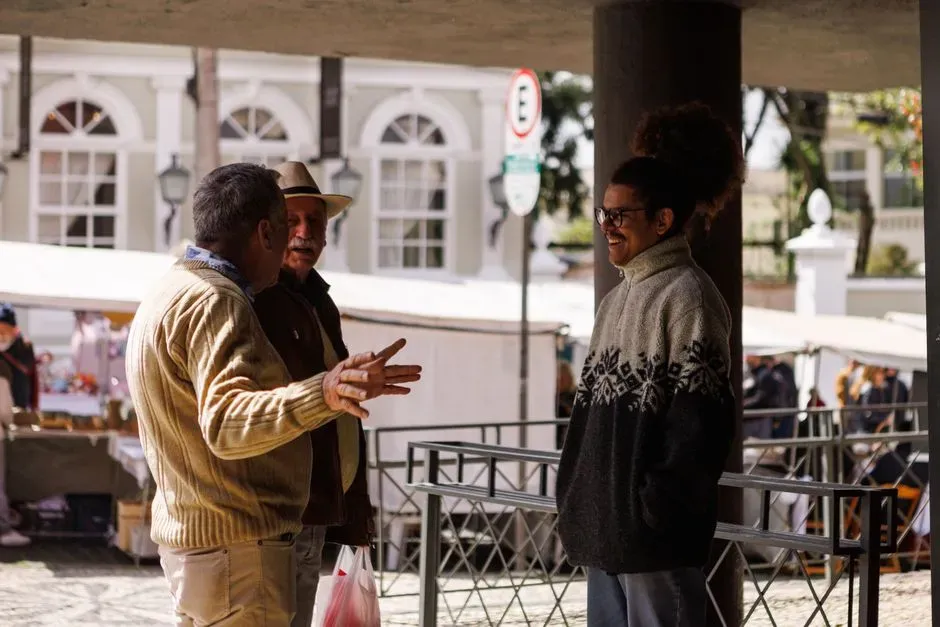
A quick conversation with a shop owner, a bartender, or someone sitting nearby can change the entire texture of a trip. Locals often mention places that never show up in guidebooks or apps, simply because those spots aren’t built for tourists in the first place.
Even a short exchange, asking for a recommendation or just chatting about the weather, adds a human layer to the experience. It turns a destination from a backdrop into a place with actual people living their lives in it.
You don’t need fluent language skills for this. A few words, a smile, and genuine curiosity usually go a long way.
Leave room for unplanned detours
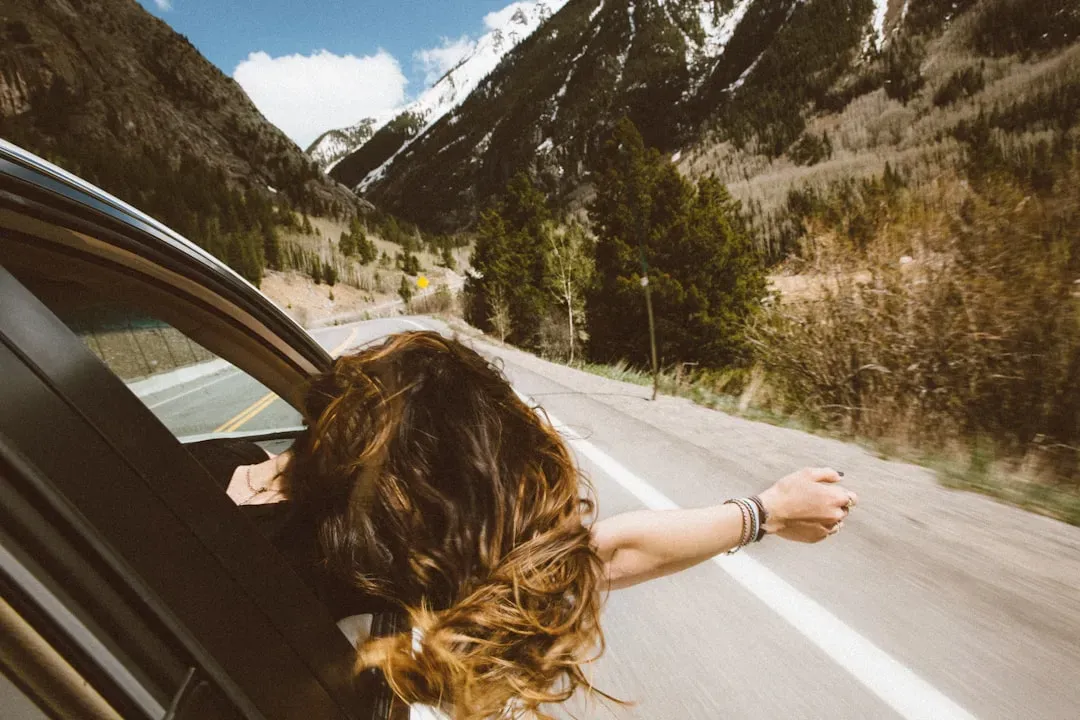
Overpacked itineraries leave no space for the interesting stuff that happens by accident. A street performer, an unexpected market, a view around a corner nobody mentioned, these moments only happen when there’s slack in the schedule.
Planning is useful, but treating a trip like a tightly timed operation can drain the spontaneity right out of it. Building in a few open blocks of time, even just an afternoon, gives magic an actual chance to happen.
Some of the best travel memories come from wrong turns, not from following directions perfectly.
Eat where the smell pulls you in
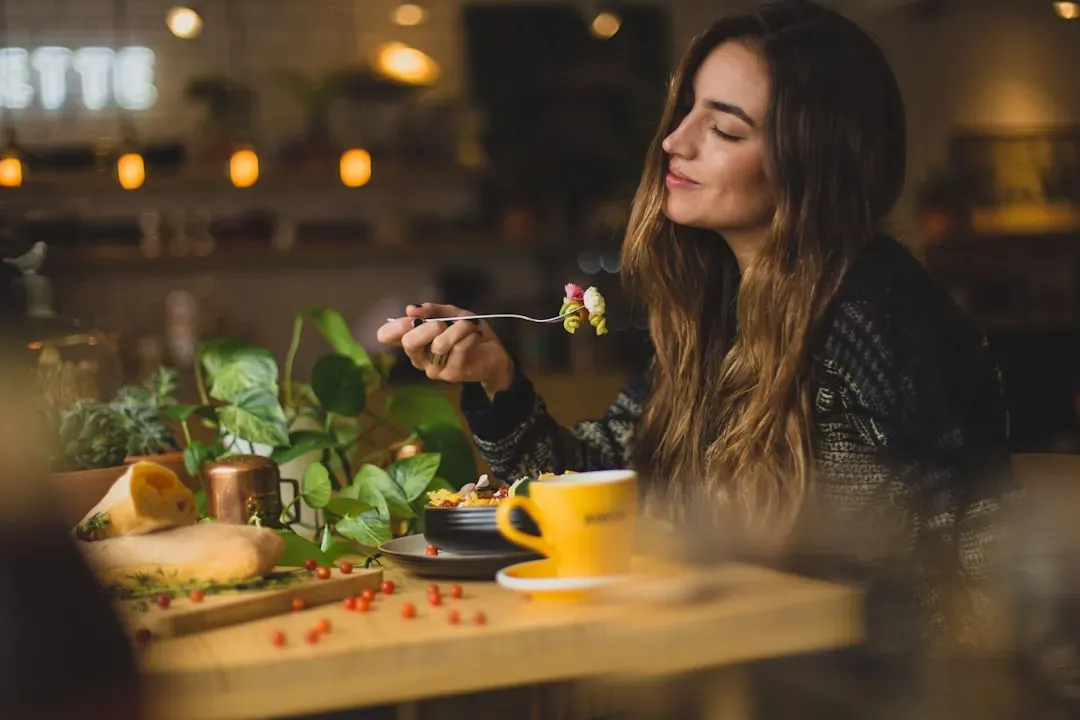
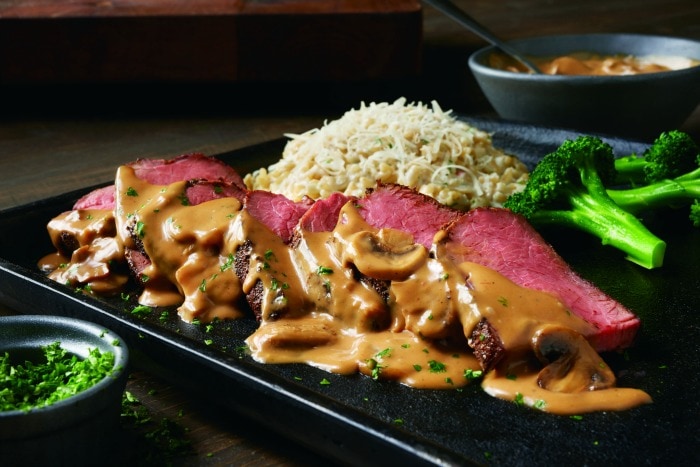
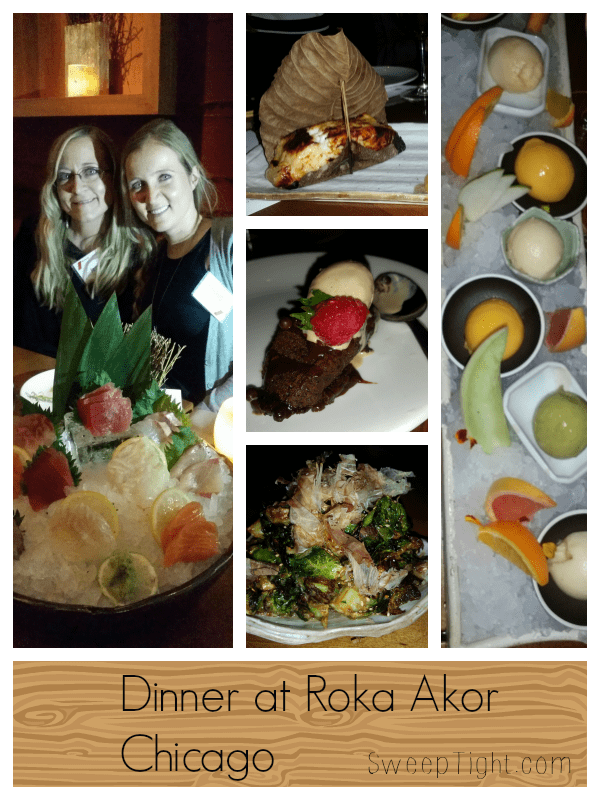
Food is one of the fastest ways to feel connected to a place, and sometimes the best meals come from following your nose rather than a ranked list online. A small, unassuming spot with a line of locals outside often beats a heavily reviewed restaurant aimed at visitors.
Trying regional dishes, even unfamiliar ones, adds a sensory memory that lasts longer than most sightseeing does. Taste has a strange way of anchoring memories more firmly than photos do.
This doesn’t mean avoiding planning entirely, just staying open to detours guided by curiosity instead of star ratings.
Put the phone away during key moments
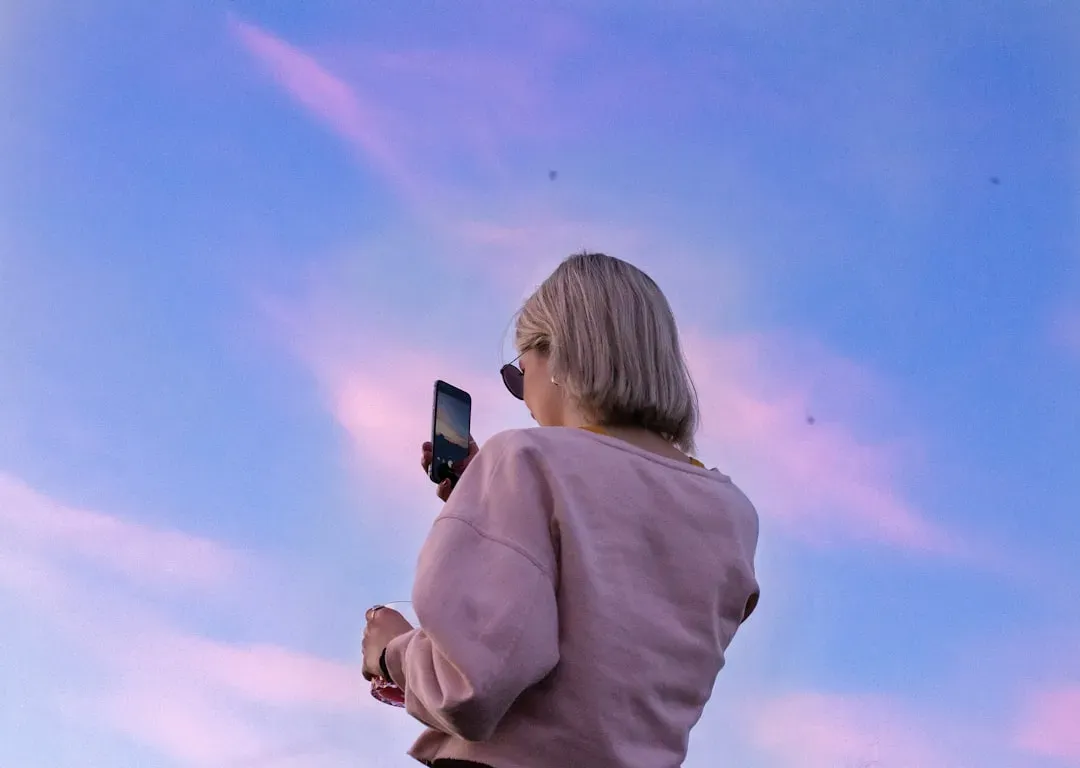
It’s tempting to document everything, but constant photographing can pull you out of the actual experience. Watching a sunset through a screen is a different thing entirely from watching it with your own eyes.
Choosing a few moments to simply be present, without capturing them for later, often makes them more vivid in memory. Ironically, the trips people remember most clearly are sometimes the ones with the fewest photos.
A short window without notifications or camera rolls can make a place feel more immediate and real.
Learn a tiny bit of the local language
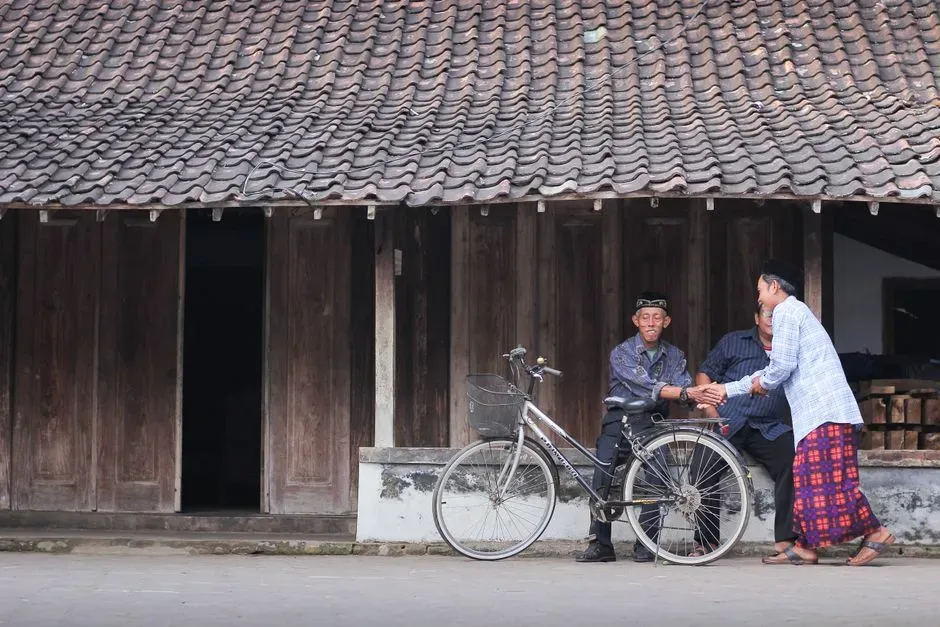
Even a handful of words, hello, thank you, please, shifts how people respond to you. It signals effort and respect, and locals often notice and appreciate the attempt even when the pronunciation is rough.
This small gesture can open doors that money or itinerary planning simply can’t. It’s a low effort habit with a surprisingly high emotional payoff.
Language apps and phrasebooks make this easier than ever, so there’s little excuse to skip it entirely.
Choose one ritual and repeat it daily
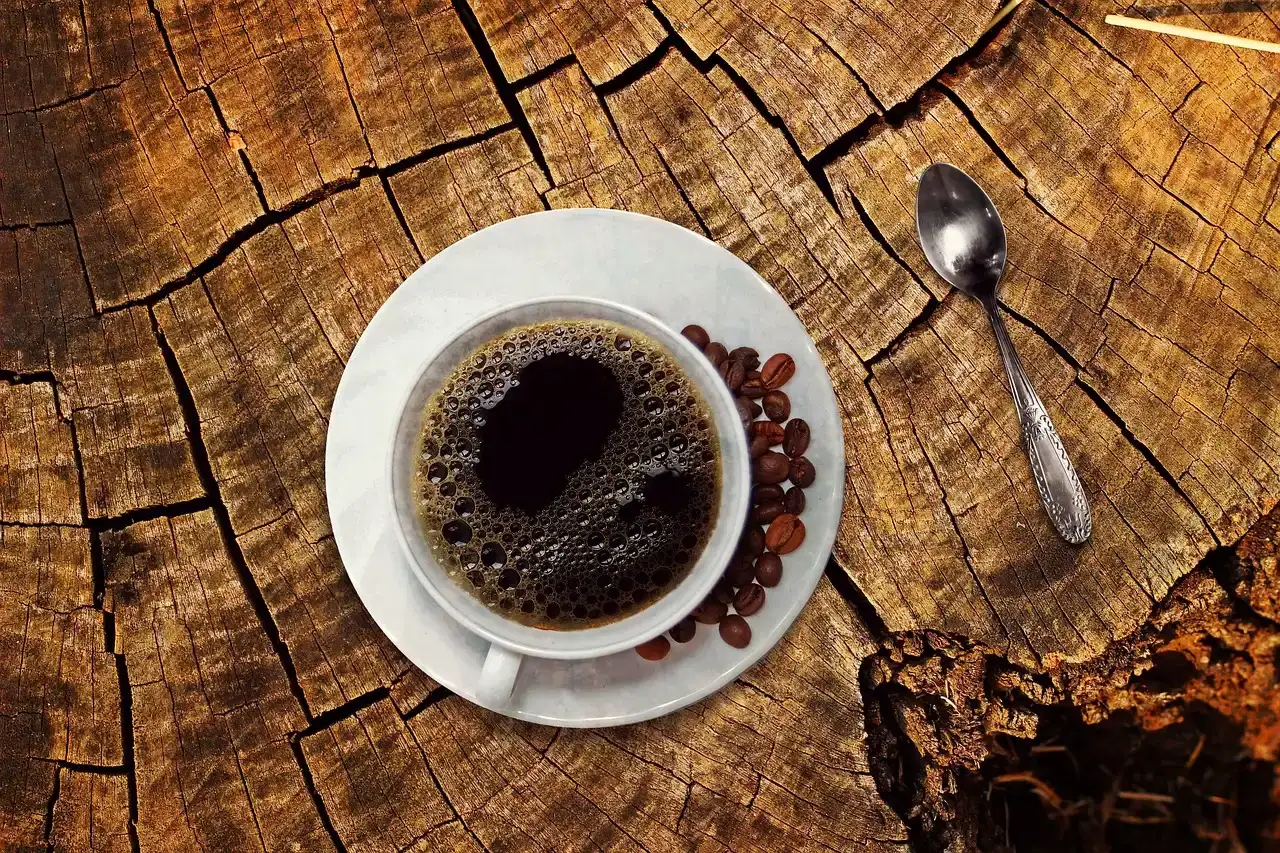
A small recurring habit, morning coffee at the same corner spot, an evening walk along the same street, creates a sense of rhythm within an unfamiliar place. That repetition helps a destination start to feel less like a blur and more like somewhere you briefly lived.
Rituals also give structure to loosely planned days, offering a comforting anchor amid all the newness. Over time, that daily habit often becomes one of the most vivid memories from the whole trip.
It’s a small thing, but it adds a surprising amount of texture to how a trip is remembered later.
Notice the small, unphotographed details
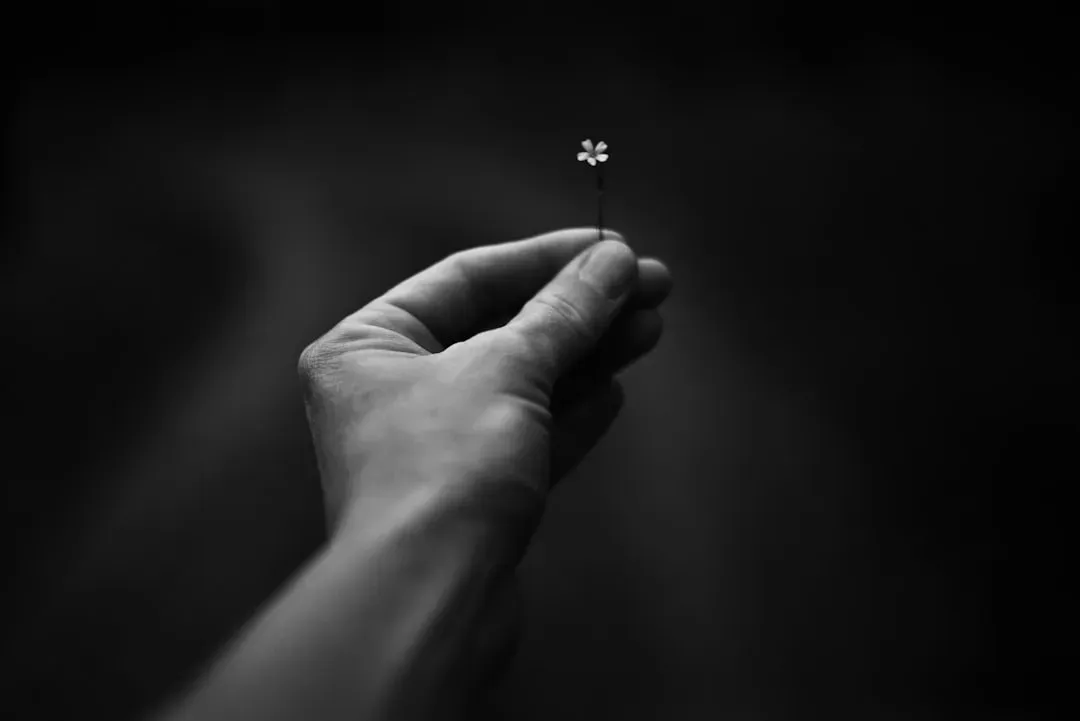
Not every meaningful moment needs to be grand or camera worthy. The way light hits a doorway, a stray cat sleeping in a market stall, an overheard laugh, these tiny observations often carry more emotional weight than the major landmarks.
Paying attention to small details trains your brain to stay curious rather than passive. It’s a mindset shift more than a specific activity, and it costs nothing to practice.
Travelers who notice these details tend to describe their trips as richer, even when the itinerary itself was fairly ordinary.
Give yourself permission to do less
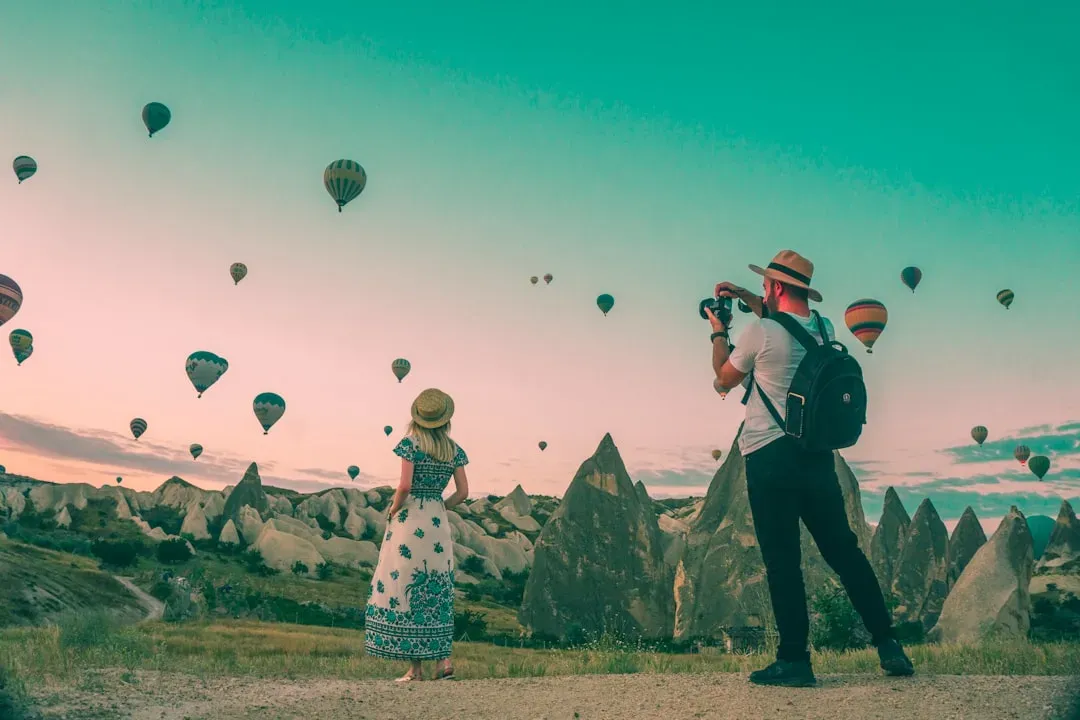
There’s a quiet pressure to maximize every trip, to see everything and miss nothing. That mindset often leads to burnout rather than joy.
Choosing to see fewer things, but experiencing them more fully, tends to produce more satisfying memories than a rushed marathon of sights. Depth beats breadth more often than people expect.
A trip built around fewer, well savored experiences usually feels more meaningful in hindsight than one crammed with obligations.
Final thoughts
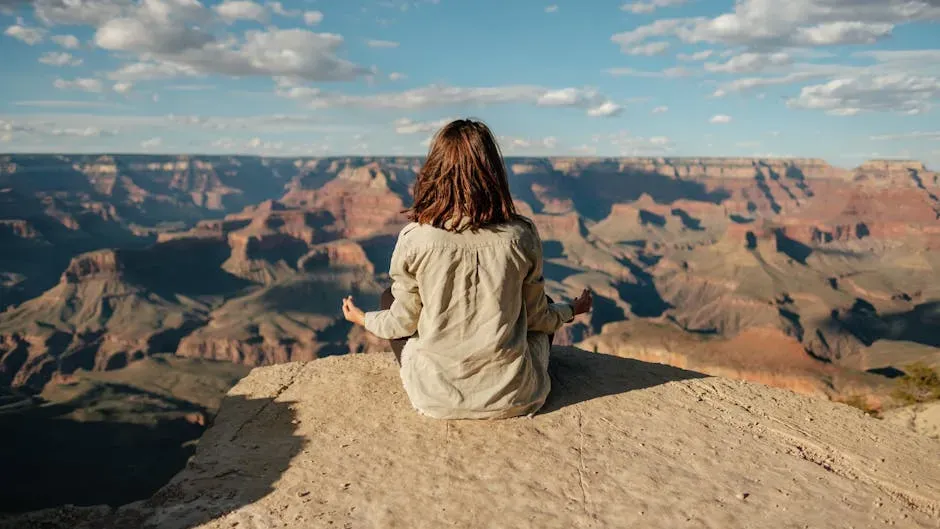
None of these ideas require extra money or an elaborate plan. They’re mostly about attention, patience, and a willingness to slow down enough to actually notice where you are.
The next trip that feels truly memorable probably won’t come from a longer itinerary or a fancier destination. It’ll come from small, deliberate choices made along the way, the kind that turn an ordinary journey into something worth remembering.