Easy Homemade Bread Recipes for Beginners
No knead crusty white bread
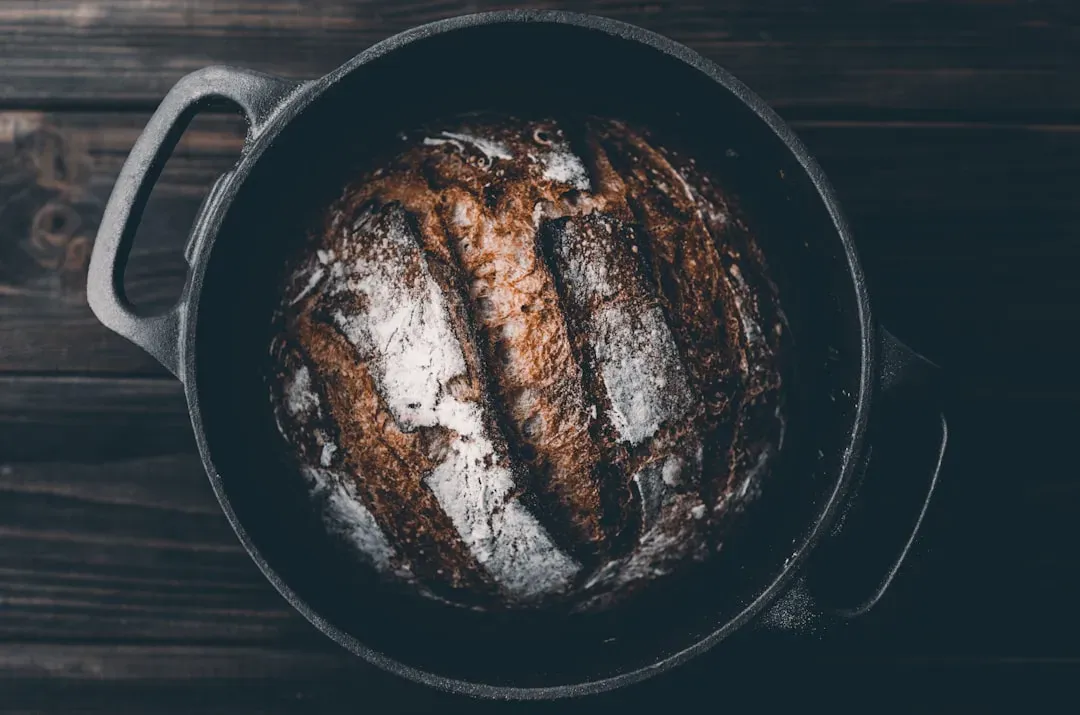
This is the recipe that convinced a lot of home cooks that bread making wasn’t some mysterious craft reserved for professionals. It relies on a long, slow rise, often left overnight, which does the work that kneading would normally handle. The dough is wet and shaggy, almost unappealing at first glance, but that hydration is exactly what gives the finished loaf its open crumb and crackly crust.
Baking it in a preheated Dutch oven traps steam and mimics the conditions of a professional bread oven. Because there’s no kneading involved, this is often the very first recipe recommended to anyone nervous about starting from scratch.
Basic white sandwich loaf
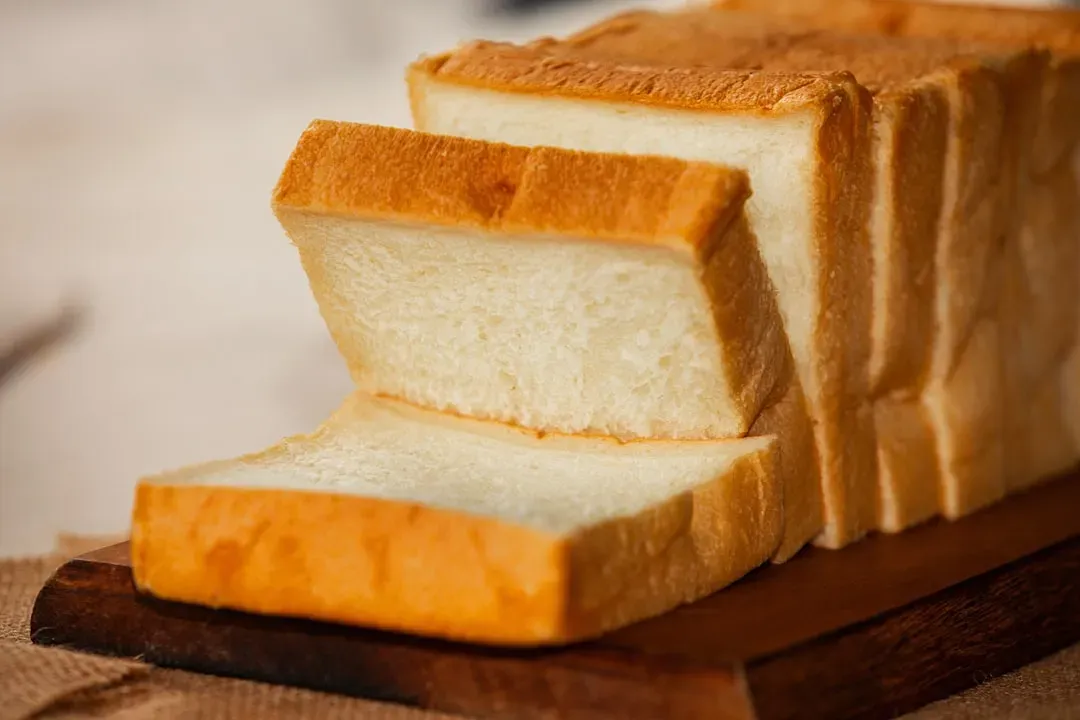
A soft, sliceable sandwich bread is arguably the most useful loaf a beginner can master. It uses simple pantry staples and a straightforward process of mixing, kneading, two rises, and baking in a standard loaf pan. The kneading step here is gentle enough to do by hand in under ten minutes, which makes it a good way to actually feel how dough changes texture as gluten develops.
Once you’ve got this one down, you have a reliable base for toast, sandwiches, and general everyday eating. It also freezes well, so a single baking session can cover a household for several days.
Honey oat bread
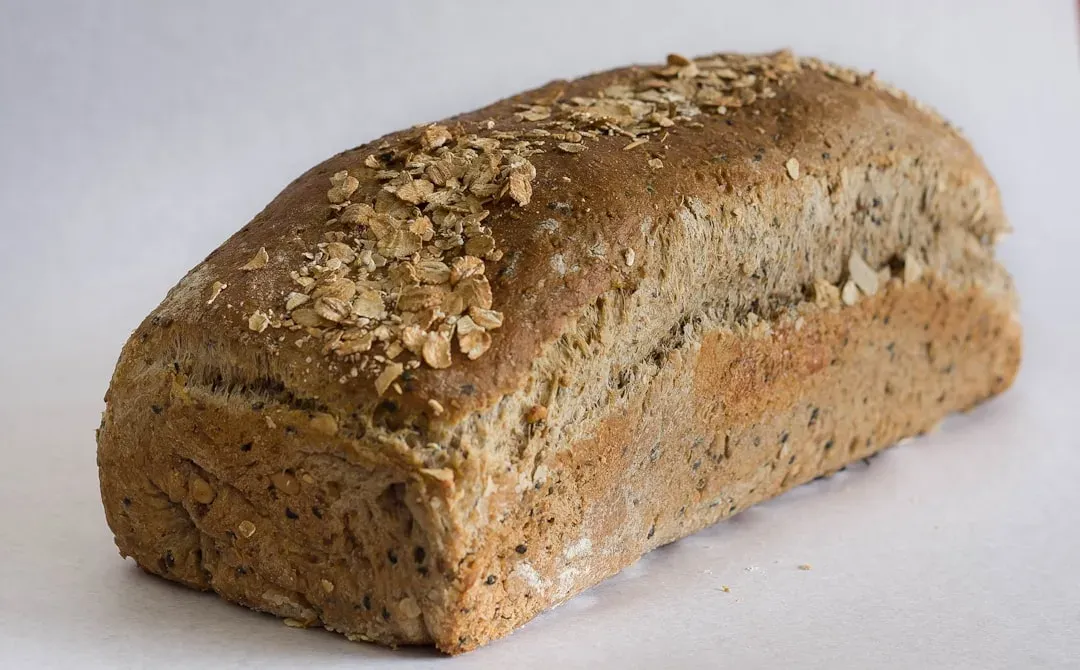
Adding rolled oats and a touch of honey to a basic dough gives a chance to experiment without straying far from familiar territory. The oats add a subtle chew and a slightly nutty flavor, while the honey rounds out the taste and helps the crust brown nicely. It’s still a straightforward yeasted dough, so the technique doesn’t change much from a standard white loaf.
This recipe is a gentle way to learn how mix ins affect dough handling, since the oats absorb some moisture and can make the dough feel a touch different in your hands. It’s a good stepping stone before moving into more heavily modified recipes.
Quick beer bread
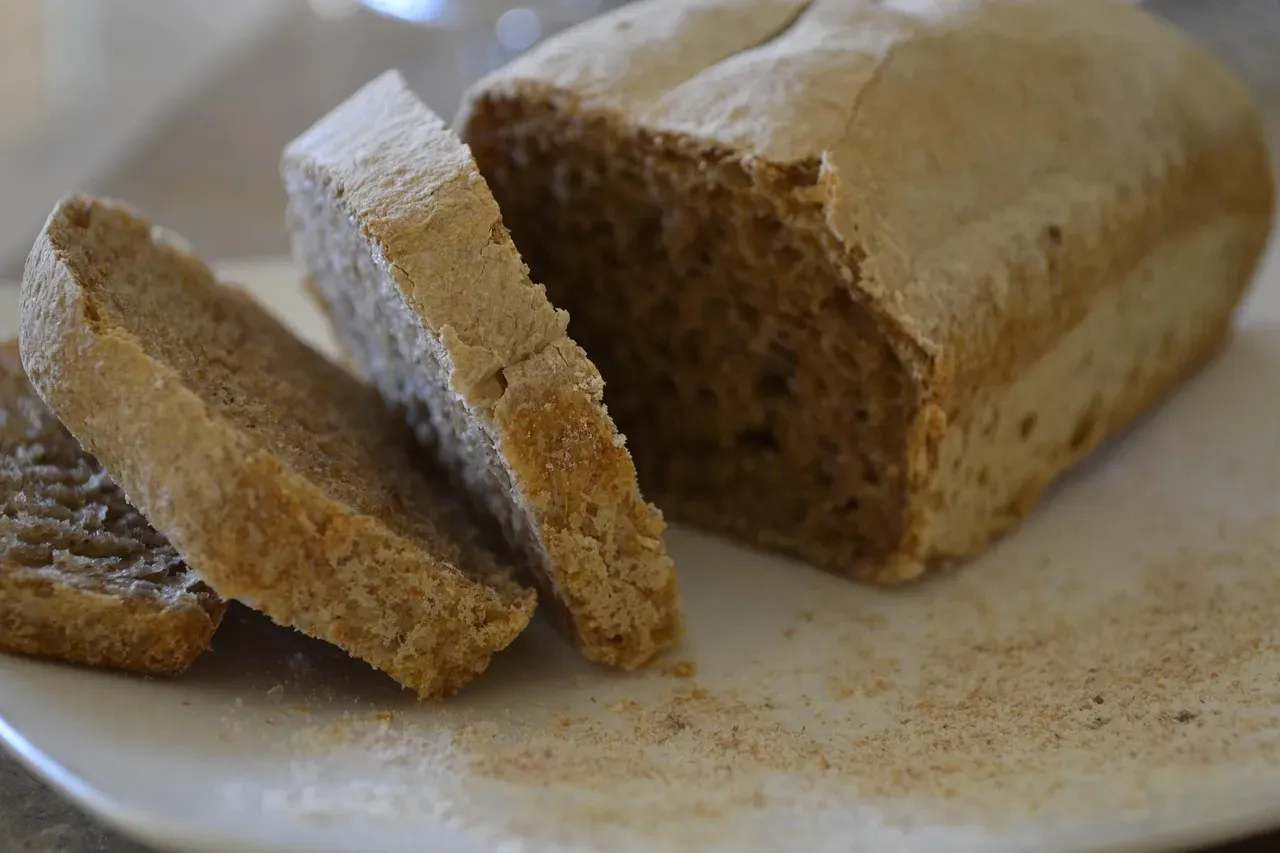
For anyone who wants bread without dealing with yeast at all, beer bread is worth trying first. The carbonation and yeast naturally present in beer provide enough lift, combined with baking powder, to create a dense but satisfying loaf. There’s no proofing time required, which means you can go from mixing bowl to oven in a matter of minutes.
It won’t have the same airy structure as a traditional yeasted bread, but the flavor is hearty and the process is nearly foolproof. This is often the recipe people turn to when they want fresh bread on a weeknight without planning ahead.
Classic banana bread
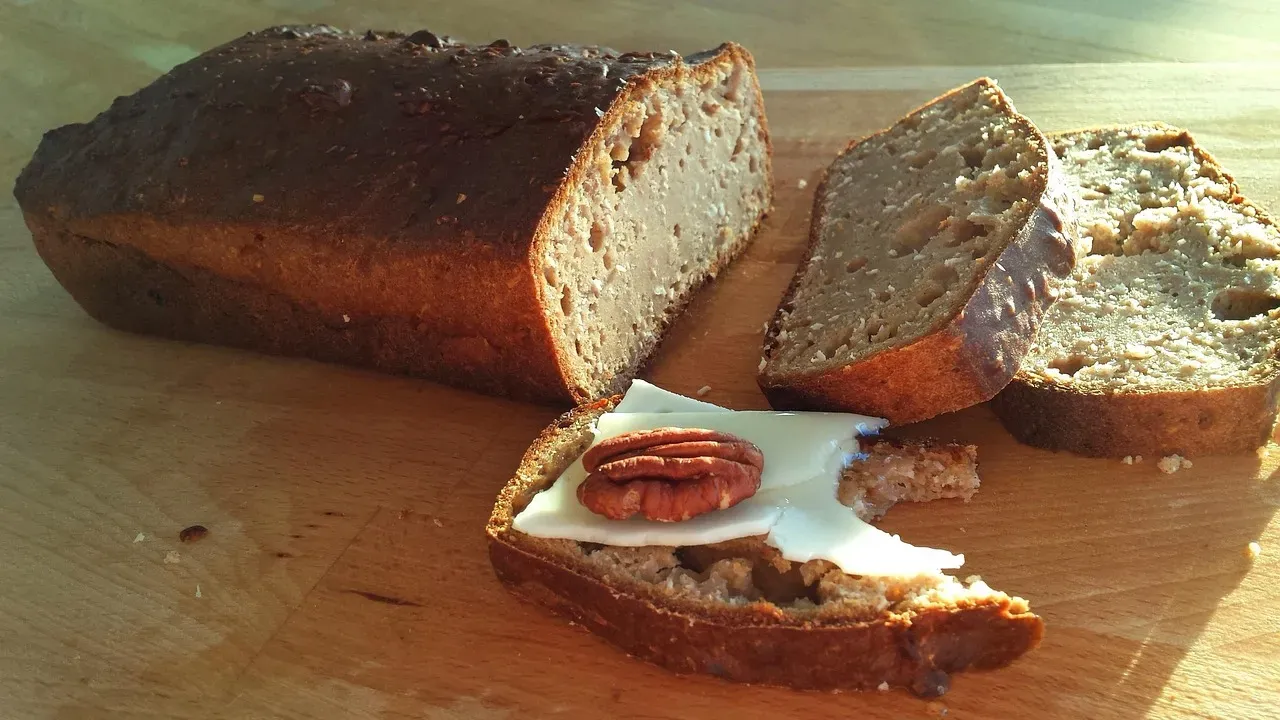
Technically a quick bread rather than a yeasted one, banana bread deserves a spot on any beginner list because it teaches basic mixing techniques without the anxiety of proofing dough. Overripe bananas, a bit of sugar, eggs, and flour come together in one bowl, and baking soda handles the leavening instead of yeast. It’s nearly impossible to mess up, and it’s a good way to build confidence with measuring and oven timing.
Many find quick breads like this a comfortable entry point before tackling yeasted dough, since the stakes feel lower and the process is faster. It also uses up bananas that might otherwise go to waste, which is a nice bit of practicality built into the recipe.
Simple focaccia
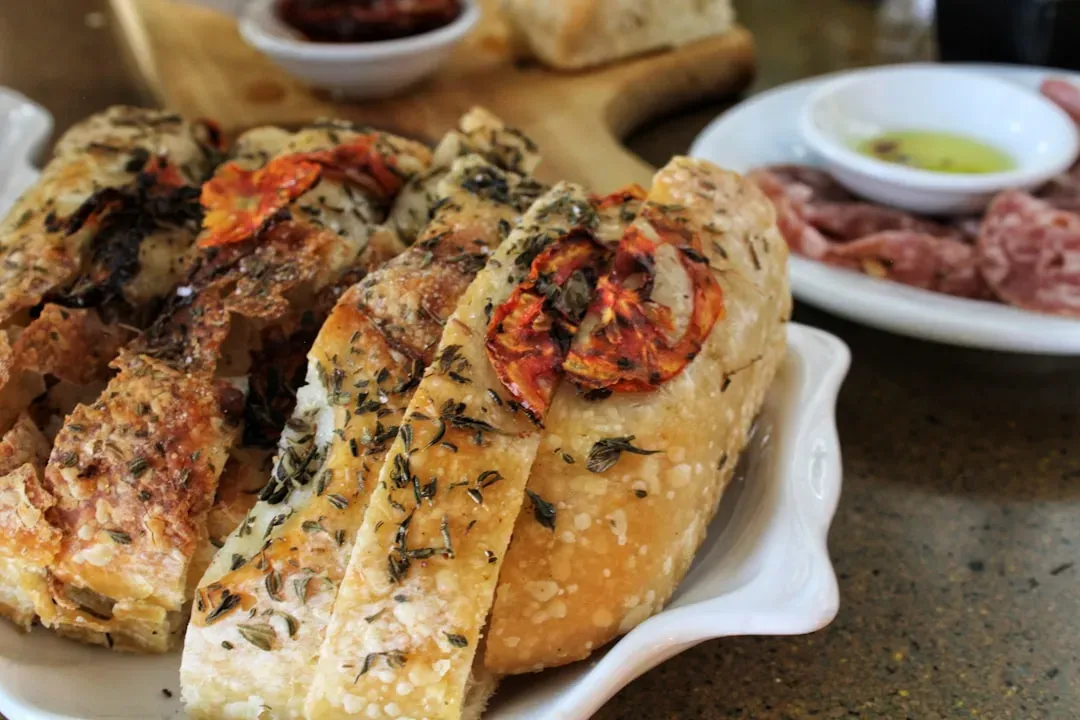
Focaccia has a reputation for being forgiving, largely because its rustic, dimpled surface hides small inconsistencies that would show up on a smoother loaf. The dough is wet, similar to no knead bread, and it’s pressed rather than shaped, which removes a lot of the technique concerns worry about. A generous amount of olive oil, both in the dough and brushed on top, gives it a distinctive flavor and helps create a golden, slightly crisp crust.
Toppings like rosemary, flaky salt, or halved cherry tomatoes are easy to add and make the bread feel more impressive than the effort actually required. It’s a great recipe for building confidence, since even a slightly uneven bake still tastes good and looks intentional.
Whole wheat sandwich bread
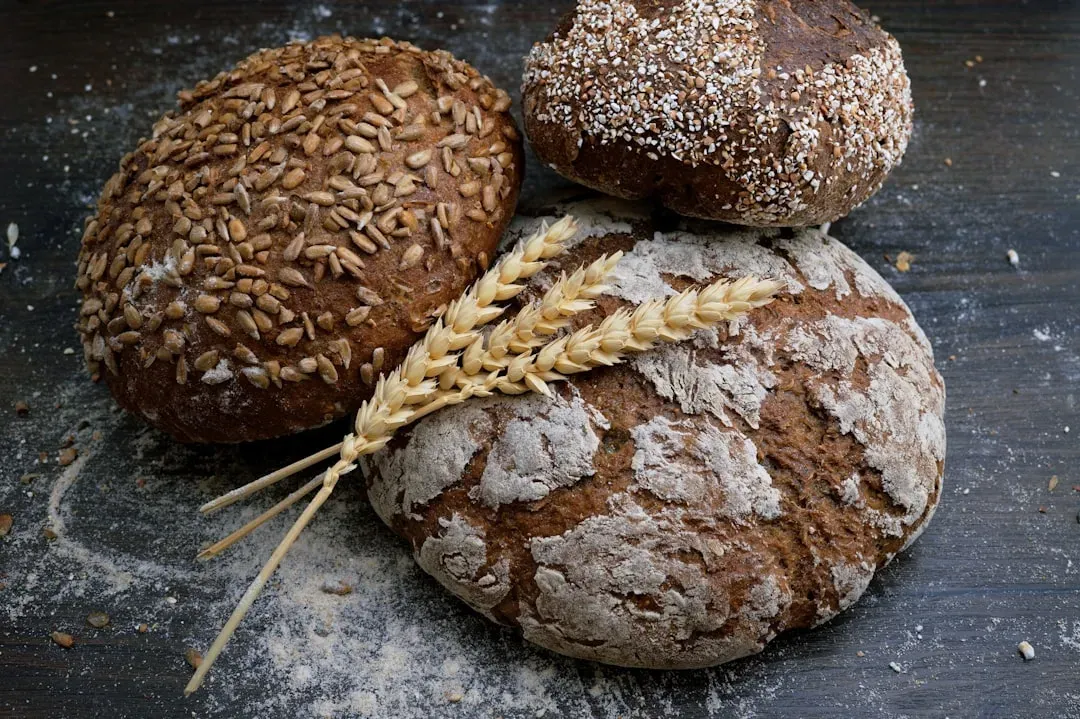
Once the basic white loaf feels comfortable, whole wheat bread is a natural next step. The process is nearly identical, though whole wheat flour absorbs more liquid and can produce a denser crumb if the ratios aren’t adjusted slightly. Many beginner recipes call for a mix of whole wheat and all purpose flour to ease into the denser texture without sacrificing too much rise.
This loaf is a good introduction to how different flours behave, since whole wheat has more bran and germ that interfere with gluten formation compared to refined white flour. Learning to work with it opens the door to a wider range of heartier, more nutrient dense breads down the line.
Getting comfortable in the kitchen
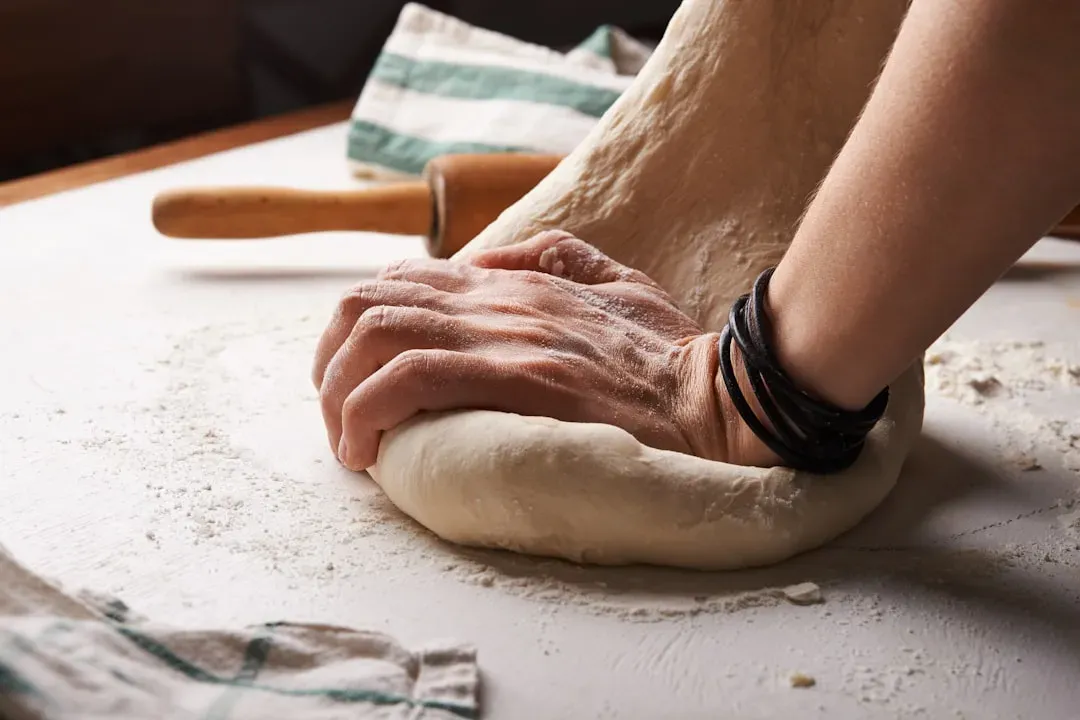
Bread baking rewards repetition more than it rewards perfection on the first try. Every loaf, even a slightly dense or unevenly baked one, still teaches something about how dough behaves, how yeast responds to temperature, and how your particular oven runs. Starting with forgiving recipes like these takes away a lot of the pressure and lets the process feel like what it’s meant to be, a simple, satisfying kitchen ritual rather than a test to pass.