Easy Self-Care Ideas for Pet Owners and Their Fur Babies
Start the day with a shared morning ritual
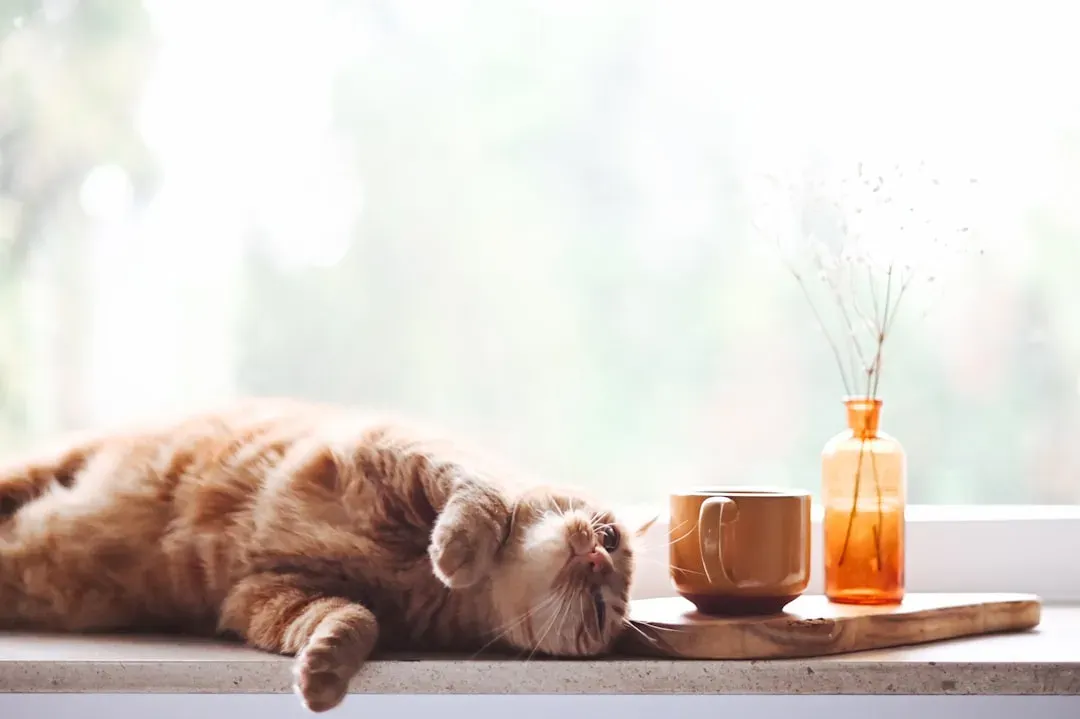
Mornings set the tone for everything that follows, and pets tend to be early risers whether their owners like it or not. Instead of treating that early wake up as an inconvenience, it can become a small anchor point in the day. A quiet few minutes with coffee while a dog stretches nearby or a cat settles into a lap costs nothing and asks for no planning.
This kind of low effort routine gives both species a sense of predictability. Pets thrive on consistency, and so do humans, even if they rarely admit it.
Turn walks into a form of moving meditation
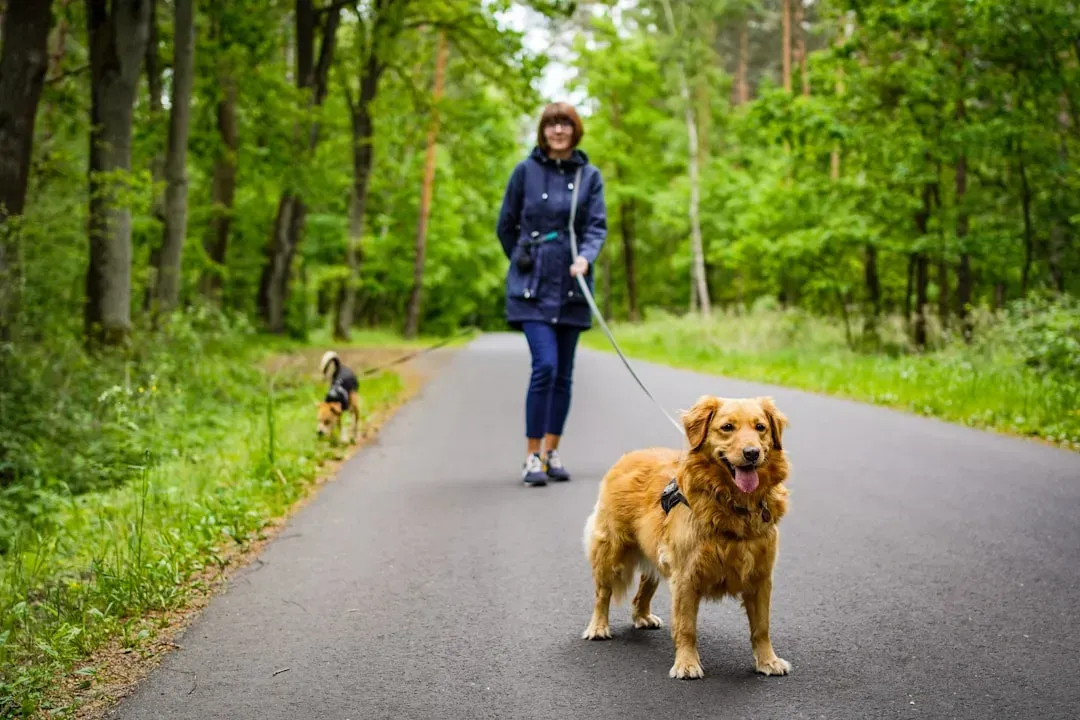
Dog walks are often framed purely as exercise for the animal, but they double as one of the simplest self-care tools available to the owner. Stepping outside, feeling the air change with the seasons, and letting the mind wander without a screen in hand is a modest but real reset.
There is no need to turn every walk into a workout. Some days a slow loop around the block with no particular destination is enough to shake off mental clutter.
Practice mindful grooming sessions
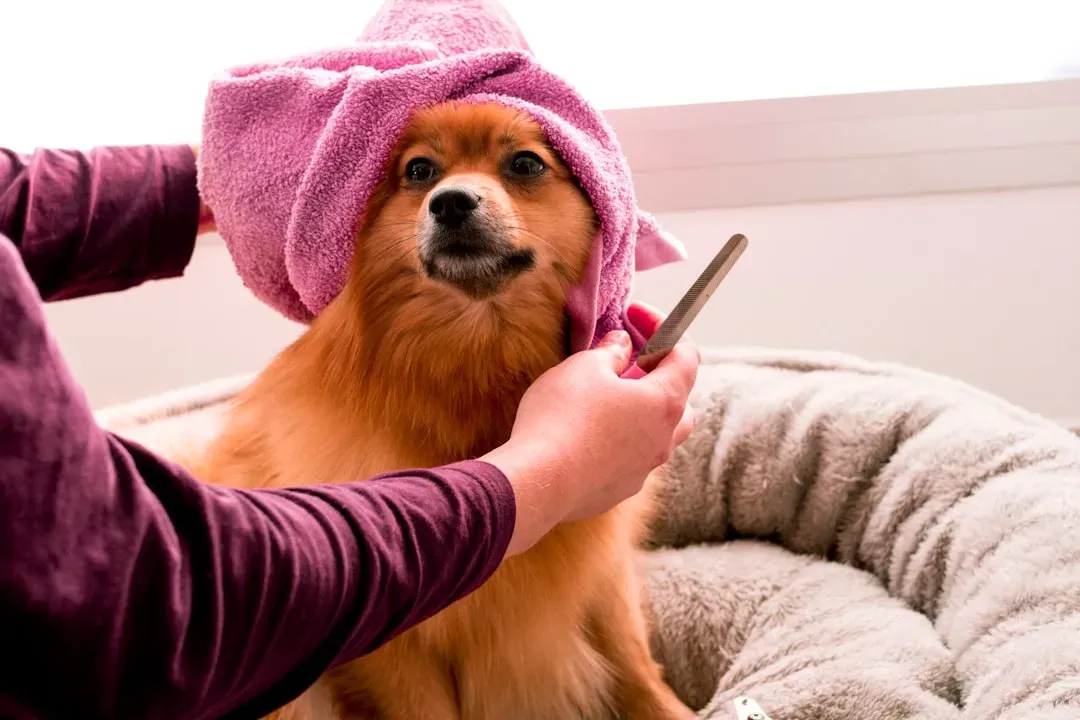
Brushing a cat’s coat or wiping down a dog’s paws after a walk is often rushed through as a chore. Slowing that process down, paying attention to texture, sound, and the animal’s reactions, can shift it into something closer to a calming ritual.
Grooming also gives owners a regular, hands on chance to notice changes in skin, coat, or weight early. That small habit protects the pet’s health while giving the person a few unhurried minutes away from notifications and to do lists.
Set boundaries around pet related stress
Loving an animal does not mean every scratched couch or vet bill needs to trigger panic. Building a mental boundary, treating setbacks as normal parts of pet ownership rather than personal failures, protects emotional energy over the long run.
This is not about caring less. It is about recognizing that frustration in the moment is natural, but it does not need to define the whole relationship with a pet.
Build a simple support network

Pet ownership can feel isolating, especially during illness, aging, or loss of an animal companion. Connecting with other owners, whether through a local dog park, an online community, or a neighbor with a cat, gives people a place to share both the joys and the harder moments.
Talking through a difficult diagnosis or an unexpected behavior issue with someone who understands the emotional weight can ease a burden that otherwise sits quietly in the background.
Schedule rest that includes the pet
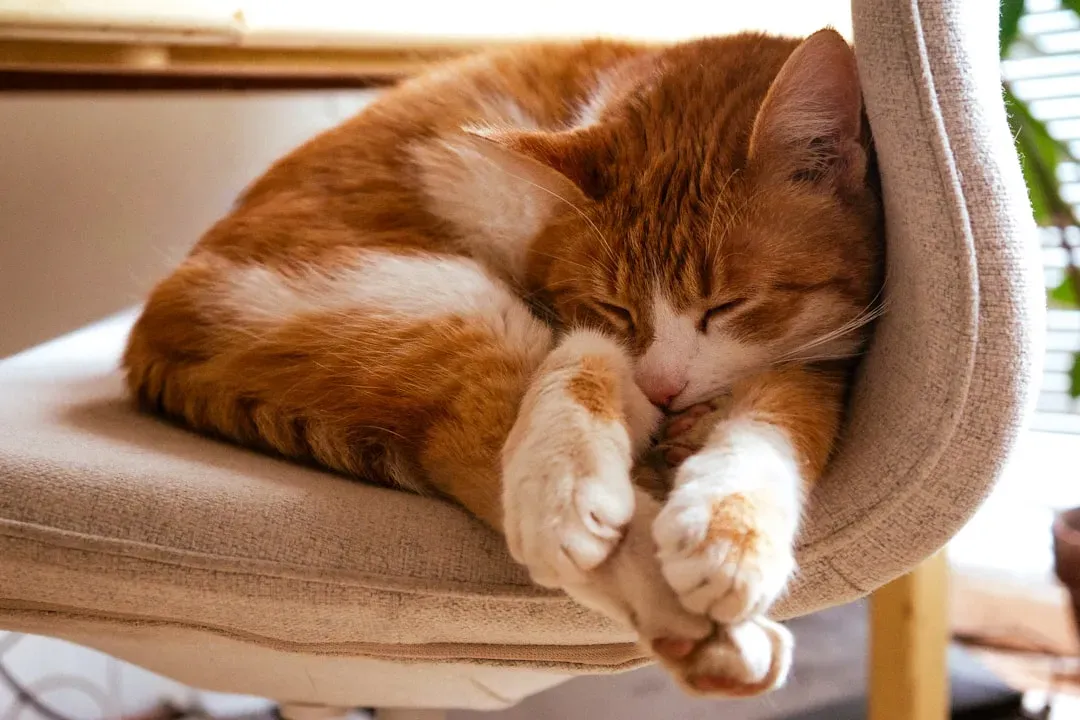
Rest does not always mean stepping away from the animal entirely. A slow afternoon on the couch with a cat curled up, or a quiet evening with a dog resting nearby, still counts as restorative time.
Owners sometimes feel guilty relaxing instead of actively engaging with their pet, but animals often prefer calm companionship over constant stimulation. Shared stillness benefits both sides.
Keep pet care organized to reduce mental load
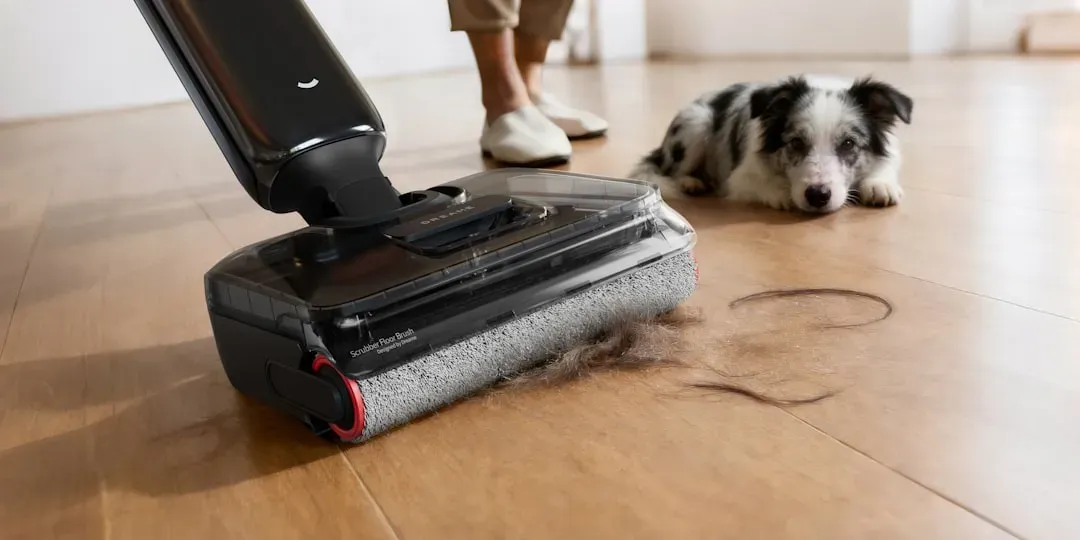
A surprising amount of pet related stress comes from disorganization rather than the animal itself. Misplaced vaccination records, forgotten medication schedules, or last minute scrambles for pet sitters add unnecessary pressure.
Simple systems, a shared calendar, a labeled folder, a recurring reminder, free up mental space that would otherwise go toward worry. That freed up capacity can then go toward actual rest.
Make time for solo hobbies again

New or especially dependent pets can quietly crowd out personal hobbies. Reclaiming even small windows of time for reading, exercise, or creative projects helps prevent identity from narrowing entirely around caregiving.
This balance tends to benefit the pet as well. Owners who maintain their own interests often return to pet care with more patience and less resentment.
Recognize signs of caregiver fatigue

Caring for an aging or chronically ill pet can resemble the emotional weight of caring for a family member. Fatigue, irritability, or a sense of dread around routine tasks are worth acknowledging rather than pushing through silently.
Naming that exhaustion, even privately, is often the first step toward addressing it. Support from a veterinarian, a trusted friend, or a professional counselor is a reasonable response, not an overreaction.
Allow space for grief without guilt
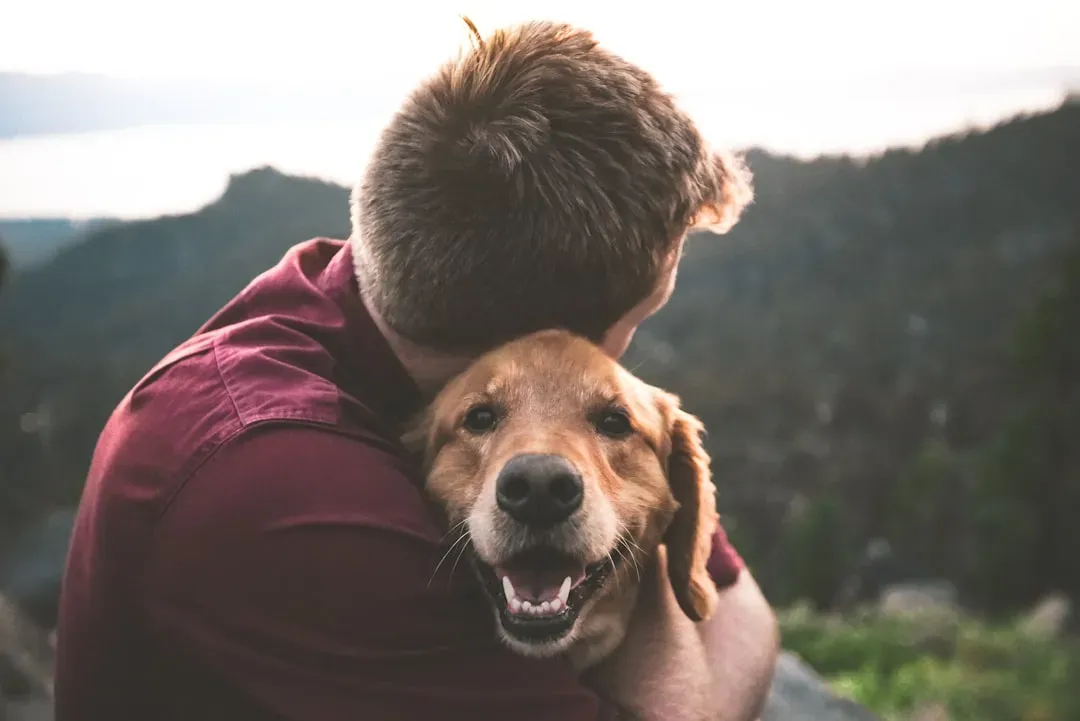
Pet loss remains one of the most under acknowledged forms of grief. Society often treats it as smaller or less valid than human loss, which can leave owners feeling isolated in their sorrow.
Giving that grief real space, through memory keeping, talking openly about it, or simply allowing tears without apology, is itself a form of self-care. There is no fixed timeline for healing from the loss of a companion who shaped daily life for years.
Final thoughts
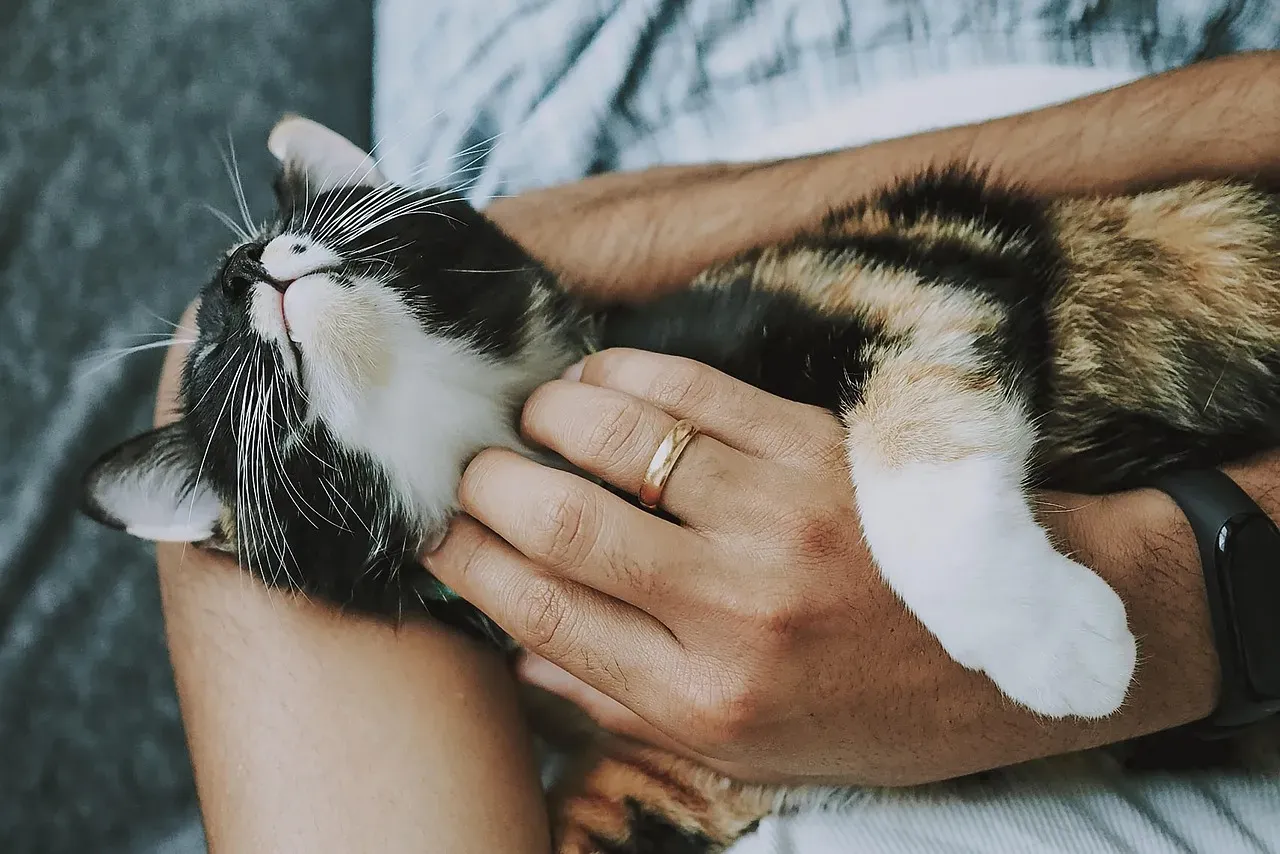
None of these ideas require a dramatic lifestyle overhaul or a significant budget. Most of them simply ask owners to notice what is already happening, a walk, a grooming session, a quiet evening, and treat it as worthwhile rather than incidental.
Caring well for a pet and caring well for oneself are rarely separate tasks. More often, they turn out to be the same habit, viewed from two different angles.