11 Common Self-Care Habits People Often Overlook in Daily Routines
Most people think of self-care as bubble baths, spa days, or that one yoga class they keep meaning to get back to. Honestly, that picture is wildly incomplete. Self-care means taking the time to do things that help you live well and improve both your physical health and mental health, and it can help you manage stress, lower your risk of illness, and increase your energy. That sounds simple enough, yet so many of us consistently skip the habits that matter most.
Adults in the US only feel truly relaxed for about 40 minutes per day, with nearly half claiming they get even less than that. Let that sink in for a second. Forty minutes. In a world packed with productivity culture and endless notifications, the most powerful self-care moves are often the quietest ones. Be surprised by what you’ve probably been skipping every single day.
1. Drinking Enough Water Throughout the Day

Here’s the thing – most people are walking around mildly dehydrated and don’t even realize it. Eating healthy, regular meals and staying hydrated matters deeply, because a balanced diet and plenty of water can improve your energy and focus throughout the day. It sounds almost too basic to count as self-care. That’s exactly why it gets ignored.
The significance of hydration is often unrecognized and is not treated as a priority. Research has even explored the link between fluid intake and sleep, finding that fluid intake was positively associated with REM sleep length, sleep duration, and sleep efficiency, and these findings highlight the potential benefits of adequate fluid intake for optimizing REM sleep, which is vital for cognitive and overall brain health. Something as easy as keeping a water bottle visible could genuinely change your days.
2. Getting Morning Sunlight Exposure

Stepping outside first thing in the morning might feel like a trivial thing to do. It is anything but trivial. Research has shown that light exposure during the day, particularly in the morning, is linked to improved sleep outcomes, including better sleep quality, faster sleep onset, and longer sleep duration. That one simple habit ripples all the way into how well you sleep at night.
Studies suggest a direct link between sunlight exposure and serotonin production, and at the most basic level, exposure to sunlight triggers the synthesis of serotonin by increasing the availability of tryptophan, the amino acid precursor required for serotonin synthesis – a process thought to contribute to the mood-enhancing effects of sunlight, potentially explaining why people often experience improved mood during sunny days. Think of morning sunlight as a free, natural mood supplement that most people walk right past.
3. Setting and Keeping Personal Boundaries

Saying no is one of the most underrated self-care acts in existence. I know it sounds almost too simple, but the inability to set firm limits quietly drains energy every single day. Practicing saying “no” to activities that don’t align with your mental health needs is an evidence-based strategy, and research shows that people who set appropriate boundaries experience lower stress levels and better overall well-being.
Strong self-care habits ensure you meet your own emotional needs first, which allows you to show up more fully in your relationships – and when your cup is full, you communicate better, set healthier limits, and foster deeper connections with others. Boundaries are not walls. They’re just honest lines that protect your energy and, honestly, everyone around you benefits when you draw them.
4. Taking Short Breaks During the Workday

Most people power through hours of back-to-back tasks thinking that’s what productivity looks like. It isn’t. Research from Microsoft revealed that taking short breaks between back-to-back meetings is a simple way to prevent stress from building up throughout your workday, and allowing five minutes to make a drink, get a change of scenery, or even meditate allows our brain to reset and improves our ability to focus and engage.
Think of your brain like a browser with too many open tabs. Without a reset, everything slows down. Small actions, performed consistently, can have cumulative benefits over time, making recovery and mental wellness more sustainable, and small habits may seem minor on their own, but together they create a foundation for stronger mental health. A five-minute break mid-morning is not laziness. It is strategy.
5. Practicing Gratitude Journaling

Writing down what you’re grateful for feels almost embarrassingly simple. Yet the research behind it is remarkably strong. Gratitude journaling is a therapeutic exercise, offering a tangible record of the positive elements that often go unnoticed, and the act of expressing thanks transforms routine moments into sources of joy, contributing significantly to your mental well-being.
When you stick to small actions like journaling for five minutes daily, you start to believe you are a person who takes time for self-reflection, and that identity shift is powerful and motivates you to keep going. It doesn’t need to be a beautiful leather-bound notebook and perfectly crafted prose. Three honest sentences before bed is enough to rewire your perspective over time.
6. Prioritizing Consistent, Quality Sleep
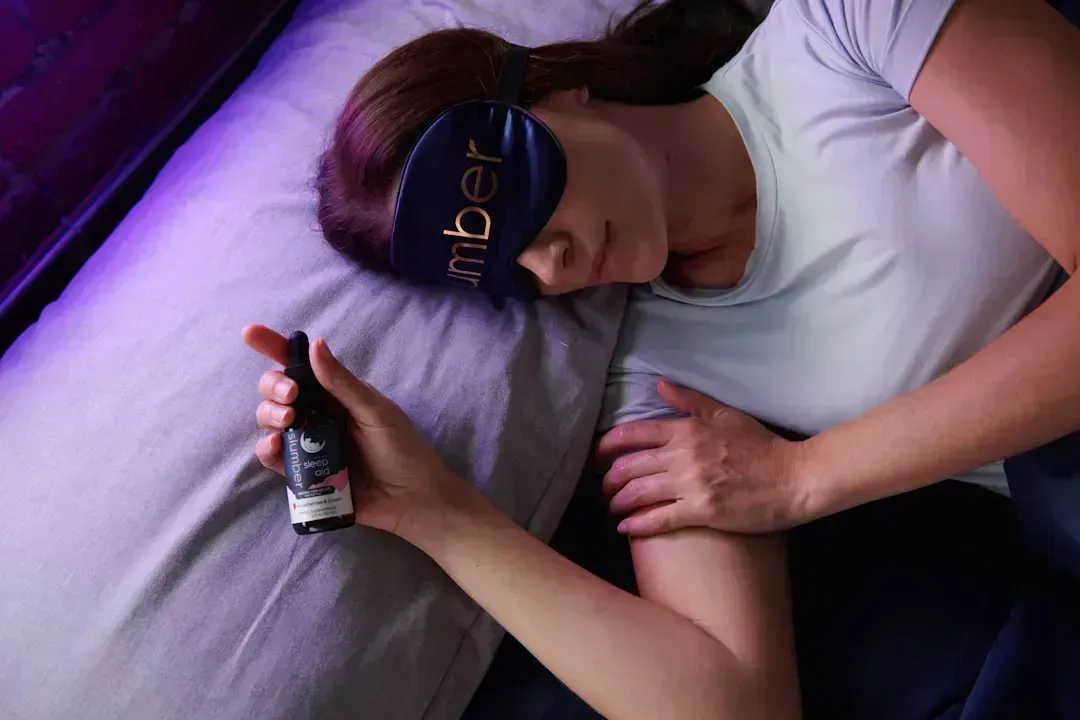
Everyone knows sleep matters. Very few people actually treat it like it matters. The average adult should be getting seven to nine hours of sleep a night, and if you’re not getting the right amount of sleep on a consistent basis, that can lead to sleep deprivation, which causes fatigue, increased depression and anxiety symptoms, sharpened pain sensitivity, and a harder time fighting off infections.
Cultivating a consistent sleep routine contributes not only to physical health but also profoundly influences mental resilience, and prioritizing rest by embracing a calming bedtime ritual, whether it’s reading a book, a skincare routine, or practicing relaxation techniques, matters because the rejuvenating benefits of quality sleep extend beyond mere physical restoration, impacting cognitive function and emotional stability. Sleep is not a passive state. It is when your brain does its most important maintenance work.
7. Spending Time in Nature or Outdoors

Most people treat outdoor time as a luxury, something saved for weekends or good weather. That’s a costly mistake. Outdoor activities like hiking or cycling, where the synergy of physical movement and natural surroundings becomes a balm for stress, are backed by research that links exposure to nature with heightened mental well-being, making these activities not just leisurely pursuits but vital components of good mental health.
Exercising releases endorphins and can enhance your mood, and taking your activity outdoors has many additional benefits, including a natural boost of vitamin D, reduced stress, and opportunities for social interaction. Even a short walk through a park during lunch is doing more for your nervous system than you might imagine. Nature is old medicine.
8. Engaging in Creative or Enjoyable Hobbies

This one gets buried under busyness faster than almost any other habit. When life accelerates, hobbies are usually the first thing cut from the schedule. Spending time engaging in your favorite hobbies is an excellent practice for emotional health, and these pursuits are not merely leisure activities – they are portals to self-expression and fulfillment, and whether you’re painting, writing, or immersing yourself in music, these creative endeavors provide a sanctuary for your thoughts and emotions.
Studies have found that self-care practices led to a confidence boost for roughly two thirds of people, increased productivity for a similar proportion, and an increase in happiness for nearly three quarters of participants. Creative hobbies aren’t self-indulgent extras. They are emotional maintenance. Think of them less like luxuries and more like oil changes for your inner life.
9. Mindful Eating Instead of Distracted Eating

Let’s be real – most people eat lunch while scrolling, watching something, or answering emails. It’s practically a cultural norm. Embracing the habit of mindful eating by savoring each bite fosters a deeper connection with your body’s nutritional needs, and recognizing the impact of hydration and nutrition on both physical and mental health is a journey of self-care that is both accessible and transformative.
Pairing a balanced diet rich in fruits, vegetables, and whole grains contributes not only to physical vitality but also to mental clarity. Slowing down during meals isn’t about being precious with your food. It is about letting your body actually register that it’s being fed, which directly affects digestion, satiety signals, and even your mood for hours afterward. It costs nothing and changes everything.
10. Limiting Screen Time and Setting Digital Boundaries
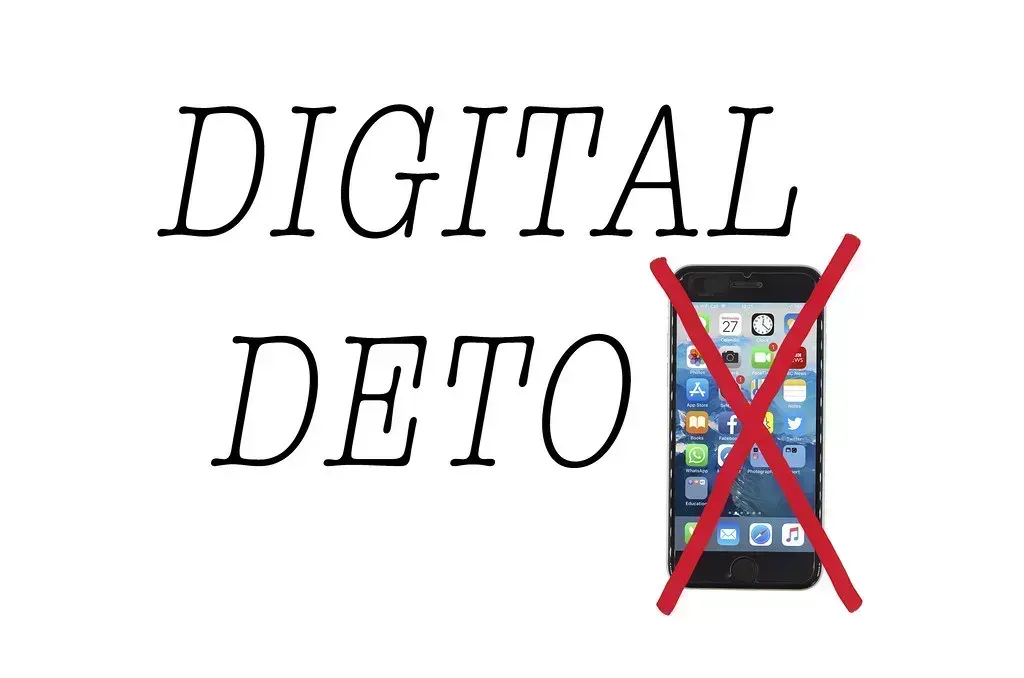
Screens are everywhere and avoiding them entirely isn’t realistic. Managing them, though, is both realistic and necessary. Embracing a digital detox by making clear social media boundaries is an essential stride towards comprehensive self-care and one of the simple ways to foster better self-esteem and self-compassion, and in a digitally immersive world, intentional breaks from screens safeguard mental well-being.
Setting clear boundaries for social media use and allocating specific time slots can minimize its impact on your life. It’s hard to say exactly how much is too much for any one person, but the pattern is consistent – the more reactive and unstructured screen time is, the worse people tend to feel. Scheduled phone-free windows, even short ones, give the mind genuine breathing room that accumulates into real mental clarity.
11. Nurturing Social Connections Intentionally

Spending time with people you care about might sound obvious, but intentional social connection is something a huge number of people let drift in busy seasons. Studies from 2024 have shown that in the US the most popular form of self-care is spending time with family and friends, chosen by well over half of people surveyed. The research keeps pointing in the same direction: social bonds are foundational to health.
These small but impactful routines help reduce stress, boost mood, prevent burnout, and improve overall quality of life, and when you prioritize self-care habits, you’re not only taking care of yourself but also becoming better equipped to care for others and handle life’s challenges with resilience and clarity. Connection is not a reward you earn after you’ve handled everything else. It is one of the things that helps you handle everything else in the first place.
Self-care doesn’t require an overhaul of your life, a new app, or a weekend retreat. Science shows that small, consistent habits can have a significant impact on mental health, helping reduce stress, improve mood, and increase resilience. The habits listed here are quiet, unglamorous, and almost stubbornly simple. That’s the point. The most powerful things usually are.
Which of these eleven habits have you been quietly skipping? You might be surprised how much changes when you finally stop treating them as optional. What do you think? Share your thoughts in the comments below.