12 Realistic Self-Care Habits for Busy Weeks
Most people picture self-care as a luxurious spa weekend, a long bath with candles, or a slow Sunday morning with nothing on the calendar. Honestly, that version sounds incredible – but for the majority of us juggling jobs, families, and endless to-do lists, it’s basically a fantasy. The real question isn’t whether you deserve self-care. You do. The question is what self-care actually looks like when life gets loud and relentless.
Self-care doesn’t have to mean elaborate spa days or expensive vacations. It’s really about incorporating small, sustainable habits into your daily routine. That’s the shift in thinking that changes everything. So if you’ve been putting off taking care of yourself because you’re “too busy,” these 12 habits were made for exactly that kind of week. Let’s dive in.
1. Protect at Least 10 Minutes of Morning Quiet
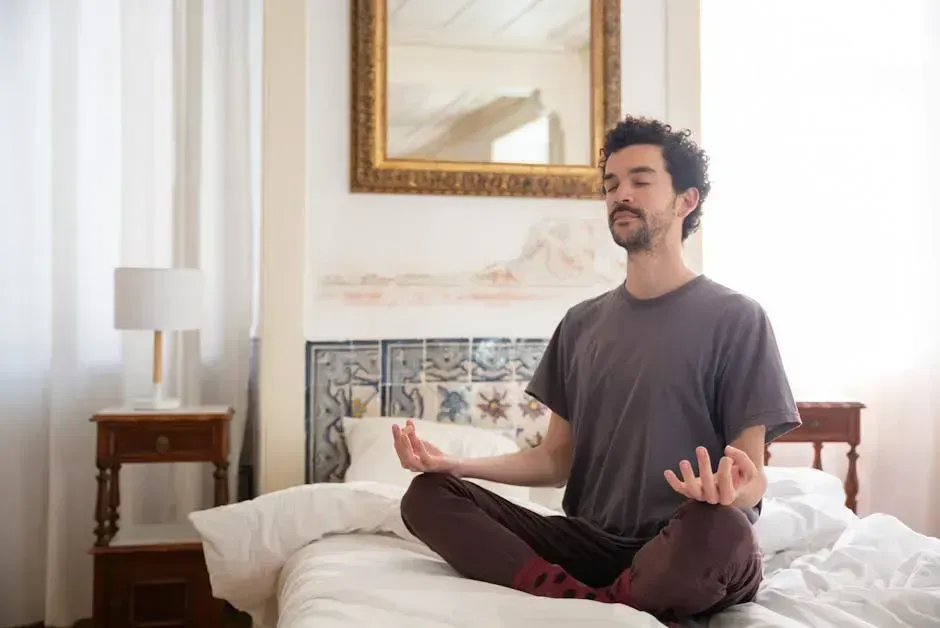
How you start your day can set the tone for everything that follows. Establishing a mindful morning routine is one of the best ways to create balance and focus. You don’t need an elaborate ritual here. Just ten minutes before the noise starts – before the phone, the emails, the kids – can completely change how grounded you feel walking into a busy day.
Think of it like warming up a car engine in the cold. Skip it and the whole machine sputters. Even a few minutes of mindfulness daily can reduce stress and improve focus. That alone is reason enough to set the alarm just a tiny bit earlier.
2. Move Your Body in Small, Frequent Bursts

Just 30 minutes of walking every day can boost your mood and improve your health. Small amounts of exercise add up, so don’t be discouraged if you can’t do 30 minutes at one time. This is genuinely good news for busy people. You don’t need to block out a gym session. Three 10-minute walks spread across your day count just as much.
A five-minute walk or a quick stretch can reset your focus and prevent mental fatigue. Think of movement less as exercise and more as a mental reset button. Fitness enthusiasts are increasingly shifting from high-maintenance regimens to simple, sustainable activities like yoga, running, or bodyweight exercises at home. The trend is moving toward less friction, not more.
3. Stay Hydrated (Yes, It Really Counts as Self-Care)

Eating healthy, regular meals and staying hydrated are foundational self-care habits. A balanced diet and plenty of water can improve your energy and focus throughout the day. It sounds almost too simple to mention, but here’s the thing – most people walking around in a mid-afternoon slump aren’t tired. They’re dehydrated.
Carrying a water bottle and aiming for steady hydration throughout the day is one of those changes that costs nothing and delivers more than people expect. It’s the kind of habit that takes 30 seconds to set up in the morning but pays dividends all day long.
4. Build in Intentional Micro-Breaks at Work

Micro self-care is exactly what it sounds like – small habits that take minutes, not hours, but still have a noticeable impact. One of the most practical ways to apply this during the workday is through deliberate, short pauses. We’re not talking about scrolling social media. We’re talking about actually stepping away from the screen for a moment.
The Pomodoro Technique – working in focused intervals followed by short breaks – can help you manage your workload without feeling overwhelmed. A five-minute walk or a quick stretch can reset your focus and prevent mental fatigue. I think this is one of the most underrated habits on this entire list. It sounds almost too structured, but it works beautifully.
5. Set One Clear Boundary Per Day

Self-care looks different for everyone, but one common theme is setting boundaries to protect your time and energy. This doesn’t have to be dramatic. It could be as small as not answering work messages after 7pm, or saying no to one optional commitment this week. Boundaries are not walls – they’re guardrails.
Burnout affects your energy, motivation, and mental clarity. Regular self-care habits such as taking breaks and setting boundaries can significantly reduce the risk of burnout, especially for working professionals. One boundary per day. That’s all. Think of it like compound interest – small deposits that grow into something significant over time.
6. Prioritize Sleep Like It’s a Non-Negotiable

The average adult should be getting 7 to 9 hours of sleep a night. If you’re not getting the right amount of sleep on a consistent basis, that can lead to sleep deprivation. When you’re sleep deprived, you’ll feel fatigued, experience increased depression and anxiety symptoms, and your body’s immune system will have a harder time fighting off infections.
Here’s a sobering thought: skimping on sleep to be more “productive” is a bit like draining your phone battery to 5% every day and wondering why it keeps dying. Self-care can play a role in maintaining your mental health. Self-care means taking the time to do things that help you live well and improve both your physical health and mental health – and this can help you manage stress, lower your risk of illness, and increase your energy. Sleep is the original self-care habit.
7. Eat at Least One Proper, Undistracted Meal

Most busy people eat lunch hunched over a keyboard, half reading emails and half chewing. It’s technically eating, but it doesn’t feel like a break, and your brain doesn’t fully register it as one either. Preparing meals in advance to ensure a variety of nutrients and avoid impulse eating is one practical strategy, but even simpler is this: eat one meal today without your phone.
Instead of seeing wellness as different from work, integrate healthy habits into your daily routine. Changes like taking regular breaks and reducing stress go a long way. A proper lunch break is not laziness. It’s fuel management. Your brain needs both the nutrition and the genuine pause to keep performing.
8. Declutter One Small Space
This one might surprise you on a self-care list, but the science backs it up. Research has found that decluttering can be a stress reliever, it improves your self-esteem, increases your productivity, and boosts your energy levels. Your physical environment directly affects your mental state, whether you notice it or not.
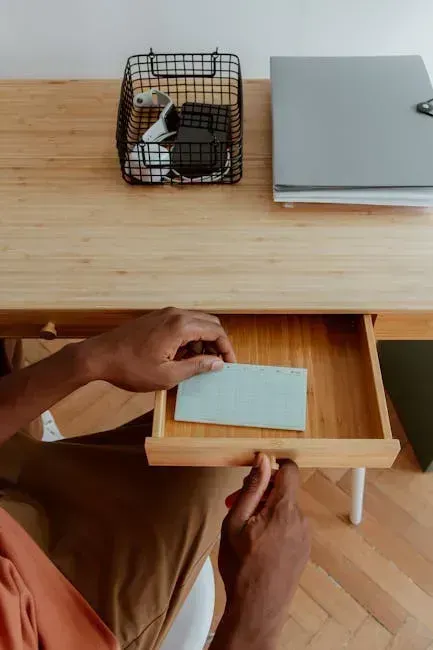
You don’t have to completely clean out your home in one day. You can do it piece by piece – start with a single drawer or cabinet and work your way out from there. Think of a cluttered desk as background noise your brain is constantly trying to filter out. Clearing it, even just a small corner, creates quiet in your head too.
9. Connect With Someone You Actually Like

Evidence suggests that isolation and loneliness can take a toll on mental health and even affect your physical well-being. Social self-care, which involves fostering a sense of belonging with others, can help shield you from the negative consequences of isolation. This doesn’t require scheduling a big dinner. A genuine 10-minute conversation with a friend counts.
Studies from 2024 have shown that in the US the most popular form of self-care is spending time with family and friends, with about more than half of respondents selecting this option. That’s not coincidence. Human connection is deeply restorative, and during a brutal week, a quick phone call with someone who makes you laugh can do more good than almost anything else on this list.
10. Journal for Five Minutes Before Bed

Reflection enhances motivation and prevents feelings of stagnation. Journaling or weekly review sessions can help maintain perspective, reinforce positive habits, and support better stress management. Celebrating your progress also encourages a healthier mindset, contributing to long-term and overall well-being.
It doesn’t need to be deep or poetic. Even just writing down three things that happened today, one thing you’re grateful for, and one thing you’re releasing gives your brain a sense of closure before sleep. Think of it as a conversation with yourself that you keep putting off. Five minutes before bed is the perfect time to finally have it.
11. Practice Self-Compassion When Things Go Sideways

Self-care isn’t just about what you do – it’s about how you treat yourself. It’s okay to have tough days. Accept your emotions without judgment. Focus on progress, not perfection: celebrate small wins and remind yourself that growth takes time. This is probably the hardest habit on this list, because most high-achieving, busy people are brutally tough on themselves.
By practicing self-compassion, individuals can gradually cultivate a non-judgmental acceptance of the present moment and approach painful experiences with kindness toward themselves. Honestly, some weeks you won’t hit all twelve habits on this list. That’s completely fine. The goal isn’t perfection. The goal is showing up for yourself more often than you don’t.
12. Simplify One Routine That’s Draining You

Psychologists point out that streamlined habits can have a positive effect on mental health, reducing decision fatigue and increasing consistency. Instead of overwhelming ourselves with complex routines, people are learning that small, intentional actions can have lasting benefits. Look at your week and ask honestly: what am I doing out of habit or guilt that’s actually costing me more energy than it gives?
A practice that trims away stress instead of adding to it is more likely to become a long-term habit. Self-care in the future will not be about doing more – it will be about doing less, better. Whether it’s embracing efficient solutions, cutting down on unnecessary routines, or finding joy in the small practices that bring balance, the emphasis will be on sustainability and authenticity.
The thread running through all twelve of these habits is the same: they are small, they are do-able, and they stack up into something that genuinely changes how you feel. A study found that people who engaged in self-care saw a boost in self-confidence, increased productivity, and an increase in happiness. That’s a powerful return on what amounts to a few minutes of intention each day.
The beneficial effects of self-care include improved well-being and lower morbidity, mortality, and healthcare costs. You don’t have to overhaul your life. You just have to start. Pick one habit from this list, the one that feels most achievable this week, and actually do it. Which one will you choose first?