How Large Suburban Homes Are Being Used Differently Across the U.S.
Something quietly profound has been happening in American suburbs over the last few years. Those sprawling four-bedroom houses with the two-car garages and the big backyards – the ones that were supposed to be about raising a family and mowing the lawn on Saturdays – are being reimagined from the inside out. The classic suburban dream still exists, sure. But what people are actually doing with all that square footage? That’s a very different story now.
From home offices carved out of spare bedrooms to backyard cottages housing aging parents, large suburban homes across the country are quietly becoming something more flexible, more layered, and honestly more interesting than anyone predicted. Let’s dive into what’s really going on.
The Home Office Revolution Has Permanently Claimed a Room
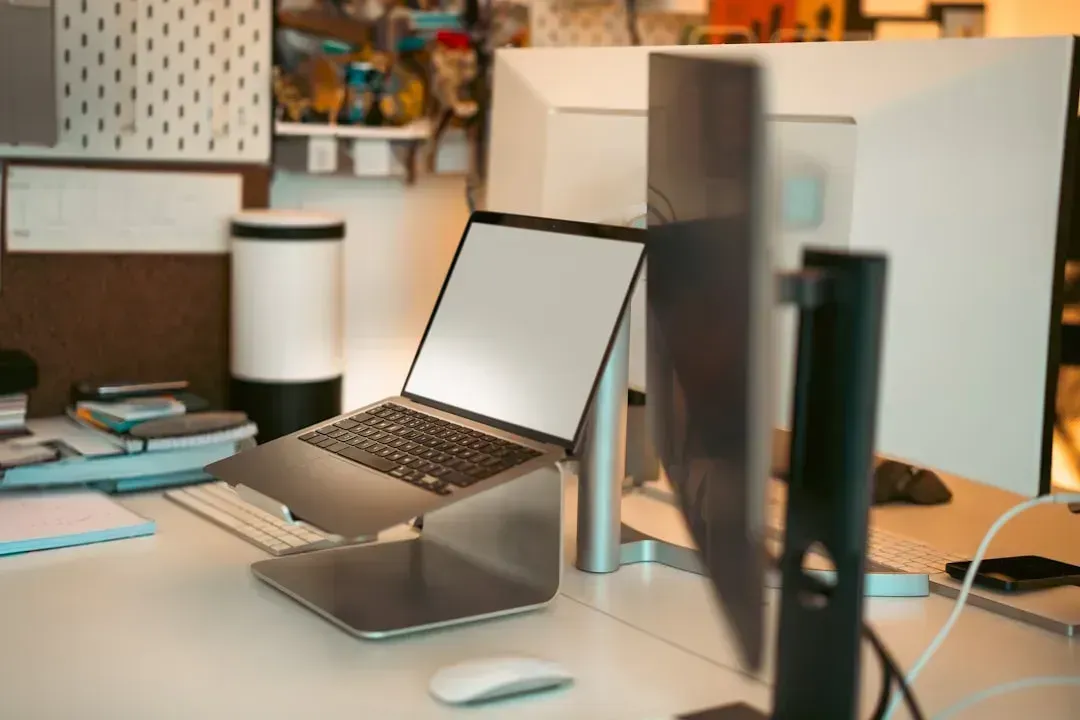
People across the country have transitioned to working from home part or full time, and this trend has resulted in the need for a workspace in the home, separate from living spaces. Since many suburban homes have multiple bedrooms, it has become very practical for one or more spare bedrooms to be converted into an office. Think about what that actually means for a typical four-bedroom suburban house. Suddenly one of those rooms is no longer a guest room or a storage dump. It has a proper desk, good lighting, maybe even soundproofing.
According to a 2024 Houzz survey, roughly three in five homeowners renovated or added a home office in the last two years, with the average budget for workspace renovation hitting around $12,000. Showing Time Plus listed “home office or flex space” among its top home-buyer wish-list features nationwide for 2024. That is not a passing fad. That is a permanent cultural shift showing up in renovation budgets, buyer checklists, and new construction blueprints alike.
Multigenerational Living Is Turning Suburban Homes Into Small Villages
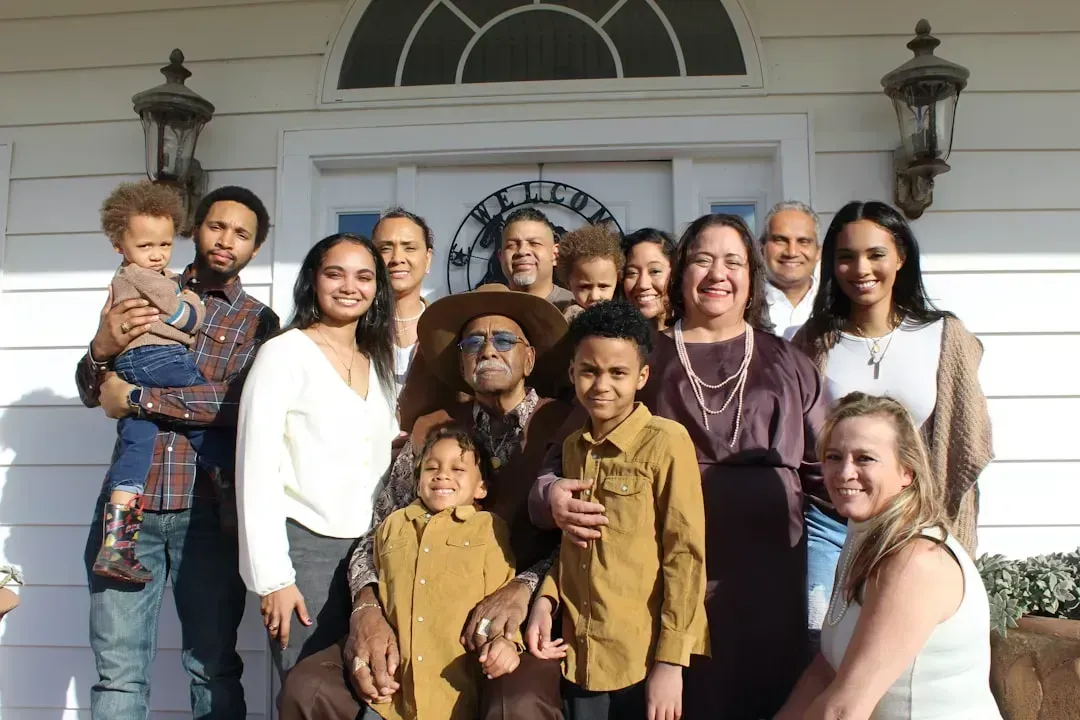
Multigenerational living has quadrupled between 1971 and 2021, now involving nearly 60 million people, or roughly one in five Americans, according to a Pew Research Center analysis of U.S. Census Bureau data. That is a staggering number. And large suburban homes, with their extra bedrooms, finished basements, and detached garages, are often the most practical stage for this kind of living arrangement.
According to the National Association of Realtors’ 2025 Home Buyers and Sellers Generational Trends Report, which analyzed 2024 market activity, roughly one in six recent homebuyers purchased multigenerational homes, with over a third citing cost savings as their main reason, followed by caring for aging relatives and bringing adult children back home. Rising economic pressures, an aging population, and shifting social values are all driving Americans back toward shared living arrangements. Honestly, it makes a lot of sense when you think about the math involved.
Accessory Dwelling Units Are Multiplying in Suburban Backyards
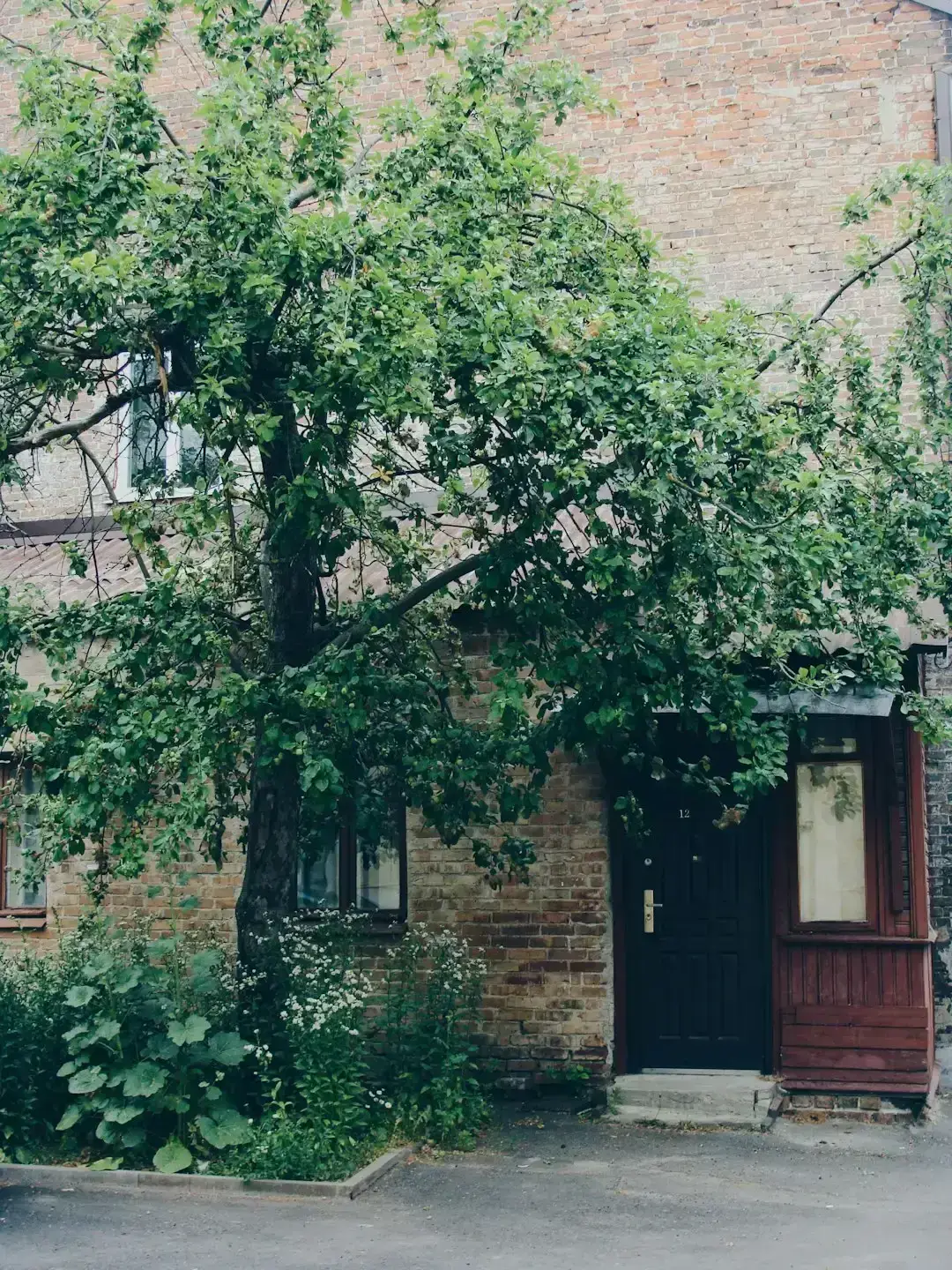
An accessory dwelling unit is a secondary housing unit built on the same lot as an existing main residence, coming in many forms including converted garages, carriage houses, or detached units built in the backyard, typically ranging from 300 to 1,200 square feet and fully equipped with kitchens, bathrooms, and sleeping areas. These little structures are booming. Homeowners are basically building mini-homes on their own property, and the momentum is not slowing down.
More than roughly half of ADU adoption is now concentrated in areas implementing zoning reforms, while close to half of overall demand stems from the rise of multigenerational living arrangements. Urban states like California, Texas, and Washington account for the lion’s share of national ADU permits, while nearly half of U.S. homeowners are reportedly exploring ADU construction for rental income or to house aging family members. That backyard is no longer just a place for a swing set.
Spare Bedrooms Are Becoming Income-Generating Rental Spaces
For homeowners, ADUs and converted spaces offer the unique ability to create an additional rental unit, generating passive income that helps offset mortgage payments or fund retirement. This is not just a big-city phenomenon anymore. Suburban homeowners from Texas to the Carolinas are quietly renting out finished basements, in-law suites, and detached backyard units through platforms like Airbnb, or to long-term tenants looking for something more affordable than an apartment.
ADUs are increasingly seen as a viable source of passive income, with homeowners renting out these units and providing affordable housing options in the rental market, a trend particularly notable in cities with high housing costs. There is a certain irony in the oversized suburban home becoming a small-scale real estate investment. But here we are, and plenty of homeowners are making it work very successfully.
Fitness Rooms and Wellness Spaces Are Taking Over Basements
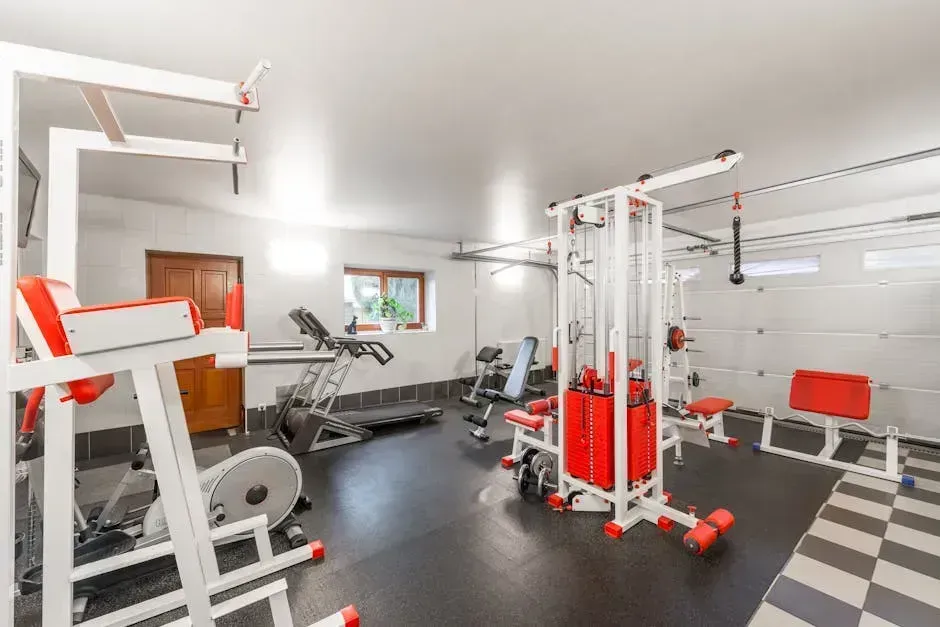
Let’s be real: the home gym was already a thing before the 2020 pandemic. But the past few years turbocharged it completely. Large suburban homes, often with unfinished basements or bonus rooms, became the perfect canvas for personal fitness spaces. Pelotons, squat racks, yoga studios, even infrared saunas – all of it has found a home below the kitchen or at the end of the hallway.
Some of the most popular interior trends for suburban homes now include integrating smart home technology and creating flexible spaces designed to serve multiple purposes across the week. A room that functions as a gym Monday through Friday might double as a movie room on weekends. Demand for homes with outdoor space and green features rose roughly one in five across buyer surveys in 2024, suggesting that wellness – both physical and mental – has become a serious driver of how suburban interiors are designed and used.
The Rise of the “Hybrid Suburb” and Live-Work-Play Spaces
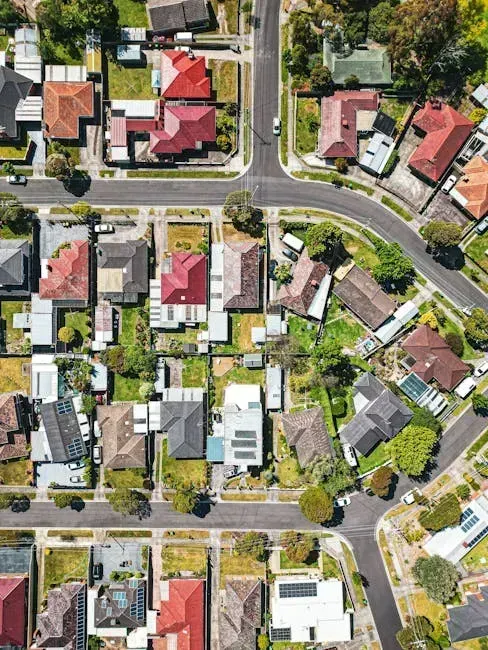
Suburban areas are evolving into what planners are calling “hybrid suburbs,” where residents can access all essential services – work, schools, healthcare, shopping, and leisure – within a 15-minute radius. This is changing not just the neighborhoods themselves, but what happens inside the homes within them. When everything you need is close by, the home can afford to be more specialized. It can have a dedicated studio, a workshop, a creative space.
In recent years, suburbs have invested heavily in creating walkable downtown areas, new shopping districts, and more entertainment options, transforming once-sleepy neighborhoods into what some are calling “micro-cities.” Areas like Frisco, Texas, and Lake Nona, Florida, are prime examples of suburbs that have flourished into lively, attractive destinations for young professionals and families alike. When the surrounding neighborhood feels urban, the home naturally starts to serve different functions too.
Aging in Place Redesigns Are Reshaping Interiors
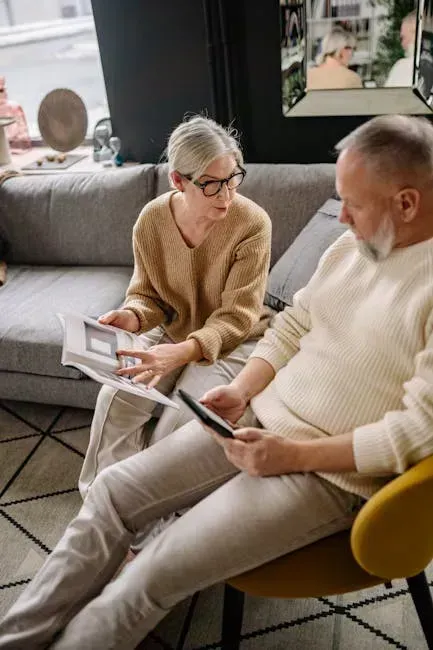
The aging baby boomer population is significantly impacting suburban real estate trends, with many seniors choosing to “age in place” rather than move to senior living facilities. This means large suburban homes that were once built around raising children are being retrofitted and redesigned for a completely different life stage. Walk-in showers replacing tubs. Grab bars. Single-floor layouts becoming premium again.
No housing style better illustrates this multigenerational shift than the ranch home, which has experienced a remarkable resurgence in popularity, particularly in affluent suburbs. Once considered dated, these single-level dwellings now command premium prices specifically because they eliminate stairs, a major consideration for aging residents. A March 2024 survey conducted by Coldwell Banker Real Estate indicates that ranch homes have surpassed all other architectural styles to become buyers’ most desired home design, with more than one in five buyers aged 55 and older identifying them as their ideal “dream home.”
Smart Home Technology Is Redefining How Space Functions
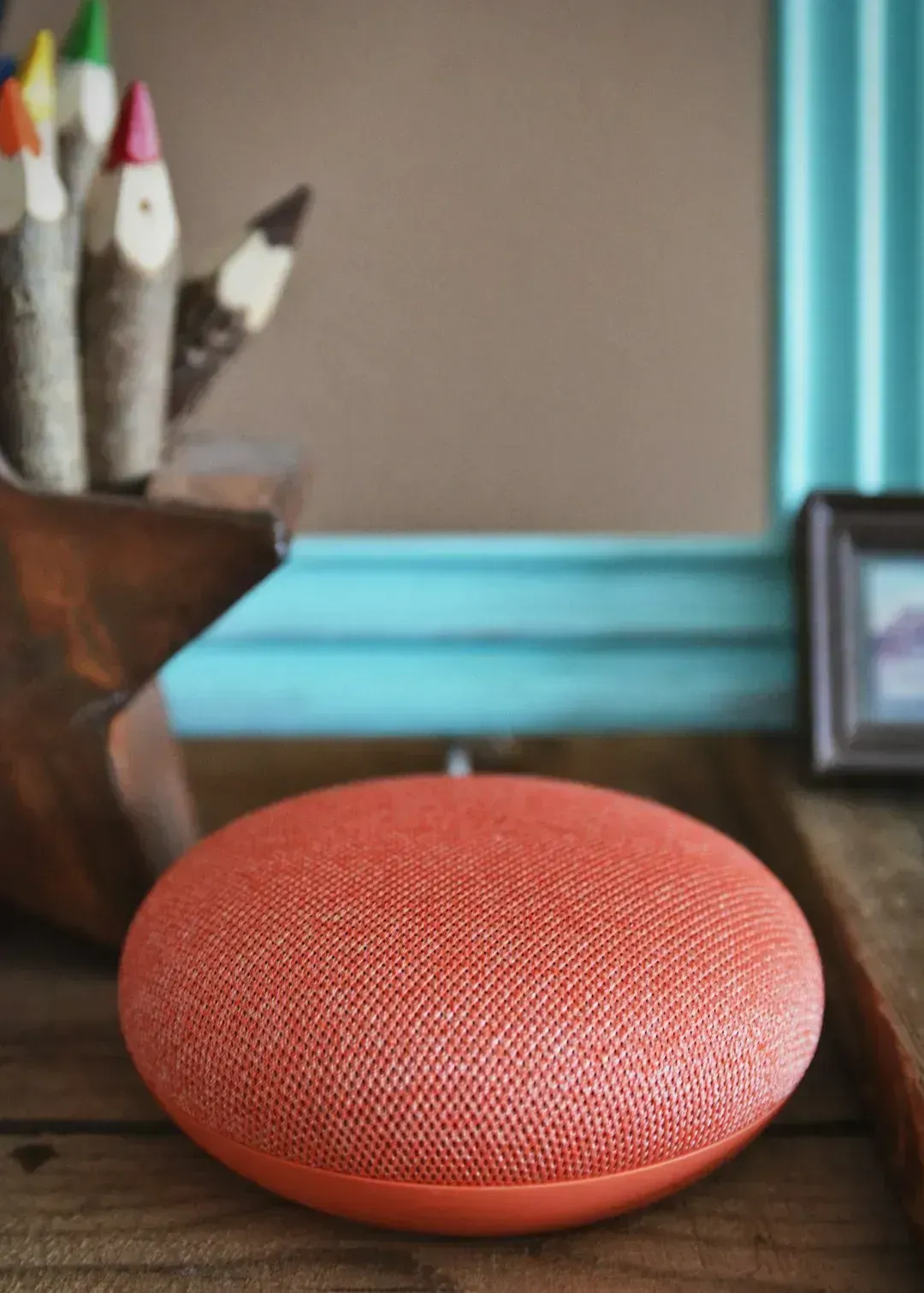
Smart home technology continues to advance, and its integration into suburban homes is more prevalent than ever. Homebuyers in 2024 expect properties to be equipped with smart security systems, energy management tools, and home automation systems that enhance both comfort and efficiency. It is hard to overstate how much this changes day-to-day life inside a large home. Automated lighting, climate zones, remote access – what was once a luxury feature in a show home is now a standard expectation.
Smart home solutions continue to be an integral part of custom homebuilding trends, with automated lighting to security systems enhancing convenience and security while contributing to the overall energy efficiency of the home. Roughly half of new ADUs now integrate smart home technologies or sustainable construction materials, a figure that neatly illustrates how deeply these systems have penetrated even the secondary structures on suburban lots. The home is no longer passive. It’s responsive.
Sustainability Upgrades Are Transforming How Energy Flows Through These Homes
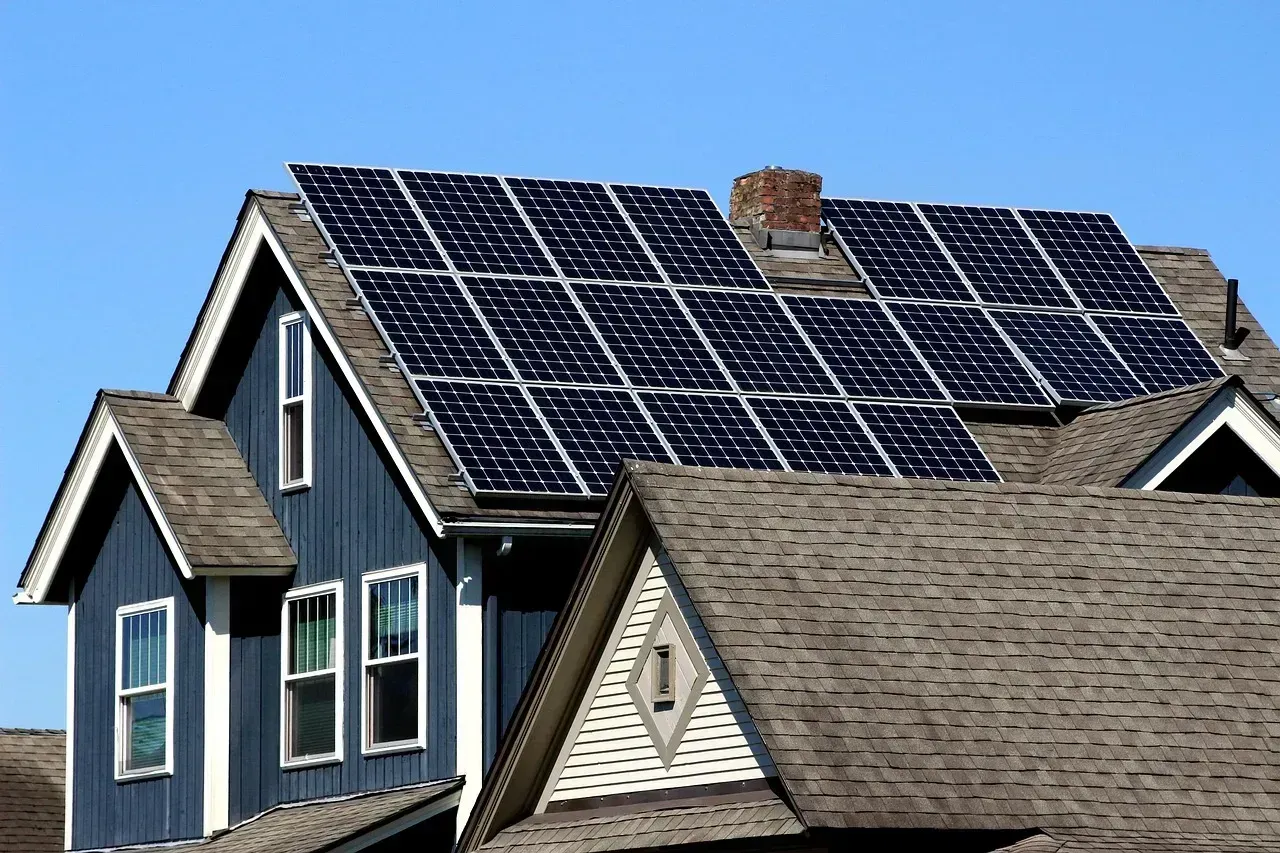
Environmental concerns are at the forefront of many homebuyers’ minds, and suburban areas are evolving to meet these demands with developments that prioritize sustainability. Features such as solar panels, energy-efficient appliances, and sustainable building materials are becoming standard. Large suburban homes, which historically were not known for their energy efficiency, are increasingly being retrofitted and rebuilt with green infrastructure at the core. It is a genuine shift, not just greenwashing.
Many suburban developments are incorporating sustainable practices, such as green building materials, solar panels, and energy-efficient designs, and buyers who are environmentally conscious find these options increasingly appealing. Other features being added to homes, such as electric vehicle chargers, highlight a broader focus on sustainability as a lifestyle change, which impacts the way people live and how they build. For a generation of homeowners who grew up recycling and now drive EVs, the house itself needs to reflect those values.
Open Floor Plans Are Being Adapted for Multifunctional Family Life
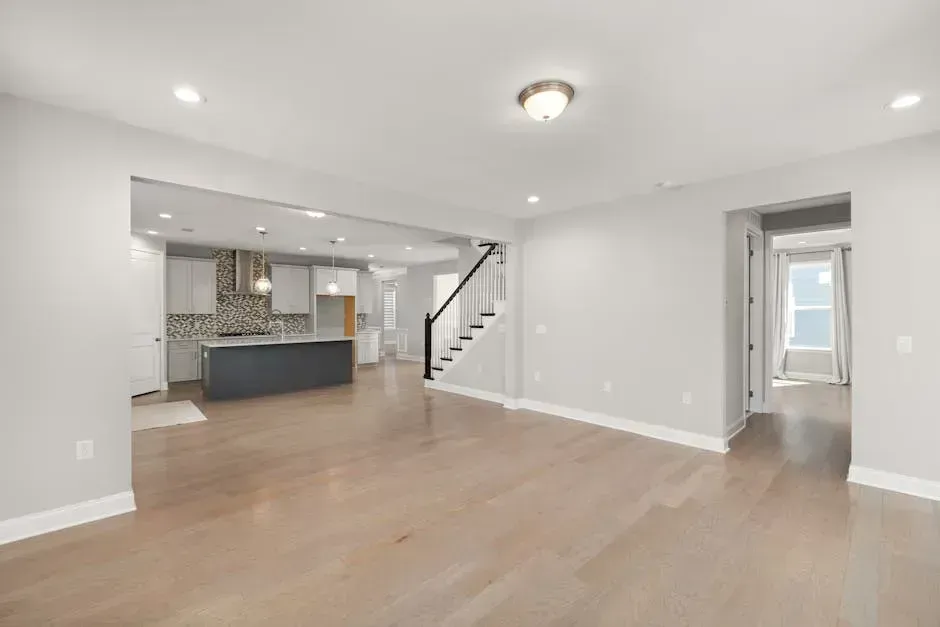
One of the most popular home floor plans in recent years is the open floor plan, combining two or more rooms that would typically be divided by walls and doors, which is common in suburban areas today because of how it can make a space feel dramatically larger. Here is the thing though: open floor plans are no longer just about making a house look good on Instagram. They are being actively adapted to accommodate the reality of households where multiple people are working, studying, cooking, and exercising at the same time.
Open-concept design lends itself particularly well to multigenerational home plans, where an open common area promotes family togetherness while other design elements are used to enhance privacy for adult families living together. The open-concept also makes smaller square footage feel larger as the lack of walls reduces the sense of confinement. It is a delicate balance, honestly. Openness where connection matters, privacy where it counts. The best suburban homes of this era are figuring that balance out in surprisingly clever ways.
The large suburban home is no longer a symbol of a single era’s dream. It has become something far more adaptable, serving multiple generations, multiple income streams, multiple lifestyles, and multiple definitions of what a good life actually looks like. What’s your version of the new suburban home? The answer might surprise even you.