How to Create a Cozy Self-Care Corner at Home
Start With the Right Spot
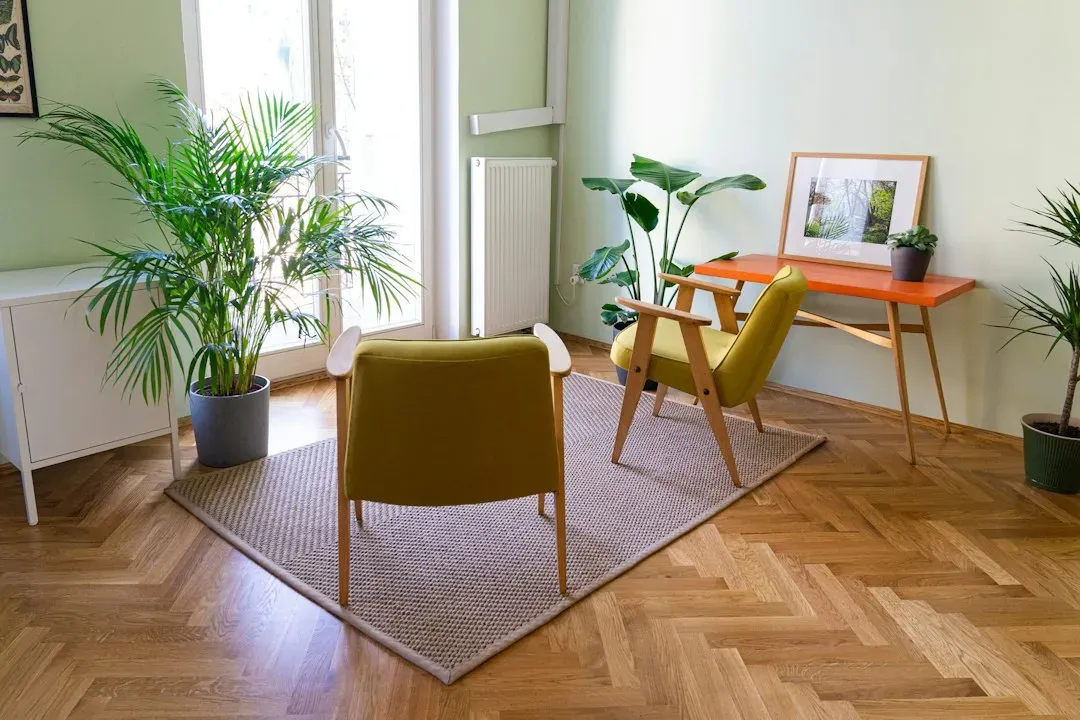
Before buying anything, walk through your home and notice where you naturally linger. It might be a windowsill that catches morning sun, a quiet corner away from the television, or even a section of your bedroom that gets overlooked. The best self-care corner is one that already feels a little calmer than the rest of the house.
Avoid placing it near high-traffic areas like the kitchen or entryway, since foot traffic and noise will pull you out of the moment. A spot near natural light is a nice bonus, since daylight tends to make small spaces feel less cramped and more inviting.
Choose Comfortable, Supportive Seating

Seating is the backbone of the whole setup. It doesn’t have to be fancy, but it should support your back and invite you to actually sit for longer than five minutes. A soft armchair, a floor cushion, or even a well-placed beanbag can work depending on the size of your space.
If you’re tight on square footage, a folding chair with a plush cushion can do the job just as well as a full recliner. The goal is comfort you look forward to, not furniture that just looks good in photos.
Layer in Soft Textures

Texture does a lot of quiet work in making a space feel cozy. Think chunky knit throws, a faux fur pillow, or a rug underfoot if the corner has bare flooring. These small layers add warmth both physically and visually, which matters a lot when you’re trying to relax.
Mixing a couple of textures, like a smooth cushion next to a nubby blanket, keeps the space from feeling flat or one-note. You don’t need matching sets. A slightly eclectic mix often feels more lived-in and personal.
Get the Lighting Right
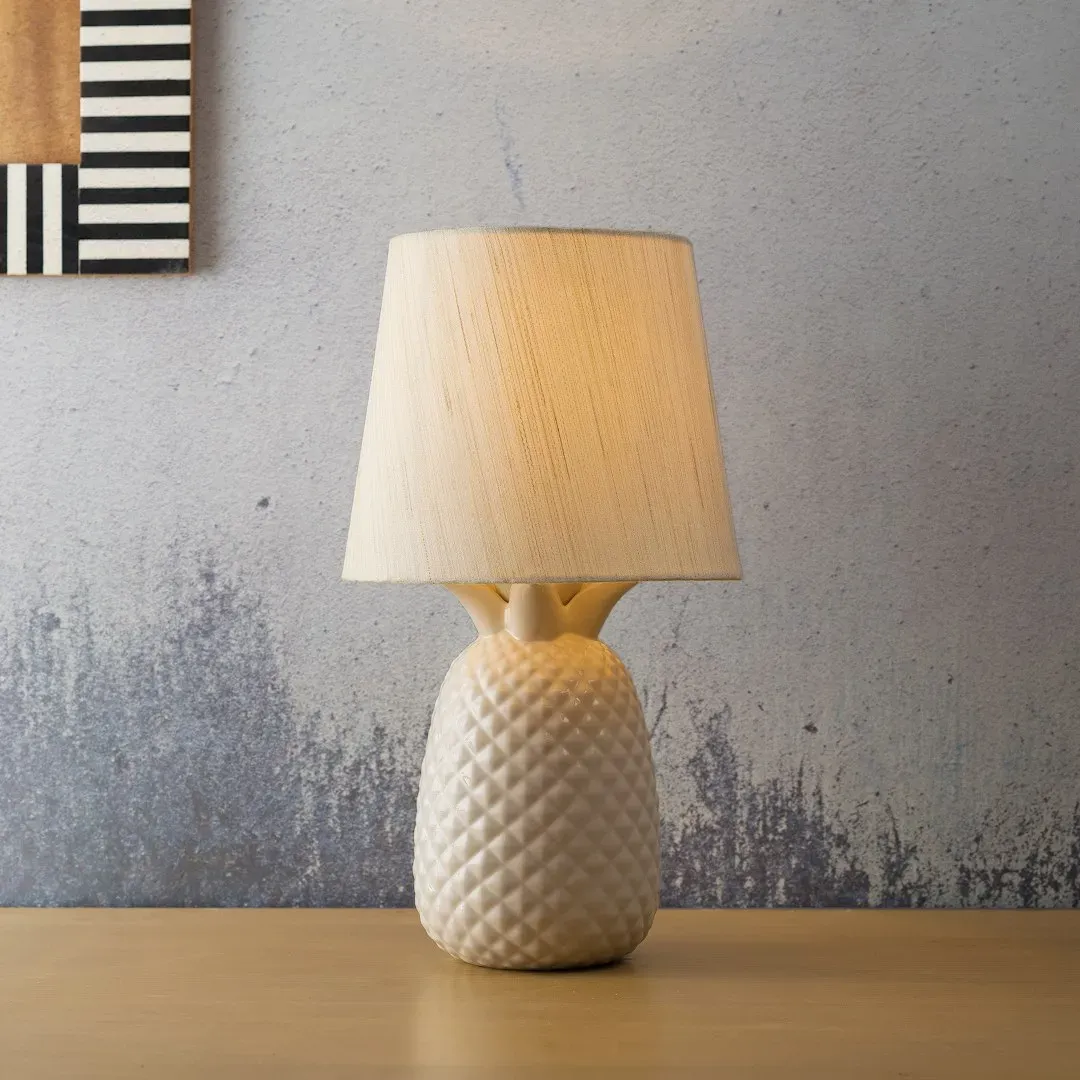
Harsh overhead lighting is one of the fastest ways to kill a cozy mood. Swap it out, at least for this corner, with something softer like a small table lamp, a string of warm white fairy lights, or a dimmable bulb. Candles work well too, as long as you’re mindful of fire safety and never leave them burning unattended.
Warm-toned light, somewhere in the amber or soft yellow range rather than cool white, tends to feel more relaxing to most people. If your corner has a window, sheer curtains can soften daylight without blocking it out completely.
Bring in a Few Plants
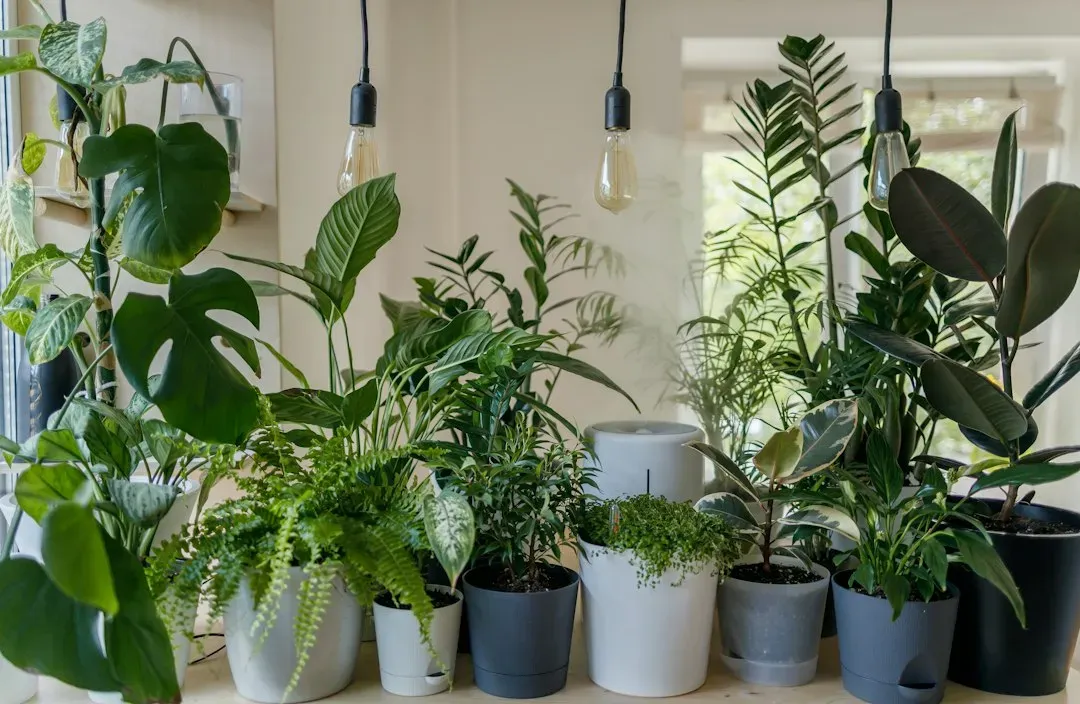
Greenery adds life to a space without much effort. A single low-maintenance plant, like a pothos or a snake plant, can make a corner feel more grounded and less sterile. You don’t need a jungle. One or two plants placed thoughtfully will do more than a cluttered collection.
If natural light is limited in your chosen spot, look for plants known to tolerate lower light conditions rather than fighting against the space you have. A small, thriving plant beats a struggling one every time.
Keep a Small Stash of Comfort Items
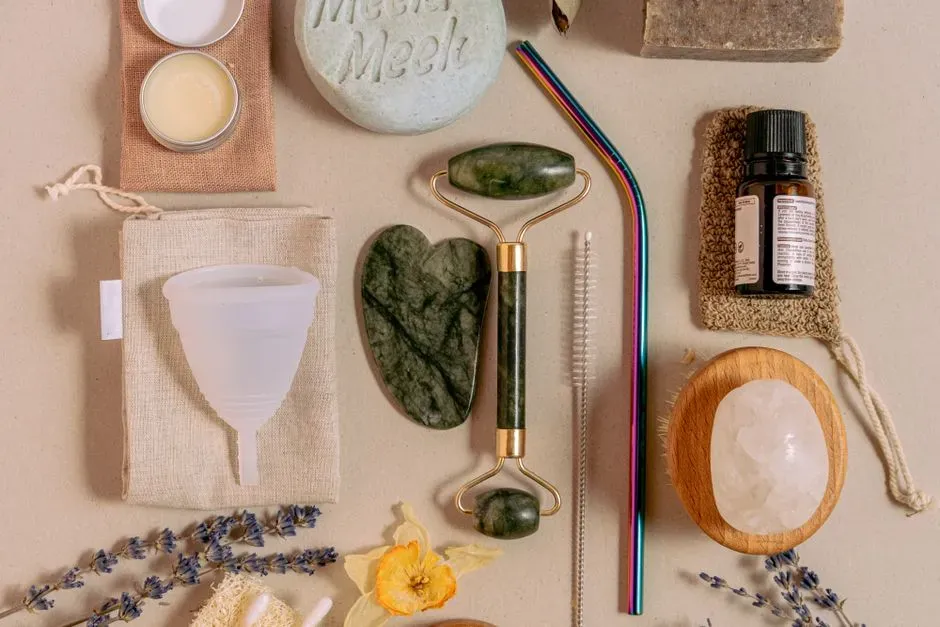
Part of what makes a self-care corner useful is having what you need within arm’s reach. This might mean a basket with your favorite book, a journal, a cup for tea, or a set of headphones for music or podcasts. The idea is to remove friction, so you’re not getting up every few minutes to grab something.
Rotate these items occasionally based on what you’re actually using. A stash that reflects your current habits, rather than what you thought you’d use months ago, keeps the corner relevant.
Add a Calming Scent

Scent has a strong connection to mood, and a self-care corner is a natural place to lean into that. A simple diffuser with a calming essential oil, a scented candle, or even a small sachet of dried lavender can shift the feel of the space almost instantly. Lighter scents tend to work better in small areas, since strong fragrances can quickly become overwhelming in a confined corner.
If you’re sensitive to strong smells or share the space with others, unscented options with soft textures and warm lighting can still create a cozy atmosphere without relying on fragrance at all.
Personalize It With Meaningful Objects
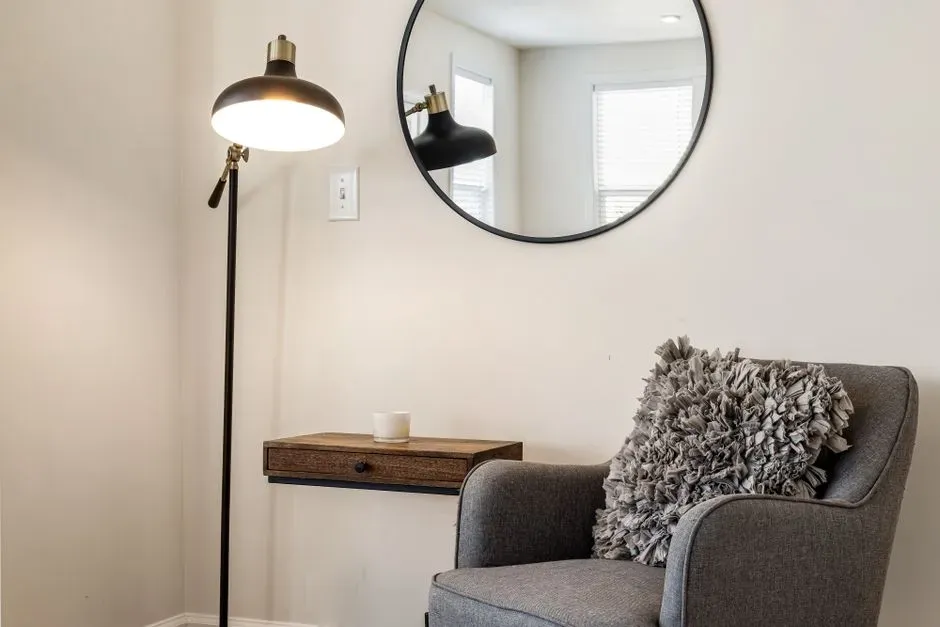
A self-care corner should feel like yours, not like a generic showroom display. This is the place to add a photo that makes you smile, a small piece of art, or an object tied to a good memory. These personal touches matter more than they might seem, since they turn a functional space into one with emotional resonance.
Keep the display simple rather than cluttered. A couple of meaningful items will have more impact than a shelf crowded with knickknacks that compete for attention.
Protect the Space From Digital Distractions

It’s easy for a self-care corner to slowly become just another spot to scroll on your phone. Consider keeping devices out of the space, or at least setting a habit of putting them on silent or in another room while you’re there. This small boundary helps the corner keep its purpose as a place for slowing down rather than another extension of your screen time.
If you do want music or a podcast, a small speaker or a set of headphones can offer that without pulling you into notifications and endless feeds.
Keep It Low Maintenance
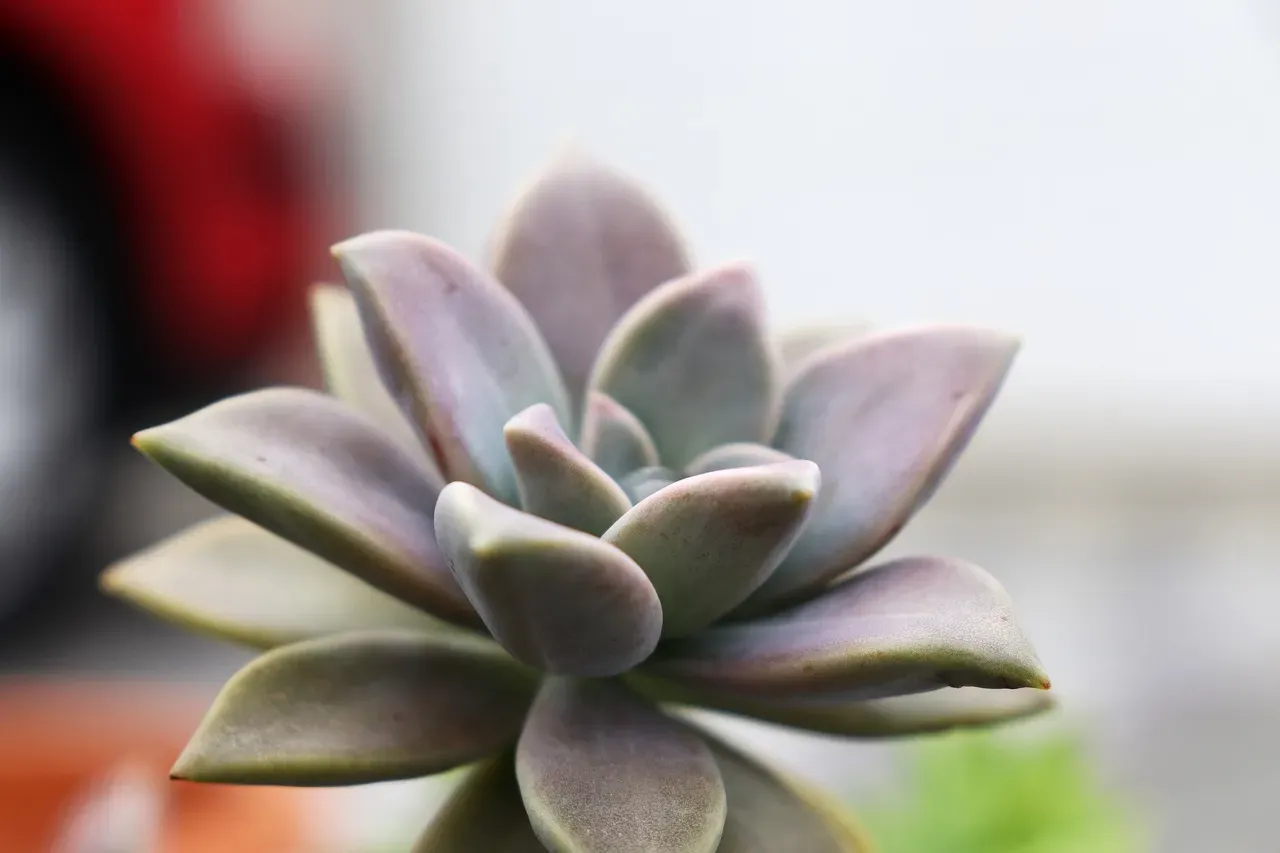
A self-care corner that requires constant upkeep will eventually get abandoned. Choose furniture, plants, and decor that don’t demand much from you on a busy week. Washable fabrics, hardy plants, and simple organization systems all help the space stay inviting without becoming another chore.
The point is ease. If maintaining the corner starts to feel like work, it defeats the purpose of having a place meant for rest and recovery.
Final Thoughts

Building a cozy self-care corner isn’t about following a strict formula or spending a lot of money. It’s about paying attention to what actually helps you slow down, then arranging a small space around those things. Over time, the corner will likely shift and evolve as your habits and needs change, and that’s part of what makes it feel genuinely yours rather than borrowed from someone else’s idea of relaxation.