Little-Known Tricks for Making Your Home Smell Amazing
Most of us reach for a candle or a plug-in when the house starts to smell a bit off. It works for an hour or two, then the scent fades and the underlying odor creeps back. The homes that smell consistently pleasant usually aren’t relying on fragrance at all.
A few quieter habits do more of the work than any spray. Some are so simple they barely feel like tricks, yet they change how a room feels the moment you walk in.
Start by Removing the Source

Fragrance layered over a smell rarely hides it well. Instead, it tends to create an odd blend that’s arguably worse than the original. Before adding anything pleasant, track down what’s actually causing the problem.
Common culprits include the kitchen trash can, the drain, the fridge, pet bedding and damp towels. A quick check of these places often solves more than a whole shelf of air fresheners.
Give Your Drains a Regular Refresh
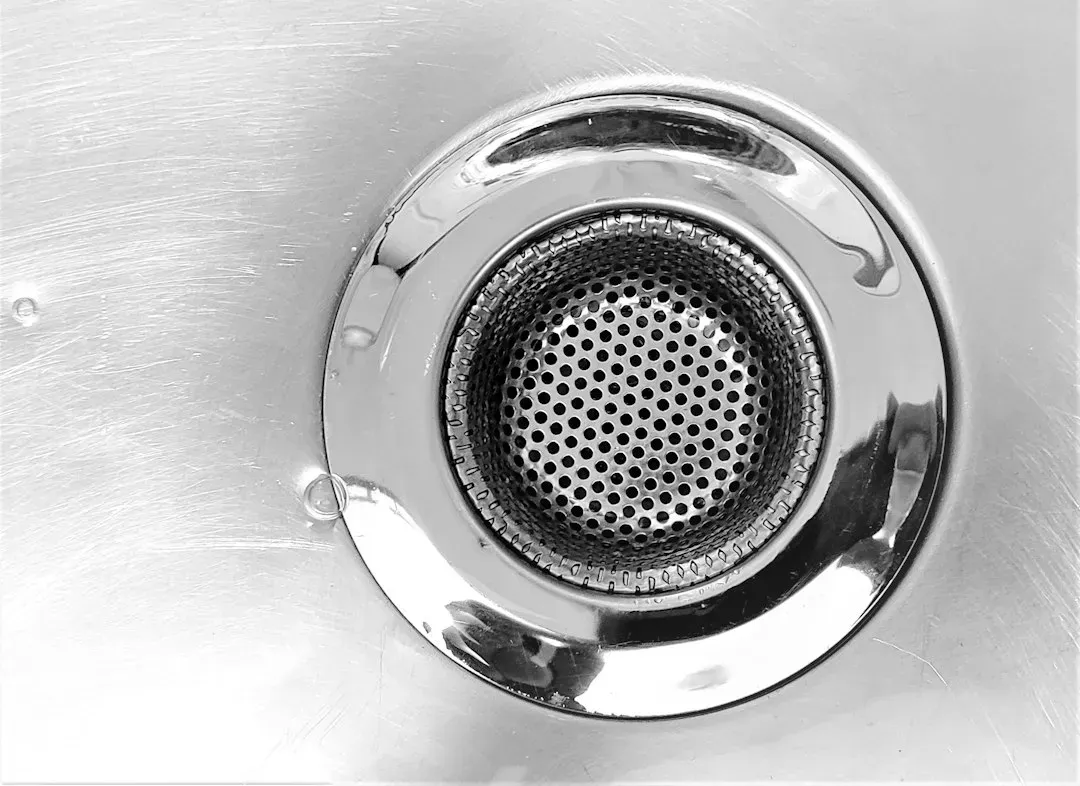
Sink drains collect food residue and grease, which can produce a musty, sour smell that drifts through the kitchen. Pouring a kettle of hot water down the drain is a easy first step. Baking soda followed by white vinegar is a popular household method for freshening things up, though it won’t fix a serious clog.
Running a few citrus peels through a garbage disposal, if you have one, can also leave the area smelling brighter. Just make sure your disposal manufacturer doesn’t advise against it.
Let Baking Soda Work Quietly

Baking soda absorbs odors rather than masking them, which is why it’s a fridge staple. An open box or a small bowl tucked into a closet, under a sink or in a shoe cabinet can take the edge off stale air. Replace it every month or two, since it doesn’t last forever.
For carpets and upholstery, a light sprinkle left for a while before vacuuming can help with mild smells. Test it on a hidden patch first, especially on darker fabrics.
Simmer a Pot on the Stove

A stovetop simmer is an old, low-cost way to scent a home. Fill a small pot with water and add citrus slices, a cinnamon stick, cloves or a sprig of rosemary, then keep it at a gentle simmer. The whole house takes on a warm, cooked-in-the-kitchen feel without any synthetic notes.
Keep an eye on the water level, because it can boil dry surprisingly fast. Never leave it unattended while you go out.
Put Scent Where Air Moves
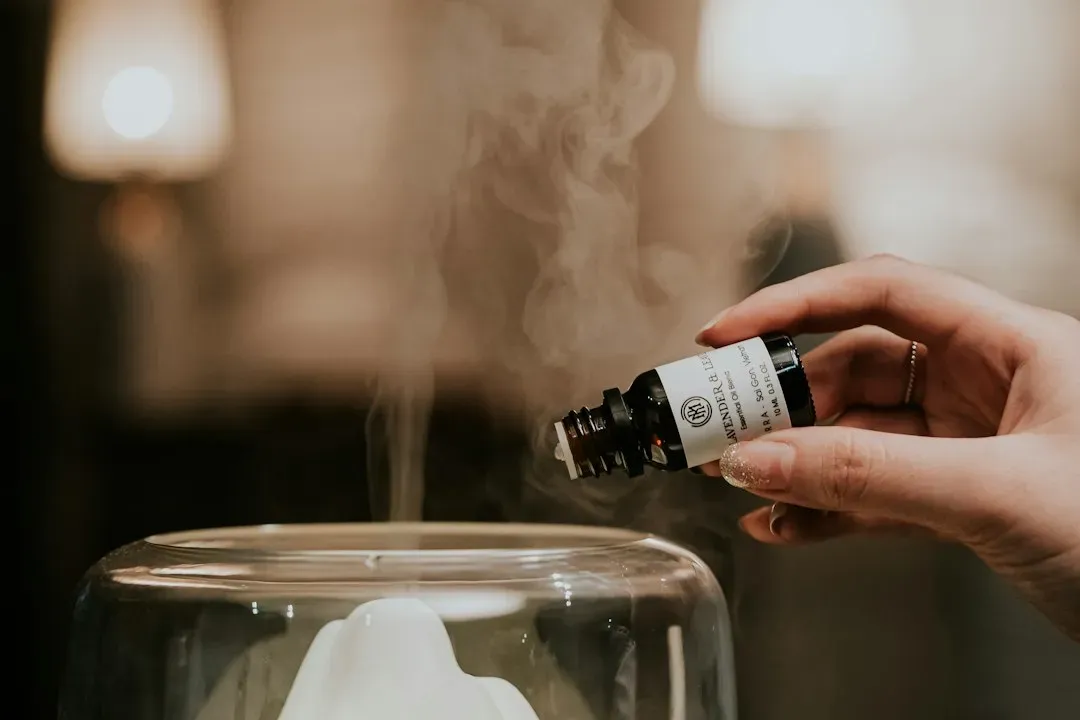
Placement matters as much as the product. A few drops of essential oil on a cotton ball tucked near a vent, or on the cardboard tube inside a toilet paper roll, can spread gently as air passes by. Some people also add a drop to the dryer’s clean lint area or onto a wool dryer ball.
If you have pets, check first. Certain essential oils are considered harmful to cats and dogs, so ask your vet before diffusing or placing oils around the house.
Wash the Things You Forget About
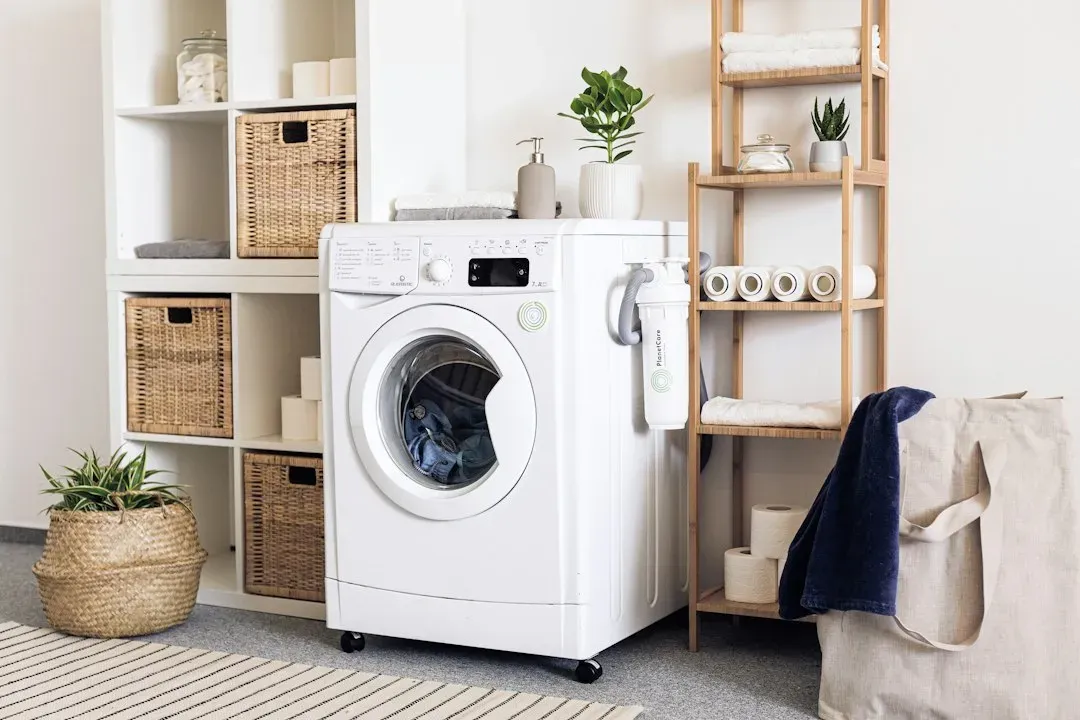
Soft items hold onto odors longer than hard surfaces. Throw pillows, curtains, doormats, pet beds and even the inside of the washing machine can quietly build up smells. Wiping down the washer’s rubber door seal and leaving the door ajar between loads helps prevent that damp, mildewy note.
The vacuum deserves attention too. An overfull canister or a dirty filter can push stale-smelling air right back into the room.
Open the Windows, Even in Cooler Weather

Indoor air can feel stuffy because it simply doesn’t get replaced often enough. Opening windows on opposite sides of the house for ten or fifteen minutes creates a cross breeze that clears out lingering cooking smells and moisture. It’s free, and it works in nearly every season.
Using the range hood while you cook and the bathroom fan afterward has a similar effect, since both pull humid, odor-heavy air outside.
Bring in Living Scents

Fresh herbs like mint, basil and lavender release a mild fragrance when you brush past them. A small pot on a kitchen windowsill adds a light scent and something useful to cook with. Fresh-cut flowers or eucalyptus hung in the bathroom can do the same job.
Don’t expect plants to purify the air in any dramatic way, though. Their charm here is mostly the gentle aroma.
Final Thoughts

A good-smelling home is mostly a clean, ventilated one with a little something pleasant added on top. Fix the source, let fresh air in, and choose scents that suit the room rather than overpowering it. Once the basics are in place, even a single simmering pot or a bowl of baking soda can make the whole place feel noticeably better.