Easy Seasonal Wreaths You Can Make in an Afternoon
A wreath doesn’t need to be a weekend project. With a handful of supplies and a clear plan, you can finish one between lunch and dinner. The trick is choosing a design that matches your time and skill level, then keeping it simple.
This guide covers five approaches, one for each season plus a year-round option. Most use a basic base, a few materials, and tools you probably already own.
Start With the Right Base
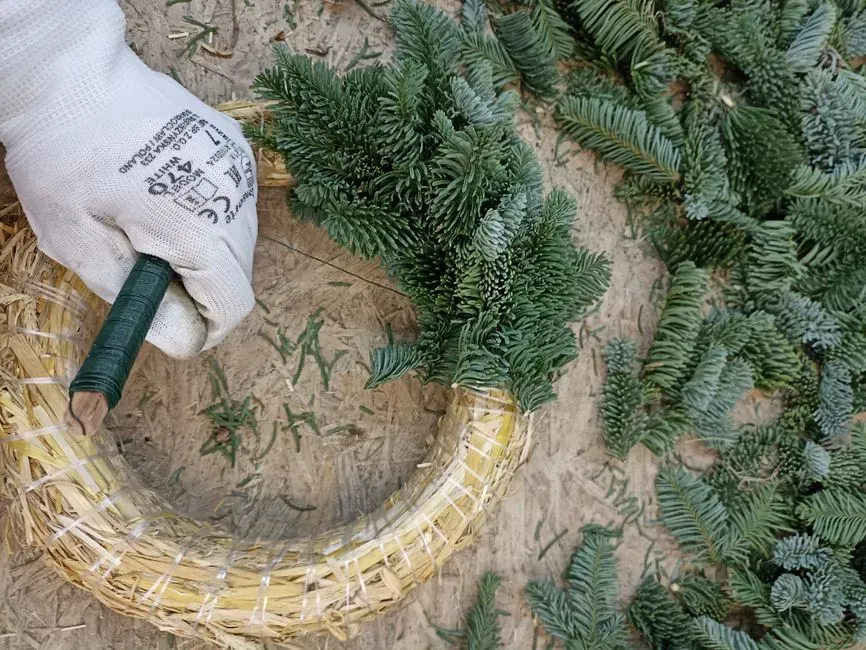
The base shapes everything that follows. Grapevine wreaths look rustic and hold stems well. Wire frames are cheap and work for lush, full designs, while foam rings suit dried or silk flowers.
Craft stores sell all of these in several sizes. A 12 to 16 inch base is a comfortable size for a first project and fits most doors.
Gather a Small Toolkit
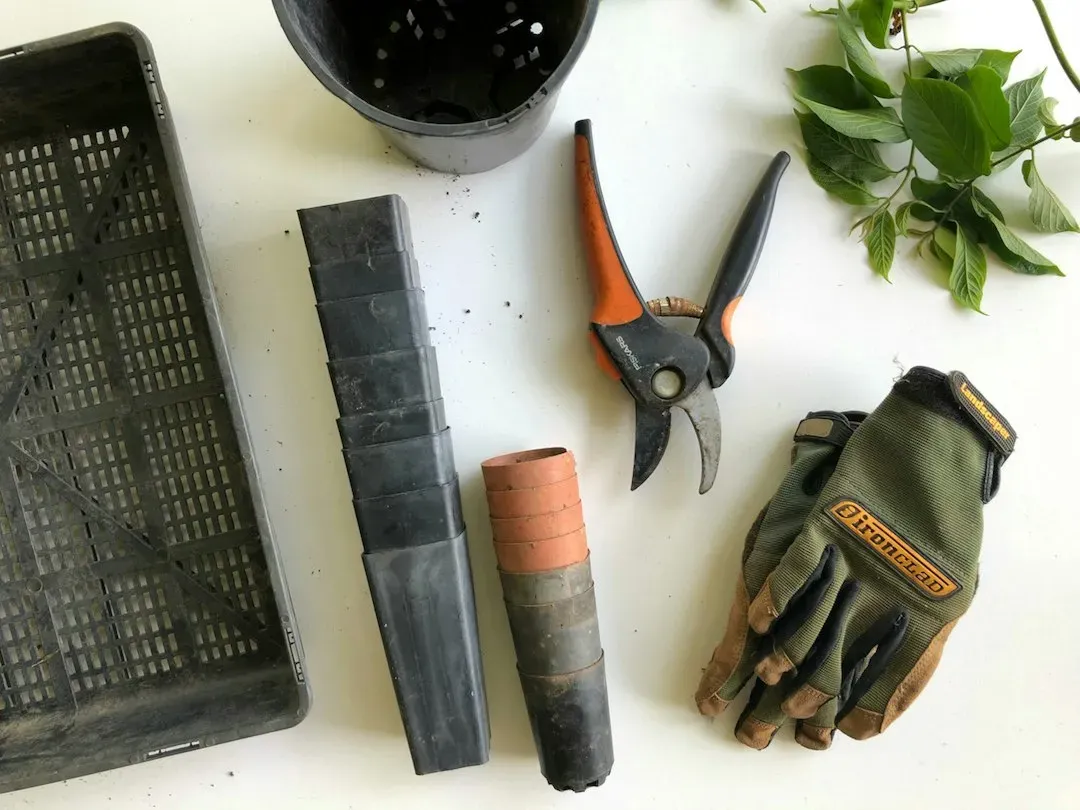
You don’t need much. Floral wire, a hot glue gun, scissors, and wire cutters cover nearly every design here. A pair of garden gloves helps if you’re handling evergreen branches.
Lay everything out before you begin. It saves you from hunting for supplies with glue cooling on your fingers.
Spring: A Loose Greenery and Blossom Ring

Spring wreaths work well when they look a little airy. Start with a grapevine base and tuck in short sprigs of faux eucalyptus or boxwood, angling them in the same direction around the ring. Then add a few silk blooms such as tulips, peonies, or daisies.
Leave part of the base bare. That open space keeps the design from feeling crowded and gives the wreath a relaxed, just-picked look.
Summer: Lavender, Lemons, or Wildflowers

Summer can lean bright. Dried lavender bundles wired onto a wire frame make a fragrant wreath, and faux lemons or wildflowers add color without any watering.
Group stems in small bunches rather than placing them one at a time. It’s faster, and the finished piece looks fuller. If the wreath will hang in direct sun, choose materials labeled fade resistant.
Fall: Foraged Leaves, Berries, and Pumpkins
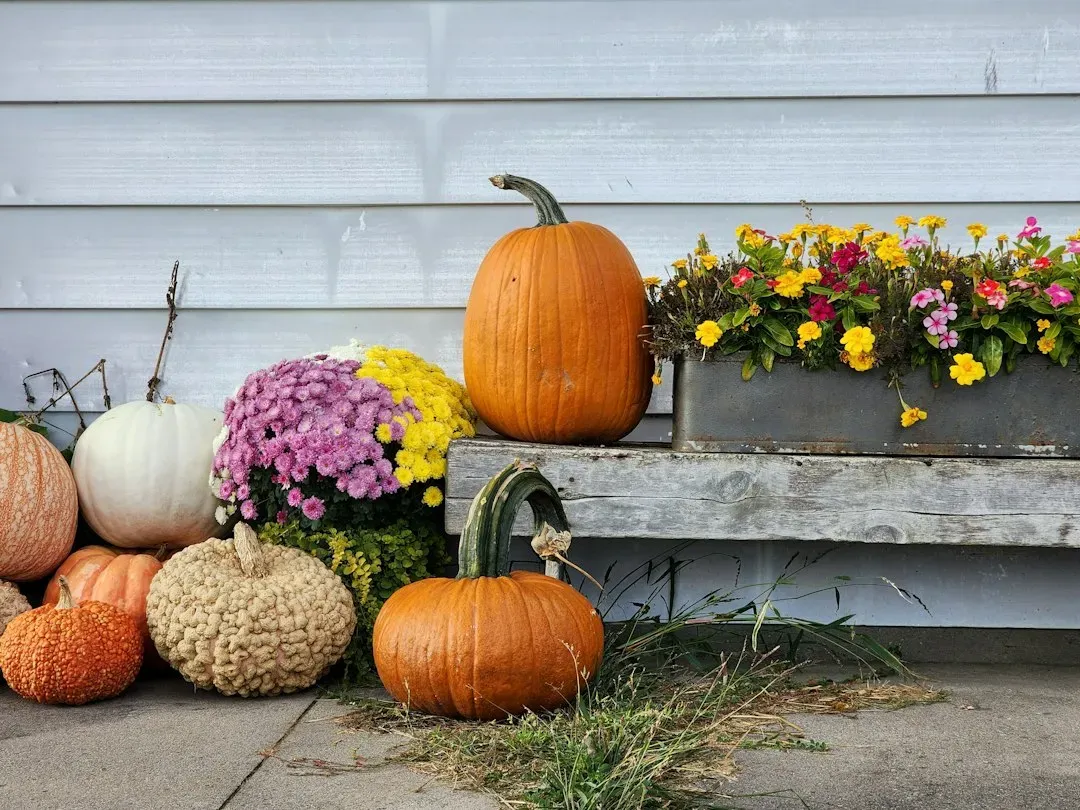
Fall is the easiest season to decorate for because the materials are everywhere. Faux leaves in rust, gold, and burgundy glue neatly onto a grapevine ring, and mini pumpkins or berry picks add texture. Real leaves look lovely but dry out and curl quickly, so they suit a short display.
Cluster your accents off center, perhaps toward the lower left. An asymmetrical layout feels intentional and saves you from fussing over perfect spacing.
Winter: Evergreen Bundles and Simple Ribbon

For winter, wire small bundles of fir, cedar, or pine to a wire frame, overlapping each one to hide the wire beneath. Add pinecones, dried orange slices, or a few berry stems for interest. Fresh greens smell wonderful but dry out over time, especially indoors or in warm spots.
Finish with a wide ribbon bow. One generous bow often looks better than a lot of small ornaments.
Finishing Touches and Hanging Tips
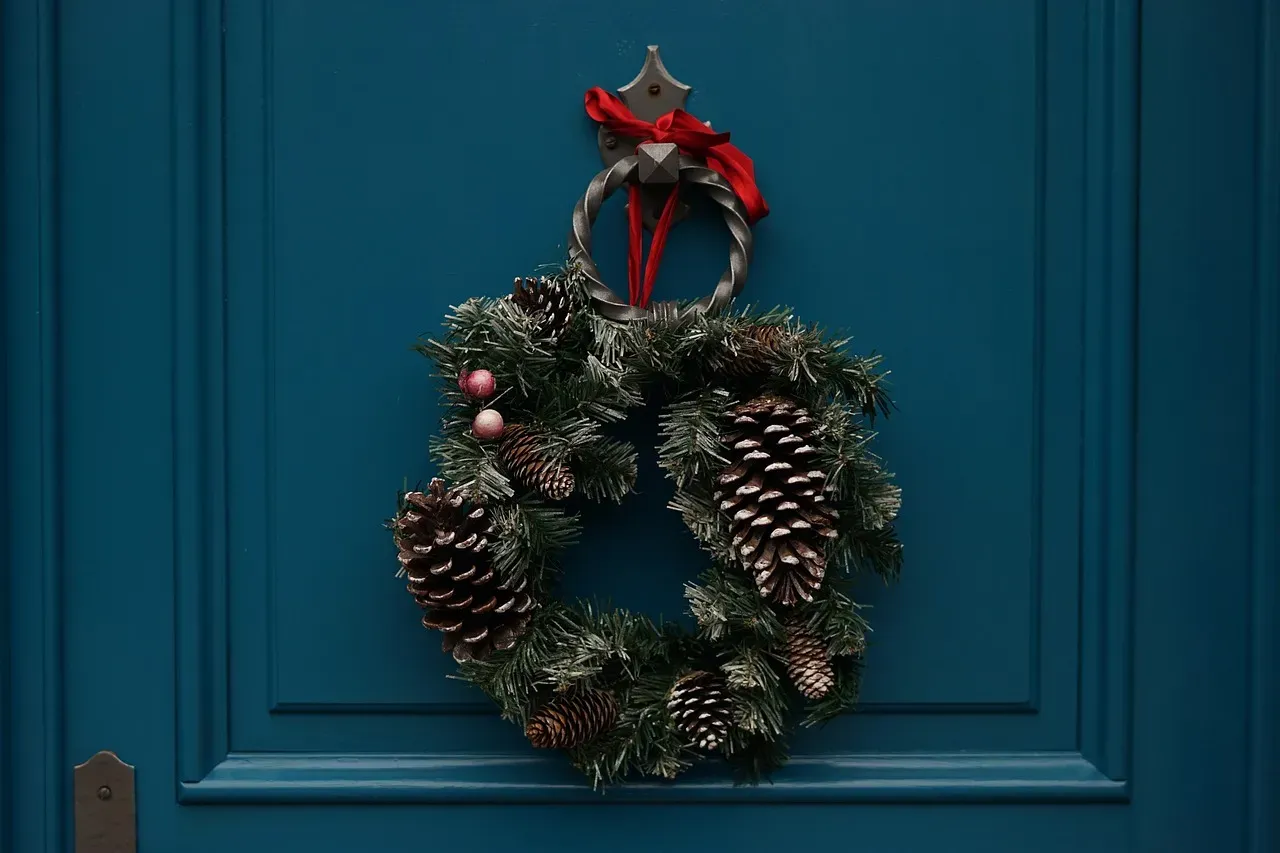
Before hanging, step back and check the shape from a distance. Fill any gaps, trim stray stems, and make sure the wire at the back won’t scratch your door. A ribbon loop or an over-the-door hanger is gentler than a nail.
If the wreath will sit outdoors, a covered porch protects it from rain. Store seasonal pieces in a box with tissue paper, and they can come out again next year.
Final Thoughts

A good wreath is mostly about restraint: one base, a few materials, a clear look. Pick the season closest to the calendar, set aside an afternoon, and let the project stay small. By dinner, your door will have something new.