10 Popular Berries Ranked by Nutritional Value From Lowest to Highest
One cup of halved strawberries carries about 89 milligrams of vitamin C, close to the 90 milligrams the FDA uses as a daily value. A cup of grapes, which botanists also call berries, carries only a small fraction of that. This countdown scores ten popular berries on real vitamin C and fiber figures, and the order will rearrange a few fruit-bowl loyalties.
The surprises start at the bottom and keep climbing, because the berry at #1 holds roughly three times the strawberry’s vitamin C per 100 grams. It also clears up a word that confuses recipe cards, so stay for it. First, the berry that barely belongs.
#10 – Grapes, Berries Only in the Botany Books
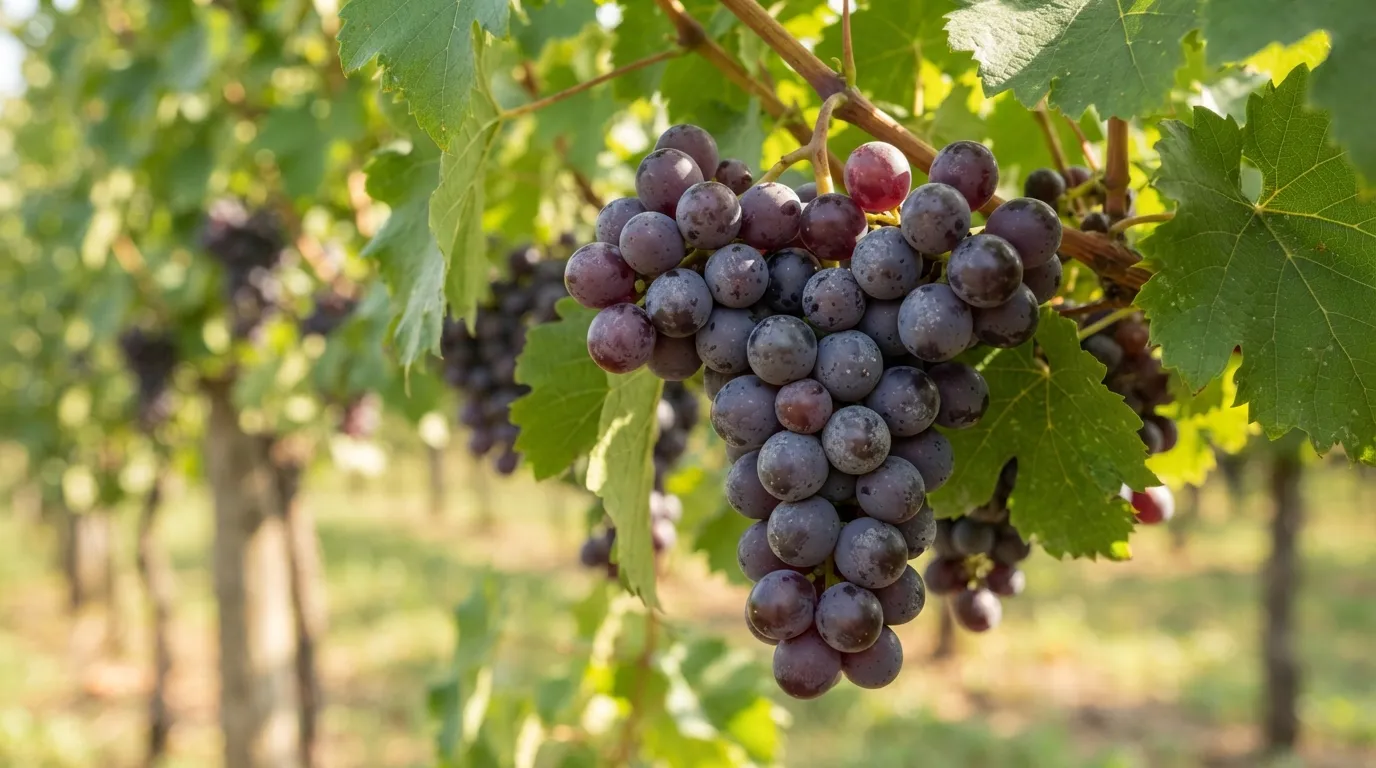
Botanists classify the grape as a true berry, and that technicality is about all it has going for it here. Raw grapes carry 0.9 grams of fiber and 3.2 milligrams of vitamin C per 100 grams, the lowest figures in this countdown.
Every berry on this list is scored on those two nutrients per 100 grams raw, as a share of the FDA daily values of 90 milligrams for vitamin C and 28 grams for fiber. Grapes score about 7 points, the lowest of the ten.
On these measures a grape belongs in the lunch box rather than the berry bowl. It still supplies 69 calories per 100 grams and 12 percent of the vitamin K daily value, so it’s a fine snack that simply loses this contest.
The next entry is the berry in the holiday salad, and its vitamin C figure is so small it rounds to almost nothing.
#9 – Dried Cranberries in the Holiday Salad
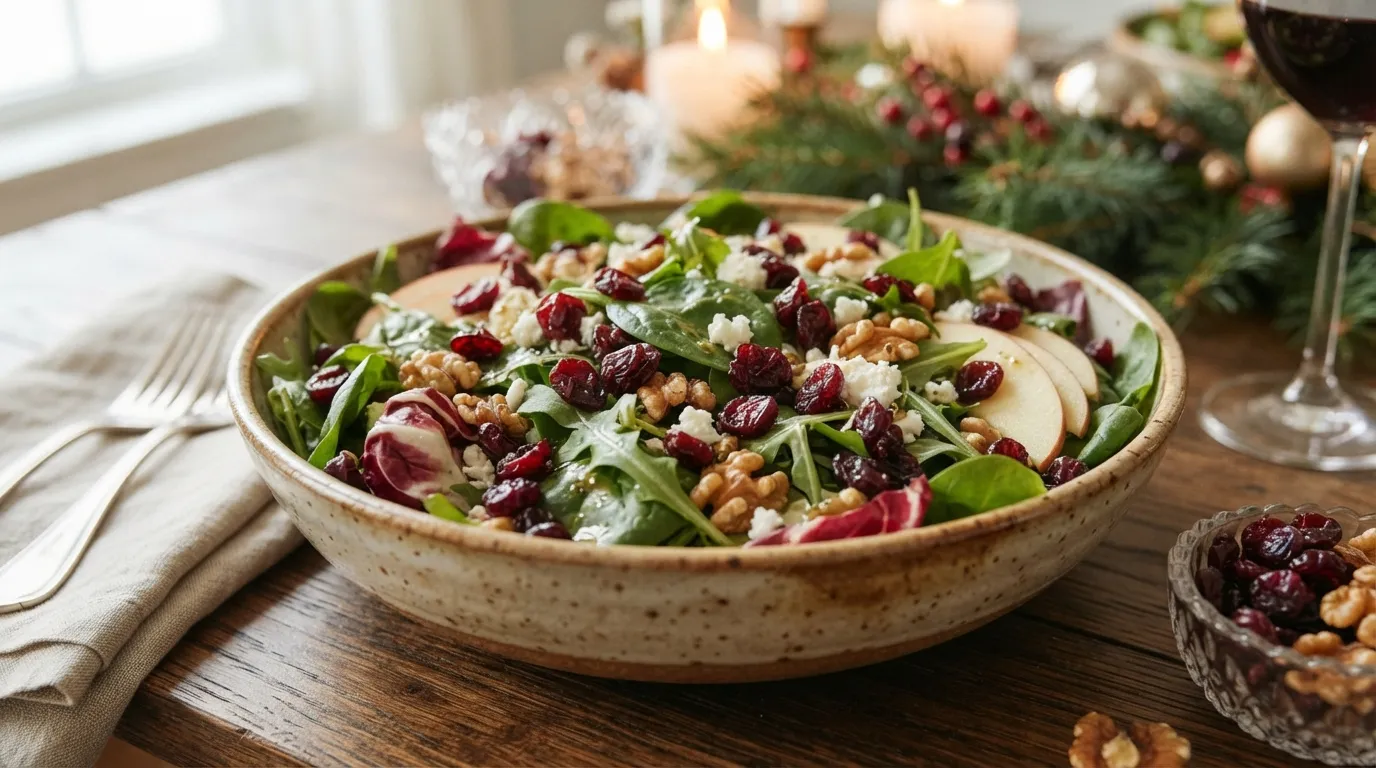
A 100-gram portion of dried cranberries carries 308 calories and about 73 grams of sugar,1 against 46 calories in the same weight of fresh ones. Drying removes most of the water, so everything else is packed into a much smaller handful.
The fiber survives at 5.3 grams per 100 grams, yet the vitamin C falls to 0.2 milligrams.1 Dried cranberries keep their fiber but lose nearly all their vitamin C, which leaves them at about 19 points, a hair behind blueberries.
Treat dried cranberries as a sweet topping that happens to contain fiber, not as a serving of berries. The numbers vary by brand, because added sugar and the extent of dehydration differ, so the label on your bag beats any figure printed here.1
The berry just above them carries the biggest reputation in the fruit aisle, yet its vitamin C is lower than strawberries, raspberries or blackberries.
[article_quiz]#8 – The Blueberry’s Famous Reputation
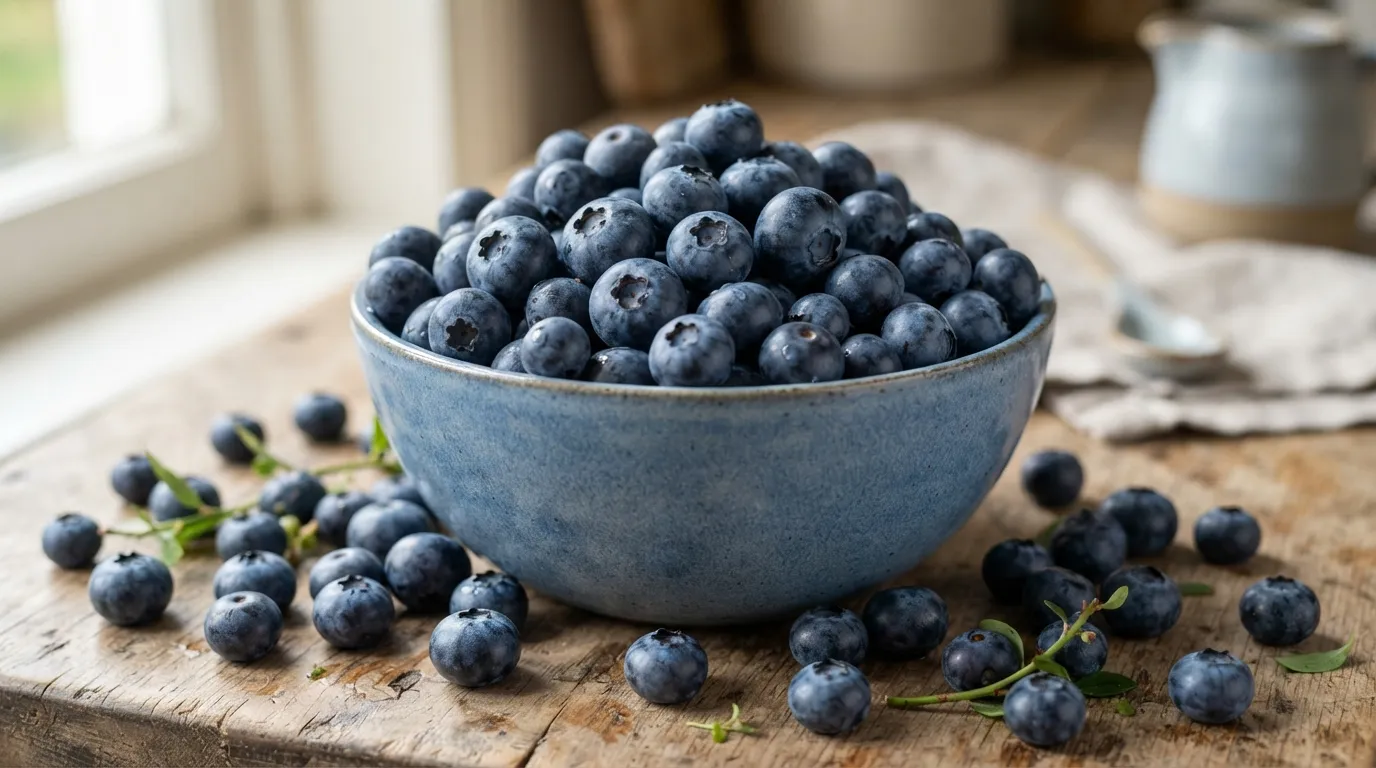
Blueberries wear the loudest reputation in the berry aisle, so their raw numbers can come as a letdown. Per 100 grams they hold 2.4 grams of fiber and 57 calories, and 9.7 milligrams of vitamin C.
Among the fresh berries in this countdown after the grape, blueberries have the least vitamin C, and only strawberries have less fiber. Blueberries score about 19 points, on just 9.7 mg of vitamin C per 100 grams.
On these two nutrients, the blueberry’s fame runs ahead of its numbers. It’s a good source of vitamin K, vitamin C, manganese and plant compounds such as anthocyanins, which this score doesn’t count, so it keeps its place in the bowl for other reasons.
The next berry has nearly double the fiber per 100 grams, yet it’s so tart that it rarely gets eaten raw.
#7 – Fresh Cranberries From the Thanksgiving Bag
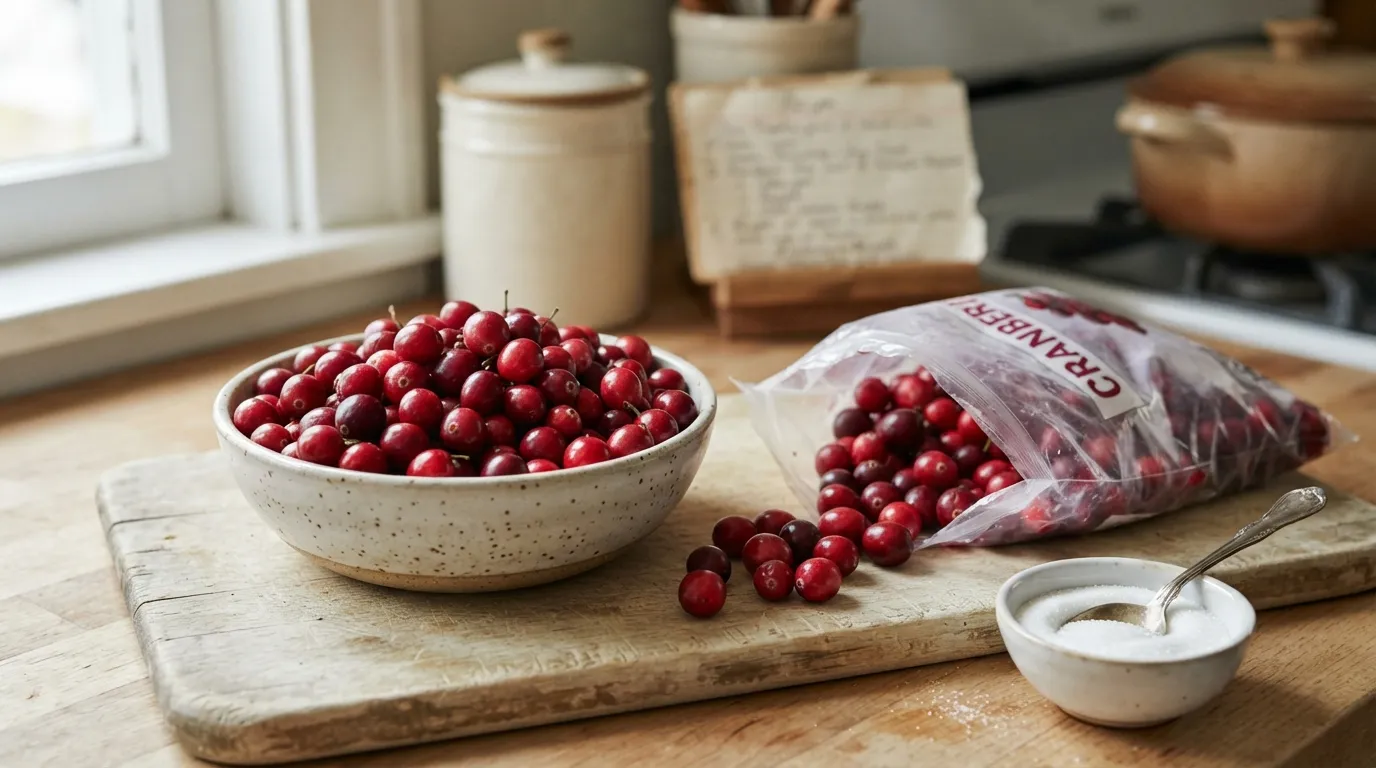
The bag of fresh cranberries that shows up every fall holds 4.6 grams of fiber per 100 grams for just 46 calories, plus 13.3 milligrams of vitamin C. That’s nearly double the blueberry’s fiber, tucked inside a berry most of us only meet as a can-shaped slab on the holiday table or a bubbling pot of sauce.
Fresh cranberries score about 31 points, split almost evenly between fiber and vitamin C. That’s a real jump from the blueberry, and it comes from a berry that rarely gets credit for it.
Hardly anyone eats them raw, because the tartness hits like a slammed cupboard door. Sugar goes in once they reach the sauce pot, and how much depends on whose recipe card is propped against the flour canister.
The next berry grows on thorny brambles and stains every finger that picks it. It carries more fiber and more vitamin C per 100 grams than the cranberry.
#6 – Blackberries From the Bramble Patch
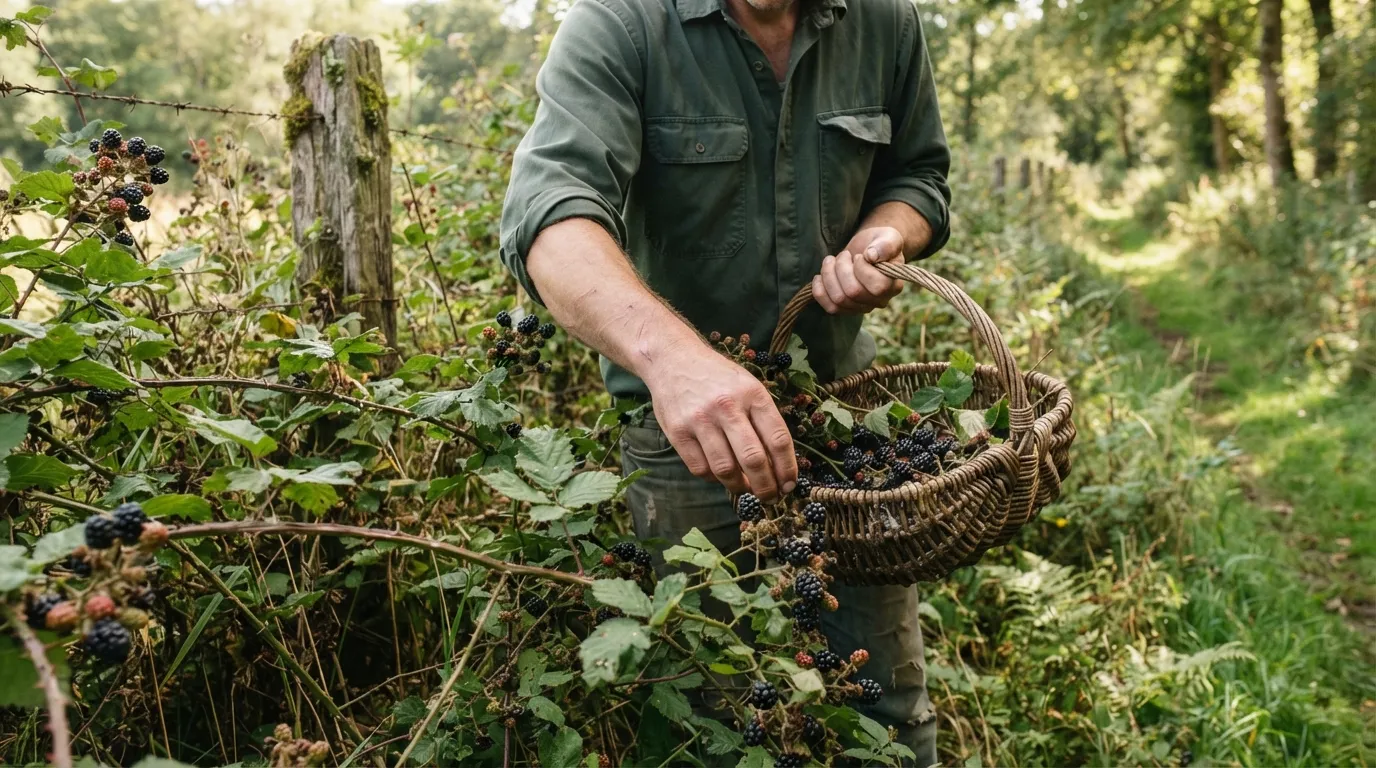
Blackberries grow along fencerows and trail edges, and anyone who has picked them knows the scratched forearms that come with a full bucket. Per 100 grams they hold 5.3 grams of fiber, 21 milligrams of vitamin C and only 43 calories.
Blackberries score about 42 points, a clear step up from the cranberry. Fiber alone covers roughly 19 percent of the daily value per 100 grams.
A full cup, about 144 grams, brings roughly 7.6 grams of fiber and 30 milligrams of vitamin C. They also supply vitamin K and manganese, which this score doesn’t count.
Fast Facts
- Score: about 42 points, roughly 11 more than fresh cranberries
- Fiber: 5.3 grams per 100 grams, matching dried cranberries
- Vitamin C: 21 milligrams per 100 grams, about a quarter of the daily value
- Calories: 43 per 100 grams, well under the grape’s 69
The next berry is one many American shoppers have never seen in a store. It lands just above the blackberry on points, and it gets there by a different route.
#5 – Gooseberries, the Sour Berry Nobody Grabs
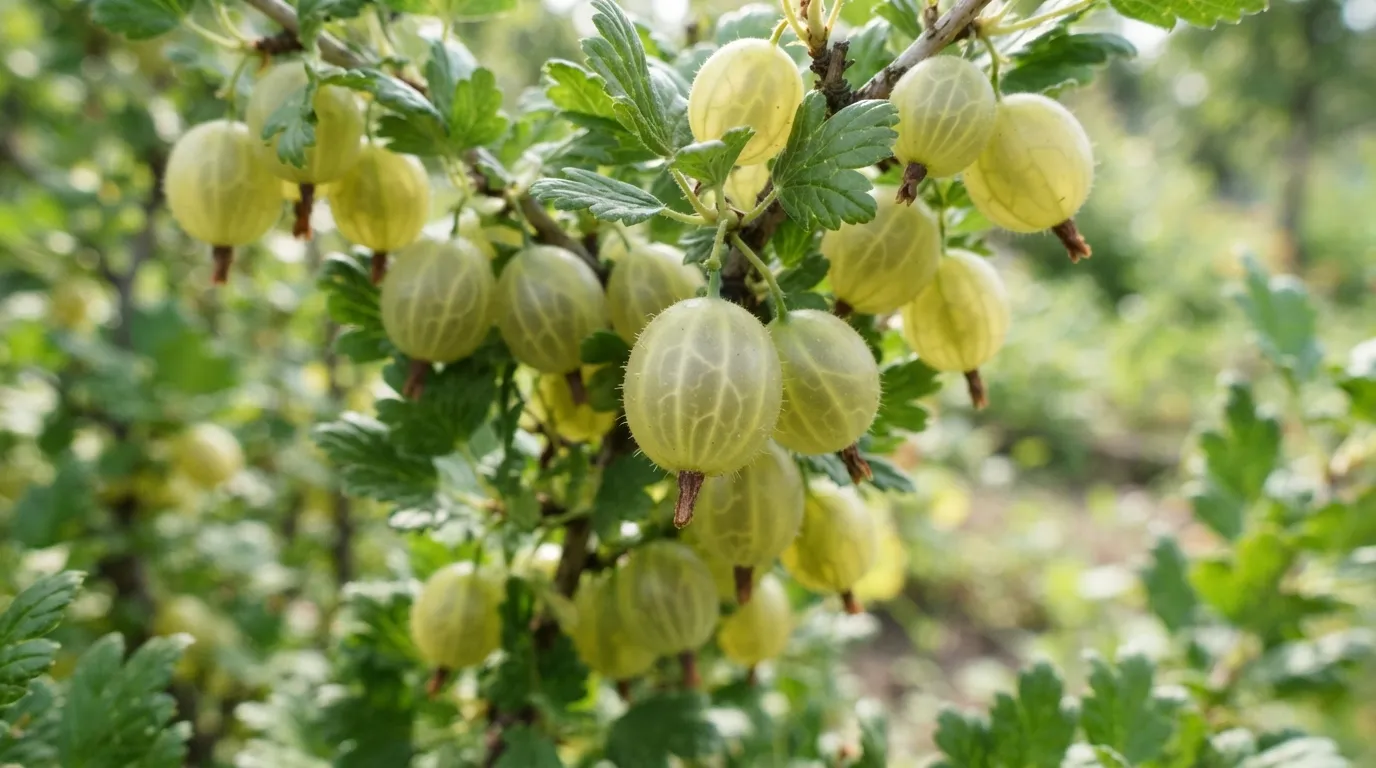
Gooseberries look like tiny translucent lanterns with pale veins running through the skin. Per 100 grams they carry 44 calories, 4.3 grams of fiber and 27.7 milligrams of vitamin C.
Gooseberries score about 46 points, edging past blackberries on vitamin C while giving up some fiber. Vitamin C does the heavy lifting at roughly 31 points, with fiber adding about 15.
They’re famously sour, which is why they usually end up in pies, jams and old-fashioned desserts rather than snack bowls. Availability varies by region and season, so many people only meet them at a farmers market or in somebody’s backyard patch.
The next berry has the most fiber of the whole countdown, and it sits in nearly every grocery store.
#4 – Raspberries, Fiber Heavyweight of the Countdown
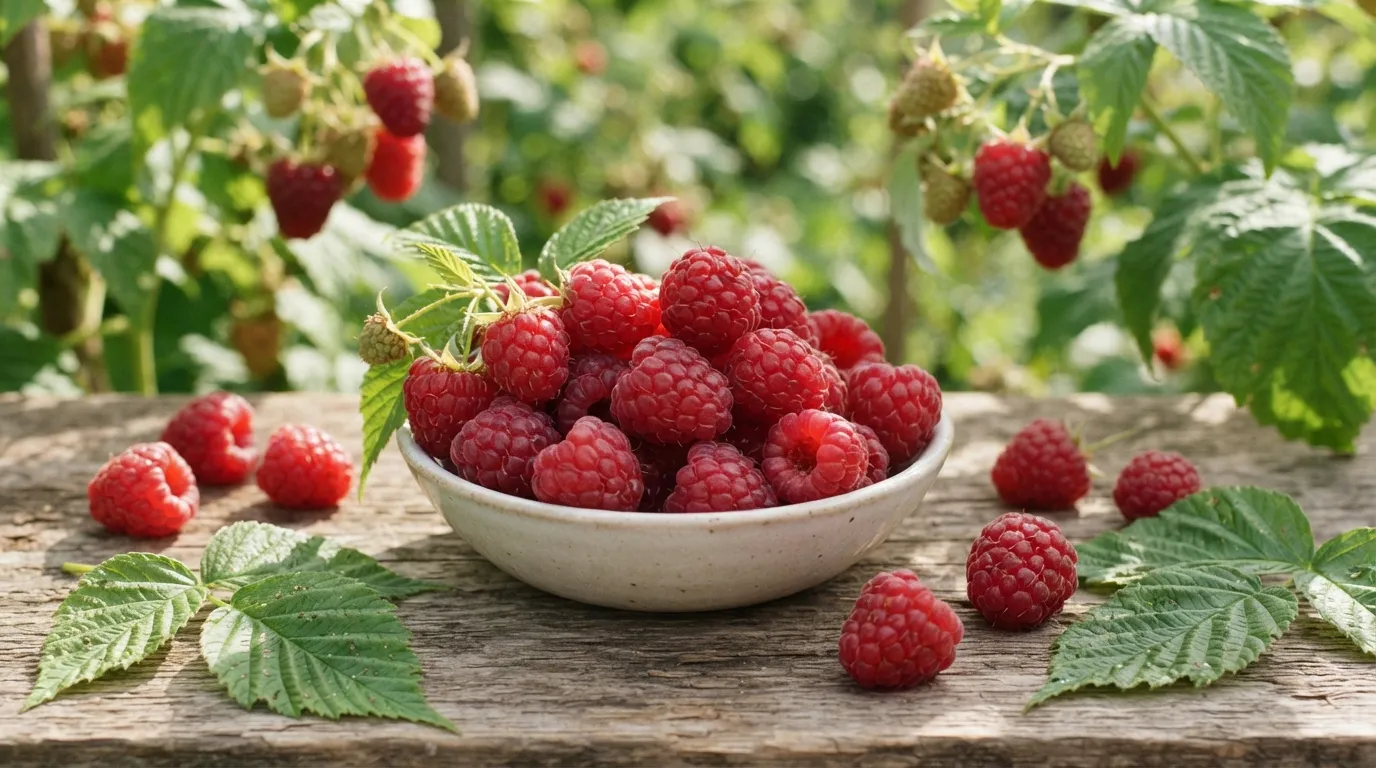
Raspberries are the berry that collapses into jam if you look at it wrong, and they’re also the fiber leader of this list. Per 100 grams they carry 6.5 grams of fiber, 26.2 milligrams of vitamin C and 52 calories.2
Raspberries score about 52 points, and their fiber alone is worth roughly 23 of them. No other berry here tops 6.5 grams of fiber per 100 grams.
A cup of about 123 grams brings roughly 8 grams of fiber, which is why a small clamshell can feel surprisingly substantial. Those figures shift with variety and ripeness, so treat them as a solid ballpark.
Quick Compare: Fiber per 100 Grams
- Raspberries: 6.5 grams, the top of the list
- Blackberries and dried cranberries: 5.3 grams each
- Fresh cranberries: 4.6 grams
- Gooseberries, red currants and black currants: 4.3 grams each
The next berry is a relative of the one in the #1 spot. It already beats raspberries on vitamin C by a wide margin.
#3 – Red Currants, Tiny Jewels With a Vitamin C Kick
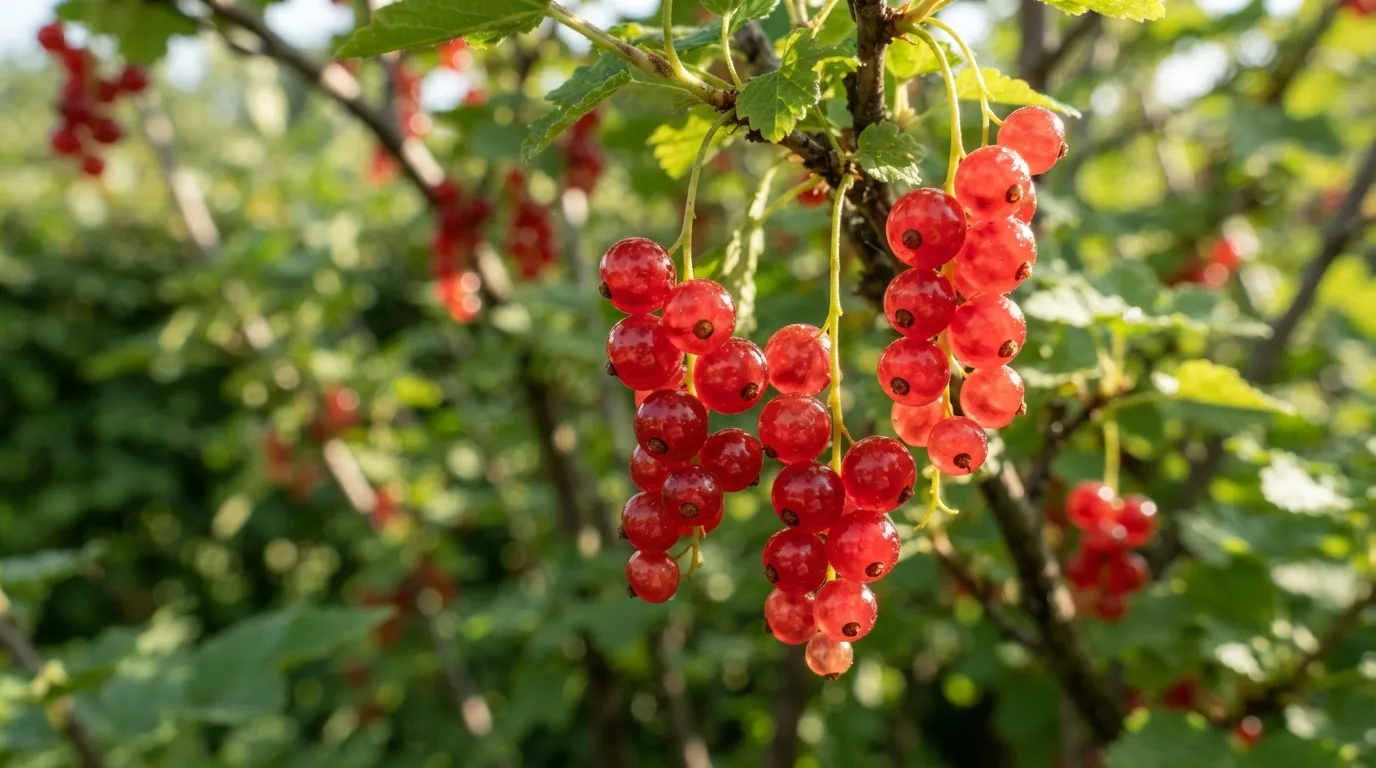
Red currants hang in glossy strings like stained-glass beads, which is why bakers love them as a garnish. Per 100 grams they carry 56 calories, 4.3 grams of fiber and 41 milligrams of vitamin C.
Red currants score about 61 points, a leap of nearly nine over raspberries. The jump comes from vitamin C, where they beat every berry so far.
They’re tart enough that most recipes cook them into jellies, sauces and glazes. Because these figures are for raw fruit, cooking and added sugar will change the picture on your plate.
The next berry is the one that opened this article. Its position may surprise anyone who assumed it would win.
#2 – Strawberries, the Berry You Expected to Win
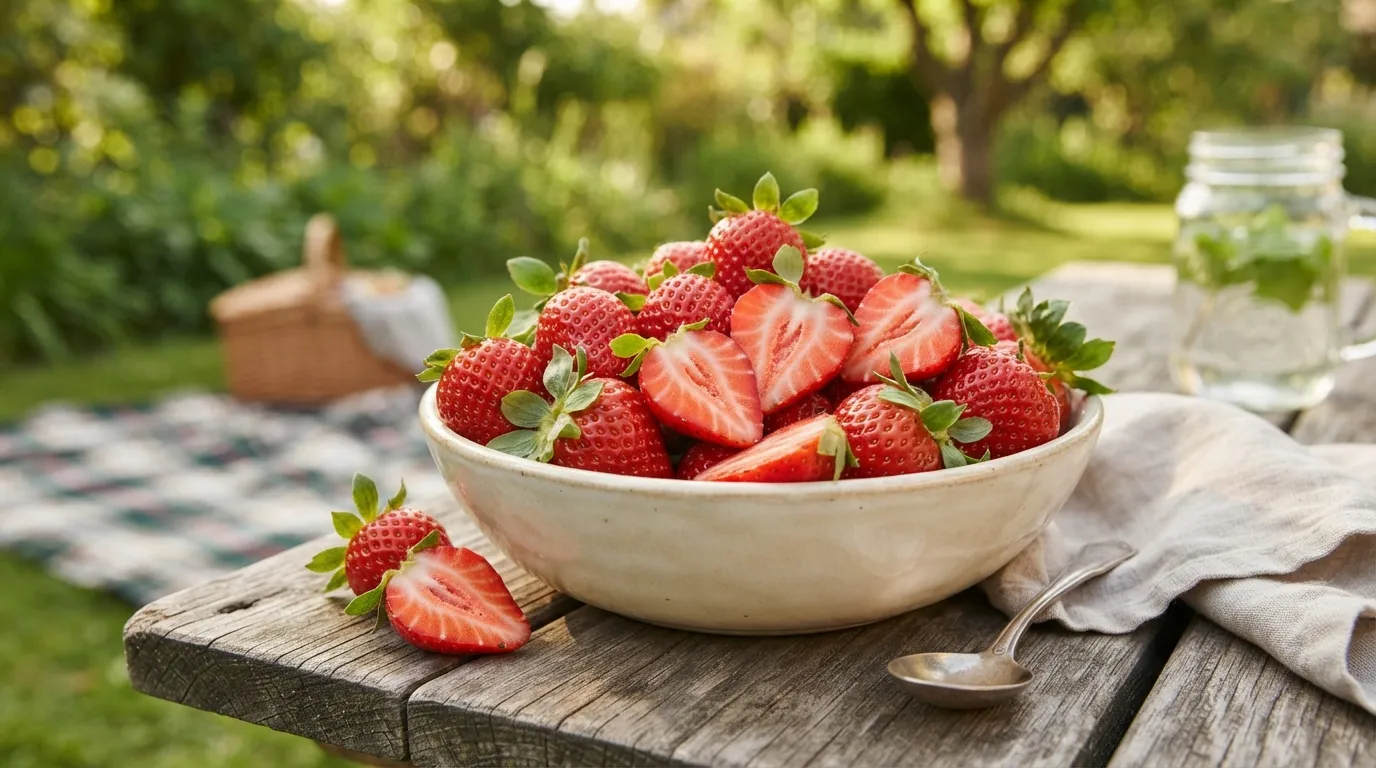
Strawberries are the berry most American kitchens reach for first, whether for shortcake, a lunch box or a picnic bowl. Per 100 grams they hold 58.8 milligrams of vitamin C, 2.0 grams of fiber and just 32 calories.
Strawberries score about 72 points, almost entirely on vitamin C. That vitamin C is worth roughly 65 points, while the fiber adds only about 7.
A cup of halved berries, about 152 grams, brings roughly 89 milligrams of vitamin C and about 3 grams of fiber.3 Botanists don’t even count the strawberry as a true berry, a funny footnote for the fruit that defines the category in most kitchens.
Worth Knowing
- A 152-gram cup lands within about a milligram of the 90 mg vitamin C daily value
- At 32 calories per 100 grams, it is the lightest berry in this countdown
- Its 2.0 grams of fiber is the lowest here except for the grape
- Its score is carried almost entirely by one nutrient
One berry sits above it with roughly three times the strawberry’s vitamin C per 100 grams. It also hides behind a word recipe cards have been mixing up for ages.
#1 – Black Currants, the Berry That Rewrites the Scoreboard
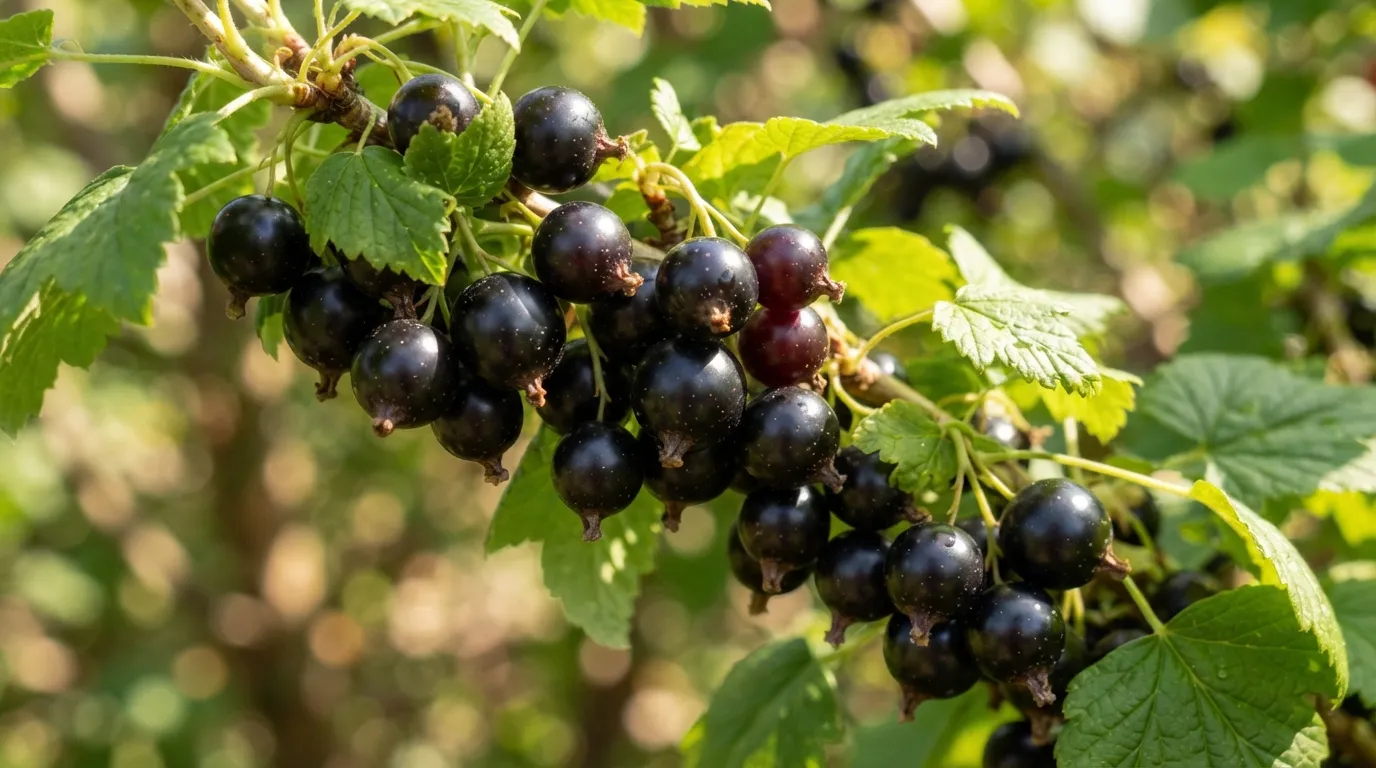
Black currants carry 181 milligrams of vitamin C per 100 grams, about three times what the strawberry offers.4 The same weight also brings 4.3 grams of fiber and 63 calories.
Black currants score more than 200 points, about three times the strawberry’s total. Their vitamin C alone is roughly double the daily value per 100 grams.
Here’s the recipe-card mix-up: in many American kitchens, ‘currants’ means dried Zante currants, which are tiny dried grapes.5 Black currants are a different fruit entirely, with a dark, tangy flavor that tends to show up in jams, juices and syrups.
Fresh black currants can be hard to find in many parts of the country, so availability varies by region. If you spot them at a farmers market or specialty store, you’ve found the clear winner of this countdown.
[article_quiz]What the Scoreboard Really Says
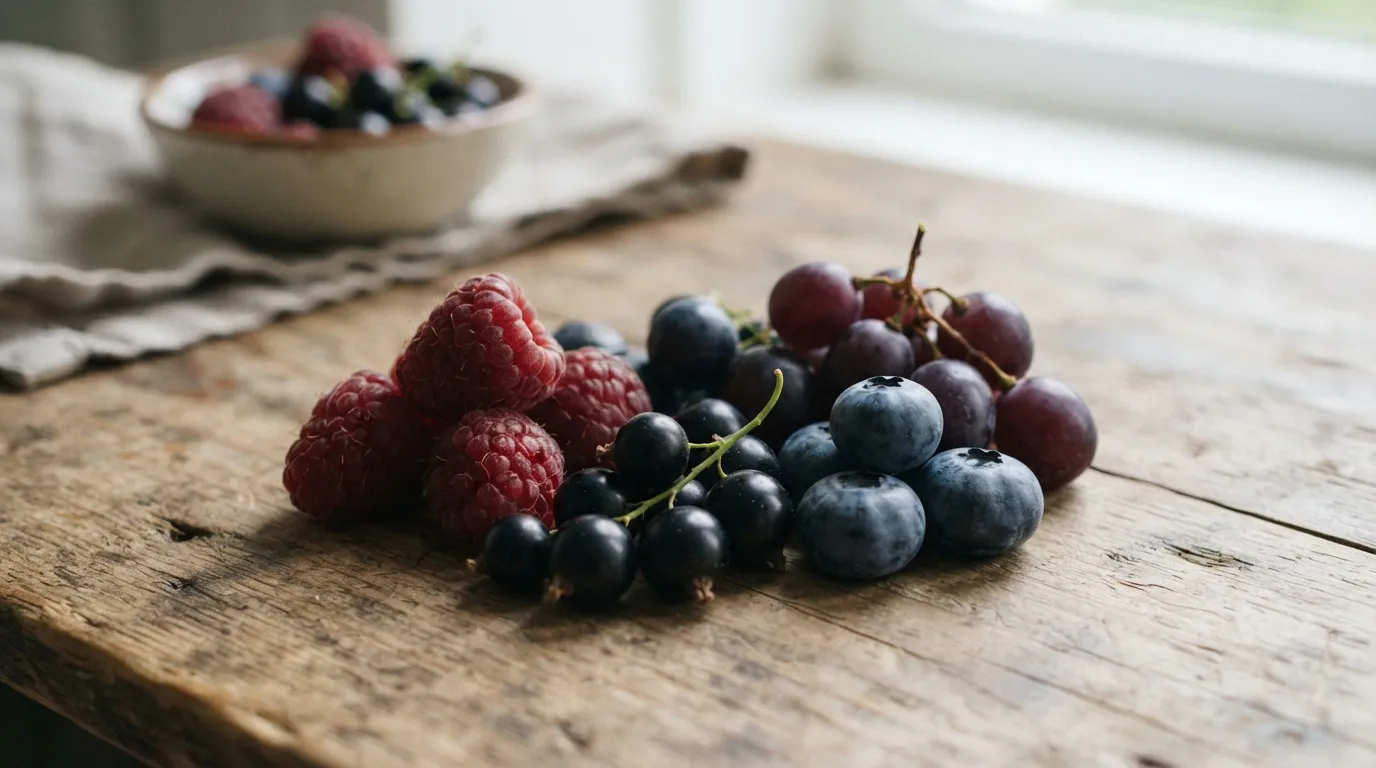
Line the ten up and the pattern is plain: no berry wins every column. Raspberries lead on fiber at 6.5 grams per 100 grams, while black currants run away with vitamin C.
Low scores here aren’t a verdict on a fruit’s worth. Grapes and blueberries both carry other nutrients this two-number score never counts.
At a Glance
- Fiber leader: raspberries, 6.5 grams per 100 grams
- Vitamin C leader: black currants, 181 milligrams per 100 grams4
- Lowest score: grapes, about 7 points
- Biggest surprise: blueberries, about 19 points despite the famous name
Numbers also shift with variety, ripeness and whether you measure by 100 grams or by the cup. Treat this ranking as a snapshot of raw fruit, not a rulebook.
The berry on top is one most shoppers have never carried home in a plastic clamshell, and that may be the best part. The fruits that fill the cart were never the whole story, and the quietest berry on the shelf turned out to be the loudest on paper.
- Dried Cranberry Nutrition: https://en.wikipedia.org/wiki/Dried_cranberry
- Raspberry Nutrition Profile: https://en.m.wikipedia.org/wiki/Raspberry
- Strawberry Nutrition Facts: https://draxe.com/nutrition/strawberry-nutrition/
- Aprifel Blackcurrant Nutrition: https://www.aprifel.com/en/nutritional-sheet/blackcurrent/
- Zante Currant Overview: https://en.wikipedia.org/wiki/Zante_currant