Charming Rural California Towns To Retire Or Buy A Home
Picture this. Rolling hillsides dotted with vineyards, quiet downtown streets where neighbors greet each other by name, and affordable housing that doesn’t make your retirement savings vanish into thin air. Sounds too good to be true for California, right? Here’s the thing: while headlines scream about million-dollar homes in Los Angeles and San Francisco, the Golden State harbors dozens of rural communities where life moves slower, costs less, and somehow feels more genuine.
According to data from the U.S. Census Bureau in 2024, California had a population of approximately 39.5 million people, with over 16% of the population being over the age of 65. These aren’t all flocking to the big cities. Many retirees and homebuyers are discovering that California’s charm often lies in its smaller, less publicized corners. I think there’s something deeply appealing about trading traffic jams for farmer’s markets and overpriced lattes for authentic community connections.
Following an essentially flat housing market in 2025, California home sales are forecast to inch up in 2026, with the median home price expected to reach a new projected record of $905,000. The baseline scenario sees an increase in existing single-family home sales of 2 percent next year to reach 274,400 units. Yet in rural towns, prices remain substantially lower. Let’s be real: not everyone wants to spend their golden years surrounded by concrete and chaos. So let’s dive into some remarkable rural California towns where retirement or homeownership doesn’t have to drain your bank account.
Grass Valley: Gold Rush Charm With Modern Comforts
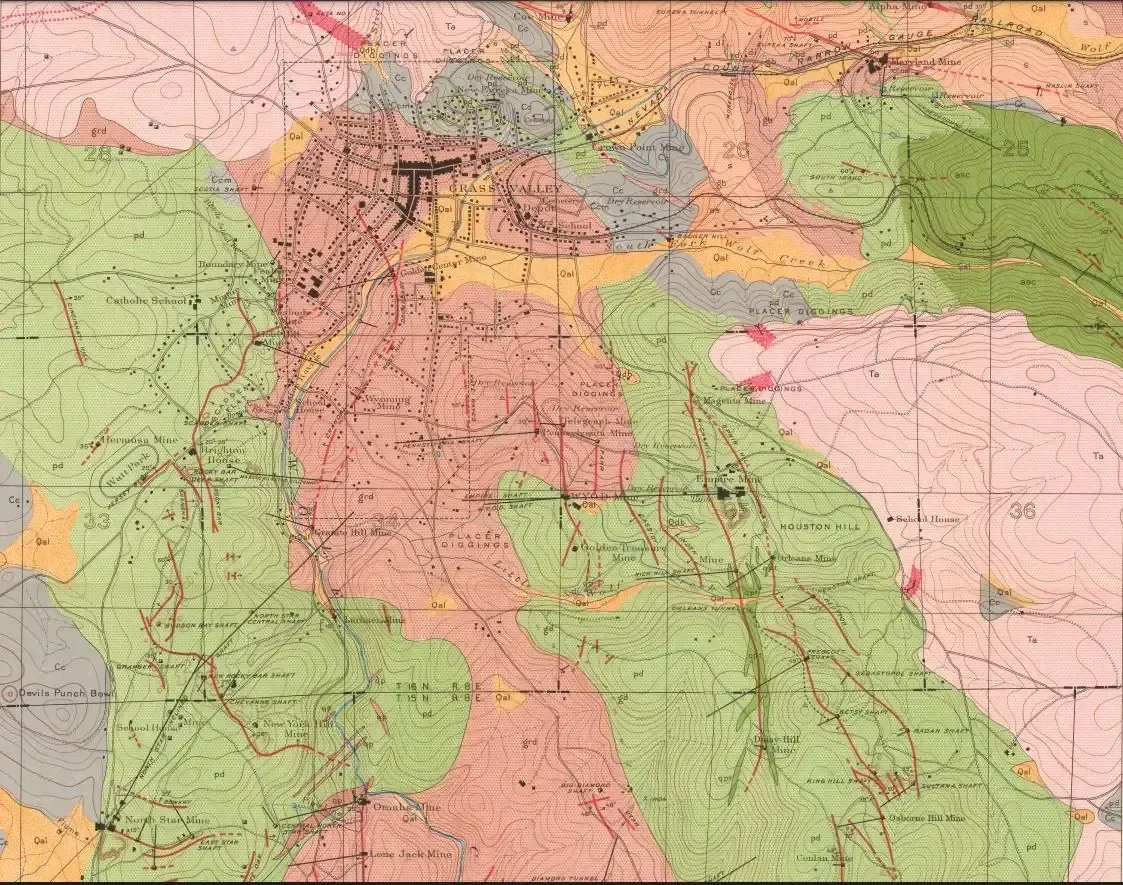
California Gold Rush towns are popular among retirees for their rich history and relaxed vibe. Grass Valley stands out as a prime example of a community where retirees can enjoy a high quality of life in their later years. Walking through the Victorian-era downtown feels like time travel, except you’ve got modern coffee shops and art galleries mixed in with the historical architecture.
Surrounded by the scenic Sierra Nevada, seniors have ample opportunities to explore beautiful outdoor areas like Condon Park and the historic Empire Mine State Historic Park. The local arts and culture scene thrives, with moving live performances staged at the Center for the Arts. The community hosts annual festivals that bring residents together in ways big cities rarely achieve. What really catches my attention about Grass Valley is how it balances heritage with livability.
The cost of living is 9% lower than California’s average, with the average home costing around $575,000. Seniors can find more affordable housing options through Gold Country Senior Services. While that might not sound cheap to folks from other states, it’s practically a bargain in California terms. You’re getting a genuine small-town experience without sacrificing access to healthcare or recreational opportunities.
Paso Robles: Wine Country Without The Price Tag
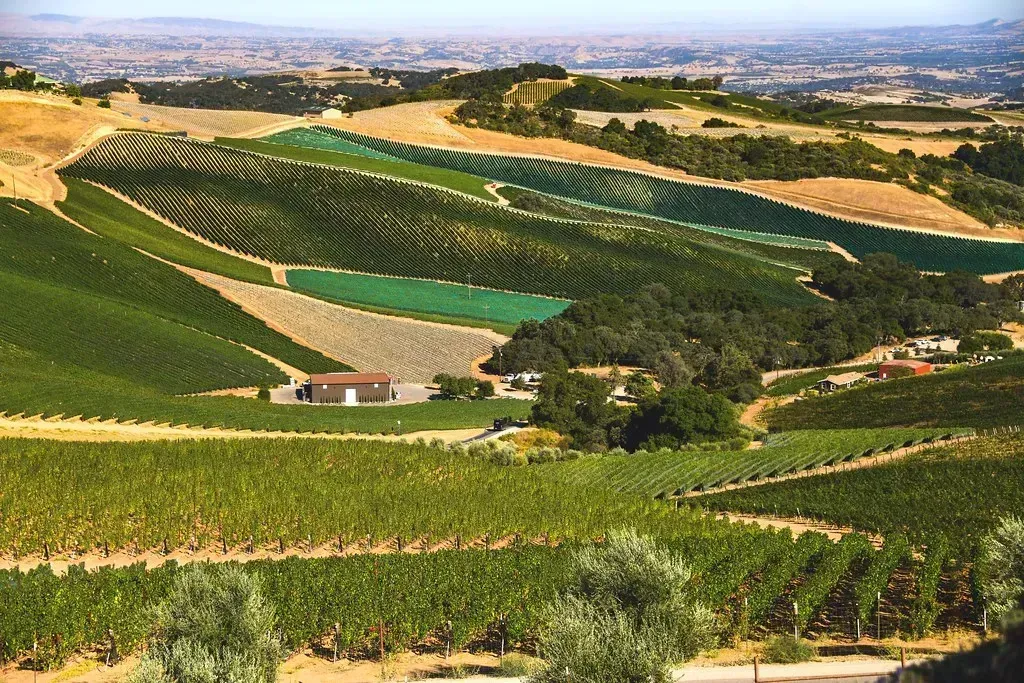
It might be Cedar Key, Fla., Dillsboro, N.C., or closer to the Bay Area, a little city called Paso Robles. According to a new guide from Travel + Leisure, based on data like cost of living, crime, healthcare availability and senior housing. This Central Coast gem offers nearly everything Napa and Sonoma provide, but with more breathing room for your wallet.
Paso Robles enchants retirees with its rich diversity, offering a wide range of indoor and outdoor experiences. Home to over 200 wineries, wine tasting has become a cultural staple in Paso Robles, allowing retirees to visit numerous venues to sample freshly crafted wines. The town isn’t just about alcohol tourism though. Its vibrant downtown area features eclectic restaurants and shops that reflect genuine local character rather than manufactured tourist appeal.
The climate here is Mediterranean, meaning hot, dry summers and mild winters. It’s hard to say for sure, but most retirees seem to appreciate the predictable weather patterns that make outdoor activities possible year-round. History enthusiasts will appreciate the classic military warplanes on display at the Estrella Warbird Museum. There’s substance beneath the surface here, a real community where newcomers can integrate without feeling like perpetual outsiders.
Nevada City: Victorian Beauty In The Foothills

Tucked away in the Sierra Nevada foothills, Nevada City is one of California’s best-preserved Gold Rush towns. Walking down Broad Street feels like stepping back in time, with beautifully restored Victorian-era buildings that now house boutique shops, galleries, and cafes. The architectural preservation efforts here are remarkable, giving the town an almost fairytale-like quality that never feels forced or commercialized.
The town’s annual Nevada City Film Festival is a highlight, bringing filmmakers and cinephiles together for screenings and discussions. You can spend the weekend exploring the nearby Yuba River, a popular spot for swimming, hiking, and camping. What I find compelling about Nevada City is how it maintains cultural vitality despite its small size. You’re not sacrificing intellectual stimulation or artistic experiences by choosing rural life here.
Nevada City is one of California’s best-preserved Gold Rush towns. The median sale price sits around $735,000, which positions it as moderately affordable compared to coastal California but with significantly more character than typical suburban developments. The community attracts artists, retirees, and remote workers who value authenticity over status symbols. I honestly think that’s what makes rural California towns special – they attract people who genuinely want to be there rather than those who feel obligated to live somewhere prestigious.
Auburn: Gateway To The Sierra With Small-Town Soul
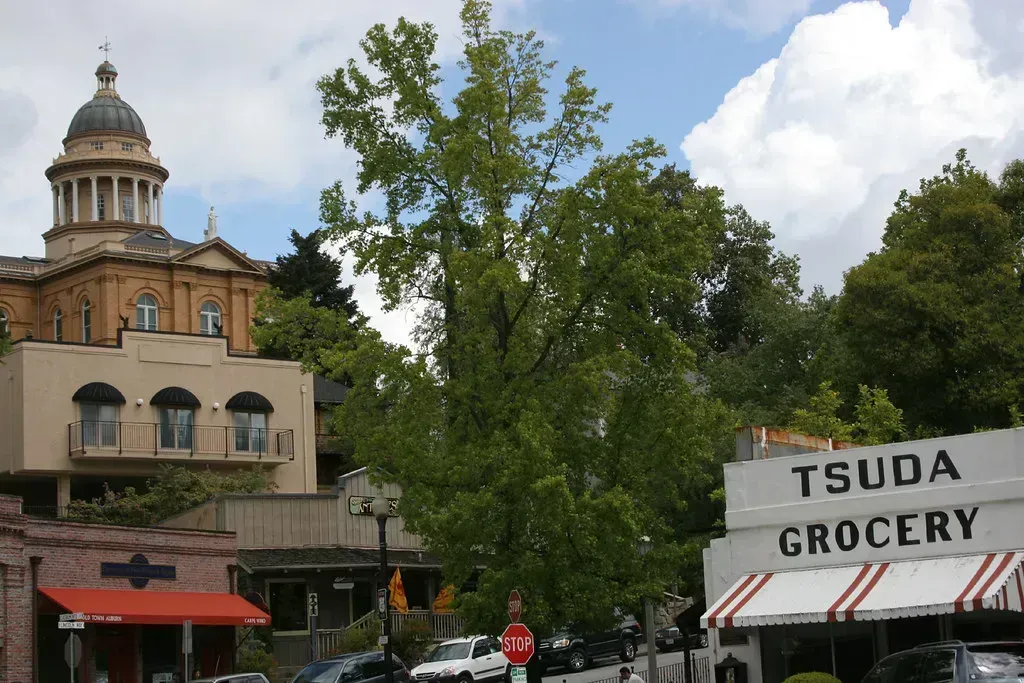
This California Gold Rush town in the Sierra Nevada entices retirees with its immersive mining heritage, lovely recreational hubs, and affordable cost of living. Newcomers curious about the storied can get a glimpse at the Gold Rush Museum. Auburn successfully straddles that difficult line between historical preservation and modern functionality.
According to data, Auburn consistently ranks among the top retirement destinations in California when factoring in affordability, amenities, and weather. The town sits at an elevation that provides four distinct seasons without the harsh extremes of mountain living. Summer temperatures stay comfortable while winters bring occasional snow that rarely disrupts daily life significantly. You’re close enough to Sacramento for major medical care or airport access, yet far enough removed to enjoy genuine small-town tranquility.
The Old Town district features antique shops, local restaurants, and weekend farmers markets that foster community connection. The average home costing around $575,000. For California, that represents genuine value, particularly when you consider the quality of life factors. Auburn offers proximity to hiking, mountain biking, and river activities without requiring you to live in isolation. It’s accessible rural living rather than extreme back-to-nature existence.
Eureka: Coastal Living At Realistic Prices
At the top of the list are Eureka and Arcata in Humboldt County, both offering coastal beauty, affordability, and a mild climate with no days above 100 degrees projected between 2035 and 2064. If you’ve dreamed of retiring by the ocean but balked at Southern California beach town prices, Eureka deserves serious consideration.
The North Coast aesthetic differs dramatically from the Southern California beach scene. Fog, towering redwoods, and rugged coastlines create an atmosphere that feels more Pacific Northwest than stereotypical California. Property tax rates in small towns like Crescent City, Eureka, and Morro Bay typically range from 0.7% to 1.1% of the assessed home value, often resulting in annual property tax bills between $1,500 and $4,500. Housing costs remain substantially below state averages here.
Eureka’s Victorian architecture rivals anything in San Francisco, yet without the impossible cost of entry. The community supports local arts, farmer’s markets, and environmental conservation efforts. I think the isolation works in Eureka’s favor for retirees seeking peace rather than constant stimulation. You’re trading easy freeway access for genuine coastal beauty and a slower pace that actually allows you to enjoy retirement rather than just survive it.
Chester: Mountain Lake Serenity Near Lassen
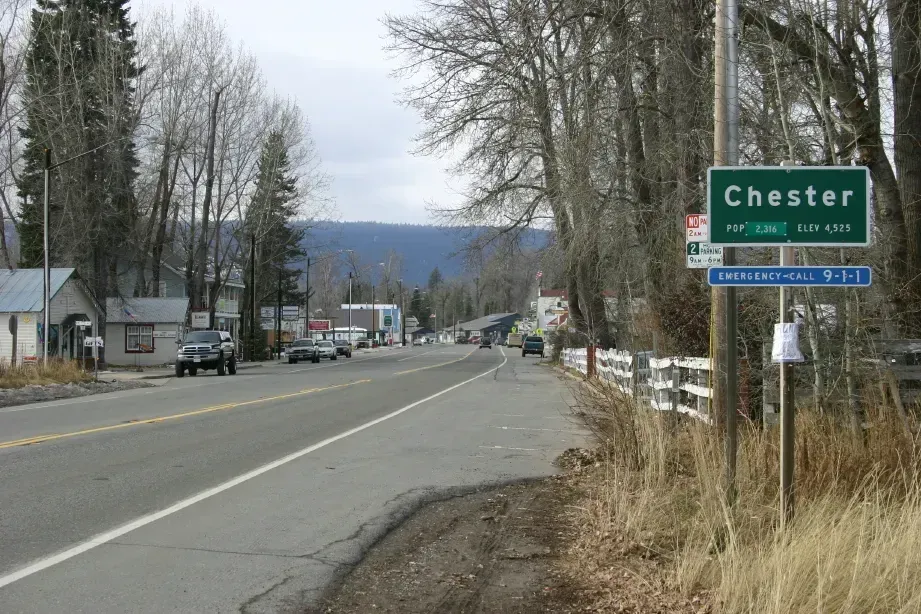
Chester is one of California’s most beautiful small towns with easy national park access, as it’s only less than a 30-minute drive from Lassen Volcanic National Park. This small town, founded in 1894, is also great for those seeking to retire affordably in the Golden State. The mountain setting appeals to outdoor enthusiasts who want genuine wilderness access without complete remoteness.
Since Chester is near Lake Almanor, golden agers can spend their free time fishing, boating, and enjoying lakeside picnics while admiring the expansive views of the surrounding forested mountains. The lake becomes the community’s central feature during warmer months, with residents and visitors alike enjoying water sports and scenic beauty. Winter brings snow sports enthusiasts who appreciate the town’s proximity to ski areas.
Housing in Chester remains affordable compared to most California markets. The trade-off involves accepting seasonal tourism fluctuations and winter weather that requires preparation and adaptability. For retirees who love outdoor recreation and don’t mind winter months, Chester offers spectacular natural beauty combined with genuine small-town community. The local culture embraces outdoor lifestyle rather than simply tolerating it, creating a community of like-minded residents who chose mountain living intentionally.
Rio Vista: Delta Living With Sacramento Access
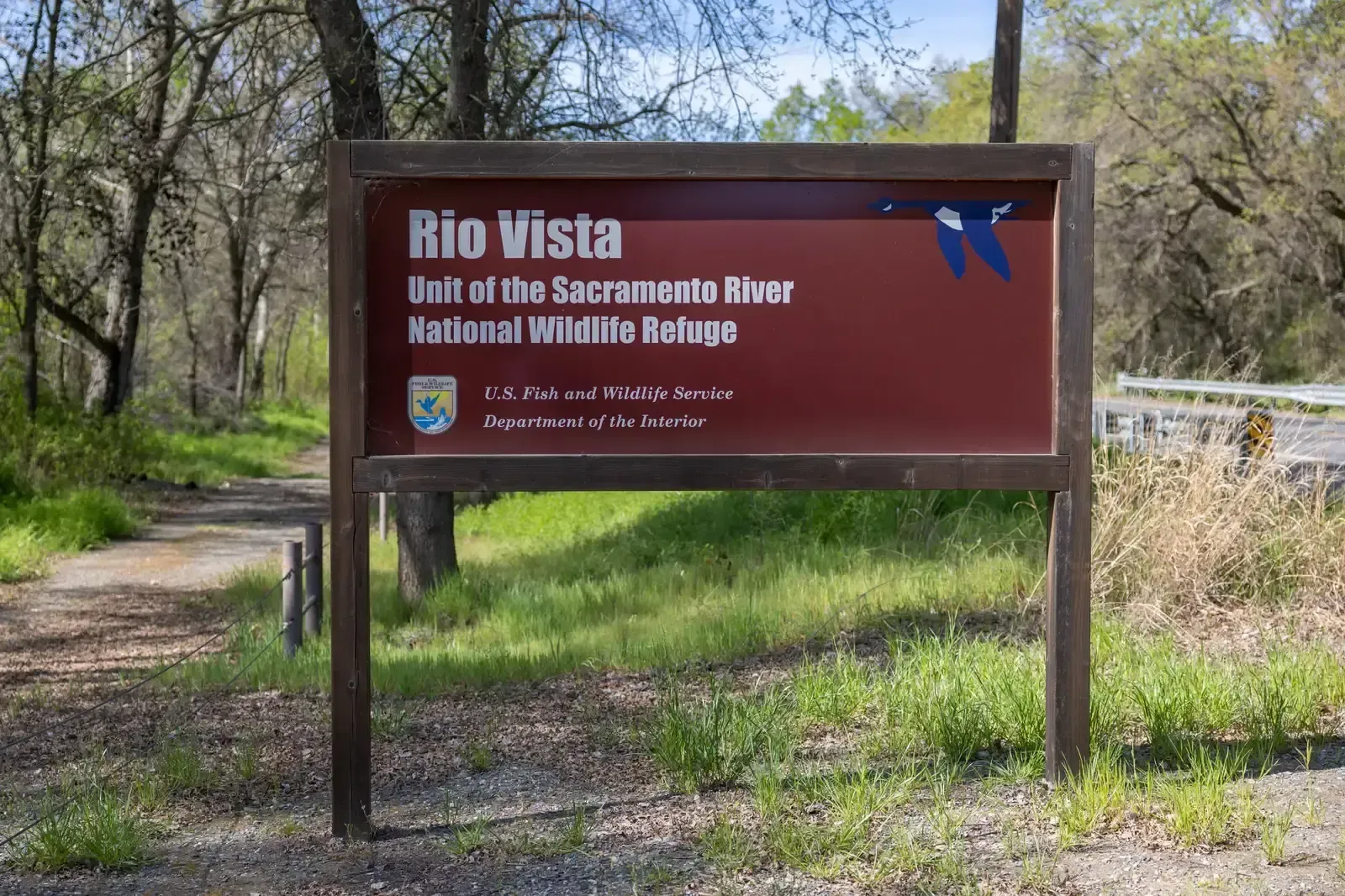
Wrightwood, Rio Vista, Laguna Woods, and Borrego Springs are just four of the small towns that make for excellent retirement destinations. Rio Vista occupies unique geography where California’s inland delta creates waterways, wildlife habitat, and a distinctive landscape that differs from both mountains and coast.
Rio Linda is a town about 20 minutes from Sacramento. The town’s agricultural roots are still evident, with many locals enjoying horseback riding and farming on their large, open properties. The delta region offers boating, fishing, and bird watching opportunities that attract nature enthusiasts. Housing costs remain below state averages while maintaining proximity to Sacramento’s medical facilities, shopping, and urban amenities.
The climate here gets hot in summer – let’s be real about that. You’ll want air conditioning and acceptance of triple-digit temperatures from June through September. Yet the trade-off includes mild winters, water recreation, and a community that hasn’t been discovered and subsequently priced out by Bay Area commuters. Rio Vista maintains working-class roots and agricultural heritage that create authentic rather than manufactured rural character.
Redding: Northern California’s Affordable Hub

In Northern California, Redding can be one of the best places to retire on a budget in California. About 100 miles from the Oregon border, Redding has a lower median home value of $397,854, which could make homeownership in retirement more affordable, and it’s 26% cheaper to live there than the rest of California. Redding functions as the commercial center for California’s far north, providing services and amenities smaller rural towns lack.
There are two large and excellent healthcare centers in Redding as well, Mercy Medical Center and Shasta Regional Medical Center. Home prices average around $250,000, leaving plenty of money for enjoying all the Central Northern California area in and around Redding has to offer. The healthcare infrastructure matters enormously for retirees, and Redding delivers quality medical services without requiring relocation to major metro areas.
A fifth of the city’s population is 65 or older, so retirees could find it less of a hassle to build a community. The outdoor recreation opportunities are substantial – Shasta Lake, Whiskeytown Lake, and Lassen Volcanic National Park all sit within easy driving distance. Summer heat reaches extreme levels, but residents adapt with early morning activities and evening outings. For budget-conscious retirees who want services, community, and recreation without coastal prices, Redding presents compelling value.
Oxnard: Coastal Alternative To Overpriced Beach Towns
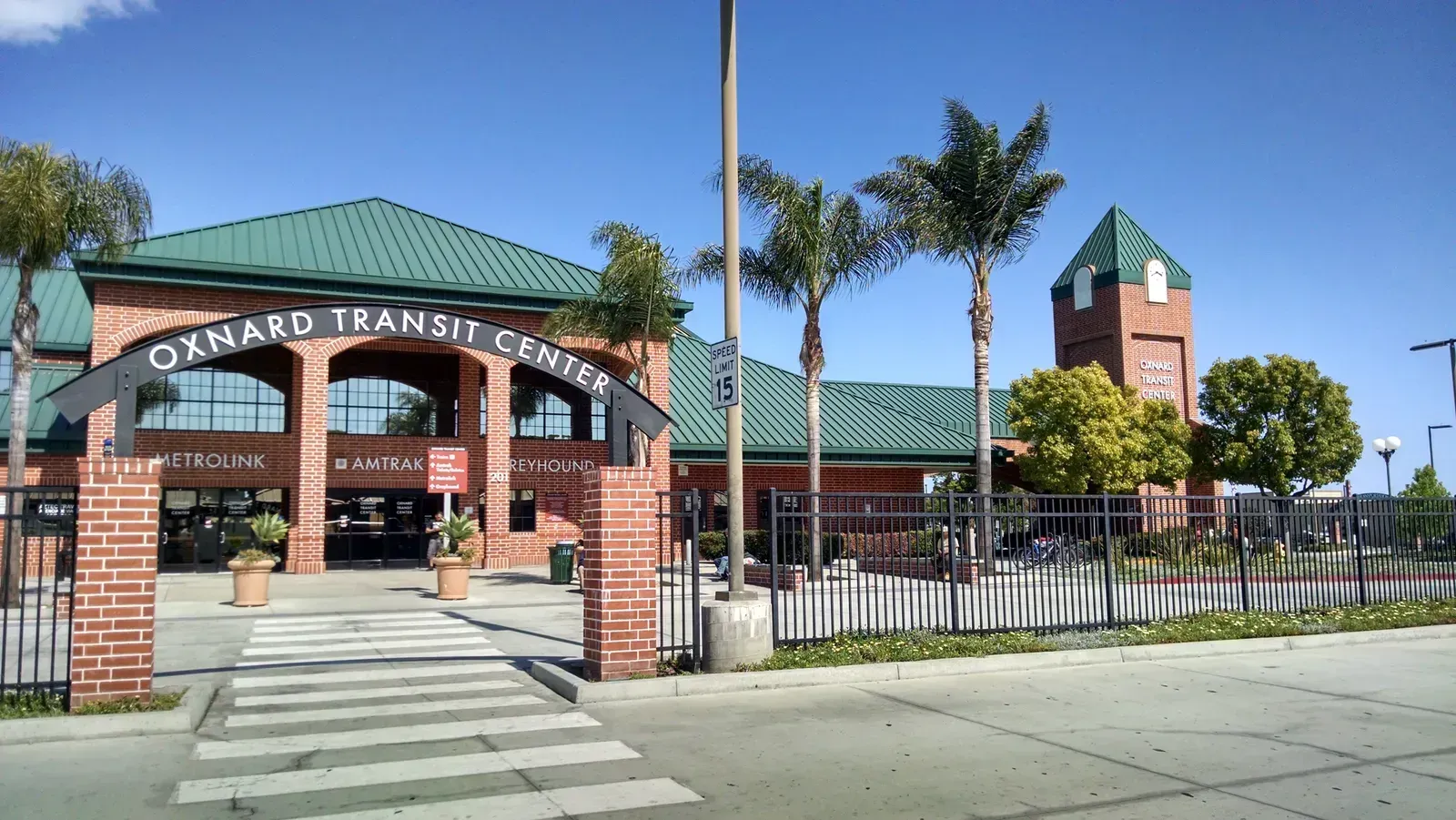
Oxnard offers more affordable coastal living with median home prices around $760,000. This beach town provides a laid-back lifestyle with beautiful beaches, parks, and a charming downtown area. While not exactly cheap in absolute terms, Oxnard delivers ocean access at roughly half the price of nearby Malibu or Santa Barbara.
Oxnard’s cost of living is lower than nearby coastal cities like Santa Barbara and Los Angeles, making it an attractive option for retirees seeking a coastal retreat without the exorbitant price tag. The agricultural heritage still influences local culture, with strawberry fields and vegetable farms operating alongside residential neighborhoods. This creates an interesting blend of beach town and working community.
The beaches themselves offer miles of coastline with substantially fewer crowds than Los Angeles or Orange County beaches. You can actually find parking and enjoy the sand without battling tourist hordes. The climate stays mild year-round, with ocean breezes moderating temperatures. I think Oxnard represents the last affordable beach town option in Southern California before you either head north or accept inland living.
Modesto: Central Valley Affordability With Urban Amenities
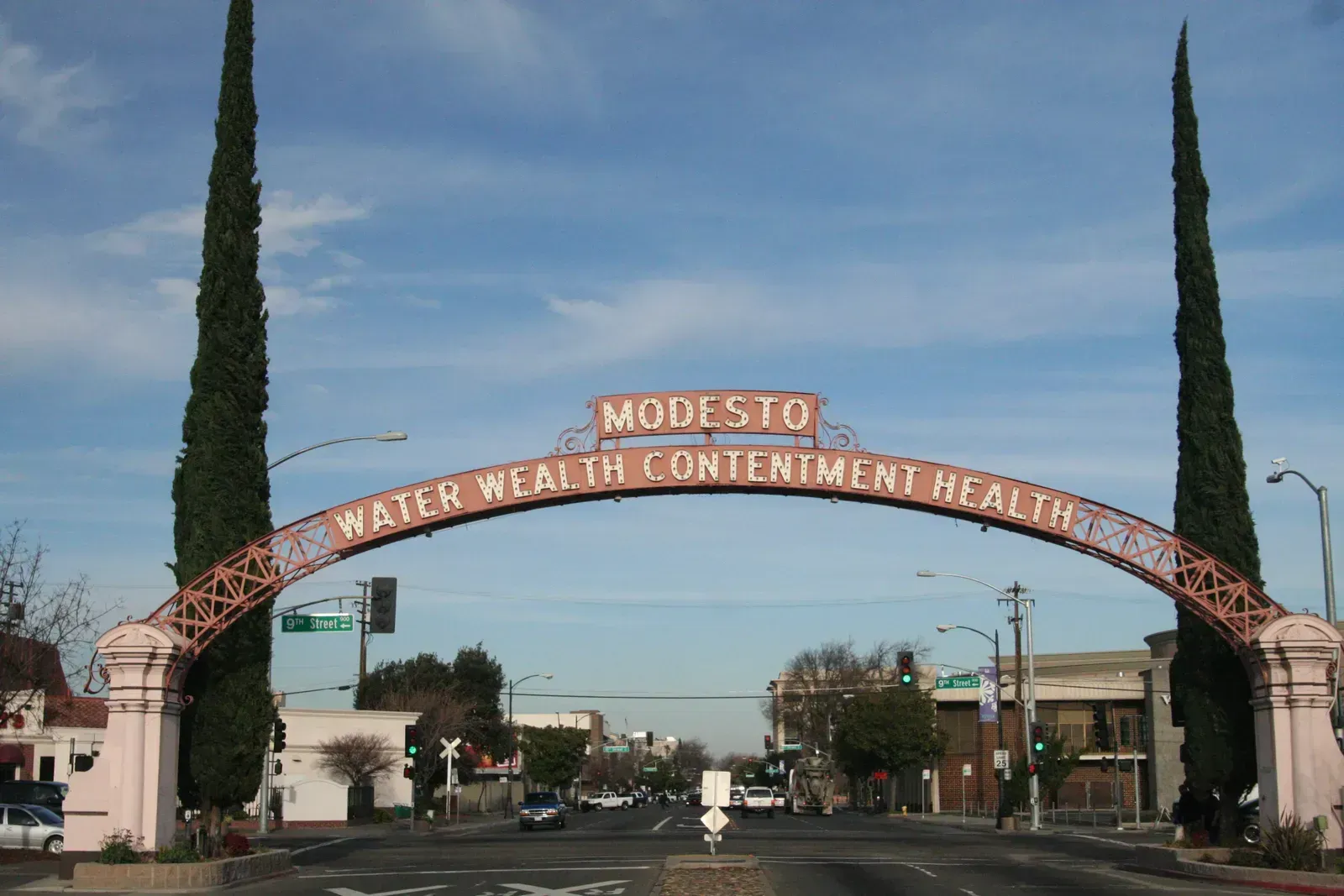
Rooted in California’s Central Valley, Modesto has an agricultural history and blends small-town friendliness with practical living. If keeping costs low is your main concern, Modesto wins hands down. Median home prices are at $457,500, and median rent is just $1,645, making this the most budget-friendly option on the entire list. For retirees on fixed incomes, these numbers represent genuine affordability within California’s expensive housing market.
For retirees who need their savings to stretch, few places in California give you this much financial breathing room. Only 16.2% of residents are 65 or older; additionally, a 12% poverty rate suggests that the area is facing some economic challenges that could impact everything from public services to long-term stability. Modesto isn’t perfect – it faces economic challenges and doesn’t offer the scenic beauty of coastal or mountain communities.
Yet what it does provide is accessibility. You’re two hours from San Francisco, two hours from Yosemite, and positioned centrally for exploring California without paying premium prices. The agricultural economy creates seasonal rhythms and farmer’s market abundance that connect residents to food sources. For practical retirees who prioritize stretching retirement dollars over Instagram-worthy scenery, Modesto delivers remarkable value. It won’t win beauty contests, but it won’t bankrupt you either.