Lifestyle by the Numbers: What an Upper-Class Life Really Costs in 10 Low-Tax States
1. What “Upper-Class” Really Means in Low-Tax America

In the United States, researchers often use income thresholds to define who counts as upper class, and the numbers are higher than many people expect. Recent Pew-style analyses and Census data suggest that in many metro areas, households generally need around two to three times the local median income to be considered upper income, which can easily mean well over two hundred thousand dollars a year in prosperous, low-tax states. The Economic Policy Institute and Federal Reserve surveys also show that high earners tend to spend a large share of that income on housing, education, health insurance, travel, and retirement savings rather than just luxuries, so “upper class” is more about financial structure than flashy toys. When you look at low-tax states, the twist is that state income tax may be close to zero, but the costs of housing, insurance, and lifestyle expectations can still be surprisingly steep once you add them up.
2. Texas: No Income Tax, But Big-Ticket Housing and Property Bills
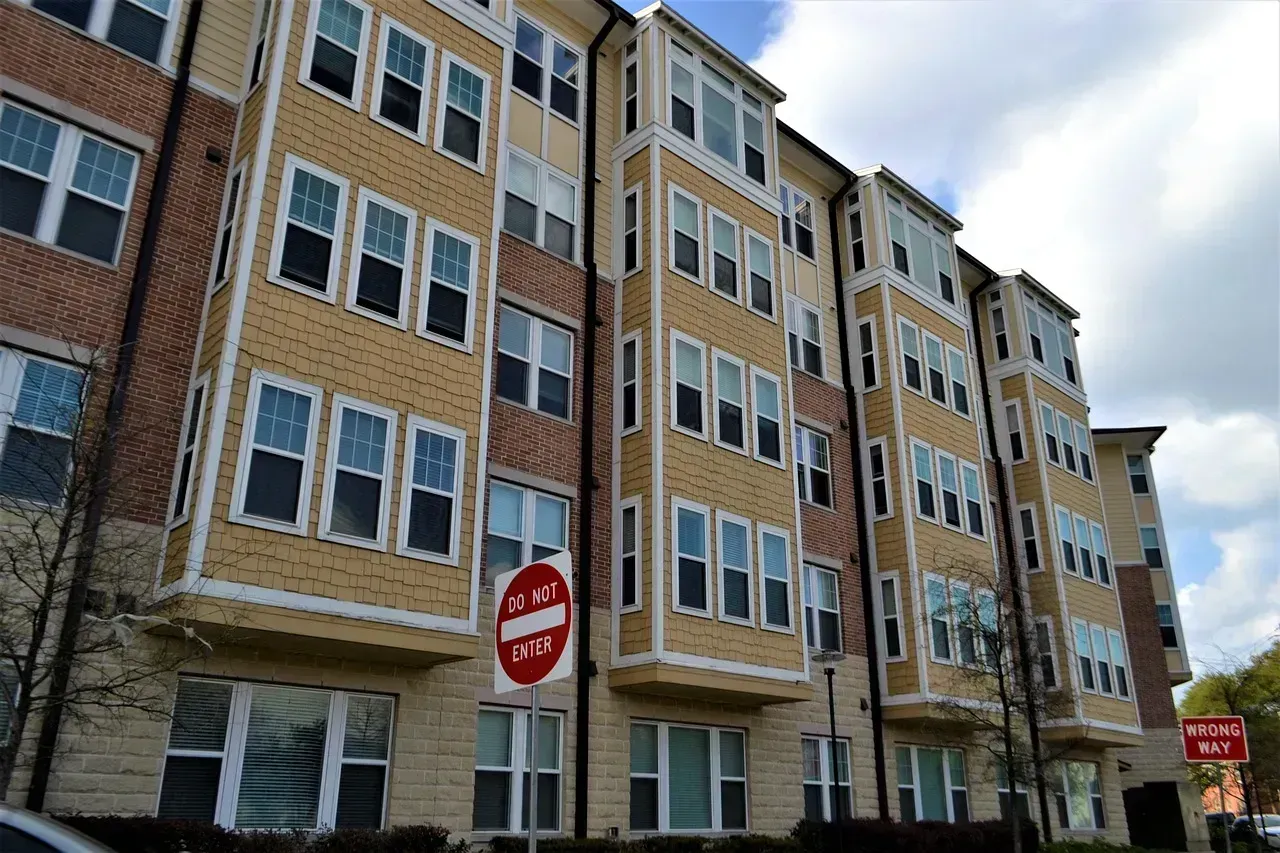
Texas is famous for having no state income tax, but upper-class households quickly discover that property taxes and big-city housing soak up a large part of their budget. In 2023, analyses from sources like the Tax Foundation and state data showed that Texas has some of the highest effective property tax rates in the country, with many homeowners in affluent suburbs around Austin, Dallas, and Houston facing annual property tax bills in the tens of thousands of dollars. Redfin and Realtor.com market data for 2024 showed that upper-tier homes in top school zones around Austin and Dallas commonly listed between roughly eight hundred thousand and over one and a half million dollars, meaning a family targeting a classic upper-class lifestyle in those areas could face a mortgage payment that rivals what some people pay in rent for an entire year. Add in private school tuition in major Texas metros, which regional education reports and school reviews often place in the fifteen to thirty thousand dollar per child range, plus the cost of premium health insurance and regular air travel, and a supposedly “low-tax” upper-class life in Texas can easily require a total pre-tax income well above two hundred fifty to three hundred thousand dollars a year.
3. Florida: Sunshine, Zero Income Tax, and Insurance Sticker Shock

Florida combines warm weather, no state income tax, and booming cities like Miami and Tampa, but recent data highlight how expensive it has become to actually live an upper-class life there. Real estate trackers and housing reports for 2023 and 2024 show median home prices in Miami and many coastal areas surging, while luxury or upper-tier homes in desirable neighborhoods often list well into seven figures, which means high monthly payments plus significant closing and maintenance costs. Insurance has become a major financial shock: multiple investigations and market reports through 2024 show that homeowners’ insurance premiums in Florida have climbed dramatically due to hurricane risk and insurer exits, with many homeowners paying several times what similar houses would cost to insure in inland states, and property insurance has become a headline political issue in the state. For an upper-class family aiming for a gated community near the water, private or elite magnet schooling, regular international travel through Miami or Orlando, and strong retirement contributions, financial planners who use Florida-based cost calculators often illustrate that they may need an annual income comfortably in the three hundred thousand dollar range or more, even though the state income tax rate is technically zero.
4. Tennessee: Low Taxes Meet Booming Nashville Prices

Tennessee has phased out its tax on investment income and does not tax regular wages, making it one of the most-tax-friendly states on paper, but the lifestyle math shifts once you zoom into cities like Nashville. Housing market reports from 2023 and 2024 show that Nashville and its upscale suburbs have seen rapid price appreciation over the past decade, with upper-tier homes in popular areas like Franklin or Brentwood regularly listing around the high six to low seven figures, which translates into large down payments and ongoing mortgage obligations for upper-income households. At the same time, the cost of eating out, entertainment, and professional services in Nashville has moved closer to big-city levels as the metro attracts tech workers, entertainment professionals, and remote employees from higher-cost states, which means that an “upper-class” routine of fine dining, concerts, private lessons, and frequent travel adds up faster than in smaller Tennessee towns. Local cost-of-living comparisons and financial planning examples built around metro Nashville frequently show that a couple with children aiming for private schooling, a spacious home, and strong retirement savings might realistically need annual earnings in the mid to high two-hundred-thousand-dollar range to feel solidly upper class, despite the state’s reputation for low taxes.
5. Nevada: No Income Tax, But Vegas High-End Living Isn’t Cheap

Nevada attracts high earners with no state income tax and a relatively business-friendly climate, yet data from housing and consumer spending trackers reveal that upper-class life in areas like Las Vegas and Reno comes with its own set of expensive trade-offs. Home price reports for 2023 and 2024 show Las Vegas recovering strongly from earlier downturns, with sought-after master-planned communities and luxury high-rise condos commanding prices from the high six figures into multimillion-dollar territory, and homeowners association fees and resort-style amenities add ongoing monthly charges to the base mortgage. Water scarcity in the region has led to significant attention on utility costs and infrastructure investments, and regional analyses from utility regulators and news outlets suggest that water and energy bills for larger homes with extensive landscaping or pools can be noticeably higher than in many wetter states, especially during long, hot summers. For upper-income households that add on private schooling, regular trips through McCarran International Airport to coastal or international destinations, and a lifestyle that includes high-end dining and entertainment, real-world budget breakdowns shared by financial advisors in Nevada often show total living expenses that require a stable income stream comfortably above two hundred fifty thousand dollars per year to maintain with room for savings.
6. Wyoming: Tax Haven Feel, But Sparse Services and Higher Unit Costs

Wyoming is frequently cited by tax research organizations as one of the most favorable states for high earners, with no personal income tax and comparatively low overall tax burdens, yet upper-class living there looks different from big-city luxury. Data from real estate and land brokers show that affluent households often buy large properties or ranch-style estates, and while land per acre can seem cheap compared to coastal states, the total purchase price and maintenance costs for extensive acreage, outbuildings, and equipment quickly climb into high six or seven figures. Because the population is small and spread out, studies and state-level reports have pointed out that access to top-tier healthcare, elite private schools, and specialized cultural or recreational amenities is more limited, so many upper-income families budget significant amounts each year for travel to larger cities or other states for medical care, education options, or enrichment activities for their children. When you combine the cost of a substantial property, higher per-unit prices for some goods and services due to limited local competition, and frequent long-distance travel, financial examples put together by planners familiar with Wyoming’s wealthy households suggest that an upper-class lifestyle there may still call for earnings in the two hundred thousand dollar range and above, even though direct state taxes take a relatively small bite.
7. South Dakota: Low Taxes, Growing Cities, and Quietly Rising Costs

South Dakota has no state income tax and often appears near the top of rankings for low overall tax burdens, but several data sources show that its growing cities, especially Sioux Falls, are not as inexpensive as they once were for high-end living. Housing market reports through 2023 and 2024 indicate that while median home prices remain below national coastal averages, prices in attractive neighborhoods with new construction and good schools have been trending upward, and custom-built upper-tier homes with modern finishes can easily reach the upper hundreds of thousands of dollars. Health insurance and healthcare can also weigh heavily on upper-income budgets, as hospital systems and insurers in smaller states often lack the intense competition seen in large metro areas, and analyses of insurance marketplaces suggest that premiums for top-tier family plans and out-of-pocket costs for specialized care can be substantial. For a household that aims to be solidly upper class, with a newer, larger home, late-model vehicles, regular travel out of state for culture and recreation, and strong retirement and college savings contributions, cost-of-living tools tailored to South Dakota commonly show that they may still need annual incomes in the low to mid-six figures, even with the advantage of no income tax.
8. New Hampshire: No Wage Tax, But Housing and Property Costs Bite

New Hampshire does not tax wages and has been reducing its already-modest tax on interest and dividends, which makes it appealing on paper for higher earners, yet multiple housing and tax analyses point out that property taxes and housing prices take a serious toll. State and national tax research consistently rank New Hampshire among the states with the highest effective property tax rates, and buyers of upper-tier homes in popular communities near the Massachusetts border or along the lakes region often face annual property tax bills that rival or exceed what some households in other states pay in income tax. Zillow and regional real estate data for 2023 and 2024 show that ample, modern homes in high-demand school districts can sell in the high six-figure to seven-figure range, so an upper-class family may allocate a large share of take-home pay to mortgage and tax costs before they even account for private school, college savings, or travel. When you add in the higher-than-average costs for some services in small, affluent towns and the premium prices on recreation around ski areas or lakefronts, financial modeling for upper-income residents often shows that a comfortable upper-class lifestyle in New Hampshire still demands earnings well into the two-hundred-thousand-dollar bracket, even though the state’s tax code looks friendly at first glance.
9. Washington: High Incomes, No Income Tax, and Big-City Price Pressure

Washington State does not have a traditional personal income tax, and that has long been a draw for high earners, especially around Seattle and Bellevue, but cost-of-living research over the past several years makes it clear that the bar for an upper-class lifestyle is high. Housing market surveys from 2023 and 2024 show that although prices cooled slightly from peak 2020 pandemic levels, desirable neighborhoods on the Eastside and in core Seattle still command home prices ranging from the high six figures to several million dollars, which locks upper-income households into very large mortgages or sizeable all-cash investments. At the same time, analyses of consumer prices in tech-heavy metros consistently place Seattle among the more expensive cities in the country for dining, childcare, and services, and Washington’s significant sales and excise taxes add up on big-ticket purchases like vehicles, electronics, and home renovations. For families whose idea of upper-class living includes a large home in a top school zone, private or specialized schooling, high savings rates, and regular travel, regional financial-planning case studies often model annual incomes in the three-hundred-thousand-dollar range or more to achieve that lifestyle comfortably, illustrating how the absence of a formal income tax does not shield households from intense financial pressure.
10. Alaska: High Wages, No Income Tax, and the Hidden Cost of Remoteness

Alaska stands out with no state income tax, no state-level sales tax, and an annual Permanent Fund dividend in many years, yet government reports and economic studies repeatedly show that the cost of living there is among the highest in the nation. Official price indices and comparisons from federal agencies and local research organizations indicate that groceries, construction materials, fuel, and many everyday goods can cost substantially more than in the lower forty-eight states because so much must be shipped or flown in, and this effect is even stronger in communities outside Anchorage and Fairbanks. For upper-class households that want a spacious, modern home built to withstand harsh weather, the costs of construction, heating, maintenance, and insurance can be particularly steep, and larger properties amplify those expenses, according to builders’ associations and housing reports covering 2023 and 2024. When these factors are combined with the cost of frequent long-distance travel to other states or countries for education, healthcare, or leisure, financial modeling by advisors who work with higher-income Alaskans often indicates that maintaining an upper-class standard of living may require earnings in the mid to high six figures, underscoring how low formal taxes do not automatically translate into a low-cost lifestyle.